
Austin to San Antonio Road Trip for Families and Groups
Austin to San Antonio Road Trip for Families and Groups
For an Austin to San Antonio road trip, start in the city where you will spend your first two nights, move hotels once, and fly home from the airport that best fits the final stop and total fare. If the trip begins in Austin and ends in San Antonio, compare flying into AUS and out of SAT with returning to AUS. A one-way rental may remove a return drive, but only if the actual flight and vehicle quotes justify it.
The route is easy to draw on a map and harder to manage with children, bags, a late arrival, or a large group. This guide turns the trip into a few decisions: which airport, where to sleep, when to move cities, and whether one vehicle can safely carry everyone. Check current airport, supplier, road, and attraction information again before travel.
Key takeaways
- Book the first hotel near the first city's main activities; avoid changing cities on the night of a late flight.
- Give Austin and San Antonio their own activity blocks. A single San Antonio day trip from Austin can work, but it is a poor substitute for a relaxed two-city stay.
- Price an AUS-in/SAT-out flight against an AUS round trip, then compare the whole rental bill and return terms.
- Keep a downtown San Antonio day compact; use the vehicle for the intercity move and wider-radius stops, not as a reason to drive between every River Walk activity.
- Count passengers, child seats, mobility gear, and bags before choosing a vehicle class.
Choose AUS or SAT by your first and last nights
Arrive at AUS when Austin comes first
If your first hotel and earliest activities are in Austin, arriving at Austin-Bergstrom International Airport avoids an immediate intercity drive after the flight. The official AUS ground-transportation guide shows current rental-car, rideshare, taxi, and bus information for the Barbara Jordan Terminal. Follow the confirmation from the actual rental supplier; an airport search result alone does not establish its pickup point or hours.
For a central Austin opening, compare two plans. You can pick up a vehicle at AUS and keep it for both cities, or reach the hotel without one and collect a vehicle for the move south. The second plan can save days of hotel parking, but it adds a branch transfer and depends on verified pickup hours, equipment, and one-way terms.
Depart from SAT when the trip ends in San Antonio
If the final nights are in San Antonio, a SAT departure may prevent a drive back to Austin simply to catch a flight. SAT's official rental-car page locates rental counters in its consolidated facility and publishes supplier information. It does not mean every AUS supplier accepts a SAT return, every vehicle class is available, or the drop-off price is small. Compare the exact supplier, vehicle class, pickup and return times, airport fees, mileage terms, and one-way charge before choosing an open-jaw flight.
An AUS round trip can still be better when airfare or one-way rental costs rise sharply, when the group has a final Austin activity, or when the same vehicle must return to its original branch. Leave enough room in the last day for the road, fueling, return procedure, and airport check-in; do not build that day around an optimistic drive-time estimate.
Use SAT first if San Antonio is the trip's real anchor
If the main reason for travel is a San Antonio family visit, conference, or several days of attractions, starting at SAT and ending in Austin may be the cleaner reverse itinerary. The airport choice should follow the overnight sequence, not an assumption that one city is always cheaper. Price both air itineraries and both vehicle-return patterns before booking either.
Give each city a clear role in the itinerary
Austin: a compact opening, then one optional driving day
Choose an Austin base around the activities you actually want. Visit Austin's family guide groups ideas across parks, museums, trails, and other parts of the city. A downtown or central hotel may suit a walkable first day. A park, museum, relatives' home, or farther-out stop can justify a vehicle later. Confirm opening hours, reservations, parking, and weather for the chosen activities rather than treating every suggestion as a guaranteed stop.
For a four-night trip, one workable shape is two Austin nights followed by two San Antonio nights. The first Austin day is for arrival and one nearby activity. The second is for a small cluster of stops. Move cities the following day after breakfast or an early activity, leaving the San Antonio arrival afternoon light. This is a planning pattern, not a fixed schedule.
San Antonio: downtown block plus one wider-radius block
The River Walk and nearby central sights can form one San Antonio block without moving a vehicle between every stop. Visit San Antonio's family guide also identifies the DoSeum, San Antonio Zoo, Morgan's Wonderland, and other attractions for different ages and interests. Choose one or two that fit the group, then verify hours, tickets, accessibility, and parking directly with each operator.
The four separate sites of San Antonio Missions National Historical Park are a good reason to plan a separate wider-radius block instead of tacking them onto a crowded downtown afternoon. A rental can help a family or group move between sites, but an all-day vehicle is only useful if the stops and passengers justify it. The park's planning page is the source for current access, programs, and site details.
One hotel change is usually enough
Moving hotels daily uses up the same hours a family hoped to spend exploring. If both cities matter, group nights by city and put the longer activity days between arrival and departure. For a shorter trip, choose one base and treat the other city as a selective day trip. A day trip is better for one focused San Antonio activity than for a list that includes the River Walk, multiple museums, and all four missions.
Make the intercity day a transfer, not a race
Austin and San Antonio connect by road, but construction, incidents, weather, event traffic, and stops can change the drive substantially. Check TxDOT's DriveTexas guidance and current navigation before departure. Have a second driver or a break plan if the arrival flight, children, or group schedule makes fatigue likely. Do not use a road-condition app while driving.
Pack so the bags needed at the next hotel remain easy to reach. Decide whether the group will stop between cities at all. A stop is useful when it is an attraction everyone wants; it is less useful when it forces luggage to sit in an unattended vehicle or makes hotel check-in late. Confirm the hotel's bag-storage and parking arrangements directly, and keep valuables with you.
On the San Antonio end, choose the parking facility or hotel entrance before entering downtown. The City of San Antonio's downtown guide points to current parking maps and street-closure information. Its special parking offers and traffic patterns can change; use the current page for the travel date. For a passenger van, confirm garage height, length, and loading access with the facility rather than assuming an ordinary car space will work.
Choose the vehicle around people and bags
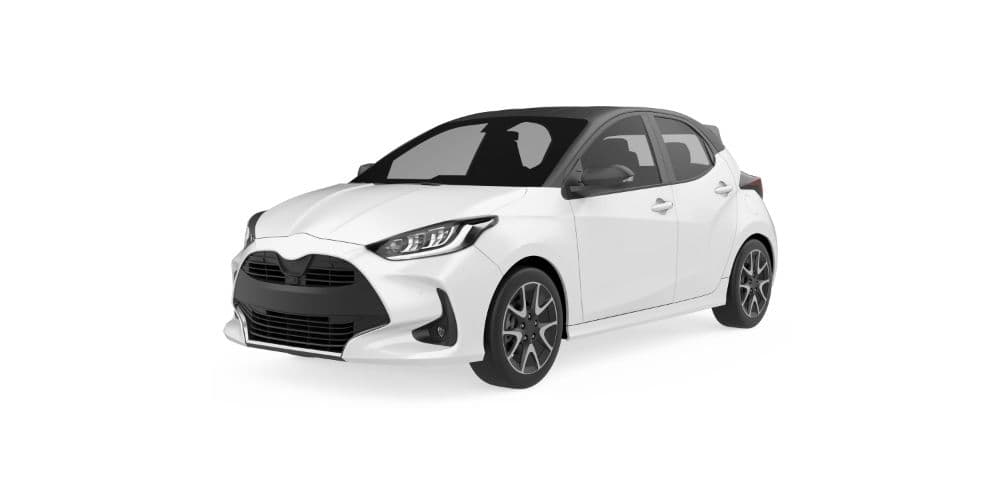
Start with a seat-and-cargo inventory: adults, children, approved child seats, checked bags, carry-ons, stroller, mobility equipment, and any sports or event gear. A seat count alone does not establish usable luggage space. Compare the supplier's actual class description and policies before paying.
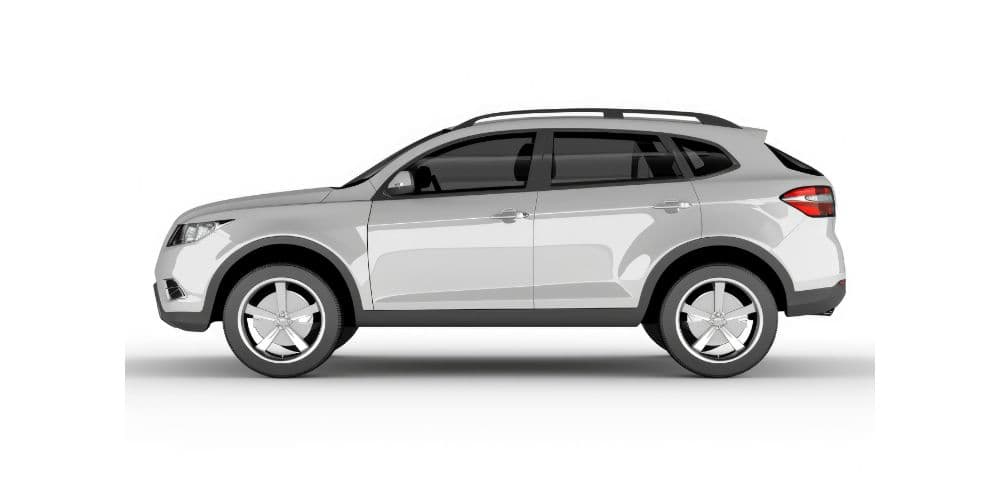
- A midsize SUV rental can suit a smaller family with moderate bags. It may feel cramped with every seat occupied.
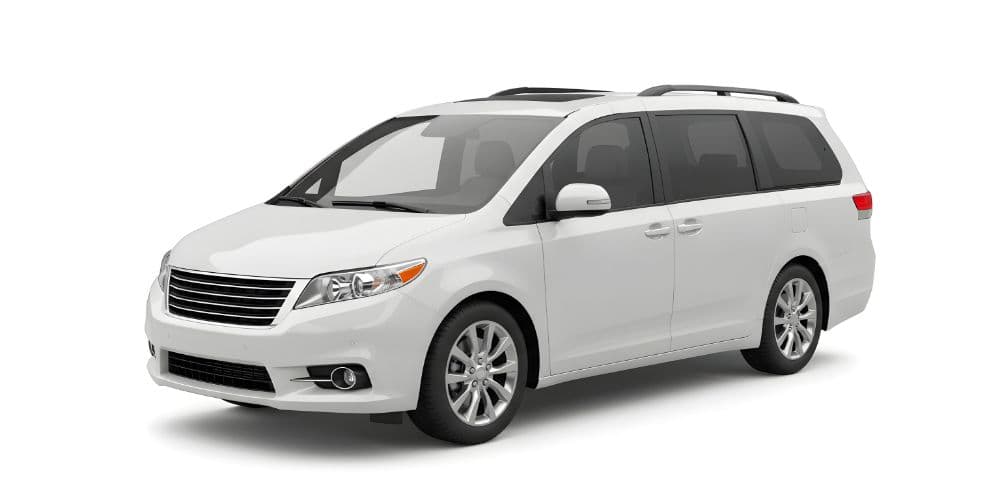
- A minivan rental often makes family loading easier when child seats and luggage are part of the trip. Confirm the quoted configuration.
- A 12-passenger van rental or 15-passenger van rental can keep a larger group together. Check driver eligibility, actual bag room with the seats in use, hotel parking, and supplier restrictions. Two smaller vehicles or a prearranged transfer may work better for some groups.
Use Austin car and van rental options and Austin Airport car and van rentals as location-specific starting points. For the second city, the Texas rental starting point is a broad regional page. It is not evidence that a particular SAT supplier, vehicle, or one-way return is available. Verify the booking result and supplier terms for the exact dates.
Book the full loop, then recheck the moving parts
Compare two complete plans on the same screen: AUS arrival and departure versus AUS arrival and SAT departure. Include airfare for every traveler, rental rate and taxes, one-way charges, fuel, toll policy, two hotels' parking, child-seat charges, and the time and effort of a return drive. If starting in San Antonio, reverse the comparison. A lower flight fare can disappear after an extra hotel night or long transfer; a one-way vehicle can also cost more than the drive it saves.
Before final payment, confirm the flight airports, all drivers, exact pickup and return branches, branch hours, vehicle class, child seats, luggage fit, and cancellation terms. In the final day before each leg, recheck AUS or SAT instructions, TxDOT road conditions, hotel parking, and attraction notices. Keep the plan flexible enough to drop a stop when weather or a travel delay changes the day.
The simplest two-city trip is the one with a clear first base, one deliberate move, and a final airport that matches the last night. Let the route and group size decide whether a vehicle helps; then compare actual quotes rather than treating a one-way rental as automatically cheaper or easier.
Preview photo: San Antonio River Walk - panoramio by Alex Garrido / CC BY 3.0 (via Wikimedia Commons). Cropped for display; original retained.
Our Most Popular Vehicles

Frequently Asked Questions
Fly into the city with the first overnight stay when the schedules and total prices are sensible. If Austin comes first, compare AUS arrival with a later SAT departure. If San Antonio is the main destination, reverse the order. Price flights and ground transport as one trip.
It may be possible with some suppliers and dates, but availability, vehicle classes, branch hours, and one-way fees vary. Search the exact AUS pickup and SAT return locations, then confirm the supplier's written terms before buying flights around that plan.
It can be when the group chooses one focused activity and accepts a full day with travel at both ends. For several San Antonio attractions or a relaxed pace, an overnight stay is usually a more practical plan. Check current road conditions and the group's energy level.
Not necessarily. A central Austin opening and a compact downtown San Antonio day may work without continuous vehicle use. The intercity move, multiple attractions, family visits, or bulky gear strengthen the case for a rental. Compare a full-trip rental with a shorter rental and the needed transfers.
List people, child seats, mobility needs, and every bag before selecting a class. A midsize SUV can suit a small party, a minivan may make family loading easier, and 12- or 15-passenger vans need special attention to cargo space and parking dimensions. Confirm the actual supplier configuration.
Choose a current garage or hotel facility near the day's main activities, verify its price and vehicle dimensions, and check the City's street-closure information. Do not assume a passenger van fits a standard garage or that a special parking offer applies on your date.
Check current TxDOT road conditions and the day's weather, confirm the next hotel's parking and check-in instructions, and allow for breaks. Keep valuables with you at stops and avoid a schedule that depends on one fixed drive-time estimate.