
BOS Rental Car vs. MBTA: Boston Family & Group Travel Guide
BOS Rental Car vs. MBTA: Boston Family & Group Travel Guide
Use MBTA, Logan Express, or rideshare when the Boston stay is compact and the hotel fits the route. Choose a BOS rental when the trip includes suburban lodging, several campuses, regional drives, bulky equipment, or repeated door-to-door travel. A split plan often works best when the first days are city-centered and only the later trip needs a vehicle.
That is the short answer to BOS rental car vs MBTA. Boston Logan is close to central Boston, but the best mode depends on more than distance. Hotel zone, bags, children, mobility needs, group size, parking, and every stop after check-in should drive the decision.
Key takeaways
- The Silver Line SL1 directly serves airport terminals and connects with South Station; the Blue Line requires a free Massport shuttle between terminals and Airport Station.
- Logan Express is most useful when a listed city or suburban stop aligns with the group's hotel, home, or parked vehicle.
- Rideshare is strong for one direct transfer, but larger parties may need more than one vehicle.
- A rental is usually unnecessary for a downtown-only stay and more useful for suburban bases, spread-out visits, or regional travel.
- Passenger vans need extra review for garage clearance, loading space, luggage capacity, and downtown parking.
Compare the four BOS arrival choices
Each mode removes one problem and creates another. Map the exact terminal-to-hotel path with the full group and luggage before choosing.
MBTA: best for a compact, transit-aligned stay
Massport's public-transportation guide explains the main airport options. The Silver Line SL1 serves the terminals and connects to South Station. The Blue Line uses Airport Station, reached from the terminals by Massport shuttle.
The MBTA Logan Airport guide is the place to check current routing, fares, accessibility, and alerts. Test the final walk or transfer to the hotel's actual entrance. “Near the T” is not enough when the group has checked bags, a stroller, a child who needs help, or a late arrival.
Logan Express: best when its stop matches the destination
Logan Express connects airport terminals with Back Bay and listed suburban locations. Use Massport's current Logan Express page to verify the active location, schedule, ticket process, luggage guidance, parking status, and terminal pickup for the actual date.
This option can be practical for a Back Bay hotel or a suburban base near one of the park-and-ride terminals. It is less useful when the group still needs a difficult second transfer at the destination. Compare that last leg before choosing the bus.
Rideshare: best for one direct transfer
Rideshare can move a family directly from the airport to a hotel without a transit connection or rental parking commitment. Massport's ride-app guidance should be checked for the correct pickup area because terminal instructions and airport roadway operations can change.
Enter the actual number of people, bags, child seats, strollers, mobility devices, and equipment. A standard request may not fit the group, while two cars change both cost and coordination. Also price the return to BOS and any additional rides planned during the stay.
Rental car: best when the itinerary spreads out
All rental companies at Logan use the Rental Car Center. Massport's rental-car page and on-airport shuttle guide explain how passengers connect from the terminals. Verify the current shuttle route, company hours, reservation instructions, and return process.
A rental can simplify suburban hotels, family visits, several college campuses, regional business sites, or a trip that continues beyond Boston. It can complicate a downtown stay through parking, tight loading areas, one-way streets, toll handling, and garage limits.
Choose MBTA for a downtown-centered itinerary
MBTA is often the cleanest first choice when the hotel and most activities cluster around downtown, Back Bay, the Seaport, Cambridge, or another transit-connected area. The group avoids a rental counter and does not pay to store a vehicle that remains unused.
Use the Silver Line when South Station is the useful connection
SL1 serves all Logan terminals and connects with South Station, where travelers can reach the Red Line, commuter rail, Amtrak, and local bus connections. It can fit Seaport, South Station, or Red Line-oriented plans especially well.
Before relying on it, check current alerts and the final transfer. A family that can roll luggage directly to a nearby hotel has a different experience from a group making another crowded connection with multiple bags.
Use the Blue Line when East Boston or downtown connections fit better
The Blue Line does not stop at the airline terminals. Travelers use a free Massport shuttle to Airport Station, then continue by rail. That extra transfer may still be worthwhile when the hotel or destination aligns with the Blue Line or an easy connection.
Massport's on-airport shuttle page lists current routes and terminal stops. Recheck it before flying, particularly during construction or service changes.
MBTA is a weaker fit when:
- every traveler has a large suitcase or awkward equipment;
- several young children need hands-on help during transfers;
- the hotel requires a long final walk or another local bus;
- arrival occurs during a service disruption;
- the trip repeatedly leaves the central transit network.
Do not treat those factors as an automatic reason to rent. A taxi or rideshare for the airport transfer can still be simpler than keeping a vehicle downtown for the entire stay.
Choose Logan Express or rideshare for a simpler door-to-door plan
Transit does not need to be all or nothing. Logan Express and rideshare can remove the hardest first transfer while leaving the rest of the stay car-free.
When Logan Express works well
Logan Express is strongest when the destination is Back Bay or near one of the active suburban terminals. A family staying with relatives near Braintree, Framingham, Danvers, or Woburn may be able to combine the coach with a short pickup instead of moving through downtown.
Verify the current list of terminals and schedules; service names and operations can change. If someone is collecting the group, agree on the exact terminal and wait plan before departure.
When rideshare works well
Rideshare is practical when the hotel is not an easy transit fit, the group has several bags, or a direct ride removes a difficult connection. It can also be a useful late-trip option after a car-free stay.
Compare one larger request with two standard vehicles, including whether child seats are required and how the group will handle them. The lowest app estimate is not a complete plan if everyone and their luggage cannot travel safely together.
Add roadway changes to the plan
Airport construction, tunnel work, and terminal roadway changes can affect rentals and app pickups. Check Massport's roadway and construction updates shortly before travel rather than relying on an old pickup screenshot or drive-time promise.
Choose a BOS rental for suburban and regional plans
A rental becomes more useful when the trip's difficult movements occur after check-in. Suburban lodging, family visits, multiple campuses, youth sports, regional meetings, and a later New England drive can justify one vehicle even when transit is easy from Logan.
Travelers can compare BOS airport car and van rentals after confirming the hotel and hardest day. Broader Boston car and van rental options may support a split plan with a city pickup, but confirm the exact location, class, hours, and return terms.
A rental is usually the stronger choice when:
- the hotel is in a suburb with weak late-night or weekend transit;
- several college visits, family homes, business sites, or athletic venues must be reached;
- the trip continues to another part of New England;
- the group carries equipment, mobility devices, or luggage that would make repeated transfers difficult;
- all hotel and destination parking has been checked for the selected vehicle.
Add the full cost and operating work
Compare the rental total, airport fees, fuel, toll program, additional drivers, child seats, hotel parking, destination parking, and the return to the Rental Car Center. For a large van, confirm garage height, turning space, passenger loading, and overnight parking.
Do not use a rental merely because it seems easier at baggage claim. At Logan, reaching the Rental Car Center is itself a shuttle trip. The vehicle earns its keep only when it simplifies the rest of the itinerary.
Consider a split rental for city days plus a regional leg
A split plan is often the most practical Boston answer: use MBTA, Logan Express, or rideshare from BOS; stay car-free during central Boston days; then collect a vehicle when the trip moves to suburbs or a regional destination.
This article intentionally does not prescribe a Salem or Cape Ann route. Those destinations belong in a separate day-trip plan with its own current parking, attraction, weather, and route review.
Test the split plan in three steps:
- Put every central, transit-friendly activity on the calendar.
- Group suburban and regional stops onto candidate vehicle days.
- Compare airport rental, city pickup, one-way terms, parking, luggage movement, hours, and return logistics.
If the city pickup requires the whole group to cross Boston with luggage, an airport rental may still be simpler. If a vehicle would sit in a garage for most of the stay, the shorter rental may be the better fit.
Match the vehicle to Boston streets, bags, and parking
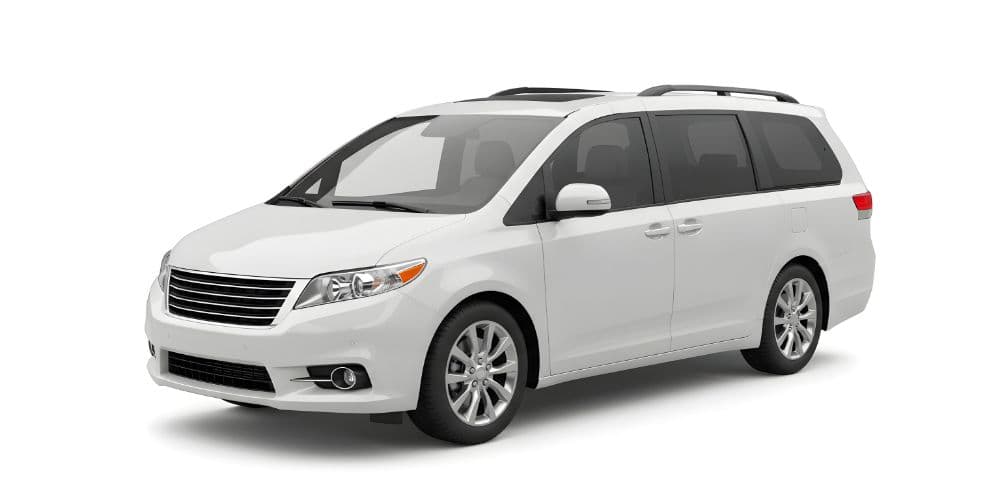
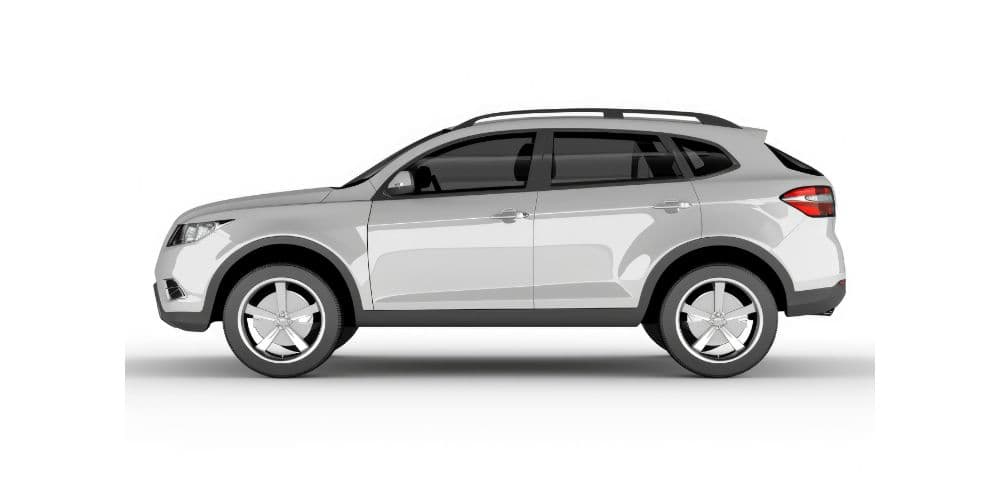
A midsize SUV rental may suit a smaller family with moderate luggage and is generally easier to place than a passenger van. A minivan rental can balance passenger access and cargo flexibility, but luggage space behind the last row still needs checking.
A 12-passenger van rental or 15-passenger van rental can keep a larger group together. Before booking, confirm luggage capacity with every seat occupied, driver eligibility, garage clearance, loading areas, destination access, and overnight parking. A van that fits the travelers may not fit a downtown garage.
Use this BOS transportation checklist
Before paying for any option, answer these questions:
- Which terminal and arrival time apply to each traveler?
- Where is the hotel entrance relative to the Silver Line, Blue Line, or Logan Express stop?
- How many bags, strollers, child seats, mobility devices, and equipment cases must move?
- Can every traveler manage the transfer and final walk?
- How many days actually leave the central transit network?
- Would one correctly sized rental replace repeated multi-vehicle rides?
- Have parking, tolls, driver rules, shuttle instructions, pickup zones, hours, and return details been checked?
Use MBTA, Logan Express, or rideshare when one airport transfer leads to a compact Boston stay. Choose a BOS rental when suburbs, campuses, regional travel, equipment, or a larger group make repeated door-to-door movements the harder problem. The best plan solves the whole itinerary rather than optimizing only the first trip from Logan.
Our Most Popular Vehicles

Frequently Asked Questions
Not for many downtown-centered stays. MBTA, Logan Express, or rideshare may be simpler when the hotel and activities align with central transit. A rental becomes more useful for suburban lodging, several campuses, regional drives, equipment, or repeated door-to-door trips.
The Silver Line SL1 directly serves airport terminals and connects at South Station. The Blue Line uses Airport Station, which requires a free Massport shuttle from the terminals. Choose based on the hotel's exact route, current alerts, luggage, accessibility needs, and final walk.
It can be when the Back Bay or suburban stop matches the destination and the final transfer is easy. Check the current schedule, terminal pickup, ticket process, luggage guidance, parking status, and service alerts. A difficult second ride may remove the advantage.
Rideshare is often easier for one direct hotel transfer, especially with several bags or a poor transit connection. MBTA may be simpler and more predictable for a compact, transit-aligned stay. Compare the full party and luggage load because larger groups may require more than one app vehicle.
Massport provides free on-airport shuttle service between terminals and the Rental Car Center. Follow current airport signs and verify the route, rental-company hours, reservation instructions, and return process before travel because operations can change.
Yes. A split plan can use transit or rideshare for city days and a shorter rental for suburbs or a regional leg. Confirm the city pickup location, class, hours, one-way terms, luggage movement, parking, and return plan before assuming it is easier than an airport rental.
A midsize SUV can fit a smaller party with moderate luggage, while a minivan often balances access and cargo flexibility. Twelve- and 15-passenger vans require careful checks for luggage capacity, driver rules, garage height, loading space, downtown parking, and destination access.