
Charlotte Without a Car: 2 City Days and 1 Rental Day
Charlotte Without a Car: 2 City Days and 1 Rental Day
You can visit Charlotte without a car when you stay near Uptown or a LYNX Blue Line station and keep the first two days centered on Uptown and South End. Add one rental day when the itinerary reaches the U.S. National Whitewater Center, Belmont, family homes, or several suburban stops.
This Charlotte without a car plan is designed for families and groups arriving through Charlotte Douglas International Airport. It combines a simple airport transfer, two compact city days, and one optional vehicle day without paying for hotel parking while a rental sits unused.
Key takeaways
- Stay in Uptown or near a Blue Line station if most plans are central.
- Use CATS Route 5 Sprinter, rideshare, or a confirmed hotel courtesy vehicle for the airport transfer.
- Keep Uptown attractions together on the first day.
- Use the Blue Line and short walks for South End, but check current construction and service alerts.
- Make the Whitewater Center the anchor of the rental day. Add Belmont only if the group still has time and energy.
- Count passengers and bags together before choosing a minivan, SUV, or passenger van.
- Confirm parking, vehicle dimensions, supplier hours, and the return plan before booking.
Can you visit Charlotte without a car?
Yes, if the hotel and daily plans fit the central transit network. Uptown, South End, NoDa, University City, and stops along the LYNX Blue Line can support a mostly car-free trip. A vehicle becomes more useful when the group adds the Whitewater Center, Belmont, Concord, Lake Norman, a suburban family address, or several scheduled stops outside the rail corridor.
Start with the full map, not the airport transfer alone. Charlotte Area Transit System publishes current rail routes and schedules, while the CATS service page carries construction and operating alerts. Check both shortly before travel because platform assignments, headways, detours, and walking routes can change.
For the airport leg, Route 5 Sprinter connects CLT with Uptown and the Charlotte Transportation Center. Review the current Route 5 schedule, fare, payment method, luggage practicality, and final walk to the hotel. A rideshare or taxi may be simpler for a family with several large bags, a late arrival, or a hotel beyond the bus corridor.
Day 1: Keep Uptown compact
Use the arrival day for one Uptown cluster instead of crossing the region. Leave bags at the hotel only when the property confirms storage, then choose one main attraction, one nearby meal area, and a flexible evening plan.
Families can make Discovery Place Science the main indoor stop. Other groups might choose a museum, a scheduled performance, or a sports venue after checking the official event calendar and entry rules. The purpose of the cluster is not to see everything. It is to avoid spending the first day transferring between distant neighborhoods.
The CityLYNX Gold Line can help with some east-west trips through Center City. CATS describes the Gold Line route as a connection between the Historic West End, Center City, and Elizabeth. Service changes and stop-request procedures can apply, so confirm the current operating notice instead of treating an old map as a timetable.
A practical arrival-day rule
Do not place the most time-sensitive attraction directly after the flight. Baggage delays, airport crowds, hotel check-in, and a missed connection can compress the afternoon. Keep the first reservation movable or choose an attraction that the group can shorten without losing the rest of the day.
Day 2: Use the Blue Line for South End
South End is the easiest second-day extension for many central visitors. Ride the Blue Line to the station that best fits the day's first stop, then use the Rail Trail and nearby streets for a compact walking plan.
The City of Charlotte describes the Blue Line Rail Trail as an 11-mile pedestrian and bicycle facility that parallels the light rail and connects multiple destinations. CATS currently flags Blue Line single-tracking periods and nearby Rail Trail detours for November through early December 2026; check the current service notice for the specific dates. The trail is not one uninterrupted sightseeing promenade in every section. Active construction and gaps can change the best walking route, so follow posted detours and avoid promising that every segment works for every traveler.
Build the day around two or three nearby stops, not a checklist of neighborhoods. A family might combine the Rail Trail with a meal and an indoor activity. Adults could choose shops, public art, or a brewery area while keeping the return near a station. For a stroller, wheelchair, older traveler, or anyone who cannot manage a long walk, verify elevators, platform access, sidewalk conditions, and the distance from the station to the actual entrance.
When to add NoDa or University City
Add NoDa or University City only if it replaces part of the South End plan or serves a specific reservation. The Blue Line connects the corridor, but a long chain of stops can turn an easy transit day into repeated boarding, walking, and waiting. Keep one neighborhood as the anchor and treat the second as optional.
Day 3: Rent once for the west-side route
Use the rental day for places where a vehicle solves a real access problem. The west-side route works best with the U.S. National Whitewater Center as the main destination and downtown Belmont as the optional lighter stop.
Make the Whitewater Center the anchor
Check the official Whitewater Center site for the current activity calendar, pass requirements, parking, weather policies, age or ability rules, equipment, and closures. Some visitors may want a scheduled activity, while others may prefer trails, an event, or time by the water. Do not assume every activity operates every day or that general property access includes a paid activity.
Give the anchor enough time. A group that arrives late, has multiple waivers to complete, or chooses several activities may not have a useful second stop. Set a departure decision before the day begins: continue to Belmont only if the group finishes on time and the driver is comfortable with the remaining route.
Add Belmont only as the lighter stop
Downtown Belmont can work as a meal, short walk, or relaxed end to the day. Use Visit Belmont to build a current short list, then verify the chosen restaurant, shop, park, accessibility, and operating hours directly. Do not promise that a particular business can seat a large group or that street parking will be available.
If the Whitewater Center fills the day, skip Belmont. One strong regional experience is better than a rushed sequence. Check DriveNC for current road conditions before leaving, especially when weather, construction, or a major event could affect the route.
Choose a vehicle for the people, bags, and parking
The rental day has a different capacity problem from airport arrival. If travelers leave their large suitcases at the hotel, a smaller vehicle may fit the day trip even when it would not fit the full airport load. If the same rental also handles CLT pickup or departure, count every suitcase, stroller, mobility device, and piece of activity gear with the occupied seats in place.
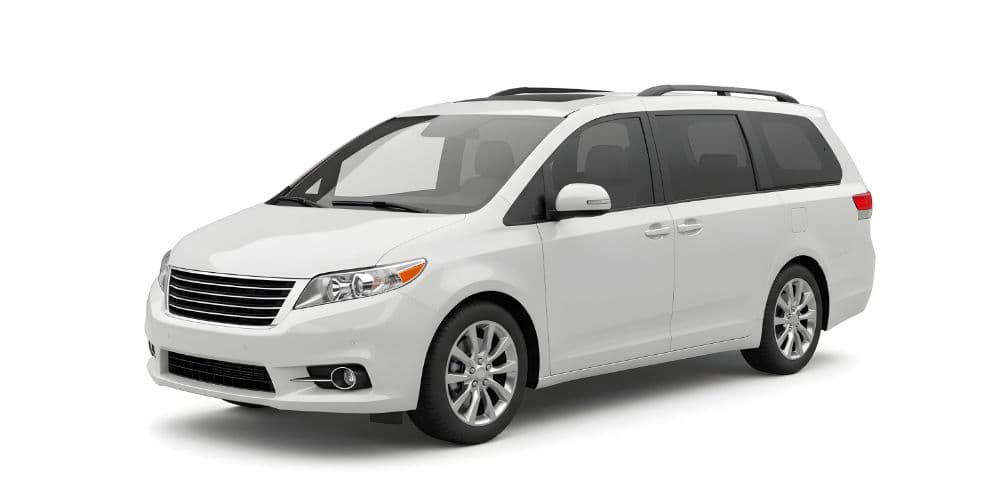
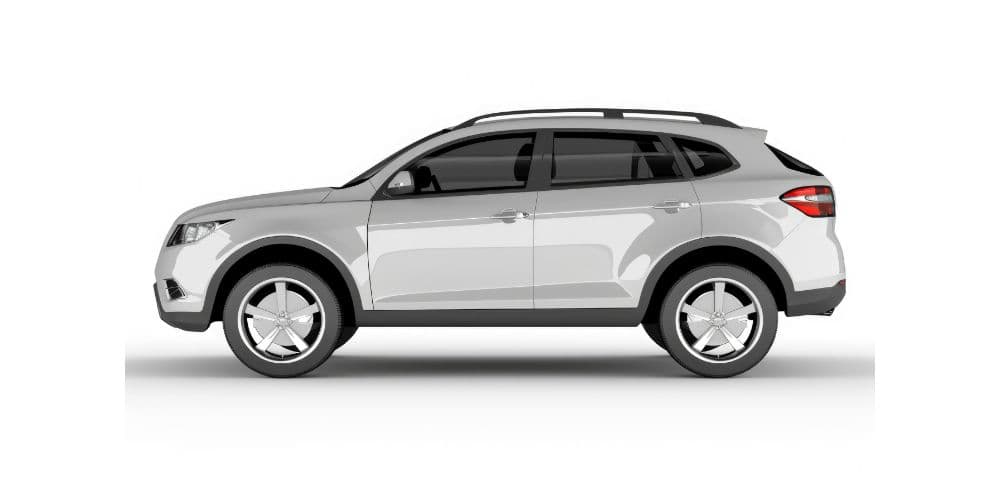
A midsize SUV rental may suit a smaller party with day bags. A minivan rental can help a family that values easier entry and flexible seating. Compare the actual offer and luggage arrangement instead of treating a category name as a guaranteed model.
A 12-passenger van rental or 15-passenger van rental can keep a larger group together, but the seat count includes the driver. Confirm usable cargo space, driver eligibility, pickup hours, vehicle height and length, parking, supplier restrictions, and the group's comfort with the vehicle. Two smaller vehicles may work better when schedules split or luggage is the limiting factor.
The City of Charlotte's parking guidance covers managed on-street areas, but the rental-day destinations have their own rules. Verify each lot or garage separately. Never infer passenger-van clearance from a standard-car listing.
Plan the airport arrival and rental return
Travelers who stay car-free first can reach Uptown by Route 5, rideshare, taxi, or a hotel courtesy vehicle that the hotel confirms. Travelers who rent from arrival can follow CLT's current ground-transportation guide and supplier confirmation.
For an airport pickup, CLT airport car and van rentals can help compare offers, while the airport's rental-car instructions explain the current facility route. Confirm the selected counter, branch hours, delayed-arrival procedure, deposit, driver rules, fuel or charging policy, mileage, return entrance, and after-hours terms.
For a later city pickup, compare the time and cost of reaching the branch with the hotel parking avoided on car-free days. A one-day rental only works when the pickup, activity schedule, and return hours leave enough margin. Do not plan a last-minute return immediately before a flight or ticketed event.
Use Charlotte car and van rentals to compare the dates and locations that fit the complete itinerary. The best Charlotte plan is not car-free at any cost. It is the plan that uses transit where it is simple and a vehicle where it meaningfully reduces transfers, carrying, and coordination.
Charlotte three-day planning checklist
- Choose an Uptown or Blue Line hotel only after checking the exact entrance, station, final walk, and accessibility route.
- Count travelers, large bags, day bags, strollers, child seats, mobility equipment, and activity gear.
- Confirm Route 5, Blue Line, and Gold Line schedules and alerts for the travel dates.
- Keep Day 1 in one Uptown cluster and Day 2 around one Blue Line neighborhood.
- Make the Whitewater Center the Day 3 anchor and Belmont the optional add-on.
- Verify rental pickup, return, driver, deposit, mileage, fuel, equipment, and cancellation terms.
- Confirm parking and vehicle-size rules at every regional stop.
- Save a weather, transit-disruption, and delayed-flight backup.
Preview photo: Skyline of Charlotte, 2016 by brandon walker / CC0 1.0 (via Wikimedia Commons). Cropped for display.
Our Most Popular Vehicles


Frequently Asked Questions
Yes. A visitor staying in Uptown or near the LYNX Blue Line can use Route 5 from CLT, light rail, the Gold Line, walking, and occasional rideshare for many central plans. A rental becomes more useful for the Whitewater Center, Belmont, suburban addresses, several scheduled stops, or a regional extension.
Uptown or a hotel near a Blue Line station is usually the simplest starting point. Check the actual station entrance, final walk, elevator or platform access, late-night return, and luggage route before booking. A hotel described as near transit may still have an awkward or unsuitable walk.
CATS Route 5 Sprinter connects Charlotte Douglas International Airport with Uptown and the Charlotte Transportation Center. Rideshare, taxi, and some confirmed hotel courtesy vehicles are alternatives. Check the current schedule, fare, pickup zone, luggage fit, hotel walk, and late-arrival backup for the actual travel date.
Yes, when the hotel and attractions sit near the corridor. The Blue Line can connect Uptown with South End, NoDa, and University City. Current construction, platform changes, detours, and service alerts can affect the trip, so use the official CATS planner rather than an old saved schedule.
For this itinerary, use the U.S. National Whitewater Center as the main destination and downtown Belmont as an optional lighter stop. Choose one anchor, confirm current hours and parking, and skip the add-on if activities, weather, traffic, or group energy use the available time.
Choose the smallest vehicle that safely fits the passengers, bags, child restraints, and equipment. A midsize SUV may fit a smaller party with day bags, while a minivan can offer easier entry and more flexible seating. Confirm the actual offer and cargo space with occupied seats before booking.
A 12- or 15-passenger van can help a larger group following one schedule, but the stated capacity includes the driver. Confirm cargo space, driver requirements, vehicle dimensions, parking, pickup hours, and supplier restrictions. Two smaller vehicles may work better for split plans or heavy luggage.