
CLT Airport Rental Car vs. Bus or Rideshare: Group Guide
CLT Airport Rental Car vs. Bus or Rideshare: Group Guide
A CLT airport rental car is usually the better fit when a Charlotte trip includes suburbs, family visits, multiple event sites, bulky luggage, or a regional day trip. The Route 5 Sprinter or rideshare is often simpler when a small group stays in Uptown or South End and keeps most plans near the central transit corridor.
The best choice depends on the complete itinerary, not only the ride from Charlotte Douglas International Airport to the hotel. This guide compares rental cars, the airport bus, rideshare, hotel courtesy vehicles, parking, luggage, and vehicle size so families and groups can make the decision before arrival.
Key takeaways
- Compare the Route 5 Sprinter first for a light-packing trip centered on Uptown.
- Use rideshare or a taxi for a compact stay with only a few point-to-point trips.
- Choose a rental vehicle when the itinerary includes suburban hotels, several addresses, equipment, family visits, or places outside the central corridor.
- Count passengers and large bags together. A vehicle can have enough seats but not enough luggage room with every seat occupied.
- Confirm parking cost and garage clearance before choosing a minivan, SUV, or passenger van.
- A split plan can work well: stay car-free for central days, then rent only for the regional part of the trip.
Decide from the whole Charlotte itinerary
Start by placing the hotel and every major stop on one map. A compact trip around Uptown, South End, and the airport is a different transportation problem from a visit that includes Ballantyne, University City, Concord, Lake Norman, Belmont, or a family address in another suburb.
Charlotte's airport offers rental cars, ride-app service, taxis, shuttles, and public bus service. The official CLT ground-transportation guide is the best place to recheck the current choices before travel. No one mode wins for every group.
A rental car is often the better fit when
- The hotel is outside Uptown or the light-rail corridor.
- The group will visit several neighborhoods or suburbs in the same day.
- Plans include family homes, sports fields, a wedding venue, a business park, or an attraction beyond the central transit network.
- Travelers have several checked bags, strollers, child seats, mobility equipment, presentation materials, or sports gear.
- The party would otherwise need two or more ride-app vehicles for repeated trips.
- The itinerary includes a Carolina regional extension or a separate rental day.
Bus, rideshare, or a hotel shuttle is often simpler when
- The hotel is in Uptown and most plans are walkable or near transit.
- A small group can manage its luggage from the airport bus stop to the hotel.
- Parking would add a daily cost while the vehicle sits unused.
- The trip has only one or two destinations beyond the central area.
- Travelers do not want a designated driver after a concert, game, brewery visit, or night out.
- The hotel confirms a courtesy vehicle that fits the arrival time, luggage, and accessibility needs.
How CLT rental cars, the Sprinter, and rideshare work
CLT served 53.6 million passengers in 2025, according to the airport's annual passenger report. That scale makes it important to confirm the current pickup level, zone, and supplier instructions instead of relying on an old travel post or saved screenshot.
Picking up a rental car at CLT
CLT says its Rental Car Facility is in the Level 2 lobby of the Hourly Deck in front of the terminal. Arriving travelers use the lower-level walkway and elevators from the Arrivals and Baggage Claim level. The airport's rental-car instructions also explain the separate return entrance and terminal routes.
Start with CLT airport car and van rentals, then verify the selected supplier's counter, hours, pickup steps, return route, driver rules, deposit, mileage, fuel or charging policy, optional equipment, and cancellation terms. A vehicle-class page does not guarantee that class for a specific date.
An on-airport facility removes a separate supplier shuttle from the basic plan, but a group should still allow time for bags, the walkway, the counter, vehicle inspection, loading, and the airport roadway. Confirm accessibility requests directly with the supplier. CLT says accessible rental cars may require at least 48 hours of advance notice.
Route 5 Sprinter to Uptown Charlotte
Charlotte Area Transit System's Route 5 Sprinter connects CLT with Uptown and the Charlotte Transportation Center. The October 2026 service update lists service every 15 minutes on weekdays and every 20 minutes on weekends. The current schedule is dated October 5, 2026, but travelers should still check alerts and the trip planner for their exact day.
The Sprinter can be the most economical airport comparison for one or two travelers with manageable bags and an Uptown hotel. CATS lists the current local one-way fare on its fares and passes page. Recheck the fare, payment method, holiday schedule, service alert, stop, and hotel walk before relying on it.
Route 5 is a bus, not a direct airport light-rail trip. If the itinerary later uses the Blue Line, include the transfer, platform, and luggage movement in the door-to-door plan. Do not assume a future rail project is available for a current trip.
Rideshare, taxi, or hotel courtesy vehicle
CLT currently places app-based rideshare pickup on the Departures and Ticketing level, upper inner lanes, Zones 1 through 3. Use the airport's ride-app pickup page on arrival because levels and zones can change.
Rideshare is often practical for a small group going directly to one hotel. It becomes less simple when luggage forces two vehicles, arrivals are staggered, or the itinerary needs repeated suburban trips. Compare the total trip plan, not one displayed airport fare.
Select hotels offer courtesy vehicles. Confirm participation with the hotel, then verify operating hours, pickup instructions, advance-reservation rules, luggage limits, accessibility, and whether the service is complimentary. A third-party hotel listing is not proof that a shuttle still operates.
Best option by Charlotte trip pattern
Uptown hotel with central plans
The Sprinter, rideshare, or taxi is usually the first comparison for an Uptown stay. Once at the hotel, many central attractions, restaurants, meeting sites, and event venues may be reachable on foot or by local transit, depending on the exact address and schedule.
A rental can add hotel parking and garage logistics without helping much if it remains parked. If only one day needs a vehicle, compare a later neighborhood pickup with keeping an airport rental for the entire stay.
South End, NoDa, or a rail-corridor stay
For a hotel near a Blue Line station, combine the airport Sprinter or rideshare with rail for suitable city trips. Check the airport-to-hotel transfer, the last walk with luggage, station accessibility, and late-night service rather than judging only by the nearest map pin.
A rental becomes more useful when the trip expands beyond the corridor or a fixed schedule makes transfers impractical. Keep nightlife transportation separate from daytime vehicle needs so no one has to drive after drinking.
Suburban hotel, family visit, or multi-stop event
A vehicle is often the stronger choice when the group stays near Ballantyne, University City, Concord, Lake Norman, or another suburban area and plans several addresses. One rental can simplify coordination, but parking and luggage capacity still need to work at every stop.
For a wedding, tournament, church trip, campus visit, or conference, map the hotel, venue, meals, rehearsal or practice site, and airport return. Two smaller vehicles may be better than one passenger van when schedules split or cargo is the limiting factor.
Regional day trip or outdoor extension
Visit North Carolina's Charlotte-region guide highlights Lake Norman, the U.S. National Whitewater Center, Charlotte Motor Speedway, and other regional attractions. These are examples of why a rental day can add value to an otherwise central stay.
Check the official attraction, parking, weather, and road sources for the actual date. Use DriveNC before a timed regional drive. Do not rely on a generic drive-time promise, especially during peak traffic, construction, storms, or a major event.
Choose a vehicle by people, bags, and parking
The right vehicle is the smallest one that safely fits the party, luggage, and required equipment while matching the driver's experience and the parking plan. Choose by usable capacity, not the passenger label alone.
Minivan or midsize SUV
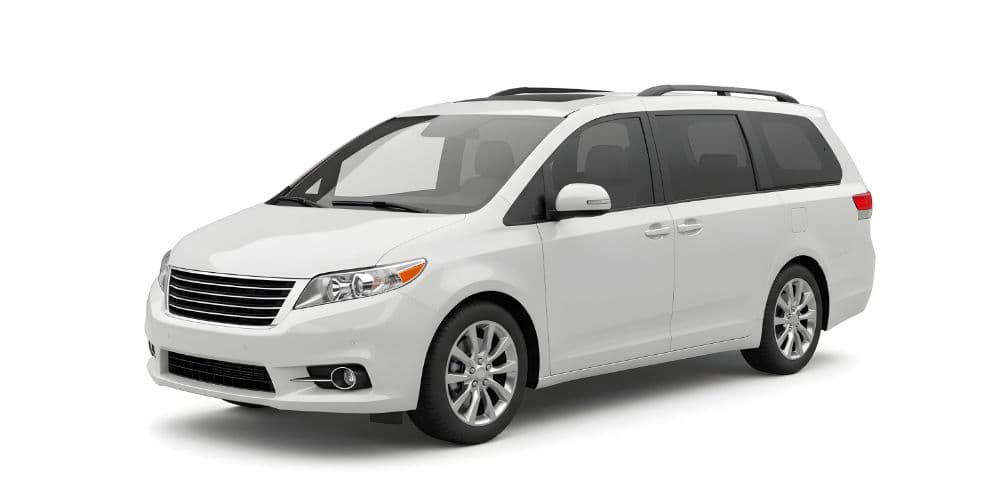
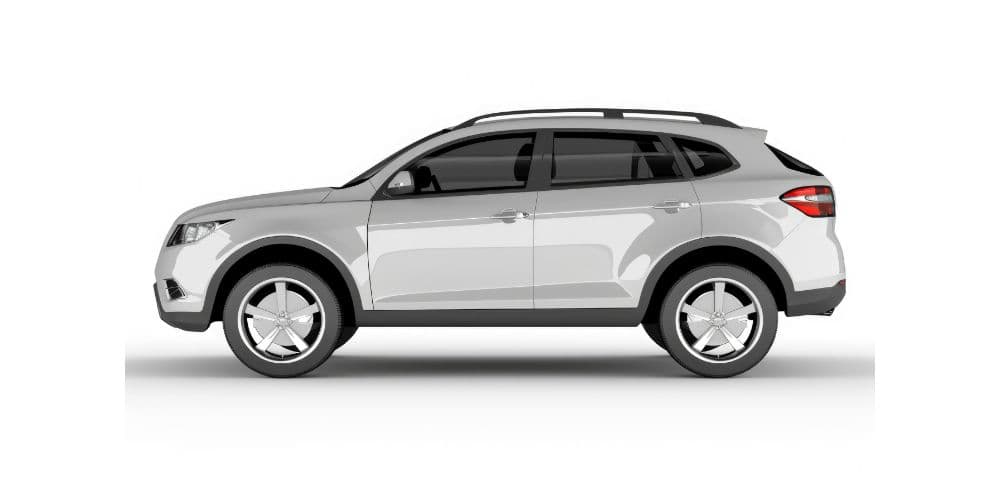
A minivan rental often suits a family that values easy entry, flexible seating, and space for suitcases or a stroller. A midsize SUV rental can work for a smaller party that wants a familiar footprint and does not need every seat.
Confirm luggage capacity with occupied seats in their travel positions. Ask about the exact vehicle, child-seat availability, driver rules, toll handling, fuel or charging policy, and optional equipment instead of assuming features from the category.
12-passenger or 15-passenger van
A 12-passenger van rental or 15-passenger van rental can keep a team, extended family, church group, or wedding party together. It also needs more planning than a minivan.
Confirm driver eligibility, luggage room with every occupied seat, pickup hours, vehicle height, hotel garage clearance, parking-space length, event access, and supplier restrictions. Never assume a garage or valet can accept a large passenger van. Two smaller vehicles can provide more cargo space and schedule flexibility.
Three practical Charlotte scenarios
Two adults staying in Uptown for a weekend
Compare the Sprinter with rideshare for the airport transfer, then use walking and transit for central plans. Add a one-day rental only if a regional attraction or family visit justifies the pickup, return, and parking time.
A family of five staying in South End with one suburban day
Use rideshare or the Sprinter plus rail for the central part of the trip if everyone can manage the bags. Compare a minivan for the suburban day. A split rental can avoid paying for hotel parking on days when the vehicle would remain unused.
A 10-person team with checked bags and equipment
Compare one correctly sized passenger van with two smaller vehicles. One van can simplify coordination, while two vehicles may create more luggage room and schedule flexibility. Confirm supplier rules, airport pickup, hotel clearance, venue parking, and driver comfort before booking.
CLT arrival checklist for families and groups
- Count travelers, checked bags, carry-ons, strollers, child seats, mobility equipment, and work or sports gear.
- Map the hotel and every major stop by Uptown, rail corridor, suburb, or regional destination.
- Check the current Route 5 schedule, holiday service, fare, alerts, stop, and final walk if using the bus.
- If using rideshare, confirm the live pickup level and zone in the airport app or official page.
- If renting, review the supplier's exact counter, hours, pickup, return, driver, deposit, mileage, fuel, and equipment terms.
- Confirm hotel parking cost, in-and-out privileges, garage clearance, and large-vehicle rules.
- Save a backup plan for a delayed flight, transit disruption, severe weather, or vehicle-capacity mismatch.
Use Charlotte car and van rentals to compare the dates and locations that fit the complete itinerary. The useful question is not whether every Charlotte visitor needs a car. It is whether a vehicle solves more of this group's trip than bus transfers, separate rideshares, and parking would complicate.
Preview photo: Skyline of Charlotte, 2016 by brandon walker / CC0 1.0 (via Wikimedia Commons). Cropped for display.
Our Most Popular Vehicles

Frequently Asked Questions
Yes. CATS Route 5 Sprinter connects Charlotte Douglas International Airport with Uptown and the Charlotte Transportation Center. Check the current schedule, service alerts, fare, payment method, airport stop, and hotel walk for the actual travel date.
No direct light-rail service operates from the terminal for a current 2026 trip. Route 5 is the fixed-route public bus connection to Uptown. Travelers can transfer to other CATS services after reaching the central network, but should include that transfer in the luggage plan.
Not necessarily. A short stay focused on Uptown, South End, or destinations near transit may work with the Sprinter, rideshare, walking, and rail. A rental becomes more useful for suburban stops, several addresses, bulky gear, family visits, or regional day trips.
CLT says the Rental Car Facility is in the Level 2 lobby of the Hourly Deck in front of the terminal. Arriving travelers follow airport signs from Baggage Claim through the lower-level walkway. Confirm the selected supplier's current counter and hours before arrival.
CLT currently directs app-based rideshare pickups to the Departures and Ticketing level, upper inner lanes, Zones 1 through 3. Check the official airport page or app on arrival because roadway levels, lanes, and pickup zones can change.
Confirm driver eligibility, passenger and luggage capacity, pickup hours, vehicle height, hotel garage clearance, parking-space length, event access, mileage, fuel rules, and supplier restrictions. Two smaller vehicles may work better when cargo space or separate schedules are the main constraint.
Stay car-free for central days using the airport bus, rideshare, walking, and rail, then rent only for suburban or regional days. Compare the extra pickup and return time with the rental and parking cost avoided while the vehicle would otherwise sit unused.