
El Niño Winter Travel Planning Guide for Families and Groups in 2026-27
El Niño Winter Travel Planning Guide for Families and Groups in 2026-27
El Niño winter travel planning should focus on flexibility, not prediction: protect the expensive parts of the trip now, then make weather-sensitive decisions with local forecasts close to departure. NOAA's 2026-27 outlook favors a warmer northern tier and a wetter southern tier overall, but it does not tell you whether a particular city will have rain, snow or clear skies on your dates.
For families and groups, the useful response is a trip with one stable base, two versions of each weather-sensitive day and a clear flight or road backup. Keep airport transfers, hotel cancellation terms and the group's luggage needs visible before choosing a rental vehicle. That structure works whether the destination is Los Angeles, a Great Lakes city or a mountain gateway.
Quick planning rules
- Treat a seasonal outlook as a reason to build flexibility, not as a day-specific forecast.
- Book the hardest-to-replace items first, but compare change and cancellation terms before the lowest price.
- Give every outdoor day a nearby indoor alternative that uses the same hotel base.
- Check the airline, FAA, National Weather Service and state road authority close to travel.
- Choose a vehicle for people, luggage and actual road conditions. An SUV is not permission to drive into unsafe weather.
What the 2026-27 El Niño outlook means for a trip
NOAA's 2026-27 U.S. Winter Outlook, released October 15, covers December 2026 through February 2027. It favors warmer-than-average conditions across much of the northern United States. It also favors wetter-than-average conditions across the southern tier from California to Florida and along much of the East Coast, while parts of the northern Rockies and Great Lakes have increased odds of drier-than-average conditions.
Those are seasonal probabilities across broad areas. They are not promises about every week, and they do not rule out cold snaps, storms or dry stretches. Snowfall amounts for a particular place and week cannot be inferred from a seasonal outlook; use short-range local forecasts as departure approaches. The Climate Prediction Center discussion is the right source for the technical seasonal update; the local National Weather Service forecast becomes more useful as the trip approaches.
Use the outlook to ask better booking questions. Would a rainy day ruin the trip or simply move the group indoors? Can a mountain day slide by 24 hours? Is the hotel still useful if a game, hike or beach day changes? If the answer is no, change the itinerary before paying a nonrefundable rate.
Build one trip with two weather versions
Choose one hotel area that supports both the main plan and the backup. A downtown base can pair an outdoor neighborhood day with museums and indoor dining. An airport-area base may simplify a short overnight or early departure, but it can add transfers to the attractions that motivated the trip. A resort or remote cabin gives the weather more control over the itinerary and deserves stricter cancellation and road-access checks.
For each day, write Plan A and Plan B in the same message or shared note. Keep the alternatives geographically close. A family should not replace a canceled beach morning with a museum across an entire metro area if the change creates a rushed drive, missed reservation or late flight.
Southern California shows how to apply the rule without turning a seasonal probability into a forecast. A group using Los Angeles trip and rental options can pair a beach or garden day with a museum, market or neighborhood food plan. Travelers starting near the airport can review LAX rental pickup options, but should still follow the booked supplier's current pickup instructions. NOAA's wetter southern-tier odds are a prompt to build the indoor version, not proof that Los Angeles will be rainy on a particular weekend.
For a Great Lakes or northern-city trip, warmer or drier seasonal odds do not remove winter risk. Keep the museum, market or indoor attraction available even when the long-range signal looks mild. Check the actual forecast, local alerts and attraction hours before changing a cold-weather plan.
Protect flights, hotels and group reservations
Choose flight times and connections that leave room for recovery. The first practical departure of the day may offer more same-day alternatives than the last flight, but route frequency and group needs matter more than a blanket rule. Avoid a tight connection when one late inbound flight would split the party or strand checked luggage.
Save the airline record locator, hotel confirmation, ground-transfer plan and one backup flight in a place every adult can reach. Use the FAA National Airspace System status to understand airport-level disruptions, then use the operating airline for the actual flight decision. Airport status is not a substitute for a flight notification.
Read the hotel's cancellation deadline in the property's time zone. For a multi-room booking, confirm whether every room follows the same terms. If the trip includes timed tickets, ski lessons or a group dinner, identify which reservations can move and which cannot. That order tells you what to protect first when a storm changes the arrival day.
The U.S. Department of Transportation's airline cancellation and delay dashboard shows airline commitments for controllable disruptions. Weather is generally outside that category. Separately, if an airline cancels or significantly changes a flight and the traveler declines the offered alternative, federal refund rules may apply regardless of the reason. Check the current DOT guidance and airline notice before accepting a voucher or making a new purchase.
Decide whether driving makes the trip more resilient
A vehicle helps when the group has split arrivals, bulky luggage, child seats or attractions outside a practical transit network. It can make the trip less resilient when nobody is comfortable driving in winter conditions, the hotel charges for parking, or every activity is reachable by transit or rideshare.
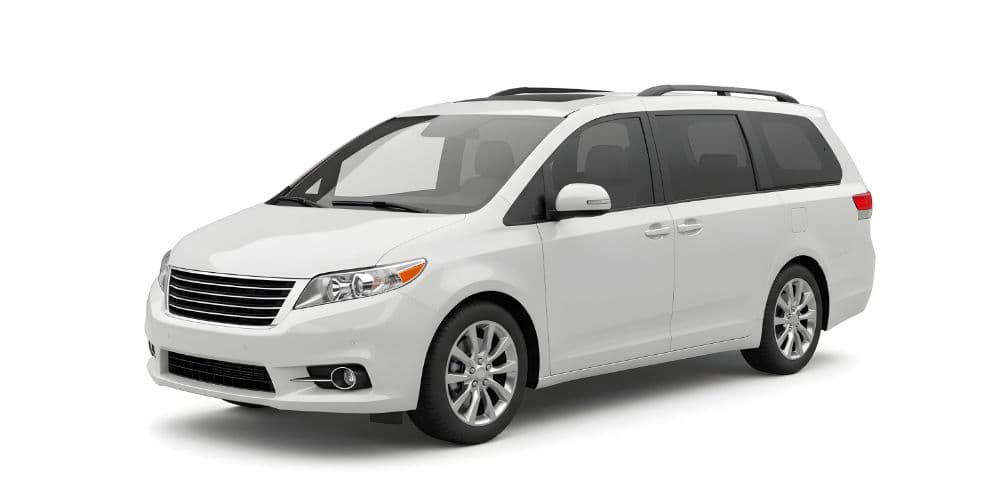
Compare minivan options for family luggage when passenger access and cargo organization matter. Review midsize SUV options for a smaller group when the party is lighter. The category name alone does not confirm tire type, all-wheel drive, snow equipment, seating comfort or usable cargo space. Verify the vehicle offered, supplier terms and local traction requirements before accepting the booking.
The National Highway Traffic Safety Administration's winter driving guidance recommends checking tires, fluids, lights and the weather, carrying an emergency kit and giving snowplows room. If stranded, stay with the vehicle, conserve fuel and keep the exhaust pipe clear of snow. No itinerary is important enough to continue through a closure or official warning.
Transit and rideshare deserve a fair comparison. They can remove parking and sober-driver responsibilities, especially in a compact city itinerary. Their limits include surge demand, service changes, child-seat needs and a difficult final mile. Price the whole day, including hotel parking and return travel, before deciding.
Use a 72-hour decision ladder
Seven days before departure
Check the destination's National Weather Service forecast and winter weather resources. Confirm the airline, hotel, tickets, rental pickup and every cancellation deadline. If a major outdoor day is essential, decide now whether the indoor version still makes the trip worthwhile.
Seventy-two hours before departure
Look for watches, advisories and route-specific risks. The National Weather Service explains the practical difference among winter storm watches, warnings and advisories. Check the destination's state transportation map and local transit alerts. Move flexible reservations before their deadlines instead of waiting for conditions to become certain.
Twenty-four hours before departure
Use the airline app, FAA status, local forecast and road authority together. Download confirmations and maps. Charge devices, share the group's reunion point and pack medication, a change of clothes and essential child supplies in carry-on bags.
During the trip
Recheck conditions before each long drive or exposed activity, not just each morning. Let the safest driver make the final call without pressure from prepaid tickets. If the group separates, keep one fixed hotel or indoor meeting point.
The best El Niño winter trip is adjustable
A seasonal outlook is useful when it changes the structure of a trip. It is misleading when it is used to promise a sunny beach day, a snowy mountain or an on-time flight months in advance.
Start with one workable base, protect the reservations that are hardest to replace, and give each outdoor day a nearby indoor counterpart. Then use official local forecasts and transport updates for the final decisions. Families and groups do not need certainty to travel well; they need a plan that still works when the weather chooses a different version of the day.
Preview photo: Vehicle in a Broomfield Colorado snowstorm by Bob Hyatt/NOAA / Public domain (via NOAA). Cropped for display; original retained.
Our Most Popular Vehicles



Frequently Asked Questions
No. El Niño can shift seasonal odds across broad regions, but it does not predict rain on a specific day or in every place. Use NOAA's outlook for trip structure and a local National Weather Service forecast for decisions close to departure.
Seasonal outlooks describe broad probabilities over months. They do not predict snowfall amounts for a particular place and week. Use short-range local forecasts as departure approaches. Confidence improves as the trip approaches, so keep checking official local sources.
Compare the price difference with the cost of losing the reservation. Flexible terms are most valuable when the trip depends on an outdoor event, mountain road or tightly timed connection. Read the exact change and cancellation deadlines before booking.
Not automatically. Safe travel depends on conditions, tires, equipment, the driver and local rules. Confirm the actual vehicle and traction requirements, and do not drive through an official closure or warning simply because the booking is an SUV.
Bring warm layers, water, food, medications, device power, a flashlight, an ice scraper, basic first aid and other items recommended for the route. Check the vehicle's tires, lights and fluids, and adapt the kit to children, accessibility needs and remote travel.
Check the airline first for the actual flight status and alternatives, then use FAA status for broader airport conditions. Review current DOT refund rules before accepting a voucher if the airline cancels or significantly changes the flight and you do not take the alternative.