
O'Hare Rental Car vs. Blue Line: Chicago Family & Group Guide
O'Hare Rental Car vs. Blue Line: Chicago Family & Group Guide
For a downtown-centered Chicago trip, the CTA Blue Line is usually simpler than collecting a rental vehicle at O'Hare. Choose a rental when the itinerary includes suburbs, several spread-out neighborhoods, regional day trips, bulky equipment, or a group that would otherwise split across multiple rides.
That is the short answer to the O'Hare rental car vs Blue Line question. The best choice depends less on the airport and more on the hotel location, the number of bags, the first full day's plans, and how often the group will leave areas served well by transit.
This guide compares the two arrival paths, luggage and accessibility tradeoffs, downtown mobility, suburban and day-trip needs, vehicle sizes, and a split-rental option. Fares, parking prices, traffic, service alerts, counter hours, and vehicle availability can change, so verify them for the actual travel dates.
Key takeaways
- Take the Blue Line when the hotel is near a useful station and most plans stay downtown or along straightforward transit routes.
- Choose a rental at ORD when the trip includes suburban family visits, several remote stops, regional day trips, or equipment that is difficult to transfer.
- Consider a split plan: take the train for downtown days, then rent only for the part of the trip that needs a vehicle.
- Count people and bags together. Enough seats do not guarantee enough cargo room.
- Compare the full trip, including airport transfers, parking, toll arrangements, fuel, final hotel access, and the return to O'Hare.
The 50-word decision rule
Use the Blue Line when the group can carry its luggage and reach the hotel with one simple rail trip or transfer. Use an O'Hare rental when the hardest part of the itinerary happens after check-in: suburbs, multiple distant stops, mobility equipment, sports gear, or a regional drive. Price a split plan when the trip includes both.
In this guide
- Compare the ORD arrival paths
- Decide when the Blue Line fits
- Decide when a rental fits
- Test a split-rental plan
- Match the vehicle to people and luggage
- Use an all-in booking checklist
O'Hare rental car vs Blue Line: compare the arrival paths
The Blue Line and a rental solve different problems. The train creates a direct airport-to-city route without a rental counter or downtown parking. A vehicle adds another airport transfer at pickup, then provides door-to-door flexibility for the rest of the trip.
What the Blue Line path involves
The Chicago Transit Authority's official airport train guide says the Blue Line serves O'Hare directly and runs through downtown. The O'Hare station is in the lower-level concourse connected to Terminals 1, 2, and 3; Terminal 5 travelers use the Airport Transit System to connect to the station path.
The CTA currently lists the Blue Line as a 24-hour service, but riders should still check the current Blue Line route page and alerts for planned work or disruptions. Before choosing rail, map the station-to-hotel walk and any transfer with the group's actual bags, stroller, mobility needs, and arrival time.
What the rental-car path involves
O'Hare's official rental-car page places airport rental companies in the Multi-Modal Facility. Travelers use the Airport Transit System from the terminals to reach the facility.
The Chicago Department of Aviation says the Airport Transit System connects Terminals 1, 2, 3, and 5 with the Multi-Modal Facility. Its current page lists round-the-clock service, 3-to-5-minute peak intervals, and about 10 minutes from one end of the system to the other. Treat those as current guidance, not a guarantee; check airport notices and the selected rental company's instructions before flying.
That airport transfer is manageable for many travelers, but it still matters after a long flight. A group should decide whether everyone will go to the counter together or whether one qualified driver will collect the vehicle while the others wait at an agreed location.
Choose the Blue Line for a compact Chicago stay
Rail is the stronger default when the hotel is near a useful Blue Line stop or an easy downtown connection and the itinerary focuses on the Loop, River North, the West Loop, museums, lakefront attractions, meetings, or neighborhoods with practical transit.
Choose Chicago's getting-around guide describes a citywide mix of CTA trains and buses, Metra commuter rail, walking, taxis, rideshare, and other modes. That variety makes a car-free plan realistic for many central stays, but it does not make every hotel or attraction equally convenient.
The Blue Line works best when:
- every traveler can move their own luggage through the airport and station;
- the hotel is close to a useful stop or one simple transfer;
- the group plans to stay together rather than split into separate arrivals;
- most daily destinations are downtown or on practical transit routes;
- no large cooler, sports case, medical device, or other awkward item must move repeatedly;
- the group is comfortable checking live service information before each important trip.
The CTA's train-riding guide explains station signs, train destinations, fare media, and basic boarding steps. First-time visitors should read it before arrival and save the current route map rather than relying on a screenshot from an older trip.
The hotel block can decide the answer
A hotel described as “downtown” may still require a transfer or a longer walk from the Blue Line. Map the exact entrance, not just the neighborhood name. Test the route at the expected arrival hour, then repeat the exercise for the farthest planned attraction and the departure trip back to O'Hare.
The Blue Line is not automatically the easiest option for a multigenerational family, a team with gear, or travelers arriving on separate flights. A simple train ride for two adults with carry-ons can become a much harder group movement with checked bags, a stroller, and several room assignments.
Choose an O'Hare rental for spread-out plans
A rental becomes more useful when the itinerary regularly leaves central Chicago or asks the group to make several disconnected trips in one day. Suburban family visits, youth sports, college tours, business sites, theme parks, and regional extensions can all shift the balance toward a vehicle.
Travelers can compare O'Hare airport car and van rentals after flights and lodging are set. Broader Chicago car and van rental options may help when a city pickup fits a split itinerary better than collecting a vehicle immediately after landing.
A rental works best when:
- the first hotel is outside an easy CTA or Metra path;
- several suburban stops must happen on the same day;
- the group has luggage, car seats, mobility equipment, trade-show materials, or sports gear;
- travelers need to move together on a schedule that does not fit transit well;
- the trip continues to Wisconsin, Indiana, Michigan, or another regional destination;
- hotel and destination parking have been verified for the selected vehicle.
Add the hidden logistics before choosing
Do not compare the train fare with only the rental's headline rate. Add airport fees, taxes, optional products, fuel, hotel parking, destination parking, toll handling, additional drivers, child seats, and the return-to-terminal process.
Ask the rental company how tolls are handled before driving. If the itinerary uses Illinois toll roads, review current information through the Illinois Tollway and follow the rental agreement's payment instructions. Do not assume a personal transponder, license-plate account, or pay-by-plate method will work the same way in every rental.
Large vehicles require one more check: garage clearance and loading access. A hotel that accepts standard cars may not have a practical entrance or space for a tall 12- or 15-passenger van.
Consider a split plan for downtown plus day trips
Some Chicago trips do not need one transportation mode for every day. A family can take the Blue Line to a central hotel, spend several days walking and using transit, then collect a vehicle for suburban visits or a regional leg.
A split plan can reduce unused rental days and downtown parking work, but it adds a second pickup process. City rental hours, class availability, one-way terms, driver requirements, and the return location can make the plan less convenient than it first appears.
Use this three-part test:
- Put every downtown and transit-friendly activity on the calendar.
- Group every suburban or regional stop onto one or two candidate vehicle days.
- Compare the exact airport rental with the exact city pickup, including parking, transfers, hours, and return logistics.
If the city pickup saves parking days but requires the entire group to cross town with luggage, the airport rental may still be simpler. If the airport rental would sit untouched for most of the stay, the Blue Line plus a shorter rental may be the better fit.
Match the vehicle to people, bags, and parking
Seat count is only the first filter. Chicago airport trips often include checked bags, strollers, mobility devices, sports gear, or coolers that consume cargo space quickly.
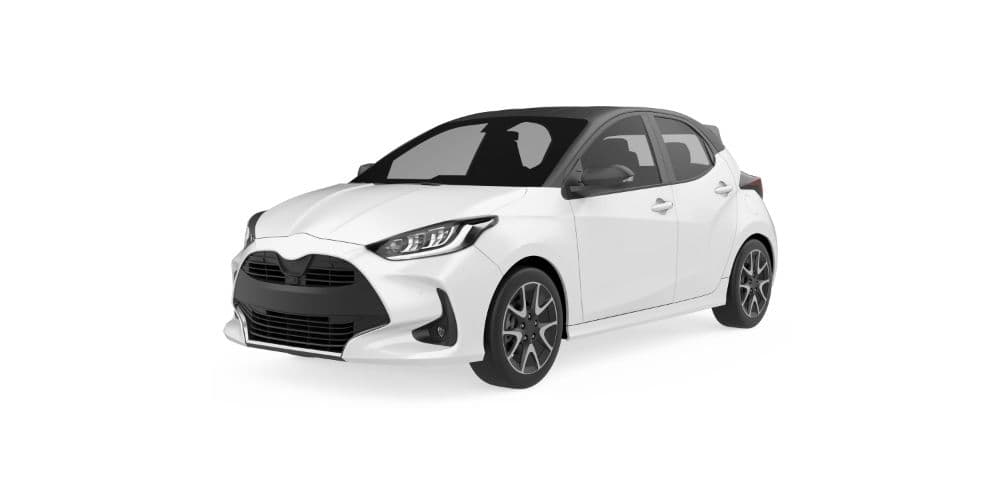
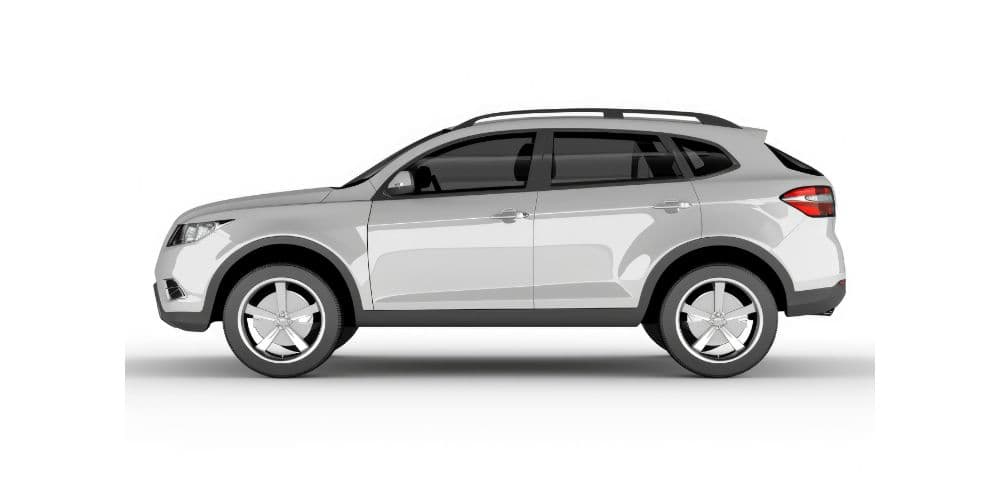
A midsize SUV rental can suit a smaller family or two couples with moderate luggage. It is generally easier to park than a passenger van, but the actual rear cargo area still needs to be checked against the full load.
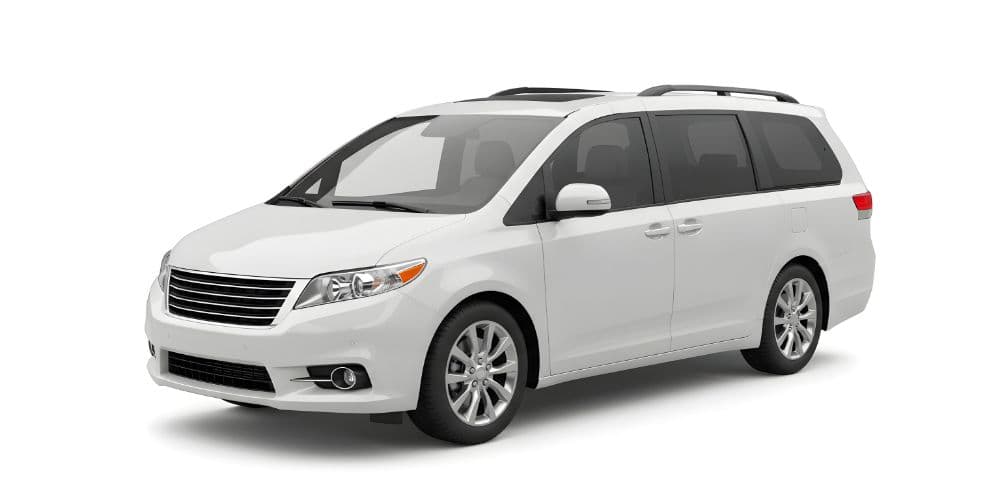
A minivan rental often balances family access, flexible seating, and cargo space. Sliding doors can help in tighter loading areas. With every seat occupied, however, luggage room behind the last row may be limited.
A 12-passenger van rental can keep an extended family, school group, church group, or team together. Confirm driver eligibility, cargo room, hotel access, parking, and comfort with a larger vehicle before booking.
A 15-passenger van rental is relevant for the largest groups. It can reduce the need for a second vehicle, but it also requires the most careful review of luggage capacity, garage height, maneuvering space, driver rules, and destination access.
For some groups, two smaller vehicles are more practical than one large van. That adds a second driver and pickup but can make parking and schedule changes easier. Map and price both versions before deciding.
Use an all-in Chicago arrival checklist
Before paying for either plan, answer these questions:
- Are all travelers landing at the same terminal and time?
- How many checked bags, strollers, car seats, mobility devices, and equipment cases must move?
- Is the hotel entrance an easy walk or transfer from a Blue Line station?
- How many full days actually require a vehicle?
- Which suburban or regional stops would be difficult by transit?
- Can the selected vehicle carry the people and their luggage at the same time?
- Does every hotel, garage, and destination accept the vehicle's size?
- What are the current counter hours, CTA alerts, parking terms, toll rules, and return instructions?
Then book in this order:
- Choose the hotel area.
- Mark every destination outside the central transit network.
- Count travelers, bags, devices, and gear.
- Compare Blue Line, airport rental, and split-plan logistics.
- Choose the smallest vehicle that safely fits the complete load.
- Confirm parking, toll handling, driver requirements, and airport return steps.
- Recheck CTA alerts, airport guidance, rental instructions, and hotel access shortly before travel.
For a compact downtown stay, the Blue Line is usually the cleaner starting point. For suburban stops, regional drives, equipment, or a larger group, an O'Hare rental often adds useful flexibility. The best O'Hare rental car vs Blue Line choice is the one that removes the hardest transfer from the whole trip, not merely the first ride away from ORD.
Our Most Popular Vehicles

Frequently Asked Questions
The Blue Line is usually better for a downtown-centered trip near a useful station or simple transfer. A rental is usually more practical for suburban stops, regional day trips, bulky equipment, or a larger group. Compare the complete itinerary, not only the airport-to-hotel leg.
Yes. The CTA Blue Line serves O'Hare and travels through downtown Chicago. The O'Hare station connects directly with Terminals 1, 2, and 3, while Terminal 5 travelers use the Airport Transit System for the connection. Check current CTA alerts before travel.
O'Hare rental companies are located in the Multi-Modal Facility. Travelers take the Airport Transit System from the terminals to the facility, then follow the selected company's instructions. Confirm the counter hours, reservation details, and return procedure because company operations can vary.
Not necessarily. A visitor near useful CTA service may be able to walk, use trains and buses, and take occasional rides. A rental becomes more useful when the itinerary regularly leaves central Chicago, but hotel parking, tolls, and the airport return should be included in the comparison.
Yes, if a city rental location, vehicle class, operating hours, and return plan fit the trip. This split strategy can avoid paying for a parked vehicle on downtown days, but it adds another pickup. Compare exact airport and city offers before assuming the split plan costs less.
A midsize SUV can suit a smaller party with moderate luggage, while a minivan often balances family access and cargo flexibility. Twelve- or 15-passenger vans can keep larger groups together, but drivers should confirm luggage room, eligibility rules, garage clearance, and parking access.
Map the path from the arrival terminal to the O'Hare station and from the destination station to the hotel. Count every bag, stroller, mobility device, and child who needs help. Also check current CTA alerts, elevator information, the arrival hour, and the final walk or transfer.