Rental Car Sizes: Choose the Right Rental Car for Your Trip
TL;DR: Choosing the right rental car comes down to matching passenger count, luggage volume, driving conditions, and budget—and then renting the smallest class that fits comfortably so you’re not overpaying for unused space (or burning extra fuel). Economy and compact cars are best for low-cost city trips and light packing, midsize and full-size sedans add meaningful comfort and trunk space for longer drives, and SUVs trade higher fuel costs for extra cargo capacity, higher seating, and (often) better capability in rough or snowy conditions. For moving people efficiently, minivans are the sweet spot for 7–8 passengers plus gear, while 12–15 passenger vans work for large groups but require confident drivers and careful luggage planning; cargo vans are for hauling items, not passengers. Before booking, verify the rental class’s seat/bag capacity, factor in fuel and parking realities, and compare options so you get the right fit without surprises.
Choosing the right rental car can make or break your travel experience. With so many options available from tiny economy cars to 15-passenger vans it’s important to pick a vehicle that fits your needs. The car rental industry is massive (over $100 billion globally as of 2024, with the U.S. market alone generating $38+ billion in 2023), which means renters have more choices than ever. But more choice can lead to confusion: What car should I rent? What’s the best rental option for a family vs. a couple? In this guide, we’ll walk through all the common rental car sizes and classes and give you expert tips to pick the right car whether you’re trying to fit five friends with luggage or just looking for the cheapest way to get around town. After all, you wouldn’t want to end up with a bulky minivan on crowded city streets or a tiny two-door when you have a big crew and suitcases!
Why Picking the Right Vehicle Matters
Selecting the proper rental car is crucial for comfort, safety, and cost. Here are the key factors and questions to consider when deciding on a rental car size:
- Comfort and Space: Make sure the vehicle can seat everyone comfortably and hold all your luggage. A weekend getaway for two needs far less space than a two-week family vacation with kids. Cramming five adults into a compact car with suitcases on laps will make for an unpleasant trip! Choosing the right car for your passenger and cargo count will hugely improve your comfort and enjoyment.
- Safety Features: Different cars offer different safety technologies. Larger or newer models might have advanced features like adaptive cruise control or lane assist. If safety tech is a priority, consider moving up a class or choosing a newer model that offers these capabilities.
- Fuel Efficiency & Budget: Smaller cars tend to cost less to rent and to refuel. An economy car can often achieve 30–40 MPG, saving you money on gas. Larger SUVs or vans, however, might only get 12–20 MPG, meaning more spent on fuel. Rent the smallest vehicle that comfortably fits your needs to avoid paying for unused space (and unnecessary fuel).
- Driving Conditions: Think about where you’ll be driving. For a dense city with tight parking, a smaller car is easier to maneuver. If you’ll be covering long highway miles or driving in hilly, snowy, or rough terrain, you might prefer a larger vehicle with a stronger engine or even four-wheel drive (common in SUVs). Match the vehicle to the road conditions e.g. an SUV for mountain roads, or a sedan for urban streets.
- Familiarity & Handling: Also consider what you are comfortable driving. If you’re not used to driving a full-size van or large SUV, you might feel more confident in a midsize car or smaller SUV. Likewise, if you need extra visibility and hate low-profile cars, an SUV or minivan’s higher seating position might suit you better. Choose a car size that you can handle safely and stress-free.
Bottom line: the “right” rental car is one that fits all your passengers and gear securely, without being more vehicle (or expense) than you truly need. Now, let’s break down the various rental car categories and see what each offers and when to choose each one.
Rental Car Categories Explained (From Smallest to Largest)
Most rental companies categorize their vehicles into classes by size or type. While naming can vary (one agency’s “Standard” may be another’s “Full-Size”), the general classes are similar worldwide (in the U.S. and internationally). Below we’ll explain each major car size category including how many seats and bags they typically hold, their advantages, and example models. This will help you match your needs to the right class of car.
Economy Cars (Mini / Subcompact Class)
Seats: 4 adults (5 max if a few are children or smaller).
Luggage: 1 medium suitcase + 1-2 small bags (limited trunk space).
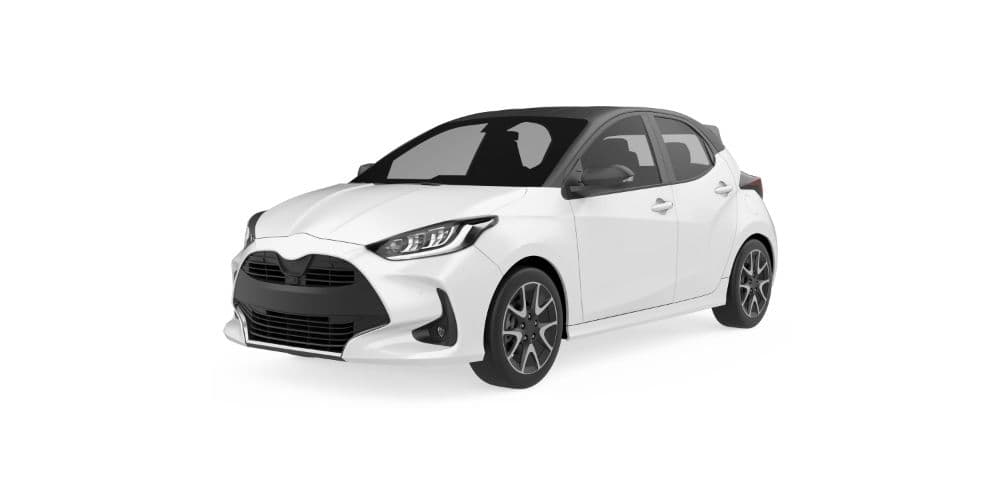
Overview: Economy cars are the smallest and most budget-friendly rentals. They’re usually 2- or 4-door compact hatchbacks or subcompact sedans known for excellent fuel efficiency and easy handling. If you’re traveling solo or as a couple with light luggage, an economy car is often the cheapest option to get from point A to B without breaking the bank. These cars are ideal for city driving they can squeeze into tight parking spots and use less gas. Keep in mind the passenger space and legroom are limited; four adults might fit, but it will be snug on longer rides.
When to choose an Economy car: When your top priorities are low cost and fuel savings, and you don’t need much space. For example, a quick business trip or a weekend getaway for two is perfect for an economy car. If you need a bit more room for bags or an extra passenger, you may want to compare a Compact or Midsize instead.
Examples: Chevrolet Spark, Mitsubishi Mirage, Kia Rio, Nissan Versa, Toyota Yaris. These models are small but efficient (often around 35 MPG on the highway).
Tech note: According to the U.S. EPA, a compact car (which includes most economy/subcompact models) is defined as having an interior volume between 100–109 cubic feet. This makes it larger than a subcompact (<85–99 cu ft) but smaller than a midsize car. In practical terms, that means cozy seating and a small trunk.
Compact Cars (Small Sedans/Hatchbacks)
Seats: 5 adults (best for 4 adults or 2 adults + 3 kids for comfort).
Luggage: ~2 medium suitcases (or 1 large + 1 small bag).
Overview: Compact cars are a step up from economy cars, offering a bit more legroom and trunk space while still being fuel-efficient. They typically have 4 doors and can accommodate a small family or group of friends more comfortably than an economy car. A compact is a great compromise: easier to drive and park than a large car, but with enough space for a couple with moderate luggage.
When to choose a Compact car: If you have 3-4 people or a bit extra luggage but still want good gas mileage and a low rental rate. For instance, two couples taking a short road trip, or a family of four with carry-on bags could go with a compact. If you’re traveling light (say, just two small suitcases), a compact will do the trick. But if you anticipate very tight quarters or have a lot of bags, consider sizing up to a midsize.
Examples: Toyota Corolla, Honda Civic, Volkswagen Jetta, Nissan Leaf, Hyundai Accent. According to EPA size classes, compact sedans range ~14–15 feet in length and have around 100-109 cu ft of interior volume. In rental fleets, compact and economy are sometimes grouped together but compacts usually guarantee four doors and a bit more comfort.
Seats: 5 adults (comfortable for most families).
Luggage: ~2 large suitcases (or 2-3 medium suitcases).
Overview: Midsize cars (also called intermediate cars) are popular for travelers who need a balance of space and efficiency. These are traditional sedans or larger hatchbacks that offer noticeably more legroom and trunk space than compacts. If an economy/compact car “won’t cut it in terms of comfort and space” for your trip, a midsize is the next step up. Midsize models often have refined features (e.g. dual-zone A/C, more airbags, upgraded stereo) and a smoother ride, making them a solid choice for longer drives and small families.
When to choose a Midsize: If you’re planning a road trip with 3-5 people, or you simply want a bit more elbow room and a smoother ride for a couple’s vacation, a midsize is ideal. They still get decent gas mileage (often around 28–32 MPG) and are easy to handle, but you’ll appreciate the extra space on a long journey. For example, a family of four with several suitcases on a week-long vacation would find a midsize sedan much more comfortable than a compact. Business travelers also often rent midsize cars for the blend of comfort and economy.
Examples: Toyota Camry, Honda Accord, Nissan Altima, Hyundai Sonata, Ford Fusion. The EPA defines midsize cars as 110–119 cubic feet of interior volume. Many popular family sedans fall in this category. In some rental catalogs, “Intermediate” or “Standard” sedans correspond to midsize. (Note: Standard is sometimes used to mean a category just slightly larger than midsize often it’s synonymous with full-size, depending on the agency. Check the specifics when booking.)
Seats: 5 adults (plenty of legroom for all; best for 4-5 adults).
Luggage: ~3 large suitcases (excellent trunk capacity).
Overview: Full-size cars are the largest class of sedans, offering superior legroom, shoulder room, and trunk space. Think of models like a Chevy Impala or Toyota Avalon these cars can comfortably seat five adults, even on longer drives, thanks to the ample headroom and legroom. If you have tall travelers in your group (over 6 feet), they will appreciate a full-size sedan’s spaciousness. Full-size vehicles often come with more powerful engines and upgraded features (many are near-luxury models), giving you a smooth, confident ride on the highway. They are a top choice for larger families or groups of 5 who want to stick with a car (as opposed to an SUV or van) but not feel cramped.
When to choose a Full-Size car: If you have a larger group (4-5 adults) or extra luggage and want maximum comfort in a single car. For instance, two couples going on a trip with golf clubs and large suitcases, or a family with teenagers a full-size sedan will accommodate everyone and everything without compromise. Full-size cars are also great for occasions like business trips with colleagues, where arriving in a roomy sedan is preferable. Additionally, consider a full-size if you’re renting in a place where you’ll be driving long distances; the added comfort features (like more seat adjustments, better sound insulation, etc.) can make a big difference. One key advantage of full-size cars is their extensive trunk space, which lets you bring all your luggage or gear without sacrificing passenger comfort.
Examples: Chevrolet Impala, Nissan Maxima, Chrysler 300, Toyota Avalon, Dodge Charger. By EPA standards, a full-size (large) car has over 120 cubic feet of combined interior volume. These are longer cars (often 16–17 feet long). In rental terms, you might see them listed as “Full-Size” or sometimes “Premium” sedan. (Note: Some agencies use “Standard” to label this same class; generally, standard/full-size sedans are in the same ballpark, so check the vehicle details.)
Luxury and Premium Cars
Seats: Usually 4-5 (depends on model, often sedans or SUVs).
Luggage: Varies (sedan trunks for 2-3 bags; luxury SUVs for more).
Overview: Luxury rental cars refer to high-end models from premium brands or top-tier trims of regular models. They can be sedans, SUVs, or even sports cars. The appeal of a luxury car is the premium comfort, features, and performance. Expect leather interiors, advanced technology, powerful engines, and a smooth ride. Luxury cars aren’t defined so much by size (you can rent a luxury compact like a BMW 3 Series, or a luxury full-size like a Mercedes S-Class) as by their upscale quality. This category is perfect if you want to treat yourself or make an impression during your trip.
When to choose a Luxury car: If you value the experience of driving (or being driven in) a high-end vehicle, or for a special occasion. Solo travelers or couples celebrating an event might opt for a luxury sports sedan or convertible. Business travelers might choose a luxury sedan for the added amenities during long drives. Just remember, luxury rentals come at a premium price both at the counter and potentially in fuel (big engines love gas). Also, insurance costs can be higher. Choose this when the trip itself is as important as the destination when you want to ride in style and comfort with all the bells and whistles.
Examples: BMW 5 Series, Mercedes-Benz E or S-Class, Audi A6/A8, Lexus RX (luxury midsize SUV), Cadillac Escalade (luxury full-size SUV). Many standard models also have “luxury” editions e.g. a Chrysler 300 or Dodge Charger can be considered a premium full-size car in some fleets. Features often include things like seat massagers, top-notch sound systems, advanced safety suites, and more.
Seats: 5 in two-row SUVs; 7–8 in larger three-row SUVs.
Luggage: 5-seater SUV: ~4-5 medium bags. 7-seater SUV: 2-3 bags with all seats up (more if third row folded).
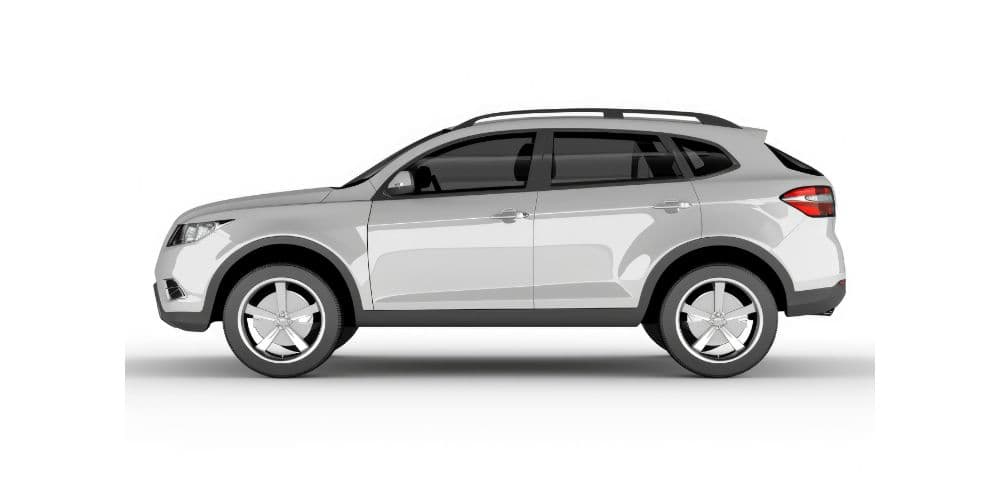
Overview: SUVs are extremely popular rentals for their versatility. They have higher ground clearance and often offer all-wheel drive (AWD) or 4WD, which makes them suitable for a wide range of terrains and weather conditions. An SUV gives you a commanding driving position and typically ample cargo space, especially if you fold down rear seats. They’re great for road trips, outdoor adventures, or anytime you have a lot of gear. SUV rentals generally come in a few size classes:
- Compact SUV: Sometimes called small or mid-size SUV (5 seats). Examples: Nissan Rogue, Toyota RAV4, Honda CR-V. Good cargo space for their footprint and easier to park, while still offering SUV practicality.
- Standard SUV (Mid-size SUV): 5 seats, but usually a bit larger vehicle with more power and room than a compact SUV (e.g. Ford Edge, Jeep Grand Cherokee). These have generous cargo capacity for luggage often one of the largest among 5-seater vehicles. Standard SUVs balance long-trip comfort with plenty of storage.
- Full-Size SUV: These are the big ones 3 rows of seats for 7-8 passengers. Examples: Chevrolet Tahoe, Ford Expedition, GMC Yukon, Toyota Highlander (7-seat). With all rows up, cargo space is somewhat limited (a few suitcases), but if you don’t need the third row for people, you can fold it to gain a huge luggage area. Full-size SUVs often have powerful engines and can even tow trailers; they’re essentially truck-based. They do consume a lot of fuel (expect ~15–20 MPG) and can be more challenging to maneuver in tight spots.
When to choose an SUV: If your trip involves outdoor activities, rough roads, or winter conditions an SUV provides capability and confidence. Also, if you simply need more space for luggage or prefer a higher seating position, an SUV makes sense even for city use. Families often debate SUV vs. Minivan. Choose an SUV if you want the option to go off-road a bit (mountain cabin, national park trips) or if you just don’t like driving a minivan. Modern SUVs are comfortable on highways and can carry plenty of stuff. On the other hand, if you primarily need people-moving capacity and convenience for kids, a minivan might actually be better (see below). Consider an SUV for a skiing trip (room for gear and AWD for snow) or a road trip where you’ll be on mixed roads. Adventure-seekers love SUVs they’re built to handle everything from highways to dirt roads, and you can load them with camping gear, sports equipment, or multiple suitcases without trouble.
Examples:Standard 5-seat SUVs: Ford Edge, Hyundai Santa Fe, Chevrolet Equinox. Full-size 7-8 seat SUVs: Chevrolet Suburban, Ford Explorer (7-seater), Audi Q7, Volvo XC90. Many rental companies label the 7-seat models as “Full-Size SUV” or “Premium SUV.” Luxury SUVs (like a Cadillac Escalade or Range Rover) are also available in some fleets if you want both space and luxury. These typically seat 7 and come loaded with high-end features.
Seats: 7 or 8 adults (three rows of seating).
Luggage: ~3 large suitcases (with all seats in use); much more if back rows are folded/empty.
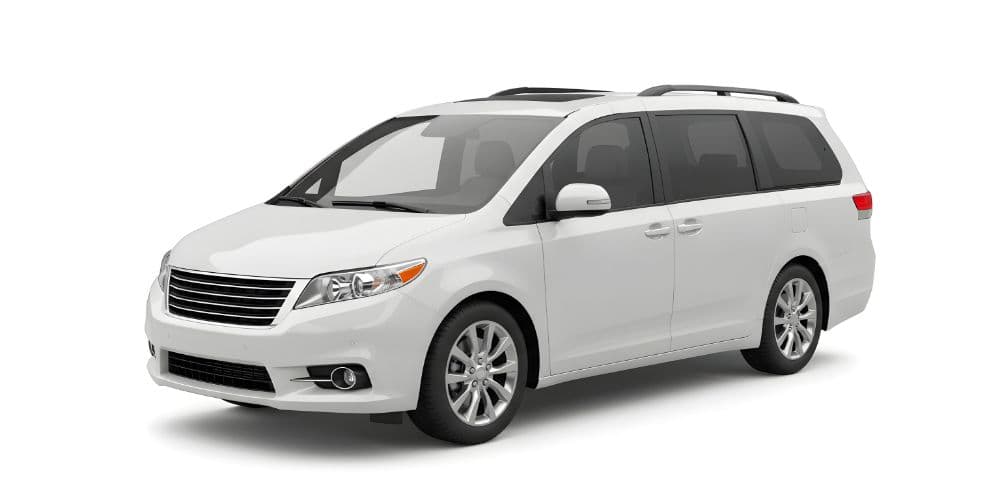
Overview: Minivans are family road-trip champions. They offer spacious seating, generous legroom, and sliding doors that make loading passengers (and car seats) a breeze. A minivan drives more like a car, but inside it’s very roomy often more headroom and legroom than a comparable SUV. In fact, many minivans boast over 40 inches of front legroom and headroom, which means even tall adults can sit comfortably. Most models have configurable seats you can fold down or remove the third row (and sometimes second row) to create a huge cargo area when needed. Modern minivans also tend to be packed with family-friendly features: rear-seat entertainment screens, extra cup holders, USB ports, and advanced safety systems to protect your precious cargo.
Minivans commonly come in two configurations:
- 7-Passenger Minivan: Standard setup with two front seats, two in the middle row, three in the back. E.g. Dodge Grand Caravan, Chrysler Pacifica, Kia Sedona. Usually has captain’s chairs in the second row (more comfort, easier walkthrough).
- 8-Passenger Minivan: These are often the same vehicle as the 7-seater but with a second-row bench seat instead of captain’s chairs (adding an extra seat). For example, the Honda Odyssey, Toyota Sienna, and Chrysler Pacifica offer 8-seat versions. If you need that capacity, you can request the bench configuration it’s great for larger families or groups that just barely exceed 7 people.
When to choose a Minivan: If you have a big family or group (5-8 people) and lots of stuff to bring along, a minivan is likely your best bet. They are ideal for long road trips, theme park outings, or any vacation with kids. The low step-in height and sliding doors are a blessing for loading strollers, luggage, or helping grandparents into the vehicle. Also, if you’re debating between an SUV and a minivan for a family trip: choose a minivan for maximum comfort and cargo on paved roads, or an SUV if you need towing or off-road capability. For example, a family of 6 with luggage will find a minivan much more accommodating than a 7-seater SUV, because with the SUV they might have to fold a seat (reducing capacity) to fit all bags. Minivans also typically get slightly better fuel economy than very large SUVs and cost a bit less to rent for the same seating capacity.
Examples: Toyota Sienna, Honda Odyssey, Chrysler Pacifica, Dodge Grand Caravan, Nissan Quest. Most rental minivans seat 7 by default (with two front, two middle, three rear). If you specifically need 8 seats, check the model or ask many models can convert to 8 as noted. In terms of luggage, expect ~3 large suitcases behind the third row in a minivan equivalent or more than a large SUV’s trunk space. And with third row folded, you can fit an enormous amount of cargo. In short, for pure people-and-cargo moving in one vehicle, minivans are hard to beat.
Passenger Vans (12-15 Passenger Vans)
Seats: 10 to 15 adults (depending on van size/configuration).
Luggage: Limited with all seats in (maybe 2-5 large bags); more if some seats removed.
Overview: Need to move a whole team in one vehicle? That’s where passenger vans come in. These are full-size vans (often the Ford Transit or Chevy Express models) outfitted with 3-4 rows of bench seating. Common configurations are 15-passenger, 12-passenger, and 11-passenger vans. A 15-passenger van typically means 14 passengers + driver = 15 total; a 12-passenger would be 11 + driver, etc. These are very large vehicles essentially minibuses and while they can hold a ton of people, they have modest cargo space left when fully seated. For example, a 15-passenger van might only have room for 3 large suitcases behind the last row. A 12-passenger van (which is often a 15-seater with one bench removed) gives a bit more luggage room (5+ suitcases) in exchange for 3 fewer seats. These vans usually come with basic comfort features like front and rear A/C, and sometimes entertainment systems, but they are not fancy it’s all about capacity.
When to choose a Passenger Van: If you have more than 8 people in your group, you’re looking at either renting multiple cars or one of these vans. For youth groups, sports teams, extended family reunions, or corporate outings, a 12 or 15-passenger van keeps everyone together. It can be more cost-effective than splitting into 3 rental cars and certainly keeps the logistics simpler (one driver, one vehicle to park, etc.). Important: Ensure someone in your party is comfortable driving a large van it’s bigger and heavier than a normal SUV, especially when fully loaded. You might also double-check any rental policy about age or license requirements for large vans (typically a standard driver’s license is fine for 15-passenger vans in the US, but some rental companies won’t rent them to drivers under 25). Fuel economy on these big vans is poor (~12–15 MPG), so factor fuel cost if you’ll be driving long distances. Also, consider luggage: if you have a full 15 people and luggage for all, you may need an extra cargo van or trailer, or opt for the smaller 12-seat configuration so you can use the freed space for bags.
Examples: Ford Transit 350, Chevrolet Express, GMC Savana, Mercedes-Benz Sprinter (commonly 12-passenger). Many rental agencies convert 15-seater models to 12 by taking out the last row. An 11-passenger van is less common but some models (like Kia Carnival or certain Sprinter layouts) can seat 11 and leave more cargo room. When booking, check the specs: agencies often list how many bags each van can hold (e.g. Enterprise might note ~7 bags for a 12-pass van).
Cargo Vans (Moving Vans)
Seats: 2 adults (driver and one passenger).
Cargo Space: Very large empty van space (often can fit 15+ standard moving boxes or 16+ bags easily).
Overview: Cargo vans are essentially empty box vans for hauling goods instead of people. Think of the vans used by delivery services two seats up front, and an empty, enclosed rear with tie-downs that’s a typical cargo van. Travelers might rent a cargo van if they’re moving apartments, transporting furniture, gear for an event, or any situation where you have a lot of stuff but not extra passengers. These vans offer protection from weather for your cargo and are easier to drive than big moving trucks. They usually have sliding side doors and large rear doors for loading. Features are basic (expect automatic transmission, A/C, maybe a radio) but they prioritize cargo volume and payload. For example, a Ford Transit cargo van can accommodate roughly 16 medium-sized luggage bags or a whole studio apartment’s furniture in terms of space.
When to choose a Cargo van: If your purpose is moving or hauling large items rather than carrying a group of people. For instance, if you plan to pick up furniture bought on a trip, or you’re relocating to a new city and need to move personal belongings, a cargo van is ideal. Travelers on extended road trips sometimes rent a cargo van if they have an extreme amount of equipment (like professional photographers or musicians touring with instruments) but note most rental cargo vans only seat two, so it’s not for family use. Cargo vans are also useful one-way if you’re buying items in one place and need to transport them home. Keep in mind the fuel economy is low (~10-15 MPG) similar to large vans, and there may be height clearance issues (you might not fit in some parking garages). But on the plus side, you get a huge, secure moving space without needing a commercial truck license.
Examples: Ford Transit Cargo, Mercedes Sprinter Cargo, GMC Savana Cargo, Ram ProMaster City (a smaller cargo van). These vary in size; some are compact cargo vans (like the Nissan NV200) which are easier to drive in cities but hold less, while others are extended-length vans that hold a massive volume. Rental listings usually mention the vehicle or capacity (e.g. “9-foot cargo van”). All will have at least several hundred cubic feet of storage area.
Tips for Choosing the Best Rental Car for You
By now, you should have a sense of the different vehicle classes and their pros and cons. To finalize your decision, here are a few final tips and considerations:
- Be honest about your needs: Count the people and the luggage you’ll have. It’s wise to plan for the largest group size and bag count you’ll have during the trip (for example, if part of your group is joining later, account for them now). As one rule of thumb: Two adults with two carry-on suitcases will be fine in a compact or midsize car; add strollers or golf clubs, and you may need to jump to an SUV or minivan for the extra cargo height.
- Err on the side of slightly more space: While we advise not paying for a huge vehicle you don’t need, it’s generally better to have a little extra room than to be jam-packed. If you’re debating between two sizes, consider the comfort of your passengers on a long drive. For example, a family of four can squeeze into a compact, but a midsize will give everyone breathing room and make the trip more enjoyable for maybe only a small price difference.
- Consider split rentals: If you have a very large group, sometimes renting two smaller cars vs. one giant van can be worth considering. Two midsize cars might actually be cheaper than one 15-pass van, and give you more flexibility in itinerary (though you’ll need two drivers). This isn’t always the case, but for groups of 8-12, check both options.
- Check the car specs from the rental company: Most rental agencies list how many passengers and bags each class can hold (often illustrated by icons like “5 People, 3 Bags”). Use those as a guideline. If the site shows a silhouette of a suitcase, typically a “large bag” icon means a full-size suitcase. Pro tip: You can even bring your largest suitcase dimensions and compare to vehicle specs if provided. For example, if you’re renting a small car and have an oversized suitcase, you might research if that model’s trunk can fit it.
- Think about fuel and driving style: If you plan to drive long distances, picking a more fuel-efficient car (compact or hybrid) could save a lot on gas. But if the distances are short or fuel is cheap relative to your rental budget, you might prioritize comfort over MPGs. Also, if you enjoy driving curvy roads, you might prefer a smaller nimble car rather than a van. On the other hand, on open highways a larger car can feel more stable and relaxing.
- Insurance and coverage: Larger or luxury vehicles can cost more to insure. If you’re getting rental insurance, factor that in. And always do a thorough walk-around inspection regardless of car size but especially for vans/trucks where roof or tail damage might be easy to miss.
- One-way rentals: If you need to drop off at a different location, certain vehicle types (like big vans) might have more restricted one-way availability. Verify with the rental company if that’s in your plans.
- Child seats and accessibility: If you need child safety seats, minivans and SUVs generally have the easiest LATCH anchor access and room to fit multiple car seats. For travelers with limited mobility, minivans offer the easiest entry (low floor, grab handles, wide door) compared to high SUVs or low sports cars.
In summary, match the vehicle to your trip’s specific requirements passenger count, luggage, distance, terrain, and personal comfort. Whatever your itinerary, the right size car is the one that keeps everyone comfortable and your gear secure without paying for excess space you won’t use. By considering these factors, you’ll ensure you get the best rental option and enjoy a smooth driving experience.
Why Book with Airport Van Rental
Once you know the type of vehicle you need, the next step is finding the best deal. Airport Van Rental makes this easy by connecting you with multiple rental providers to compare prices and options all in one place. Rather than checking a dozen sites, AVR lets you input your trip details and see real-time rates from top brands and local rental companies in your destination. You’ll see transparent pricing (taxes and fees included upfront), so you know exactly what you’ll pay.
AVR at a glance: For over a decade, AVR has assisted travelers in securing the ideal rental vehicles for stress-free journeys. As a trusted broker, AVR provides access to:
- Wide Selection: A premium fleet of cars, SUVs and vans from reputable suppliers nationwide. Whether you need a compact car or a 15-passenger van, you can find it through AVR.
- Convenience: Flexible pick-up and drop-off locations across the U.S. (airports and cities). Plus, easy online booking with instant confirmation.
- Great Value: Because you can compare multiple offers, you’ll find competitive rates. AVR often highlights deals like unlimited mileage or free cancellation when available, so you can choose the option that best suits your budget and plans.
- Customer Support: Exceptional 24/7 customer support to help with any questions or issues before, during, or after your rental. We work with the rental companies on your behalf to resolve any concerns, so you can have peace of mind on the road.
Ready to book? AVR’s most popular rental options span every size you might need. Check out the deals on our site for:
- Economy Car Rental for the solo traveler or couple on a budget.
- 12 Passenger Van Rental perfect for keeping large groups together on a trip.
- Minivan Rental family-friendly rides with 7–8 seats and plenty of cargo room.
- Standard SUV Rental versatile 5-seat SUVs that balance comfort and capacity.
No matter which vehicle you choose, our goal at AVR is to ensure you drive away in the right rental car for your needs at a great price and with full confidence for your journey. Happy travels, and enjoy the ride!
Our Most Popular Vehicles