
Salt Lake City Airport Rental Car vs. Ski Shuttle Guide
Salt Lake City Airport Rental Car vs. Ski Shuttle Guide
A Salt Lake City airport rental car usually fits groups that want flexible mountain days, several lodging zones, or stops beyond one resort. A ski shuttle or transit-first plan is often simpler when the trip stays at one resort, parking adds no value, or nobody in the group is comfortable driving in winter canyon conditions.
That is the practical answer. The decision depends on the whole itinerary—not only the first ride from SLC. Count people, suitcases, ski or snowboard bags, lodging access, winter-driving confidence, and every day the group expects to change locations.
This guide compares rental cars, ski shuttles, transit, rideshare, split rentals, and vehicle sizes for Salt Lake City winter trips. Road rules, shuttle schedules, fares, parking systems, rental hours, tires, and vehicle availability can change, so recheck every operating detail for the actual travel dates.
Key takeaways
- Rent at SLC when the group needs flexible departure times, multiple mountain areas, grocery or gear stops, or non-ski days away from the hotel.
- Choose a reserved shuttle when lodging and skiing stay in one resort zone and nobody wants the responsibility of winter driving.
- Use transit for downtown-centered days and only after confirming the complete seasonal mountain connection.
- Do not assume an SUV booking guarantees all-wheel drive, winter-rated tires, or compliance with an active traction restriction.
- Count cargo before seats. A vehicle can have enough seat belts and still be too small for passengers plus winter bags.
- Consider a split rental when only one or two days require a vehicle.
A simple decision rule
Rent at SLC when flexibility after arrival matters more than avoiding winter-driving responsibility. Reserve a shuttle when the itinerary is resort-focused and predictable. Use transit for city days and verified seasonal connections. Choose a split rental when the vehicle would otherwise sit parked for most of the trip.
In this guide
- Compare the SLC pickup options
- Decide when a rental car makes sense
- Decide when a shuttle or transit plan wins
- Check canyon traction and road conditions
- Match vehicle size to people and winter gear
- Test three common family and group scenarios
Salt Lake City airport rental car vs. ski shuttle: compare the arrival paths
Salt Lake City International Airport places rental cars, shuttles, ride apps, taxis, and transit in different parts of the arrival system. Save the correct airport guidance before landing so the group is not solving the transportation plan around a baggage carousel.
What the rental-car path involves
The airport's official rental-car page says on-airport counters are in the Gateway Center next to the parking garage. Travelers reach it from baggage claim using two bridges. The airport lists off-airport providers separately and directs their shuttle pickup and drop-off to the west side of the parking garage.
That arrangement can be convenient for a group that has already chosen a vehicle class and driver plan. It does not guarantee that the reserved vehicle will have the tires, drivetrain, cargo area, roof equipment, counter hours, or after-hours process the itinerary needs. Confirm those details with the selected supplier before treating the booking as winter-ready.
Travelers can compare SLC airport car and van rentals after flights, lodging, and the actual party load are known. Keep the reservation terms and the supplier's pickup and return instructions with the trip documents.
What the shuttle and rideshare paths involve
SLC's ground-transportation page lists airport-counter shuttle companies, other prearranged providers, hotel transportation, taxis, and permitted transportation network companies. The airport directs ride-app pickup to marked ground-level B-Lane areas outside the terminal.
A prearranged ski shuttle removes the rental counter, canyon-driving responsibility, and parking question. It also creates a schedule and capacity commitment. Give the provider the true passenger and cargo load, including ski bags, snowboard bags, child seats, wheelchairs, and oversized luggage. Confirm the pickup location, wait policy, luggage rules, resort or lodging service area, cancellation terms, and return pickup before paying.
Rideshare can solve a simple airport-to-downtown trip, but it is not automatically a mountain transportation plan. A group may need more than one vehicle, and an app request does not guarantee space for winter equipment. Check whether the destination, return time, road conditions, and party load make the outbound and return equally workable.
Choose an SLC rental car for flexible mountain and city plans
A rental earns its place when the trip would otherwise require repeated transfers, several lodging zones, or a rigid sequence of reservations. It can be especially useful for groups combining downtown Salt Lake City, grocery or gear pickup, Park City, family visits, and non-ski attractions.
Broader Salt Lake City car and van rental options may also support a split rental after a car-free arrival. Verify the exact pickup location, hours, one-way terms, driver rules, winter equipment, and return process before building the schedule around a city pickup.
A rental is usually the better planning fit when:
- the group will change lodging zones during the trip;
- more than one mountain area or valley destination is on the plan;
- grocery, gear, family, or equipment stops need to happen on the same day;
- the lodging does not provide a practical shuttle connection;
- several ride-app vehicles would be needed for people and bags;
- the qualified driver is comfortable with winter conditions and the chosen vehicle meets current requirements;
- parking and vehicle access have been confirmed at every overnight location and major stop.
Compare the full trip, not only the airport transfer. Include rental charges, taxes and airport fees, fuel, parking, additional drivers, child seats, optional products, equipment storage, possible roof-rack terms, and the return to SLC. Do not assume the largest vehicle is the safest or simplest choice for a canyon day.
A rental does not solve every winter problem
All-wheel drive can help with traction, but it cannot cancel weather, road restrictions, poor visibility, unsafe speed, or an inexperienced driver. A reserved vehicle class may also differ from the vehicle received. Ask the supplier what is guaranteed, inspect the actual tires and cargo space, and change the plan if the vehicle or conditions do not match the route.
The right comparison is not “car equals freedom, shuttle equals limits.” It is “which set of responsibilities fits this group?” A rental transfers scheduling control to the group; it also transfers driving, parking, condition checks, and vehicle verification to the group.
Choose a shuttle or transit-first plan for one-zone trips
A reserved shuttle is often the cleaner option when travelers are staying at one resort, skiing that resort for most of the trip, and using lodging or local transit after check-in. The group avoids parking and does not need to assign a winter driver.
Visit Salt Lake's ski transportation overview describes seasonal Utah Transit Authority ski-bus service to Alta, Brighton, Snowbird, and Solitude, plus private shuttle and charter options. As of September 1, 2026, the page says the 2025-26 service has ended and tells travelers to check back in October for 2026-27 details. Do not reuse last season's schedule, stops, or fare assumptions.
Visit Salt Lake's public transportation guide also identifies the TRAX Green Line as the airport-to-downtown rail connection. A transit-first plan can work for a downtown stay, but the airport train and the seasonal ski bus are separate parts of the journey. Map every transfer with luggage and verify the current schedule before treating it as a flight-day plan.
A shuttle or transit-first plan works best when:
- lodging and skiing stay within one practical resort or city zone;
- the group can reserve enough passenger and cargo capacity in advance;
- nobody wants to drive in canyon weather;
- parking is limited, costly, reservation-based, or unnecessary for the stay;
- the arrival and departure times fit the provider's confirmed service;
- city activities can be completed by walking, rail, local bus, or short rides;
- the group has a backup for a delay, cancellation, or weather change.
Park City adds another car-free possibility after arrival. The city's Park City Transit guidance provides a trip planner, routes, schedules, park-and-ride information, and accessible transit options. Confirm the current route, lodging stop, luggage plan, and late-day return rather than assuming one transit map covers the airport, hotel, and every resort base.
Check Cottonwood Canyons rules before choosing a vehicle
Winter vehicle choice is a safety and compliance question, not a marketing label. The Utah Department of Transportation's Cottonwood Canyons traction-law guide says restrictions can apply on Big Cottonwood Canyon's SR-190 and Little Cottonwood Canyon's SR-210 when conditions warrant.
UDOT's current guidance distinguishes two-wheel-drive from all-wheel-drive or four-wheel-drive vehicles and explains acceptable tire or traction-device combinations. It also says vehicles entering the canyons during active requirements need at least 5/32 inch of tread. Rules and activation status can change, so use the official page and current road messages for the travel date.
Before accepting a winter rental, ask:
- Is the reserved drivetrain guaranteed or only requested?
- What tires are installed on the actual vehicle, and do they meet the current route requirement?
- Are approved traction devices included, permitted, or prohibited by the rental agreement?
- Does the driver know how and when any supplied device may be used?
- Where will the group store wet gear without blocking visibility or exits?
- What is the safe backup if restrictions, weather, parking, or driver comfort change?
UDOT specifically tells visitors renting a winter vehicle to verify four-wheel drive or all-wheel drive and the correct tires with the rental company. Even a compliant vehicle can lose control. When the driver is uncertain, the agency recommends using the ski bus or delaying travel until conditions improve.
Also check UDOT's current canyon road restrictions before departure. Road access, uphill restrictions, avalanche work, parking status, and weather can change the day's plan. No evergreen article should substitute for the live operating source.
Match the vehicle to passengers, bags, and winter gear
Seat count is only the first filter. A family or group should count every traveler, suitcase, ski or snowboard bag, stroller, child seat, mobility device, cooler, and soft-goods bag before comparing classes.
Minivan
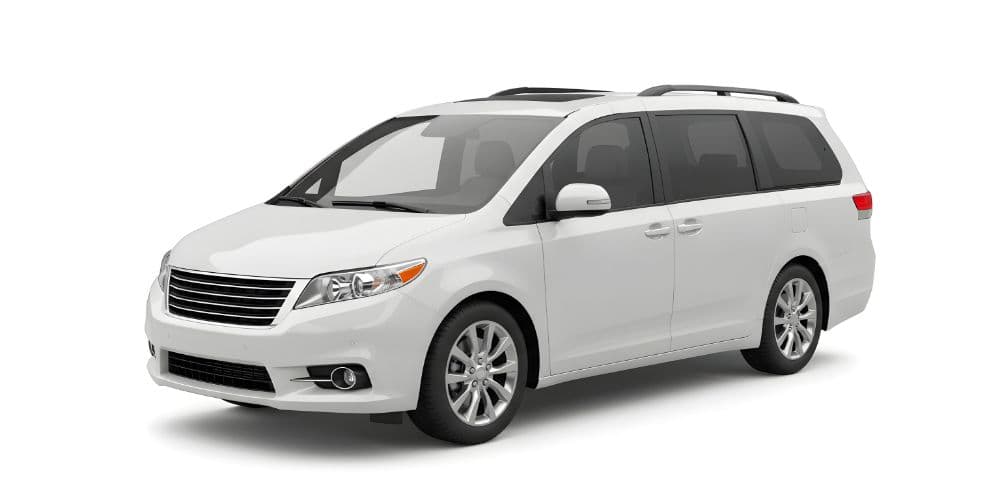
A minivan rental can suit a family or smaller group that values easier loading and flexible seating. Confirm the exact seat layout and cargo room with all rows in use. Do not assume a model name, all-wheel drive, winter tires, or roof equipment until the supplier confirms it.
Midsize SUV
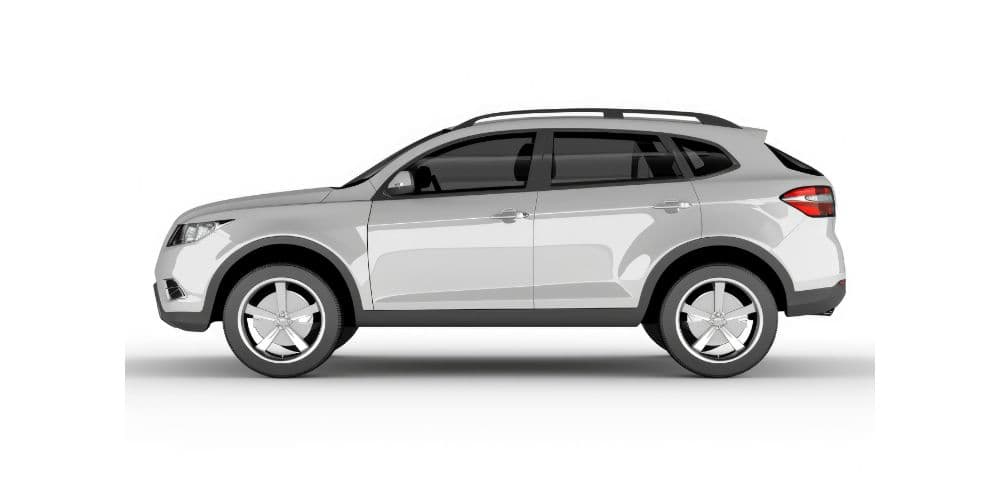
A midsize SUV rental can fit a smaller party with moderate luggage, but the class name does not prove the drivetrain or tire specification. Ask whether the actual vehicle and tires meet the route's current rules. Test cargo volume with winter bags, not only passenger count.
12- or 15-passenger van
A 12-passenger van rental or 15-passenger van rental may keep a larger group together, but a full passenger load can leave limited gear space. Confirm driver eligibility, luggage capacity, winter equipment, parking, height clearance, handling expectations, and any road or supplier restrictions.
If the group and ski gear cannot fit safely inside one vehicle, compare a cargo solution permitted by the supplier, a shuttle with documented equipment capacity, gear rental near the destination, or two appropriately sized vehicles. Never block windows, aisles, or exits to make the bags fit.
Test the plan with three common winter-trip scenarios
Downtown couple with one ski day
Two adults staying downtown can use the airport rail connection for city days, then compare a resort shuttle or a one-day city rental for the ski day. The deciding factors are the confirmed seasonal connection, gear plan, pickup hours, road conditions, and whether the short rental adds more transfers than it removes.
Family splitting time between Salt Lake City and Park City
A family with checked bags, child seats, groceries, and two lodging zones may find a full or split rental easier than rebuilding the load several times. A shuttle can still win when the Park City stay dominates and local transit covers the rest. Price and map both complete itineraries.
Ten-person group with ski bags
A larger group should compare one properly equipped passenger vehicle with a reserved group shuttle and, if necessary, two smaller vehicles. Verify drivers, cargo, winter tires, traction devices, parking, and lodging access. Keeping everyone in one vehicle is not a benefit if the gear cannot be stored safely.
Build the SLC arrival plan in this order
- Fix the flights, lodging zones, and actual ski or activity days.
- Count every passenger and piece of luggage or equipment.
- Mark which days truly require private vehicle access.
- Check the official airport, UDOT, transit, resort, and municipal sources for those dates.
- Compare a full rental, reserved shuttle, transit-first plan, and split rental on total cost and total transfers.
- Confirm the actual vehicle, tires, driver rules, cargo space, pickup, parking, and return instructions.
- Save a weather and road backup that the whole group understands.
The best Salt Lake City airport rental car plan is the one that fits the entire winter itinerary, not merely the airport exit. Choose a rental for useful flexibility, a shuttle for a focused resort stay, transit for verified city and seasonal connections, or a split rental when only part of the trip needs wheels.
Preview photo: Wasatch Mountains SLV pano4 by Leon7. CC BY-SA 3.0. Cropped from the original; image crops retain the same license.
Our Most Popular Vehicles

Frequently Asked Questions
Not always. A reserved shuttle or verified transit connection can suit a trip that stays in one resort or downtown zone. A rental is more useful when the group changes lodging areas, visits several mountain or valley destinations, carries substantial gear, or needs flexible departure times. Recheck road and transit conditions for the travel dates.
Salt Lake City International Airport says on-airport rental counters are in the Gateway Center beside the parking garage, accessible by two bridges from baggage claim. Off-airport rental shuttles use a separate pickup and drop-off area west of the garage. Confirm the selected supplier's current counter, hours, pickup instructions, and return process.
Requirements depend on the vehicle, tires, road segment, and whether Utah's traction restrictions are active. UDOT publishes separate standards for two-wheel-drive and all-wheel-drive or four-wheel-drive vehicles. Check the live official rule and road status, then verify the actual rental's drivetrain, tires, tread, and permitted traction devices before entering the canyons.
The TRAX Green Line connects the airport with downtown, while seasonal ski buses serve specific resort corridors. They are separate parts of a trip, and schedules change by season. As of September 1, 2026, Visit Salt Lake directs travelers to check back in October for 2026-27 ski-bus details. Verify every transfer before relying on transit.
A shuttle is often simpler for a resort-focused stay when local transit covers daily movement. A rental can fit a trip with multiple lodging zones, grocery or gear stops, family visits, or flexible regional days. Compare luggage capacity, parking, winter-driving responsibility, pickup times, and the complete return to SLC—not only the first airport transfer.
Count passengers and every bag before choosing a class. A minivan or SUV may fit a smaller party, while 12- and 15-passenger vans can keep larger groups together but may have limited cargo space when every seat is occupied. Confirm the exact layout, winter equipment, driver eligibility, parking, and safe gear storage with the supplier.
Yes. A split rental can work when downtown days are walkable or transit-friendly and only one or two mountain or regional days need a vehicle. Compare the city pickup's hours, inventory, winter equipment, one-way terms, luggage transfers, parking, and return location. A shorter rental helps only when the extra pickup remains practical.