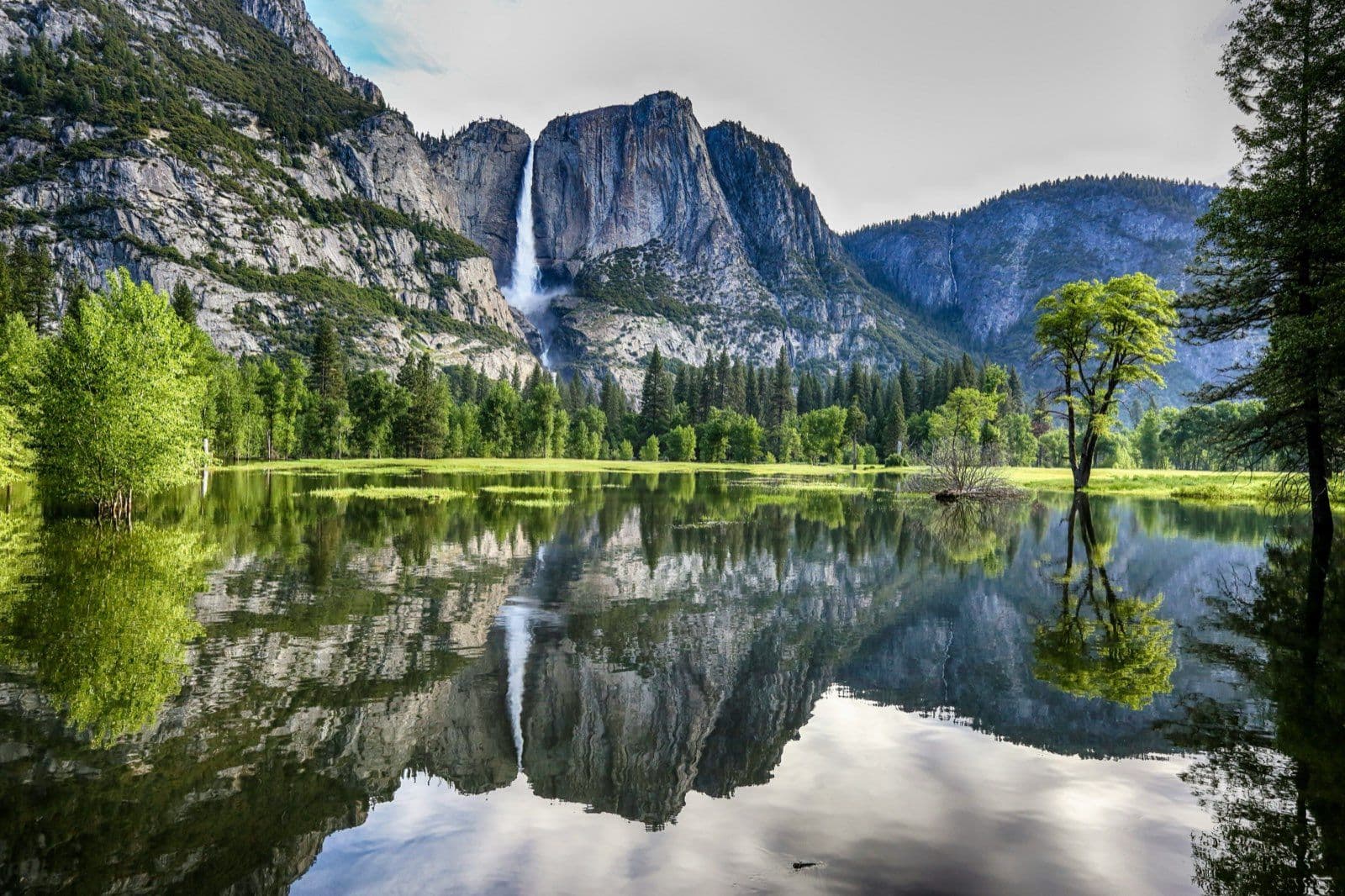
San Francisco to Yosemite Road Trip: A Three-Day Valley Itinerary
A San Francisco to Yosemite road trip works best when the journey has its own place in the vacation. Trade a city morning for the drive east, stay two nights near your chosen park entrance or in Yosemite Valley, and give the Valley a full day before returning. This three-day plan favors time among the granite walls over a rushed attempt to visit every corner of the park.
It is a flexible first-visit itinerary, not a promise that every road or trail will be open. Choose lodging and check the season before fixing the rental dates. Travelers arriving after a long flight can add a Bay Area night first instead of starting the mountain drive tired.
The three-day plan at a glance
- Day 1: leave San Francisco, drive to the Yosemite area and settle into your booked accommodation. Add a short Valley outing only if the location and arrival time make it sensible.
- Day 2: spend a full day in Yosemite Valley, combining a meadow walk, Lower Yosemite Fall when appropriate and time around Yosemite Village. Stay a second night at the same base.
- Day 3: choose one modest final stop if it fits the return route, then drive back to the Bay Area. Keep the evening free from tight flight or rental-return deadlines.
With a fourth day, add a third night near the park and a separate seasonal outing before returning on Day 4. Do not simply attach another long drive to the end of the Valley day.
For the city portion, the San Francisco rental and trip-planning guide can help you decide whether to collect the car after your city stay. If collecting after a flight, use the SFO pickup and return guide to allow for the airport handover before the road trip begins.
Check entry rules, fees and your two-night base first
Checked September 16, 2026: NPS says Yosemite is not using a timed entrance-reservation system in 2026. This does not remove entrance fees, provide accommodation or guarantee an available parking space. Read the current entrance-reservation notice again for your travel year rather than carrying the 2026 rule into a later trip.
The official fees and passes page also lists additional non-US-resident charges for 2026 and applicable pass coverage. International groups should check that detail for everyone traveling rather than budgeting only a vehicle entrance fee. Confirm the current payment and pass requirements before departure.
Book the overnight plan separately. NPS's lodging directory identifies in-park options and links to reservations. A room described as being in the Yosemite area may still involve a substantial drive to the Valley, so map its actual address.
For this itinerary, compare three base types:
- Yosemite Valley: useful for beginning the full park day close to its activities, subject to accommodation availability and budget.
- The Highway 140 approach: compare El Portal, Mariposa and other actual lodging addresses with the daily drive into the Valley.
- The Highway 120 west approach: compare accommodation around Groveland or nearer the Big Oak Flat entrance, again counting the remaining journey to the Valley.
Keep both nights at one base if possible. That avoids repacking halfway through a short visit. Check meal arrangements, parking and the last check-in time, particularly if the first day's drive will end late.
This plan does not include overnight wilderness hiking or the Half Dome cables. Those activities have separate NPS permit requirements and need a different level of preparation.
Choose the approach around lodging and conditions
NPS lists the San Francisco/Bay Area drive at approximately 195 miles and four to five hours, with western approaches using Highway 120 or Highway 140. Treat that as broad orientation, not a door-to-door appointment: your starting address, chosen entrance, accommodation, traffic, stops and park queues change the day. The official driving directions explain the main approaches.
Highway 120 from the west and Tioga Road are not interchangeable parts of the trip. Tioga Road crosses the high country farther east and closes seasonally. You do not need it for this west-side, Valley-focused itinerary. Do not turn a closed high-country road into an unnecessary detour for a visit that was never meant to cross the Sierra.
Before leaving, check NPS road and trail conditions and the linked state-highway information. NPS also provides a recorded road update at 209-372-0200, pressing 1 then 1. Save directions and the accommodation address for offline use, and follow current road signs if a navigation app suggests a conflicting route.
Day 1: leave the city, arrive with time to settle in
If collecting the rental that morning, give the handover its own time. Inspect the vehicle, load the bags, set the first navigation stop and make sure the driver is comfortable with the controls before leaving the branch. A pickup appointment is not the same as an immediate departure.
Choose a meal and rest stop along the approach you will actually use. For a Highway 120 trip, a break around Groveland can sit naturally before the park approach. For Highway 140, consider a break around Mariposa. There is no need to drive between both gateway towns just to complete a list.
Buy what you need for the next morning before reaching the accommodation, but avoid filling the vehicle with more food and luggage than the group can manage. Decide who will carry the day bag and keep overnight bags separate so a short stop does not require unpacking the entire rental.
Make the afternoon fit the overnight address
If staying in the Valley and arriving with time to spare, a gentle orientation walk can be enough for the first afternoon. Locate tomorrow's starting point, check any local notices and enjoy being out of the car. Do not turn the arrival into a long hike because the map makes a trailhead look close.
If staying farther outside the park, check in and keep the evening local. An extra drive into and back out of the Valley can consume the time you intended to use for dinner and rest. Put that energy into an earlier start on Day 2 instead.
Night 1: stay at the booked Yosemite or gateway accommodation. Confirm the morning plan before splitting up for the evening.
Day 2: park once and spend the day in Yosemite Valley
Start with the day's conditions and the group's walking needs. The Yosemite Valley Welcome Center is a useful orientation point when open. Check the current map and local advice, then choose a legal parking area for the outing.
The park's free Valley shuttle system can connect parts of the day without repeatedly moving the car. Check the routes and operating information for your visit, and keep your parking location saved. A shuttle reduces driving; it does not eliminate walking or the possibility of waiting.
Begin with Cook's Meadow
Cook's Meadow Loop is a one-mile, generally flat walk with views toward landmarks including Half Dome and Yosemite Falls. It gives a first-time visitor a sense of the Valley's scale without making a steep hike the price of admission.
Allow time to stop and look rather than treating the loop as a timed exercise. Stay on the paths and boardwalks to protect the meadow. Snow, ice or wet surfaces can change how suitable the walk is, so adjust it to the conditions and your group's abilities.
Add Lower Yosemite Fall when it suits the season
The Lower Yosemite Fall trail is another short outing, but the waterfall is seasonal. NPS notes that it is often dry from late summer into autumn. In those months, choose it for the setting or give more time to the meadow and village rather than promising a roaring waterfall to the group.
Follow the paved route and stay off the rocks around the water. If anyone needs a more accessible route, check the park's trail details and current surface conditions rather than assuming that every part of a short loop will work.
Keep the afternoon flexible
After lunch, the Yosemite Exploration Center offers an indoor change of pace, with interactive exhibits about the park's people, wildlife and landscapes. It is the former Valley Visitor Center, distinct from the newer welcome center. Alternatively, ask about a ranger activity or choose another short walk suited to the day. A group with children or mixed energy levels can agree on a meeting place and take a break without moving everyone to a new destination.
This itinerary deliberately leaves out the Mist Trail and Half Dome as casual add-ons. If a strenuous hike is the main purpose of your visit, plan the day around its preparation, restrictions and return rather than squeezing it into an already complete sightseeing day.
Night 2: return to the same accommodation. Recheck tomorrow's driving conditions, organize the bags and choose a departure time while everyone is still rested.
Day 3: one last view, then back to the Bay Area
Choose the morning around the location of your base and the length of the return. If you are already in or close to the Valley and conditions allow, a planned visit to Tunnel View can be a memorable final stop. If you are staying farther west, breakfast and a direct departure may be the better choice.
Tunnel View is on Wawona Road, beside the Wawona Tunnel. It is not the automatic first overlook on the Big Oak Flat Road approach. Plot it as an intentional stop, allow for the extra driving and use designated parking without stopping in the travel lane.
Set a latest departure before adding a stop. If parking is unavailable or the roads are slow, keep the return plan and skip the extra viewpoint. A second Valley loop is not worth creating pressure on the driver for the rest of the day.
The return needs space for a meal, traffic, any fuel or charging requirement and the rental handover. For a flight home, a Bay Area night after Yosemite gives more flexibility than relying on an exact park-to-airport drive. If returning the vehicle that day, match the booked return time to a realistic itinerary, not the shortest navigation estimate.
Add a fourth day for a separate Glacier Point outing
If the group wants another major perspective, add a third night near Yosemite and use Day 3 for Glacier Point when the road is open. Move the Bay Area return to Day 4. This creates room for the outing without turning the final travel day into a race.
Glacier Point looks over the Valley and Half Dome from above. Its road access is seasonal and condition-dependent. The free Valley shuttle does not extend there; decide on your transport after checking the current road status and any available tour arrangements.
Do not replace a closed Glacier Point Road with an unplanned winter hike. Keep the extra day in the Valley or change the trip dates if the viewpoint is essential. A shorter list with suitable conditions is a better plan than forcing a summer route into another season.
Choose a rental for the party and the season
An SUV label is not a Yosemite access pass. Compare seating, luggage and the actual roads on the itinerary before choosing a category. For a family, the minivan versus SUV comparison can help you weigh space with every needed row in use.
For a larger party, use the group packing and transport guide for 8 to 15 people before deciding that one passenger van is enough. Confirm the actual vehicle's dimensions against NPS road restrictions, including any optional outing. Do not assume one vehicle category fits every tunnel, parking area or park road.
Plan for chains before accepting a winter rental
Yosemite's chain guidance explicitly includes rental vehicles and four-wheel-drive vehicles. AWD does not remove the need to carry chains in a designated control area, and installation requirements depend on the current controls and vehicle.
Confirm the rental agreement and the vehicle's compatibility before choosing a winter driving plan. If you cannot meet both the road requirements and the supplier's terms, change the plan rather than assuming permission to fit chains. One possible alternative is a suitable Highway 140 gateway base with YARTS service; check the current stop, schedule, reservations and road conditions before relying on it.
Pack for a park visit, not just a drive
Keep water, layers, practical walking shoes, sun protection and the day's essentials accessible. Charge phones and download maps before leaving reliable service. NPS notes that fuel is not available in Yosemite Valley, so plan fuel or charging around your route rather than waiting for the last part of the day.
Food storage is another reason to organize the vehicle. Yosemite's bear and food-storage rules cover food, scented items, toiletries and coolers. Do not leave these in a car overnight; follow the specific locker or indoor-storage requirements for the accommodation. Pack them together so they can be removed without searching through every bag.
Finally, review the conditions once more before departure. Snow, smoke, roadwork and trail closures can change the order of a visit. With lodging settled, the rental sized properly and a full Valley day protected, the trip has room to adapt without losing its purpose.
Our Most Popular Vehicles




Frequently Asked Questions
It is possible to make the journey, but a self-drive day trip leaves limited time after a long drive in both directions. This plan recommends three days and two nights so the park has a full day of its own. If only one day is available, choose a much narrower visit and consider how fatigue and traffic affect the return.
As checked September 16, 2026, NPS says no timed entrance reservation is required for 2026. Entrance fees, lodging arrangements and permits for specific activities are separate. Check the official rule for your actual travel year and do not assume the same policy continues in later years.
Highway 120 from the west approaches Yosemite through Big Oak Flat. Tioga Road continues across the park's high country farther east and closes seasonally. A western approach to Yosemite Valley does not require driving over Tioga Pass.
AWD does not provide a blanket exemption. NPS requires chains to be carried in designated chain-control areas, including in rental and four-wheel-drive vehicles. Whether they must be installed depends on the current controls and vehicle. Confirm compatibility and the rental supplier's terms before planning the trip.
Compare accommodation in Yosemite Valley with actual addresses along the Highway 140 or Highway 120 west approaches. Staying farther from the Valley adds driving to the park day. Book two nights at one base where possible, balancing availability, the daily journey and the group's needs.
It is a poor fit for a tightly timed departure because it adds driving and depends on seasonal road access and conditions. This itinerary places it on an optional fourth-day version with an extra night, then returns to the Bay Area on the following day.