Where to Stay in Philadelphia Without a Car: Family Guide
Where to Stay in Philadelphia Without a Car: Family Guide
Center City is the best default place to stay in Philadelphia without a car because it keeps major sights, food, and several Southeastern Pennsylvania Transportation Authority connections within a compact central plan. Choose Old City for history, Center City East for broad convenience, Logan Square for museums, or University City for campuses and rail access. Add a rental only when the itinerary reaches Longwood Gardens, suburban family stops, or several destinations outside the central core.
This guide is for families and groups arriving through Philadelphia International Airport. It compares four hotel areas by trip purpose, explains the PHL transfer, and shows how one optional driving day can expand the visit without paying for a vehicle that sits unused.
Key takeaways
- Center City East is the most flexible all-purpose base for first-time visitors.
- Old City works best when Independence National Historical Park and the Historic District are the main anchors.
- Logan Square and the Benjamin Franklin Parkway fit museum-focused families.
- University City is useful for campus visits, Penn Medicine, 30th Street Station, and some Airport Line connections.
- PHL says its Airport Line serves central stations every 30 minutes, but travelers should check the current schedule, accessibility, and luggage route.
- A vehicle usually adds more value for Longwood Gardens or regional multi-stop days than for central sightseeing.
- Count people, suitcases, strollers, child restraints, and mobility equipment before choosing a vehicle category.
How to choose where to stay in Philadelphia without a car
Choose the area by the attraction or appointment that controls the trip, not by the lowest room price alone. A hotel can look central on a map but still create an awkward station transfer, long final walk, or repeated rideshare expense.
The Philadelphia Visitor Center transportation guide says visitors do not need a car to explore Center City. That is a useful starting rule, not a promise that every attraction, hotel entrance, or traveler is equally easy to reach. Check the exact door-to-door route for a stroller, wheelchair, older traveler, or group with several large bags.
Old City and the Historic District: best for history-first trips
Stay in Old City when the Liberty Bell, Independence Hall, the Museum of the American Revolution, the waterfront, and early starts in the Historic District matter most. Visit Philadelphia describes Old City as a walkable cluster of historic attractions with access to the L subway, buses, and the seasonal PHLASH loop.
The advantage is focus. A family can begin near the Independence Visitor Center and keep the day in one district instead of crossing the city. The tradeoff is that Parkway museums, University City appointments, and some evening plans require another ride or transit leg.
Use the National Park Service Independence National Historical Park planning page to confirm current hours, tours, tickets, closures, security, accessibility, and seasonal operations. Do not assume every historic building uses the same entry process.
Center City East: best all-purpose base
Center City East, including the Convention Center, Reading Terminal Market, Midtown Village, and the Jefferson Station area, is the most flexible choice for many first-time families and mixed-interest groups. It places food, shopping, theaters, and transit between Old City and the Parkway rather than at one edge of the itinerary.
Visit Philadelphia's Center City guide explains that downtown includes multiple distinct neighborhoods. That matters when comparing hotels. A property described only as Center City may sit closer to Old City, City Hall, Rittenhouse Square, or the Schuylkill River. Map the actual entrance to the station and attraction that the group will use most.
This area is a practical compromise, not the automatic winner. A family spending most days at Penn or Drexel may prefer University City. A group built around Independence National Historical Park may save steps in Old City.
Logan Square and the Parkway: best for museum days
Choose Logan Square or the Benjamin Franklin Parkway when The Franklin Institute, the Academy of Natural Sciences, the Barnes Foundation, or the Philadelphia Museum of Art will anchor the visit. Visit Philadelphia calls the Parkway and Logan Square the city's museum mile and notes nearby access to Suburban Station, buses, and the City Hall transit hub.
This area can reduce the number of transfers on a museum-heavy trip. It is less convenient for a family that wants to step outside the hotel and begin immediately in the Historic District. Some blocks also look shorter on a map than they feel after a full museum day, especially with small children or mobility needs.
The Franklin Institute visitor page currently recommends advance ticket planning and notes heavier weekday group volume before 2 p.m. Recheck hours, special exhibits, timed programs, accessibility, stroller rules, and parking before the visit.
University City: best for campuses and west-side appointments
University City works well for Penn, Drexel, Penn Medicine, Franklin Field, 30th Street Station, or a trip with several west-side appointments. Visit Philadelphia's University City guide identifies the neighborhood's campus, hotel, dining, and transit connections.
The area also gives some travelers a useful PHL connection through Penn Medicine Station or 30th Street Station. That does not make every University City hotel a simple one-seat airport trip. Confirm the station, final walk, elevator route, late arrival plan, and luggage practicality before booking.
University City is not the default for a history-only vacation. Repeated trips to Old City can erase the convenience gained on airport day. Choose it when the west side owns a meaningful share of the itinerary.
Plan the PHL arrival around the hotel area
Philadelphia International Airport says the SEPTA Airport Line serves all terminals and stops at Penn Medicine Station, William H. Gray III 30th Street Station, Suburban Station, Jefferson Station, and Temple University. The airport currently states that trains run every 30 minutes. Review the dated Airport Line schedule and current SEPTA alerts before travel rather than building the trip around an old timetable.
Jefferson Station can suit Center City East. Suburban Station can suit City Hall, Logan Square, or some Rittenhouse plans. Penn Medicine and 30th Street can suit University City, depending on the hotel. Old City often needs a transfer, walk, or short ride after the airport train.
Rail is not automatically the best answer for every family. Compare it with a taxi, rideshare, or confirmed hotel transfer using flight time, group size, baggage, strollers, mobility, and the final walk. The airport's ground transportation guide assigns rental-car shuttles to Zone 2, taxis to Zone 5, and charter buses to Zone 8. Its ride-app guidance directs passengers to Zone 7. Follow current terminal signs and the selected provider's instructions.
If the trip needs a vehicle from arrival, compare PHL airport car and van rentals, then verify the actual supplier, pickup route, branch hours, delayed-arrival procedure, deposit, driver rules, mileage, tolls, fuel or charging policy, cancellation terms, and return entrance.
When one Philadelphia driving day adds value
A car-light Philadelphia trip can still include one driving day. The strongest reason is a destination outside the central transit plan, not a general preference to keep a vehicle parked at the hotel.
Longwood Gardens is a clear example. Its official directions and parking page places the Gardens about 30 miles from Philadelphia, says parking is free, and warns that rideshare and taxi drivers can be limited in the area. Direct bus service may be offered on selected dates, but tickets, schedule, and return arrangements require separate verification.
Longwood's visiting guidelines recommend planning roughly 3.5 to 4 hours, using timed tickets, and allowing for seasonal traffic and possible remote parking. Do not combine that visit with multiple distant stops unless the group has confirmed the schedule and still has useful time.
Other reasonable vehicle-day triggers include a suburban family address, several campus tours beyond the core, equipment that is difficult to carry, or a regional itinerary with multiple fixed appointments. Check 511PA Greater Philadelphia before departure and keep a weather or road-delay alternative.
Match the vehicle to both seats and cargo
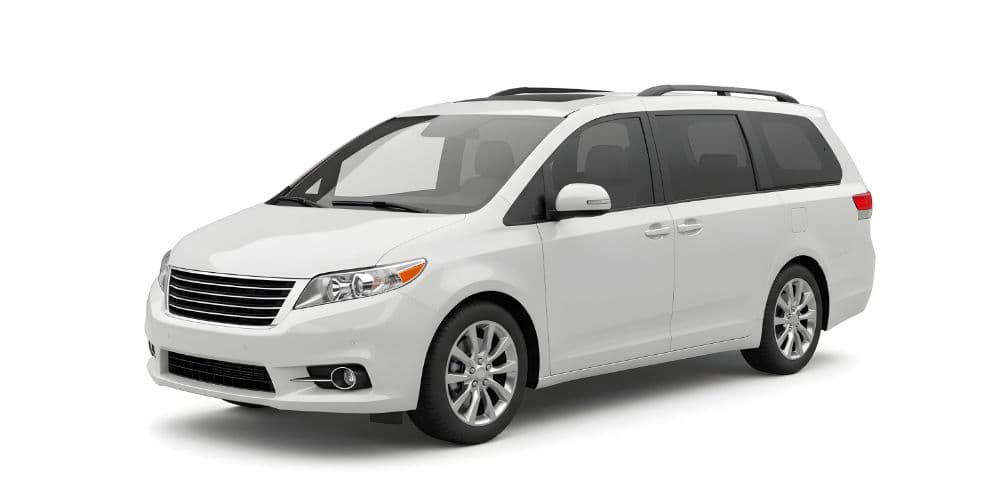
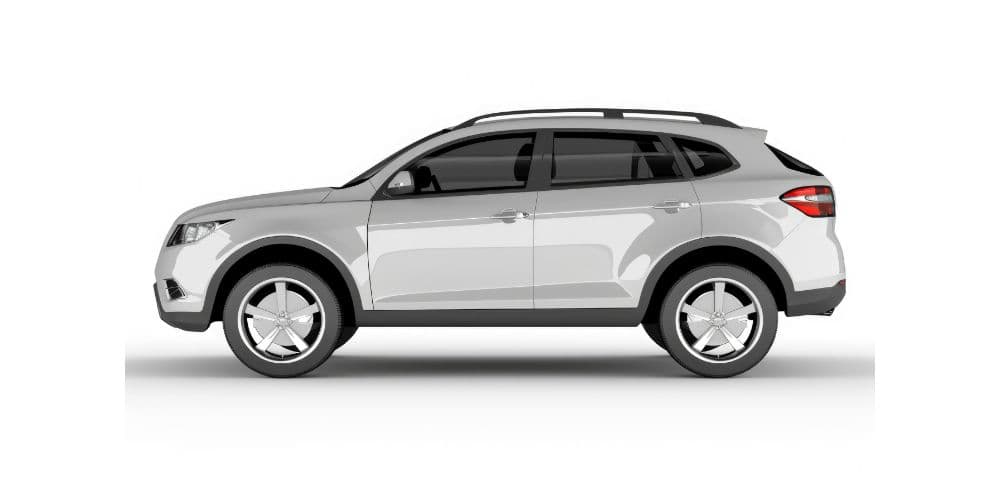
A midsize SUV rental may suit a smaller party with ordinary day bags. A minivan rental can help a family that values easier entry, flexible seating, and space for a stroller. Confirm the actual offer instead of treating a category name as a guaranteed model.
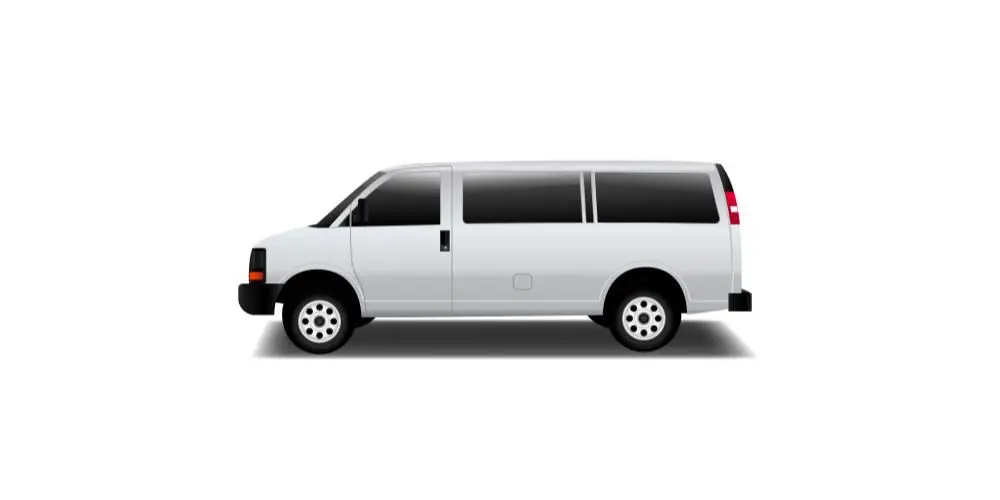
A 12-passenger van rental or 15-passenger van rental may keep a larger group together. The stated capacity includes the driver, and occupied seats reduce the room available for luggage. Confirm driver eligibility, cargo with all required seats in place, vehicle dimensions, parking, supplier restrictions, branch hours, and the group's comfort with a larger vehicle.
Use Philadelphia car and van rentals to compare the dates and pickup locations that match the complete itinerary. A one-day rental only works when pickup, travel, the main activity, and return fit without rushing.
A simple three-day Philadelphia plan
Day 1: Historic District
Start with Independence National Historical Park and one additional Old City attraction. Keep the cluster compact, allow for security or timed entry, and avoid placing a nonrefundable evening reservation directly after the flight.
Day 2: Parkway or Center City
Choose one major museum and one nearby meal or outdoor stop. Families can use Visit Philadelphia's current family guide to compare age fit, then verify tickets and operations with the attraction itself. Do not try to combine every Parkway museum in one day.
Day 3: Keep it central or drive once
Stay car-free for Reading Terminal Market, Rittenhouse Square, Schuylkill Banks, a second museum, or University City. If Longwood Gardens or a regional family visit is the priority, make it the single anchor of the rental day and return with time to spare.
Philadelphia hotel-area booking checklist
- Mark the one attraction, campus, appointment, or station that controls the trip.
- Map the exact hotel entrance to the nearest useful station and the day's first stop.
- Check stairs, elevators, curb conditions, stroller needs, and the final walk.
- Compare PHL rail, taxi, rideshare, hotel transfer, and rental using the full group and all bags.
- Ask the hotel about luggage storage, parking price, vehicle clearance, in-and-out rules, and overnight access.
- Keep central sightseeing together by neighborhood instead of crossing the city repeatedly.
- Add a vehicle only when it solves a regional or multi-stop problem.
- Recheck airport zones, transit alerts, attraction operations, road conditions, supplier terms, and weather before travel.
When deciding where to stay in Philadelphia without a car, choose the area that removes the most repeated trips from the itinerary. For many first-time visitors that is Center City East. For history, museums, or campus travel, Old City, Logan Square, or University City can be the better answer. Choose the area first, then add a vehicle only for the part of the trip that truly needs one.
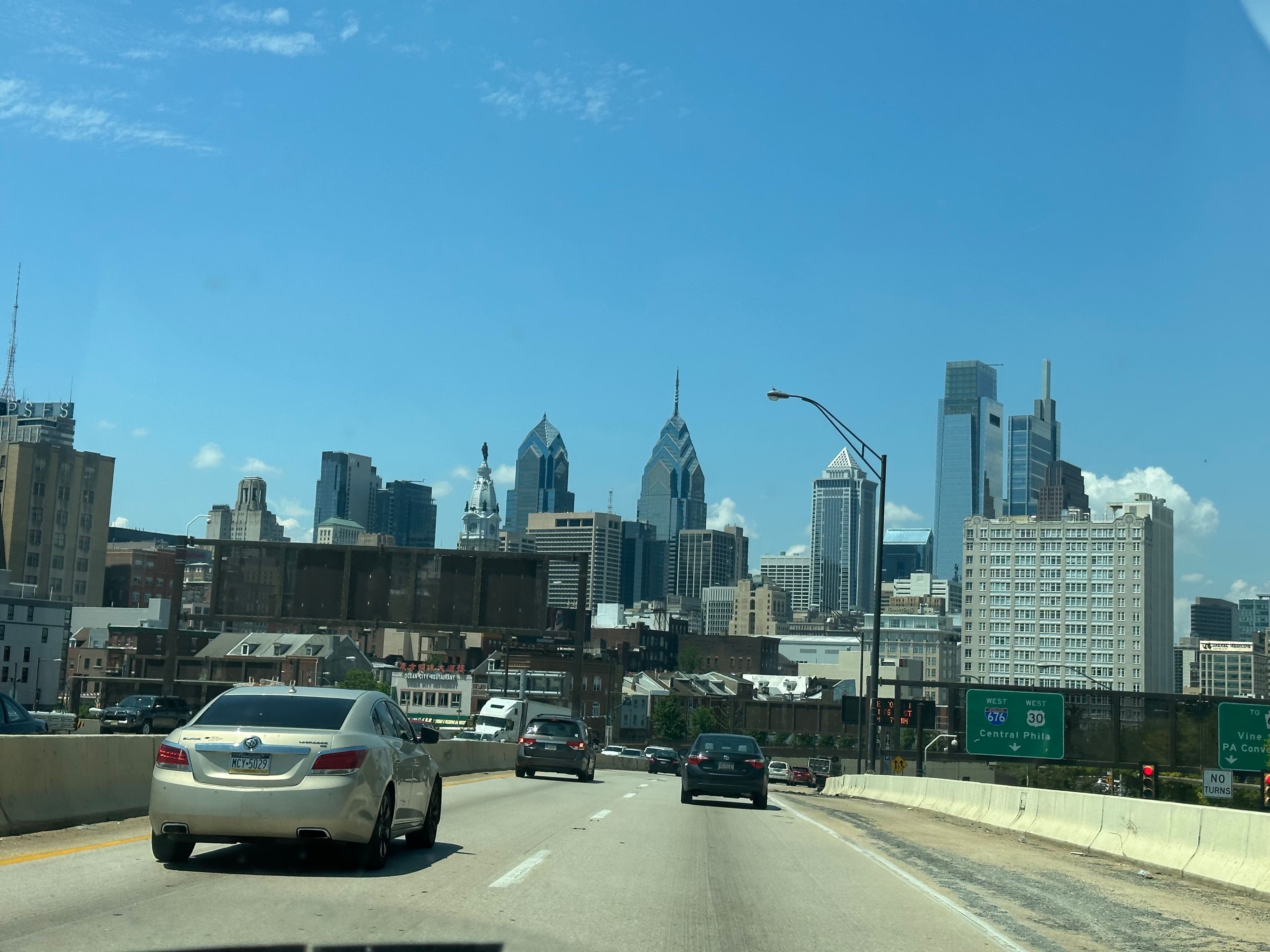
Preview photo: 2023 Philadelphia Skyline by Justin5117 / CC0 1.0 (via Wikimedia Commons). Cropped for display; original retained.
Our Most Popular Vehicles

Frequently Asked Questions
Center City East is the best all-purpose base for many first-time visitors because it sits between Old City and the Parkway with broad food and transit access. Old City is better for history, Logan Square for museums, and University City for campuses, Penn Medicine, or west-side appointments.
Yes. SEPTA's Airport Line serves central stations including Jefferson, Suburban, 30th Street, and Penn Medicine. Check the current schedule, alerts, fare, accessibility, luggage fit, and final walk. A taxi or rideshare may be simpler for a late arrival, mobility needs, or several large bags.
Old City is better when the Historic District is the main attraction and the family wants short morning walks to Independence National Historical Park. Center City is more flexible for a mixed itinerary with Reading Terminal Market, theaters, the Parkway, and several neighborhoods. Choose based on the most repeated route.
Yes, especially for Penn, Drexel, Penn Medicine, Franklin Field, 30th Street Station, or west-side appointments. It can also support an Airport Line arrival. A history-first vacation may require more cross-city trips, so confirm the exact hotel-to-attraction route before choosing it.
Rent a car when the itinerary includes Longwood Gardens, a suburban family address, several regional campuses, equipment that is difficult to carry, or multiple fixed stops outside the central core. Most central sightseeing does not justify paying for a vehicle and hotel parking every day.
A midsize SUV may fit a smaller party with ordinary bags, while a minivan can help a family that needs flexible seating and easier loading. Larger groups can compare 12- or 15-passenger vans, but the seat count includes the driver. Confirm cargo, dimensions, parking, and supplier terms.
Three days can support one Historic District day, one Parkway or museum day, and one flexible central or regional day. Add time for more museums, campus visits, or a Longwood Gardens trip. Keep each day centered on one area so children and groups spend less time transferring.