
Where to Stay in Portland, Maine: With or Without a Car
Where to Stay in Portland, Maine: With or Without a Car
The best place to stay in Portland, Maine without a car is usually the Old Port or downtown edge, where meals, shops, the waterfront, and central attractions can fit into a compact trip. Choose East End for a quieter neighborhood feel, South Portland for easier airport and parking logistics, or Freeport when coastal drives and a wider Maine itinerary matter more than walking to the Old Port.
For families and groups, the right answer depends less on a hotel ranking than on four questions: Where will you spend most days? Will the hotel charge for or limit parking? How will everyone move with luggage? Do you need a vehicle every day, for one day, or not at all?
Key takeaways
- Old Port or downtown edge: best fit for a short, walk-first city stay.
- East End: best fit for a quieter neighborhood base near the Eastern Promenade, with more attention needed for luggage and the walk back uphill.
- South Portland or the Jetport area: best fit for parking, early flights, late arrivals, and itineraries that already depend on a vehicle.
- Freeport: best fit when shopping, outdoor stops, and the coast north of Portland are the trip’s anchor.
- A split rental—car-free city days plus one vehicle day—can be more practical than paying to park a vehicle you rarely use.
Where to Stay in Portland, Maine Without a Car at a Glance
Use the trip’s largest geographic commitment to choose the base:
- Stay in Old Port or near Congress Street when the trip is mostly restaurants, shops, museums, ferries, and waterfront time.
- Stay in East End or Munjoy Hill when a neighborhood setting and Eastern Promenade access matter more than being beside every Old Port block.
- Stay in South Portland or near PWM when parking, airport timing, family loading, or daily driving has priority.
- Stay in Freeport when Portland is one stop in a wider coastal trip rather than the center of every day.
Before booking, compare the room rate and parking as one nightly cost. Then confirm the hotel’s actual parking arrangement, maximum vehicle size, in-and-out rules, shuttle schedule, and luggage-storage policy directly. A listing that says “parking available” does not tell you whether a 12-passenger van fits or whether the space is guaranteed.
Compare Four Portland-Area Hotel Zones
Old Port and the downtown edge: easiest for a car-free first visit
Old Port works well for travelers who want to step outside for meals, waterfront walks, shopping, and ferry access. The Visit Portland downtown overview describes downtown hotels within walking reach of the Old Port and Arts District. That concentration makes this the simplest base for a two- or three-night city trip that does not include distant coastal stops.
The tradeoff is parking. Do not assume a downtown room includes a free space or that street parking is suitable overnight. Check the City of Portland parking page for current municipal information, then verify the hotel or garage separately for price, overnight access, height, and reentry.
Best for: first-time visitors, couples, smaller families, food-focused weekends, and groups comfortable walking in changing weather.
Watch for: cobblestones, hills, luggage handling, late-night noise by block, and parking terms that can change the true room cost.
East End and Munjoy Hill: neighborhood feel with a longer last mile
East End can suit repeat visitors and travelers who want the Eastern Promenade, neighborhood restaurants, and a quieter residential setting. Visit Portland’s neighborhood guide places the East End around the Eastern Promenade and describes connections toward the Old Port.
This area can work without a car, but “near downtown” is not the same as effortless with children, mobility equipment, or rolling bags. Map the exact lodging address against the day’s stops and the return walk. Greater Portland METRO’s Route 8 Peninsula Loop serves downtown, the Old Port, the waterfront, and other peninsula destinations; check the live schedule and alerts for the travel date.
Best for: travelers who value neighborhood atmosphere and promenade access over a lobby in the Old Port.
Watch for: uphill walks, limited lodging inventory, residential parking rules, and the need for a taxi or rideshare when weather or luggage makes the walk impractical.
South Portland and the Jetport area: practical for a vehicle-led trip
South Portland and the PWM area make sense when the trip begins with a late arrival, ends with an early flight, or includes daily driving. The benefit is operational: hotels outside the peninsula may offer on-site parking and easier loading, but every property has different rules. Portland International Jetport says some local hotels offer shuttles and advises travelers to confirm service with the hotel because schedules may not run around the clock.
PWM’s official ground-transportation page places rental cars in the consolidated atrium inside the parking garage and lists current taxi, bus, and other transportation information. That makes an airport-area base useful for a road-led itinerary, but it is not a substitute for staying downtown if the group expects to walk out for every meal and attraction.
Best for: early departures, late arrivals, road trips, sports gear, larger groups, and travelers who want confirmed on-site parking.
Watch for: hotel-shuttle hours, distance from the Route 7 stop, the cost of repeated downtown trips, and whether the property can accommodate a large van.
Freeport: a separate base for a wider coastal trip
Freeport should be chosen because the trip is about Freeport and the coast north of Portland—not because it appears close on a map. The official Visit Freeport overview describes local lodging, shopping, dining, and outdoor options. A Freeport base can work well when the itinerary continues north or when several days involve regional stops.
It is a weaker fit for a Portland-first weekend. Repeated drives back to the Old Port add parking decisions and make dinner logistics more complicated. If both places matter, consider grouping Portland nights first and Freeport nights second rather than commuting between them every day.
Best for: multi-stop Maine trips, shopping and outdoor itineraries, and travelers who plan to continue north.
Watch for: assuming Portland activities remain walkable, late return drives, seasonal hours, and keeping luggage secure during a hotel-transfer day.
Plan the PWM Arrival Before Choosing the Hotel
Portland International Jetport is close enough to central Portland that several arrival modes can work, but the best one depends on the whole stay. Greater Portland METRO Route 7 connects PWM and downtown Portland. The Jetport also lists taxis and other options on its ground-transportation page. Check current schedules, pickup points, luggage practicality, and a backup for a delayed flight.
For an Old Port or East End stay, compare three complete plans:
- Airport transfer both ways, with no vehicle.
- Airport transfer plus a one-day vehicle for the wider coast.
- Full-trip rental, including hotel parking for every night.
For South Portland or Freeport, a vehicle may support more of the itinerary, but it still needs to earn its parking and rental cost. Compare actual quotes and hotel policies rather than assuming the longest rental is automatically the easiest.
Choose a Vehicle Around People, Bags, and Parking
Count adults, children, approved child seats, checked bags, carry-ons, strollers, mobility equipment, and outdoor gear before choosing a class. A nominal seat count does not establish usable luggage room, and a large passenger van can create a parking problem at a downtown hotel.
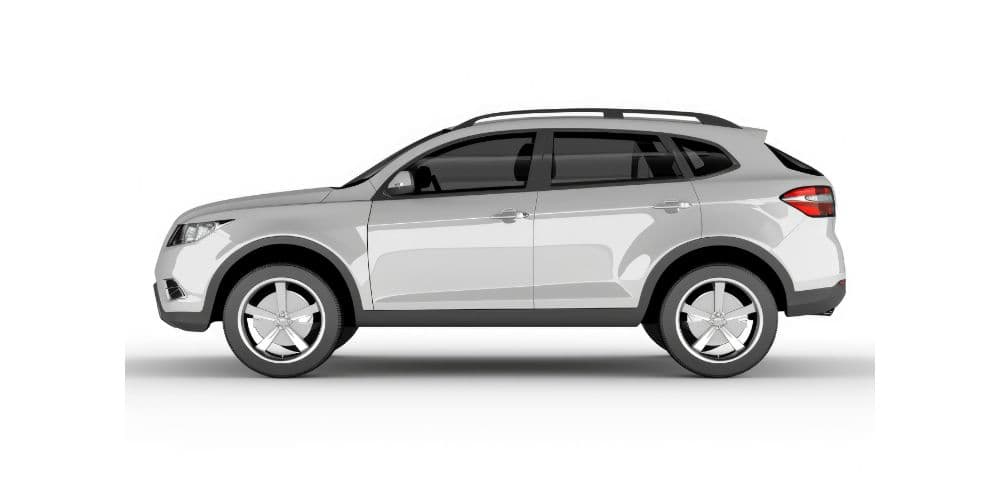
- A midsize SUV rental may fit a smaller family with moderate luggage, but every occupied seat reduces flexibility.
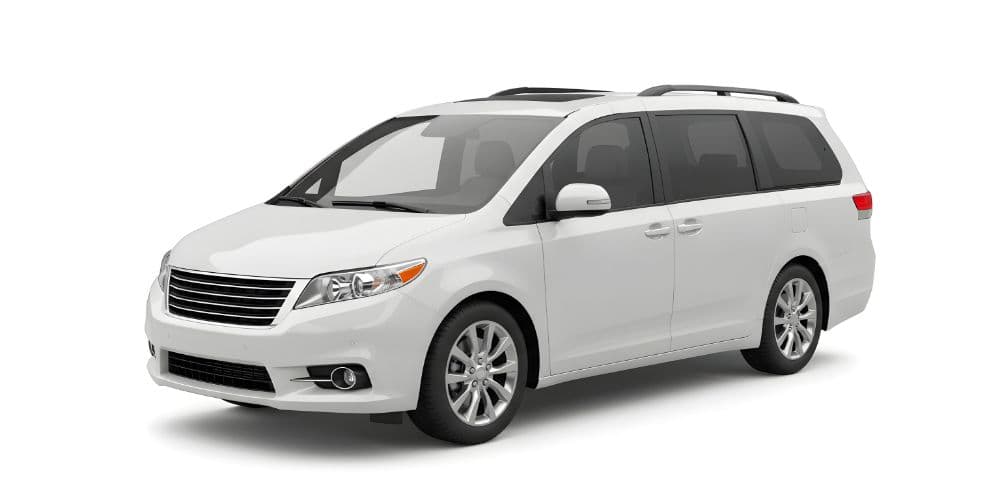
- A minivan rental can make child-seat access and family loading easier. Confirm the quoted model class and cargo arrangement.
- A 12-passenger van rental or 15-passenger van rental can keep a larger group together. Verify driver requirements, bag space with seats in use, garage clearance, loading space, and the supplier’s exact terms.
Use Portland, Maine car and van rental options and Portland International Jetport car and van rentals as location-specific starting points. Search results and category pages do not guarantee a particular supplier, vehicle, price, or configuration for the dates. Confirm the booking details before building the trip around one vehicle.
Consider a Split Rental Instead of an All-or-Nothing Choice
A split rental keeps the city portion simple and reserves a vehicle for the day it solves a real problem. It works best when the hotel is walkable, the branch transfer is manageable, and the wider day has several passengers or stops. It works poorly when pickup hours are limited, the group must move all luggage again, or the one-day rate and transfer effort erase the benefit.
Before a driving day, review Maine’s current road-condition and 511 guidance, the weather, parking at each planned stop, and the rental return deadline. Avoid turning the day into a long list of coastal stops. One anchor destination plus one optional stop is easier to adjust when weather, traffic, or family energy changes.
Use This Portland Lodging Checklist
Before reserving a hotel, confirm:
- the exact neighborhood and walking route, not just “Portland area” in the listing;
- total nightly cost after parking, resort, destination, and vehicle-related fees shown at booking;
- garage height, length, overnight access, and reentry for the actual vehicle;
- current PWM transfer or hotel-shuttle hours for both flight times;
- access to Greater Portland METRO for the exact lodging address;
- luggage storage before check-in or after checkout;
- cancellation terms for both the room and vehicle;
- snow-ban, road, or seasonal operating information when relevant.
The best Portland base is the one that reduces the trip’s repeated friction. Stay in Old Port or downtown for a walk-first visit, choose East End for a quieter neighborhood plan, use South Portland for airport and vehicle logistics, and move to Freeport only when the wider coast is the point. Decide the base first; then rent only the vehicle and number of days the itinerary actually needs.
Preview photo: Skyline waterfront by Metrodogmedia / CC0 1.0 (via Wikimedia Commons). Cropped for display; original retained.
Our Most Popular Vehicles

Frequently Asked Questions
Old Port or the downtown edge is usually the most practical base because central dining, shopping, waterfront activities, and several attractions can fit into a walk-first itinerary. Check the exact address, hills, weather, and luggage route. East End can also work if a quieter neighborhood matters more than immediate Old Port access.
Old Port is simpler for a short first visit with frequent meal and waterfront stops. East End can offer a quieter neighborhood feel and promenade access, but families should map the uphill return, transit stops, and luggage path. The better choice depends on children’s walking tolerance and the exact lodging address.
An airport-area or South Portland hotel can reduce departure-day complexity, especially with children, several bags, or a large group. Confirm the hotel’s shuttle hours, reservation requirement, parking policy, and travel time for the actual flight. A generic “airport shuttle” amenity does not guarantee around-the-clock service.
Not for every trip. A compact Old Port and downtown stay can work with walking, transit, and an airport transfer. A rental becomes more useful for Freeport, multiple coastal stops, family visits, bulky gear, or mobility needs. Compare a full rental with one vehicle day before deciding.
Freeport is a good base when shopping, outdoor stops, or travel farther north drives the itinerary. It is less convenient when most meals and activities are in downtown Portland. If both destinations matter, group nights by place instead of driving back and forth for every Portland activity.
Ask whether parking is on-site, reserved, covered, or valet; the total nightly cost; reentry rules; garage height and length; overnight access; and whether a passenger van fits. Confirm the answer for the exact vehicle and dates. “Parking available” alone is not enough for a family or group plan.
Choose from the full people-and-cargo count. A midsize SUV can suit a smaller party, a minivan often makes family loading easier, and 12- or 15-passenger vans require careful checks for luggage space, driver terms, and parking clearance. Confirm the supplier’s actual configuration before booking.