
Monterrey Van & Car Rental
Why rent a car in Monterrey
TL;DR: In Monterrey, a car rental or van rental is ideal for business visitors, families, and groups who want to get around easily. Public transit is limited and summer heat can be extreme having your own vehicle lets you move between meetings, attractions, or mountain escapes on your schedule. Renting a car or passenger van gives you the convenience, comfort, and freedom to explore Monterrey and its scenic surroundings without hassle.
Today’s Top Monterrey Car Rental Deals
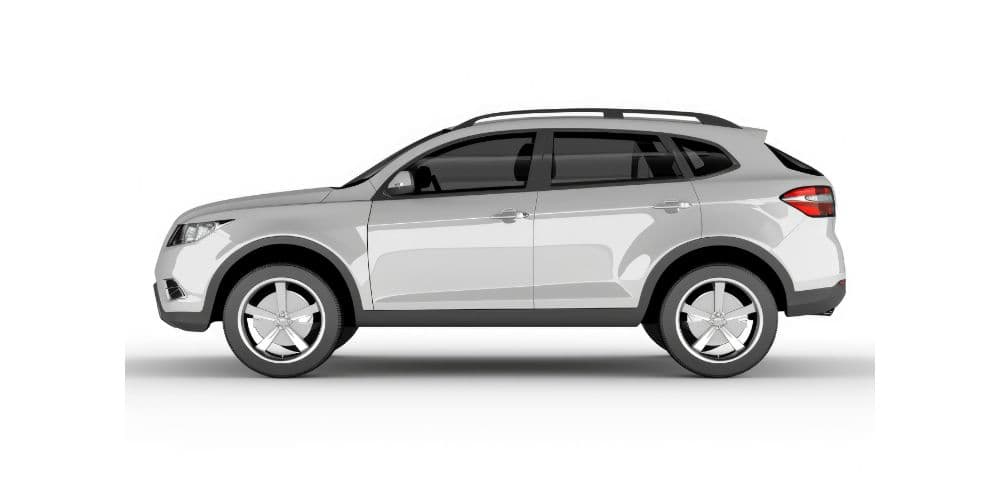
- Standard SUVfrom $45/day (~MX$800). Example: Ford Explorer or similar (7-passenger). Plenty of space for family or colleagues plus luggage. Ideal for driving up to Chipinque Park or exploring the surrounding mountains in comfort.
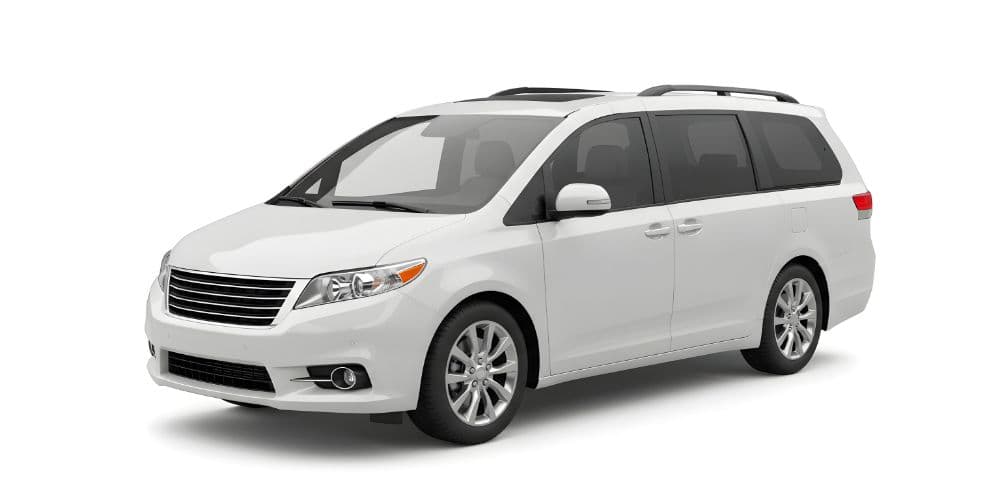
- 12 Passenger Vanfrom $90/day (~MX$1,600). Example: Ford Transit or similar. Seats a big group perfect for sports teams, church groups, or large families. Take everyone together on a day trip to Garcia Caves or transport your crew to an event. (Note: driver must be 25+ for large vans.)
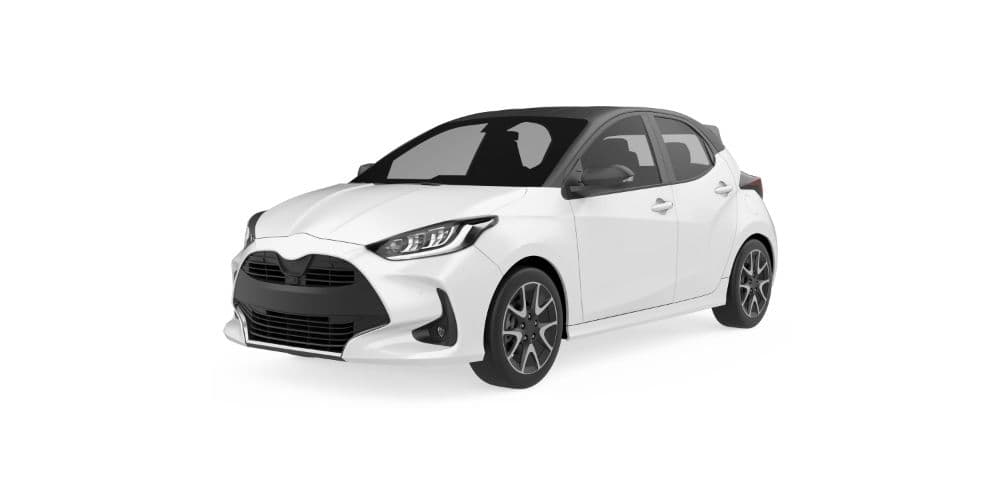
- Economy Carfrom $18/day (~MX$320). A small sedan or hatch (e.g. Chevrolet Beat) that’s easy to maneuver in city traffic and sips fuel. Great for solo travelers or couples visiting Monterrey’s urban attractions like Macroplaza or Fundidora Park.
- Full-Size SUVfrom $70/day (~MX$1,250). Example: Chevrolet Tahoe or similar (8-passenger). A powerful ride for those needing extra seating and cargo space. Excellent for road trips to Real de Catorce or a comfortable drive out to the Texas border, with room for everyone and everything.
(Note: Prices are examples and can change. “From” rates are the lowest we’ve seen recently for that class in Monterrey. They exclude taxes/insurance. Book early, especially for large vans and SUVs those can be in high demand during peak travel times!)
Why Rent a Car in Monterrey?
Monterrey is a modern city with American-style highways and a culture that loves cars. Here’s why renting your own vehicle makes sense:
- Business Travel Made Easy: As an industrial and business hub, Monterrey often requires hopping between factories in Apodaca, meetings in downtown San Pedro Garza García, and tech parks on the outskirts. A rental car lets you stick to your tight schedule without waiting for taxis. You can easily attend a morning meeting, grab lunch in Valle Oriente, and make that afternoon plant tour in Santa Catarina. Plus, showing up in your own rental car (as opposed to relying on hotel shuttles) gives a professional impression.
- Outdoor Adventures: Monterrey is surrounded by stunning nature think Parque la Huasteca’s canyon drives, hiking Cerro de la Silla or visiting Cola de Caballo waterfall in Santiago. These spots aren’t well-served by public transit. With a car or especially a sturdy SUV, you can throw in your hiking gear or mountain bike and hit the trails at will. Visiting Grutas de García caves? You’ll need to drive about 30-40 minutes outside the city simple with a rental. And if you’re into rock climbing at Potrero Chico (about an hour north in Hidalgo), a car is essential to reach those world-class cliffs.
- Family & Group Comfort: Monterrey’s top family attractions Bioparque Estrella safari park, Bosque Mágico amusement park, or even a Rayados or Tigres soccer game are easier reached by car. Renting a minivan or passenger van keeps your group together. No need to coordinate multiple vehicles or rideshares (which can get tricky with child seats or a big group). Load up strollers, coolers, and extra clothes and explore at your own pace. And with the summer heat, it’s a lifesaver to have your own air-conditioned vehicle waiting after a long day of sightseeing.
- Cross-Border Trips: Many travelers in Monterrey plan to visit Texas or vice versa. While rental car policies vary, having a car gives you the option to drive up to the border at Nuevo Laredo (about 2.5 hours) or McAllen (2.5–3 hours) for a shopping trip or business visit. Some rental companies allow cross-border travel into the U.S. with prior arrangement (and extra insurance) Airport Van Rental can help connect you with options if needed. Even within Mexico, Monterrey is a day’s drive from destinations in Tamaulipas, Coahuila, and beyond. Basically, a car lets you capitalize on Monterrey’s strategic location as a gateway whether you’re headed to a beach in Texas or a vineyard in Parras de la Fuente.
- Skip the Summer Sweating: Monterrey’s public transport consists of buses and two Metro lines, which might not get you everywhere and can be time-consuming. In the summer, temperatures easily hit 38°C (100°F). Waiting for a bus or walking long distances isn’t pleasant in that heat. With a rental car, you’ll go point-to-point in cool, air-conditioned comfort. Plus, you can blast your own music (maybe some norteño or cumbia) and truly enjoy cruising in this city known for its love of cars. Gasoline is reasonably priced in Nuevo León compared to some other cities, so driving can be cost-effective, especially split among friends or colleagues.
In short, a rental car unlocks Monterrey and its surroundings. It’s the norm for locals, and as a visitor you’ll blend right in. Airport Van Rental offers everything from compact cars for city errands to 12-passenger vans for large groups, all at competitive rates. No hidden fees, free cancellation on most bookings, and a customer service team that knows the region we’ve got you covered so you can focus on a successful (and enjoyable) trip.
Driving in Monterrey: What To Know
- City Layout & Traffic: Monterrey has a well-developed road network. Major thoroughfares like Constitución and Morones Prieto run east-west through the city, and Gonzalitos and Garza Sada run north-south. During rush hours (7–9 AM and 5–7:30 PM), these can get congested, especially the routes funneling into downtown and the business district of San Pedro. Expect slowdowns and pack some patience; Monterrey drivers can be impatient but generally follow the rules. Weekends see less traffic, except around popular malls (like Galerías, Valle Oriente) where there can be jams getting in/out of parking lots. Unique to Monterrey, you’ll find express lanes on Constitución/Morones (called “Par Vial”) basically expressway lanes with fewer exits; stick to the right lanes if you need to exit frequently. Also, U-turns are a common way to navigate; don’t be surprised if your GPS has you make a U-turn at an underpass as part of routing it’s normal here.
- Tolls & Autopistas: Driving within Monterrey city is toll-free, but if you venture out, you’ll likely hit some toll roads. For example, the road to Nuevo Laredo (Highway 85D) or to Reynosa/McAllen (Highway 40D) are toll highways. Also, the bypass around Monterrey, Libramiento Noreste, is a toll road that can save you time if you’re driving around the city to another side. Tolls can range from MX$50 to MX$150 each. They accept cash (pesos) have small bills handy. One useful tip: if you plan a lot of highway driving, ask the rental company if the car has a toll tag (like TAG or Telepeaje). In northern Mexico, these tags are less universally used than in CDMX, but some cars have them. They let you use the express lane at some toll plazas (look for “TAG” or “pase” lanes). Otherwise, slow down and take the cash lane. Generally, toll roads are fast and safe, while free roads can be much slower (and go through towns with topes). For long distances, toll roads are worth the cost.
- Gas Stations & Fuel: You’ll find plenty of gas stations in and around Monterrey, especially on major roads and at city exits. PEMEX is common, but you’ll also see BP, Shell, OxxoGas, and others. They are all full-service the attendant will fill up for you. The phrase for fill it up is “Llénalo, por favor” (or just “Lleno”). If you only want a specific amount, you can say “Dame $500 de roja” (give me 500 pesos of premium) or “$500 de verde” (500 of regular). Gas prices are set per liter and are similar across stations due to regulation. Payment: Many stations in Monterrey take credit cards if you use one, the attendant might bring a wireless terminal to your window. As always, watch the pump to ensure it starts at 0. It’s customary to tip attendants ~5-10 pesos for their service. One more thing Monterrey is at the foothills of mountains, but altitude isn’t high enough to need any special fuel considerations (regular unleaded works for all standard cars).
- Parking: Monterrey has ample parking compared to many cities. Malls and big restaurants have parking lots, often free or a nominal fee. In downtown and older areas, you might need to find street parking or use garages. Street parking is usually free unless there’s a meter or signs indicating restrictions. In busy zones like Barrio Antiguo or around Macroplaza, look for public parking lots they’re often lots or multi-level garages with an attendant at the entrance. Rates might be around MX$20-30 per hour or a flat fee for the day/night. In residential areas, parking on the street is common and generally safe; just don’t block driveways (look for the word “Estacionamiento” with a diagonal line that indicates a private driveway or no parking zone). At night, stick to well-lit areas if possible. Monterrey does have “viene viene” guys in some areas (they’ll wave you into a street spot and watch your car). It’s not obligatory, but giving them ~10 pesos when leaving is appreciated and might dissuade any tampering. For events (like a concert at Arena Monterrey or a soccer match at Estadio BBVA/Universitario), arrive early parking lots fill up, and you may have to use overflow lots or street parking which can be a hike.
- Driving Culture & Safety: Monterrey’s drivers are known to be a bit speedy and aggressive (some say it’s the city’s entrepreneurial spirit showing on the roads!). Red lights are respected, though you might see the occasional dash through a very stale yellow. Turn signals are sometimes optional for local drivers, so keep an eye on cars as they may drift into your lane without much notice. Also, because the city is ringed by mountains, when it rains, water can accumulate drive carefully through flooded underpasses during heavy storms (Monterrey is prone to flash floods in the late summer). If you’re driving up into the mountains (to Chipinque or further like Cola de Caballo), note that those roads are winding with steep drops go slow, use low gear to descend, and don’t attempt them in bad weather or if you’re not confident. Security: Monterrey is generally safe, but if driving to neighboring rural areas or across state lines, it’s wise to do so in daylight. Military checkpoints exist on some highways (especially toward border areas); they might wave you through or do a routine check cooperate politely, they’re looking out for weapons/drug trafficking, not tourists. Finally, Monterrey has an interesting custom: many drivers at night will stop at red lights but proceed if the intersection is empty this is a holdover from security concerns years ago. The official law is to obey the traffic signal. If you feel uneasy sitting alone at a long red light late at midnight, use your judgment, but generally sticking to the rules is best.
- Local Rules & Signage: Road signs in Nuevo León follow standard Mexican conventions. Speed limits are in km/h: e.g., 60 on city arterials, 40 on smaller streets, and up to 100 on open highways (watch for posted limits, though some stretches use 110 or 120, especially the toll highways). If you see “NO CIRCULA” signs in Monterrey, don’t worry that’s not an everyday thing here like in Mexico City; Monterrey doesn’t have a no-drive program for pollution on normal days. One quirky thing: on multi-lane one-way downtown streets, people sometimes treat the leftmost lane as a quasi-parking/loading lane, especially near shops be cautious of sudden stops. Also, seat belts are required for all occupants by law, and cell phone use while driving is illegal (and enforced with fines). Drinking and driving is strictly illegal and there are random checkpoints (“alcoholímetro”) on weekends penalties are severe, including jail time, so it’s absolutely not worth it. On the signage front: “Precaución, zona escolar” means caution, school zone (often with lower speed limits during school hours). And if you drive out to the desert or rural areas, signs warning “Ganado suelto” mean stray livestock might be on the road yes, occasionally cows or goats wander onto highways in ranch areas. Overall, driving in Monterrey is a mix of U.S.-style roadways with a Mexican twist you’ll do fine, just stay alert and enjoy the ride (and the gorgeous mountain backdrop!).
Road Trips from Monterrey
Monterrey’s location in northeast Mexico means you can explore mountains, deserts, and even cross into Texas. Here are a few road trip ideas:
- Santiago & Cola de Caballo (35 km S) A quick 45-minute drive south brings you to the charming town of Santiago, designated a Pueblo Mágico (Magic Town) for its historic plaza and mountain scenery. Just beyond town is Cola de Caballo, a beautiful waterfall cascading in the Sierra Madre Oriental. The drive via Highway 85 is straightforward and scenic (it winds through a canyon as you approach Santiago). Park at the waterfall entrance; a short walk gets you to the falls where you can snap photos or even take a horseback ride. This is a perfect half-day trip. Any vehicle can handle the paved road to Cola de Caballo, though on weekends it gets busy go early to beat local crowds. On your way back, stop at Los Cavazos along the highway, an area with rustic shops selling homemade fruit liqueurs, candies, and crafts.
- Grutas de García (50 km NW) About an hour’s drive northwest takes you to the García Caves, an impressive network of caves inside Cerro del Fraile mountain. You’ll drive through the town of García and then up a small road to the visitor center. From there, a scenic tramway (teleférico) lifts you to the cave entrance high on the mountainside (an adventure in itself!). The guided cave tour (~2km walking) reveals stunning stalactite formations and cavern chambers a must-do for nature lovers. The road to the caves is paved but has some steep bits; a sedan is fine, but make sure your brakes are in good shape for the descent. Carry water, as it can get warm inside the cave despite the mountain location. Combine this trip with a visit to the nearby Potrero Chico in Hidalgo if you’re into rock climbing or just want to see dramatic spires (another 30 min from García).
- Parras de la Fuente (270 km W) Drive 3 hours west (via toll Highway 40 towards Saltillo/Torreón) to reach Parras, an oasis town in the Coahuila desert famous for its wine and history. Parras de la Fuente is home to Casa Madero, the oldest winery in the Americas (est. 1597!). Tour vineyards, enjoy a wine tasting, and see the hacienda where Mexican wine was born. The town itself has leafy plazas, a historic aqueduct, and cool underground springs (great for a dip in summer). The drive is mostly on 4-lane toll road until the last 50 km, which are on a two-lane highway through desert landscapes watch for goats or donkeys on the road. A full-size car or SUV is nice for comfort, but any vehicle in good condition works. It’s best as an overnight trip (there are boutique hotels in Parras), but adventurous travelers can do a long day trip if they set out at dawn. Don’t forget to buy a few bottles of wine as souvenirs!
- Real de Catorce (320 km SW) For a more adventurous 5-hour drive, head to the ghost town of Real de Catorce in the state of San Luis Potosí. This once-thriving silver mining town (now semi-abandoned) sits high at 2,750 m (9,000 ft) in the mountains and is accessible only through a 2.3 km one-lane tunnel called Ogarrio. Driving there from Monterrey, you’ll go via Saltillo, then Matehuala, then up a cobblestone mountain road. Because of the rough final stretch, a high-clearance vehicle or 4x4 is strongly recommended. You’ll park before the tunnel and either drive through when it’s your turn (they alternate directions every 30 minutes or so) or take a Willy’s Jeep shuttle from the tunnel entrance. Once inside Real de Catorce, it’s like stepping back in time crumbling stone buildings, a picturesque church, and stunning desert mountain views in every direction. Horseback rides to old mines or the sacred Huichol site Cerro Quemado are popular. This road trip is definitely a multi-day venture plan to stay at least one night in town to soak in the surreal atmosphere. The journey is a bit challenging, but for many, Real de Catorce is a magical, otherworldly experience you’ll talk about for years.
Popular Monterrey Rental Destinations
From Monterrey, travelers often drive their rentals to these nearby destinations:
- Santiago (Nuevo León) Mountain town and Cola de Caballo waterfall, ~40 minutes south.
- Saltillo Capital of Coahuila known for sarapes (woven blankets) and desert landscapes, ~1 hour west.
- Parras de la Fuente Historic wine-making oasis in Coahuila’s desert, ~3 hours west (great weekend trip).
- Real de Catorce Legendary ghost town in the mountains of San Luis Potosí, ~5 hours away for a unique adventure.
Popular Monterrey destinations
Our Most Popular Vehicles

Frequently Asked Questions
Yes, Monterrey is a modern city with well-maintained roads, and driving here is generally safe. In fact, many say it feels similar to driving in a large U.S. city. The local driving style is a bit aggressive expect fast lane changes and heavy use of horns but if you go with the flow and stay alert, you’ll be fine. There’s a strong police presence on major roads and in tourist areas, so help is around if needed. As always, basic precautions help: keep your car doors locked, especially when stopped at lights, and avoid leaving anything visible on the seats to deter smash-and-grab thefts. When parked, especially overnight, choose well-lit, secure parking (Monterrey has plenty of garages and hotel parking). Outside the city, stick to main highways and toll roads. Some rural highways in Nuevo León and neighboring states can be isolated; it’s safest to drive them during daylight. Overall, many foreign companies and expats are in Monterrey they routinely drive around daily without incident.
No, if you have a valid driver’s license from your home country, you typically do not need an International Driving Permit (IDP) for renting a car in Mexico (including Monterrey). Rental agencies will ask for your passport and your government-issued license. As long as the license has a photo and is readable in the Latin alphabet (e.g., English, Spanish, French, etc.), you’re good to go. If your license is in a non-Latin script (like Chinese, Russian, Arabic), an IDP or official translation would be very useful to avoid language issues. International Driving Permits are easy to obtain and translate your info into multiple languages, including Spanish. While not required by law for tourists in Mexico, an IDP is recommended by some rental companies in fine print. But practically speaking, many visitors from the U.S. and Canada rent cars in Monterrey with just their state/provincial licenses. Remember, you’ll also need a credit card (in the renter’s name) for the deposit.
Generally, the minimum rental age is 25. Renters age 21-24 often can rent as well, but will pay a “young driver” fee and might be restricted from renting certain vehicle categories (like large vans or luxury cars). The young driver surcharge in Mexico can be around $10-$15 USD per day (paid in pesos), depending on the company. Every rental agency has its own policy: for example, one company might rent to 21-year-olds with a fee, another might set their cutoff at 23 for certain cars. It pays to shop around if you’re under 25. If you’re 18-20, it’s extremely difficult to rent almost all major companies will not rent to you in Mexico. One workaround (not guaranteed) for 18-20 year olds is if you’re listed as an additional driver on a rental under your parent’s name (and the parent is present and assumes liability). But rules vary. So in summary: 25+ is smooth sailing, 21-24 expect a fee and maybe a smaller selection, under 21 you’ll likely need to seek alternative transport.
Yes, there are several toll roads around Monterrey. The most notable is the Autopista Monterrey–Cadereyta (Highway 40D) which leads toward Reynosa/McAllen, and Highway 85D which goes north toward Nuevo Laredo/Texas or south toward Linares and on to Mexico City. Also, Libramiento Noreste is a toll bypass that lets you skirt the city if you’re going from one side to the other without entering Monterrey. To use these roads, you don’t need any special permit just be ready to pay at the toll booths (cash in pesos is king; only some plazas take cards). If your rental car has a toll transponder (ask at pick-up), you can use the fast lanes, but transponders aren’t as universal here as in some other areas. The toll cost varies for example, Monterrey to Nuevo Laredo has a couple of tolls totalling around MX$200-250. Monterrey to Saltillo via the toll road is about MX$100. If you plan a round-trip, save your toll receipts; sometimes if a road has issues or closure, having proof can help with a refund claim (rare, but just a tip). Lastly, there’s a short tunnel in downtown Monterrey (Tunel Loma Larga) that used to charge a small toll, but it’s now free mention this in case you see an old reference, you can ignore it, no toll there anymore.
Generally, yes. Monterrey is pretty car-friendly. Most shopping centers, restaurants, and attractions have parking. Downtown (Macroplaza area) has street parking and several public lots for example, there’s a big underground parking below Macroplaza. In busy nightlife zones like Barrio Antiguo or San Pedro’s restaurant district, valet parking is common and can simplify things (valet fees range around MX$50-100, not including tip). If you’re visiting Parque Fundidora, there are dedicated parking areas at each end of the park. At popular viewpoints like Mirador del Obispado (the big flag hill), there’s limited parking at the top, but you can also park along the street partway up. Around corporate offices in Valle Oriente, parking structures are plentiful. One thing to note: locals often use hazard lights to double-park briefly or indicate they’re waiting you might see this in front of convenience stores or at school pickup time; just be cautious when pulling around them. Also, some narrower streets in old parts of town might effectively be one-side parking only pay attention to signs or how other cars are parked to avoid blocking lanes. Overall, you shouldn’t struggle to find a spot in Monterrey outside of maybe a sold-out concert night or a major event, and even then, attendants will usually guide you to overflow lots. If staying at a hotel, most have free guest parking. Just remember to lock your car and keep it in a secure, well-lit area overnight standard practice in any big city.
It depends on the rental company’s policy you must get explicit permission and usually purchase additional insurance. Some rental agencies in Monterrey do allow U.S. cross-border travel (often only to Texas and maybe other bordering states) but will charge an extra fee and require that you take their special insurance that covers the car in the U.S. It’s essential to arrange this in advance. The agency will provide a letter of authorization for the vehicle, which you’ll need to show at the border. Keep in mind, if you drive into Texas without the rental company’s permission, you’re violating the contract if anything happens (accident, breakdown, etc.), you could be in a tough situation with no coverage. If you do get permission, crossing the border at Laredo or McAllen is straightforward; you’ll need to go through U.S. Customs and Border Protection ensure everyone in the car has valid passports/visas for U.S. entry. One more thing: There may be drop-off restrictions; most companies won’t let you do a one-way rental and drop the car in the U.S. you’d have to bring it back to Monterrey. If cross-border isn’t allowed or is too pricey, an alternative is to drive to the border, park on the Mexican side in a secure lot, and walk or take a taxi across to a U.S. side rental agency. But if you need the convenience of taking your Monterrey car into Texas, talk to the rental company when booking policies vary widely. For instance, some international brands have no-cross-border rules, while some local ones might accommodate it. Always get the terms in writing and make sure you’re fully insured on both sides of the border.
By law, your rental will include the minimum third-party liability insurance, which covers damage you might cause to others. However, that’s usually where the included coverage ends. It’s highly recommended to have Collision Damage Waiver (CDW) and theft protection for the rental car itself in Mexico. Without CDW, you could be responsible for the full value of the car if it’s damaged or stolen not a risk worth taking. You have a few options: 1) Purchase CDW/LDW from the rental company (it can add $10-$20 USD per day, but often brings your deductible down to zero and covers the car fully); 2) Use a credit card that offers car rental insurance in Mexico note, many credit cards that cover rental cars worldwide actually exclude Mexico, so confirm with your card issuer beforehand and bring documentation; 3) Buy a standalone rental car insurance policy from a third-party before your trip, specifically covering Mexico rentals. Whichever route, when you pick up the car, the agent will likely put a hold on your credit card (could be $1000-$2500 USD if you decline their CDW). If you’re not sure, it’s safer to take the insurance. Also consider personal accident insurance and coverage for items like tires and windshields (often these aren’t included in basic CDW). Monterrey’s roads are in good shape, but if you plan to drive to rural areas, road hazard damage is something to think about. In summary: you don’t legally have to get extra insurance beyond liability, but practically and financially, it’s a wise decision. It will make your journey around Monterrey and beyond much more relaxed knowing you’re covered.
It’s challenging. The vast majority of rental agencies in Monterrey (and Mexico overall) require a major credit card in the renter’s name for the security deposit. This is to place a hold (guarantee) in case of damages or if you return the car late, etc. Some agencies will accept a high-limit Visa/MasterCard debit card, but you usually must opt for all their insurance coverage and sometimes they’ll take a larger cash deposit as well. If you only have a debit card, call ahead to find a company that explicitly allows it and be prepared that they might run a credit check or require additional documentation (like proof of round-trip travel, etc.). Forget about using cash for the deposit that’s generally a no-go. Another workaround some travelers use: if you’re with someone who has a credit card, make them the primary renter and you can be added as an additional driver (fees may apply for an additional driver, unless it’s a spouse with some companies). But if you’re solo with no credit card, your options will be limited. There are a few local agencies that might rent for cash/debit with a hefty deposit (potentially the full value of the car), but reliability varies. For a smoother experience, a credit card is strongly recommended. If getting one isn’t possible, consider using a car-sharing service or hiring private drivers for specific trips as an alternative. Always check recent reviews of any “no-credit-card” rental places, and read the contract carefully you don’t want surprise charges eating up your debit balance.