Boston Marathon 2026 Travel Guide: Hotels, Transit, Runner & Spectator Tips
TL;DR: Boston Marathon 2026 runs Monday, April 20, from Hopkinton to Boylston Street in Boston. This guide covers where to stay, how to fly into Logan (BOS) or nearby airports, race-week transit and road closures, start-line bus logistics for runners, and spectator viewing plans. It also includes rental car and van tips for teams and families, plus things to do around Boston.
Overview of Boston Marathon 2026
The 130th Boston Marathon will be held on Monday, April 20, 2026, aligning with Patriots’ Day (Massachusetts’ state holiday on the third Monday of April). This historic race is the world’s oldest annual marathon, first run in 1897, and it ranks among the most prestigious road racing events globally. It’s one of the six Abbott World Marathon Majors, renowned for its stringent qualifying standards and rich traditions. The race follows a legendary point-to-point course: starting in rural Hopkinton, MA, and winding through several New England towns (Ashland, Framingham, Natick, Wellesley, Newton, Brookline) before finishing in the heart of Boston on Boylston Street, near Copley Square.
Boston Marathon 2026 will draw roughly 30,000 qualified runners and thousands of charity runners from around the world, cheered on by an estimated 500,000 spectators along the 26.2-mile route. This massive crowd makes it New England’s most widely viewed sporting event. The Marathon is a city-wide celebration beyond the race itself, the day features a festive atmosphere with the Boston Red Sox playing a morning home game at Fenway Park, and many locals enjoying the holiday in Boston’s streets and pubs. The event also holds poignant significance in the city’s resilient spirit, commemorated especially since the 2013 finish-line tragedy. For runners, Boston’s hilly course (notoriously including Heartbreak Hill in Newton) and enthusiastic support (like the “Scream Tunnel” of Wellesley College students at mile 13) create an unforgettable experience. Overall, the Boston Marathon is both an elite athletic competition and a beloved cultural event a bucket-list marathon known for its history, community pride, and electric race-day energy.
Getting to Boston: Airports and Transportation
Boston is easily accessible by air, with Logan International Airport (BOS) as the primary gateway. Logan is a major airport (JetBlue focus city and Delta hub) offering numerous nonstop flights from across the U.S., Europe, and other continents. It’s conveniently located just ~3 miles (5 km) from downtown Boston. Given the high demand around Marathon Weekend, book flights early fares may be higher than usual for the holiday period. Upon arrival, you have several ground transport options:
- Public Transit: Boston’s MBTA “T” is an efficient choice. The Silver Line (SL1 bus) from Logan terminals is free inbound to downtown and connects to the Red Line at South Station, while the MBTA Blue Line from Airport Station (reachable via free shuttle from terminals) goes to downtown stops like Aquarium and State Street. If your hotel is in Back Bay (near the marathon finish), you can transfer from the Blue Line to the Orange or Green Line, or use the dedicated Logan Express Back Bay shuttle a convenient bus that runs from Logan to Back Bay for free inbound (and around $3 outbound). The Back Bay Logan Express drops off near Copley Square, ideal for marathon runners staying by the finish line.
- Taxis & Ride-shares: Taxis are readily available at Logan’s taxi stands, and ride-share services (Uber, Lyft) operate with designated pickup zones at each terminal. Depending on traffic, a taxi/ride-share to downtown or Back Bay takes ~20–30 minutes and costs around $25–$40 (plus tolls). During peak times (especially Marathon Monday or rush hour), expect potential surge pricing or slight delays.
- Shuttles & Private Transfers: For group travelers or those with lots of luggage, pre-booked airport shuttles or private vans can be convenient. Some hotels may offer airport shuttle service; otherwise, companies like GO Boston Shuttle or private car services can provide direct transport to your accommodation.
- Driving: If you plan to drive from the airport, note that Logan has a centralized Rental Car Center hosting all major rental agencies (accessible by a free shuttle bus from terminals). Boston’s downtown traffic can be heavy, and parking is limited/expensive, so consider whether you truly need a car (many Marathon events and attractions are walkable or reachable by public transit).
Regional Alternative Airports: In addition to Logan, there are a few regional airports within reasonable distance that might offer cheaper flights or less congestion:
- T.F. Green Airport (PVD) in Warwick/Providence, Rhode Island about 60 miles (approx. 1 hour drive) from Boston. This is a smaller international airport sometimes used as a Logan alternative. You can rent a car from PVD and drive via I-95 or take a commuter rail from Providence to Boston’s South Station (roughly 1 hour 20 minutes by train).
- Manchester-Boston Regional Airport (MHT) in New Hampshire about 50 miles north (1+ hour drive). It’s a convenient option for some domestic flights, particularly on Southwest. Car rentals are available and driving down I-93 brings you into Boston. (There’s limited bus service from MHT to Boston as well.)
- Worcester Regional Airport (ORH) in central Massachusetts (about 50 miles west of Boston) also has a few commercial flights. It’s smaller but JetBlue occasionally serves it. A rental car drive from Worcester to Boston takes around an hour.
If you fly into any of these regional airports, plan your ground transportation renting a car is often the simplest. However, if you’re arriving as a runner close to race day, factor in the extra travel time to get into Boston.
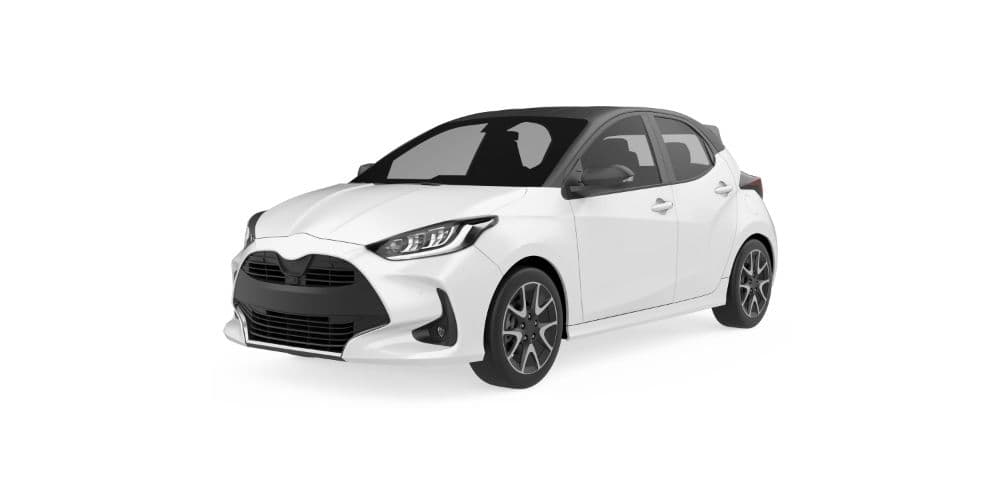
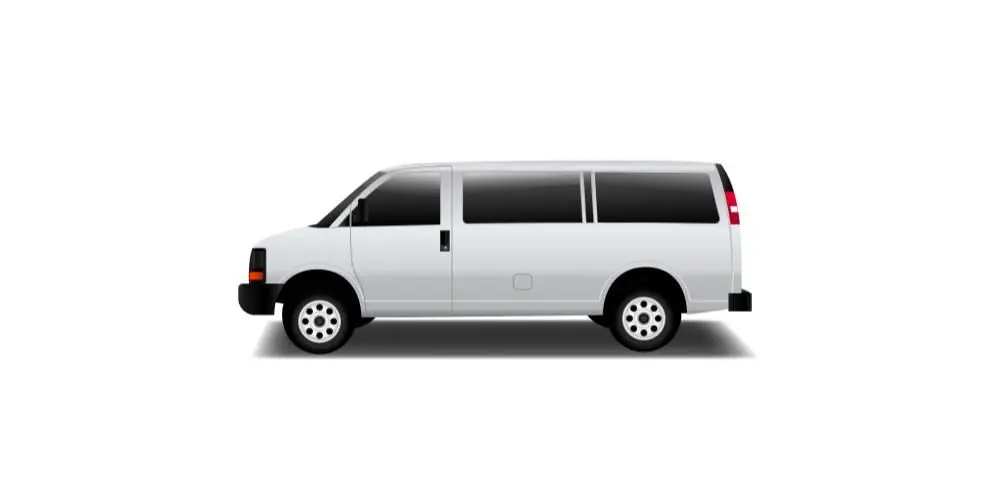
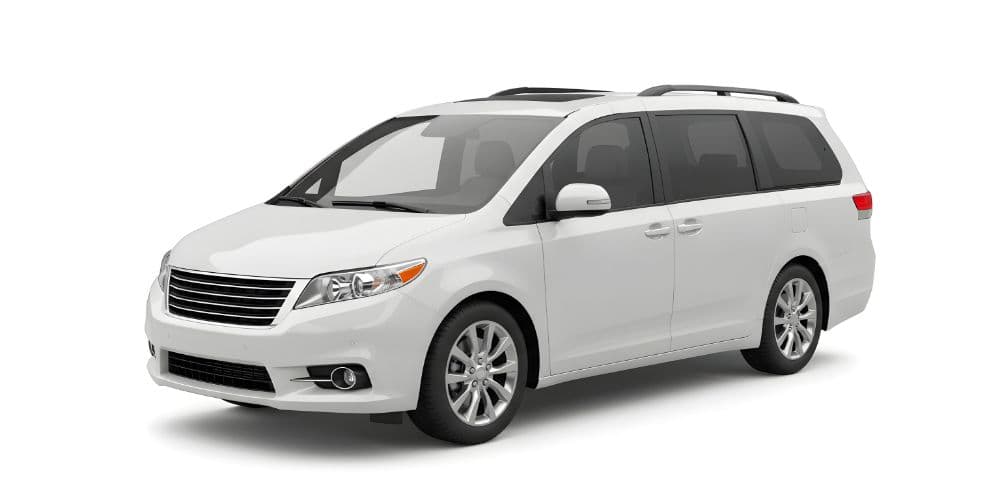
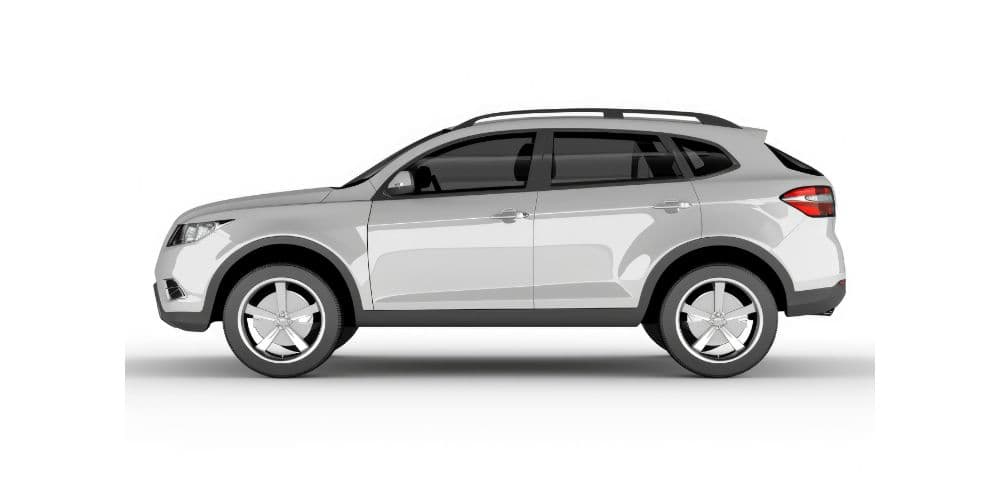
Car Rentals & Driving in Boston:Renting a car can give you flexibility, especially for group travelers or those planning side trips beyond the city. All the aforementioned airports have major car rental agencies (e.g. Hertz, Avis, Enterprise, Budget, etc.). Book early for Marathon Weekend, as rental inventories can tighten (and prices can rise) due to increased demand. When choosing a vehicle, consider your group size and baggage: a compact car is budget-friendly and easier to maneuver on Boston’s narrow streets, but SUVs or minivans might be better for teams or families carrying gear (many runners bring supporters, strollers, coolers, etc.). Ensure your rental reservation covers the needed dates, and double-check if the agency has any Marathon-specific policies.
That said, you may not need a car if you plan to stay in Boston proper. The city’s public transportation and walkability mean you can reach Marathon events and tourist sites without driving. In fact, on Marathon Monday many roads are closed (more on that in the Spectator Tips), making driving in the city impractical that day. If you do rent a car, be prepared for parking challenges downtown hotels often charge $40–$60 per day for parking, and on-street parking in central areas is scarce (and during race week, much of Back Bay has restrictions). One strategy for those on a budget is to book lodging outside the city with free parking and take the T commuter rail in on race day, but if you want to fully experience the marathon atmosphere, staying in the city is worth the convenience.
Ground Transportation in Boston: Beyond getting from the airport, you’ll likely use a mix of public transit and walking/taxis while in Boston:
- MBTA Subway (“The T”) Boston’s subway and light rail network is the fastest way around the city and to close suburbs. It operates daily from ~5am to ~12:30am. Key lines for marathon activities include the Green Line (which runs through Back Bay, Fenway, and along parts of the marathon route in Brookline) and the Red Line (connecting Cambridge and downtown Boston). On Marathon Monday, the T runs a regular weekday schedule with extra service before and after the race, but note that Copley Station (Green Line), which is right at the finish line, will be closed all Marathon Day for security. Other stations near the route, like St. Mary’s Street (Brookline) or South Street (on the B branch), also close approximately 10 AM–6 PM. Plan to use alternate stops (e.g. Hynes Convention Center or Arlington instead of Copley) when heading to the finish area. The Commuter Rail lines run on a weekday schedule as well, and can be useful for reaching spots along the course (for example, Framingham or Wellesley stations along the Worcester/Framingham line, or Salem to the north). Note: on Marathon Monday, bikes are not allowed on any MBTA vehicles all day for safety.
- Buses and Shuttles The MBTA bus network fills in gaps where the subway doesn’t go. Most buses will operate normal weekday service on Marathon Monday, with some route detours near the race course. For example, routes crossing Boylston Street in Back Bay will be diverted. If you’re spectating in Newton or farther out, the Boston Athletic Association (BAA) often runs spectator shuttles from certain points (e.g., from Alewife station to Hopkinton for the start, or from finish area back to Hopkinton post-race), but these may have restrictions or require advance booking. Check the BAA website or spectator guide closer to the event for any official shuttle info.
- Taxis/Ride-shares in the City Apart from airport trips, you can use Uber/Lyft or hail taxis to get around Boston. They are convenient for cross-town trips not easily served by the T. However, on Marathon weekend, some streets (especially near the course) may be closed or congested, so be prepared for slight route deviations and longer waits. On race day, you won’t be able to get a car very close to the finish area due to roadblocks if coming to Back Bay, expect to be dropped a few blocks away and walk in.
- On Foot Boston is a very walkable city. Many marathon-related sites are close together: Boston Common (where runners board the buses to Hopkinton) is about 1 mile from the Finish Line on Boylston, and the marathon Expo venue (Hynes Convention Center) is just a couple blocks from the Finish. If you stay in central neighborhoods, you may find walking is the easiest way to explore and soak in the atmosphere (especially with so many visitors strolling around in running gear and celebration).
Driving & Road Closures: If you will be driving on Marathon weekend, plan around road closures and traffic changes:
- The marathon route roads close on race day in a rolling fashion. For example, roads in Hopkinton close early morning (around 7:00 a.m.), in Newton between ~7:00 a.m. and 4:45 p.m., and in Boston city until about 7:00 p.m. on Marathon Monday. Streets in Boston’s Back Bay, Kenmore Square, and Brighton neighborhoods are barricaded for the race and post-race cleanup. Key sections like Beacon Street and Commonwealth Avenue (in Brookline/Boston) and all streets around Copley Square finish area are off-limits to vehicles most of the day. If you’re staying outside the city and driving in on race day, you’ll need to park well away from the course and take public transit or walk to viewing spots.
- Parking: During race week, parking in Back Bay is extremely limited. Many streets have temporary no-parking zones (watch for “No Stopping Boston Police Marathon” signs that week). On race day, do not attempt to park near the finish line or along the route you won’t get close. Instead, use parking garages outside the closure zone. There are several garages in downtown/Back Bay (e.g. Prudential Center, Copley Place, Boston Common Garage), but note some have special hours on race day. For instance, the Boston Common Garage closes entry at 2:00 a.m. Marathon morning and doesn’t reopen until 11:00 a.m.. If you must drive, arriving at your parking spot before dawn on Marathon Monday is wise. Otherwise, consider parking further out on an MBTA line (for example, near Alewife, Riverside, or Quincy Adams stations which have large parking facilities) and taking the train in.
In summary, plan ahead for transportation. Flying into Logan is simplest, with plenty of transit to get you downtown. Once in Boston, leverage the T and your own feet to navigate Marathon events. For groups, a rental van can be handy, but factor in traffic and parking. Marathon Weekend is busy but thrilling a little logistics preparation goes a long way to ensure you spend more time enjoying the experience and less time stuck in transit.
Where to Stay: Hotels & Accommodations
Boston’s hotels fill up fast for Marathon Weekend, and many increase their rates due to the surge in demand. It’s advisable to reserve your accommodations as soon as your travel plans are set (many runners book as early as 6–12 months in advance). Whether you’re a solo runner looking for a convenient crash pad or a large group seeking multiple rooms, early booking gives the best choice and price.
The ideal location for marathon participants and spectators is near the finish area in Back Bay/Copley Square, or nearby neighborhoods in central Boston. Staying within walking distance of the finish line, Boston Common, or the Hynes Convention Center (expo site) will make your logistics much easier:
- Back Bay/Copley Square: This is the epicenter of Marathon activities (finish line, family meeting area, medal ceremonies). Hotels here put you steps from the action. Examples include the Copley Square Hotel, Westin Copley Place, Fairmont Copley Plaza, Marriott Copley, and the Charlesmark (a boutique right on Boylston). These often require multi-night stays Marathon weekend and can be pricey, but the convenience is unparalleled.
- Boston Common/Downtown Crossing: Being near Boston Common is great for runners because the Boston Common is where the official shuttle buses depart to the starting line in Hopkinton early on race morning. Hotels around the Common (such as the Ritz-Carlton Boston Common, Hyatt Regency Boston, Godfrey Hotel, or cheaper options like the Wyndham or Hilton Downtown) allow you to roll out of bed and easily walk to the bus loading on race morning.
- Waterfront/Seaport/Faneuil Hall: If you prefer a bit of distance from the marathon frenzy, areas like the Waterfront or Seaport could be nice. TripSavvy notes that by Faneuil Hall/Long Wharf there are upscale choices like Boston Harbor Hotel, Hilton, Marriott Long Wharf. Boston’s Seaport District (south of downtown) is a newly developed area with hotels like the Seaport Hotel, Westin Seaport, etc., offering a modern vibe and harbor views. These are 1.5–2 miles from the finish line still accessible via a short taxi or Silver Line ride.
- Cambridge: Just across the Charles River, Cambridge (home to MIT and Harvard) has a range of hotels (e.g., Hyatt Regency Cambridge, Marriott Cambridge in Kendall Square, Harvard Square Hotel). Cambridge can sometimes be slightly less expensive than downtown Boston, and you can get to Boston by the Red Line subway or a quick ride-share. If you don’t mind a 15-20 minute T ride into the city, Cambridge accommodations are a solid alternative.
- Near Logan Airport: A few travelers with early flights Tuesday or those on a tighter budget might consider staying near the airport (Logan area hotels or in East Boston). Hotels there (like Hilton Logan, Hyatt Harborside, or cheaper chains in Revere) are typically cheaper than downtown. However, you’d commute via subway or taxi to marathon events (~20-30 min). This might be viable for spectators with cars, but runners generally prefer being closer to the action.
Boston offers everything from high-end luxury properties to budget-friendly hostels. Here’s a breakdown:
- Luxury Hotels: For those seeking upscale comfort (and perhaps to pamper yourself after the race), Boston has many 5-star and 4-star options. Notable luxury stays include the Four Seasons (overlooking Boston Common), The Newbury Boston (recently renovated iconic hotel at the Public Garden), Mandarin Oriental (in Back Bay), The Langham (downtown), and Fairmont Copley Plaza (historic grandeur at the finish area). These hotels will offer top-notch service, spas, and Marathon packages (some may even have special runner amenities or early breakfast on race day). Expect premium pricing and minimum-night stays.
- Mid-Range Hotels: Major 3-star and 4-star chains abound in Boston. Marriott, Hyatt, Hilton, Westin, Sheraton, and others all have properties in the city. For example, Westin Copley Place and Boston Marriott Copley are popular with runners (close to expo and finish). Hyatt Regency Boston (Downtown Crossing) is central. Hilton Back Bay or Sheraton Boston (by Hynes Convention Center) are great for the expo and about 3/4 mile from the finish. These mid-range options offer comfort and some perks (gyms, breakfast, etc.) without the ultra-luxury price tag. Still, Marathon demand means rates can be high (easily $300–$500+ per night), so factor that in.
- Budget Hotels & Hostels:Truly “budget” options in central Boston are limited, but a few exist. The HI Boston Hostel in Chinatown/Downtown offers dorm beds and private rooms; it’s clean, social, and one of the cheapest ways to stay downtown (and only ~1 mile from the finish). Some smaller older hotels or inns in the city might offer lower rates e.g., Hotel 140 in Back Bay or Oasis Guest House near Fenway are relatively affordable guesthouses. Additionally, look in neighboring cities accessible by transit: there are a few budget chain hotels/motels in Somerville, Brookline, or along Route 1 in Revere/Saugus that might be economical, though you’d commute in. Keep in mind, anything under $200/night is a good deal for Marathon time.
- Group Accommodations: If you’re traveling with a large group (friends, family, or a running club), consider alternative accommodations like vacation rentals. Many locals rent out their apartments or homes during Marathon Week on platforms like Airbnb or VRBO, which can sometimes save money and provide more space. For example, you might find a 3-bedroom apartment in Cambridge or a suburban house that sleeps 8–10 people splitting the cost could be cheaper per person than multiple hotel rooms. Always check the rental’s access to public transit or highway to ensure you can get to the race and events easily. Another benefit: a rental with a kitchen allows you to cook your own pre-race meals or host a group dinner. If you prefer hotels, some have suites or double-queen rooms that accommodate families; and a few offer connecting rooms or group blocks (Marathon Tours & Travel is actually the official travel agency for the race, facilitating hotel blocks for runners). Contact hotels directly if you need multiple rooms they might still honor group rates even if online shows full.
Amenities for Runners: When choosing your stay, consider runner-friendly amenities. Does the hotel offer early breakfast on Marathon Monday (many runners need to eat by 5AM)? Some hotels put out bananas, bagels, coffee early for participants. Is there a late checkout option on Monday so you can shower after the race (or at least a luggage storage and shower in the gym)? Does the hotel provide shuttles to the expo or have any special info desk for marathon events? These little extras can make your stay smoother. Many hotels near the finish are very used to marathoners and will have services like a dedicated gear check room or marathon welcome kits.
Finally, safety and comfort: All central areas of Boston and Cambridge are generally safe. During Marathon weekend, there’s an added presence of visitors and law enforcement, especially around Back Bay. Wherever you stay, you’ll likely encounter other marathon attendees the whole city feels involved. Embrace the camaraderie (you might end up sharing an elevator with elite runners or swapping stories at breakfast). After a long race day, having a comfortable place to rest is crucial, so choose the best your budget allows and enjoy the home base for your Boston Marathon adventure.
Things to Do in Boston During Marathon Week
While the marathon is the main event, you’ll want to enjoy Boston and its surroundings during your stay whether to calm pre-race nerves, celebrate post-race, or entertain your travel companions. Marathon Week in Boston (mid-April) means spring is emerging, with mild weather ideal for sightseeing. Here are top suggestions in Boston and nearby areas (Cambridge, Quincy, Salem) to round out your trip:
Explore Historic Boston: Immerse yourself in the city’s rich history by walking the Freedom Trail, a 2.5-mile marked path that leads you to 16 key historic sites. You can start at Boston Common (America’s oldest public park) and visit landmarks like the Massachusetts State House, Paul Revere’s House, Old North Church, and end at Faneuil Hall and the USS Constitution (“Old Ironsides”) in the Charlestown Navy Yard. The Freedom Trail is mostly flat and can be done in segments if you’re conserving energy pre-race. Another must-see is the Boston Tea Party Ships & Museum (an interactive exhibit where you can toss tea into the harbor!).
Marathon Essentials: Don’t miss the official Boston Marathon Expo at Hynes Convention Center (900 Boylston St.) in Back Bay. It typically runs Friday, Saturday, and Sunday (April 17–19, 2026) with free entry. Even if you’re not running, the expo is fun for fans you can shop Boston Marathon gear, see exhibits, and feel the excitement building. Runners will be there to pick up race bibs and browse the latest running products. Also, consider cheering or participating in the B.A.A. 5K on Saturday morning of race weekend (usually held on the Boston Common). It’s a shorter race that often draws 10,000+ runners and is a great way for family members to get in on the action or for runners to shake out their legs (just remember to register in advance as it sells out). On Sunday, there’s often a pre-race pasta dinner or welcome party organized by the Boston Athletic Association check the BAA website for details if you’d like a carb-loading experience with other runners.
Sports and Entertainment:Boston is a sports-loving town. As tradition has it, the Boston Red Sox play at home on Marathon weekend including an 11:00 AM game on Marathon Monday itself (April 20) at Fenway Park. If you can snag tickets, catching a game at Fenway (one of America’s oldest and most iconic ballparks) is a treat. Many spectators watch the race in the morning then head to Fenway, or vice versa note that the game will let out in the early afternoon, around the same time runners are finishing, which creates a fun cross-current of fans in Kenmore Square. If baseball isn’t your thing, check the schedule for NBA basketball or NHL hockey the Boston Celtics and Boston Bruins might have playoff games at TD Garden in April (playoffs typically start mid-April). Seeing a packed Garden for a playoff game is an electric experience (but if schedules align with Marathon Monday, plan extra travel time as T will be busy).
Boston’s cultural scene also offers plenty: consider an evening show to relax. Options include Broadway musicals or plays in the Theater District, stand-up comedy at clubs like Laugh Boston or the historic Wilbur Theater, or live music in venues around the city. If you prefer a lighter activity, catch a movie at a local cinema or take a Boston Duck Tour. The Duck Tour is a fun, family-friendly way to sightsee you ride in a WWII-style amphibious vehicle through the city and into the Charles River, with a comedic guide narrating. It’s a hit with kids and first-time visitors.
Museums and Attractions: Boston boasts world-class museums. The Museum of Fine Arts and the Isabella Stewart Gardner Museum (famous for its Venetian-style courtyard and art, and an infamous art heist) are located near Fenway perfect for a low-key cultural afternoon. Science lovers can explore the Museum of Science (with an IMAX theater and planetarium) on the Charles River, or the New England Aquarium on the Waterfront to see penguins, seals, and the giant ocean tank. (One tip: if you’re a runner trying to stay off your feet, maybe save extensive museum trips for after the race. As one guide quipped, “save the aquarium and museums for another time” if they require long walking/standing that could tire out your legs.) However, post-race, these can be wonderful (and indoor, in case of April showers). For a bit of revolutionary history, take a short trip to Charlestown to climb the Bunker Hill Monument (or at least visit the park) and see the USS Constitution up close.
Cambridge Excursion: Hop over to Cambridge, just across the Charles River, easily reached via the Red Line. In Cambridge, stroll around Harvard Square the lively hub next to Harvard University. You can tour Harvard’s campus (free student-led walking tours are often available) and visit Harvard Yard, the Harvard Book Store, and grab coffee in one of the charming cafes. Don’t miss the Harvard Museums of Science & Culture, especially the Harvard Museum of Natural History (famous for its Glass Flowers exhibit) or the Peabody Museum of Archaeology. Further along the Red Line is MIT in Kendall Square the MIT Museum (recently relocated to a new building in Kendall) showcases fascinating science and technology innovations. Cambridge also has a great food scene, from casual student hangouts to upscale dining. If you’re there in the evening, catch some live music or comedy at venues like The Sinclair or ImprovBoston.
Day Trip to Quincy Adams Historical Park: Just south of Boston lies Quincy, MA, known as the “City of Presidents.” Quincy is the birthplace of U.S. Presidents John Adams and John Quincy Adams. History enthusiasts can visit the Adams National Historical Park, which includes the preserved birth houses of both presidents and the family estate known as Peacefield. A guided tour takes you through the birthplaces (small saltbox houses) and the Old House at Peacefield, including the Stone Library with thousands of Adams’ books. It’s a unique glimpse into early American history and the legacy of one of the nation’s founding families. Quincy is about a 20-minute drive from downtown or accessible via the MBTA Red Line (Quincy Center station). Besides the Adams sites, Quincy also has a scenic waterfront at Marina Bay and plenty of fresh seafood restaurants (try The Clam Box or Tony’s for classic fried clams or lobster rolls if you venture there). This excursion is a half-day well spent for history buffs.
Day Trip to Salem Witch Trial History: If you have a free day and a curiosity for the spooky, head to Salem, MA, approximately 25 miles north of Boston. Salem is infamous for the 1692 Witch Trials, and the town has embraced this history with several attractions. The Salem Witch Museum is a popular starting point it provides an overview of the witch hysteria of 1692 through dramatic exhibits, based on actual trial documents. You can also visit the Witch House (home of Judge Jonathan Corwin, the only structure still standing with direct ties to the trials) or take a guided walking tour to learn about the accused “witches” and the colonial history of Salem. Apart from which history, Salem boasts the excellent Peabody Essex Museum (art and cultural artifacts, including a famous collection of maritime art and a Chinese house), and a picturesque harbor area with shops and restaurants. Salem in April is much quieter than the Halloween season, which means you can explore without crowds. It’s reachable by MBTA Commuter Rail from North Station in about 30 minutes. (Note: a ferry operates between Boston and Salem, but typically only in late spring/summer, so in April the train or driving is your best bet.)
Other Nearby Attractions: If you have more time around Marathon week and a car, consider visiting Lexington and Concord (sites of the opening battles of the American Revolution on April 19, 1775 fitting around Patriots’ Day). They often have Patriots’ Day reenactments very early on Marathon morning (e.g., 5:30am musket fire in Lexington) for history aficionados. Concord’s Minuteman National Park and Walden Pond (of Thoreau fame) are lovely in spring. Another option is heading to the coast Cape Ann (Rockport and Gloucester) for quaint New England seaside towns about an hour away, or Plimoth Patuxet Museums (Plimoth Plantation) in Plymouth, about 40 miles south, to experience a 17th-century Pilgrim village reconstruction although that’s a bit farther afield for a busy marathon schedule.
Dining and Nightlife: Marathon week is a time to enjoy Boston’s food scene, with a few considerations. For runners, carbo-loading is common, so Boston’s North End (the Italian district) is a top choice for pasta. Famous North End eateries like Giacomo’s, Lucca, or Mamma Maria serve up excellent Italian fare just be prepared for lines or make reservations if possible. North End is also cannoli heaven: a post-race cannoli from either Mike’s Pastry or Modern Pastry is almost a tradition (locals playfully debate which is better you can’t go wrong with either). If seafood is on your list, Boston won’t disappoint try Legal Sea Foods for classic New England clam chowder and lobster, or smaller spots like Neptune Oyster (famous for its oysters and lobster rolls in the North End). For a celebratory post-marathon dinner, you might splurge on a steak or something hearty many runners hit up steakhouses like Abe & Louie’s or Smith & Wollensky or go international with cuisine you avoided pre-race (Boston has everything from sushi to Indian to tacos in various neighborhoods). Just remember: reservations are your friend, especially on the Saturday and Sunday before the race when thousands of runners are looking for their pre-race meals. Use OpenTable or call ahead, as restaurants get fully booked by those nights.
At night, if you have energy, Boston’s nightlife offers everything from Irish pubs to dance clubs. Around Back Bay and downtown, you’ll find pubs filled with both tourists and locals McGreevy’s, The Black Rose, Bell in Hand (one of America’s oldest taverns) are popular watering holes. Marathon Monday night often turns into city-wide revelry once the race is over bars in areas like Boylston Street, Kenmore Square, and the Seaport will be packed with people wearing marathon medals, charity team shirts, and Boston gear. It’s a fun time to be out, but keep in mind Massachusetts blue laws: bars close by 2am (and some earlier), even on celebration nights.
In summary, treat yourself to Boston’s sights and bites: from historic trails and world-class museums to baseball games and hearty meals. Whether you’re resting pre-race or celebrating post-race, there’s plenty to do. Boston in the spring offers a wonderful balance of culture, history, and entertainment that will make your Marathon trip all the more memorable.
Tips for Boston Marathon Runners (Participants)
Preparing to run Boston 2026? Congratulations qualifying is an achievement in itself! Marathon Monday can be a logistical challenge, so these tips will help you navigate race day smoothly and get the most out of the experience:
- Getting to the Starting Line: The marathon is point-to-point, and the start in Hopkinton is 26 miles west of Boston. The official B.A.A. buses are by far the best way to get to Hopkinton on race morning. All runners take these free shuttles from Boston Common (boarding on Charles Street next to the Common/Public Garden) to the start area. You’ll be assigned a bus loading time by wave for example, Wave 1 boards around 6:45 AM, Wave 2 by 7:30 AM, and so on. Pay attention to the schedule the B.A.A. provides and arrive on time or early; tens of thousands of runners must be transported, and the last bus leaves Boston by 9:30 AM. Tip: The bus loading lines can be long but orderly bring an old heat sheet or garbage bag to sit on while waiting if the ground is damp. Only official participants (with bibs) can board, and security may check your gear (no large bags allowed on buses; use the provided clear gear check bag if you plan to have items transported to finish). There is very limited parking in Hopkinton for runners, and you’d still need a shuttle to the start, so driving yourself is not recommended. Trust the system and enjoy the bus ride it’s a great chance to meet fellow runners and calm nerves.
- Athlete’s Village & Waiting in Hopkinton: Once in Hopkinton, you’ll be guided to the Athlete’s Village (at Hopkinton High School fields). Here you might wait an hour or more until your wave start. Be prepared for cool weather early morning in April can be chilly (often ~40°F/5°C at dawn). Wear old warm clothes that you don’t mind discarding; layers, gloves, even a hat or an old sleeping bag can help. The B.A.A. collects discarded clothing to donate to charity, so bring that hoodie from the thrift store and stay comfortable. If rain is possible, have a poncho or garbage bag to stay dry. There are plenty of porta-potties use them early before lines grow (especially women, who may want to pack a small packet of tissues just in case). Use the downtime to hydrate a bit (but not excessively) and maybe have a light snack if your start is late. You’ll hear announcements when it’s time for your wave to head to the corrals (it’s about a 0.7-mile walk from the Village to the start line), so listen up and follow the crowd when called.
- Pacing & Course Strategy: The Boston course is famous for its deceptively challenging profile downhill early, uphill late. Don’t go out too fast! When the gun fires in Hopkinton, excitement and downhill momentum often cause runners to blaze through the first miles. Try to hold back to your goal pace trust us, the early downhill (especially the steep drop in mile 1) can beat up your quads if you sprint it. As seasoned locals advise, “Runners tend to let adrenaline take over and start too fast. That’ll hurt you, especially with the hills coming in the second half”. Run your own race and keep it controlled in the opening 16 miles which include a lot of gentle downhill into Newton Lower Falls. Hydrate consistently grab water or Gatorade at the aid stations every mile or two (Boston has stations on both sides of the road roughly every mile from mile 2 onward). A good trick at aid stations: pinch the cup top to make a spout, which makes drinking on the run easier.
When you reach Wellesley (mile 12–13), soak in the energy (the “scream tunnel” of Wellesley College students is legendary the cheers will boost you!). Just don’t get too carried away; use the enthusiasm for a mental lift but stick to plan. After Wellesley, the course turns onto Commonwealth Ave in Newton, and the series of Newton Hills (miles 16–21) begins. These include four notable climbs, with Heartbreak Hill being the last and most famous (around mile 20.5, by Boston College). Remember that everyone is hurting here but Heartbreak is conquerable. It’s not an alpine mountain, just an incline that feels tough because of cumulative fatigue. If you paced well, you’ll crest it fine. The key is to maintain effort (not speed) on the uphills and use the downhills smartly: don’t pound them too fast early on, but after Heartbreak, you can let gravity help carry you home. As one tip says, “There’s no reason you can’t handle it. Don’t run too fast on the downhills early so you’ll have something left for the hills”. Once past Heartbreak, the crowds at Boston College will roar you into the city. It’s mostly downhill/flat from mile 21 to 26, so that’s the time to push if you have gas in the tank.
- Mind the Weather: Boston’s spring weather is notoriously variable. Marathon days have ranged from freezing rain to scorching heat in past years. Check the forecast and plan attire accordingly. Dress in layers you can shed. Commonly, a long-sleeve shirt under your singlet, or arm warmers, can be useful if start temps are cool but it warms up later. Rain on race day? Consider a hat or visor (keeps rain off face) and maybe a garbage bag or old shirt you can ditch once you’re warmed up. If it’s a warm day, adjust pace expectations and stay on top of hydration/electrolytes. Conversely, a cold headwind (Boston’s course famously had a headwind in some years) means you might want gloves and to tuck in behind groups for wind blocking. The saying “Boston picks the weather, you adjust to it” holds true be mentally ready for anything April throws at you.
- Nutrition and Hydration: By now, you likely have a fueling plan from training stick to what works (race day is not the time to try new gels or foods you grabbed at the expo!). The B.A.A. supplies Poland Spring water and Gatorade Endurance at aid stations; if you haven’t trained with Gatorade Endurance formula, perhaps carry your own preferred electrolyte drink or gels. They also have Gel stations (Maurten gels in 2025 were at three spots on the course likely similar in 2026). Make use of these if you need, but again, only if you’ve tried them before or your stomach tolerates anything. Aim to take a gel or fuel every 30-45 minutes and sip fluids regularly. Late in the race, even if you feel “too tired to eat,” try to get something down it can give you the boost to get through the final miles.
- Crowd Energy (and Noise): One of Boston’s greatest features is the incredible crowd support. From the minute you start, you’ll rarely find a quiet stretch. In Ashland/Framingham/Natick, you’ll see families handing out orange slices, kids offering high-fives. In Wellesley, the wall of sound (and the famous kisses from students) is like no other race enjoy it; it can carry you for miles. In Newton, spectators know it’s tough and will call your name (write your name on your bib or shirt for extra cheers). By Brookline and Boston, the streets are lined several people deep. Use the crowd’s energy when you need a lift a smile or a wave can make them cheer louder, which in turn can give you adrenaline. That said, if crowds overwhelm you, it’s okay to zone out with your own thoughts or focus on the road ahead. The final stretch down Boylston Street is one of the most legendary in running about 600 yards of straightaway with grandstands and roaring spectators. Soak it in, this is your victory lap. Many runners say those last few moments are almost surreal. No matter your time, relish crossing the Boston finish line you’ve earned it.
- Finish Line and Recovery: After you cross the finish (exultant but likely exhausted), volunteers will greet you with a medal, a heat blanket, and refreshments (water, Gatorade, a food recovery bag, etc.). Move through the finish chute at your pace if you feel faint or wobbly, seek medical staff (they are plentiful). The medical tents are right there if you need anything from a quick check to treatment for cramps or injuries. Once you’re able, get your checked gear from the designated pickup (if you used the gear check service in the morning). The gear buses are usually a couple blocks past the finish line exit. If you didn’t check gear, at least have someone ready with a jacket after running 26.2, your body might cool quickly especially if it’s breezy, so wrap in the heatsheet blanket.
- Meeting Your People: Plan ahead for meeting family/friends because the finish area is controlled and can be chaotic. Boston has a Family Meeting Area on a nearby street (usually on Stuart St, organized by alphabetical signs). Agree on a letter (based on last name) or a specific landmark before the race so everyone knows where to go. Cell service can be spotty with so many people, so having a pre-arranged spot (“Meet me under the ‘M’ sign in the family area” or “Meet at the statue in Copley Square”) helps. Give yourself time it might take 15-30 minutes to get through the finisher chute. Many runners also reunite at their hotels or designated group tents if part of a charity/team. If you have spectators tracking you via the official BAA Marathon app, they’ll know roughly when you finish and can time their walk to the meeting area. A pro tip: If family want to see you finish and then meet you, it’s tough for them to push through the crowds quickly. Often it’s easier if they watch from a slightly earlier point (say, Hereford Street or early on Boylston), then walk toward the finish area as you finish. But in any case, expect the Back Bay to be very crowded for a while. Patience is key.
- Post-Race Tips: Once you’ve reunited and had your celebratory hugs, start rehydrating (water, sports drink) and get some calories in even if your stomach’s not up for a big meal immediately, nibble something from the finish bag (banana, protein bar). Keep walking a bit to cool down (it helps reduce stiffness). If your hotel is nearby, a warm shower and putting your legs up will feel heavenly. Some runners like to do an ice bath or at least cold water soak for the legs; others prefer just a gentle stretch and later, maybe a massage. Do whatever your body responds well to. Wearing compression socks or sleeves for the rest of the day can assist circulation and recovery. And of course, enjoy the afterglow wear your finisher’s medal proudly around town (on Marathon Monday in Boston, it’s completely normal to see thousands of people wearing medals to dinner). The city will congratulate you random strangers might say “Congrats” seeing your medal or jacket. Bask in it! Boston’s finishers become part of marathon lore, and you’ve earned not just a medal but lifetime bragging rights.
Finally, stay safe: if you have any medical red flags (signs of heat exhaustion, hyponatremia, injury, etc.), seek medical help sooner rather than later. The medical team and facilities are excellent. But hopefully, your race ends triumphantly with no issues beyond sore muscles and a big smile.
Running Boston is a dream for many follow these tips and you’ll be set to make the most of Marathon Monday. Good luck, run smart, and savor every mile of this historic course!
Tips for Spectators
Whether you’re cheering on a loved one or just taking in the spectacle, being a Boston Marathon spectator is an exciting experience. The key to a great Marathon Monday as a spectator is planning and adaptability the race spans 26 miles and the city will be bustling. Here are essential tips to help you navigate the day:
- Plan Your Viewing Spot(s) & Timing: With a half-million spectators out there, finding the perfect spot requires strategy. First, study the marathon route map in advance. Decide if you want to watch near the start (Hopkinton), along the course in one of the towns, or near the finish in Boston or a combination if you’re ambitious. Keep in mind, trying to see the start in Hopkinton is logistically tough (roads are closed, and it’s very crowded at the small-town start). As one guide bluntly puts it, “If you think you’ll find a good viewing spot [right at the start], forget it it will be packed”. Instead, if you go to Hopkinton, consider walking about a mile down from the start line (around Franklin Road) for a slightly less crowded view of runners as they set off.
Many spectators choose a spot mid-course or towards the end. Each town has popular cheer zones:
- Wellesley College (mile 12-13): The students create an energizing (and loud!) “Scream Tunnel.” It’s a fun atmosphere but extremely loud great for excitement, maybe not ideal for meeting your runner due to the frenzy.
- Newton Hills (miles 17-21): Areas like the Newton Fire Station (mile 17, where the course turns onto Comm Ave) offer more space and a chance to see runners as they tackle the hills. Boston College at mile 21 (Heartbreak Hill) is another loud party spot with the college crowd huge energy here.
- Brookline (miles 22-24): Coolidge Corner (around mile 23) is lively with crowds and restaurants around. If it’s too dense, you can walk a block or two farther down Beacon Street where the crowd thins slightly.
- Boston (mile 25 to Finish): Hereford Street and Boylston Street (the final turns) are iconic viewing locations but extremely sought-after. The stretch on Commonwealth Ave before Kenmore Square (mile 25) is “the last wide-open space for viewing” before runners enter the closed-off finish stretch. This can be a good spot you’ll see runners in their final mile with a bit more elbow room as a spectator. The finish line area on Boylston near Copley is closed off with grandstands and security only officials, media, and ticketed guests (and of course runners) get right at the line. General spectators can line Boylston Street further down, but those spots fill up by early morning. If you want to be on Boylston, arrive hours before the first runners (by 8-9am for an 11am finish of the winners).
Pro tip: It’s possible to see the race in multiple places by using the T, but plan carefully. For example, some people watch in Natick or Wellesley (accessible via the MBTA Commuter Rail from South Station to Natick or Wellesley Square), then hop the train back to Boston to catch their runner again in the final miles or at the family meeting area. Others might watch in Newton (accessible via Green Line “D” branch e.g., Woodland or Newton Centre stations) then take the Green Line inbound to Kenmore or Copley. If you attempt this, make sure to account for train schedules and crowds the MBTA will be crowded, and some stations near the course might be temporarily closed for crowd control (e.g., Copley Station is closed all day). Also note, the Green Line “C” branch runs along Beacon Street near Coolidge Corner you can exit at Coolidge Corner or Washington Square, watch the race, then re-board a train (if not too packed) to continue inbound.
- Use Technology to Track Runners: Download the official BAA Boston Marathon app (available closer to race date) or use the text tracking to follow your runner’s splits. By tracking them, you’ll know approximately when they’ll reach your location so you can be ready to cheer, and also not worry if you haven’t seen them yet. The app usually provides real-time pace and location; it’s a lifesaver to avoid missing your runner or standing around guessing. You can also sign up for text/email alerts on the BAA website. Another tip: Follow the elite race progress (via the app, or a portable radio/stream if available) knowing when the elite men/women are approaching adds excitement, and their arrival can be a cue if you’re at the finish area bars (see next tip).
- Dress for the Weather & Comfort: April in Boston can bring a bit of everything. Dress in layers so you can adjust as needed. Early morning might be chilly in Hopkinton (if you start there) but midday in the city could be sunny and warm. Bring a backpack with extra layers, rain gear, sunscreen, and maybe an extra pair of dry socks if it’s wet out. Wear comfortable shoes you might be walking a lot or standing for hours. If rain is forecast, an umbrella and waterproof jacket are smart (though note: large umbrellas could be a hassle in crowds). Also, pack snacks and water while there are vendors and stores, you might be stuck in a prime viewing spot and not want to leave to find food. Having granola bars, fruit, or a sandwich will keep you fueled through the day.
- Getting Around on Marathon Day:Driving is a no-go around the race route on Marathon Monday. Many roads along and crossing the course are shut down to traffic from morning to late afternoon. If you’re staying in the city, walk or take the T to your chosen spectator spot. The MBTA subways and commuter trains are the best way to move between course zones they run on a regular weekday schedule with extra service to handle crowds. Just anticipate trains will be packed, especially the Green Line in and out of Boston. If you must travel by car, stay well away from the route for example, use I-95 or other highways to go around and come in from another angle. But generally, it’s wisest to leave the car parked all day. Also note, bicycles are not allowed on MBTA on Marathon day, and biking along the course route is impractical due to closures and crowds. So plan to be on foot and transit.
If you do drive to a farther-out spot (say you want to watch in Framingham or Wellesley and you live west of Boston), get there early and park legally on a street that’s not on the course. There will be parking bans near the course itself. The City of Boston also closes some parking garages near the finish for parts of the day, so if you’re driving in, use garages that remain open or park outside the Back Bay area.
- Best Viewing Practices: Once you have a spot, be respectful of those around you. Don’t stand in the street beyond the barriers besides being unsafe, you’ll block runners or risk disqualification for them if you interfere. If you’re tall, maybe avoid elbowing to the very front in front of kids or shorter folks who staked out a spot. There’s usually a great camaraderie among marathon spectators everyone is excited and supportive. It’s fine to ring cowbells, make signs, and yell encouragement to all runners (they truly appreciate it, even if they seem zoned out!). Popular signs range from motivating (“You’re Boston Strong!”) to humorous (“Worst Parade Ever!” or “Blisters are in this season”). Feel free to get creative if you want to bring a sign just nothing hateful or overly disruptive. Noise-makers like cowbells, clappers, or just clapping and shouting are welcome the runners need the energy, especially mid-course and on the Newton hills. That said, if you’re in a quieter neighborhood section and it’s early morning, be considerate of residents (cheer, but maybe don’t blast a vuvuzela at 9am outside someone’s home).
- Meeting Runners After the Race: If you’re planning to meet your runner post-finish, remember you cannot meet them right at the finish line. The finish stretch on Boylston is fenced and secure for runners, media, and officials only. Directly after finishing, runners go through a long finishers’ chute to get medals, blankets, water, and food. It often takes 15-20 minutes (or more if the runner needs medical attention or a rest) for them to come out. As mentioned in the runner tips, there’s a Family Meeting Area on Stuart Street (and sometimes Trinity or St. James Ave) marked with letters. Coordinate in advance to meet at a specific letter (e.g., “Meet at letter ‘S’ for Smith family”) or another landmark. This area is several blocks from the finish, so factor in a 5-10 minute walk for the runner (which might feel longer when they’re hobbling post-marathon!). Pro tip: The B.A.A. app often has a “find a runner” feature that shows when a runner has finished and what their finishing time is. But it won’t tell you when they exit the chute. Rely on your agreed meeting spot and be patient. The finish area will be extremely congested and some streets are closed to pedestrians too, funneling everyone through certain paths.
- Enjoy the Atmosphere (Responsibly): Marathon Monday in Boston is often likened to a citywide block party. Especially in Boston and Brookline, you’ll see people having outdoor celebrations, BBQs on front lawns in Newton, college students partying, and bars opening early. If you’re inclined, you can absolutely make a day of it. For example, Kenmore Square and Boylston Street bars near the finish line open before noon one guide suggests the best time to get into a bar near the finish is around 10 AM, as they fill up with spectators and the vibe is fantastic as the elite runners approach. By afternoon, places like Lansdowne Street by Fenway or pubs in Back Bay will be overflowing with both marathoners (wrapped in their foil blankets, wearing medals) and fans. However, a word of caution: Public drinking is not legal in Massachusetts and open container laws are enforced during the marathon. You’ll see a lot of fun happening, but if you stand on the sidewalk with a beer can, you risk a $200 fine. Police do patrol for open containers. Best to keep any libations within designated beer gardens or bars. Also, note that security is a priority large bags, coolers, and big containers of liquid (over 1 liter) are banned along the course for safety. If you carry a backpack, expect that police or security might check it, especially near the finish area or if you’re at Hopkinton (where all spectators pass through security checkpoints). To avoid hassle, travel light: bring only essentials (and in a transparent bag if possible, to speed up any checks). After the 2013 bombing, security measures have tightened you may see uniformed and plainclothes officers, K-9 units, and bag checks at various points. Don’t be alarmed; it’s all to ensure a safe event. Just comply with any requests (like bag inspection) and you’ll be fine.
- Be Mobile & Flexible: If you find your chosen spot is too crowded or not as fun as expected, don’t be afraid to move. Sometimes walking just half a mile up or down the course can make a difference in crowd density. For instance, if Coolidge Corner is jam-packed, stroll east toward Washington Square. Or if you planned to meet your runner at mile 25 but they’re struggling and behind schedule, maybe shift to mile 26 so you can give them one last push. Also, keep an eye on the time if you want to catch last trains the marathon officially ends around 5:00-5:30 PM (that’s the finish line closure time for the course). The MBTA will still be running, but on a weekday schedule (so not late-night like weekends). If you’re out celebrating into Monday evening, the subway will run till around 12:30 AM as usual.
- Special Note for Hopkinton (Start) Spectators: If you’re determined to watch the start, know that spectators are allowed in Hopkinton State Park and parts of Hopkinton center, but you’ll likely need to get there extremely early (dawn) and possibly take a shuttle from remote parking. The town of Hopkinton usually has designated spectator parking at the State Park or Hopkinton High School, with shuttle buses into downtown. Only official buses and local residents’ vehicles are allowed near the start line area when it gets close to race time. And once the race starts, leaving Hopkinton can be tricky with road closures so you might be committed to staying put for a while or until roads reopen. This is why many choose to watch farther down the course or just at the finish.
In summary, Marathon Monday is an incredible day for spectators. You’ll witness world-class athletes, thousands of determined runners of all paces, and a showcase of human spirit that is truly moving. Come prepared, cheer loudly, be respectful and safe, and you’ll have a blast. Whether you’re holding a witty sign, handing out orange slices, or simply clapping till your hands hurt, know that you are an essential part of what makes the Boston Marathon so special. Enjoy the camaraderie and the inspiration by day’s end, you might just be motivated to start training for next year’s race!
International Travelers: Tips for Visiting Boston
If you’re traveling from abroad to the Boston Marathon 2026, welcome! Boston is an international city with a rich history of welcoming visitors (and marathoners) from around the globe. Here are some tips to make your trip smooth and enjoyable:
- Entry Requirements (Visa/ESTA): Make sure your travel documents are in order well in advance. Most foreign visitors will need a tourist visa (B-1/B-2 visa) to enter the United States unless you are from a country in the Visa Waiver Program (VWP). Travelers from VWP countries (like much of Europe, Australia, Japan, South Korea and others 40+ countries total) can visit the U.S. for up to 90 days without a visa, but you must apply for ESTA (Electronic System for Travel Authorization) online before your trip. ESTA approval typically is quick but it’s recommended to apply at least a few weeks (if not months) ahead of time in case of issues. If you do need a full visa, be aware that the process involves a consular interview and can take time start early. And ensure your passport is valid for at least six months beyond your stay (some countries have an agreement that waives the six-month rule, but having the buffer is wise). Carry a printed copy of your race confirmation or hotel bookings in case immigration officers ask for details of your visit. Also, remember to fill out the customs declaration (either on paper or the automated kiosks) upon arrival. With these steps handled, you should have a smooth entry at Logan Airport’s customs.
- Currency and Money Matters: The currency in the U.S. is the United States Dollar (USD). If you haven’t already exchanged money, you can do so at currency exchange booths at Logan Airport upon arrival, or simply withdraw cash from an ATM. ATMs (cash machines) are widespread in Boston at the airport, banks, convenience stores, etc. Using an ATM often gives a good exchange rate, though check if your home bank charges international withdrawal fees. Credit cards are widely accepted in Boston for almost everything (hotels, restaurants, shops, taxi/rideshare, etc.). Visa and Mastercard are most common; American Express and Discover are accepted at many (though not all) places. It’s a good idea to carry some cash (maybe $100–$200) for small vendors, tips, or emergencies, but you won’t need large sums of cash on hand. If you need a currency exchange service in the city, there are a few currency exchange offices (for example, on the second floor of Copley Place mall there’s a Boston Currency Exchange office, and others in Downtown Crossing or near Faneuil Hall). They may have slightly higher fees, so compare rates.
- Language and Communication: English is the primary language in Boston. If English isn’t your first language, you’ll still find many multilingual resources in the city. The marathon draws international runners, so the race expo and information booths often have interpreters or volunteers who speak other languages (especially at the expo or information desks, you might find signage or assistance in Spanish, French, Japanese, Chinese, etc.). Many hotel staff are used to international guests and can accommodate basic questions or have translation services. If you need translation help on the go, consider using a translation app on your phone with offline language packs. But generally, most signs (streets, directions) will be in English. Boston, being a historically diverse city, has communities where other languages are prevalent (for instance, lots of Spanish speakers in certain neighborhoods, Chinese in Chinatown, French speakers at tourist sites, etc.), so you might bump into someone who speaks your language. Still, knowing some basic English phrases will help or even writing down addresses to show to a taxi driver can bridge any gap.
- Phone & Internet: Roaming with your home mobile phone can be expensive, so check with your carrier about international roaming plans if you plan to use your phone. Alternatively, you can buy a local SIM card for your unlocked phone upon arrival companies like AT&T, T-Mobile, or Verizon have stores in the city (and some kiosks at the airport) where you can get a prepaid SIM with data. A plan with a few GB of data should suffice for a week’s stay for mapping and communication needs. Boston has widespread 4G/LTE coverage (and growing 5G) in the city. Additionally, many places offer free Wi-Fi: your hotel, most coffee shops, libraries, and even the Boston Public Garden has public Wi-Fi. The MBTA subway now has cellular coverage in most stations and some tunnels, and commuter rail offers Wi-Fi (though sometimes spotty). So staying connected shouldn’t be an issue.
- Electricity: In the U.S., the electrical outlets supply 120V AC, 60Hz. The plug type is Type A/B (two flat prongs, with a possible third round prong for grounding). If your devices are from Europe, Asia, or elsewhere with different plug shapes or voltage, you’ll need an adapter for the plug, and possibly a voltage converter if your device isn’t dual voltage. Many phone/laptop chargers are dual voltage (check the fine print on the charger if it says “100-240V, 50-60Hz” it will work worldwide with just a plug adapter). Hairdryers, curling irons, or electric shavers might need a converter if they are not dual voltage. It’s best to bring an adapter from home; however, if you forget, you can find travel adapters in electronics stores or even hotel gift shops. Also, note that power outlets are relatively plentiful in hotels but you might want a USB adapter or multi-plug if you have several devices to charge.
- Health & Travel Insurance: It’s highly recommended to have travel health insurance that covers you in the U.S. (medical costs here are infamously high). Hopefully you won’t need it, but if you do fall ill or get injured (especially relevant for runners though the BAA provides medical aid during the race, any hospital visits could be costly), insurance is a safety net. Pharmacies (like CVS, Walgreens) are common in Boston if you need over-the-counter meds (pain relievers, cold medicine, etc.). Some larger pharmacies have 24-hour locations. For urgent but not emergency care, Boston has walk-in clinics (Urgent Care centers) that can treat minor issues usually for a few hundred dollars if paying out of pocket. For serious emergencies, dial 911 for an ambulance. Again, hopefully none of this is needed and your trip is 100% healthy.
- Getting Around & International Driver’s License: If you plan to drive in the U.S., check if you need an International Driving Permit (IDP). Massachusetts honors foreign driver’s licenses for visitors (tourists can usually drive with their home country license if it’s in English or accompanied by an IDP). If your license is not in English, an IDP (which is basically a translated supplement of your license) is strongly recommended. Also, remember, in the U.S. we drive on the right side of the road. Boston traffic can be confusing even for Americans roads are winding and signage can be quirky so unless you’re comfortable, rely on public transit or taxis. If you do rent a car, know that gas (petrol) is sold by the gallon (not liter) and you typically pump it yourself at gas stations (pay at the pump with a card or pre-pay inside). Parking in the city requires paying at meters or garages; street parking often requires resident permits in many neighborhoods.
- Time Zone: Boston is in the Eastern Time Zone (ET), which is UTC−5 hours (or UTC−4 during daylight saving time, which will be in effect in April). In mid-April, Boston will be on EDT (Eastern Daylight Time). If you’re coming from Europe, Boston is 5 hours behind London (GMT), 6 hours behind Central Europe. From Asia or Australia, the time difference is much larger (e.g., Boston is GMT+9 for Tokyo). Plan a day or two to overcome jet lag if you’re traveling a long distance, especially if you’re running the marathon arriving by the Friday or earlier is wise so you can adjust.
- Weather and What to Pack: As mentioned, April in Boston is spring but can be unpredictable. Average highs are around 55–65°F (12–18°C), with lows around 40–45°F (4–8°C). It can be sunny and mild, or cold and rainy. Pack layers: a light jacket or fleece, a waterproof rain jacket, comfortable walking shoes, and some warmer items for evenings. An umbrella or compact rain poncho is a good idea. If you’re running, of course pack your race gear, shoes, etc. (and maybe a backup set if luggage gets delayed consider carrying on your race day essentials on the plane, just in case). Culturally, Boston is pretty casual; you don’t need very formal clothes unless you plan a fancy dinner. Jeans, sneakers, and casual outfits are fine for most sightseeing and restaurants. If you plan to visit a nice theater or upscale restaurant, perhaps one smart outfit (dress or blazer) would suffice.
- Cultural Tips: Bostonians are generally friendly but can be in a hurry. Don’t be offended if people don’t make small talk in the Northeast U.S., it’s normal to mind one’s own business on the subway or street. However, if you ask for directions or help, most locals will oblige kindly (and then maybe enthusiastically tell you about their cousin who ran the marathon!). The Boston accent is famous you might hear some locals “pahk the cah in Hahvahd Yahd” (park the car in Harvard Yard) it’s part of the charm. Everyone speaks differently of course, but be prepared for some unique pronunciations. Also, Patriots’ Day (Marathon Monday) is a local holiday, so many offices and schools are closed. This means big crowds for the race, but also note that some smaller businesses might be closed until the afternoon. Large stores and tourist sites will be open as usual.
- Safety: Boston is a safe city overall, with a low violent crime rate relative to other major U.S. cities. Petty theft can happen, so keep an eye on your belongings, especially in crowded areas like the marathon finish or on public transport. It’s always a good idea to carry copies of your passport/ID and keep the originals secure (maybe use your hotel safe). At the marathon events, heed any security rules (like bag checks). If you ever feel lost or unsafe, you can approach a police officer during Marathon time, there are many officers deployed who can assist. Also, in an emergency, dial 911 for police/ambulance/fire.
- Enjoying Boston’s Culture: Since you’ve come all this way, immerse yourself in some American and New England traditions. Try some New England seafood perhaps clam chowder, lobster, or fried clams. Boston’s also known for Boston cream pie (a cake) and Fenway Frank hot dogs at the baseball game. If you’re of age, sample some local craft beers Samuel Adams is the famous Boston brew, and there are many microbreweries around (Harpoon Brewery has a popular beer hall). You might encounter some Patriots’ Day celebrations if you’re around the weekend historical reenactments in Lexington/Concord as mentioned, or maybe a parade. It’s a unique Massachusetts thing, commemorating the start of the American Revolution. Lastly, cheer “USA! USA!” with the crowd when international runners blaze by the global camaraderie at Boston is truly special.
Traveling internationally to run or watch the Boston Marathon is a big adventure. By handling the logistics (visa, money, phone) ahead of time and being aware of local customs, you’ll set yourself up for a fantastic trip. Boston will warmly welcome you this city loves its marathon and the people who come for it. Enjoy your stay in “Beantown” and best of luck if you’re racing! Safe travels home with plenty of great memories and maybe a finisher’s medal in your luggage.
By following this guide, you’ll be well-prepared to make the most of the Boston Marathon 2026 from start to finish, and beyond the race itself. This event is more than just 26.2 miles; it’s a celebration of athletic perseverance, community spirit, and Bostonian pride. Plan ahead, stay flexible, and savor every moment of Marathon Week. Whether you’re lacing up for Heartbreak Hill or cheering until you’re hoarse, the Boston Marathon is an experience you’ll never forget. Here’s to an amazing race and an unforgettable trip see you in Boston in April 2026!
Our Most Popular Vehicles