
Burning Man 2026 Transportation Guide: How to Get to Black Rock City, Nevada
TL;DR: Heading to Burning Man 2026 in Black Rock City (Aug 30–Sept 7), Reno (RNO) is the closest airport, while flying into San Francisco, Sacramento, Salt Lake City, Las Vegas or LA means a 6–12 hour drive to the playa. This Airport Van Rental guide maps out all the ways to reach Burning Man from choosing airports and driving routes to rental cars/vans and desert prep so your crew and gear arrive together without travel drama, ready to embrace the Burn.
Burning Man 2026 Overview: Dates, Location & What to Expect
Burning Man 2026 will take place August 30 to September 7, 2026 in Black Rock City a temporary city erected on the remote Black Rock Desert playa in northwestern Nevada. Black Rock City (BRC) lies about 100 miles northeast of Reno, NV, transforming a barren alkali flat into a vibrant metropolis of art and community for one week each year. Unlike conventional festivals, Burning Man has no headline stages, no vendors, and no cash transactions on-site it’s guided by the Ten Principles (like radical self-reliance, gifting, and leave-no-trace) and each participant must bring everything needed to survive and then pack it all out. Expect around 80,000 attendees from around the world converging on the “playa” (dry lake bed) to build a city, share art and music, and then disappear it without a trace. The 2026 art theme, “Axis Mundi,” celebrates the interconnectedness of the global community and our ties to the natural world so you can imagine the creative installations and mutant vehicles will be especially awe-inspiring this year.
What does this mean for travelers? In short: extensive preparation. You’re not just popping into a city with hotels and stores you’re journeying to a remote desert where you must bring your own shelter, water, food, and supplies for a week. There’s no water, fuel or food for sale on-site, and cell service is virtually nonexistent. Transportation is a major part of the adventure and challenge. You’ll need to plan how to get yourself (and all your gear) to Black Rock City, whether by plane + car, a lengthy road trip, or one of the Burner-organized transit options. Below, we break down the travel logistics from the best airports and driving routes to tips on rental cars, camping vehicles, and making the most of your pilgrimage to the Burn.
Flying In: Choosing an Airport for Burning Man
Many Burners begin their journey by flying into a regional airport, then renting a vehicle to drive the rest of the way to Black Rock City. The closest and most convenient airport is Reno, but depending on where you’re coming from (especially internationally or from the East Coast), you might find better flights into San Francisco or other western cities. Here’s a look at the main airports to consider, and what to expect from each:
- Reno–Tahoe International Airport (RNO)Distance to BRC: ~120 miles (193 km). Drive Time: ~2.5–3 hours (allow ~4 hours around peak travel). Reno is the primary gateway to Burning Man. It’s the closest major airport and offers numerous daily flights from West Coast hubs (plus some direct flights from elsewhere in the US). During Burn week, RNO will be buzzing with fellow travelers you might spot art cars in the cargo area and plenty of dusty passengers on the return. Flying into Reno maximizes your chances of an easy trip to the playa: you land just a few hours’ drive away. Major rental car companies operate at RNO, but book early demand is huge during Burning Man and vehicles can sell out (or prices spike). RNO is also the main launch point for the official Burner Express bus and air services (more on those below), so even if you don’t rent a car, you can get a shuttle from Reno. Tip: If you rent a car in Reno, consider stocking up on groceries, water and supplies in Reno/Sparks before heading north. It’s the last big city for supplies, and local stores even host “Burner aisles” for essentials.
- San Francisco International Airport (SFO)Distance: ~340 miles (547 km). Drive Time: ~6–7 hours (plan for up to 8+ hours with traffic). SFO is a major international hub, so it’s often the top choice for European and East Coast Burners. You’ll find a vast range of flights (including nonstop internationals) and typically lower fares than tiny Reno. However, the trade-off is the long drive: after landing, you’ll journey across California often via I-80 over the Sierra Nevada to reach Nevada. The drive can be beautiful (you’ll pass Sacramento, Donner Pass, and Pyramid Lake) but be prepared for heavy traffic as you get closer to the event. Many Bay Area Burners caravan from SF, so expect congestion on Hwy 447 as you approach Gerlach. If flying into SFO, consider spending a night in the area to rest and gather supplies, then make an early start on the drive to beat the rush. All major car rental brands are at SFO, and one-way rentals to Reno are possible if needed. (You can always drop the car in Reno and take the Burner bus if you don’t want to drive all the way into BRC.)
- Sacramento International (SMF)Distance: ~250 miles (402 km). Drive Time: ~4–5 hours. Sacramento is another California option, sometimes overlooked. It’s closer to Black Rock City than SFO and a smaller, easy-in/easy-out airport. SMF has a decent selection of domestic flights (mostly from within the US) and can be cheaper or less crowded than SFO. After landing, the drive is essentially I-80 East to Reno (about 2 hours) then onward to the desert. If you’re coming from the Eastern U.S. and can connect through Denver, Salt Lake City or Dallas into Sacramento, it might save you some drive time versus San Francisco. Rental cars are plentiful at SMF, but again, Burning Man week will see increased demand. This airport is worth checking for West Coast connections or cheaper last-minute fares.
- Salt Lake City International (SLC)Distance: ~520 miles (837 km). Drive Time: ~8–10 hours. Salt Lake City might sound far (and it is), but some Burners choose it for flights because it’s a Delta hub with wide national coverage and occasionally cheaper international fares than California. The drive from SLC to BRC is a long haul across Utah and Nevada on I-80 about 7+ hours to Reno, then 2–3 more to Black Rock. The route is very straightforward (basically one interstate the whole way), and scenery includes the Bonneville Salt Flats and lots of open desert. One advantage: you likely won’t hit Burning Man traffic until you’re near Nevada, since fewer people come from this direction. If you don’t mind a full-day road trip (or want to break it into a two-day scenic drive), SLC is an option. Just plan carefully for fuel and rest stops I-80 has stretches with limited services. At SLC airport, you’ll find all the major rental agencies; many vehicles there will be Utah-ready (think SUVs for ski season), which can also be great for the playa. Unlimited mileage rentals are common but check one-way drop fees if you plan a loop route.
- Las Vegas Harry Reid International (LAS)Distance: ~530 miles (853 km) by road. Drive Time: ~9–10 hours (or more, potentially a two-day trip). Las Vegas is quite far south of Black Rock City, but it’s a huge tourist airport with tons of flights sometimes the only affordable option if you’re booking late. If you’ve ever wanted to combine Burning Man with a Vegas stopover, here’s your chance. The drive from LAS can be approached two ways: a scenic eastern route (up US-95 through Tonopah to Fallon, then up to Gerlach) or the interstate route (LAS to Los Angeles then up I-5/I-80 not usually logical unless you want to visit LA). Most will take the rural US-95 route, which has long lonely stretches; you’ll definitely want to fuel up at every major stop (Beatty, Tonopah, Fallon) because services are sparse. It’s a beautiful drive in parts (open range, starry skies at night) but also very remote. Given the distance, some travelers break for a night (e.g. stop in Reno or a smaller town) rather than driving straight through. Las Vegas offers every rental car imaginable from budget compacts to exotic sports cars but for a Burning Man trip, prioritize comfort and cargo space over glamour. A minivan or SUV from Las Vegas will give you room for water and costumes, even if it’s not as flashy as a convertible on the Strip. One perk: you can stock up 24/7 in Vegas; grocery and hardware stores never close, handy for last-minute supplies or adjustments to your gear.
- Los Angeles International (LAX)Distance: ~600 miles (966 km) via the fastest roads. Drive Time: ~10–12 hours (typically split into 2 days). LAX is another major gateway that many international travelers use. It’s roughly the same driving distance as Vegas, but from the southwest. Driving from LA, you could either go north through California’s Central Valley (I-5 then cut over to 447) or take US-395 through eastern California’s mountains, which is longer but scenic (past Mammoth Lakes and Tahoe). Either way, it’s a long road trip to Burning Man. Some LA Burners make it in one (very long) day, but if you’re flying into LA fresh off a long flight, budget an overnight en route (e.g. stop around Reno or somewhere like Bishop, CA along 395 if taking that route). The benefit of LAX is abundant flights and possibly cheaper car rentals (huge market means competitive rates). You can often find a one-way rental from LAX to SFO or RNO if you don’t plan to return to LA. Again, leave plenty of time Los Angeles to BRC can involve LA traffic, mountain passes, and then Burner traffic. On the plus side, you’ll see a lot of California/Nevada along the way. AirportVanRental.com has locations in the LA area, and you can compare deals from LAX easily whether you need a compact car or a 12-passenger van for your Burner crew.
Pro Tip: If you’re flying in from overseas or far away, consider scheduling a buffer day after your flight before heading to Black Rock City. Jet lag + a long desert drive is tough. Spend a night near your arrival city, gather supplies calmly, and then set out early for BRC. Also, wherever you fly in, fuel up your vehicle and jerry cans at the last big gas station on route (e.g. Reno/Sparks or Fernley for most routes; Cedarville if coming from Oregon; Winnemucca if coming from I-80 East). Gas stations closer to the event (Gerlach or Empire) often have extremely long lines or can run low on fuel during peak ingress/egress.
What about flying directly to Burning Man? A few intrepid travelers do charter small planes or hop on the Burner Express Air flights that operate from select airports (like Reno and Oakland) straight to Black Rock City’s makeshift airstrip. Unless you’re a pilot or have a big budget, this isn’t a typical option seats on Burner Air are pricey and limited (and you’ll still need to pack very light). For most Burners, flying into a regional hub and then driving is the way to go.
Hitting the Road: Driving to Black Rock City
No matter where you fly into (or even if you don’t fly at all), at some point the last leg into Burning Man is by road. Over 95% of participants arrive by vehicle whether personal car, rental car, RV, truck, or bus because Black Rock City simply has no other viable access. Here’s what you need to know about the drive and how to prepare:
- Main Routes: All roads to Burning Man eventually funnel onto NV State Route 447, a two-lane highway that runs north from I-80 at Wadsworth through Nixon and Gerlach to the event entrance. If you’re coming from Reno or California, you’ll likely take I-80 East to Wadsworth (Exit 43), then 447 north. Coming from the east (Salt Lake, etc.), you’ll take I-80 West past Winnemucca then south on NV-447 (via either Fernley/Wadsworth or cutting across at Jungo Road if you’re adventurous). From the south (Vegas/LA), routes vary: many will connect up to I-80 and approach via Wadsworth as well, or take US-95 to I-80, then 447. In any case, 447 is the final stretch about 75 miles from I-80 to Gerlach, then 10 more miles to the playa turnoff. It’s paved blacktop until you hit the gate of Burning Man, where you transition onto 8 miles of flat playa dust road to reach the city entrance. Standard cars can handle this fine (more on vehicle types below).
- Driving Conditions: The drive on Highway 447 is starkly beautiful high desert, open skies but be prepared for limited services. You’ll pass a few small towns: Wadsworth (last chance to hop on I-80 or fuel at a tribal Smoke Shop gas station), Nixon (small store, gas sometimes), and Gerlach/Empire (tiny towns at the edge of the Black Rock Desert Empire has a general store and gas station that reopened in recent years). After Gerlach, pavement ends at the event gate turn-off. Obey speed limits in these communities local law enforcement and tribal police strictly enforce them (and watch for pedestrians/livestock). Once on the playa entry road, you’ll be driving on packed dust. If it’s dry, expect a MOOP (matter out of place) inspection at the gate and then a slow drive (10 mph limit) into city streets. If it’s raining (rare but possible), the playa can become a mud pit gates may even close temporarily to avoid vehicles getting stuck. Always check the official Burning Man traffic page or listen to BMIR radio (94.5 FM) for live updates as you approach.
- Traffic & Wait Times: Patience is key traffic jams are part of the Burning Man experience. On opening weekend (when the event starts) and especially at the end (Exodus, when everyone leaves), thousands of cars can clog the two-lane road. It’s not uncommon to encounter a multi-hour wait at the Gate entrance or during Exodus. For example, after the Burn, a line of cars stretching for miles can result in an 8+ hour departure queue. Plan for these delays: have water, snacks, and a full tank of gas while waiting. Use the restroom before you get in a long line (porta-potties are spaced along the road, but can be far apart). If you want to minimize traffic time, consider arriving during off-peak hours (late night or very early morning mid-week rather than opening day) and similarly departing a day later or at an off-hour after the Temple burn. However, never speed or drive recklessly to “beat” traffic it’s part of the journey. Enjoy the crawling pace; you’ll likely meet your lane neighbors, trade snacks or stories, and it becomes a moving social gathering.
- Rideshares & Carpooling: With so many vehicles coming in, do your best to carpool. Not only does it embody the communal spirit, but Burning Man incentivizes it with programs like “Carpoolchella” (actually a Coachella term) and in past years “+1 Project” but more importantly, fewer cars means faster entry for everyone. Use the official Rideshare Board to find or offer seats in a vehicle. If you’re flying solo into Reno, for instance, posting on the rideshare board or Burner Facebook groups could hook you up with a crew that has an extra seat in exchange for gas money. Many friendly Burners are happy to share rides it reduces cost and environmental impact.
- Burner Express Bus: Don’t want to drive at all? The Burner Express (BxB) bus is a charter bus service from Reno and San Francisco directly to Black Rock City. You buy a ticket in advance for a specific departure. In Reno, the pickup is right at the airport; in SF, usually a BART-accessible location. The buses have the perk of using a dedicated lane at the Gate meaning faster entry/exit and they allow two checked bags plus a bike (they’ll toss bikes in a truck). If you’re traveling light or don’t want the hassle of driving, BxB is a solid option. Just note you’ll still need to bring or acquire all your camping gear (some Reno outdoor stores offer pickup for pre-ordered supplies for BxB riders). Bus tickets sell out and run on a schedule, so plan accordingly. Many veteran Burners doing solo trips take the bus to avoid needing a car; once in BRC, there’s not much driving to do anyway.
- Once You Arrive Driving in BRC: A crucial note no driving is allowed inside Black Rock City (except for art cars with permits, or official service vehicles). When you reach your camp, you’ll park your car and leave it parked for the week. Treat it as part of your camp infrastructure. You cannot drive your car around the city streets during the event (doing so is against event rules and dangerous to pedestrians). So plan to have a bike or sturdy boots to get around once you’re there. If you think you’ll need your vehicle during the week for some reason, you will need to exit and re-enter through the Gate (and there’s little reason to do so unless an emergency). So, plan your vehicle’s role as basically storage and transport to/from the event, not for daily mobility. This also means you should organize your camp so that once you park, you’re not stuck needing to move the car e.g., unload what you need, then decorate or cover the car if you like (many people tape neon EL wire or flags to find their car in the sea of vehicles, or cover windows to keep out dust).
- Gas & Mechanical Prep: The environment and traffic can be hard on vehicles. Fill up your gas tank in Reno or whichever last city you pass you’ll need fuel for idling in traffic and getting back. It’s wise to carry a spare gas can (5 gallons) if you have room, especially if coming from farther away; it’s not only insurance for yourself but can help others who underestimated fuel. The stop-and-go in heat can lead to overheating check your coolant and fluids beforehand. Bring a spare quart of oil, coolant, and basic tools if you’re driving an older car. Tires: ensure they’re in good shape and properly inflated (you’ll be on gravel/dirt at times flats do happen). Consider bringing a can of Fix-a-Flat or a small air compressor. Air filters will get very dusty; some people bring a spare air filter for their engine (and even a cabin air filter if your car has one) to swap after the event. If you drive a rental, you obviously can’t do mechanical modifications, but you can mitigate dust by using painter’s tape or covers over door seals and vents (some folks tape furnace filters over air intake vents to catch playa dust). If you have a rooftop air intake (like on some vans/RVs), temporarily covering it with a breathable fabric can reduce dust ingress.
- Driving Etiquette & Safety: The road to Burning Man sees everything from art cars on trailers to rental RVs lumbering along. Stay alert and patient. Pass only in safe designated zones on 447 there will be slow vehicles, but remember you’re all headed to the same party, so getting there 10 minutes sooner isn’t worth risky maneuvers. Watch for cattle and wildlife, especially at dusk/night on the open range sections. Drive sober and rested law enforcement (Nevada Highway Patrol, local police, BLM rangers) are very active on the highways during ingress and egress, and they do pull people over for unsafe driving or DUI. Save the celebratory drinks for when you’re safely in camp. And absolutely no driving on the playa outside the designated entry/exit road the open desert may look inviting, but driving off-road can damage the environment and is prohibited (plus you might get very stuck in soft patches). Stick to the official route.
Finally, embrace the journey. The drive to Black Rock City can be a memorable part of your Burn. You’ll see cars decked out in fur and neon, long lines that become impromptu dance parties, roadside art installations in Gerlach (look for the famous Burning Man sculpture remnants), and perhaps the most spectacular sunset of your life as you approach the “Waiting Gate.” Take it all in by the time you see the first glowing neon on the horizon and pass under the “Burning Man Will Call” sign, you’ll know you’ve arrived at something truly special.
Rental Car Advice: What to Drive to Burning Man
Choosing the right vehicle for the trek to Burning Man is crucial it needs to haul your stuff, handle the dusty conditions, and accommodate your group. Here are some tips on rental vehicle options and considerations for different traveler types:
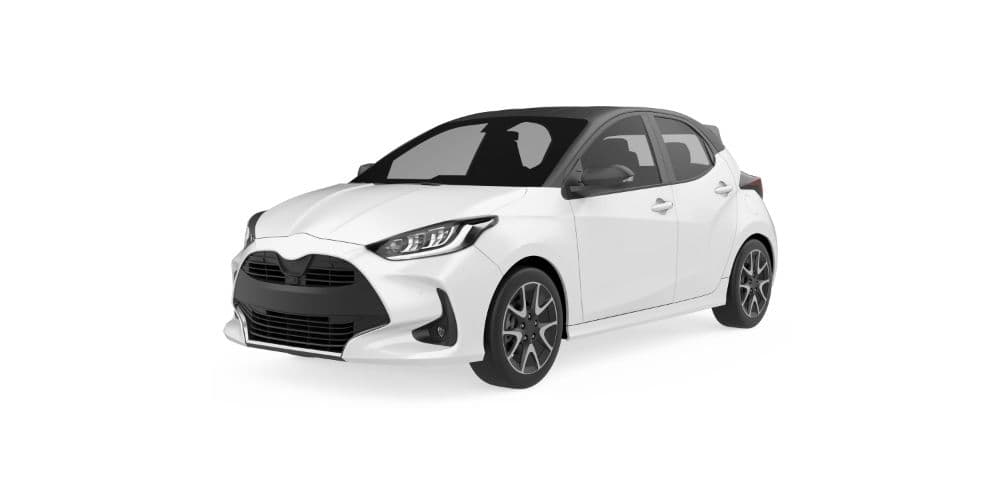
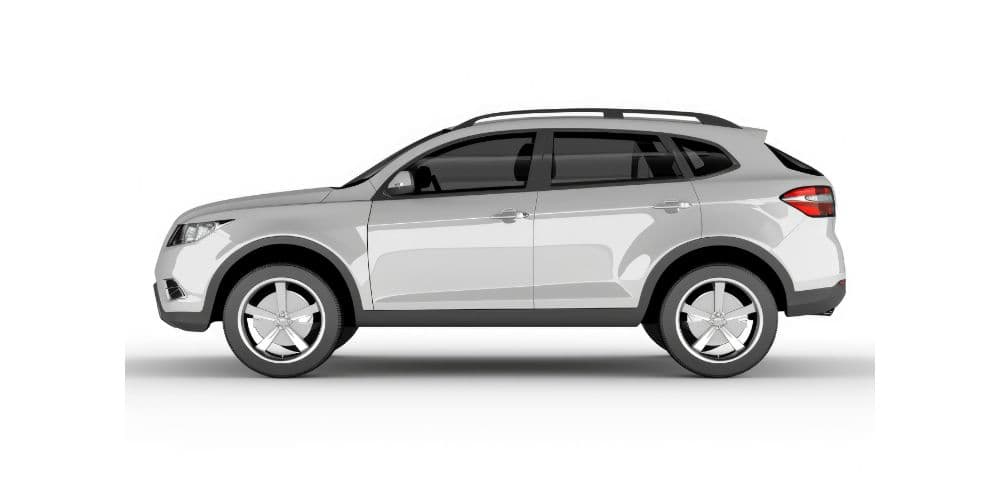
- Solo or Couple Travelers: If you’re traveling alone or as a pair with minimal gear, a standard sedan or small SUV can suffice. The drive is mostly on highways, so you don’t need an off-road monster a reliable compact or midsize car (think Toyota Corolla or Subaru Outback) can do the job. However, keep in mind the cargo space: you’ll need room for water (minimum 6+ gallons per person), food, camping gear, costumes, and likely a bike or two. A hatchback or small SUV gives more flexibility than a tiny coupe. SUVs (even compact ones like a Honda CR-V) are popular because of higher ground clearance and sturdier suspension helpful on the bumpy entry road and when leaving the event over some dried ruts. If you go with a small car, consider folding the back seats down to create a cargo area. AirportVanRental allows you to compare deals on all classes you might find that upgrading to an SUV isn’t much more expensive and worth it for the space and comfort. Also, air conditioning is a must (pretty much all rentals have it, but double-check it works before leaving the lot!). You’ll appreciate being able to escape the daytime heat in the car occasionally.
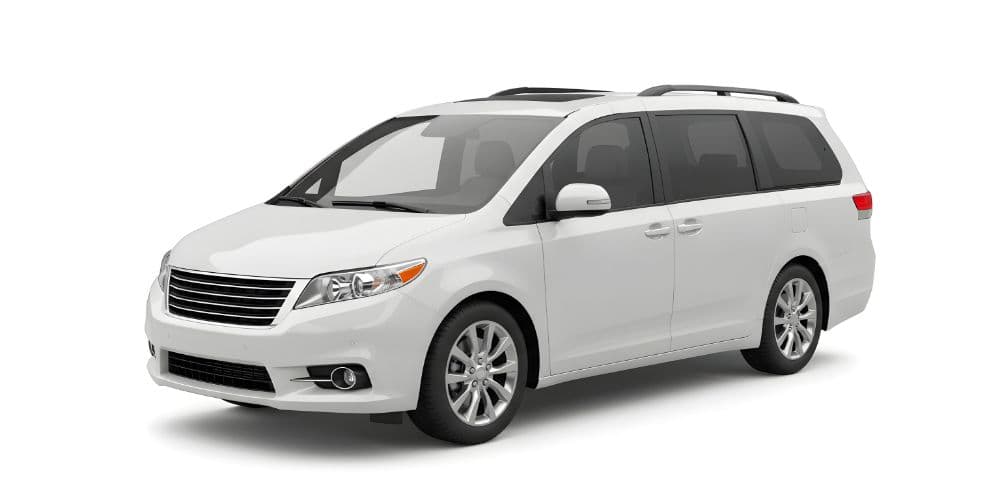
- Small Group (3–5 people): For a friend group, look at minivans or mid-size SUVs. A minivan (like a Dodge Grand Caravan, Chrysler Pacifica, Toyota Sienna, etc.) can seat 7–8, which means for 4–5 people it leaves a ton of space for cargo. The big advantage of minivans is the sliding doors and low floor easy to load large coolers and bins, and to hop in and out. They handle paved roads well and are quite comfortable for long drives. Many minivans have stow-and-go seats that fold into the floor, so you can configure seating vs. cargo as needed. SUVs in the 7-passenger range (Full-Size SUVs like a Chevy Tahoe or Ford Expedition) are another good choice if you prefer something built on a truck frame they often have 4WD/AWD and higher clearance, but note that some have less cargo space than a minivan if all seats are in use. If you have 5 people, you’ll likely fold the third row down to fit gear regardless. Standard 5-seat SUVs (like a Nissan Rogue or Toyota RAV4) can work for 3–4 people with gear, but will be very tight for 5 plus gear. Roof racks or cargo carriers can help, but rental companies may not provide those. It might be better to step up to a minivan or 7-seater for comfort. With a group, consolidating into one vehicle is both cost-effective and aligns with the Burning Man carpool ethos. Plus, the road trip is more fun together! At Airport Van Rental, you can filter for minivans or SUVs in your pick-up city (e.g., see deals in San Francisco for one-way van rentals to Burning Man). Many suppliers in California/Nevada stock minivans especially in summer, since families rent them for vacations so you should find availability, but again, book early for Burn week.
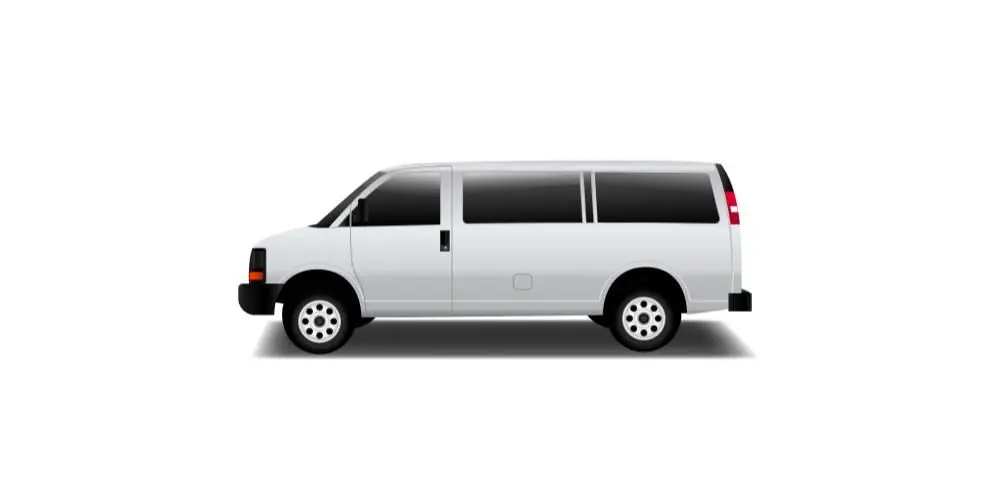
- Large Group (6–12 people): Got a big theme camp or a gaggle of friends traveling as one unit? This is where passenger vans shine. A 12-passenger van or 15-passenger van lets you keep the whole crew together in one vehicle. Common models are Ford Transit, Ford E-Series, or Chevrolet Express vans. These are essentially mini-buses they have 3-4 rows of bench seating. A 12-seater typically is 11 passengers + driver (4 rows including front), and a 15-seater has an extra bench (allowing up to 14 passengers + driver). The benefit is obvious: everyone and everything in one van, one parking pass, one fuel bill, and the shared camaraderie of the road trip. Airport Van Rental specializes in this area you can easily compare rates for 12- or 15-passenger van rentals across multiple suppliers. These vans have huge cargo capacity once you remove or fold a bench or if not every seat is filled (you can often fit equipment and bins under seats or in the rear cargo area). Many Burner groups rent a passenger van instead of taking multiple cars it often ends up cheaper per person and reduces the number of vehicles in line. Driving tip: If you’ve never driven a big van, it’s not too hard on open highways, but remember it’s longer/taller than a normal SUV take wider turns and allow greater braking distance. In Nevada, no special license is needed for 15-passenger vans (just be over 25 usually for rental). These vans typically run on regular gasoline and get ~12–15 MPG so budget fuel accordingly.
- Pros: Everyone arrives together; only one vehicle to decorate and park; lots of space for communal supplies (shade structures, large art pieces, etc.).
- Cons: Can be a bit unwieldy in cities (plan your route to avoid super-tight spots). Also, you’ll need multiple drivers to take turns (and all drivers must be listed on the rental contract). But splitting driving beats one person driving two cars separately!
- Off-Road Capable Vehicles: Do you need a 4x4 or high-clearance vehicle for Burning Man? In general, no a normal car can reach Black Rock City in dry conditions. The roads to the event are paved until the Gate, and the playa entrance road is firm enough for everything from tiny sedans to giant RVs. However, there are scenarios where a more rugged vehicle is handy. If rain turns the playa to mud, a 4WD vehicle might have better traction (though in severe mud, event organizers will halt entry/exit entirely as happened in 2023 because even 4x4s get stuck). If you plan to do any exploring of the area outside of the event e.g., visiting hot springs on public land nearby or camping on the desert before/after a high-clearance 4x4 could be useful. Also, some people simply feel more comfortable with an SUV or truck knowing it can handle rough terrain or the weight of gear more easily. Plenty of Burners drive big pickups, old Jeeps, or Subarus packed to the brim. If you have the choice of renting a 2WD minivan vs. a 4WD SUV for similar cost, you might lean toward the SUV for the peace of mind (and many rentals in Reno will be AWD by default because of winter demand). Standard rental contracts typically forbid off-roading but sticking to the official playa road is not considered off-roading as it’s the legitimate entrance. Just don’t veer off into open desert. In summary: 4WD is not required, but it’s a nice-to-have in case of inclement weather or if you’re towing something. And if you do opt for a rugged vehicle, check the tires; all-season tires are fine, and lower tire pressure slightly on deep dust can improve handling.
- Cargo Vans & Trucks: If you have huge amounts of gear (sound camp equipment, heavy generators, large art installation materials), you might need more than a passenger vehicle. Some Burner teams rent a box truck (like a 10–16 foot moving truck) or a cargo van (e.g. a panel van with no rear seats) to haul infrastructure. Companies like U-Haul, Penske, or Ryder are commonly used and indeed, many rental car agencies won’t have these in their standard fleet, so you’d go to moving truck companies. Be aware that while U-Haul tends to be Burner-friendly (they even publish “Burning Man rental tips” and allow logo removal kits), other companies might charge steep cleaning fees for trucks (a memo from Penske in 2023 warned of up to $5,000 cleaning fees for trucks returning from the playa!). If you rent a moving truck, line the cargo area with tarps and secure your load well. Also, anyone driving a box truck should be comfortable with its size the driver should have experience or confidence handling large vehicles, especially in high winds or two-lane highways. For most attendees, a box truck isn’t necessary unless you’re literally building something huge out there. A good compromise for extra cargo is a pickup truck you can rent a full-size pickup (F150, Ram, etc.) and load the bed with bins (covered by a tarp or bed cover). Some pickups are 4x4 which is a bonus. Just note that if you have people riding in a pickup, no one can ride in the bed (unsafe and illegal on highways); you’ll be limited to the cab seating.
- Rental Supplier Policies: Here’s the sticky part not all rental companies love Burning Man. Some major rental car companies explicitly ban driving their vehicles to the event in their contracts, and/or will automatically charge a cleaning fee if they even suspect it’s been to Burning Man. For instance, Alamo in San Francisco warned that any car entering the playa violates the rental agreement and incurs a $350 cleaning fee (even if you return it spotless). Other local rental agencies in Reno/CA have similar policies (some charge $500 or more, and we’ve heard of figures up to $1,500 for extreme cases). That said, thousands of people still rent cars for Burning Man they just accept the potential fee or take precautions. How to mitigate this? First, read the terms of your rental. It might not explicitly say “Burning Man,” but look for off-road use or unusually high cleaning fee clauses. Some folks choose rental suppliers that are known to be more Burner-friendly (or at least don’t have automatic fees). Airport Van Rental (as an aggregator) will show you multiple suppliers you might opt for one that doesn’t mention such penalties. Second, prep the car: Cover the car’s interior with old sheets or plastic drop cloths (seats, floor, cargo area) to catch dust. Use painter’s tape to seal door gaps, vents, and any place dust could infiltrate (do this after you’ve picked up the car to avoid strange looks maybe in the hotel parking lot night before departure). Some renters even tape up the AC vents and avoid using the air recirculation to keep dust out of the engine and cabin. While on playa, minimize opening the car doors if you can; when you do, do it quickly and when the air is still (or upwind side). After the event, budget time to thoroughly clean the vehicle. There are usually enterprising car wash pop-ups in Reno catering to Burner cars or hit a self-service car wash with strong vacuums. Wash the exterior (including undercarriage if possible), and vacuum every inch of the interior (seats, carpet, dashboard, trunk). Wipe down surfaces to remove that telltale fine white dust. Even then, be aware playa dust finds its way into crevices rental agents often can tell. You might still get hit with a fee, but a good cleaning may reduce the chance or amount. Some rental contracts say cleaning fees are at discretion a very well-cleaned car might skate by. It’s a gamble. If you end up with a fee, try to negotiate or appeal it (especially if you truly cleaned it well) but sometimes it’s just part of the cost of Burning Man. Factor it into your budget so it’s not a nasty surprise.
- Insurance & Damage: The desert can be rough on vehicles. Dust can clog air filters or cause “check engine” lights; washboard roads can loosen trim; and let’s not forget the possibility of dust storms, which can sandblast the paint. If you’re renting a car of significant value, consider getting the optional insurance (LDW/CDW) if you’re worried it could cover damage or excessive cleaning. However, read the fine print: some insurance may not cover “off-road” use or going to Burning Man specifically. Document the car’s condition before and after. Take photos at pickup (any dents, scratches) and when you return (to contest any false damage claims). If you have your own car insurance or credit card coverage, check if it covers rental car damage in this scenario. Generally, treat the rental kindly: no climbing on the roof deck (unless it’s something like a sturdy van and you’re careful), and avoid driving if the playa turns to mud (which can really mess up brakes and engines).
- Comfort & Practical Mods: A few little tips: if you rent an SUV or van, it might be worth buying an inverter (cheap 150W 12V plug-in inverter) so you can charge devices or power small appliances from the car’s cigarette lighter. Many newer cars have USB ports use them to keep radios, phones (for cameras), or headlamps charged while the engine runs. Never drain the car battery by using accessories with engine off you don’t want a dead battery out there. If you’re renting a large van or RV and not used to it, practice parking and reversing and have a friend spot you when backing up in crowded camp areas (it’s dark and chaotic at night; use extreme caution if you must move your vehicle). Lastly, decorate your vehicle a bit! It makes it easier to find in a sea of cars and adds to the fun. Some string lights (battery-powered) or even just a colorful flag can mark your rental car among the thousands. Just ensure anything you attach is secure for highway speeds on the way home (we don’t want your decor flying off on I-80).
If you need wheels for the Burn, booking through an aggregator like Airport Van Rental can actually simplify the hunt you can search multiple rental companies (from big names to local outfits in Reno/SF) in one go and filter for the vehicle type you need (SUV, 4x4, minivan, 12-passenger van, etc.). For example, you could compare Reno airport van rental rates for a 7-passenger vs. 12-passenger vehicle and snag the best deal. The same goes if you’re starting in San Francisco or Las Vegas AVR’s site lets you see options from various suppliers all in one place, potentially including those that are more Burner-friendly. It’s a good way to find one with unlimited mileage (most are) and favorable terms. And if one company is sold out, another might still have availability, saving you from having to manually check each agency. In short, do your research, reserve early, and choose the vehicle that balances space, durability, and cost for your Burning Man adventure.
Other Travel Tips and On-Playa Considerations
- Pack Smart and Securely: However you travel, pack your gear in lidded bins or duffel bags that can close this keeps playa dust out during transit. In an open truck bed, use ratchet straps and a heavy tarp. Within a van or car, put heavier items on the bottom and soft items (like sleeping bags) to cushion. Keep one small bag accessible for your travel day essentials (snacks, water, first-day clothes), since once you arrive you might not unpack your whole car immediately if it’s late or dusty.
- Navigating Reno and Other Supply Stops: The cities near Burning Man get very busy right before the event. If you need to shop in Reno or Sparks, expect crowds at Walmart, Costco, grocery stores and gas stations you’ll practically trip over fellow Burners in every aisle. If time permits, consider shopping in a less-congested town on your way (Sacramento or Salt Lake City before you head out, for example). But Reno also embraces the Burner economic boom, so it has everything you might have forgotten from bike shops doing brisk business to thrift stores for last-minute costume flair. Just plan extra time for these pit stops.
- Weather and Driving: The weather during Burning Man can swing from 100°F (38°C) daytime highs to 40s°F (5–10°C) at night. Your vehicle will essentially act as a mini shelter at times a cool haven with AC, or a warm spot if a cold front hits. Ensure your car’s cooling system and AC are working (test them when you pick up the rental). If you’re road-tripping through mountains (like Donner Pass en route to Reno, or across Utah’s west desert), be mindful of conditions it can be hot in the valleys and cold at high elevation. Late August often has thunderstorms in Nevada; a sudden rain can slick up roads. Drive cautiously if rain hits the first rain on playa dust on pavement can make it slippery like soap. And if an actual dust storm blows through while you’re driving (it can happen on the open desert highways), slow down, turn headlights on low, and if visibility drops too low, pull over off the road and wait it out. Never stop in the lane cars behind might not see you until too late.
- Leaving (Exodus) Plan: It may seem premature to plan your exit before you’ve even arrived, but having a strategy for Exodus (departure) will save you a headache. If you absolutely must catch a flight home, give yourself a huge buffer after the event. For example, if Burning Man ends Sunday night (Temple burn), don’t book a flight Monday morning you could easily still be in line. A safer bet is Tuesday flights or later, or at least late Monday if you leave before dawn. Some people leave early (e.g. Sunday before Temple or even Saturday) to avoid the gridlock, but you’ll miss some of the magic. If you’re renting a car, coordinate with your group about when to leave so you can return it on time (and budget a stop at that car wash!). Many rental agencies in Reno set up special drop lanes for Burner cars during Exodus week they know they’ll be dealing with dusty vehicles and often try to streamline the process (some offer cleaning packages). Still, expect the Reno airport rental return on Monday/Tuesday after the Burn to be very busy. One idea: if you’re staying a night in Reno after the event, you could return the car the next day in a calmer setting.
- Local Regulations and Fees: When driving in Nevada and California, note that state troopers watch for speeding, and in Nevada it’s illegal to have an open container of alcohol in the vehicle (same for most states). Also, Nevada has some quirky rules like no texting while driving (as do most states now). If you’re from abroad, remember to drive on the right and that turning right on a red light is usually allowed after a stop (unless signed otherwise). On the way to BRC, you need to have a valid vehicle pass (purchased through Burning Man) to bring a car through Gate make sure your group has this certificate to avoid being turned around. And if you’re bringing a trailer, that might require a separate pass or at least counts as part of your one vehicle allocation.
By taking the time to choose a suitable vehicle and prepping it (and yourselves) for the journey, you’ll set the stage for a much smoother Burning Man trip. Many a “dramaville” on the playa starts with someone forgetting a critical item or having car trouble on the way in by covering your bases with a reliable rental, smart packing, and time to spare, you’ll roll into Black Rock City ready to dive into the experience with full enthusiasm.
Our Most Popular Vehicles
Frequently Asked Questions
Technically you could, but it’s highly impractical. Regular rideshare or taxi drivers are very unlikely to agree to drive 3+ hours to the desert and then wait in the entry line. There have been cases of people taking a cab from Reno Airport to BRC, but as Burning Man’s own guide says, “People have been crazy enough to take cabs from the Reno Airport. If you do that, at least find other Burners to share the ride” to split the huge cost. Uber/Lyft don’t have fixed rates out there and a driver would charge for deadhead return miles as well. In short, it could cost hundreds of dollars (if you even find a willing driver). A better plan is to rent a car or hop on the Burner Express bus. If you arrive in Reno with no transport, you might find fellow Burners at the airport looking to share a rental or gas ask around! Once in Black Rock City, there are no rideshare services and you won’t find taxis. Everyone either drives themselves, rides a bike, or walks within BRC.
Not under normal conditions. The entrance road and the city itself are on flat, hard-packed playa surface that a regular 2WD car can traverse without issues (when dry). The vast majority of attendees drive standard cars, vans, or RVs only a small subset bring off-road rigs. A 4×4 can be nice if it rains (playa mud is notorious), but if it’s that muddy the event will usually halt vehicle movement entirely. So a Jeep won’t grant you magical access if the gates are closed. Focus more on a vehicle’s reliability and space rather than its drivetrain. Plenty of little sedans make it out you’ll see dusty Camrys and Civics everywhere. That said, if you have the option, something like an AWD Subaru or SUV with decent clearance might handle the washboard bumps more comfortably and give you peace of mind. But it’s not a requirement. Tire traction is usually fine on the dry lakebed. If you’re renting, don’t feel you must upgrade to a 4×4 unless you plan adventures beyond the event. One important tip: if you do drive a 2WD vehicle, avoid parking in any soft, sandy patches and don’t stop in deep dust momentum is your friend if the surface is loose. And always adhere to the 5 mph speed limit in BRC to avoid kicking up dust.
The playa dust gets everywhere, and some rental companies have become very strict about Burning Man returns (as mentioned, some will charge $350+ automatically if they suspect the car’s been to the Burn). To minimize charges, take these steps: Prep the car’s interior use old sheets, plastic drop cloths, or even painter’s plastic to cover the seats, floor, and cargo area. Seal vent openings with tape (you can put a piece of cheesecloth or a filter under the air vents and tape over to catch dust but still allow a bit of AC if needed). Throughout the week, try to keep doors and windows closed as much as possible during dust storms. After leaving the playa, hit a self-service car wash in Reno before returning the car. Wash the exterior thoroughly (including wheel wells and underbody). Spend a long time vacuuming the interior every seat crevice, under mats, the trunk, etc. Wipe down all surfaces with damp cloths (the dust is alkaline, so a 50/50 water-vinegar solution helps neutralize it on surfaces). Don’t forget to clean the door jambs, window sills, and even the engine bay if you can get to a pressure washer (cover sensitive components first). Basically, you want to eliminate visible playa dust evidence. Some Burners also time their return after a rain if it happens to rain on Exodus or in Reno, a muddy car could hide the playa dust, but that’s luck of the draw (and the smell might give it away anyway). Despite your best efforts, be mentally prepared that the rental agency may still identify it e.g., dust in the air filter or under the spare tire. If you do get hit with a fee, ask for an itemized receipt of actual cleaning costs. Sometimes polite negotiation or showing you attempted cleaning can get a fee reduced or waived, but not always. Choosing a rental company known to be more lenient (or a local one that explicitly allows Burning Man trips) can also avoid conflict do a bit of research on Burner forums for which agencies were fair. In sum: clean, clean, clean, and cross your fingers. And if all else fails, consider it a contribution to the “MOOP fund” and part of the cost of an incredible experience.
Go for a passenger van if you can. A 12-passenger or 15-passenger van will let your whole group ride together and carry your gear in one go. This is often easier (and cheaper per person) than renting two separate cars or SUVs. One large van means you only need one parking spot at camp and one vehicle pass. Plus, it’s way more fun to road trip as a group you can share driving shifts and the cost of gas. At Burning Man, many large theme camps or international groups rent vans or even small buses to move people and equipment. If a passenger van isn’t available, a pair of minivans could do the trick (each seats 7–8). But with two vehicles you’ll need two drivers and you might get separated in traffic. Another creative option: some groups rent an RV for a few people to ride/sleep in, and a passenger van or big SUV for the rest but RV rentals are expensive and RVs require more prep (and a special pass). For simplicity, a 12-seater van rental through a site like Airport Van Rental will let you compare multiple suppliers and find one in your arrival city. Just ensure someone in your group is comfortable driving a big van. They handle like large trucks nothing too crazy, but different from a Prius! If nobody’s up for that, then two smaller vehicles might be safer. Lastly, remember to reserve early for group vans those tend to book up, since August/September is also back-to-school sports season when churches and schools rent vans. In summary: the bigger the group, the bigger the vehicle you should rent, ideally keeping everyone together. It maximizes the fun and minimizes logistical headaches.