Las Vegas Grand Prix 2026 Travel Guide: Airport, Transit & Groups
Las Vegas Grand Prix 2026 Travel Guide: Airport, Transit & Groups
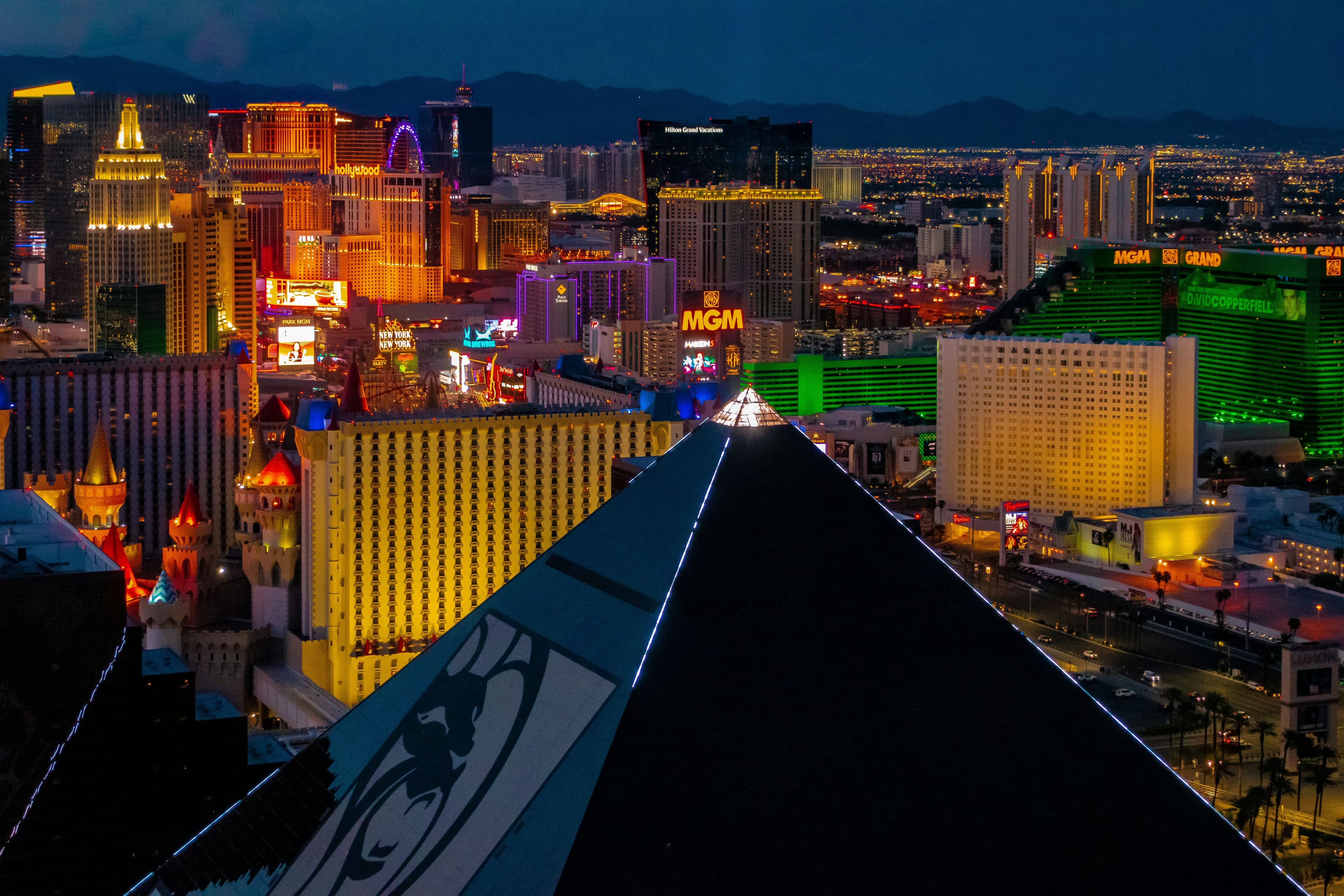
The FORMULA 1 HEINEKEN LAS VEGAS GRAND PRIX 2026 runs November 19-21 on the Las Vegas Strip Circuit, with the race scheduled for Saturday, November 21. The simplest plan is to choose a hotel and arrival route around the ticketed zone, then walk or use the Monorail where practical instead of expecting to drive to the circuit.
That is the central advice in this Las Vegas Grand Prix 2026 travel guide. A rental vehicle can still help with Harry Reid International Airport arrivals, off-Strip lodging, equipment, larger groups, or desert side trips, but race-week street access is a separate problem. Do not book parking or plan a drop-off from an old event map.
Key takeaways
- Confirm the ticketed zone before choosing a hotel or airport transfer.
- Treat walking distance as a route question, not a straight-line distance; the circuit, resort interiors, pedestrian bridges, and temporary closures can change the practical path.
- Use the official 2026 Las Vegas Grand Prix page for event updates and the Formula 1 official race page for the confirmed schedule.
- Use the Monorail when its station locations fit the ticket zone, but leave time for the walk inside and around resorts.
- Keep a rental vehicle for the parts of the trip that need it. Do not assume it will be the best way to reach race gates.
- Recheck official 2026 road, transit, parking, rideshare, and gate instructions shortly before travel.
A 60-word planning rule
Choose the ticket zone first, then select a hotel with a verified walking or Monorail path to that zone. Add airport transportation after the hotel is fixed. Rent a vehicle when the group has off-Strip lodging, bulky luggage, mobility needs, several distant stops, or side trips—but park it during race sessions unless the 2026 event plan confirms an appropriate route and space.
Confirm the 2026 race dates and ticket zone first
The official Formula 1 calendar lists Las Vegas for November 19-21, 2026. The organizer's current 2026 page also confirms those dates and describes ticket zones around the Las Vegas Strip Circuit.
The circuit is not a single stadium with one address and one main entrance. A ticket belongs to a particular zone, and the useful hotel, Monorail station, walking route, or drop-off can differ by zone. Before booking a nonrefundable hotel, record:
- the exact zone and entry information shown with the ticket;
- which nights the group will attend;
- whether every traveler has access to the same zone;
- the official bag, mobility, and entry rules;
- the route from the hotel lobby—not merely the hotel pin—to the recommended entrance.
Avoid copying 2025 closure times or rideshare locations into a 2026 itinerary. Clark County maintains an official Formula 1 information hub with links to traffic and transit resources. Use it with the current event app and ticket information when the 2026 operating plan is released.
Where to stay: pick the hotel by the hardest trip
A hotel may look close to the circuit but still require a long indoor walk, a pedestrian bridge, or a route around a closed block. Test the hotel-to-zone route for the traveler with the least mobility and for the latest expected return.
If the group also plans downtown Las Vegas, the airport, or a day trip, do not let those easier journeys distract from the hardest movement: getting everyone from the hotel to the correct race entrance at the required time.
Start with the organizer's official Las Vegas Grand Prix hotel directory, then compare each property against the ticketed zone and the current event access plan. These are planning starting points, not promises of race access, room availability, rates, or parking:
- MGM Grand is a practical South Strip comparison for groups that want direct access to the MGM Grand Monorail station. It can reduce transfers when the assigned zone and official walking route line up, but the resort-to-gate walk still needs to be mapped.
- Paris Las Vegas or neighboring Horseshoe can suit a central Strip plan. The Monorail map identifies a connecting walkway from Paris to the Horseshoe/Paris station, which is useful only if that station fits the ticket zone.
- Harrah's or The LINQ can work for travelers who want the Harrah's/The LINQ station nearby and a central base. Check the room-to-station route and late-night return before booking for a traveler with limited mobility.
- The Venetian Resort is worth comparing for a north-central itinerary or a ticket plan centered closer to the Sphere side of the circuit. Confirm the approved race-week walking route rather than assuming the nearest map edge is an entrance.
- An off-Strip or airport-area hotel may fit a larger group that values vehicle access, quieter loading, or a lower room total over walking convenience. Verify hotel parking, garage clearance, in-and-out rules, and the final drive or transit plan before choosing it.
Where to eat around race sessions
Choose restaurants near the hotel, Monorail path, or planned attraction instead of crossing the Strip solely for dinner on a session day. Three useful starting points are:
- Eataly Las Vegas at Park MGM gives a mixed group several counter-service and sit-down choices in one location. It is useful when some travelers need a quick meal and others want more time, but the group should set a firm meeting point.
- Mon Ami Gabi at Paris is a central Strip option for a planned sit-down meal. Reserve enough buffer for the meal and the full route from the restaurant to the ticketed entrance.
- Mott 32 at The Venetian is a north-central option for a planned group dinner before a day without a tight session start. Ask the restaurant directly about current large-party arrangements.
Race week can change demand and operating patterns. Verify current hours, reservations, menus, dietary accommodations, cancellation terms, and large-party policies directly with the restaurant. For the session immediately after arrival or the race itself, a simple meal near the hotel is safer than a reservation that depends on crossing a closure.
Plan the LAS airport arrival before race-week congestion
Harry Reid International Airport is the primary arrival airport for Las Vegas. Flights, baggage claim, ground transportation, and the Strip can all be busier around a major event, so avoid creating a tight connection between landing and a scheduled race session.
Travelers collecting a vehicle should follow the airport's official Rent-A-Car Center instructions. The facility is at 7135 Gilespie Street, three miles south of the airport. Terminal 1 passengers follow Ground Transportation signs to Level 1 and the shuttle stop outside doors 10 and 11. Terminal 3 passengers go to Ground Transportation on Level Zero and use the shuttle stops at either end of the terminal.
Allow time for:
- a late gate arrival or baggage delay;
- moving the full group and its luggage to the rental shuttle;
- the off-terminal rental process;
- loading people, bags, strollers, mobility devices, or equipment;
- event traffic between the rental center, hotel, and Strip.
Travelers can compare LAS airport car and van rentals after the flight and hotel are fixed. The broader Las Vegas car and van rental options are useful when a city pickup or shorter rental fits better than keeping a vehicle for the whole stay.
Use one pickup plan for the whole group
If people arrive on separate flights, decide whether everyone will wait at the airport or meet at the hotel. A large vehicle does not solve an arrival problem if the first passengers are circling the airport while later flights are delayed.
For a single qualified driver collecting the rental, agree on one lawful meeting point and keep everyone updated. Never plan curb waiting, double parking, or an improvised pickup near a closure.
Use walking and the Monorail as race-access tools
The Las Vegas Monorail runs behind the east side of the Strip from MGM Grand to SAHARA with seven stations. Its official route map shows stops at MGM Grand, Horseshoe/Paris, Flamingo/Caesars Palace, Harrah's/The LINQ, the Las Vegas Convention Center, Westgate, and SAHARA.
The Monorail currently publishes daily service beginning at 7 a.m., with later closing times Tuesday through Sunday. Operations can change for special events, so confirm the current schedule instead of treating normal hours as a race-week guarantee.
The Monorail is most useful when both the hotel and the ticket-zone route align with stations. It does not eliminate the walk through a resort or from the station to the entrance. Build a route with these steps:
- Walk from the room or hotel lobby to the station entrance.
- Ride to the station that best matches the official ticket-zone guidance.
- Follow the current event walking route to the gate.
- Reverse the route after the session, allowing for crowds and any temporary exit pattern.
Check RTC Southern Nevada alerts and detours for current bus changes. Strip bus routes may be useful outside closure periods, but a normal route map is not proof that a stop will operate during race activity.
When walking is the best answer
Walking can be the most predictable option when the hotel is near the assigned zone and the route is officially open. It avoids searching for a vehicle after thousands of spectators leave at once.
Still, "walkable" is personal. Consider distance, crowds, stairs, pedestrian bridges, weather, late hours, children's stamina, and mobility needs. Save the official route on every traveler's phone and establish a meeting point in case the group separates.
Decide whether a rental vehicle helps the trip
A vehicle helps when it solves a problem outside the circuit: an off-Strip hotel, several distant pickups, a grocery or equipment run, a multigenerational group, or a day trip. It is less useful when it sits in a paid garage and cannot follow the normal route to the ticket zone.
Choose a rental when:
- the hotel is outside a practical event transit or walking plan;
- the group has equipment or luggage that is difficult to transfer;
- several people need to move together before or after race sessions;
- the itinerary includes Red Rock Canyon, Hoover Dam, Valley of Fire, or another regional stop;
- the group has verified parking at the hotel and every planned destination.
Skip or shorten the rental when:
- the hotel, Monorail, and ticket zone form a workable circuit plan;
- the trip stays mostly on the Strip;
- no one wants to drive after evening entertainment;
- hotel parking and race-week access create more work than the vehicle removes.
Never drink and drive. Assign a sober driver in advance or use another mode for any outing involving alcohol.
Match seats and luggage
A midsize SUV rental can suit a smaller party with moderate luggage and is generally easier to park than a passenger van. Verify the cargo area with every seat in use.
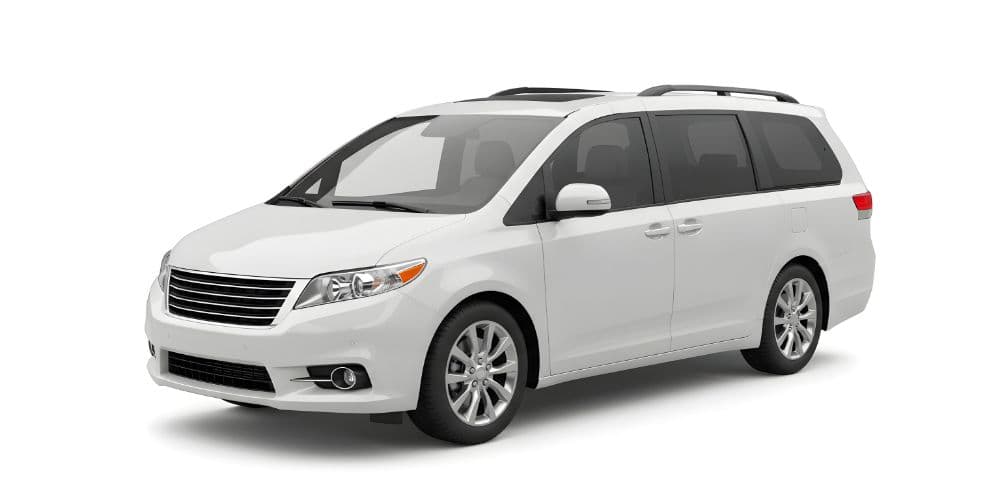
A minivan rental often balances family access, sliding doors, flexible seating, and luggage space. Full occupancy may reduce the room behind the last row.
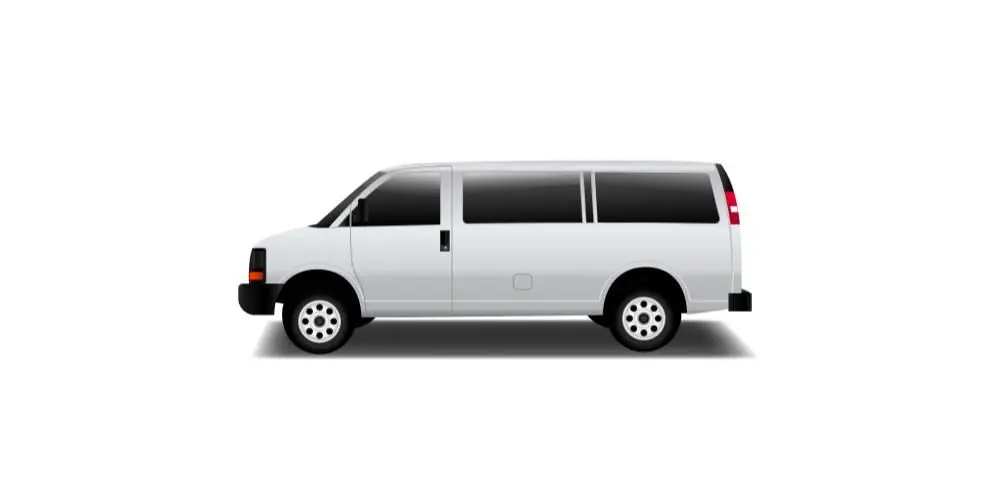
A 12-passenger van rental can keep an extended family, club, or work group together. A 15-passenger van rental serves the largest parties, but both require careful checks for cargo capacity, garage clearance, driver eligibility, hotel loading space, and destination access.
Two smaller vehicles may be easier to park and let the group split its schedule. One larger vehicle reduces coordination but makes every movement depend on one driver and one parking plan.
Build a race-week transportation checklist
Complete this checklist before paying for transportation:
- Confirm the November 19-21 dates and the session on each ticket.
- Record the exact ticket zone and current entrance instructions.
- Map the hotel lobby to the entrance by the official walking route.
- Map the hotel to the most useful Monorail station.
- Decide how each traveler will move luggage from LAS.
- Identify every day that genuinely needs a rental vehicle.
- Verify hotel parking, garage height, loading rules, and in-and-out access.
- Check the official event app, Clark County updates, RTC alerts, and Monorail operations.
- Establish a group meeting point and backup communication plan.
- Leave extra time for the airport return and rental-car shuttle.
Recheck the plan in the final week. Exact road closures, transit detours, rideshare zones, gate routes, and parking rules are operational details, not evergreen facts.
Plan things to do before or after the Grand Prix
Keep optional activities away from the flight arrival window and the hours immediately before a race session. These three choices fit different amounts of free time:
- The Bellagio Conservatory & Botanical Gardens is a short central Strip activity for an arrival day or free morning. Its official calendar currently places the holiday display across race week, but confirm access and display dates before travel.
- The Neon Museum works better as a timed standalone outing than as a rushed stop between sessions. It is outdoors, so check weather, admission times, transportation, and the return plan before reserving.
- Red Rock Canyon National Conservation Area is a recovery-day or trip-extension option for travelers with a vehicle. The Bureau of Land Management requires timed-entry reservations for the Scenic Drive during daytime hours in the November season, so reserve through the official system and allow for the drive, weather, daylight, fuel, and park rules.
If the group rents a vehicle, concentrate its value where transit is weakest. Schedule groceries, off-Strip meals, equipment runs, or a desert outing before road closures complicate the Strip. For any side trip, check official conditions, timed-entry rules, weather, fuel needs, and vehicle restrictions. Do not leave luggage visible in a parked vehicle, and do not plan a long desert drive immediately after a late race session.
The best Las Vegas Grand Prix 2026 travel plan separates circuit access from the rest of the trip. Walk or use the Monorail when those routes fit the ticket zone. Use a rental vehicle when it removes a real group, luggage, lodging, or side-trip problem. Then verify every date-sensitive detail from the official sources before leaving for LAS.
Our Most Popular Vehicles
Frequently Asked Questions
The FORMULA 1 HEINEKEN LAS VEGAS GRAND PRIX 2026 is scheduled for November 19-21, 2026. Formula 1 lists the race for Saturday, November 21. Session times and operational details can change, so ticket holders should verify the current official schedule before travel.
Harry Reid International Airport (LAS) is the primary commercial airport for Las Vegas. Choose flights based on the hotel, ticketed race zone, and enough time for baggage and ground transportation. Avoid scheduling a tight connection between landing and a race session.
Not necessarily. A walkable hotel or a useful Monorail route may be simpler for race sessions. A rental helps with off-Strip lodging, bulky luggage, larger groups, distant stops, or side trips. Do not assume normal Strip driving or parking will be available during race activity.
The Monorail can be useful because it runs parallel to the Strip with seven stations, but the best stop depends on the ticketed zone and current event routes. It does not eliminate walking through resorts or around closures. Check official race guidance and Monorail operations shortly before travel.
Choose the hotel after confirming the ticketed zone. Test the actual path from the hotel lobby to the official entrance, including resort interiors, pedestrian bridges, Monorail access, and temporary closures. A hotel that looks close on a map may not provide the easiest route.
Use only parking identified in the current 2026 event plan or by the property controlling the space. Do not rely on a 2025 parking map or an unverified resale listing. Confirm the route, access hours, vehicle-height limits, and post-session exit before paying.
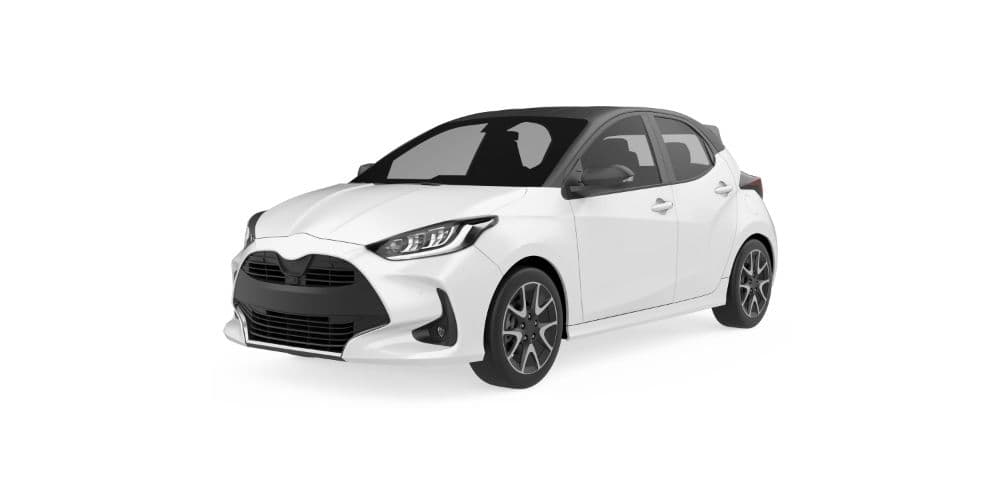
A minivan often suits a family or small group with luggage, while a midsize SUV can work for a smaller party. Twelve- or 15-passenger vans may keep larger groups together, but travelers must verify cargo capacity, driver eligibility, hotel loading space, garage clearance, and parking.