Lima 2027 Pan American Games Travel Guide
Lima 2027 Pan American Games Travel Guide
The Lima 2027 Pan American Games run from July 23 through August 8, 2027, with selected competition beginning July 21. Because 22 venues are grouped into seven clusters across Lima and surrounding host areas, choose the sport and venue before choosing a hotel, airport transfer, or rental vehicle.
This Lima 2027 Pan American Games travel guide is for fans, families, teams, clubs, and groups arriving through Jorge Chavez International Airport with luggage. Panam Sports confirms the Games dates and host city and has published an official sports schedule. Use those sources to frame the trip, then recheck session times, venue assignments, tickets, access, and transportation before booking a tight itinerary.
Key takeaways
- The official Games period is July 23 through August 8, and selected competition starts July 21.
- Lima 2027 is a multi-cluster event, not one stadium trip. Match each ticketed session to its venue before booking a hotel.
- Jorge Chavez International Airport, code LIM, is the main international gateway for most visitors.
- Miraflores and San Isidro can provide a practical city base, but they are not equally convenient for every venue cluster.
- A vehicle may help for remote clusters or a post-Games extension, while city-core event days may be easier with official transport, authorized taxis, or public transit.
In this guide
- What the organizer has confirmed
- How to choose a hotel for the correct venue cluster
- LIM airport arrival and city transportation
- Where to stay and eat
- Things to do before or after the Games
- When a minivan, SUV, or passenger van may help
- A practical five-day planning pattern
What is confirmed for the Lima 2027 Pan American Games
Panam Sports confirms the official Games dates as July 23 through August 8, 2027. Its published sports program currently includes 38 sports and 58 disciplines, and the official schedule places selected competition on July 21 and 22 before the opening ceremony. Travelers should use the sport-by-sport schedule, not the ceremony dates alone, when choosing flights.
The current plan uses 22 venues in seven clusters across Callao, Lima, Canete, Pisco, and Huaura. That geographic spread is the central travel decision. A hotel that works well for a city venue can create a long transfer for a coastal or regional session. The official program announcement is the source to revisit as venue assignments and operating details mature.
Do not treat the current plan as a final spectator manual. Ticket sales, gates, session entry windows, security, bag rules, parking, Games shuttles, accessible routes, road restrictions, rideshare zones, and weather procedures may change or remain unpublished. Save flexible reservations where possible and replace this overview with the final organizer guidance when it appears.
Match the sport to its venue cluster before booking
Start with every session the group hopes to attend. Record the date, start time, venue, cluster, and any transfer needed between sessions. If several people want different sports, build separate daily routes before deciding that one hotel or one vehicle will work for everyone.
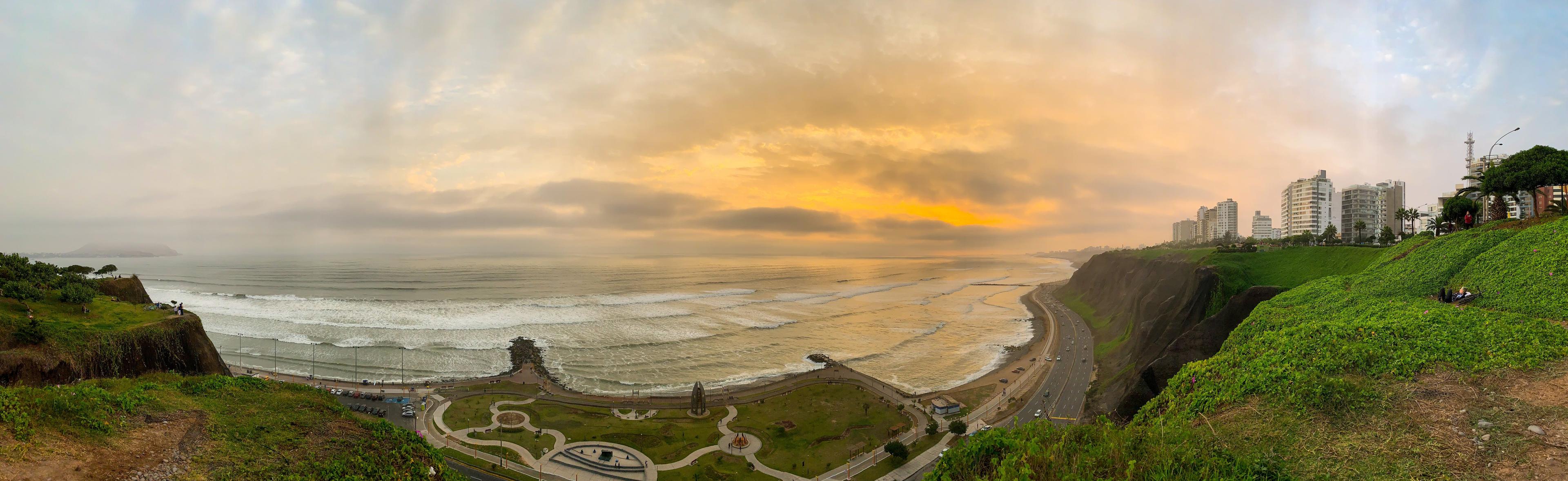
A Miraflores hotel can be a comfortable base for dining, the coast, and a first visit to Lima, but it should not be described as close to every Games venue. San Isidro offers another central business-district base with good hotel infrastructure. Callao can reduce the airport leg and may fit selected western venues, while longer trips toward Canete, Pisco, or Huaura require a separate transfer plan and a larger time buffer.
Avoid booking two sessions in different clusters with only the scheduled competition gap between them. Security exit queues, road controls, vehicle loading, and weather can consume that margin. If a sport is the trip priority, choose the hotel for its hardest day and treat restaurants and attractions as flexible additions.
Groups should decide early whether they will stay together or split by sport. A single 12-passenger vehicle can sound efficient, but it can also force every traveler onto the same schedule. Two smaller movement plans may be more resilient when sessions end at different times.
Plan LIM airport arrival and venue transportation
Jorge Chavez International Airport is the main international arrival point for Lima. The airport publishes current ground options, including its official airport bus information, authorized taxi guidance, and car-rental counter information. Recheck terminal locations, operating hours, pickup instructions, and accepted payment methods shortly before arrival.
For a first visit, arrange the airport transfer through an official channel rather than accepting an unsolicited ride. Keep the hotel address available offline and allow extra time for immigration, baggage, group assembly, and local traffic. Split arrivals should use one named meeting point inside the terminal and one backup contact method.
Lima's public transport is overseen by the Autoridad de Transporte Urbano. Current city services can help with ordinary travel, but a normal route map should not be assumed to represent the final Games network. Wait for the organizer and ATU to publish any special spectator routes, station changes, operating extensions, accessible services, or shuttle rules.
For city-core sessions, an authorized taxi, final Games shuttle, or verified public-transit route may be easier than parking. For a remote cluster, a reserved transfer or properly planned vehicle may be more practical. Do not assume spectator parking exists until the event or venue publishes the lot, entrance, hours, pass requirement, vehicle-size rules, and accessible path.
Luggage changes the decision. A family with strollers or a team group with equipment may need a larger airport transfer even if it will use transit during the Games. Unload at the hotel before attempting a venue trip, keep passports and medications with their owners, and do not leave visible bags in a parked vehicle.
Where to stay for the Lima 2027 Pan American Games
Choose a hotel only after matching the group's priority sport to its venue cluster. Confirm room type, cancellation rules, airport transfer, luggage storage, accessibility, breakfast, parking, vehicle height, and large-group policies directly. No hotel should be presented as walkable to a venue until the final spectator entrance is published.
JW Marriott Hotel Lima for a Miraflores coastal base
The JW Marriott Hotel Lima faces the Miraflores coast near Larcomar. It can suit travelers who want a full-service city base, coastal views, and nearby dining on free evenings. It is not a universal venue hotel. Compare every ticketed session with the final route and ask the property about Games-period vehicle access and group arrangements.
Hilton Lima Miraflores for restaurants and a city-first itinerary
The Hilton Lima Miraflores can fit families or groups prioritizing Miraflores dining and a straightforward city stay. It may work well for an arrival night or a trip that combines sport with sightseeing. Verify actual transfer time to the assigned venue, along with current room, parking, and large-party policies.
Hyatt Centric San Isidro Lima for a central business-district base
The Hyatt Centric San Isidro Lima offers a San Isidro alternative for travelers who prefer a central business district and plan to use arranged transfers. It can reduce dependence on Miraflores nightlife and tourist traffic, but it does not solve every cluster. Confirm pickup space, luggage handling, connecting-room options, and the final session routes.
Casa Andina Select Miraflores for a practical group comparison
Casa Andina Select Miraflores gives families and smaller groups another central option to compare. Ask directly about room configurations, breakfast, parking, accessibility, airport transfers, and group terms. Do not assume availability or a lower rate merely because the property is positioned differently from an international luxury hotel.
The official Peru Travel Lima guide can help visitors understand Miraflores, San Isidro, Barranco, and the historic center before selecting a base. If the itinerary includes a regional cluster, consider a split stay rather than repeating a long pre-dawn or late-night transfer.
Where to eat during the Lima 2027 Pan American Games
Lima is a major dining destination, but the best event meal is the one that fits the session and return route. Verify current hours, menus, reservations, dietary accommodations, large-party policies, and Games-period access directly. Do not schedule a long sit-down meal between sessions in different clusters.
Panchita for a planned Peruvian group meal in Miraflores
Panchita can suit a family or friend group that wants a deliberate Peruvian meal in Miraflores. Place it on an arrival evening, free night, or recovery day rather than between ticketed sessions. Confirm reservations, seating for the actual party size, dietary needs, and current hours.
Isolina for a Barranco meal with time to spare
Isolina in Barranco is better treated as a destination meal than a quick event stop. It can fit a free afternoon paired with a walk in Barranco. Verify reservations, current menu, portion guidance, accessibility, and large-party arrangements, then leave a generous return margin.
La Mar for a daytime meal on a non-session block
La Mar Lima is a practical option for visitors seeking a planned ceviche-focused meal. Because schedules and service patterns can change, confirm the current opening days, hours, wait or reservation process, dietary accommodations, and group rules. Keep it away from a tight airport arrival or same-afternoon venue transfer.
Tanta for mixed groups and flexible neighborhood planning
Tanta's official locations page helps groups identify a branch that fits the day's route. It can be useful when travelers want a broad menu and a familiar meeting point, but the branch, hours, reservations, and large-party policy must be checked for the actual date. Choose the location after the venue route, not just by hotel proximity.
For a broader introduction, Peru Travel's guide to Lima cuisine explains the city's culinary context. Keep one simple backup near the hotel for late sessions, and carry an event-compliant snack only if the final venue rules allow it.
Things to do before or after the Games
Place timed attractions on arrival days, free mornings, recovery days, or a post-event extension. Do not put a reservation immediately before a session or flight. Check current hours, tickets, weather, access, and transportation before visiting.
Museo Larco for an arrival or recovery half-day
The Museo Larco visitor guide provides current planning details for the museum in Pueblo Libre. It can fill a free morning or recovery afternoon and offers a focused introduction to pre-Columbian Peru. A taxi or planned vehicle is usually simpler for a group, and travelers should verify tickets, hours, accessibility, and the return route.
Huaca Pucllana for a Miraflores cultural stop
Huaca Pucllana can fit a Miraflores-based itinerary when the group has a clear block of time. It should not be squeezed between sessions because admissions, guided visits, and traffic can affect timing. Check current reservation requirements, hours, weather, and visitor rules.
Magic Water Circuit for a free evening
The Magic Water Circuit can work on a free evening when no early session follows. Confirm operating days, show times, tickets, weather, and the return plan. A group should agree on one meeting point and avoid assuming that a normal taxi or parking pattern will remain unchanged during the Games.
Barranco for a flexible post-session or recovery block
Barranco's Ermita and Bridge of Sighs area suits a flexible walk, meal, and photography block. It is better after a light session day or on a recovery afternoon than before a fixed start. Use an authorized taxi, verified transit route, or planned vehicle, and keep extra time for weekend traffic and weather.
The official Visit Lima guide is useful for checking additional cultural sites and current visitor information. For a regional extension beyond the city, add a separate day rather than attaching a long drive to an event session or departure flight.
Decide whether a rental vehicle helps in Lima
A vehicle can help when the itinerary includes a remote venue cluster, a split stay, substantial luggage, a coordinated family group, or a post-Games regional extension. It can add difficulty for city-core sessions if parking, road controls, or venue access are limited. Wait for final spectator transport and parking guidance before committing to a vehicle for every event day.
- Minivan categories can suit a family or smaller group that needs flexible seating. Count every suitcase, stroller, mobility aid, and equipment bag before treating all seats as usable passenger capacity.
- Intermediate SUV categories can fit a smaller party with moderate luggage and an extra-day trip. A category page does not guarantee a model, cargo volume, drivetrain, supplier, or availability in Peru.
- The 12-passenger van guide is relevant to clubs and extended families, but a full passenger load may leave little cargo room. Confirm local license and age rules, supplier terms, insurance, mirrors, vehicle dimensions, hotel parking, venue acceptance, and safe luggage placement.
Use the airport’s rental-counter information to identify suppliers, then confirm the pickup location, driver requirements, fees, coverage and return conditions in the actual offer. Use the vehicle guides to compare passenger and luggage needs before choosing a class.
If most sessions are in the city core, a split plan may work better: use an official airport transfer, rely on final Games transportation or authorized taxis for central venues, and arrange a vehicle only for a regional cluster or extension. Never drive on a tight international-flight margin, and learn local road, parking, toll, and emergency rules before departure.
A practical five-day Lima Games plan
Day one: Arrive and orient
Land with enough margin for immigration, baggage, and traffic. Check in, unload every bag, confirm the next day's venue and entrance, and use a flexible meal near the hotel. Do not attach a timed attraction to an international arrival.
Day two: Test the city-core route
Use the first session to learn the security process, walking distances, pickup points, and return pattern. Families should identify restrooms, food alternatives, quiet spaces, and one reunion point. Save offline copies of tickets, venue maps, hotel details, and official transport guidance.
Day three: Allow one major session day
Keep the day event-first. Do not promise a restaurant reservation immediately after a session because exit queues and traffic may shift the schedule. If the group splits by sport, confirm who has each ticket, child, bag, medication, and return plan.
Day four: Use a free block for Lima
Choose one attraction and one neighborhood meal, not a rushed list. Museo Larco, Huaca Pucllana, the Magic Water Circuit, or Barranco can each fill a meaningful block when placed around the actual session schedule. Recheck reservations and weather that morning.
Day five: Remote cluster or extension
Use a full day for a farther venue or regional extension. This is where a reserved transfer or properly sized vehicle may add the most value. Avoid combining the longest road leg with an international departure, and keep a backup for traffic, road controls, or schedule changes.
The strongest Lima 2027 plan separates airport arrival, venue-cluster movement, city sightseeing, and any regional drive. Recheck Panam Sports, the airport, ATU, hotels, restaurants, and attractions before travel. For other trip-planning patterns, browse AirportVanRental's event travel guides.
Photo by Karl.Vienna, Wikimedia Commons. CC BY-SA 4.0. Cropped for display. Cropped versions use the same license.
Our Most Popular Vehicles



Frequently Asked Questions
The official Lima 2027 Pan American Games dates are July 23 through August 8, 2027. The published sports schedule places selected competition on July 21 and 22 before the opening ceremony. Check the final sport and session schedule before choosing flights or hotel nights.
The current organizer plan uses 22 venues grouped into seven clusters across Callao, Lima, Canete, Pisco, and Huaura. Venue assignments and spectator operations should be rechecked before travel. Match each ticketed sport to its venue and cluster before choosing a hotel or same-day transfer.
Jorge Chavez International Airport, code LIM, is the main international gateway for Lima. Compare flight timing with immigration, baggage, hotel location, and the first session. Use the airport's official bus, authorized taxi, or rental-counter information and verify pickup instructions shortly before arrival.
There is no single best area for every sport. Miraflores and San Isidro offer extensive hotel and dining choices, while another base or split stay may fit a regional venue better. Choose the priority venue cluster first, then compare transfers, cancellation terms, accessibility, luggage, and group needs.
Not necessarily. Official transport, authorized taxis, or verified public transit may work better for city-core sessions. A vehicle can help with a remote cluster, split stay, large luggage load, or post-Games extension. Wait for final parking, road, and spectator-transport plans before deciding.
One hotel may work for a schedule concentrated in Lima, but it can create long transfers for regional clusters. Plot every ticketed venue and session before booking. A split stay or reserved transfer can be safer than repeating a long drive before early or late competition.
The Games dates, sports program, schedule framework, and venue clusters are confirmed, but this guide does not treat tickets, spectator entrances, parking, shuttles, security, or road controls as final. Monitor Panam Sports and official local authorities, then refresh all operating details before purchase, publication, and travel.