New York City Marathon 2027 Travel Guide
New York City Marathon 2027 Travel Guide
The 2027 TCS New York City Marathon is Sunday, November 7, 2027. Build separate race-morning plans for runners and supporters, choose a hotel based on each person's race-day role, and expect public transit to be more useful than a vehicle near the five-borough course.
This New York City Marathon 2027 travel guide is for runners, families, charity teams, international tour groups, and friends arriving through JFK, LaGuardia, or Newark. New York Road Runners confirms the official 2027 marathon date and has published 2027 entry pathways. The detailed 2027 runner guide and transportation plan are still pending, so use the confirmed date for early planning and recheck every operational detail later.
Key takeaways
- The confirmed race date is Sunday, November 7, 2027.
- Runners and spectators need different race-morning routes. Do not make one person responsible for both plans.
- The current marathon model starts on Staten Island, follows a 26.2-mile course through all five boroughs, and finishes in Central Park. Confirm the final 2027 map.
- Choose a hotel for the hardest race-day movement, not only for sightseeing.
- Use transit around the course. A rental vehicle is better saved for airport luggage, outer-region plans, or a post-race extension.
In this guide
- What is confirmed and what remains pending
- How runners and spectators should split their plans
- JFK, LGA, and EWR arrival choices
- Where to stay and eat
- Things to do before or after the race
- When a minivan, SUV, or passenger van may help
- A practical four-day itinerary
What is confirmed for the 2027 New York City Marathon
New York Road Runners displays November 7, 2027 as the next TCS New York City Marathon date. Its current event site describes the established five-borough race, and the present course overview covers the 26.2-mile route from Staten Island to Central Park. Treat the course shape as a planning framework until the organizer publishes the final 2027 map.
Do not copy 2026 wave times, ferry assignments, bus pickups, bag-check deadlines, expo appointments, closure hours, or spectator rules into a 2027 itinerary. The current transportation-to-the-start page shows why registered runners should expect an assigned process and why private vehicles are a poor default. The exact 2027 system can change.
Before committing to a nonrefundable plan, verify entry status, expo dates, bib collection, runner transportation, bag check, start wave, security, accessibility, medical guidance, spectator zones, street closures, bridge restrictions, finish exits, family reunion areas, and weather alerts. A confirmed race date does not make those operations final.
Build two race-day plans: runner and spectator
The runner's first priority is reaching the assigned start transportation on time with the correct bib, clothing, food, and permitted bag. The supporter's first priority is reaching one or two viewing zones without crossing the course or depending on a road that closes. Write both plans down before the group arrives.
For the runner, choose the hotel by the future official transportation assignment and the trip to that pickup point. A property near Central Park may simplify the finish and recovery, but it may not be the easiest start-morning base. A Lower Manhattan property may fit a ferry-based plan if that option is assigned in 2027, but no traveler should assume a ferry slot before New York Road Runners confirms it.
For spectators, fewer stops are usually better. Pick one early or middle-course viewing area and one later area only if the subway connection avoids crossing the route. Use the final organizer map and the MTA planned service-change tool close to race weekend. Keep a fixed post-race meeting point outside the controlled finish zone because mobile service, crowd density, and walking detours can make an improvised reunion difficult.
Driving beside the course is not a realistic spectator strategy. New York City posts special-event impacts through its weekend traffic advisory, while police may change closure and reopening times. If the group has a rental vehicle, park it legally away from race operations and leave it unused on race day unless the final official guidance supports a specific need.
Choose JFK, LGA, or EWR by flight and hotel plan
New York's three major airports can all work, but the best choice depends on the hotel, flight schedule, luggage, and next movement. Compare the complete door-to-door plan instead of selecting an airport only by straight-line distance.
JFK is a strong international option. The airport's AirTrain guide explains connections to terminals, public transit, parking, hotel shuttles, and rental cars at Federal Circle. Review the current JFK airport rental guide only for general pickup planning, then verify the actual supplier and terminal transfer for the booked offer.
LaGuardia can be convenient for many domestic arrivals. The official LGA transportation page lists public buses, taxis, rideshare, shuttles, and off-airport rental-car transfers. The LaGuardia airport rental guide can help frame the shuttle step, but travelers must confirm their own reservation and pickup instructions.
Newark can suit travelers staying in New Jersey or near Manhattan rail connections. The airport's public transportation guide explains NJ Transit, Amtrak, PATH connections, buses, and accessibility. Construction or service changes may affect the airport rail link, so recheck shortly before travel.
Groups should name one terminal meeting point and one backup contact method. Allow time for baggage, immigration where applicable, mobility assistance, rental paperwork, and traffic. Unload luggage at the hotel before any expo or sightseeing stop, and keep medications, race shoes, bib documentation, passports, and valuables with their owners.
Where to stay for the 2027 New York City Marathon
Book only after deciding whether the room primarily serves a runner, a spectator, or a mixed group. Confirm cancellation terms, room type, luggage storage, breakfast timing, accessibility, parking, vehicle height, group blocks, and the route to the future official transportation point. No property should be described as an effortless race-day walk until the final controlled zones and entrances are published.
Residence Inn New York Manhattan/Central Park for finish-side recovery
The Residence Inn New York Manhattan/Central Park can suit runners or families who value suite-style rooms, breakfast, and a Midtown base near Central Park. Its location can reduce the post-finish trip after the runner clears the controlled area, but it does not guarantee direct access through race-day barriers. Verify the actual pedestrian route and breakfast timing for race morning.
New York Marriott Downtown for a Lower Manhattan plan
The New York Marriott Downtown gives runners a Lower Manhattan option near major transit and the Battery. It may fit a future ferry-based start plan, but only if the runner receives and follows that official assignment. It also suits groups adding the harbor or Lower Manhattan to the trip. Confirm late checkout, luggage storage, vehicle access, and race-weekend transit before booking.
New York Marriott at the Brooklyn Bridge for Brooklyn spectators
The New York Marriott at the Brooklyn Bridge can work for supporters who want a Downtown Brooklyn base and for groups planning a Brooklyn extension. It is not a promise of easy course access because final spectator zones and street crossings control the day. Compare its subway connections with the planned viewing point and the finish-area reunion route.
Hotel Indigo NYC Downtown Wall Street for a smaller Lower Manhattan base
The Hotel Indigo NYC Downtown Wall Street offers another Lower Manhattan comparison for couples or smaller groups. Its location can support an arrival day around the Financial District and a transport-first race morning. Ask about luggage storage, room configuration, breakfast, accessibility, parking, and group arrangements rather than assuming any service or availability.
If the party includes runners with different start assignments or supporters focused on different boroughs, one hotel may not solve every movement. Keep reservations flexible until New York Road Runners publishes the 2027 transportation and finish plans.
Where to eat before or after the marathon
Match meals to the neighborhood and the runner's normal routine. Race week is not the time to test unfamiliar foods immediately before the start. Verify current hours, reservations, menus, allergens, dietary accommodations, takeout, and large-party policies directly, especially for Saturday dinner and Sunday celebrations.
Westville Upper West Side for a flexible recovery meal
Westville Upper West Side lists vegetables, salads, comfort food, pickup, delivery, and group-friendly service. That range can help a mixed party after the race when some people want a full plate and others want something lighter. Do not lock a reservation to an optimistic finish time. Choose a flexible window after the runner clears the finish and reunites with the group.
The Smith Lincoln Square for a planned group meal
The Smith Lincoln Square offers breakfast, lunch, dinner, family-style options, and private dining information near the southwest side of Central Park. It can fit a supporter brunch or a celebration after everyone has left the finish zone. Ask about large-party seating, accessibility, menu needs, and the effect of race-day street controls.
Carmine's Times Square for family-style dining
Carmine's Times Square is structured around family-style Italian dining and accepts reservations and party inquiries. It can suit a larger group that wants one planned sit-down meal away from the finish crowd. Confirm portion guidance, dietary needs, reservation terms, and the route from the hotel before committing.
Fraunces Tavern for a Lower Manhattan arrival or extension meal
Fraunces Tavern can pair with a Lower Manhattan hotel, the Battery, or a pre-race sightseeing block. Its official site separates reservable dining rooms from walk-in bar areas, which is useful for groups deciding how formal the meal should be. Recheck the menu, age requirements for bar areas, current hours, accessibility, and large-party policy.
Keep Saturday dinner predictable and early enough for the runner's sleep plan. On Sunday, carry a snack for the support group because transit detours and the reunion process can delay the celebration meal.
Things to do before or after the marathon
Choose one meaningful activity per free block. Avoid a long museum day immediately before the race and do not place a timed attraction between the finish and an airport departure. November weather, fatigue, reservations, and transit work can change the best option.
Central Park for a short orientation or recovery walk
Use the Central Park Conservancy visitor guide to plan an easy walk on the arrival day or after the runner has recovered. The park is also the finish setting, so race-week controls may limit normal routes. Keep the outing gentle, check weather, and do not treat a long park loop as mandatory recovery.
The Metropolitan Museum of Art for a weather-proof half day
The Metropolitan Museum of Art visitor page provides current hours, ticket guidance, directions, and group requirements. It can fit a supporter free morning or a post-race day when walking outdoors is unappealing. Groups of ten or more should review the museum's registration rules, and everyone should leave enough time for security and transit.
Brooklyn Bridge Park for skyline views and a Brooklyn extension
Brooklyn Bridge Park can pair with a Downtown Brooklyn hotel or an easy post-race afternoon. It offers waterfront views without requiring a ticket, but November wind and weather matter. Check current pier hours and access, use transit rather than assuming parking, and shorten the visit if the runner is sore.
Statue of Liberty and Ellis Island for a separate full day
The National Park Service Statue of Liberty planning page explains that the authorized ferry is required and recommends advance tickets. This is a post-race or pre-race full-day activity, not a gap filler. Allow time for security and ferries, check weather and ticket conditions, and keep it away from race morning or a tight flight.
Decide whether a rental vehicle helps
A rental vehicle is usually not the best tool for following the marathon. Course closures, bridge restrictions, legal parking, crowd controls, and unpredictable reopening times make race-day driving fragile. Subway and walking routes, checked against official service changes, are normally the better starting point for spectators.
A vehicle may help outside the event core. Examples include a family arriving with several children and bulky luggage, a group staying beyond the subway network, an accessibility plan that has been verified with the event and vehicle provider, or a post-race Hudson Valley or Long Island extension. The New York City car and van rental guide is useful for broad planning, but the live offer and supplier rules control.
For five to seven travelers, compare minivan categories with actual luggage rather than seats alone. An intermediate SUV category may suit a smaller party or an extension, while a 12-passenger van guide helps larger groups think about driver qualifications, garage clearance, loading, and parking. No category page guarantees New York inventory or fit.
If a vehicle is booked, unload at the hotel and confirm the garage before race weekend. Ask the supplier about tolls, additional drivers, after-hours return, height restrictions, fuel, and local-use rules. Do not leave race gear, passports, medications, or visible bags in the vehicle.
A practical four-day marathon itinerary
Friday: Arrive and reduce uncertainty
Choose JFK, LGA, or EWR by the hotel and full transfer plan. Check in, unload every bag, confirm expo and bib requirements, and keep dinner near the hotel. Do not add a timed attraction to an international arrival.
Saturday: Expo, route test, and early dinner
Complete the official expo and bib process at the assigned time once the 2027 instructions are published. Walk the route from the hotel to the runner's official transportation point without adding unnecessary mileage. Supporters should test one subway connection and save offline maps. Eat familiar food, prepare clothing, and set two alarms.
Sunday: Separate runner and spectator plans
The runner follows the official transportation assignment and carries only permitted items. Supporters use transit to one or two preselected viewing zones, avoid crossing the course, and keep the agreed reunion point. No one should depend on driving beside the race or on a precise finish prediction.
Monday: Recover before extending the trip
Choose a gentle Central Park walk, a museum, Brooklyn Bridge Park, or a relaxed Lower Manhattan block. Save the Statue of Liberty and Ellis Island for a day with a full weather and ferry buffer. If the group begins a road trip, pick up or retrieve the vehicle only after the event-day closures and fatigue are no longer the main constraints.
The strongest New York City Marathon plan separates airport arrival, runner transportation, spectator movement, finish reunion, and any post-race driving. Recheck New York Road Runners, MTA, NYC DOT, airports, hotels, restaurants, and attractions before travel. For other event planning patterns, browse AirportVanRental's event travel guides.
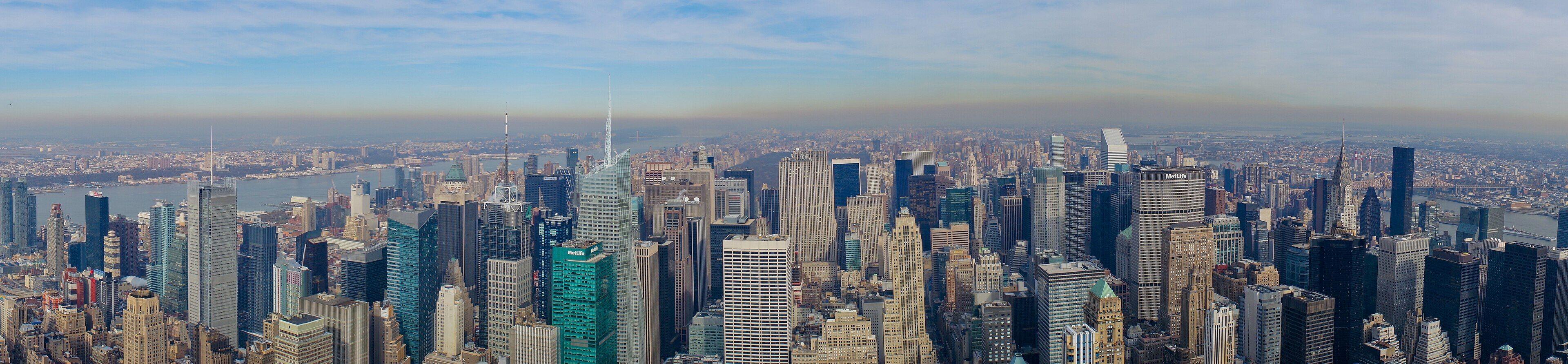
Photo by matheuslotero, Wikimedia Commons. CC BY 2.0. Cropped for display.
Our Most Popular Vehicles




Frequently Asked Questions
The 2027 TCS New York City Marathon is Sunday, November 7, 2027. New York Road Runners displays that date on the official event site. The detailed 2027 expo, runner transportation, wave, course, bag-check, spectator, closure, and finish plans should be rechecked when published.
JFK, LaGuardia, and Newark can all work. Choose by flight schedule, hotel, luggage, and the complete ground-transfer plan. JFK often suits international arrivals, LGA many domestic trips, and EWR some New Jersey or rail-connected stays. Verify construction and service changes before travel.
Choose a hotel by the official start-transportation assignment and the post-finish route. Central Park and Midtown can simplify recovery, while Lower Manhattan may fit a ferry-based plan if assigned. Do not assume a 2026 transportation option or race-day walking route will remain unchanged in 2027.
Driving along the course is not a dependable spectator strategy. The race affects streets and bridges across five boroughs, with restrictions and reopening times controlled by authorities. Spectators should use the final course map, MTA service information, and a small number of planned viewing points.
Usually not for the race itself. Transit and walking are normally more practical near the course. A rental vehicle may help with airport luggage, an outer-area stay, accessibility needs verified in advance, or a post-race extension. Confirm parking, tolls, garage clearance, and supplier rules.
Choose a fixed meeting point outside the controlled finish zone and save it offline. Allow time for the runner to collect permitted belongings, leave the secure area, and walk slowly. Do not rely only on mobile service or a predicted finish time, and follow the final 2027 family-reunion guidance.
Book flexible lodging once entry and travel plans are credible, then revise after the official 2027 transportation and runner guide appears. Keep Saturday and Sunday plans event-first. Reserve timed attractions for a separate day, and recheck cancellation terms, hours, transit, weather, and group policies.