Oktoberfest 2026 Munich Travel & Transport Guide
TL;DR: Oktoberfest 2026 takes place in Munich, Germany from September 19 to October 4 at Theresienwiese. Most travelers should fly into Munich Airport (MUC) and use public transit to reach the festival grounds. A rental car is not needed for the event itself, but renting a car or van makes sense for groups, nearby lodging, or exploring Bavaria before or after Oktoberfest.
Oktoberfest 2026: Key Details & What to Expect
Dates & Basics: The Oktoberfest 2026 festival is scheduled for September 19 through October 4, 2026. Despite its name, this beloved beer festival actually starts in September most years and concludes on the first Sunday of October. The event takes place on the Theresienwiese (“Therese’s Meadow”) fairgrounds in central Munich a huge open space that transforms into a bustling festival site known locally as the Wiesn. This will be the 191st Oktoberfest, a tradition dating back to 1810. Expect the Mayor of Munich to kick things off by tapping the first keg (shouting “O’zapft is!” “It’s tapped!”), signaling the start of the beer pouring.
Scale of the Festival: Oktoberfest is massive it’s heralded as the world’s largest Volksfest (folk festival), combining a beer festival and traveling carnival. Each year around 6–7 million visitors attend, including locals in lederhosen and dirndls, tourists from across Europe, the US, and beyond. In 2023 the festival drew a record 7.2 million people who collectively drank about 7.4 million liters of beer that’s over 1.9 million gallons! You’ll find 14 large beer tents (each run by a different Bavarian brewery) and about 20 smaller tents, all serving traditional brews brewed within Munich city limits (a requirement for the official Oktoberfest beer). The atmosphere is jubilant and loud long communal tables packed with revelers, oompah bands playing catchy drinking songs, and thousands of clinking 1-liter beer steins (Maß).
What to Expect: Beyond the beer halls, Oktoberfest offers much more. There are lively parades on the first weekend (the grand entry of the Oktoberfest “landlords” and breweries, and a costume parade showcasing Bavarian culture). You’ll also find carnival rides ranging from classic ferris wheels and carousels to adrenaline-pumping roller coasters. Dozens of food stalls and vendors serve Bavarian specialties: giant pretzels, roasted chicken (Hendl), sausages, schnitzel, gingerbread hearts, and more. The festival is very family-friendly during the daytime there are game booths, sweets stands, and Tuesdays are usually designated family days with discounts. By evening, the beer tents are the main attraction; you might find yourself standing on benches singing along to Schlager songs or classic rock hits. It’s an immense party atmosphere fun but very crowded, so stay aware of your belongings and friends.
Tips: Oktoberfest entry is free (you pay for whatever food, drinks, or rides you want). Arrive early (morning or by noon) to get a seat in a popular beer tent, especially on weekends. Reservations for tables can be made months in advance for groups, but if you didn’t reserve, go early and be ready to make friends and squeeze in where there’s space. Cash is king in the tents (many do not accept credit cards), so have euros on hand for beer (around €13–14 per Maß in recent years) and tipping the servers. Finally, pace yourself those liters of beer are strong, and a full day at the Wiesn is a marathon, not a sprint! Stay hydrated (alternating with water or Spezi cola-orange soda mix is a local tip) and enjoy the cultural experience as much as the drinking. Prost!
Getting to Munich: Airports & Transportation
Flying into Munich: For international travelers, the easiest way to reach Oktoberfest is via Munich International Airport (MUC), locally called Franz Josef Strauß Airport. It’s Germany’s second-busiest airport and a major hub that welcomes flights from all over the world. Munich Airport is located about 30–38 km (19–24 miles) northeast of Munich’s city center. By car, that drive typically takes around 30–45 minutes depending on traffic (the airport is connected by Autobahn A92/A9 for a swift route into the city). If you plan to rent a car at the airport, you’ll find all the major car rental companies on site having a car can be handy if you’re staying outside Munich or embarking on road trips (more on that later), but if you’re headed straight to the city, you might hold off on renting until after the festival.
Airport to City Center: Munich has excellent public transportation links from the airport. The most convenient option is the S-Bahn train: Lines S1 and S8 run from Munich Airport to downtown every 10–20 minutes. The S1 line goes via the city’s northwest suburbs and the S8 via the east; both ultimately reach Munich Hauptbahnhof (Central Station). The journey is about 40–50 minutes to the center. The trains are clean and have space for luggage, making this a stress-free way to reach your hotel. A one-way ticket to central zones is around €13, or consider a Munich XXL day pass if you’ll use transit more that day.
Another option is the Lufthansa Express Bus (airport shuttle bus) which runs every 20 minutes, taking about 45 minutes to Munich Hauptbahnhof as well. The bus is comfortable and costs roughly €11–€13 one-way. Taxis and rideshares are available too a taxi into central Munich will take ~30–40 minutes in good traffic but can be pricey (expect €70–€100). If you’re a group of 3-4 splitting the fare or you have lots of luggage, a taxi direct to your accommodation can be convenient.
Driving to Munich: If you’re driving into Munich from elsewhere in Germany or Europe, the city is well-connected by highways. Berlin is about 6 hours north via the A9, Frankfurt about 3.5–4 hours via A3/A9, and Salzburg (Austria) only 1.5 hours east on A8. Parking in central Munich can be challenging and expensive, so if your hotel offers parking, take advantage of that. During Oktoberfest, some streets around Theresienwiese are closed or congested, and there are special park-and-ride lots on the outskirts with public transport to the fest. It’s usually not recommended to drive to the Oktoberfest grounds themselves there’s extremely limited parking and many road closures for the event. Instead, park near a suburban station and take the U-Bahn or S-Bahn to the Theresienwiese area.
Getting to Theresienwiese: Once you’re in Munich, reaching the Oktoberfest is easy by transit. The closest U-Bahn (metro) stations are Theresienwiese (U4/U5 lines) and Goetheplatz (U3/U6), each a short walk from festival entrances. From Munich Central Station you can even walk ~15 minutes to Theresienwiese or take one quick stop on the U-Bahn. Numerous buses and trams also stop nearby. Insider tip: plan your route home before you start drinking know the last train times if staying outside the city, or have an idea of a meeting point if your group gets separated. Transit will be very crowded at night when tents close, but Munich runs extra trains during Oktoberfest.
In summary, public transport is your best friend for getting around Munich and to Oktoberfest. It’s fast, frequent, and saves you the hassle of finding parking or worrying about driving after enjoying a few Maß of beer. For most travelers, we recommend taking the S-Bahn/Underground over driving in the city. Reserve a car only for the portions of your trip when you’ll actually need it (like day trips outside Munich or if your accommodation is far out). In the next sections, we’ll discuss when a rental car makes sense and how to choose one.
Renting a Car in Munich: Tips for Solo, Couple & Group Travelers
Is a rental car necessary for Oktoberfest? If you’re staying within Munich just for the festival, probably not one travel site even quipped that Oktoberfest “would absolutely be the stupidest place to rent a car” due to the excellent transit and the obvious fact that you shouldn’t be driving after beer. Munich’s public transport and walkability mean you can easily reach the tents from your hotel without a car. However, there are still good reasons to rent a vehicle as part of your Oktoberfest trip, especially if you want to explore beyond the city or if you’re traveling with a group. Here are some car rental considerations and suggestions:
- Flexibility & Freedom: Having a car gives you total freedom to explore Bavaria on your own schedule. You’re not limited to train timetables or tour buses. Want to take a spontaneous detour into a quaint village or stay late at Neuschwanstein Castle? With a car, no problem. You can venture beyond Munich for example, the Bavarian Alps, fairytale castles, or even neighboring countries all at your own pace. After Oktoberfest, you could extend your trip with a scenic road journey through Germany, Austria, Switzerland, etc.. In short, a car turns your Oktoberfest visit into a wider adventure, if you choose.
- Convenience for Lodging: Given how full and pricey Munich hotels get, some visitors stay in areas outside the city center. A rental car makes this easy you can book affordable lodging in surrounding towns and drive in for the festival each day. By renting a car, you’re not tied to staying steps from Theresienwiese (which may be sold out or cost a fortune); you can sleep in a quieter location and have a quick drive to the Oktoberfest grounds. Example: some travelers stay in towns like Augsburg or Ingolstadt and drive ~1 hour to Munich. Parking near Oktoberfest is limited, but you could park at a transit station on the edge of town and hop on a short train if needed. This strategy can save money and give you a calmer retreat each night. Just remember to secure a designated driver if you’re driving to/from the festival safety first.
- Avoiding Crowds: While Munich’s trains are fantastic, they do get very crowded during Oktoberfest. Cramming onto a packed U-Bahn at midnight with thousands of other festival-goers can be an experience (and not always a pleasant one). With a car, you avoid being at the mercy of these crowds for every trip. You can travel on your own terms, leave for a day trip early to beat tour buses, and have a private space to stow your belongings. Some attendees even use their car as a “home base” to store a change of clothes, take a power nap, or escape the rain during the day. That said, we do NOT recommend using your car during the day if you’ve been drinking treat it only as transport to/from your lodging or other destinations.
Now, what type of rental vehicle is best? This depends on your traveler profile:
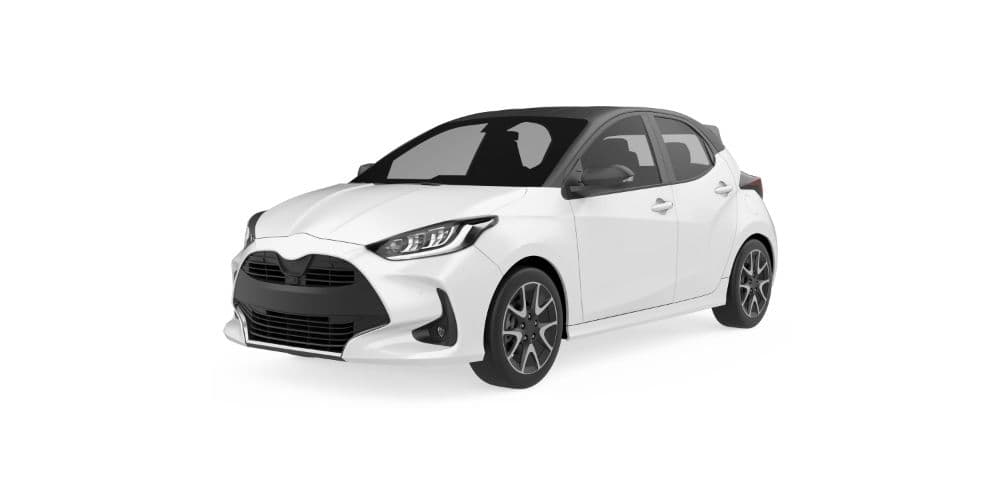
- Solo Travelers: If you’re flying solo, a compact or economy car should suffice. European cities have narrow streets and tight parking, so a small car is practical. You’ll save on rental cost and fuel. A VW Golf or Ford Fiesta size is plenty for one person with luggage. With just yourself, you might even consider whether you need a car at all for the Munich portion you could enjoy Oktoberfest car-free and pick up a rental when you’re ready to roam Bavaria. But if you do rent, book early for the best price. Note that most rental cars in Germany have manual transmission; if you only drive automatic, reserve an automatic car well in advance.
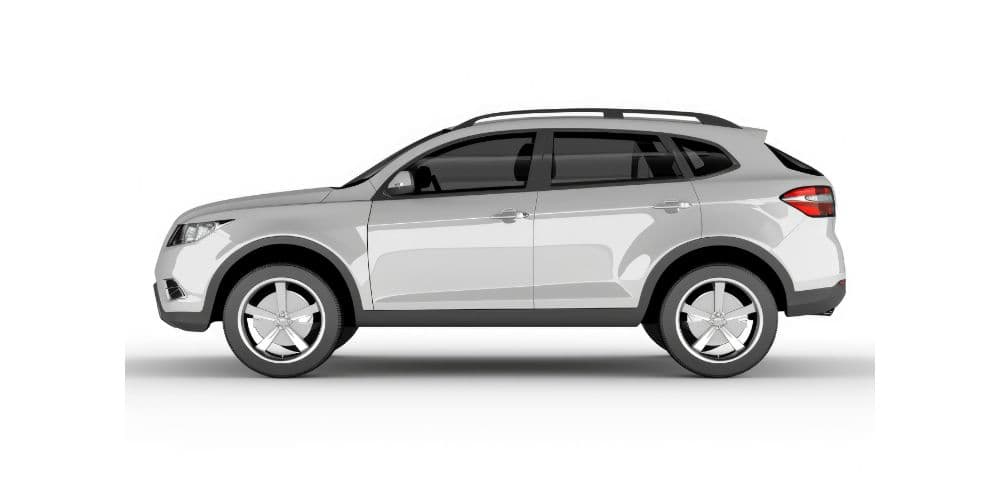
- Couples: For two people, a compact sedan or small SUV works well. You’ll have a bit more room for luggage and comfort on longer drives. Popular choices in Germany include models like the VW Passat, BMW 1-Series, or Audi A3, or crossovers like a Nissan Qashqai or Toyota RAV4. These will handle highway driving comfortably if you’re doing day trips to other cities. A car gives couples the flexibility to plan romantic side trips (like a drive down the Romantic Road or a day at a mountain spa) without worrying about train schedules. It also allows you to stay at cozy B&Bs or countryside inns outside Munich and drive in. As a pair, splitting the cost of a rental and fuel is quite manageable. Just be sure at least one of you is okay being the sober driver on any day you attend Oktoberfest or plan to leave the car at the hotel on those days and use transit/taxis into the festival.
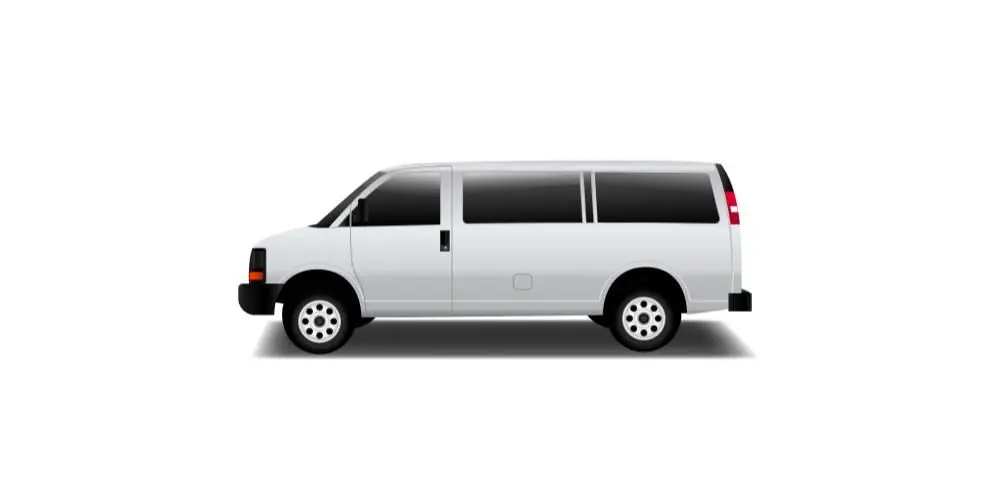
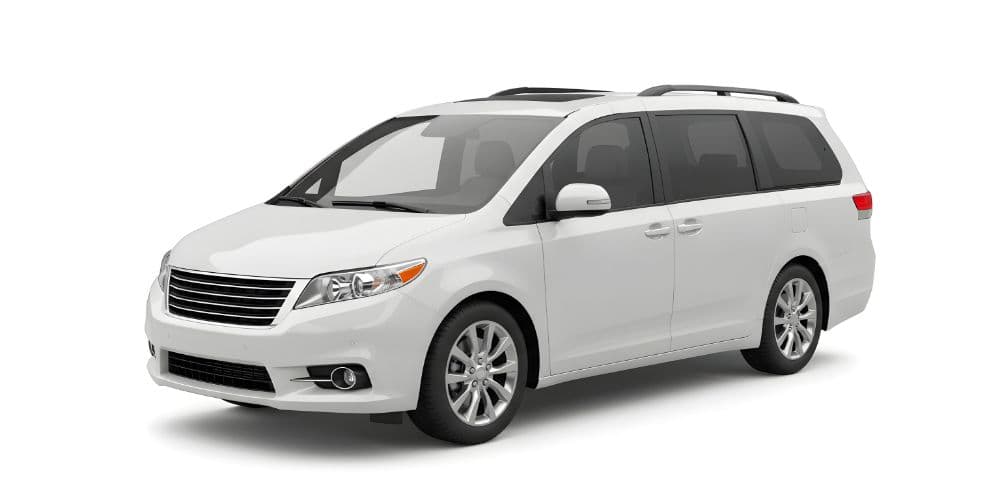
- Groups (Families or Friends): For a group of friends or a family, renting a larger vehicle can be a game-changer for logistics. Consider a 7-seater minivan or even a 15-passenger van so that everyone can travel together in one vehicle. This way, your group sticks together and you have plenty of room for luggage, costumes, and souvenirs. In Munich, common rental options include vehicles like the Mercedes Vito/V-Class, Volkswagen Transporter/Caravelle, or Ford Transit Custom passenger van. With a multi-passenger van, you won’t have to coordinate multiple cars or train tickets it’s like having your own Oktoberfest shuttle bus for your crew. This is especially handy if you plan to do road trips around Bavaria after Oktoberfest; the whole group can enjoy scenic drives together, and you can swap drivers if someone gets tired.
Pro Tip: If you do rent a van for a group, also think about parking and driving in Munich a big van can be harder to maneuver in the city. Ensure your accommodation has suitable parking or use park-and-ride lots. And absolutely designate sober drivers on fest days (or skip driving those days entirely). German police are very strict about DUI laws, especially around Oktoberfest when they know tourists might be tempted do not risk it. Instead, use the van for airport transfers, day trips, and shuttling to the Oktoberfest if you have a non-drinking driver or are going early in the day. Otherwise, leave it parked and use the U-Bahn or a rideshare to get to Theresienwiese, then use the van for adventures on the days before or after your Oktoberfest visits.
In summary, rent a car or van if it enhances your travel plans: for post-festival touring, out-of-town lodging, or group convenience. If you’re just coming to drink beer and stay downtown, you’re better off without one. Many visitors do a bit of both enjoy Munich car-free during Oktoberfest, then pick up a rental car to explore castles and Alps afterwards. This gives you the best of both worlds: no driving worries during the beer festival, and total freedom on the road when you’re ready to sightsee further afield.
Where to Stay in Munich During Oktoberfest
Finding a place to sleep in Munich during Oktoberfest requires early planning and maybe a bit of luck. With millions of visitors converging on the city, hotels fill up fast often as early as 9–12 months in advance. Here’s how to approach lodging:
- Book Early, Seriously: The best time to book your Oktoberfest 2026 accommodation was “yesterday,” as one expert bluntly put it. If you haven’t booked yet, do it as soon as possible. Prices will only climb as availability shrinks. Many Munich hotels open reservations for Oktoberfest dates a year ahead, and the affordable ones near the center get snapped up quickly. Don’t wait for summer 2026 by then, pickings will be slim. If you’re reading this a few months out and find everything is sold out, consider looking just outside Munich (we’ll get to that).
- Staying Near Theresienwiese: The most coveted hotels are those within walking distance of the Oktoberfest grounds in the Ludwigsvorstadt-Isarvorstadt district. Being able to stroll to your hotel or apartment after a long day (and maybe a few liters of beer) is priceless. No crowded trains, no expensive taxi just a quick walk and you’re in bed. These properties are indeed “worth their weight in gold” for Oktoberfest. Imagine crashing at a hotel across the street from the festival that convenience is heavenly when your feet are tired and you’re a bit tipsy. The trade-off is cost and availability: expect to pay a premium for anywhere adjacent to Theresienwiese, and they book out far in advance. If you can snag a reservation at places like Hotel Senator, Hotel Krone, or any pensions in that neighborhood, it can greatly enhance your experience. Just budget accordingly it may be €300+ per night for a basic room during Oktoberfest.
- Within the City Center: If you can’t stay right next to the festival, the next best thing is Munich’s Altstadt (Old Town) or areas around Hauptbahnhof (Central Station). The Altstadt (Marienplatz, etc.) has many hotels and keeps you in the heart of Munich’s attractions (beer halls, museums, etc.) when you’re not at Oktoberfest. From Marienplatz it’s only 2 U-Bahn stops (or a 20-minute walk) to Theresienwiese. The central train station area (Maxvorstadt or bordering the Ludwigsvorstadt area) also has numerous hotels (and often slightly cheaper rates than the true city center). This area is walking distance or one U-Bahn stop from the festival. Pro tip: Anywhere that is near an U-Bahn or S-Bahn stop will make your life easy. Even if the hotel is 5-6 stations away, a direct train to Theresienwiese or Hauptbahnhof means you can get to the action in under 15–20 minutes. Munich’s public transit is extensive look for hotels near lines U4, U5 (which serve Theresienwiese station), U3, U6 (which go to Goetheplatz a short walk away), or any S-Bahn that stops at Hackerbrücke or Hauptbahnhof (from which the fest is ~10 min walk). In short, choose a hotel with good transit connections if you can’t be in the immediate vicinity of the grounds. After a day of revelry, you’ll appreciate a simple, single train ride “home.”
- Neighborhoods to consider: besides the immediate vicinity, areas like Schwanthalerhöhe (just west of Theresienwiese), Isarvorstadt/Glockenbachviertel (trendy area south of Altstadt), or Haidhausen (on the east side, 4-5 S-Bahn stops away) can be good options. They have a mix of hotels and rentals, plus nice dining and nightlife of their own. Schwabing (north Munich) is another popular district with lots of hotels; it’s further (need a U-Bahn transfer to reach the Wiesn) but a lively quarter. The key is balancing distance vs. price: the farther out you go, the more likely you’ll find a room and a lower rate but ensure there’s a U-Bahn/S-Bahn nearby.
- Budget Options: If hotels are too expensive, Munich also has hostels and campsites catering to Oktoberfest visitors. Hostels like Wombat’s, Euro Youth Hostel, and Jaeger’s are near the train station and offer dorm beds (these also book up early and can cost €60–€100/night per bed during Oktoberfest). There are also tour companies that set up camping or glamping tents on the outskirts specifically for Oktoberfest (for example, in Obermenzing area or Thalkirchen campground). These can be relatively affordable and a fun, social atmosphere but be prepared for basic facilities and possibly less sleep. Only consider camping if you’re okay with roughing it a bit (it can get cold at night in late September!).
- Staying Outside Munich: A strategy some travelers use is to stay in a nearby city and commute in for the festival. Thanks to Germany’s rail network, this can be viable. For instance, the historic city of Augsburg is about 45 minutes by direct train from Munich and often has hotel availability (and lower prices) during Oktoberfest. Trains run late, so you could party in Munich and still get back. Other towns to consider: Regensburg (1h20m by train), Ingolstadt (40m by train), or Rosenheim (40m by train) all are on main rail lines to Munich. Even Salzburg, Austria is only ~1.5h away by train, though crossing an international border late at night after beers might be a bit much. If you have a rental car, you could also stay in smaller Bavarian villages or outer suburbs where hotels or Airbnbs are available, and drive to a park-and-ride. The key drawback of staying far out is the travel time and the need to cut off drinking early enough to safely make it back. If you go this route, plan your last train or designate drivers meticulously.
- Group Accommodation: If you’re traveling with a large group (say 8+ people), finding a single hotel to accommodate everyone is tricky. You might split across a couple of hotels near each other. Some hotels allow block bookings for groups it’s worth contacting them directly to negotiate a block of rooms (sometimes at a slight discount). Keeping everyone in one location simplifies logistics and keeps the group vibe intact. Another idea for groups is renting an entire apartment or house through Airbnb/VRBO. In Munich city this is limited (and often against local regulations), but in the suburbs you might find large apartments. Just be aware of minimum stay requirements. If you do get a place with a kitchen, you can save money by having breakfast there before heading to the fest. And if it’s outside the center, your rental car/van can shuttle the group in together (or use a hired driver service).
- Final Lodging Tips: Wherever you stay, verify transportation options. If you’re not within walking distance, know the nearest U-Bahn or bus. Also, consider that after 11pm the U-Bahn runs less frequently (though during Oktoberfest they extend hours on weekends). Munich is a very safe city, but stumbling around lost at 1am is no fun make sure your phone can access maps or you have it pre-loaded. Also, keep in mind many smaller hotels in Munich might not have 24-hour reception if you plan to party late, ensure you can still get into your accommodation (most give a key or code for late entry). Lastly, expect higher rates during Oktoberfest everywhere. It’s normal. Just budget for it as part of the experience. The memories you’ll make are often worth the price of that convenient hotel! And remember, after a liter or two of Märzen, you’ll be very glad you booked the closest, nicest place you could afford.
Road Trips & Nearby Bavarian Destinations
One of the best parts of traveling to Munich for Oktoberfest is that you’re smack in the middle of beautiful Bavaria and with a few extra days (and maybe a rental car), you can explore some incredible places beyond the beer tents. Here are some top nearby destinations and road trip ideas if you want to venture out:
- Neuschwanstein Castle (Schloss Neuschwanstein) The iconic fairy-tale castle of King Ludwig II is about 126 km southwest of Munich (roughly a 1 hour 45 minute drive). Perched on a hillside in the Alps, Neuschwanstein inspired Disney’s Cinderella castle and is a must-see for many travelers. You can tour the castle’s ornate interior and stroll to the Marienbrücke bridge for that postcard-perfect photo. Tip: get there early to book a tour, or reserve tickets online in advance. With a car, you can also visit Linderhof Palace and the village of Oberammergau in the same day. (It’s possible by train/bus too, but a car lets you skip bus transfers.) Parking at Neuschwanstein is about €10 and involves a short uphill walk or shuttle bus to the castle.
- Nuremberg (Nürnberg) Located about 167 km north of Munich, Nuremberg is about 1.5–2 hours by car via the A9 Autobahn. This historic city is famous for its well-preserved medieval old town, castle, and walls as well as significant WWII history (Nazi rally grounds and the Nuremberg Trials courtroom museum). Stroll the charming streets, try the tiny Nuremberg bratwurst, and enjoy Franconian beer which has its own proud tradition. Nuremberg can be a long day trip or an overnight side trip. With a rental car, you have the flexibility to explore smaller towns on the way (perhaps stop in Regensburg or Bamberg en route). The drive is straightforward and fast (watch out: sections of the A9 have no speed limit, so stay right except to pass!).
- Salzburg, Austria If you’d like to check another country off your list, Salzburg is only ~150 km to the east (about 1.5 hours by car) from Munich. Salzburg’s baroque old town, fortress on the hill, and Mozart heritage make it a delightful day trip. Explore the gardens of Mirabell Palace, see Mozart’s birthplace, and soak in the alpine backdrop. Do note that to drive on Austrian highways, you’ll need to buy an Austrian vignette (toll sticker) for about €10 (easily obtained at gas stations near the border). Parking in Salzburg can be tricky in the center; look for “Park & Ride Salzburg Süd” or other garages. Alternative: the train Munich–Salzburg is also ~1.5 hours and quite convenient if you don’t want to drive. But having a car lets you also swing by the beautiful Salzkammergut lake district near Salzburg or stop at Berchtesgaden (on the German side) to visit the Eagle’s Nest or Königssee lake.
- Bavarian Alps (Garmisch-Partenkirchen & Zugspitze or Berchtesgaden) Craving mountain views? Head south from Munich about 90 km to reach Garmisch-Partenkirchen (1–1.5 hour drive via A95). Garmisch is a picturesque alpine town and the gateway to Zugspitze, Germany’s highest peak. You can take a cable car or cogwheel train up for sensational views over Germany and Austria. Even without ascending Zugspitze, the alpine scenery, fresh air, and hiking opportunities around Garmisch are fantastic. Another alpine destination is Berchtesgaden (about 2 hours drive east via A8), home to the emerald-green Königssee lake and the historic Eagle’s Nest retreat. Both of these areas are doable as long day trips. With a car, you can depart early, enjoy the day in the mountains, and be back in Munich by late evening. (Just be mindful of traffic on Sunday evenings when everyone returns to the city.)
- Romantic Road & Rothenburg ob der Tauber If you’re into storybook towns and scenic drives, consider heading west along the famed Romantic Road route. One highlight is Rothenburg ob der Tauber, a perfectly preserved medieval walled town about 2.5 hours from Munich by car. Stroll its cobbled lanes and half-timbered houses it’s like stepping back in time. You can reach Rothenburg by train as well (with a few changes), but a car lets you also see nearby gems like Dinkelsbühl or Würzburg on the way. This could be an overnight trip, as doing it in one day is quite ambitious. But it’s a memorable add-on if you have the time.
No matter which direction you head, Bavaria’s surrounding region is rich with attractions lakes, castles, breweries, quaint villages, and mountains are all within a short drive. Many Oktoberfest visitors pair the beer festival with a bit of sightseeing to round out their German adventure. Having a car is ideal for these road trips because you can string together multiple stops in one day and venture off the beaten path.
Group Travel Logistics: Vans & More
Traveling to Oktoberfest with a group of friends or family? It’s bound to be an unforgettable experience but it also requires extra planning. Here are a few tips to keep large groups on track (and happy):
- Rent a Van or Mini-Bus: As mentioned earlier, groups should consider a passenger van rental to keep everyone together. Instead of coordinating 3 different cars or splitting up on public trains, a single van means your group sticks together and arrives together. It simplifies head-counts and timing. For example, an 9-seater van can fit most friend groups plus luggage. If your group is really big (10-20 people), you might even hire a private mini-bus with a driver a chartered bus can pick you all up at the airport and even ferry you to the festival and back (no one has to worry about driving). This can be cost-effective per person and adds a layer of convenience (and safety). Some companies specialize in Oktoberfest group transport, offering coaches that act like your personal shuttle. The key is to arrange transport well in advance; during Oktoberfest, demand for large vehicles and buses is high.
- Reserve Tables in Beer Tents: Large groups have a hard time just walking into a beer tent and finding seats together. If you’re 8 or more, strongly consider reserving a table in a tent ahead of time (typically done through the tent’s website in spring or early summer). Yes, you usually have to pre-purchase some beer & food vouchers to secure the table, but it’s worth it. With a reservation, your group is guaranteed spots and won’t spend half the day trying to squeeze in somewhere. If you don’t have a reservation, plan to arrive at a tent very early (as soon as it opens) to claim a large table, and even then be prepared to split up. Some tour companies offer packages that include a reserved table for groups that can be a hassle-free (if pricey) way to go.
- Coordinate Costumes & Gear: It’s fun when the whole group gets into the spirit by wearing traditional Bavarian attire (Trachten). Packing a lederhosen or dirndl for everyone can be daunting, so note that you can also rent costumes in Munich fairly easily. Shops like “Tracht-Verleih” allow you to pick up quality lederhosen and dirndls for the day. This saves luggage space and ensures everyone matches the dress code without breaking the bank on buying gear. Make appointments in advance for group fittings if possible. Also, remind everyone about practical items: comfortable shoes (there’s a lot of walking/standing), a light jacket for evenings, and maybe earplugs if noise sensitivity (the tents get loud!).
- Group Lodging: As discussed, try to keep the group in the same hotel or area. If you can reserve a block of rooms, do it. Being scattered across the city makes meeting up each day a challenge and you don’t want half your group stuck on the other side of town. If you must be in different places, choose a common meeting point (like a tent entrance or a known landmark at the fest) and have a German SIM card or roaming so you can communicate. Some groups even carry something distinctive (like matching hats or a small flag) so they can spot each other in the crowd.
- Safety & Pacing: Oktoberfest is very crowded, so implement a buddy system or check-in times to ensure no one gets lost or left behind. It’s easy to get separated in the throng. Agree on a meetup spot (the Bavaria statue at the edge of the grounds is a common one) in case phones die or someone wanders. Also, pace the beer and encourage the group to eat throughout the day it’s a marathon, not a sprint. Keep an eye on any members who might overindulge; it’s all about having fun together. For peace of mind, you can use apps like DrinkiQ or Life360 to keep tabs on everyone’s well-being and location. Making sure everyone gets home safely is the top priority.
Traveling as a group to Oktoberfest amplifies the joy singing arm-in-arm on the benches and sharing giant pretzels is even better with your best pals. With smart planning (and the right vehicle), you’ll create epic memories together. Embrace the logistics as part of the adventure and plan ahead (from transport to tables) so you can relax and soak up the festival when you arrive.
Oktoberfest 2026 is poised to be an incredible event, blending the best of Bavarian culture, food, and celebration. Whether you’re an international visitor or a domestic traveler, a little preparation goes a long way. Secure your flights, hotels, and rental cars early, figure out your transit plans, and give yourself time to explore beyond the beer tents if you can. Munich and Bavaria have so much to offer, and Oktoberfest is the perfect kick-off to a broader adventure. With this guide in hand, you’re well on your way to a smooth, enjoyable, and truly einzigartig (one-of-a-kind) experience. Pack your Lederhosen, raise your glass, and get ready to say “Prost!” to an amazing Oktoberfest 2026 trip. Safe travels and cheers!
Our Most Popular Vehicles