
Sundance 2026 Film Festival Park City Travel Guide & Tips
TL;DR:The Sundance Film Festival 2026 takes place in Park City, Utah from January 22 to February 1. Most visitors fly into Salt Lake City International Airport and travel about 35 miles to Park City. Winter conditions are common, so AWD or 4WD vehicles are recommended. Renting a car or van is helpful for groups, off-site lodging, or exploring Utah beyond festival venues.
Sundance Film Festival 2026 is scheduled for January 22 February 1,2026 in Park City, Utah. This will be the festival’s last hurrah in Park City before it moves to a new location in 2027, so expect record attendance. Park City is a small mountain town about 35 miles east of Salt Lake City, and every January it transforms into a bustling hub for filmmakers and fans. With thousands of visitors arriving during mid-winter, planning your transportation and lodging is crucial. You’ll be dealing with snowy weather, crowded streets, and limited parking but with the right prep, you can avoid headaches.
In this guide, we’ll break down everything you need for a smooth Sundance trip:
- Flights and Airports: The nearest airport and how to get from Salt Lake City International (SLC) to Park City.
- Driving Tips: Winter driving conditions, the best routes, and why a 4WD/AWD vehicle is recommended.
- Transportation Options: Comparing rental vans/SUVs (for groups) versus shuttles and rideshares including costs and convenience.
- Lodging & Locations: Whether to stay in Park City or Salt Lake City, plus nearby ski towns and accommodations.
- Getting Around Town: Using Park City’s free shuttles, dealing with parking restrictions, and other in-town transit tips.
- FAQs: Quick answers on airports, vehicles, travel logistics and navigating the festival on the ground.
Let’s get you ready to travel like a pro so you can focus on enjoying the films and events at Sundance 2026!
Flying to Salt Lake City (SLC) for Sundance
Most Sundance visitors will fly into Salt Lake City International Airport (SLC) the closest major airport to Park City. The good news is SLC is a well-connected hub with direct flights from most large U.S. cities and many international airports. Once you land, you’re only about 35 miles from Park City. In good weather, the drive takes roughly 40–50 minutes via I-80 eastbound.
Why SLC? Salt Lake City’s airport offers dozens of nonstop flights, and it’s built for winter operations (they know how to handle snow!). You can often find competitive airfare into SLC because multiple airlines serve it as a hub. Unlike more remote festival destinations, getting to Sundance via SLC is relatively straightforward no connecting puddle-jumper flights or all-day drives required.
Travel Tip: Try to arrive early in the day if possible. Afternoon snowstorms can occasionally cause flight delays or tricky driving at night. Landing in the morning or early afternoon on your travel day gives you some cushion in case of weather surprises.
Ground transport from SLC to Park City: From the airport, you have a few options to reach Park City (we’ll cover these in detail in Rental Cars vs. Shuttles vs. Rideshares). In short: renting a car or passenger van at SLC gives you flexibility (especially for groups or gear), while private or shared shuttles can take you door-to-door if you prefer not to drive. There’s no public train or intercity bus that goes directly from SLC Airport to Park City, so you’ll be choosing between a drive or a pre-booked shuttle. Many visitors find it convenient to pick up a rental SUV/van at the airport’s on-site rental car center and hit the road.
Driving to Park City: Winter Road Trip Tips
Whether you’re renting a vehicle at SLC or driving in from elsewhere, it’s important to prepare for winter mountain conditions. Park City sits about 7,000 feet above sea level, and January means snow, ice, and cold temperatures (average highs around 30°F/-1°C). In fact, the area sees roughly 270–350 inches of snow each year, much of it in December through February. Here’s how to stay safe and make good time on the road:
- Route from SLC: The primary route is I-80 East through Parley’s Canyon. From the airport or downtown Salt Lake, you’ll hop on I-80 and climb up a mountain canyon into Park City. The drive is scenic and usually takes about 35–45 minutes in normal conditions. Parley’s Canyon is a highway, but it has steep grades so go slow in snow and leave extra distance for braking.
- Winter Driving & Traction Laws: Utah enforces a “Traction Law” during severe storms, meaning vehicles must have proper tires or chains on certain roads (including I-80 in Parley’s Canyon and US-40 into Park City). In practice, this means if a blizzard hits: 4WD/AWD vehicles need to have M+S/all-season or snow tires, and 2WD cars must install chains or socks on drive wheels. Police can turn away or even ticket cars that don’t meet these requirements. Bottom line if you plan to drive yourself, rent a 4x4 or AWD vehicle if you can, and carry tire chains or traction devices if using a 2WD. It’s not just the law it’s for everyone’s safety on steep, slick mountain roads.
- Use a Suitable Vehicle: Regular sedans can handle Utah’s highways on clear days, but in snow you’ll appreciate a SUV or crossover with all-wheel drive. If traveling with a big group, a 12- or 15-passenger van can work well (plenty of space for people and luggage), but ensure your van has all-season or winter tires and take it slow on turns. Keep in mind that a fully loaded van is heavy good for traction, but give yourself longer stopping distance. Pro tip: Many rental SUVs offer AWD and higher clearance, which is great if you’re not used to winter driving. AWD/4WD is highly recommended in winter months for anyone driving to Park City.
- Driving from Regional Cities: If you live in the Western U.S., a road trip to Sundance can be an adventure. Just plan accordingly for a full day of driving (and possibly some snowy stretches):
- From Denver, CO: ~500 miles, ~7.5 hours via I-80 or I-70/US-40. This crosses the Rockies, so watch forecasts and chain laws in the high passes.
- From Las Vegas, NV: ~420 miles, ~6 hours via I-15 north then US-189/US-40 through Heber City. You’ll go through the scenic Provo Canyon which can also get snow, but generally a straightforward drive.
- From Los Angeles, CA: ~700 miles, ~10 hours driving (if direct). Many Angelenos choose to fly, but if you road-trip, an overnight stop in Vegas or St. George, UT can break up the journey. Expect desert, then mountains pack for temperature swings.
- From Boise, ID: ~340 miles, ~5 hours via I-84 and I-15/I-80. Mostly highway; watch for ice in mountain valleys.
For any long drive in January, ensure your vehicle’s maintenance is up to date (good tires, wipers, battery) and carry an emergency kit (water, blankets, flashlight, etc.). And always top off your gas before heading into rural stretches or canyons you don’t want to get stuck or detoured with a near-empty tank in a snowstorm.
- Timing and Traffic: Give yourself extra time, especially if arriving opening weekend of Sundance. Thursday and Friday (Jan 22-23) will see heavy traffic from the airport to Park City as attendees pour in. If you can, arrive a day early to avoid last-minute weather or traffic issues. Likewise, plan for slower drives at night or during snowfall. It’s wise to keep an eye on UDOT traffic apps or Twitter updates for Parley’s Canyon conditions in real time. If a major storm hits, there are times the canyon might temporarily restrict travel so flexibility is key (and another reason to come early if you can).
Rental Cars vs. Shuttles vs. Rideshares
How’s the best way to get your crew from Salt Lake City to Park City? It depends on your group size, budget, and comfort with winter driving. Let’s compare the main options:
Rental Vehicle (Car, SUV, or Van)
Freedom and flexibility renting a vehicle gives you control over your schedule. If you’re traveling with a group or family, a rental van or SUV is often the most convenient choice. Pile everyone (and all the luggage, winter coats, ski gear, etc.) into one vehicle and go no waiting on bus schedules or paying per person fares. A single 12-passenger van can replace three smaller rental cars and keep your whole group together, which makes coordination in an unfamiliar area much easier (one parking spot, one designated driver rotation, and off you go). Plus, splitting the cost of one van among 8–12 people can be cheaper per person than multiple cars or private shuttles.
For Sundance, renting is ideal if you also plan to sightsee or ski beyond the festival. You can take a day trip to other ski resorts or explore Salt Lake City’s attractions when you have your own wheels. One-way rentals are also possible for example, some visitors do a road trip that continues after Sundance (skiing at other Utah resorts or heading to Yellowstone, etc.). Major rental companies at SLC airport allow one-way drop-offs in other cities, though expect a fee.
Costs: Rental prices will vary by vehicle type and how early you book. As a rough idea, a standard SUV might run ~$60–$80 per day in ski season, and a 12-passenger van around ~$150–$250 per day. Those rates can spike if you book last-minute during Sundance. Book early! Rentals during big events and holidays sell out fast 4x4s especially. It’s wise to reserve at least 4–6 weeks in advance for Sundance and ski season to lock in a vehicle. Remember, with most rentals you pay per vehicle, not per person so for groups the value often beats paying per seat on shuttles.
Driving considerations: If you rent, make sure someone in your party is comfortable driving in snow. The rental will likely have all-season tires (true winter snow tires are rare on rentals), so in case of heavy snow you’ll need to drive cautiously or wait for plows. Also factor in parking (discussed later) you won’t want to be driving around Park City Main Street every day, so plan to use your lodging parking or park-and-ride lots. A strategy many use is to rent a vehicle for airport transfer and any side trips, but once in Park City, use the free shuttles to avoid parking hassles downtown.
Private or Shared Shuttles
If you’d rather skip driving altogether, shuttle services are plentiful. You can book a private SUV or van with a driver to meet you at the airport, or hop on a shared shuttle that you reserve in advance. Shuttles are a stress-free option let a local professional handle the canyon driving while you relax after your flight. Many shuttles drop off right at your hotel or rental in Park City.
Costs: A private airport shuttle (often an SUV or van just for your group) typically costs around $150–$300 one-way from SLC to Park City. The price usually covers up to a certain number of passengers (e.g. 5-7 people); large group vans might be a bit more. It’s a nice option if you have a lot of luggage or want doorstep service.
Shared shuttles are more budget-friendly for solo travelers or couples. These run on a schedule and you’ll likely ride with other festival-goers. Per person rates are usually about $50–$70 each. Companies like Canyon Transportation, Snow Country Limo, or Utah Express have multiple shuttles daily during Sundance but you must reserve your seat in advance. They will group you with others arriving around the same time. The shuttle might make a few stops in Park City to drop different passengers, so travel time can vary.
One benefit of shuttles: many will monitor your flight arrival, so if you’re delayed, they’ll adjust pickup. And if your shared shuttle is at capacity, you might even make some festival friends on the ride up!
Tip: If you have 4 or more people, compare the cost of a private shuttle vs. a van rental. A one-way private ride for, say, $250 each way is $500 round trip; a rental SUV for four days might be equal or less, and then you have a vehicle to use. On the other hand, if no one wants to drive in snow, the shuttle could be worth every penny.
Rideshare (Uber/Lyft)
Using Uber or Lyft from the airport to Park City is another option, though not always the most reliable during Sundance. In 2024 and 2025, rideshare availability was hit-or-miss at peak arrival times drivers get busy, and surge pricing can make these rides expensive. If you can snag one, an UberX or Lyft for the 35-mile trip might cost around $80–$120 (more for UberXL) depending on demand. Late at night or during a snowstorm, it could be higher. Also, standard Ubers may balk at going up the canyon if conditions are bad and they don’t have snow tires or AWD.
If you do use rideshare, request an UberXL or Uber Ski if you have lots of luggage or ski gear (Uber Ski is an option in Utah that signals you have equipment). These larger vehicles tend to be SUVs or vans, which increases the chance of AWD. One downside: returning to SLC from Park City with Uber/Lyft can be tricky, especially if you need to leave early in the morning. There are fewer drivers based in Park City. It’s strongly recommended to schedule a pickup in advance via the app, or have a backup plan (some shuttle companies do last-minute bookings if they have space).
Bottom line: Rideshares can work for 2–3 people with light bags, but for a big group or guaranteed transport, you’re usually better off renting a vehicle or booking a shuttle. Don’t assume you can just call an Uber on Sunday night after the awards and find a ride you might be waiting a long time in the cold.
Which Option to Choose?
- Group of 4+ and/or want freedom to explore: Rent a van or SUV. You’ll have your own transportation on your schedule. Just plan for parking once in town. (Internal link: Check out our Salt Lake City car rentals page to compare 4x4 SUV and van deals for Sundance.)
- Solo or couple, no plans beyond festival: Shared shuttle is easy and relatively cheap. No driving stress, and you can likely walk or bus everywhere in Park City once you arrive, then shuttle back to SLC.
- Money is no object / VIP vibe: Private car service. Many VIPs hire private drivers or car services for the week. It’s the priciest route but comes with convenience chauffeur at your beck and call. (If you’re in this camp, your hotel or the festival concierge can recommend reputable services. Make sure to book early due to high demand.)
- Mix and match: Some travelers do a combo e.g., take a shuttle to Park City, then rent a car in town for a day if they want to ski or sightsee, then shuttle back. Just know rentals in Park City proper might be limited, and you’ll still need to get to the rental office. For most, it’s simpler to get the car at the airport from the start.
One more note: However you get to Park City, don’t forget the return trip! If you rented a car, leave extra time driving back to SLC airport (aim to depart Park City at least 4+ hours before your flight on busy days, in case of accidents or weather slowdowns on I-80). If you shuttle, double-confirm your pickup time. And if you rideshare, schedule it and have a plan B. The festival’s final Sunday (Feb 1) will have a mass exodus of attendees, so expect congested roads that afternoon and evening.
Where to Stay: Park City or Salt Lake City?
Finding a place to stay during Sundance can be as challenging as getting tickets. Park City lodging fills up months in advance hotels, condos, Airbnb rentals, you name it. Prices also skyrocket for the festival dates. If you haven’t booked by early winter, you might discover that anything central is sold out or very expensive. With 2026 being the final Sundance in Park City, demand is unprecedented, so hopefully you secured a room early!
That said, there are a few strategies and alternatives:
Staying in Park City (Closer to the Action): If budget allows, staying right in Park City or nearby (e.g. Kimball Junction, Deer Valley area, Canyons Village) is the most convenient. You’ll be minutes from festival theaters and parties. Many accommodations are on the free shuttle/bus routes, so you might not need your car at all while in town. You can wake up and be at a morning screening in minutes, or pop “home” between films to warm up. The atmosphere in Park City is electric during Sundance every hotel lobby and Main Street restaurant feels part of the festival. The downside is cost and availability. Expect minimum stays (many places require 5+ nights). If you can find a last-minute opening (sometimes there are cancellations) it might be at a premium price.
Also, keep in mind Park City = ski town. January is peak ski season, so even aside from Sundance, many winter tourists are in town for the slopes. (Park City Mountain and Deer Valley resorts operate normally during the festival, attracting skiers who may care little about movies.) This contributes to the lodging crunch. But if you’re a skier, doubling up a ski vacation with Sundance is fantastic hit the slopes in the day and films at night.
Staying in Salt Lake City: A very popular option is to stay down in Salt Lake City and commute. SLC (especially downtown) has a wide range of hotels at various price points, and rates are generally far lower than Park City during Sundance. You might also find availability much later in the game. Salt Lake is about a 45-minute drive from Park City (in clear weather). Many festival-goers choose this plan, especially if they are coming for just a couple of days or couldn’t find a place in Park City.
- Pros: You’ll save money on lodging, have tons of restaurant options (and a bit of normalcy away from the festival crowds at night). Also, Sundance hosts screenings in Salt Lake City too in 2026 there are nearly 100 film screenings scheduled at SLC venues like the Broadway Centre Cinemas and Rose Wagner theater. So by staying in SLC, you can catch movies there (often less rush for tickets than in Park City) and only drive up to Park City on the days you want to be in the thick of it.
- Cons: The commute. If you have early morning screenings or late parties in Park City, that drive back and forth on I-80 (possibly in the dark and snow) gets tiring. Also, if a big snowstorm rolls in, Parley’s Canyon could become slow or even briefly closed, potentially making you late. To mitigate this, consider staying in Salt Lake only for part of your trip (say, the first weekend) then moving to Park City if things open up later, or vice versa. Some people do a split stay.
Other Nearby Areas: Aside from SLC, you could look at Heber City/Midway, which is about 30–45 minutes from Park City over a different mountain pass (Highway 40). There are a few resorts and inns there (e.g. Midway has a couple of nice resorts). Or Ogden (about 60 minutes north of SLC) has hotels, but that’s quite far to drive daily. Honestly, if not in Park City, Salt Lake City is the easiest base.
One creative option for the adventurous: ski town lodging outside Park City. For example, lodging at Snowbird or Alta (in Little Cottonwood Canyon) or in Ogden Valley (near Snowbasin/Powder Mountain) might be more available. You could ski at those resorts and then drive to Sundance for a day or two. But this is only for those really wanting to combine ski trip + a bit of Sundance, as you’ll spend a lot of time driving. Not recommended if your main goal is festival immersion.
Camping/RVs: Park City in January is not camper-friendly (temperatures are low and water hookups freeze). RV rentals explicitly note Sundance as a destination, but you must park the RV in designated areas and there’s no official RV campground for Sundance. Likely not a practical approach unless you’re a seasoned winter camper.
Bottom line on lodging: If you can stay in Park City, do it you’ll be glad to avoid daily drives and truly soak up the festival environment. But if not, Salt Lake City is your best alternative for more affordable lodging and an easier commute than other towns. Just plan your transportation accordingly (many folks in SLC will carpool or share a van up to Park City each day perhaps coordinate with other attendees). And wherever you stay, book early for Sundance by late fall, options get very scarce.
Getting Around Park City During Sundance
Once you’re actually in Park City, you might be wondering: do I need to drive around town? Probably not. In fact, Sundance veterans often say a car in town is more hassle than help. Here’s what you should know about navigating on the ground:
- Free Public Transit: Park City has an excellent free bus system that is a lifesaver during the festival. Buses and shuttles run frequently between all the Sundance venues, theaters, parking lots, and key areas of town from early morning until late night. The city boosts service during Sundance, with buses coming every 10-15 minutes on main routes. Simply hop on no fare needed. There are color-coded or numbered routes; the Sundance Film Festival typically provides maps showing which lines to take to get to each venue. Many hotels and condos are near a shuttle stop. Using the bus means you don’t have to worry about parking or having a designated driver if you enjoy some après-ski or party beverages.
- Main Street Closures: Historic Main Street is Sundance party central and it turns into a pedestrian-only zone during parts of the festival. In 2026, Park City is again closing Main Street to vehicles during the busy opening days (it’s closed daily 11 a.m. to late night from Jan 22–26). This means you cannot drive down Main and you won’t find street parking there. You’ll be walking and taking shuttles to reach Main Street venues. Bring warm boots with good traction the street might be snowy or wet, but you’ll be glad you aren’t stuck in a traffic jam.
- Parking in Park City: Parking is extremely limited during Sundance. Most public lots in the downtown area switch to permit-only or paid parking for the festival period. For example, the China Bridge garage (the main public parking structure near Main St) usually charges hefty fees or requires festival permits. Street parking in residential areas is mostly off-limits without a resident pass, and the city enforces towing to keep roads clear for emergency access and snow plows. Overnight parking on streets or lots is not allowed at all (they need to plow at 2am).
What to do then if you have a car? Park it at your lodging if they provide parking (many hotels have garages for guests). If you’re coming into town for the day from elsewhere, use park-and-ride lots. The big one is Richardson Flat Park-and-Ride, located just outside town it’s free to park there, and shuttle buses run every 15 minutes from Richardson Flat to Main Street transit center. It’s a bit of an extra step, but it saves the headache of trolling for a spot. Another option: if you ski during the day, Deer Valley Resort and Park City Mountain sometimes allow limited public parking in the evenings in their lots (after the ski day is over) for festival attendees. Check locally, as these arrangements can change.
- High Valley Transit & Regional Shuttles: Summit County operates High Valley Transit, which offers some transit services that connect Park City with outlying areas (like Kimball Junction, Kamas, etc.). If you ended up lodging a bit outside town (say at Kimball Junction, 15 minutes away), High Valley Transit can get you into Park City without driving. There’s even a bus from Salt Lake City to Park City (the Utah Transit Authority (UTA) PC-SLC Connect bus) that runs a few times a day on weekdays. Locals use it for commuting. If you are staying in Salt Lake and want a car-free day trip, you could in theory take that bus but note it has limited schedules and you’d still use shuttles once in Park City.
- Walking & Rides in Town: Park City’s central area isn’t very large. If you’re staying in Old Town or nearby, you might walk to some venues. Just remember sidewalks can be snowy or icy, and the town is hilly. Give yourself time if walking (and wear boots, not dress shoes, until you get inside!). Uber and Lyft do operate within Park City, but during Sundance demand is high and cars might be scarce especially at bar closing time. You may also see pedicabs or e-rickshaws offering short lifts on Main Street a fun way to go a few blocks, though they’re not much use for longer distances or in deep snow.
- Traffic Hacks: If you must drive across town, know that some roads have one-way restrictions to control flow. Park Avenue, for example, often becomes one-way during Sundance to move traffic more smoothly. Follow the signage and be courteous lots of confused tourists driving around! Also, avoid cutting through residential backstreets to bypass traffic; police will be monitoring and may ticket or turn you around, as locals understandably get annoyed by festival traffic in their neighborhoods.
In summary, plan on parking your car and forgetting it while you’re at the festival. Embrace the shuttles, walking, and the shared experience of riding the bus with other film fans chatting about what they’ve seen. It’s part of the Sundance adventure. And if you’re ever unsure how to get somewhere, just ask locals and festival volunteers are generally happy to point you to the right bus or stop.
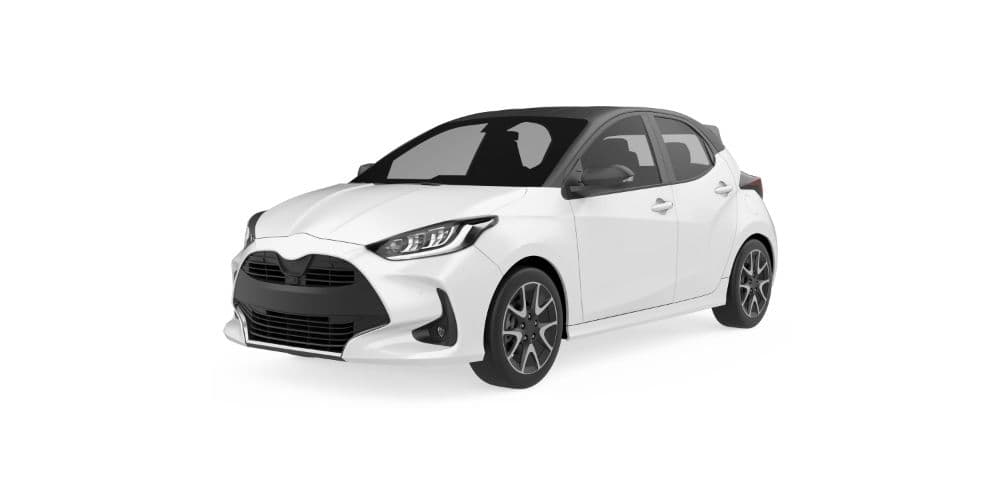
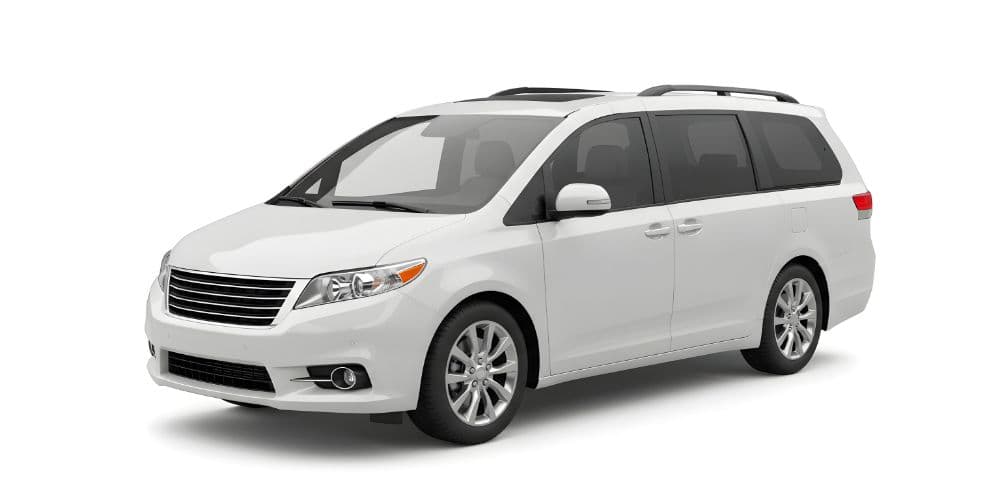
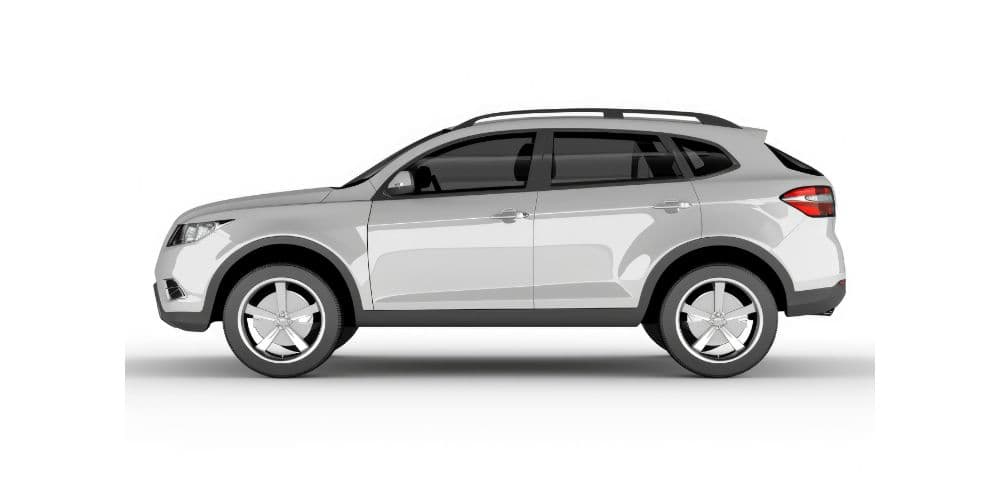
Our Most Popular Vehicles

Frequently Asked Questions
Salt Lake City International Airport (SLC) is the closest and best airport for Park City. It’s about 33–37 miles away, roughly a 40-minute drive in normal conditions. There are no commercial airports in Park City itself. SLC handles dozens of nonstop flights from across the U.S. and abroad, so it’s easy to reach. (Some private charter flights use the smaller Heber City Airport about 20 miles away, but that’s only if you’re flying private.) If you’re attending Sundance, plan to fly into SLC for the smoothest trip.
You have three main options: drive yourself in a rental car, take a shuttle, or use a rideshare service. Driving yourself means renting a car or van at SLC’s rental center and heading east on I-80 to Park City (about a 40-50 minute drive). This is great if you want flexibility or have a group just be prepared for winter driving. Shuttles are plentiful during Sundance: you can book a shared van shuttle (around $50-$70 per person) or a private car/shuttle (around $150-$300 one-way for a group) to take you directly to your lodging. Many visitors love the shuttle option to avoid driving; just reserve in advance. Uber and Lyft also operate from SLC Airport to Park City fares typically range from $80 to $120 each way in normal conditions. Rideshare can work for 2-3 people, but during Sundance demand is high and prices can surge (plus you’ll need to ensure your driver is willing to go up Parley’s Canyon in winter). In summary: for convenience and if you don’t mind driving, rent a vehicle; if you prefer to relax, book a shuttle; and rideshare is a backup if you’re lucky to find one.
It’s strongly recommended. While not absolutely required every single day, winter storms in Utah can be intense. All-wheel drive (AWD) or 4-wheel drive (4WD) will make your life a lot easier (and safer) on mountain roads. In fact, during heavy snow Utah authorities can require vehicles on I-80 and other routes to have 4WD or use chains. If you rent a car, aim for an SUV or crossover with AWD most rental agencies in SLC stock plenty specifically because visitors need them for ski trips. If you end up with a 2-wheel drive vehicle, carry tire chains and know how to put them on, just in case. Also, slow down and give extra space even with AWD, you can slip on ice if you’re speeding. Locals also suggest keeping an ice scraper and even a small shovel in the car (you can acquire those at a gas station) in case your car gets snowed in. The roads to Park City are well-maintained, but yes, a 4×4/AWD with all-season or winter tires is highly advised in January.
Salt Lake City is the go-to backup for many Sundance attendees. It’s about a 45-minute drive from Park City and has a large selection of hotels (often at more reasonable prices). Downtown Salt Lake or the Sugar House area are popular choices you’ll have an easier time finding availability there when Park City is sold out. Plus, Sundance screens films in Salt Lake City theaters as well, so you could catch some festival action in SLC itself and then commute to Park City on the days you have tickets there. If not Salt Lake, look at Kimball Junction (a suburb 15 minutes from Park City with a few hotels and a shuttle connection to town) or Midway/Heber City (~30 minutes away, with a couple of resorts and inns). These are closer than Salt Lake but smaller, so limited options. Wherever you stay, try to book early lodging for Sundance can be 100% full months in advance. If all else fails and you’re adventurous, some folks even stay in Ogden or Provo (each about 1 hour+ away) or at ski resorts in Big Cottonwood Canyon, but that will significantly increase your daily driving. Salt Lake City is the easiest alternative by far for a daily commute.
Yes in fact it’s often easier without a car. Park City during Sundance has a well-coordinated system of free shuttles and buses connecting all the festival venues, theaters, and key locations. You can absolutely park your car (or not have one at all) and still get everywhere you need to go. The city’s transit service runs from early morning until late night (some routes until 2 AM) during the festival, so you can catch those midnight screenings and still get home. Many visitors find it convenient to stay near a shuttle stop and use the buses rather than dealing with parking. Additionally, Main Street the central hub is closed to public cars part of the time, so walking and shuttles are the way to access it. If you do need point-to-point transport, you might find pedicabs on Main Street or can try Uber within town, but be prepared for possible waits. Overall, plan to ride the Sundance shuttles, wear warm boots, and you’ll be fine without a car for getting around Park City itself.
Park City implements special traffic patterns and parking rules to manage the festival crowds. A few key things to know: Main Street is pedestrian-only (no cars) during peak festival days/times, so you cannot drive through or park on Main Street. Residential streets near venues require permits for access don’t try to shortcut through neighborhoods, as police will be checking permits and directing traffic back to main roads. Public parking in the downtown area is largely paid or permit-only throughout the event. The big China Bridge garage, for example, will charge event rates and often fills up early. Absolutely no overnight parking is allowed on streets or public lots (vehicles will be towed to allow snow plows through in the early morning hours). Your best bet if you have a car is to use park-and-ride lots like Richardson Flat and take a shuttle in, or if you’re staying in town, leave your car at your hotel and walk/bus. Also, watch for temporary one-way designations some roads like Park Avenue may become one-way during the festival to improve flow. The city usually hands out a “Sundance Community Guide” or posts signs with all these rules. As long as you follow the marked signs and use the shuttles, you’ll be able to navigate without too much trouble. And always give yourself a bit of extra time, because traffic can be slow, especially at the start and end of each film screening when everyone’s on the move.