Tomorrowland 2026 Travel Guide: Plan Your Boom, Belgium Festival Trip
TL;DR: Tomorrowland 2026 in Boom, Belgium spans two epic weekends (July 17–19 & 24–26). This guide covers essential festival info, how to get there (nearest airports like Brussels and Amsterdam, plus transit vs. driving tips), renting vans/SUVs for groups, and strategies whether you’re camping on-site or staying offsite. We also highlight fun Belgian side trips (Antwerp, Bruges, etc.) to round out your festival journey.
Tomorrowland 2026 Travel Guide: Plan Your Boom, Belgium Festival Trip
Tomorrowland 2026: Key Festival Details
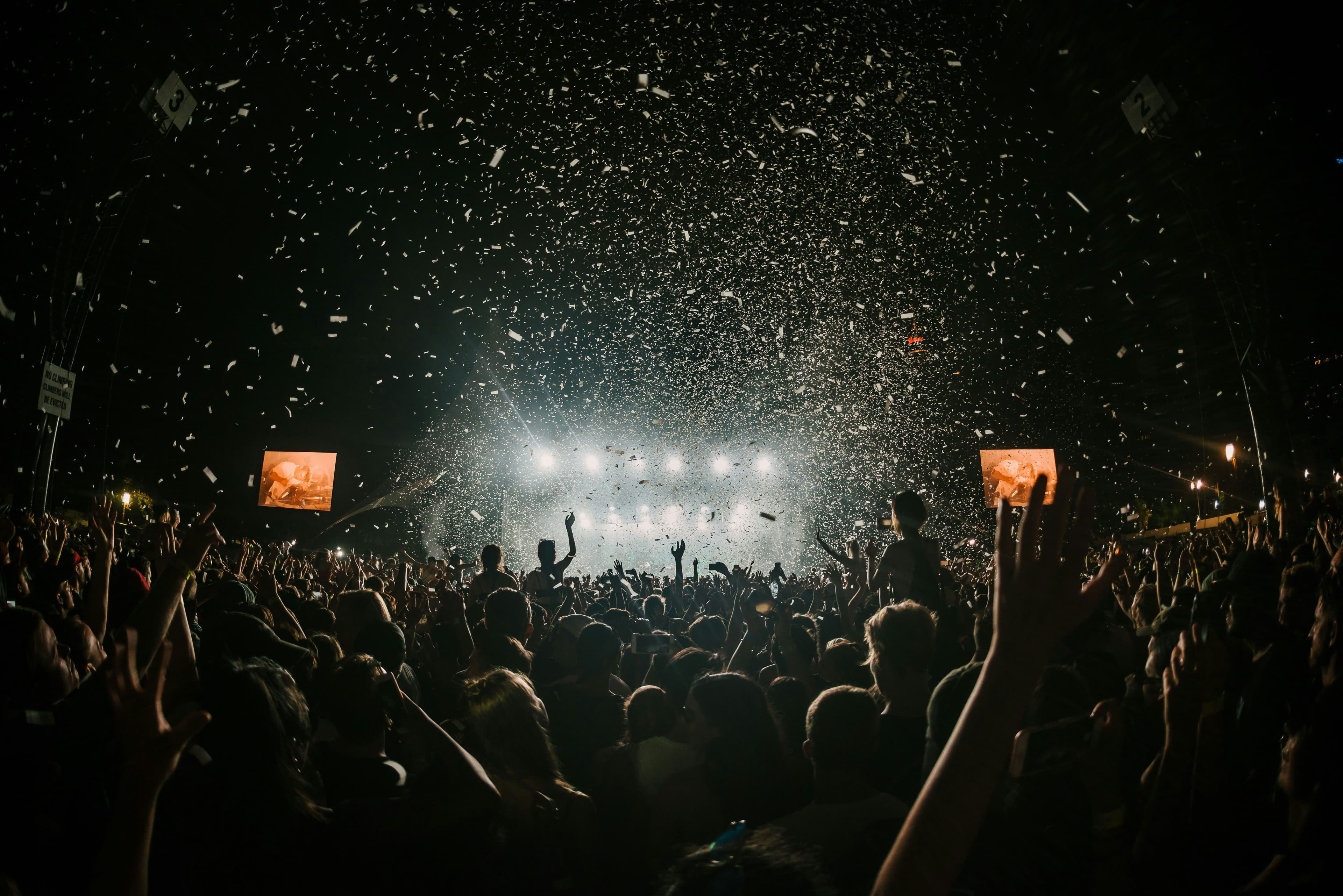
Tomorrowland 2026 returns to Boom, Belgium for two weekends of music and magic.
Tomorrowland, one of the world’s largest EDM festivals, takes place at the scenic De Schorre recreation area in Boom, Belgium, roughly midway between Brussels and Antwerp. The 2026 flagship festival will unfold over two weekends July 17–19 and July 24–26, 2026. Each year, Tomorrowland draws a massive international crowd (around 400,000 People of Tomorrow from 200+ countries) across its two weekends. Expect 16+ stages of electronic music, incredible themed stage designs, and an atmosphere celebrating unity and diversity. Tickets sell out in minutes, so if you haven’t secured yours, plan early! In addition to the festival itself, DreamVille (Tomorrowland’s official campsite) offers a range of camping options next to the festival grounds for those who want to stay in the heart of the action.
Location: Boom is a small town in Flanders, Belgium. During Tomorrowland, it transforms into a global party hotspot. The site is about 20 km (12 miles) south of Antwerp and 30 km (19 miles) north of Brussels, making both cities convenient bases. Boom’s De Schorre park turns into a fairy-tale festival ground filled with elaborate décor, fireworks, and performers. Keep in mind Belgium’s summer weather can be variable (pleasantly warm days but cooler, possibly rainy nights), so pack accordingly and bring good footwear for walking the large festival site.
Getting to Tomorrowland: Airports & Flights
Most international travelers will fly into Belgium or a nearby European hub, then make their way to Boom. Here are the most popular airport options:
- Brussels Airport (BRU) The primary international gateway, about a 30–40 minute drive or shuttle ride from Boom. This is the closest major airport to Tomorrowland. Dozens of airlines fly into BRU, including direct flights from the U.S. and worldwide. From BRU, you can reach central Brussels by train in 20 minutes if you plan to stay in the city, or head directly to Boom via car/shuttle. (Brussels Airport is 24 minutes by car from Boom in light traffic.)
- Amsterdam Schiphol (AMS) A major European hub in the Netherlands, often used by U.S. travelers for its many direct flights. AMS is roughly 2 hours from Boom by car or about the same by high-speed train (Amsterdam to Antwerp/Brussels, then to Boom). If you find a cheaper or direct flight into Amsterdam, you can land there and connect to Belgium easily. Many Tomorrowland visitors turn this into a chance to explore Amsterdam before or after the festival. Rental cars are available at AMS, or you can take a train from Schiphol to Antwerp (around 1h 15m) and then a local train to Boom.
- Brussels South Charleroi (CRL) A secondary airport about 90 minutes away from Boom. Charleroi is used by several low-cost carriers (like Ryanair and Wizz Air). It’s farther from the festival (located south of Brussels), but if you find a good budget flight to CRL, you can take a shuttle or bus to Brussels Midi station (~1 hour) and then connect to Boom. Plan for a longer transfer, but it’s a viable option for cost-conscious travelers coming from within Europe.
- Antwerp International (ANR) A small regional airport just 40 minutes from Boom by car. Flight options are limited (mostly intra-European or private flights), but if you happen to arrive via Antwerp’s airport, it’s very convenient to reach Tomorrowland from there. Antwerp’s city center is only 16 km from Boom, so even a taxi or rideshare from ANR is relatively quick.
Travel Tip: Because Tomorrowland is in the heart of Western Europe, you could also fly into Paris (CDG) or London and take a high-speed train or short flight to Belgium. Paris is about 2 hours from Brussels by train. In fact, Tomorrowland sometimes arranges a special Party Train from cities like Paris for festival-goers. If you’re already touring Europe, Brussels is well-connected by train (Thalys/Eurostar) to neighboring countries. Just ensure your arrival in Belgium gives you enough buffer time before the festival starts (e.g. arrive the day before) to account for any delays.
From the Airport to Boom: Driving vs. Public Transit
Once you’ve arrived in Belgium (or the Netherlands), you need to get to Boom. The distance isn’t great only about 30 km from Brussels, or 20 km from Antwerp but you should plan your transport in advance due to the influx of festival visitors. Here’s a breakdown of driving versus public transportation:
- Driving to Tomorrowland: Renting a car or van gives you maximum flexibility. The drive from Brussels to Boom takes about 30–40 minutes (can be slightly more with traffic), and from Antwerp to Boom as little as 20–30 minutes. Highways in Belgium are well-maintained, and Boom is easily reached via the E19 highway (exit at Rumst or Boom). Parking is available in official Tomorrowland lots near the festival and DreamVille (expect to purchase a parking pass, roughly €35–€40 for the weekend). If you’re traveling with friends, driving in one vehicle keeps everyone together and on your own schedule. Crucially, after the festival each night, having a car means you can leave when you want a big plus since the music runs past midnight. Many trains or buses won’t be running in the wee hours, whereas a car lets you get back to your hotel or campground without hassle at 2 AM. Do designate a sober driver if you’ll be enjoying the party, or plan to wait until you’re good to drive. Also note that Belgian law requires a reflective safety vest and warning triangle in every car (rental cars will have these). Driving in Belgium is on the right-hand side (same as the U.S.), and speed limits are in km/h (120 km/h on highways, ~75 mph). If you’re comfortable driving abroad, it can be the most convenient option especially for groups or if you plan to explore beyond the festival.
- Public Transportation: Belgium has excellent public transit, and Tomorrowland coordinates with local transit for the event. On regular days, you can take a train to Boom from Brussels (usually via a transfer in Mechelen) or from Antwerp, and then a local shuttle bus from Boom’s station to the festival site. The train from Brussels to Boom typically takes about 1–1.5 hours (with a connection), and from Antwerp to Boom around 40–60 minutes. During Tomorrowland, extra trains and buses are often laid on. There are usually free shuttle buses between Boom train station and the Tomorrowland/DreamVille entrances on festival days. This means you can feasibly get from central Brussels or Antwerp to the festival entirely by public transit. However, note: Tomorrowland’s party goes late. Headline sets can end around 1 AM, and if you stay until closing, regular trains will have stopped for the night. Festival organizers do offer official shuttle buses to cities like Brussels and Antwerp after the show (for those with shuttle tickets), but you must reserve these in advance and be prepared for lines. Taxis or ride-shares from Boom at 2 AM will be scarce and expensive due to surge demand. In short, public transit is great for getting to Tomorrowland at the start of the day, but coming back after midnight can be tricky. If you plan to stay offsite and rely on trains/buses, either leave a bit early (sacrificing the finale) or secure a shuttle. Many veteran attendees recommend staying in Antwerp or Brussels and using the official Tomorrowland shuttle buses, which depart around noon to the festival and return around 1 AM. These shuttles simplify the commute if you’re not driving.
Bottom line: If you’re camping in DreamVille, you’ll likely only need transport for arrival and departure (you won’t be driving in/out each day). In that case, public transit or a single airport transfer can work well. But if you’re staying in a hotel or rental offsite, especially in a group, a rental car/van offers freedom to come and go on your schedule vital given Tomorrowland’s late hours and the limited late-night transit. Many groups choose to rent a van at the airport, drive to their lodging to drop bags, then head to Boom. Others take the train and then a short taxi from Boom station to their accommodations. Consider your group size, budget, and comfort both options can work, but driving gives more control while transit requires a bit more planning around timetables.
Renting a Car or Van: Best Options for Festival Groups
If you decide to drive, picking the right vehicle is key especially for groups with luggage and camping gear. Rental cars are readily available at Brussels and other airports (and cities), but at Tomorrowland you’ll see vans and minibuses everywhere, and for good reason. Here are some vehicle options and tips:
- Minivans (7–8 Seats): Ideal for families or smaller friend groups (up to 6–8 people). A minivan offers three rows of seating and flexible cargo space for bags or tents. Models like the Chrysler Pacifica or Toyota Sienna (in Europe, possibly VW Sharan or similar) can fit a surprising amount of gear. Pros: Easier to drive and park than a full-size van, better fuel economy, and sliding doors for easy loading. Cons: Tight fit if you truly have 7–8 adults plus lots of luggage (you might need a rooftop box or to pack light). If your group is on the upper end of its capacity with camping gear, you might be more comfortable sizing up to a passenger van. Prices for minivans in Belgium might start around €90–€100 per day in peak summer, but splitting that among the group is reasonable. Pro tip: Book automatic transmission early if you need it many European rentals are manual by default.
- 12-Passenger Vans: Great for medium-sized groups (8–12 people) or smaller groups with extra luggage or costumes. Examples include Ford Transit 12-passenger or Mercedes Sprinter small bus. These vans typically have four rows (3 bench rows + front seats) and some dedicated trunk space. Pros: Keeps everyone together one vehicle, one parking fee, one driver and plenty of room to stretch out. As one rental guide notes, it’s often better (and cheaper per person) to split the cost of one big van rather than multiple smaller cars. There’s still decent luggage room, especially if not every seat is filled (you can always fold or leave an empty back row for bags). Cons: Larger vehicle to handle though anyone used to driving an SUV or pickup should adapt quickly. No special license is required in Belgium, just be aware of height/width if driving on narrow city streets. Fuel usage will be higher than a minivan (think ~15 mpg). If you have a big crew, a 12-seater is often the sweet spot for Tomorrowland, balancing capacity and maneuverability.
- 15-Passenger Vans: The biggest option perfect for very large groups (13–15 people) coming together, such as multiple friend groups or a tour group. These have four bench rows and can seat up to 15 (including driver). Pros: Maximum capacity everyone in one ride, truly the party bus! This simplifies coordination hugely, as your entire squad arrives at the gate together. It’s also potentially cost-effective; per person, a large van can be cheaper than several cars (and more fun). Cons: Limited cargo space when full with all seats in, trunk space might only hold a few large bags. Often groups renting 15-seaters will remove the last row to make room for luggage (check with your rental provider if this is allowed). Driving a 15-passenger van is a bit more of a challenge; it’s longer and heavier, so you need to brake earlier and swing wider on turns. If you’re not used to big vans, consider sticking to a 9- or 12-seater. Also, availability in Europe might be more limited book well in advance. But if you want to keep a big crew together, it’s the only one-vehicle solution. (Note: Some rental companies in Europe might classify a 15-seater as a “minibus” ensure you understand any road or parking regulations for buses, though generally you’re fine if it’s for personal use.)
- SUVs and Cars: If you’re a solo traveler or couple heading to Tomorrowland, a standard car or SUV might suffice. A midsize SUV (think Toyota RAV4 or similar) can be a good compromise, seating 5 and having decent cargo room great if you have camping gear but don’t need a full van. SUVs also handle well on any dirt parking lots at the festival. For 2–4 people with minimal luggage, a compact car or sedan will be the cheapest option (and easiest on fuel). However, many festival-goers find that after picking up friends, luggage, camping supplies, etc., a regular car gets cramped quickly. If in doubt, size up. Remember, you can use empty seats for storage if you have a larger vehicle than needed. One or two people might find an SUV overkill if not camping (shuttles or public transit could work better), but if you want freedom to explore Belgium after the festival, renting even a small car makes day trips a breeze.
Booking Tips: Reserve your vehicle as early as possible, as demand around festival dates will be high large vans in particular can sell out. Ensure you have any necessary documents: U.S. driver’s licenses are valid in Belgium, but it’s recommended to also carry an International Driving Permit (easy to obtain from AAA) just in case. Check the rental company’s policy on cross-border travel if you plan to pick up in one country and drop in another (one-way rentals in Europe often incur fees). For instance, you could fly into Amsterdam, rent a car, and drop it in Belgium, but expect a surcharge for the one-way convenience. Compare prices on a reliable platform for example, Airport Van Rental’s site lets you see deals from major brands in one search, with all taxes and fees included up front. That transparency means no surprises at pick-up, and you can filter for automatics or specific sizes easily. Lastly, don’t forget to add any extras you need (GPS, car chargers, etc.), and consider travel insurance that covers rental cars.
Group Travel Strategies: Camping vs. Staying Offsite
Tomorrowland is often a group adventure whether you’re going with a big crew of friends or meeting up with a travel group on-site. Here are some tips to coordinate and make the most of group travel:
- Plan Your Arrival Together: If you’re coming from different places, try to rendezvous in one city (for example, everyone meet in Brussels by Thursday) so you can travel to Boom as a unit. This makes things like van rentals and check-in smoother. Many groups choose to arrive a day early and stay in Brussels or Antwerp on Thursday, then head to Boom together Friday morning (or Thursday if camping for The Gathering pre-party). If you’ve rented a van, designate a clear meeting point at the airport or city center to load everyone up. By traveling in one vehicle, you avoid the headache of coordinating multiple cars everyone arrives at the same time and no one gets lost (plus you only pay for one parking pass and one tank of gas instead of several).
- If You’re Camping (DreamVille):Camping at Tomorrowland is an adventure in itself, and it requires some extra logistics for a group. Pack smart divide bulky gear among group members (one brings a large tent, another a canopy, others bring cooking equipment, etc.) so you don’t double-up on items. Renting a roomy van can be a lifesaver here; you can fill it with camping supplies (inflatable mattresses, coolers, folding chairs) that might be hard to carry on a plane, and it gives you a secure place to stash valuables during transit. Aim to arrive at DreamVille early on Thursday when campsites open, so your group can snag a good spot together. The campsite is huge; having a central meeting point (like a flag or distinctive tent decoration) helps everyone find their way back to base. If your group is large, consider Tomorrowland’s Friendship Garden option it’s a pre-reserved camping plot for 10 friends, ensuring you can all camp side by side. Once camp is set up, a single car likely isn’t needed until departure, so you can park it in the DreamVille lot and forget about it until Monday. Just remember where you parked take a photo of the lot section. One more tip: organize a group checklist before the trip (one of you brings a portable speaker, someone brings a first-aid kit, etc.) so you have all essentials on site.
- If You’re Staying Offsite: Not everyone wants to camp Tomorrowland’s nearby hotels in Antwerp, Mechelen or Brussels are popular, as are Airbnb rentals. For groups in offsite lodging, communication and transport are key. Decide on a daily meetup time and place e.g. “Lobby at 11 AM” or “we leave the Airbnb by 11:30 to catch the shuttle.” If you have a rental van, allocate a bit of extra time each day for traffic and parking at Boom (traffic can back up during peak arrival hours). It might be wise to depart for the festival early afternoon rather than last-minute, to avoid long queues entering the parking areas. At night, have a plan for departure: pick a meeting spot inside the festival (like a particular food stall or landmark) to regroup before walking to the car. With tens of thousands of people exiting at once, cell service can be spotty, so a pre-agreed meet point helps. If using Tomorrowland’s city shuttles, make sure everyone in your group has their shuttle pass and know the pickup zone and time. And consider the “buddy system” leaving no person behind. It’s easy to lose people in the crowd, so pair up or use group chats to check in when heading back. Lastly, stay flexible and patient herding a group of exhilarated, exhausted festival-goers is like herding cats. A bit of humor and understanding goes a long way! The goal is for everyone to get home safe each night, so even if one friend wants to leave earlier or another wants to stay later, ensure no one is stranded alone.
- Split Responsibilities: For group travel, it helps to assign roles. Maybe one person handles the driving and navigation, another is in charge of stocking the van with water and snacks, another keeps track of tickets and parking passes, etc. If you’re driving into DreamVille, note that there are specific check-in procedures (you’ll need to have your Tomorrowland bracelets picked up or mailed in advance, and you’ll get a car sticker for the parking). Read the festival’s guide sent to ticket holders so you have the required documents ready (parking pass, camping confirmation, ID, etc.). Dividing tasks (and costs) prevents burnout on any one “group leader.” It also makes things efficient e.g., while one of you refuels the van, another can run into a store for last-minute supplies. Teamwork makes the dream work, and that’s true for the DreamVille crew too!
- Global Journey & Package Tours: If all of the above sounds complicated, Tomorrowland offers Global Journey packages which bundle travel and lodging these can include charter flights, trains, or buses that are full of fellow festival-goers. They’re pricey, but very convenient (and a fun way to meet people). Some groups opt for Global Journey to remove the stress of planning for example, you could all book the same party flight from NYC or the Tomorrowland party train from Amsterdam. The Global Journey packages also include hotel options. If you went this route, much of your transport would be sorted by Tomorrowland. Still, many travelers find that organizing independently (and renting a vehicle) can be cheaper and allows more freedom to explore beyond the festival. Weigh the cost vs benefit for your group. Even if you don’t do an official package, you’ll find plenty of camaraderie among the “People of Tomorrow” on whatever plane or train you take the person next to you might just be wearing a Tomorrowland bracelet too!
Beyond Tomorrowland: Exploring Belgium and Beyond
One of the perks of flying to Europe for Tomorrowland is the opportunity to turn your trip into a broader vacation. Belgium is a beautiful country with historic cities and cultural sites just a short drive or train ride away. If you have extra time either between the two Tomorrowland weekends or before/after the festival consider these regional side trips:
- Brussels:Belgium’s capital is a must-see, only about a 30-minute drive or 45-minute train from Boom. Explore the stunning Grand Place, a UNESCO World Heritage square surrounded by ornate guildhalls it’s even more magical when illuminated at night. Don’t miss grabbing a waffle or some famous Belgian fries in the surrounding streets. Brussels offers a lot: the Atomium (futuristic steel atom structure from 1958 Expo), the European Union quarter, and countless museums (Magritte Museum for art lovers, or the Belgian Comic Strip Center for Tintin fans). It’s also a great city for beer and chocolate tasting. If you’re flying in/out of BRU, spending a day in Brussels is easy and highly recommended.
- Antwerp: Just 16 km north of Boom, Antwerp is Belgium’s second-largest city and can be reached in under 30 minutes. Known as the Diamond Capital and a fashion hub, Antwerp blends medieval charm with modern cool. Check out the Cathedral of Our Lady and the historic Grote Markt square with its golden statues and city hall. Antwerp’s Central Station is itself a gorgeous landmark often called the “Railway Cathedral”. The city has a thriving arts and design scene expect impressive Gothic architecture, world-class museums, and a trendy cafe culture. Don’t forget to try Belgian beers at a cozy bar; Antwerp has some of the best. For a quick outing, this city is close enough that some Tomorrowland attendees even stay in Antwerp hotels for convenience.
- Bruges: If you have a free day, Bruges (Brugge) is absolutely worth the 1.5-hour trip from Boom. This fairy-tale medieval town is often called the “Venice of the North” for its winding canals and cobbled streets. The entire historic center is a UNESCO World Heritage site, full of well-preserved Gothic buildings and charming bridges. Take a boat tour on the canals, climb the Belfry Tower for a panoramic view, and indulge in some of Europe’s best chocolate and Belgian waffles. Bruges feels like stepping back in time an enchanting contrast to the ultra-modern vibe of Tomorrowland. It’s about 100 km from Boom; you can drive (approx. 1h15m) or take a train (around 2 hours with a transfer). If you only have one extra day in Belgium, many would pick Bruges for its unique atmosphere.
- Ghent: Another medieval gem, Ghent lies roughly on the way to Bruges (about 60 km west of Boom). Ghent is often less touristy than Bruges but equally rich in history with a lively student population giving it a fun energy. Marvel at the Gravensteen castle right in the city center, visit St. Bavo’s Cathedral to see the famous Ghent Altarpiece, and stroll the picturesque Graslei harbor. At night, Ghent’s buildings are artfully lit, creating a beautiful ambiance along the canals. You can reach Ghent in about 50 minutes by car from Boom, or 1 hour by train. It makes a great half-day stop if you’re en route to Bruges or the coast.
- Beyond Belgium: With your rental car or via Europe’s rail network, the possibilities are endless. Amsterdam is only ~2 hours away, so you could easily spend a day or two there (canals, museums, nightlife) either before or after Tomorrowland. Paris is ~3 hours by Thalys train feasible if you’re extending your trip (imagine finishing the festival and celebrating in Paris!). Even London is just a 2-hour train from Brussels (via Eurostar under the Channel). For those doing both Tomorrowland weekends, these mid-week trips are popular. Many festival-goers spend Monday to Thursday recharging by sightseeing: one year you might find yourself enjoying a quiet Wednesday afternoon at a Bruges café or taking photos by the Eiffel Tower, a perfect contrast to the intense weekend of dancing.
When planning side trips, keep in mind you’ll be tired after the festival a relaxed city stroll or a beach day might be more appealing than a jam-packed schedule. If you have a car, make sure your rental agreement allows you to drive it to neighboring countries (most do within the EU, but double-check). Also consider storage: if you have camping gear, you may want to drop it off at a hotel or locker in Brussels while you travel light to other cities.
Lastly, don’t forget to enjoy Belgium’s cuisine during your travels. Try some frites (fries) with mayo, sample a variety of Belgian beers (Trappist ales like Westmalle or an amber Leffe), and taste moules-frites (mussels) if in season. And of course, chocolate and speculoos cookies make great souvenirs. The days before or after Tomorrowland can be as memorable as the festival itself it’s all about balance. After raving to EDM for three days straight, unwinding on a gentle canal cruise in Bruges or exploring Antwerp’s art museums can be the perfect way to cap off your trip.
Our Most Popular Vehicles