
World Baseball Classic 2026 Travel & Rental Guide: Miami and Houston
TL;DR: World Baseball Classic 2026 is coming to Miami and Houston (March 5–17, 2026), drawing fans from across the globe. Games will be hosted at loanDepot park in Miami and Minute Maid Park (renamed Daikin Park) in Houston. Fly into Miami International (MIA) or Houston Intercontinental (IAH) for easiest access. Renting a car or van is highly recommended it keeps groups together and beats relying on limited public transit. loanDepot park is just ~5 miles from MIA (15 minutes drive), and Daikin Park is ~20 miles from IAH (~30 minutes). Both stadiums have ample parking, but expect traffic on game days and arrive early. In downtime, explore Miami’s vibrant neighborhoods (Little Havana, South Beach, Wynwood) and Houston’s attractions (NASA’s Space Center, Museum District, Texan BBQ joints). Below, we break down event details, travel tips, rental car advice for solo travelers vs. groups, airport info, driving distances, parking, and the best things to do in each city so you can focus on enjoying the WBC action instead of worrying about logistics!
Event Overview: WBC 2026 in Miami & Houston
The 2026 World Baseball Classic (WBC) is an international baseball tournament featuring 20 national teams, scheduled from March 5 to 17, 2026. Four cities worldwide will host pool-play games: Miami (USA), Houston (USA), San Juan (Puerto Rico), and Tokyo (Japan). Miami and Houston are the two U.S. host cities, and they’ll see some of the tournament’s biggest moments. Miami’s loanDepot park will host all Pool D games (featuring teams like Dominican Republic and Venezuela) as well as the semifinals and championship final. Houston’s Minute Maid Park recently renamed Daikin Park will host all Pool B games (featuring Team USA, Mexico, Great Britain, Italy and Brazil) and one of the quarterfinals. Japan enters as the defending champion from 2023, and huge crowds of international fans are expected. In fact, the last WBC in 2023 drew record attendance in Miami over 470,000 fans across 15 games so expect energetic, full-capacity crowds this time as well.
- loanDepot park in Miami (shown here during a packed 2024 event) will host Pool D and all knockout games (semifinals & final) of WBC 2026. The modern retractable-roof stadium can seat about 36,700 fans and lies in Miami’s Little Havana district. With heavy Latin American representation on the field, Miami’s WBC games should have a vibrant atmosphere the 2023 WBC games in Miami set attendance records. Travelers should plan transportation ahead, as the surrounding streets will be bustling with baseball fans from around the world.
- Daikin Park (formerly Minute Maid Park) in downtown Houston will host Pool B games and a quarterfinal of WBC 2026. This retractable-roof ballpark holds about 41,000 fans and is known for its train and short left-field porch. It’s centrally located, with an estimated 25,000 parking spots within walking distance. Expect large, enthusiastic crowds here too especially when Team USA or Mexico play so give yourself extra time for traffic and parking on game days.
International flavor: The WBC is truly global expect passionate fans from Latin America, Asia, and beyond to flood Miami and Houston. Miami’s games will likely feel like home turf for Caribbean and Latin American fanbases (Dominican Republic, Venezuela, Puerto Rico, etc.), given South Florida’s strong Latin culture. Houston’s games will draw many USA and Mexico supporters and expatriate communities. Announcements and fan events may be bilingual (English/Spanish) in Miami, and you’ll hear a mix of languages in the stands. The energy will be comparable to a World Cup so be ready for drums, chants, and flags from around the world! In practical terms, this means flights and hotels will book up early (especially in Miami, which also hosts the final). Aim to lock in your travel plans as soon as you can the WBC is March 2026, right at spring break and peak travel season in these cities. Below we’ll dive into how to get there, get around, where to stay and park, and what to do between games in Miami and Houston.
Miami Travel Tips (Airport, Driving & Parking)
Flying into Miami for WBC 2026
If you’re headed to WBC games in Miami, your best bet is to fly into Miami International Airport (MIA). MIA is the city’s primary airport and conveniently “a mere five miles from loanDepot Park, with Highway FL-836 providing a straight shot between the two”. Driving distance: about 5–8 miles, usually under 15 minutes drive with no traffic. This proximity means you can land and be at your hotel or the stadium quickly. MIA is a major international hub with tons of nonstop flights, so fans from Latin America, East Asia, and Europe can likely get direct flights. (In fact, many Latin American fans will find themselves on full flights headed to Miami the city will be buzzing with baseball tourists!) Just plan for some congestion at MIA it’s a busy airport, so allow extra time for baggage and rental car pickup, especially if you arrive close to game day.
Alternate airport: If you find a significantly cheaper flight, Fort Lauderdale-Hollywood International (FLL) is about 25–30 miles north of Miami. It’s “certainly a viable option” if you plan to stay in northern Miami or Broward County. But keep in mind the drive from FLL to loanDepot park can take 35 minutes up to 1.5 hours in traffic (I-95 can be a nightmare at rush hour). FLL is a pleasant, smaller airport and sometimes has better flight deals, so it’s worth checking. Just avoid landing during weekday rush hour (3:30–6:30pm) if you have a game that evening you don’t want to be stuck on I-95 while the first pitch is thrown! Another much farther alternative is Palm Beach (PBI), but at ~70 miles away it’s generally not recommended for Miami trips.
Rental cars at MIA: Miami is very much a “car city.” You’ll likely want a vehicle unless you plan to stay right near the ballpark or rely on rideshares. MIA has a large Rental Car Center connected by free shuttle from the terminals. After claiming your bags, follow signs for the rental shuttle all the major agencies (Alamo, Avis, Budget, etc.) are housed in one facility, making pickup relatively easy. Pro tip: Book your rental in advance! WBC will create high demand, especially for larger vehicles like vans and SUVs. Reserving early can lock in a better price and guarantee you get the vehicle type you need. You can use Airport Van Rental to compare Miami car rental deals and find options at MIA or in the city. Many fans traveling as a group choose a passenger van or minivan so everyone can ride together no separate Ubers or splitting up (and it can actually save money versus multiple cars or rideshares). Note that no special license is required to drive even a 12- or 15-passenger van in Florida or anywhere in the U.S.; a standard driver’s license is sufficient (just make sure the primary renter is 25+ to avoid young driver fees).
Driving & traffic: Miami’s road network can be a little confusing for newcomers. The city has a mix of highways (expressways like FL-836, I-95) and a grid of surface streets. Traffic in Miami is comparable to other big cities it can be heavy, especially during rush hours (7–9am, 4–7pm) and around popular areas. Expect slowdowns on those causeways to Miami Beach and on I-95 through downtown. Local drivers have a bit of a reputation: Miami’s driving style is an “aggressive melting pot” of Latin American and Northeastern U.S. habits. Don’t be intimidated just stay alert, use your turn signals, and don’t take honking personally (it’s common!). A GPS app like Waze or Google Maps is essential; it will route you around accidents and give lane-by-lane guidance (helpful for some tricky highway merges). Tolls: Many Miami highways use cashless tolls (e.g. FL-836/Dolphin Expressway from the airport). If your rental car has a SunPass transponder or toll program, it’s easiest to opt into that at pickup. Otherwise, you’ll get billed by plate later (with an extra fee). Bottom line plan for some traffic, especially if you’re driving to a night game on a weekday. Give yourself plenty of time to reach the ballpark so you don’t miss first pitch.
Parking at loanDepot park: Good news parking is plentiful around the stadium. loanDepot park is in a dense urban neighborhood, but the Marlins organization has built four parking garages and six surface lots immediately adjacent to the ballpark. In total, there are thousands of spots. On WBC game days, these will fill up fast, so plan to arrive early (at least 1–2 hours before game time) to snag a spot and navigate the crowds. Parking is largely prepaid or cashless your license plate often serves as your parking pass if you purchase parking in advance. It’s a good idea to purchase a parking pass online ahead of time (check the Marlins or WBC site) so you can drive right in. Expect to pay around $20–$25 for event parking in the official garages. There are also some private lots and driveways in the area that may sell game-day parking. Traffic flow: After games, traffic will be directed one-way out of the garages, and it can be a bit slow to clear. Consider hanging out for a little while after the game (maybe celebrate the win with other fans) rather than rushing to your car, to let traffic die down. If you’d rather not drive to the stadium, rideshare (Uber/Lyft) is an option they typically use a designated pickup zone (East Lot 1 on NW 6th Street) as a geofenced area for drop-offs and pickups. Miami also has Metrorail stations about a mile away (Civic Center and Culmer) that some fans use, but you’d still have to walk ~20 minutes or catch a shuttle. In summary, driving is the most straightforward way to get to loanDepot park, just plan for a bit of congestion and follow the signs/attendants for parking when you arrive.
Miami Rental Car Options for Groups vs. Solo Travelers
For getting around Miami, renting a car gives you maximum flexibility and it’s almost essential if you plan to do any sightseeing beyond the immediate downtown. If you’re traveling solo or as a couple just for games, you could rely on rideshares or taxis, but be aware those costs add up quickly (a single Uber from South Beach to the ballpark could be $30–$50 with surge pricing). Miami’s public transit won’t get you to the beach or Everglades, etc. In the words of one travel guide: “Public transport is limited beyond the city core…Taxis and rideshares can get very expensive… a rental car gives you freedom, comfort, and value in the Magic City.”
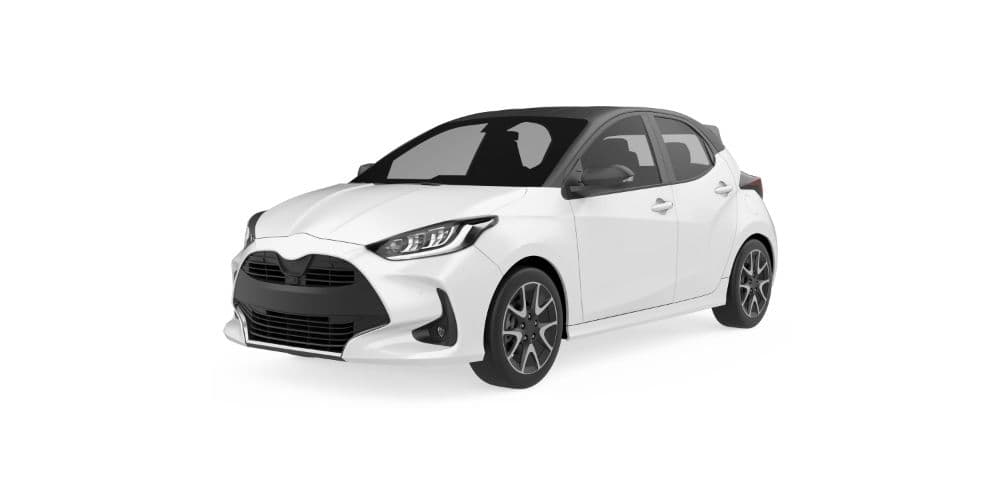
- Solo travelers / couples: A compact or economy car will do the job if it’s just one or two of you with light luggage. It’s the cheapest option, easier to park in tight spots, and fuel-efficient for zipping around Miami. If you want something sportier, convertibles are popular in Miami (imagine cruising Ocean Drive with the top down). Just note convertibles have very limited trunk space if you have a lot of gear.
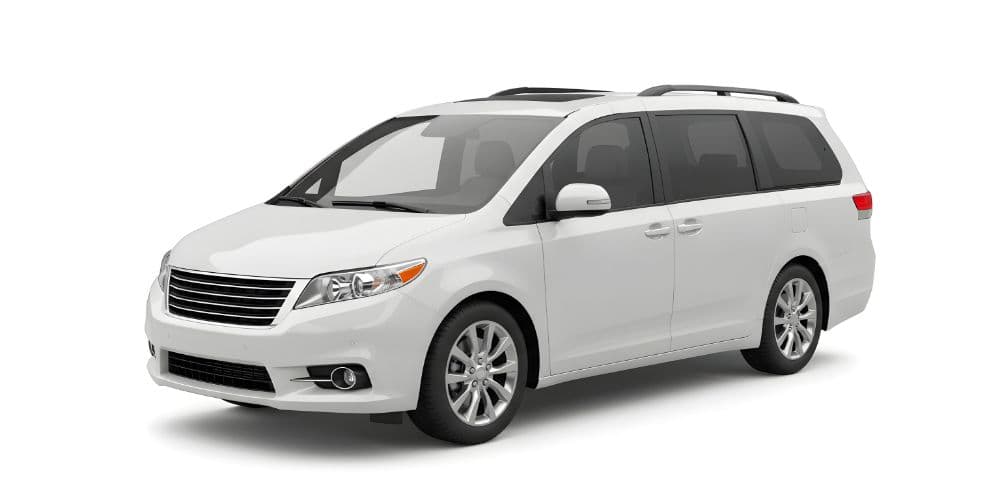
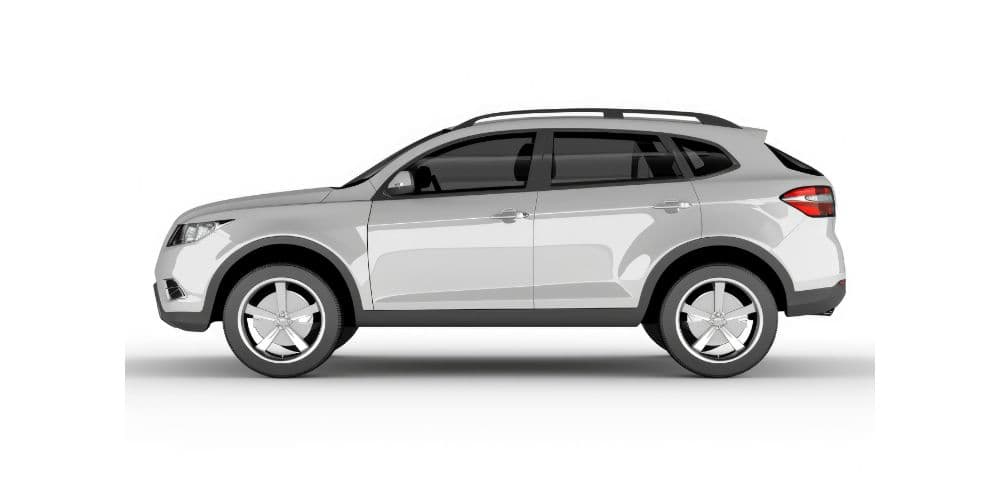
- Families / small groups (3–5 people): Consider a mid-size SUV or standard sedan if you have a moderate group, or a minivan if you’ve got a lot of luggage or want extra space. A minivan (7-8 passengers) is great for comfort and usually not much harder to drive than a car. This can be handy if you plan group outings (beach day, etc.) so everyone can ride together. Miami’s roads are wide enough and parking garages high enough to handle these vehicles generally just be mindful of height if you go to South Beach parking decks (some have low clearance).
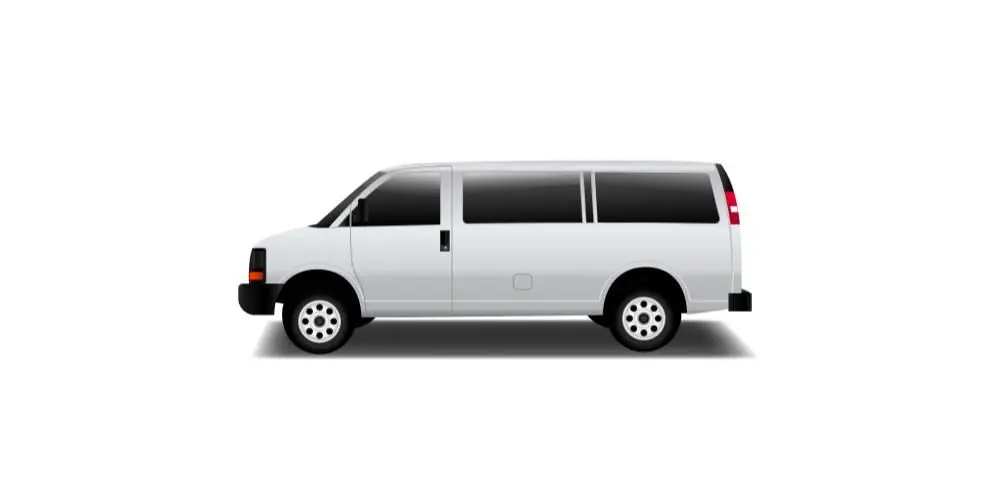
- Large groups (6–15 people): If you’ve got a whole squad traveling together (say multiple friends or an extended family coming for WBC), 12-passenger or 15-passenger vans are a fantastic option. Instead of splitting into three rental cars, you can all share one van, often saving money per person. No commercial license is needed (as noted, any driver with a normal license age 25+ can rent these). Driving a big van might feel different at first take turns slowly and remember you’re taller/longer than a normal car. But countless fans rent vans for events in Miami every year without issue. It’s basically like driving a long SUV. Parking might require using surface lots if garages have height limits (e.g., many 15-passenger Ford Transit vans are ~82 inches tall, which usually fits in garages, but double-check). The benefit is everyone arrives together and you have a “home base” on wheels to store coolers, flags, etc. A single van rental plus gas often beats the cost of 3–4 Ubers especially with surge pricing.
Tip: Book your Miami rental vehicle early, especially if you want a van. Major events can cause larger vehicles to sell out months in advance. Prices also rise as availability drops. If you reserve a few months ahead, you’re more likely to snag that 12-passenger van or SUV your group needs. Check both airport and city rental locations occasionally downtown Miami rental offices have vehicles when the airport is booked up (just factor in a taxi to go pick it up). And always compare rates Airport Van Rental’s platform lets you see multiple suppliers at once to find the best deal.
Where to Stay in Miami & Getting Around Town
Miami is a sprawling metro area, so choosing where to stay will affect your commute to the games and your nightlife options. The two main areas visitors consider are Downtown/Brickell vs. Miami Beach:
- Downtown/Brickell: Staying in downtown Miami or the Brickell neighborhood puts you closer to loanDepot park (just 2–3 miles east of the stadium). You’ll also be near the Miami River, Bayfront Park, and Brickell’s restaurants/bars. Many Brickell/downtown hotels are a 10–15 minute drive from the ballpark (or a cheap rideshare). You won’t have the beach, but you’ll have an easier time driving to games and also quick access to highways if you plan to explore South Florida. Parking at hotels here can be pricey (often $30–$45/night valet), but at least you can use the car easily. If you want to avoid driving to the beach, note that Brightline trains and MetroMover can connect downtown to some areas, and there are trolleys but overall, having a car will let you visit different neighborhoods freely.
- Miami Beach/South Beach: This is the iconic beachfront strip with art deco hotels, nightlife and sand about 7–8 miles from loanDepot park. If the beach and partying are a priority (very possible if your team wins!), staying in South Beach is a lot of fun. But remember you’ll have to cross the causeway to get to the stadium. Driving from South Beach to Little Havana can take 20–30 minutes with traffic (longer if during rush hour or weekend evenings when causeways clog up). Rideshares between South Beach and the ballpark will likely surge during WBC. So if you stay here, factor in some extra commute time. An option is to park downtown and take Metrorail or a shuttle to the stadium, to avoid game-day traffic on the causeways. But honestly, many fans will just drive early, maybe grab food in Little Havana pre-game, then park. South Beach hotels also charge resort fees and parking fees, so budget accordingly.
- Coral Gables/Coconut Grove: These areas south of downtown (about 5–7 miles from stadium) offer a more low-key vibe (tree-lined streets, local restaurants). If you find a good Airbnb or hotel deal here, you’ll have a reasonable drive to the stadium against traffic flow. Plus, you’re near attractions like Miracle Mile (Coral Gables) or the waterfront parks of Coconut Grove.
Wherever you stay, try to plan your game-day transportation. If you have a car, scout out the parking plan. If not, see if your hotel is near a Marlins Shuttle or if Brightline (if coming from Ft. Lauderdale or beyond) could work. Many downtown hotels are so close that the team might designate them as “walking hotels” for big events. Miami is used to hosting big crowds (e.g. Super Bowls, Art Basel, etc.), so you won’t be alone just anticipate that Uber prices will spike around the stadium. Carpooling or vanpooling with fellow fans can save money and be more fun.
Things to Do in Miami During WBC (Beyond Baseball)
One great perk of attending WBC in Miami is that you’re in a world-class destination with plenty to enjoy when you’re not at the ballpark. Whether you have free mornings, off-days between games, or just want to celebrate wins in the evening, Miami has something for everyone from beautiful beaches to vibrant cultural sites. Here are some top things to do and group-friendly attractions in Miami:
- Explore Little Havana: Since you’ll be in Little Havana for the games (loanDepot park is on the edge of this neighborhood), take time to soak in the culture there. Calle Ocho (SW 8th Street) is the main drag, filled with Cuban restaurants (try Versailles for classic Cuban food or Azucar for ice cream), coffee windows serving cafecitos, cigar shops, and music. It’s an ideal way to experience Miami’s dynamic Latin American culture in one place. You’ll likely encounter live salsa music or domino games at Máximo Gómez Park. During WBC, Little Havana will be buzzing with baseball fans from Latin America the atmosphere will be celebratory. Grab a Cuban sandwich or some empanadas and enjoy the scene!
- South Beach & Ocean Drive: No trip to Miami is complete without at least an afternoon on South Beach. Head over the MacArthur Causeway to South Beach to enjoy the white sand and turquoise water. March weather is typically warm (upper 70s °F / ~25°C) and sunny perfect beach conditions. Stroll Ocean Drive to see the Art Deco buildings painted in pastel hues. If you’re with a group of friends, consider renting some beach chairs or having a game of volleyball on the public nets. By night, South Beach’s clubs and cocktail bars come alive (just remember, big nights out and next-day baseball games don’t always mix well… pace yourselves!). Parking in South Beach can be tough, so you may want to rideshare or use a garage on 17th Street.
- Wynwood Walls: This artsy district is a fantastic outing for groups. Wynwood is known for its massive street murals and graffiti art at the Wynwood Walls outdoor museum, you’ll walk through one of the world’s largest open-air street art installations, full of vibrant, eclectic murals. It’s free to wander the area (the central Walls require a ticket, but plenty of art is visible for free outside too). It makes for great photo ops with your friends. Plus, Wynwood has trendy breweries and eateries perfect for a casual group dinner. Try a local craft beer at Wynwood Brewing Co. or grab tacos at Coyo Taco. It’s a nice late-afternoon or early evening activity (the murals look great just before sunset).
- Everglades Airboat Tour: Want to do something truly unique to South Florida? Take a half-day and do an Everglades safari. The Everglades National Park is about an hour’s drive west of Miami. Numerous operators offer airboat tours that zip through the “River of Grass.” You’ll see alligators, birds, and marshy sawgrass plains on a thrilling ride. As one tour company notes, Miami is uniquely bordered by two national parks (Everglades and Biscayne) and an “airboat safari is a perfect way to experience the unique vegetation and animal life” that South Florida offers. It’s an adrenaline rush (those airboats can move!) and a memorable group adventure. If you have a morning or afternoon free, it’s highly recommended. Just wear sunscreen and ear protection (airboats are loud).
- Vizcaya Museum & Gardens: For a more relaxed excursion, visit Vizcaya, a European-style historic villa in Coconut Grove known for its gorgeous bayfront gardens. It’s a nice change of pace walking the manicured gardens and touring the ornate mansion. Good for smaller groups or families. It’s also an Instagrammer’s dream if that matters to your crew.
- Miami Food Tour:Miami’s food scene is diverse and delicious. You might take a Little Havana food tour to sample Cuban cuisine (guava pastries, Cuban coffee, croquetas). Or hit up neighborhoods like Brickell or Midtown for trendy restaurants. Since you’re here for a baseball event, perhaps a stop at a classic sports bar like Sports Grill (famous for wings) or American Social on the Miami River could be fun to watch other WBC games on TV with fellow fans.
- Nightlife ideas: Beyond South Beach clubs, Miami has cool nightlife in Wynwood (arts district bars), Downtown/Brickell (rooftop lounges like Sugar, or club E11EVEN which is 24/7), and even Little Havana (Ball & Chain is a famous live music bar on Calle Ocho). Traveling with a group, you might enjoy a Latin dance night try salsa dancing at Mango’s Tropical Café or live Latin jazz at Ball & Chain. Always plan a safe ride home Uber/Lyft or a designated driver as Miami police will be out in force during big events.
In short, make the most of your time in Miami! Between WBC games, you can sunbathe on South Beach in the morning, cheer on your team in the afternoon, and celebrate with Cuban food and music at night. Miami offers a full vacation’s worth of activities even when baseball’s not on the schedule.
Houston Travel Tips (Airport, Driving & Parking)
Flying into Houston for WBC 2026
For WBC games in Houston, plan to arrive via George Bush Intercontinental Airport (IAH) if possible. IAH is Houston’s largest airport and the closest major airport to downtown. It’s about 18–20 miles north of Minute Maid (Daikin) Park, roughly a 25–30 minute drive in normal traffic. As an international hub, IAH offers many nonstop flights (including from Asia and Latin America). If you’re coming from Japan or Korea, you might even get a nonstop into Houston thanks to the WBC demand. Upon landing, you’ll find all the usual car rental agencies at IAH’s consolidated Rental Car Center (a shuttle ride from the terminals). Try to time your arrival outside of Houston’s rush hour if you can weekday mornings and late afternoons can make that 25-minute drive turn into 45+. But even in traffic, you have options (the Hardy Toll Road can be a faster route from IAH to downtown, for a small toll fee).
Alternate airport: Houston’s William P. Hobby Airport (HOU) on the south side is another option, especially for domestic travelers. Hobby is a base for Southwest Airlines, so if you’re flying within the U.S. you might land here. It’s closer to downtown only about 10–12 miles away, roughly a 15–20 minute drive in good traffic. That said, it’s smaller and mostly domestic/regional flights. If you do fly into Hobby, it’s an easy ride up I-45 to Minute Maid Park. Both airports will be busy with incoming fans; IAH will have more international crowds, whereas Hobby will be mostly U.S. travelers. Either way, book flights early because Houston will also have the massive Rodeo going on (more on that later) drawing visitors in March.
Rental cars in Houston: Like Miami, Houston is a car-centric city perhaps even more so. There’s very limited rail transit (just a few light rail lines downtown) and the city is extremely spread out. So a rental car is highly recommended unless you plan to only stay downtown and rideshare occasionally. Having your own car means you can get from your hotel to the stadium and also explore Houston’s attractions on your own schedule. At IAH, all major rental brands operate you’ll take a shuttle from the terminal to the Rental Car Center. At Hobby, rental counters are in the baggage claim area or adjacent to the terminal. Reserve ahead for Houston as well, especially if you need a larger vehicle. You can find Houston car & van rentals here comparing prices might snag you a deal (Houston generally has slightly cheaper rental rates than Miami). If you’re traveling with buddies or family, consider renting one larger vehicle rather than multiple cars it’s more fun and often more cost-effective per person (and Houston has plenty of space/parking for vans or SUVs).
Driving in Houston: Be prepared for lots of driving Houston’s metro area sprawls over 10,000 square miles! The good news is that Houston’s highways are wide and generally well-maintained. The bad news: traffic can be heavy and confusing to newcomers. The city has multiple loops (I-610, Beltway 8/Sam Houston Tollway) and spokes (I-45, I-10, I-69, etc.) converging downtown. During rush hour (7–9am and 4–7pm) expect slowdowns on all the major freeways. For example, I-45 coming in from Hobby or IAH can back up. Use GPS to navigate Houston’s freeway interchanges are complex, and a navigation app will be your best friend for lane guidance. Also, there are toll roads (Sam Houston Tollway, Hardy Toll Road, Westpark Tollway, etc.) that can save time. Most are electronic only (no cash booths). Check if your rental car offers a Texas toll tag program. If so, opting in (usually ~$3-5/day + tolls) is worth it if you’ll be hopping on tollways to avoid traffic. Otherwise, the cameras will bill the rental company who will then charge you with an extra fee. If you prefer not to use toll roads, you can set your GPS to “avoid tolls,” but sometimes that means longer drives. Downtown Houston where Daikin Park is located has a typical big-city traffic pattern: mornings inbound, evenings outbound congested. Luckily, WBC games likely start late afternoon or evening, so you might be driving against outbound rush hour when heading into downtown for an evening game. Still, plan for some delays and leave early for the ballpark, especially for the quarterfinal game which will surely draw a capacity crowd.
Parking at Daikin (Minute Maid) Park: One advantage of Houston: plenty of parking. The ballpark is downtown, but it’s on the edge of downtown with many surface lots and garages in the vicinity. In total, an estimated 25,000 parking spots are within walking distance of the stadium. This includes official stadium lots and many private lots used during Astros games. Typically, parking downtown Houston is easier and cheaper than in a city like Miami or NYC event rates might range from $20–$40 depending on proximity. The closest official lots (e.g. Diamond Lot, Lot A/B/C) may be pre-sold for WBC; check the Astros website or WBC site for parking passes. But even if those sell out, you’ll find ample parking in nearby commercial garages for example, the GRB Convention Center garage or private lots east of 59. Traffic flow: Downtown Houston’s streets around the ballpark will be directed by police on game days. It won’t be too hard to get in, especially if you arrive an hour early. After the game, expect some gridlock as ~40,000 fans depart at once. You might hang around downtown (get a late bite) to let the crowds thin. The good news: Houston’s downtown has multiple exit routes (to I-10, I-69, I-45 etc.), and traffic usually clears out within 30–45 minutes after a big event. If you’re staying downtown, you can even walk to some hotels Discovery Green park area is just a 10-minute walk from the ballpark and has several hotels around. Rideshare: Uber and Lyft operate extensively; they will have designated pickup zones near the stadium (often on Crawford Street or Avenida de las Americas by the convention center). Surge pricing will kick in post-game, so factor that in. Houston METRORail has a light rail line that stops a few blocks from the stadium (Convention District Station on the Green/Purple lines). If your hotel is along a rail line (like in Midtown, Museum District, or near NRG Park), you could conceivably take the train to the game it’s cheap ($1.25) and avoids parking altogether. Just check the schedule (trains usually run until midnight). In summary, driving is straightforward in Houston, and parking is abundant just arrive early and enjoy the downtown atmosphere (maybe grab some Texas BBQ nachos inside the park!).
Houston Rental Car Tips (Best Vehicles & Local Driving)
Renting a car in Houston is almost a must unless you’re literally just flying in and out for one game. The city’s lack of extensive public transit means a car gives you freedom to explore and attend games stress-free. A few pointers for rental choices in H-Town:
- Vehicle choice: If you’re solo or a pair, an economy car will suffice, but given Houston’s highways and the possibility of carpooling with fellow fans, you might upsize to a midsize or full-size car for comfort. Gas is relatively cheap in Texas (often below national average), so fuel cost isn’t a big issue. If you have a bigger group, Houston is built for large vehicles renting a 7-8 passenger SUV or a minivan is easy and popular. You’ll fit right in; locals drive a lot of trucks and SUVs. And of course, for the largest groups, those 12-15 passenger vans are great plenty of room for coolers, banners, and friends. Houston’s wide streets and large parking lots accommodate large vehicles with ease (no tight parallel parking like in older cities). Just remember, if you’re not used to a big vehicle, take a few practice turns. But most modern vans handle quite well (similar to a U-Haul or large SUV).
- Airports vs city rental: Picking up at IAH or HOU is convenient when you land. Sometimes, however, downtown rental locations might have lower rates (to attract business travelers). For example, you could take an Uber to a rental location in the city. But factor in hassle and Uber cost usually airport pickup is easiest for visitors. One-way rentals between Miami and Houston are technically possible (a mega road-trip!), but it’s ~1,200 miles likely not in scope for most (and drop fees would be huge).
- Driving quirks: In Houston, you can make right turns on red after stopping (standard in Texas). Watch out for the occasional crazy weather March can have sudden thunderstorms. If it’s raining hard, slow down (Houston roads can flood in spots during downpours). The city has a system of frontage roads alongside freeways handy for local access. And yes, Houston drivers love their speed keep to the right if you’re taking it easy on the highway, as folks will zip by on the left at 75+ mph even if the limit is 65. Stay calm if someone tailgates; just move over when safe.
- Gas & tolls: Fill up outside of downtown for better prices (stations in the suburbs or near the airports tend to be cheaper). If you’re using toll roads frequently (for instance, the Hardy Toll from IAH, or Beltway 8 segments), having the rental’s toll program is convenient. Otherwise, map out routes avoiding tolls. Also, note Houston has HOV lanes on some freeways that might be open to all in off-peak times they can save time if available.
Bottom line: A rental car in Houston is almost essential to make the most of your trip. As one local guide puts it, Houston’s attractions are “far and wide…With a car, you can comfortably drive anywhere…at your own pace.” Plus, after the game you can crank up the AC and avoid the humidity a blessing in Houston’s warm spring climate!
Where to Stay in Houston & Local Transportation
Houston’s vastness means you have lots of options on where to stay. For WBC at Daikin Park, many fans will choose to stay downtown to be near the stadium. Others might stay in other districts (for example, if combining their trip with Rodeo events at NRG Park, maybe near the Medical Center). Here are a few considerations:
- Downtown Houston: This is ideal for proximity Minute Maid Park is on the east side of downtown. There are numerous hotels within 0.5–1.0 mile (Marriott Marquis, Hilton Americas, Westin Downtown, etc.). Staying downtown means you could walk to the games or take a short Uber. Downtown also has attractions like Discovery Green park, the Toyota Center (if NBA Rockets are playing), and tons of restaurants. At night, parts of downtown get quiet (business district), but around Main Street and the hotel cluster there’s activity. If budget allows, downtown is most convenient. You’ll also be closer to the action if Team USA or others celebrate around the stadium.
- Med Center/Museum District: About 4–5 miles south of downtown, this area has some nice hotels (and the METRORail line). You’d be a ~15 minute drive up Main Street to the ballpark. The advantage is you’re near Hermann Park, the Zoo, and museums (good if you have family along). Also, it positions you between Minute Maid Park and NRG Park (Rodeo venue) if you plan to catch both.
- Galleria/West Loop: Some fans might stay by the Galleria (Houston’s famous shopping mall area) ~10 miles west of downtown. Hotels there are plentiful and sometimes cheaper than downtown. The downside is the commute: you’d drive in on I-69 or Westpark, which can be busy. All things equal, try to stay closer in.
- Near IAH (airport): A few might consider hotels by IAH (especially if you have an early flight). It’s about 20–25 minutes north of downtown without traffic. If you don’t mind driving, it’s okay but you’ll feel removed from the city excitement. One strategy: stay downtown for game days, then maybe move to an airport hotel the night before an early flight home.
Getting Around Houston: Outside of driving, Houston has limited public transport. The METRORail light rail has a Red Line from downtown through Midtown to the Museum District and NRG Park. If your hotel is near a station, you can use it for sightseeing (e.g. go to Museum District or even a day at the Rodeo at NRG). But it won’t help for going to IAH (no train to IAH) or many other places. Buses exist but aren’t tourist-friendly. Thus, your rental car or Uber will be primary. The city is relatively easy to navigate with GPS it’s laid out in spokes and loops. One tip: locals refer to highways by name or number interchangeably (e.g. “I-69” is also “Highway 59”, the Sam Houston Tollway is “Beltway 8”). Don’t get confused if you hear multiple terms.
Driving downtown is straightforward; the streets are a grid. Street parking downtown is mostly metered or garage but after 6 pm, some street parking is free. Keep an eye out for signage. If you want a break from driving, downtown has rentable BCycle bikes and electric scooters which can be fun to get around a few blocks (like from your hotel to a restaurant). Just helmet up and stay in bike lanes where possible.
Houston is known for its hospitality and relatively easier navigation compared to more congested cities. With a bit of planning, you’ll find getting to and from the ballpark and around town quite manageable.
Things to Do in Houston During WBC 2026
When you’re not cheering at the ballpark, Houston offers plenty of attractions and uniquely Texan experiences to enrich your trip. Here are some must-see sights and activities in Houston for visiting WBC fans:
- Space Center Houston: This is a top attraction and a hit with groups and families alike. It’s the official visitor center for NASA’s Johnson Space Center (located about 25 miles southeast of downtown in Clear Lake). “Space Center Houston captivates visitors with hands-on exhibits and insights into space exploration,” including chances to try a shuttle launch simulator and see real spacecraft. You can take a tram tour to see Mission Control and historic spacecraft like the Saturn V rocket. If you have a free half-day, it’s absolutely worth the drive. (Pro tip: If you’re a big space nerd, try to go early in the day to catch the first tram tours, which often go to the astronaut training facility or Rocket Park before crowds build up.)
- Museum District:Houston’s Museum District near Hermann Park has 19 museums, all within walking distance of each other. Two standouts: the Houston Museum of Natural Science (dinosaurs, planetarium, gems a crowd-pleaser for all ages) and the Museum of Fine Arts, Houston (MFAH) which is “a fantastic place to explore art and culture,” offering extensive galleries and even interactive tours. Many museums have free admission times on certain days. Also in the area is the Houston Zoo, which could be fun if you have kids along (or even adults feeding giraffes is pretty cool). Hermann Park itself is lovely to stroll, with a Japanese Garden and paddle boats on the lake.
- Houston Livestock Show & Rodeo: Here’s a special opportunity while you’re in town for WBC, RodeoHouston 2026 will be underway (March 2–22, 2026). This is the world’s largest livestock show and rodeo, held at NRG Park (Astrodome/NRG Stadium complex). If you have an off-day or an evening with no games, consider checking it out for a dose of true Texas culture. The Rodeo features daily concerts by big-name artists, rodeo competitions (bull riding, barrel racing), a massive carnival, and the famous BBQ cook-off. For example, on March 5, 2026 (right at the start of WBC), the rodeo concert is scheduled to be country star Russell Dickerson. Even if you’re not a country fan, the carnival and livestock shows are a fun experience (think giant ferris wheel, fried foods, and seeing prize-winning cattle). NRG Park is about a 20-minute drive from Minute Maid Park. It’s a great way to spend an afternoon or evening you can walk around the fairgrounds for the cost of a general admission ticket (around $15) if you don’t want concert seats. Where else can you watch world-class baseball one day and a rodeo the next? Only in Houston!
- Texan Food Tour (BBQ & Tex-Mex):Houston is a food mecca, especially for barbecue and Tex-Mex. Gather your friends and hit up a classic BBQ joint like Truth BBQ or The Pit Room for brisket that melts in your mouth. Or try Tex-Mex at Ninfa’s on Navigation it’s a Houston institution for fajitas and tacos. Many out-of-towners are amazed by Houston’s diverse cuisine (you can find amazing Vietnamese, Indian, Chinese food as well). But if you only have a couple meals free, make one a BBQ pilgrimage and another a Tex-Mex feast. Your taste buds will thank you. Just come hungry portions are Texas-sized!
- Buffalo Bayou & Downtown Views: If you want some fresh air, head to Buffalo Bayou Park, a green space that runs along the bayou (river) on the west edge of downtown. There are walking and biking trails with great views of the Houston skyline. You can even rent a bike or a kayak. One cool sight there is the Waugh Drive Bat Colony around sunset, you can see thousands of Mexican free-tailed bats emerge from under Waugh Drive bridge (especially March through November). It’s a natural spectacle similar to Austin’s bat bridge.
- Nightlife in Houston:Houston’s bar and nightlife scene is hopping, especially on Washington Avenue, Midtown, and in the Rice Village area. For a more laid-back time with your group, you could do a brewery crawl Houston has great craft breweries like Saint Arnold (near downtown, with a big beer garden) or Karbach. If you want to watch other WBC games or March Madness while out, check out sports bars like Little Woodrow’s or Pitch 25 (which is soccer-themed but a huge venue in EaDo near the stadium). And if you’re up for boot-scootin’, hit a country dance hall like Whiskey River or Stampede to try some two-stepping when in Texas, right?
- Shopping: The Galleria is Texas’ largest mall if people want to shop (400+ stores, an ice rink). But also consider walking Rice Village or CityCentre for open-air shopping/dining scenes which are nice for an afternoon out.
In summary, Houston has world-class attractions to keep you entertained when not at the WBC games. From getting an up-close look at NASA’s space endeavors to chowing down on Texas barbecue, you can easily fill your free time. The city’s tagline is “Houston: The City With No Limits,” and you’ll see why there’s always something to do, day or night. Plan a few activities around your baseball schedule and you’ll leave Houston with memories far beyond just the ballpark.
Our Most Popular Vehicles
Frequently Asked Questions
The 2026 WBC runs March 5–17, 2026. Games are hosted across four cities: Miami (USA), Houston (USA), San Juan (Puerto Rico), and Tokyo (Japan). Miami’s loanDepot park and Houston’s Daikin (Minute Maid) Park will host all U.S. games including pool play, some quarterfinals (both cities), the semifinals and the championship game (Miami).
For Miami games, Miami International Airport (MIA) is by far the best choice it’s only ~5–8 miles from loanDepot park (about a 15-minute drive). Fort Lauderdale (FLL) can work as an alternative (especially if flights are cheaper), but it’s ~25+ miles away and can take an hour or more in traffic. For Houston games, George Bush Intercontinental (IAH) is ideal about 20 miles from downtown/Daikin Park, with a drive of ~30 minutes. Houston’s Hobby Airport (HOU) is closer (around 10–12 miles, ~20 minutes), but mostly serves domestic flights. In short: fly into MIA and IAH if you can, since they’re the closest and most convenient airports for each city.
Renting a car is highly recommended in both Miami and Houston especially if you’re traveling as a group. While both cities have some transit, it won’t cover all your needs. Miami’s Metrorail does not reach the beach or loanDepot park directly, and Houston’s transit is limited outside downtown. Relying on rideshares for multiple days can become very expensive. A rental car gives you freedom to go from your hotel to games, to explore attractions, and to operate on your own schedule. For groups, a single van or SUV rental keeps everyone together and often costs less per person than shuttles or multiple Ubers. If you’re absolutely city-center and solo, you could try using rideshares and the occasional hotel shuttle Miami does have free trolleys in some areas, and Houston has a light rail downtown but you’ll miss out on seeing a lot. Parking is available at both stadiums and driving is the norm in these cities. In summary, unless you’re very familiar with local transit and staying adjacent to the ballparks, do yourself a favor and rent a car. “A rental car gives you freedom, comfort, and value” in these spread-out cities.
Both Miami and Houston will see heavy traffic on WBC game days, but it’s manageable with planning. In Miami, loanDepot park is in a dense neighborhood expect congested surface streets especially 1 hour before and after games. Miami’s rush-hour traffic (weekday late afternoons) could affect games on weeknights, so plan to leave early for any 7pm starts. Houston’s Daikin Park is downtown; evening games mean you’ll be driving in as many commuters are leaving still, downtown freeways will be slow. Local authorities will likely assist with traffic control. Parking: Each stadium has ample parking available. Miami has 4 garages and 6 lots right by the ballpark but they will fill up, so it’s wise to pre-book a parking pass and arrive at least 1–2 hours early to secure a spot. Houston has an estimated 25,000 parking spots within walking distance of Minute Maid Park, including official lots and downtown garages. You shouldn’t have trouble finding parking in Houston, but again, arrive early to get a spot near the stadium and to enjoy the pre-game atmosphere. After games, expect a wait as cars exit maybe 30–40 minutes of congestion. To avoid stress, some fans hang back for a bit (grab a bite or just celebrate in the stands) while traffic clears. Overall, traffic will be busy but not gridlock all night both cities routinely handle large events. Follow police directions, consider using navigation apps for alternate routes, and keep calm.
As early as possible! WBC 2026 is an international event during a peak travel month, so demand will be high. Booking flights and hotels several months in advance (by late 2025) is smart you’ll get better prices and more choices of location. Miami hotels especially could fill up since Miami is hosting semifinals/final and it’s also a popular spring destination. In Houston, there will be extra demand from the Rodeo (March 2026) happening simultaneously, so hotels could be busy. Rental cars, too, should be reserved early particularly if you need a large vehicle like a passenger van or if you’re under 25 (agencies have limited fleets and special rules). Prices for rentals typically only go up as the event nears, and specialty vehicles can sell out weeks or months ahead. So, ideally start locking in your trip details in fall 2025 or very early 2026. Also, keep an eye on team qualification (by late 2025 all teams will be known); if you’re following a specific country, you’ll know by then which city they play in, and you can target your bookings. In summary: the sooner the better you’ll save money and have peace of mind. If you’re late to plan, you might still find options, but you could end up staying farther from the action or paying a premium.
Both cities have fantastic attractions to enjoy when you’re not at the ballpark: • Miami: Enjoy the beaches South Beach’s famous sands and nightlife are a must-see. Stroll Ocean Drive to admire art deco architecture. Explore Little Havana around Calle Ocho for Cuban food, cigars, and Latin music it’s a great way to soak up the culture. Check out Wynwood Walls to see incredible street art murals (one of the largest open-air art installations in the world). If you like nature, take an Everglades airboat tour to see alligators and the unique ecosystem up close. There’s also plenty of shopping (Bayside Marketplace, Brickell City Centre) and dining (don’t miss a Cuban cafecito or fresh seafood). Miami will be buzzing during WBC, so there may even be fan festivals or events at Bayfront Park keep an ear out. • Houston: Visit Space Center Houston to get a dose of NASA history and maybe see Mission Control it’s a hit with any age (hands-on exhibits, actual spacecraft and mission simulations). Head to Houston’s Museum District the Museum of Natural Science (with T. rex skeletons and a planetarium) or the Museum of Fine Arts are world-class. If you’re a foodie, Houston’s dining scene is superb: try Texas BBQ brisket or Tex-Mex enchiladas. Also unique to March, the Houston Livestock Show & Rodeo will be happening (Mar 2–22, 2026) you can catch a rodeo event or concert at NRG Stadium for a true Texas cultural experience (think rodeo competitions, carnival rides, and famous musicians nightly). For outdoor time, walk or bike along Buffalo Bayou Park with skyline views, or see if the seasonal bat colony flight happens near downtown at Waugh Drive bridge around sunset. In the evenings, enjoy a brewery or grab drinks in Midtown or EaDo Houston has a fun nightlife scene but is generally more low-key than Miami’s South Beach clubbing. Essentially, you won’t be bored! Plan a few key activities around your game schedule. WBC may be your main reason to visit, but you’ll leave with memories of beaches, space shuttles, amazing food, and maybe even a cowboy hat if you do it right. Enjoy every moment both inside and outside the ballparks these two host cities have a lot to offer.