
Dallas–Fort Worth Group Itinerary: One Vehicle, 3 Days
Dallas–Fort Worth Group Itinerary: One Vehicle, 3 Days
A Dallas Fort Worth group itinerary works best when the group assigns one city zone to each day: Dallas first, Fort Worth second, and Arlington third. Use one rental vehicle to move between the zones, park once near each day's anchor, and keep luggage at the hotel instead of carrying it through museums, restaurants, and entertainment districts.
This plan is built for families, reunions, student or church groups, wedding parties, and friends traveling together. It deliberately avoids repeating the airport-choice question. Whether the group arrives at DFW or elsewhere, the operating rule is the same: reduce cross-metro backtracking, make one parking decision at a time, and leave space for real traffic and group pace.
Hours, parking rules, event restrictions, toll policies, road work, vehicle availability, and rental terms can change. Recheck every official source for the actual travel dates before treating this as a fixed schedule.
Key takeaways
- Day 1: Keep the Dallas Arts District and Klyde Warren Park in one walkable block.
- Day 2: Give the Fort Worth Stockyards its own day and use the official map before choosing a lot.
- Day 3: Choose one Arlington anchor and verify event-day parking or hotel-trolley eligibility.
- Unload checked bags at the hotel before sightseeing whenever the reservation and check-in plan allow it.
- For every vehicle class, count passengers and cargo together; advertised seats do not guarantee room for a full group's luggage.
- Do not promise a fixed drive time between cities. Construction, weekday peaks, games, concerts, and weather can change the plan.
The park-once rule
Drive to one planned zone, use one approved parking location, and explore that zone on foot or with its local circulation option. A group loses time when every attraction triggers a new load, navigation, parking search, and head count. The vehicle should connect the three city days, not act as a shuttle between nearby stops.
Set the hotel and luggage plan before the itinerary
Choose the hotel area from the group's most important evening, not from the geographic center of a map. A Dallas base favors a Dallas-heavy trip, a Fort Worth base favors the Stockyards and western side, and an Arlington base can suit a stadium, theme-park, or convention anchor. The right answer depends on the group's confirmed reservations and return time.
Make the luggage plan at the same time. Checked bags, coolers, mobility devices, strollers, instruments, sports gear, and presentation materials can change the required vehicle class. If the group will arrive before hotel check-in, confirm luggage storage directly with the property; do not assume it is available. If storage is not confirmed, adjust the arrival day instead of leaving valuables visible in a parked vehicle.
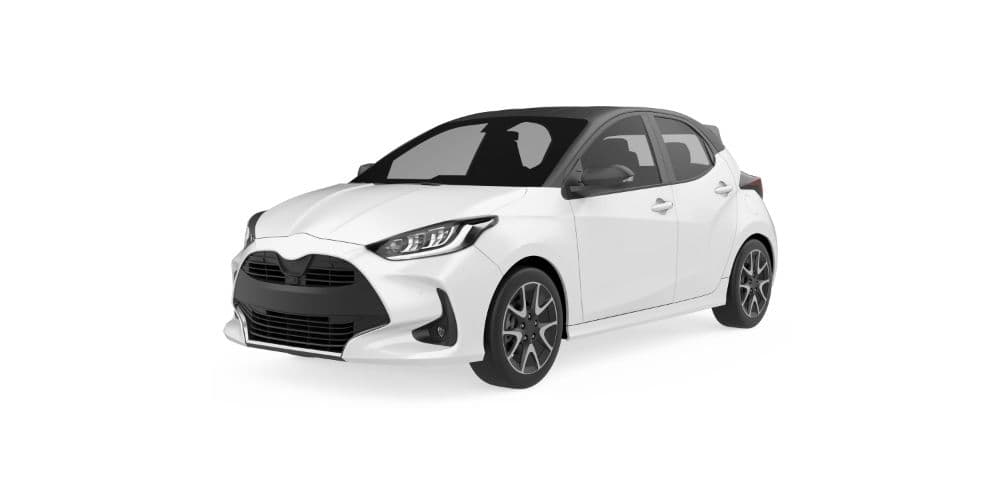
Travelers can review Dallas car and van rental options when a city location fits the trip. If the rental begins at the airport, check the exact DFW airport car and van rentals, counter instructions, hours, driver requirements, and return terms. Do not assume a vehicle class, one-way return, or after-hours option will be available.
A group-ready arrival sequence
- Assign one lead driver and one navigator before pickup.
- Count people, bags, child seats, and mobility equipment before accepting the vehicle.
- Load in a repeatable order so emergency and day-use items remain accessible.
- Go to the hotel or confirmed storage point before the first long sightseeing block.
- Save the official parking page or map for the next day's anchor before leaving Wi-Fi.
Day 1: Park once for the Dallas Arts District
Use the first full day for a compact Dallas zone. The official Visit Dallas Arts District guide groups museums, performance venues, parks, and nearby attractions in the same downtown area. Select one timed attraction as the anchor, then let lunch, public space, or a second small stop remain flexible.
Klyde Warren Park can work as the group's common meeting point between Uptown and the Arts District. It is especially useful when ages or interests differ: part of the group can take a museum block while others use an outdoor break, then everyone meets again without moving the vehicle.
Do not build Day 1 around constant garage changes. Check the chosen attraction's official parking guidance, compare it with the final walking route, and confirm height clearance before sending a passenger van into a structure. A surface lot may offer simpler access for a larger vehicle, but availability and rules are site-specific and must be verified.
Choose one Dallas version
- Museum-first group: Reserve one major museum and add Klyde Warren Park or a nearby meal.
- Family group: Use one indoor anchor, one outdoor reset, and an early dinner.
- Performance group: Protect the ticketed start time and avoid adding a distant afternoon stop.
- Mixed-interest group: Set one meeting point and reunion time before people split into smaller walking groups.
Day 2: Make the Fort Worth Stockyards the anchor
Give Fort Worth its own day rather than attaching the Stockyards to a late Dallas morning. The official Fort Worth Stockyards location page provides the district address and current visitor links. Before departure, open the official Stockyards district map, identify the day's attractions, and choose parking that supports the walking route.
The map shows multiple parking areas, a bus drop-off and pickup symbol, restrooms, streets, and venue locations. Those details are planning aids, not a guarantee that a specific space will be open or suitable for the rental vehicle. Recheck event notices and posted signs when the group arrives.
Choose one or two Stockyards priorities, then leave time for meals and group movement. A passenger van can take longer to unload, reunite, and exit a busy district than a small car. Build that operational time into the day instead of solving it by rushing the attraction.
Fort Worth group logistics
- Drop-off is not parking. Confirm where the vehicle may wait after passengers exit.
- Keep the driver with the group unless a separate meeting point and phone backup are agreed.
- Photograph the lot entrance, level, row, and posted closing information.
- Recount passengers before departure, especially after the group splits for shopping or meals.
- Use the official district map again for the walk back; do not rely only on where the vehicle appears in a phone app.
Day 3: Choose one Arlington anchor
Arlington is the third day because it sits between Dallas and Fort Worth and can absorb the trip's event, reunion, sports, convention, or family-fun priority without forcing another downtown day. The official Arlington group tours guide helps groups shortlist attractions, while the official Arlington transportation page explains the city's visitor transportation options.
Pick one primary Arlington zone. On a stadium or event day, use the event and venue's official parking instructions rather than a generic city itinerary. For a non-event day, choose a theme park, museum, downtown activity, or recreation anchor and avoid crossing the city repeatedly.
Groups staying at a participating hotel can check the official Arlington Trolley page for current eligibility, season, routes, and stops. The trolley is not a reason to skip parking research: schedules and hotel participation can change, and the rental vehicle still needs an approved place to remain.
Arlington decision branches
- Ticketed event: Start with the official event parking and bag-policy pages, then work backward to hotel departure.
- Theme-park day: Confirm opening dates, admission, parking, and group meeting procedures directly with the operator.
- Reunion or convention: Let the host venue define the parking and loading plan.
- Flexible family day: Choose one anchor and keep a weather-safe alternative in the same area.
Plan for tolls, traffic, parking, and the return
North Texas routes can include toll roads or priced express lanes. Use the North Texas Tollway Authority trip-planning page to review the official map and current rate tools. NTTA specifically tells rental customers to ask the rental company about its toll policy; the official rental-vehicle toll guidance notes that companies use different payment policies and may charge administrative fees.
Ask about the rental's toll program before driving, document the answer, and do not add a personal transponder without confirming that it is compatible with the rental and agency policy. A toll estimate from a route planner does not replace the rental agreement.
Before each cross-metro move, check the official DriveTexas map for current incidents, closures, and construction. Use a departure window rather than a promised arrival time. The vehicle return deserves its own buffer for fuel, unloading, a final bag check, and any airport or city-location instructions.
Final parking check for every day
- Verify the correct official source for the attraction, district, event, or city.
- Confirm opening hours, payment method, re-entry rules, and overnight restrictions.
- Ask about height, length, and oversized-vehicle limits.
- Identify an accessible drop-off when the group needs one.
- Save a backup lot without assuming it will have space.
- Follow posted signs on arrival; they control when online guidance and on-site conditions differ.
Match the vehicle to passengers and cargo
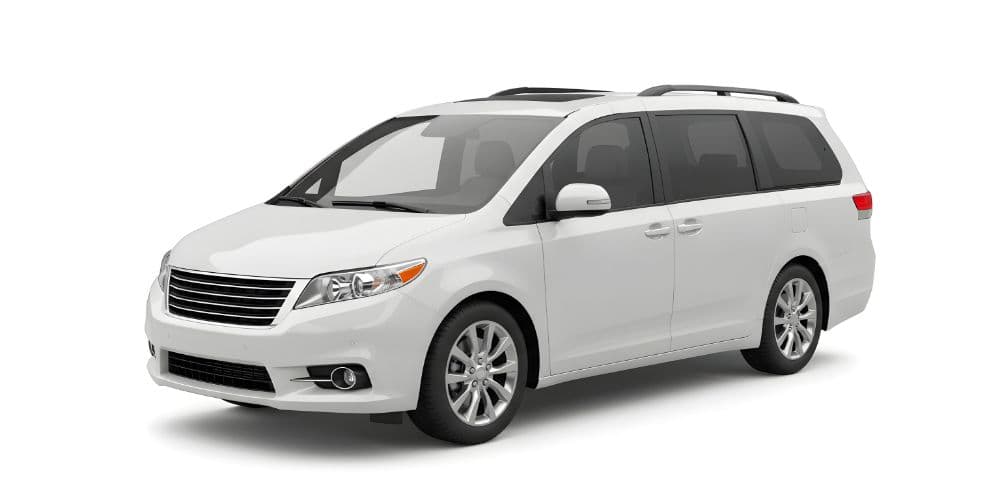
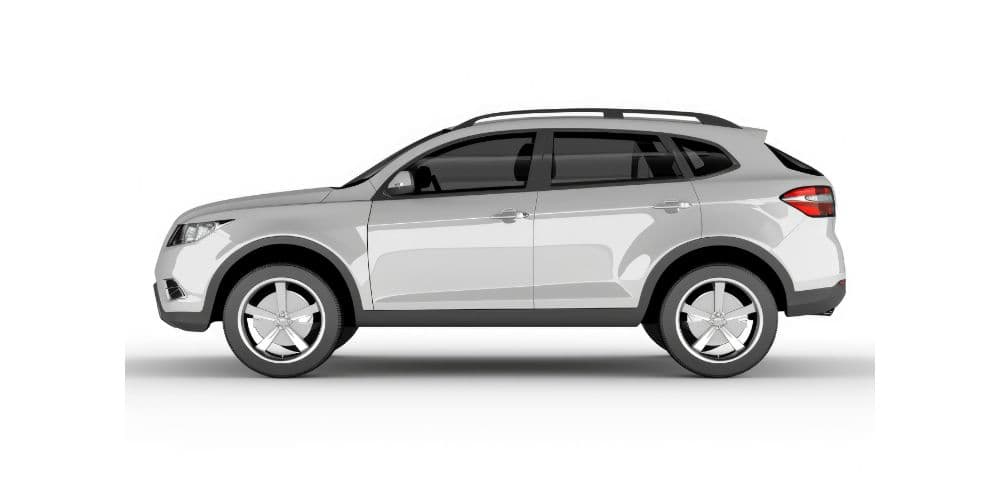
A minivan rental may suit a family or smaller reunion group that values easier entry and flexible seating. A midsize SUV rental may fit a smaller party with moderate luggage. Model, seat, and cargo configurations vary, so compare the actual class details and never infer bag capacity from seat count alone.
Larger groups can review a 12-passenger van rental or 15-passenger van rental. With every seat occupied, cargo room may be the limiting factor. Verify driver eligibility, license requirements, child-seat compatibility, step-in height, mobility-equipment space, mirrors, turning clearance, and parking restrictions for the exact vehicle.
One larger vehicle can simplify head counts and keep the group together, but two smaller vehicles may offer more luggage room or driver flexibility. If the group splits, each vehicle needs its own approved driver, navigation plan, parking budget, and meeting procedure. Make that decision before pickup, not at the curb.
Final Dallas–Fort Worth group checklist
- One city zone and one anchor for each day
- Confirmed hotel base and luggage-storage plan
- Exact passenger, bag, child-seat, and mobility count
- Approved drivers and documented toll policy
- Official parking source and larger-vehicle check for every anchor
- Daily incident and construction recheck
- Meeting points, head counts, and phone backup
- Return buffer for fuel, unloading, and final inspection
The most useful Dallas Fort Worth group itinerary is not the one with the most stops. It is the one that keeps Dallas, Fort Worth, and Arlington legible, uses the vehicle between zones, and gives every group member a clear parking, luggage, and reunion plan.
Our Most Popular Vehicles

Frequently Asked Questions
Yes, if each city receives its own day and the group chooses one primary zone rather than a long list of distant stops. Keep Dallas compact, make the Fort Worth Stockyards an anchor day, and choose one Arlington priority. Recheck hours and event conditions before assigning the exact order.
Stay closest to the trip's most important evening or early-morning commitment. A Dallas, Fort Worth, or Arlington base can each work. Compare confirmed activities, parking, luggage storage, and the final return plan rather than choosing a hotel only because it appears central on a map.
Avoid leaving luggage or valuables visible in a parked vehicle. Confirm hotel storage or adjust the arrival plan before travel. If equipment must remain with the group, choose the vehicle and parking approach around the actual cargo, accessibility, and security needs.
One van simplifies head counts and keeps the group together, but it may have limited cargo room when every seat is used and may face parking restrictions. Two vehicles add driver, navigation, parking, and reunion complexity. Compare the exact people, bags, drivers, and parking locations before deciding.
Ask the rental company about its toll program before driving and review the current NTTA guidance. Rental companies use different payment and administrative-fee policies. Do not assume a personal transponder or pay-by-mail option will work without confirming it against the rental agreement.
Not every garage can accommodate a larger van. Verify height, length, turning, loading, and oversized-vehicle rules with each property before arrival. Use posted signs and an approved backup; do not infer clearance from a standard-car listing.
Use it to connect the three city zones, but park once within each zone when practical. Walking between nearby Dallas Arts District stops, exploring the Stockyards from one approved parking location, or using an eligible Arlington hotel trolley can reduce repeated loading and parking decisions.