Toronto Car And Van Rental | Compare & Save
Why rent a car in Toronto
What: Toronto car and van rental for the GTA, Niagara Falls and nearby cities. Why: Drive freely between neighborhoods and take easy day trips to Niagara, cottage country, Ottawa and Montréal. Price: Economy from ~CA$20/day in winter; summer and SUVs often CA$60+/day plus airport and young-driver fees. Vehicles: Compact or economy for downtown; SUVs and minivans for families, winter and longer Ontario/Québec drives. Best for: Visitors who want both Toronto’s city sights and flexible access to nearby nature, wine regions and major hubs.
Toronto is Canada’s largest and most vibrant city, and renting a car here lets you experience not only the bustling downtown but also the beautiful surrounding regions. Car rental in Toronto is popular among visitors who want to venture beyond the city limits from day trips to Niagara Falls to weekends in Ottawa or Montreal. Within Toronto itself, having a car provides convenience for exploring neighborhoods, visiting friends/family in the Greater Toronto Area (GTA), or simply avoiding the crowds on public transit. However, Toronto’s urban environment also means heavy traffic and scarce parking at times, so choosing the right vehicle is key (many travelers opt for smaller cars or hybrids when staying in the city core). In this guide, we’ll cover typical rental costs, tips for driving in Toronto, road trip ideas, and how to select the best vehicle for your needs.
Toronto Car Rental Prices
How much does it cost to rent a car in Toronto? Prices fluctuate based on season and demand. In general, Toronto has some of the cheapest rental deals in Canada during off-peak times it’s not uncommon to find economy cars for $15–$30 per day if booking in advance during winter or non-holiday periods. According to recent data, the average price for a rental in Toronto is around $21–$45 per day, but this can swing significantly by season:
- Budget Cars: Economy or compact rentals often start around $12–$20/day at the low end. These rates are typically found in winter (Toronto’s cheapest month is January, averaging ~$21/day) or through early booking.
- Mid-size & SUVs: An intermediate or standard car might average $30–$50/day, while SUV rentals very popular in Toronto tend to cost more. For instance, SUVs (like a Toyota RAV4) have been the most popular category recently, averaging about $77/day during high demand. In slower months, you can find SUV deals closer to $40/day.
- Peak Summer Rates: Summer is high season. In August (peak tourist month), average rental rates in Toronto can reach $55–$70 per day for a basic car roughly 75% higher than winter’s average. Larger vehicles or last-minute bookings in summer can easily exceed $100/day.
- Premium/Luxury: Toronto has a market for luxury rentals (think BMW, Mercedes, SUVs like BMW X5). These can range from $80 to $150+ per day. For example, renting a BMW X5 SUV in Toronto costs around $104/day on average with major agencies. Such rentals often require the driver to be over 25 and carry additional insurance.
Money-Saving Tips: To get the best price in Toronto, try to book 1–2 weeks in advance of your trip. This city has over 190 rental locations/operators, including many downtown and at Pearson Airport (YYZ), so compare neighborhood rates vs airport rates (airport rentals add fees). Avoid booking on the spot at the airport if possible airport surcharges can increase the cost. Also, consider renting on a weekday rather than weekend; demand (and prices) often spike on Fridays and Saturdays due to weekend travelers. If you’re under 25, be aware of “young driver” fees that can add roughly $15–$30/day.
Driving Tips for Toronto
Toronto’s roads can be busy and challenging for newcomers, but with a bit of preparation you can navigate the city confidently. Here are some essential driving tips specific to Toronto and the surrounding area:
- Traffic and Timing: Expect congestion, especially on the major highways and downtown streets during rush hour. The Gardiner Expressway (running along the lake) and the Don Valley Parkway (connecting downtown to the north) are notorious for slow traffic at peak times. Plan your driving outside of roughly 7–9 AM and 4–6 PM if you can. Many Torontonians commute from the suburbs, so highways like the 401, 404, 427, and QEW can also back up. Use a GPS or traffic app to find real-time conditions and consider alternate routes.
- Downtown Streets: Downtown Toronto is a grid, but there are quirks: watch for one-way streets, and note that some streets have reversible lanes (for example, Jarvis Street has a middle lane that switches direction depending on time of day pay attention to the overhead signals). Be extra careful around streetcars (trams) on streets like King, Queen, and Spadina: when a streetcar stops and opens its doors, cars must stop behind it and allow passengers to exit onto the roadway it’s illegal to pass a stopped streetcar with its doors open. Also, stay out of designated streetcar lanes and bike lanes, which are common downtown.
- Speed Enforcement: Toronto has a network of speed cameras and red-light cameras, particularly in school zones and high-traffic intersections. The default speed limit on most residential and downtown streets was recently reduced to 30–40 km/h (around 20–25 mph) in many areas if not posted, assume 50 km/h is the max in the city. On major arterial roads, it’s often 60 km/h, and on highways (like the 401) it’s 100 km/h unless signs say otherwise. Police regularly enforce speeding and aggressive driving (stunt driving at 50 km/h over the limit can lead to license suspension and vehicle impoundment), so drive within limits.
- Parking: Parking in downtown Toronto can be expensive and scarce. Street parking meters typically cost $2–$4 per hour, with strict time limits. Illegally parked cars will be ticketed or towed watch for no-parking and no-stopping zones, especially during rush hours when some curb lanes turn into travel lanes. It’s usually easier to use parking garages or lots; use apps or signs to find public parking facilities (the Green P Parking app is run by the city and can help locate municipal lots). Expect to pay around $15–$30 for downtown day parking. If your hotel offers parking, compare the daily fee vs. public parking costs. In residential areas, check street signs for permit requirements or time limits.
- Climate Considerations: In summer, Toronto’s roads are generally clear (just watch for construction season, which is also summer!). In winter, the city gets snow, but usually not extreme amounts. The city does plow and salt the roads, but after a heavy snowfall the streets can be messy for a day or two. Black ice can form when temperatures dip. If visiting in winter and planning to drive beyond the city (e.g., to cottage country or on rural roads), consider renting an SUV or requesting winter tires for better traction. Within the city, main roads are usually fine, but smaller side streets may remain snow-packed. Always clear your car of snow/ice before driving (including the roof, by law, to prevent flying ice).
- Navigation & Local Rules: A GPS is very handy in Toronto. Be aware of the concept of “Toronto left” turns on some busy downtown intersections, drivers often advance into the intersection on a green and then turn left on the yellow as oncoming traffic stops (because it can be the only way to make a left during heavy traffic). It’s a common local practice but still requires caution and legality (enter on green, clear on yellow/red). For turning right on red lights, it’s allowed in Toronto (after a full stop) unless a sign says “No Right on Red”. Also, note the school zone and community safety zone signs; speeding fines double in these areas.
- Pedestrians and Cyclists: Downtown Toronto has many pedestrians always yield when turning and watch for people stepping out, especially at un-signalized crosswalks (which may be marked by flashing lights). The city also has an increasing number of bike lanes, and cyclists are common on roads. Check your mirrors and blind spots for bikes before turning or opening your car door (to avoid “dooring” a cyclist). Give cyclists at least 1 meter of space when passing, as required by law.
- GTA Driving: If you drive outside Toronto into the Greater Toronto Area, roads become more suburban. Highways like the 407 (a toll highway rentals will charge your credit card for tolls later) can be useful to bypass traffic if you’re willing to pay. The 400-series highways numbering can be confusing (e.g., 401, 400, 427, etc.), so have a navigation aid if you’re not familiar. Distances can be deceiving a drive to Niagara Falls (~130 km) might take only 1.5 hours with no traffic, but on a Friday afternoon it could be 3 hours or more due to volume at bottlenecks. Plan accordingly.
Overall, patience is key when driving in Toronto. Once you get out of the downtown core, driving becomes easier. Many visitors use a car to explore the splendid areas around Toronto while using transit or walking when in the heart of downtown. Adjust your strategy depending on your plans you might drive to a transit station and take the subway in to avoid parking hassles, for example. With the right balance, a car in Toronto can greatly enhance your trip.
Road Trips from Toronto
Toronto’s central location in Ontario makes it a perfect launching point for various road trips, whether short day trips or longer excursions. Here are some popular road trip ideas from Toronto:
- Niagara Falls (1.5 hours): The classic day trip about 130 km (80 miles) from Toronto via the QEW highway. In roughly an hour and a half (traffic permitting), you can reach Niagara Falls, one of the natural wonders of the world. Park on the Canadian side to view the Horseshoe Falls, take a boat tour (seasonal), or just enjoy the overlooks. The drive passes through the Niagara wine region; consider stopping in Niagara-on-the-Lake, a charming town known for wineries and theaters, either on the way there or back. (Tip: Weekends can see heavy traffic towards Niagara, so try a weekday or go early in the morning.)
- Ottawa & Montreal (4–6 hours): If you have a long weekend, you can drive from Toronto to Ottawa (about 450 km, ~4.5 hours northeast). Ottawa, Canada’s capital city, has great museums and the beautiful Parliament Hill. After Ottawa, you might continue another 200 km (2 hours) to Montréal, Quebec’s largest city, for a blend of European flair and North American hustle. The drive from Toronto to Montreal directly is about 5.5 hours (540 km) via Highway 401 and A-20. It’s mostly an uninspiring highway drive, but you can break it up with a stop in Kingston (a historic city by Lake Ontario) or the Thousand Islands region along the St. Lawrence River. Keep in mind that Montréal is in a French-speaking province road signs in Quebec are in French only.
- Cottage Country (2–3 hours): North of Toronto lies Ontario’s “cottage country,” filled with lakes, forests, and vacation towns. A popular route is driving north on Highway 400 to Muskoka (about 2–3 hours depending on how deep you go). Towns like Gravenhurst, Bracebridge, or Huntsville offer access to lakeside resorts, boating, and Algonquin Provincial Park. Algonquin Park, about 3 hours from Toronto via Highways 400/11 and 60, is a fantastic destination for hiking, canoeing, and wildlife spotting (moose!). In autumn, this region is famous for brilliant fall foliage a fall colors road trip to Algonquin or along Muskoka’s backroads is highly recommended.
- Prince Edward County (2.5 hours): Heading east of Toronto, Prince Edward County is an up-and-coming food and wine region about a 2.5 hour drive (around 220 km). The County (not actually an island, but nearly one, in Lake Ontario) is known for wineries, farm-to-table dining, and the Sandbanks Provincial Park which has sandy beaches and dunes. It’s a great summer road trip. You can take Highway 401 east to Belleville and then head south into the county. Rent a cozy B&B or lakeside cottage and enjoy a relaxed rural escape from the city bustle.
- Cross-Border Trip Toronto to New York or Chicago: If you’re feeling ambitious and your rental car contract allows cross-border travel, Toronto is within a day’s drive of several U.S. cities. New York City is about 8 hours’ drive (790 km) southeast often done via a route through Buffalo, NY and down through Pennsylvania. Chicago is roughly 8-9 hours (850 km) west via Detroit. Do note you’ll need proper documentation to re-enter Canada, and one-way fees if you plan to drop the car in the US will be very high (usually it’s better to plan a round trip back to Toronto). These long drives can be fun if you break them up: e.g., Toronto to NYC could include a stop in the Finger Lakes region or Pennsylvania’s mountains.
Before any road trip, ensure your rental’s mileage limits (most around Toronto are unlimited if kept within Ontario/Canada). Also verify if any extra insurance or toll transponders are needed for example, crossing into the US or using toll highways like Highway 407 around Toronto. With your rental car ready and these ideas in mind, you’re set to explore far beyond Toronto’s city limits!
Best Vehicle Types for Toronto
In Toronto, the type of vehicle you rent can make a big difference in your experience, given the mix of dense urban streets and the potential for longer drives outward. Here’s how to decide:
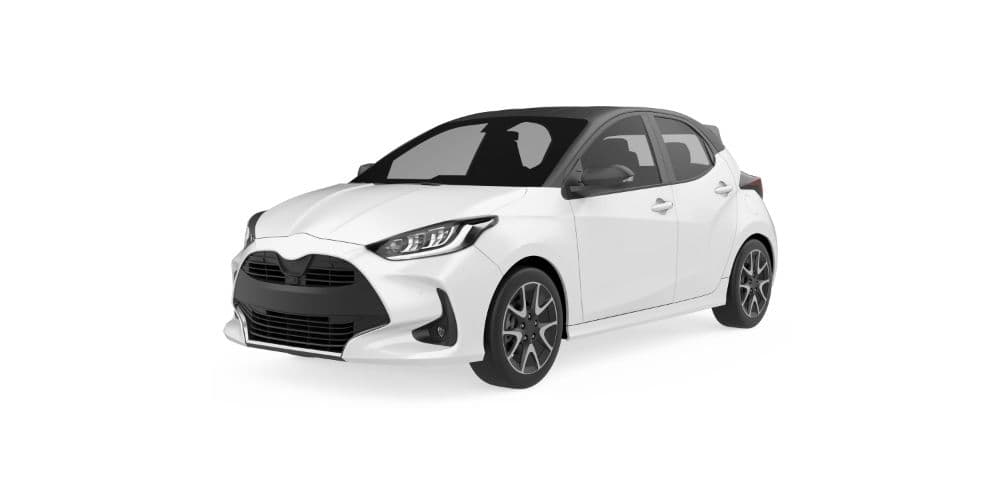
- Compact & Economy Cars: These are ideal for Toronto’s city driving. Parking a smaller car is much easier in tight downtown garages or street spots. An economy car rental (think Toyota Yaris, Honda Civic, etc.) is also budget-friendly both in rate and fuel. Considering Toronto’s popular rental types include Intermediate, Compact, and Economy, you’ll be in good company. Despite Toronto’s size, an efficient compact car will get you everywhere from downtown to suburbs without guzzling gas. If you’re mostly sticking to urban exploration with 1-2 passengers, this is the best choice.
- Midsize or Full-Size Cars: If you need a bit more room (say you have three or four people plus luggage), a midsize sedan or full-size car can offer comfort especially for any highway driving outside the city. They’re still reasonable for city driving but note that something like a full-size (e.g., Toyota Camry) might be slightly harder to parallel park on a crowded street than a subcompact.
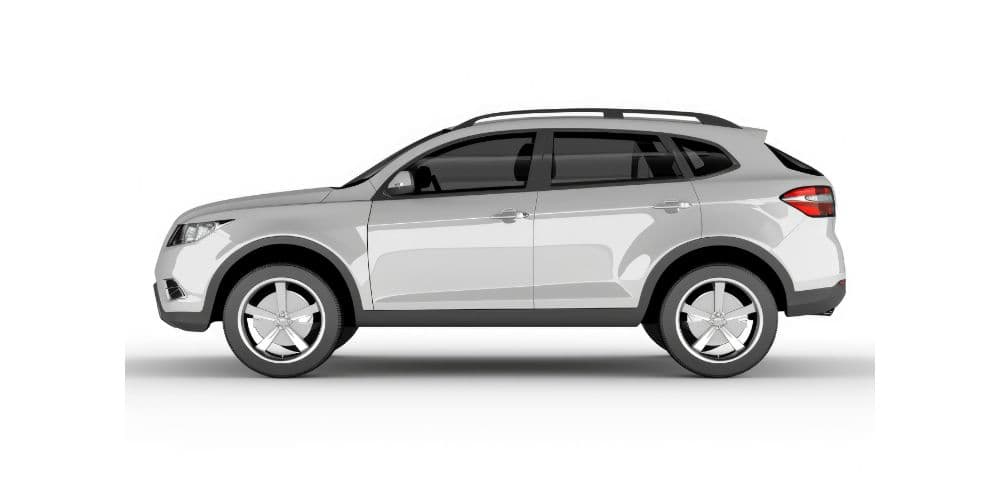
- SUVs: Toronto has a high demand for SUVs, partly due to winter driving and family travel. An SUV rental in Toronto is great if you have a larger group, lots of luggage, or plan to travel in winter or to rural areas. SUVs give you a higher driving position and often AWD. For example, in winter months, renting an SUV is recommended to handle snowy and icy streets yet, note that Toronto’s winters, while cold, often have well-cleared roads, so an SUV is not absolutely required for city-only travel. If your trip includes skiing, heading north to cottage country, or you simply prefer the space, an SUV is a solid choice. (Fuel will cost more than a compact, of course.)
- Luxury Vehicles: As a business and financial hub, Toronto sees many travelers who opt for luxury car rentals perhaps a BMW 5 Series, Audi, or a Cadillac SUV especially if they’re here for corporate meetings or just want a premium experience. These vehicles can make highway drives ultra-comfortable and impress clients or guests. Check for any dress codes like requiring premium insurance coverage. Keep in mind luxury models often come at a steep premium (2-3x the cost of a standard car). If you’re considering a luxury or specialty car, book early, as fleets for these are smaller.
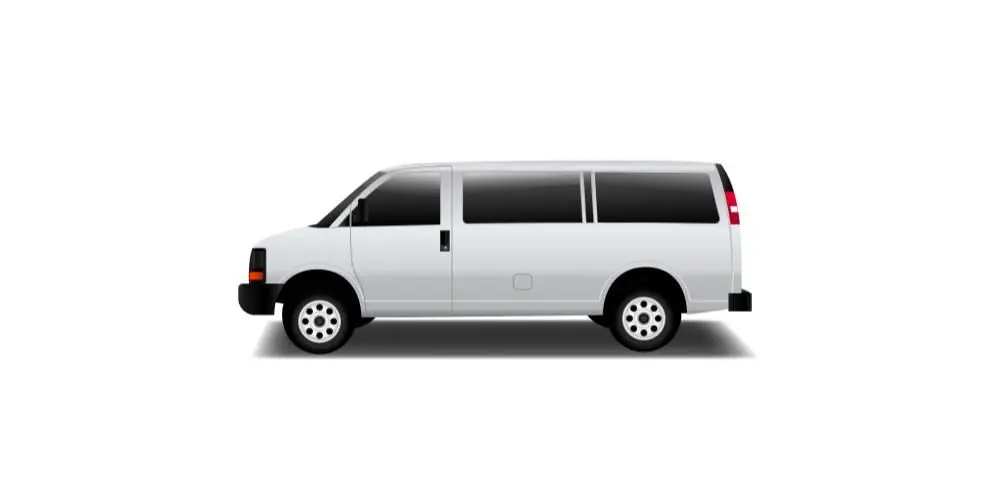
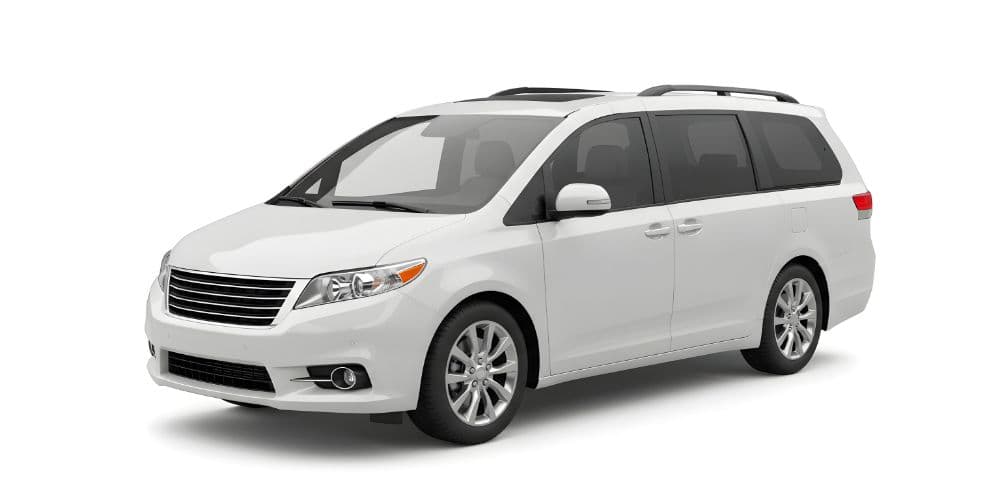
- Minivans: Traveling with kids or a larger group? A minivan (like Dodge Grand Caravan) can be a lifesaver. Toronto and its surroundings are very drivable with a van, and you’ll appreciate the space on longer hauls. Parking a minivan in the city is doable, but try to find larger spots or garages with adequate clearance. Many minivans come with DVD players or captain’s chairs handy for family peace on a drive to, say, Ottawa or Niagara.
- Green Vehicles: Toronto has a growing network of electric charging stations and HOV lanes that electric/hybrid vehicles with green plates can use (even with a single occupant). If your rental agency offers hybrid cars or even full electric vehicles (like a Tesla), they can be a cool choice for environmentally conscious travel. Just ensure you have a parking spot with a charger at your hotel or a plan to charge up (for EVs). Hybrids are easier no need to charge, and you’ll get great mileage and save on fuel in stop-and-go city traffic.
Lastly, consider insurance and extras: Toronto’s dense traffic means insurance is important check if your credit card or personal auto policy covers rentals in Canada. GPS units are often available to rent, but you can also use your smartphone’s map (just mind roaming charges if you’re not Canadian). Child seats are required for young children; rental companies provide them for a fee, or you can bring your own. Almost every car in Toronto rentals will be an automatic transmission (easy for international visitors).
With the right vehicle choice, driving in Toronto and beyond will be a smooth experience. Pick a car that suits the size of your group, the areas you’ll drive, and the season, and you’ll be all set.
Popular Toronto destinations
Our Most Popular Vehicles