Canada Car and Van Rental – Compare Deals & Save
Canada Car Rental
What: Canada car and van rental for cross-country cities, parks and road trips. Why: More flexibility than tours or transit; easy pickup at airports and downtowns nationwide. Price: Economy from ~CA$20–30/day off-peak; summer, SUVs, vans and one-way trips cost more. Vehicles: Compact cars for cities; SUVs/4x4s and minivans for winter, mountains and long routes. Best for: Travelers planning multi-city Canada itineraries or scenic drives like the Rockies or Trans-Canada Highway.
Canada offers vast landscapes and open roads that are best explored with a rental car. Whether you’re cruising through vibrant cities or embarking on cross-country adventures, having your own wheels provides freedom and flexibility. Renting a car in Canada is popular among travelers looking to visit multiple provinces or scenic rural areas beyond the reach of public transport. From compact cars for city trips to sturdy SUVs for mountain roads, you’ll find a wide range of vehicles available including options like economy car rentals for budget-friendly travel and spacious SUV rentals for family road trips. In winter or on rough terrain, many visitors opt for SUVs or 4x4s to handle snow and gravel, while groups tackling long distances often choose minivan rentals for extra comfort. With a car, you can experience everything from cosmopolitan cities to national parks at your own pace.
How Much Does It Cost to Rent a Car in Canada?
Rental prices in Canada vary by location, season, and vehicle type. On average, a rental car costs around $40–$60 per day, but rates can be much lower in off-peak times or for smaller vehicles. For example, economy and compact cars might start around $20–$30 per day in major cities during low season. In fact, January is the cheapest month to rent nationwide, with average daily rates about $24. In peak periods (like midsummer or holidays), prices climb significantly the most expensive month (November) sees averages close to $96 per day. Here are some sample daily rates for rentals in Canada:
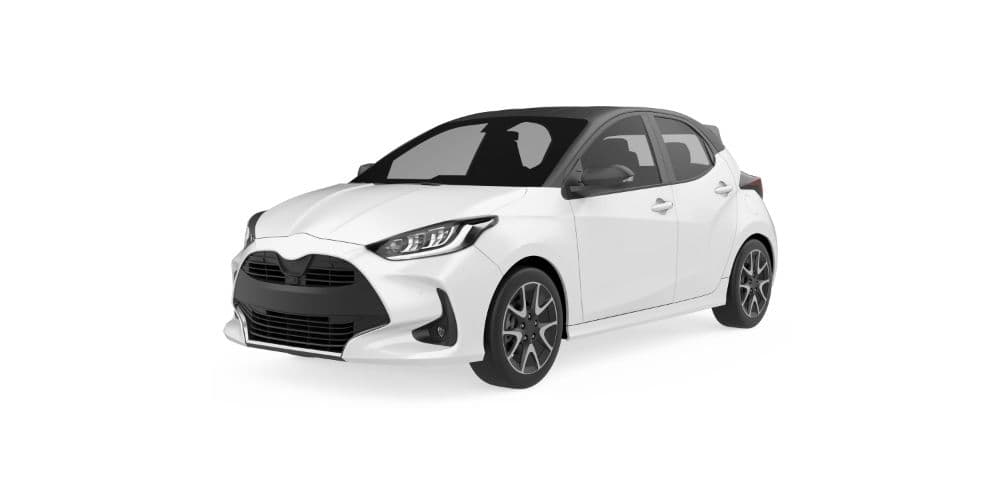
- Economy Car (e.g. Toyota Corolla): from $20–$25/day in low season; around $50+ in peak season.
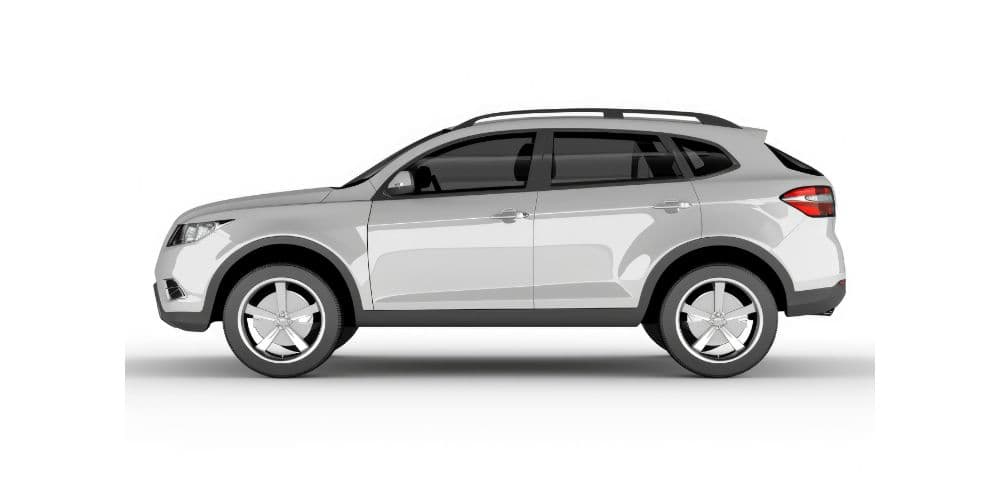
- SUV (e.g. Toyota RAV4): from $40/day in low season; ~$80/day or more during high-demand periods.
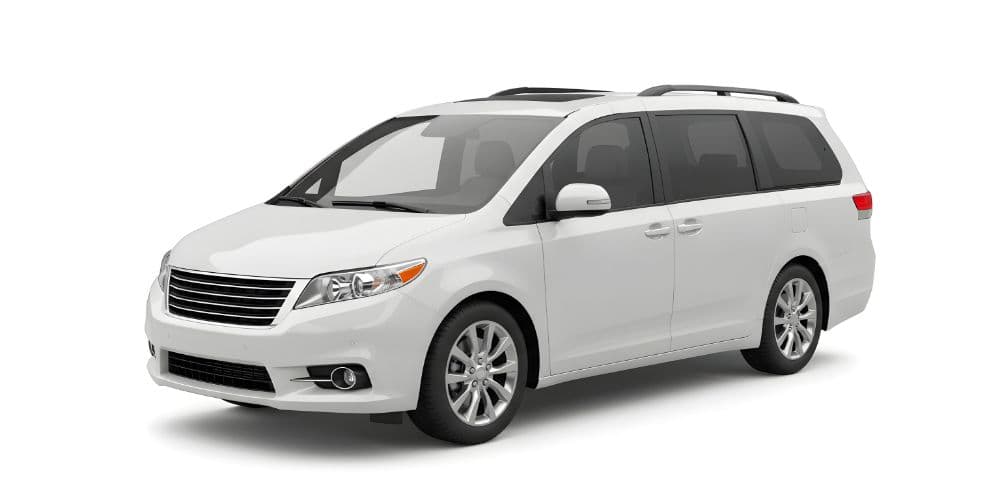
- Minivan (7-passenger): typically $50–$70/day off-peak; higher if booked last-minute in summer.
- Premium/Luxury Car: from $80/day and up, depending on model and location (often much higher for high-end vehicles).
Keep in mind these are example rates actual prices depend on the city and timing. Booking in advance is recommended to snag the best deals, especially for peak travel months. Also note that one-way rentals (picking up in one city and dropping in another) may incur extra fees, but can be worthwhile for cross-province road trips.
Driving Tips for Canada
Driving in Canada is generally straightforward for those used to North American road rules, but there are a few important tips and regional quirks to keep in mind:
- Licensing & Rules: Canadians drive on the right-hand side of the road. Seat belts are mandatory for all passengers, and using a handheld phone while driving is illegal (hands-free only). At traffic lights, right turns on red are allowed after a full stop in most of Canada except in the province of Quebec, where Montreal famously prohibits right on red. Always observe posted signs for any local exceptions.
- Speed Limits: Canada uses the metric system, so speed limits are posted in kilometers per hour. Typical limits are 50 km/h (31 mph) in cities and 100 km/h (62 mph) on highways, though this varies by province. For instance, some multi-lane highways in rural areas allow up to 110–120 km/h. Automated speed cameras and red-light cameras are used in many urban areas (e.g. Toronto) to enforce limits, so drive cautiously and within the law.
- Winter Driving: Canadian winters can be harsh. If you plan to drive between November and March, be prepared for snow and ice, especially in northern regions and higher elevations. Winter tires are required by law on many highways (particularly in provinces like British Columbia and Quebec) during winter months. Renting an SUV or a car equipped with winter tires is wise if you’ll encounter snowy conditions. Always carry an ice scraper and allow extra travel time. In mountain areas, check if snow chains are needed. For safety, maintain longer following distances on icy roads and avoid sudden braking slow, steady driving is key in winter.
- Distances & Fuel: Canada is huge, so distances between cities or services can be significant. Plan your fuel stops in remote areas it’s not uncommon to drive many miles without seeing a gas station in parts of the prairies or north. It’s a good idea to keep an emergency kit (flashlight, water, snacks, blanket) when driving in sparsely populated regions, especially in winter. Fuel (gasoline) is sold in liters (1 US gallon = 3.78 liters), and prices are shown per liter.
- Wildlife & Rural Driving: In wooded or rural regions, watch for wildlife on the roads, particularly at dawn or dusk. Hitting a deer or moose can be extremely dangerous. If you see wildlife crossing signs, stay alert and reduce speed.
- Urban Driving & Parking: In big cities like Toronto, Montreal, or Vancouver, traffic can be heavy during rush hours (typically 7–9 AM and 4–6 PM on weekdays). Downtown parking in major cities is often expensive and limited consider using parking garages or Park-and-Ride lots on the outskirts and using public transit for downtown sightseeing, if feasible. Also, be mindful of local driving nuances: for example, in Toronto you must stop behind streetcars when they open doors to let passengers on/off. In Vancouver, there are no freeways through the city center, so surface-street travel is slower and you should be patient with traffic signals. Always yield to pedestrians at crosswalks and be cautious around cyclists (common in many Canadian cities).
- Cross-Border Travel: If you plan to drive from Canada into the United States (or vice versa), check that your rental agreement permits it. Many major rental companies allow cross-border travel to the U.S., but you should inform them in advance. Be prepared to show passports/visas at the border. Popular crossings (like from Ontario to New York or B.C. to Washington state) can have wait times during peak days, so allocate extra time.
Overall, driving in Canada is a fantastic way to see the country’s diversity. Just remember to adjust for weather and distance, obey the traffic laws (which are strictly enforced), and enjoy the journey!
Road Trip Ideas in Canada
One of the greatest advantages of renting a car in Canada is the ability to take unforgettable road trips. Here are a few road trip ideas spanning different parts of this vast country:
- Cross-Country via the Trans-Canada Highway: For the ultimate Canadian road trip, you can drive the Trans-Canada Highway (TCH) from coast to coast. Stretching over 7,800 km (4,860 miles), the TCH links the Atlantic Ocean (St. John’s, Newfoundland) to the Pacific (Victoria, British Columbia). You’ll pass through every province, experiencing everything from the rocky shores of Nova Scotia to the vast prairies and the towering Rocky Mountains. This epic journey is a true adventure (plan for several weeks to do it comfortably). Even if you don’t drive the entire route, experiencing a portion say, Calgary to Vancouver through the Rockies, or Toronto to Halifax offers a taste of Canada’s broad landscapes.
- Rocky Mountain Adventure: Western Canada boasts some of the world’s most scenic drives. A top highlight is the Icefields Parkway in Alberta a 232 km (144 mi) stretch between Lake Louise and Jasper that winds through the heart of the Rocky Mountains, past turquoise lakes and glaciers. Starting from Calgary, you can drive to Banff and then take the Icefields Parkway north, with stops at Peyto Lake, the Columbia Icefield, and waterfalls along the way. Continue on to Jasper National Park for a stunning mountain road trip.
- Coastal and Atlantic Drives: On the East Coast, don’t miss the Cabot Trail in Nova Scotia a looping road around Cape Breton Island known for its dramatic ocean views and highland scenery. This 300 km (186 mi) route offers cliffside lookouts, charming fishing villages, and the chance to spot whales from shore. In Newfoundland, the Viking Trail up the Great Northern Peninsula combines coastal beauty with historic sites like L’Anse aux Meadows (an ancient Norse settlement).
- Scenic Ontario and Québec: If your travels keep you in the eastern provinces, consider driving from Toronto to Niagara Falls (about 1.5 hours each way) to witness the famous falls from the Canadian side. Another option is the route from Toronto to Montréal (via Ottawa or Kingston): it’s 5–6 hours of highway, so not overly scenic, but it connects three of Canada’s largest cities (Toronto, Ottawa, Montréal) and you can detour through the beautiful Thousand Islands region along the way. In Québec, the drive along the St. Lawrence River northeast of Québec City to the Gaspé Peninsula is breathtaking in the fall, with coastal roads and high cliffs.
- British Columbia & The West: If you’re starting in Vancouver, a classic trip is the Sea-to-Sky Highway from Vancouver to Whistler. In just 120 km (75 miles) this drive packs in ocean vistas, mountain peaks, waterfalls, and attractions like the Britannia Mine Museum. It takes about 1.5 to 2 hours one-way, but you’ll want to allow extra time to stop for viewpoints. From Whistler, some travelers continue on through the interior to destinations like Kamloops, Kelowna (in the Okanagan wine country), and eventually Banff/Calgary making a multi-day road trip through diverse landscapes. Another idea is taking a ferry to Vancouver Island: you can drive from Victoria up to Tofino on the Pacific coast, known for its beaches and rainforests (and great surfing!).
Before setting off on any road trip, ensure your rental agreement includes unlimited mileage or enough kilometers for your plans. Pack a paper map or ensure you have offline navigation (cell service can be spotty in very remote areas). Most importantly, enjoy the journey Canada’s roads can lead you to some truly incredible experiences.
Choosing the Right Vehicle in Canada
Canada’s varied environments mean you should choose a rental vehicle that fits your itinerary. If you’re sticking to big cities and major highways, a fuel-efficient economy car or sedan can be perfectly sufficient and easier to park in tight city spaces. In fact, popular rental categories in Canadian cities include economy and compact cars, thanks to their affordability and maneuverability. On the other hand, if you plan on outdoor adventures, winter travel, or have a larger group, consider a larger class:
- SUVs: Sport utility vehicles (from crossovers to full-size SUVs) are a top choice for many Canadian visitors. They provide extra ground clearance and all-wheel drive, which is useful if you’re heading into the mountains or driving in snow. It’s no surprise that SUV rentals in Canada are in high demand for example, the Toyota RAV4 is one of the most rented models in multiple cities. An SUV offers ample cargo space for skis, camping gear, or luggage, and family-friendly seating.
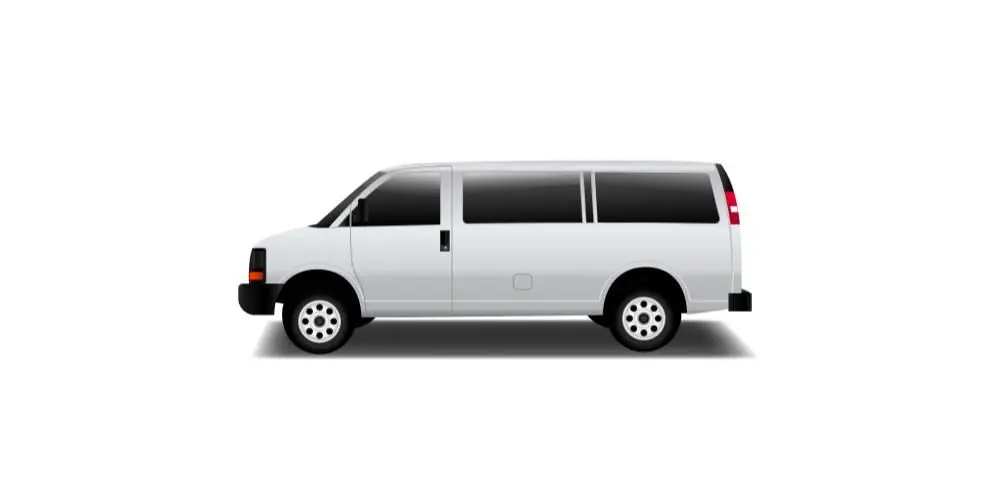
- Minivans & Passenger Vans: If you have a family or a group of friends, a minivan rental (like a Dodge Grand Caravan or Chrysler Pacifica) is ideal. These vehicles seat 7-8 people and have room for everyone’s bags. They’re great for long road trips where comfort is key, and often come with features like DVD players or extra USB ports that make family travel easier.
- Luxury & Premium Cars: In major cities or for business travel, you might opt for a luxury car rental for example, a high-end sedan or SUV. Cities like Toronto have a demand for luxury rentals for business travelers or special occasions, ranging from sleek BMW or Mercedes sedans to upscale SUVs. If you want to travel in style or need a premium vehicle for a client meeting, most Canadian rental fleets offer luxury options (just be prepared for significantly higher costs and ensure you meet the age requirements, which may be 25+ for premium models).
- Pickup Trucks & Campers: Planning to venture off the beaten path, move cargo, or go camping? Some rental providers offer pickup trucks or even campervans/RVs in Canada. A pickup truck can be handy if you’re exploring rural areas with unpaved roads or need to haul sports equipment. Campervan or RV rentals are popular for those who want to combine transport and accommodation for example, touring the national parks of Western Canada. However, these are a very different rental experience (often through specialized companies) and require advance booking, especially in summer.
- Eco-Friendly Options: Canada’s major cities, especially Vancouver, are very EV-friendly. Vancouver alone has nearly 1,500 public EV charging ports in the vicinity, and many cities allow electric vehicles with the proper decal to use HOV (carpool) lanes. If available, renting a hybrid or electric car can be an eco-conscious choice for city hopping. Just ensure charging infrastructure along your route (for electric cars) and consider the colder climate’s effect on battery range in winter.
No matter which vehicle class you choose, make sure it suits your route and season. An economy car might be perfect (and cheapest) for summer city exploration, but if you’re visiting in January and plan to drive through snowy mountain passes, upgrading to an SUV with winter tires will make your trip safer and less stressful. Likewise, if you have lots of luggage or passengers, don’t skimp on size a slightly larger vehicle will make the journey much more comfortable. Most rental agencies in Canada offer unlimited mileage on standard rentals but double-check if you intend to drive exceptionally long distances (like a cross-country trip). Lastly, consider fuel economy if gas prices are a concern a hybrid or compact can save money on a long drive compared to a large SUV.
Our Most Popular Vehicles