
Guadalajara Car & Van Rental
Why rent a car in Guadalajara
TL;DR: In Guadalajara, renting a car or van makes travel easy for families, groups, and business teams. With your own wheels, you can tour local attractions and nearby towns (Tequila, Lake Chapala) at your own pace, without juggling tour or bus schedules. Unlike relying on rideshares, a car or van rental offers comfort, flexibility, and the freedom to explore Jalisco on your terms.
Today’s Top Guadalajara Car Rental Deals
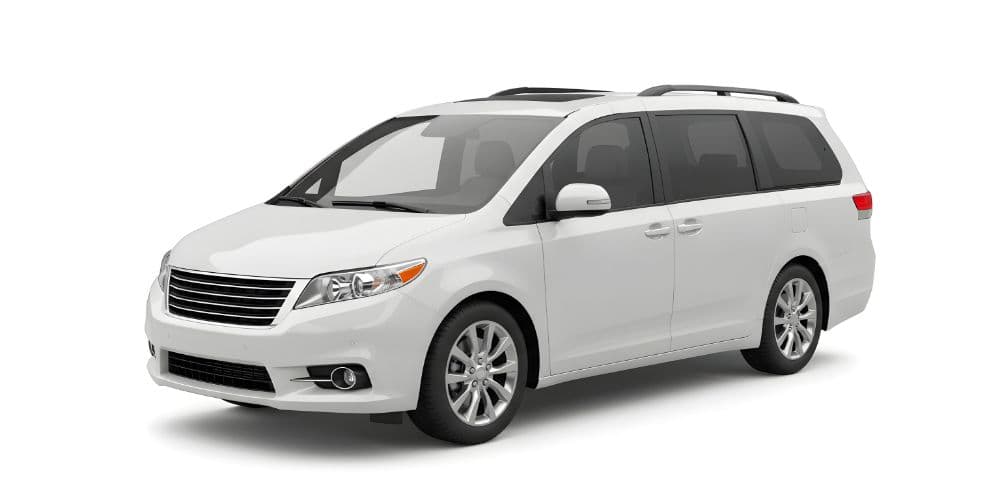
- Minivanfrom $45/day (~MX$810). Example: Dodge Grand Caravan or similar (7-passenger). A great choice for families or groups, with three rows of seating and space for luggage. Perfect if you’re visiting Guadalajara’s zoo, or taking a road trip to Puerto Vallarta, everyone rides together comfortably.
- Full-Size Carfrom $25/day (~MX$450). Example: Nissan Altima or similar. A large sedan with room for 5 adults and ample trunk space. Smooth and stable on highways; ideal for a drive to nearby cities like Tlaquepaque or Tepatitlán in style and comfort.
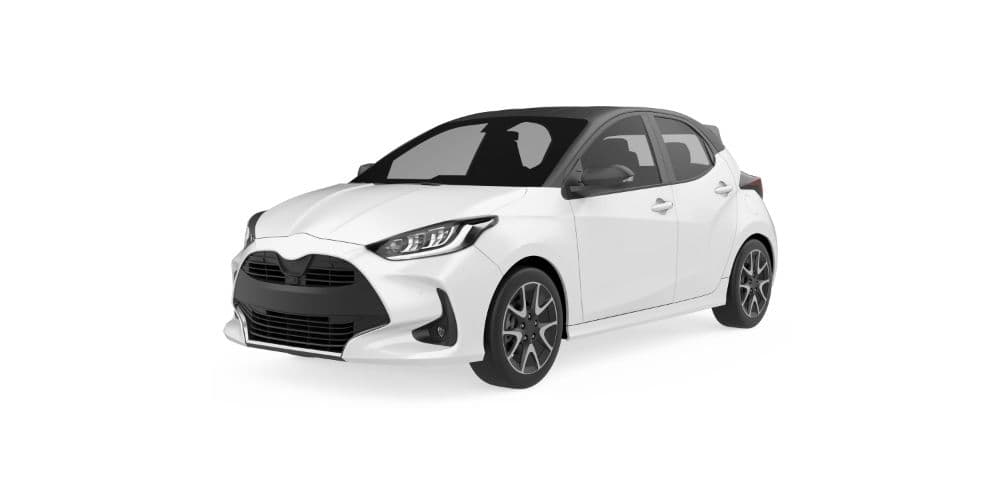
- Economy Carfrom $15/day (~MX$270). Easy on the wallet and fuel. An economy hatchback (e.g. Chevy Spark) is perfect for zipping around Guadalajara’s city streets, from the historic center to shopping at Zapopan. Great for solo travelers or couples.
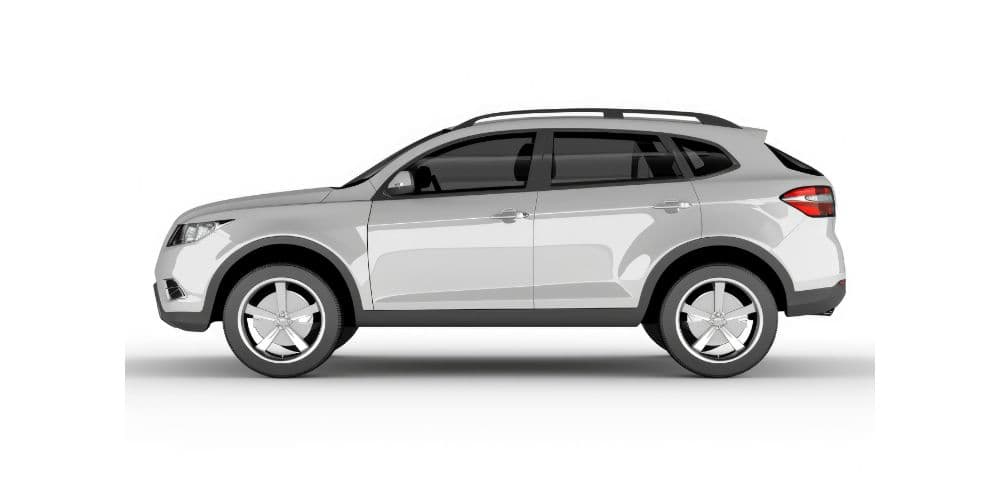
- Standard SUVfrom $40/day (~MX$720). Example: Toyota RAV4 or similar (5-passenger). Need a bit more clearance and cargo room? An SUV handles the mountain roads to Lake Chapala or Mazamitla. Also gives you confidence on cobblestone streets with its sturdier suspension.
(Note: “From” rates are examples we’ve seen recently. Rates vary by date and availability peak holiday times can be higher. Prices shown are before insurance and local fees. Always check the latest price when booking.)
Why Rent a Car in Guadalajara?
Guadalajara, Mexico’s second-largest city, offers a more relaxed pace than CDMX, but it’s still spread out and full of places worth visiting beyond the city center. Here’s why getting a rental car or van can be a game-changer for your trip:
- Family Adventures: Guadalajara is family-friendly with attractions like the Guadalajara Zoo, Selva Mágica theme park, and cultural sites. A minivan rental lets your whole family travel together easily no waiting for multiple Ubers. Throw in strollers, coolers, and souvenirs in the back and you’re all set for a day trip. It’s incredibly convenient when visiting the outskirts, such as the crafts village of Tlaquepaque or the amusement park in Chapala.
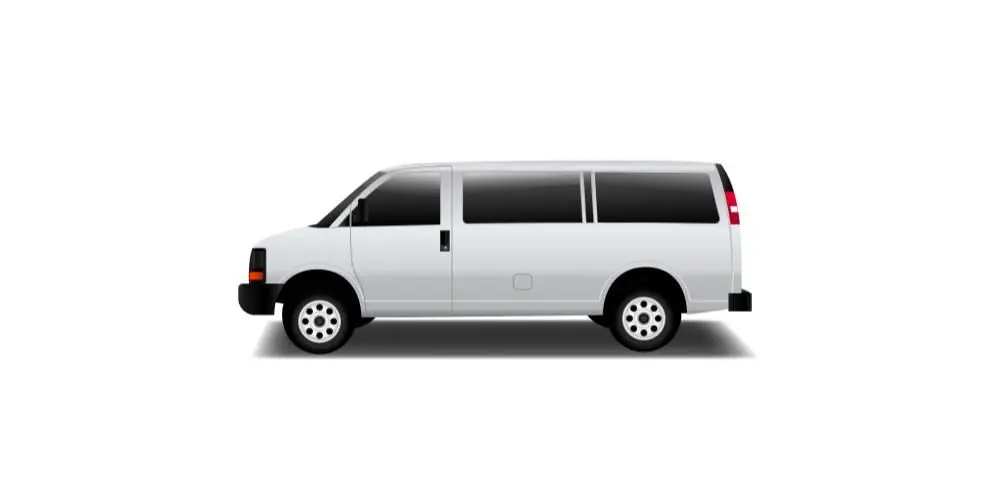
- Group Excursions: Visiting with friends or a tour group? A passenger van (like a 12-seater) could be ideal. Drive your crew to a Chivas or Atlas soccer match without splitting up. If you’re in town for a wedding or event, having a van means you can shuttle everyone to the venue (and back to the hotel) safely. Plus, exploring the nightlife in areas like Chapalita or Avenida Chapultepec is easier when you have a designated driver in your group one rental, lots of happy passengers.
- Explore Jalisco’s Treasures: Guadalajara is the capital of Jalisco, a state rich with destinations: the town of Tequila with its blue agave fields, the lakeside charm of Chapala and Ajijic, the alpine forests of Mazamitla, or the surf vibes of the Pacific coast in Sayulita. Many of these spots are an hour or two (or a few) away and public transportation is limited. With a car, you can set out early, stop in small towns (check out Los Altos de Jalisco region for cheese and carnitas), and make an impromptu detour if something catches your eye. It’s road-trip freedom at its best.
- Business & Convenience: As an economic hub, Guadalajara often hosts conferences (expo at Expo Guadalajara) and business travelers. If you’re hopping between meetings in the downtown core, the industrial parks, and tech corridor (“Mexican Silicon Valley” in Zapopan), a rental car saves you time. Drive directly where you need to be, then have the flexibility to grab dinner in Tonalá or catch a mariachi performance in Plaza de los Mariachis afterward. No need to coordinate taxis your schedule, your car.
- Cost-Effective for Multiple Stops: Planning on visiting various towns around Guadalajara? For example, a loop of Guanajuato, León, and San Juan de los Lagos. Buying bus tickets for a family or paying for guided tours can add up. A rental car often turns out cheaper per person, especially if you fill most seats. Plus, you can pack as much as you want bring that extra case of tequila or arts and crafts you bought; there’s room in the trunk when you’re not worried about hauling it on a bus.
Simply put, renting a vehicle gives you control over your Jalisco journey. Guadalajara and its surroundings are meant to be explored at your own rhythm discover a scenic overlook, find that roadside birria stand everyone raves about, or visit a remote distillery that tours don’t include. With Airport Van Rental’s easy booking and wide selection (from compacts to cargo vans), you’ll find the perfect ride to experience Guadalajara your way.
Driving in Guadalajara: What To Know
- City Traffic: Guadalajara’s traffic is busy but generally lighter than Mexico City’s. Weekday mornings (7–9 AM) and early evenings (5–7 PM) see congestion on main arteries like Av. Vallarta, Lázaro Cárdenas, and Lopez Mateos. The Glorieta La Minerva (a major roundabout) can be a choke point at rush hour. Plan for extra time if you’re crossing the city during these periods. Overall, Tapatío (Guadalajara) drivers can be a bit aggressive (expect quick lane changes), but the flow is a touch calmer than chilangos in CDMX. Stay alert at intersections not everyone stops fully at red lights, especially late at night when traffic is light. Defensive driving is key.
- Tolls & Highways: Several toll highways connect Guadalajara to other cities. The road to Puerto Vallarta (via Tepic), to Mexico City (via Lagos de Moreno/Querétaro), or to Manzanillo on the coast are mostly cuota (toll) roads. Keep cash (pesos) for these; tolls can be hefty on long routes (you might spend MX$600+ in tolls to PV, for example). Around the metro area, the Macrolibramiento is a toll bypass looping south of the city useful if you’re driving toward Chapala or to avoid city traffic when heading east-west. No special tag is needed; just pay as you go. One tip: many toll booths in Jalisco accept credit/debit cards now, but it’s not guaranteed, so cash is safer.
- Gas Stations: Fuel (gasolina) in Guadalajara is easy to find even in urban neighborhoods. Stations are full-service tell the attendant “Llena, por favor” to fill the tank (or specify amount in pesos or “litros”). Regular (Magna) and Premium are available; diesel is less common except on highways or truck routes. Guadalajara’s elevation is lower than CDMX, so engines perform normally (no high-altitude tuning needed). Pro-tip: after fueling, check that the attendant zeroed out the pump at start and that the amount charged matches the pump. It’s okay to politely say “¿Cero?” as you see them begin, to confirm it’s reset. A 5-10 peso tip for service is customary.
- Parking: Compared to Mexico City, parking in Guadalajara is somewhat easier, but it depends on where you are. In the Historic Center, many streets are pedestrian-only or have meters. Use public parking lots (“Estacionamiento Público” signs) or the multi-story garages near landmarks like Mercado San Juan de Dios or the Cathedral. In neighborhoods like Chapalita or Providencia, street parking is more available, especially on residential streets just avoid yellow curb zones. Major malls (Galerías, Andares) have ample parking, sometimes free for the first hour or two. As always, don’t leave valuables visible. At night, if you park on the street in an entertainment district (like Chapultepec), there may be informal attendants (called “viene-viene”) who offer to watch your car for a tip giving them MX$10-20 when you leave can add a layer of assurance.
- Safety & Driving Style: Driving in Guadalajara is generally safe, but a few pointers: Traffic signals are followed, but watch out for sudden stops or people running yellow/red lights especially buses. You’ll encounter many one-way streets in the city; pay attention to signage (“Sólo Una Via”). Speed bumps (“topes”) are prevalent in residential areas and even on some main roads (often before intersections) they might not always be well-marked, so if you see cars slowing unexpectedly, there’s probably a tope. At night, stick to main roads like Av. Vallarta, López Mateos, etc., which are well-lit and have police presence. Avoid driving through impoverished peripheral areas you’re not familiar with, particularly after dark use the city beltway or main avenues to go around. In case of an accident, Mexican law says you shouldn’t move the vehicles; call your insurance or rental’s emergency number right away. Having a car in Guadalajara also means you can escape to safety in the rare event of protests or big celebrations causing road closures downtown tune into local news radio (e.g., 91.5 FM) for traffic updates if needed.
- Signage & Local Rules: Street signs are in Spanish. “Alto” means Stop you’ll see a lot of four-way stops in neighborhoods; the etiquette is similar to the U.S. first-come, first-go (but make sure cross traffic is actually yielding). There’s a quirk in Jalisco: traditionally, right turn on red was not allowed by law (though this changed recently, some locals still don’t do it). It’s safest to not turn on red unless there’s a specific green arrow or sign saying “Continúa con Precaución”. At large intersections, left turn lanes sometimes have their own signal phase wait for the green arrow. Guadalajara has “Photo Infractions” automatic cameras for speeding or red-light running at some intersections; they’re not everywhere, but it’s another reason to obey signals. When heading out of town, note the directional signs: GDL often refers to Guadalajara (short for Guadalajara), and MX-15D is the designation for the main toll highway, whereas MX-15 (without D) is the parallel free road. Lastly, if driving to smaller towns, watch for topes and livestock on rural roads; slow down when entering any village as speed bumps are common at the town entrance.
Road Trips from Guadalajara
Guadalajara is perfectly located to explore the best of Jalisco and beyond. With a rental, you can hit the road and experience everything from tequila distilleries to Pacific beaches. Consider these road trips:
- Tequila (60 km NW) Take a 1-hour drive to the town of Tequila, the birthplace of Mexico’s most famous spirit. The route on Highway 15 passes endless blue agave fields (a UNESCO World Heritage Site). In Tequila, tour historic distilleries like Jose Cuervo or Casa Herradura, and don’t miss the cobblestone streets and Tequila Volcano in the distance. It’s an easy day trip a compact or economy car handles the journey well. If you want the full experience, consider staying overnight so you don’t drive back after sampling tequila!
- Lake Chapala (50 km S) In just under an hour, you can be at the shores of Lago de Chapala, Mexico’s largest lake. The drive south on Hwy 44 is scenic, especially as you descend toward the lake. Stop in Ajijic, an artsy town with a large expat community, to stroll its colorful streets and malecón (waterfront). Further east is Chapala town, with its own lakeside promenade and restaurants serving fresh pescado. This is a relaxed, low-stress drive any car will do. Ideal for a picnic, bird-watching (the lake is famous for migratory birds), and a break from the city hustle.
- Puerto Vallarta (330 km W) If you’re up for a longer haul (approximately 4.5–5 hours), head west through the mountains to Puerto Vallarta on the Pacific coast. The drive along Hwy 80 to Tepic then Hwy 200 is full of curves and stunning mountain jungle scenery as you drop down to the sea. PV offers beautiful beaches, the historic Zona Romántica, and vibrant nightlife. It’s best as a long weekend trip. An SUV or full-size car is recommended for comfort on winding roads and steep descents (and extra trunk space for your beach gear). Start early in the morning from Guadalajara to avoid nighttime mountain driving, and be prepared for tolls. Once there, you can also explore nearby towns like Sayulita or Mismaloya with your car.
- Guanajuato City (275 km E) Venture about 3.5 hours east into the neighboring state of Guanajuato to visit the colonial gem of Guanajuato. Known for its colorful hilltop houses and an underground tunnel road network (the city’s main roads run through former mining tunnels beneath the city!), Guanajuato is magical. Park at your hotel or a public lot and explore on foot or via funicular driving inside the town’s narrow twisting streets is not recommended for newcomers. On your way, you could also stop in León (famous for leather goods) or San Miguel de Allende (if you make it an extended trip). A mid-size or full-size sedan works well for this journey. Note: there are a few military checkpoints between Jalisco and Guanajuato state they’re routine, just slow down and follow instructions. This road trip offers a taste of Mexico’s silver mining history and stunning architecture.
Popular Guadalajara Rental Destinations
With a rental car, you can easily explore beyond the city limits. Popular destinations reachable from Guadalajara include:
- Tequila, Jalisco Tour the tequila distilleries and agave fields (about 1 hour away).
- Lake Chapala & Ajijic Lakeside relaxation and expat art community (~1 hour south).
- Puerto Vallarta Beach resort city on the Pacific, roughly 5 hours west (great for a weekend).
- Guanajuato City A colorful colonial city with rich history, ~3.5 hours east (overnight trip).
Popular Guadalajara destinations
Our Most Popular Vehicles
Frequently Asked Questions
Yes, driving in and around Guadalajara is generally safe for tourists. The city has modern infrastructure, and major roads are in good condition. As with any large city, you should stay alert watch for drivers changing lanes without much warning and for buses which make frequent stops. Police patrol main areas, and traffic laws are enforced (for example, there are traffic cameras at some intersections). If you venture outside the city, stick to well-traveled toll highways when possible, especially if driving at night. Also, have a good GPS app or map some streets are one-way or change names between municipalities. Overall, many visitors self-drive in Guadalajara without issues. Just practice normal caution: keep doors locked, don’t pick up hitchhikers, and avoid isolated rural roads at night.
In most cases, no. If you have a valid driver’s license from your home country (and you’re a tourist on a short visit), you can rent a car in Guadalajara. Rental agencies and police are accustomed to U.S. and Canadian licenses, as well as European ones. An International Driving Permit (IDP) is basically a translation of your license it isn’t required by law in Mexico, but it can be useful if your license isn’t in Spanish or English. For example, if your license is in Japanese, having an IDP (which translates it to Spanish) could prevent any confusion. The cost for an IDP is low, so some travelers get one as a “just in case.” But for the majority, your passport and home country license will be all you need to show at the rental counter.
Typically, you need to be at least 25 years old to rent a vehicle without restrictions. Renters age 21-24 can often still rent, but almost all companies will charge a young driver fee. This surcharge can range from about $10 to $20 USD per day (paid in pesos). Some agencies might also restrict the types of cars young drivers can rent (maybe excluding large vans or luxury models). If you’re 21-24, compare policies a few local agencies might allow 21+ without a fee, but most international brands will add one. Under 21? It’s very difficult to rent a car in Mexico; you’d likely need to look into chauffeur services or stick with public transport until you’re older. And remember, the driver’s license you provide must be valid and have been held for at least 1-2 years, regardless of age.
Yes, several toll (“cuota”) roads radiate from Guadalajara, making trips faster and safer than the older free roads. Examples: the Guadalajara–Tepic/Puerto Vallarta highway, the Guadalajara–Mexico City highway, and the Guadalajara–Colima/Manzanillo route all have toll segments. To pay, you’ll pull up to toll booths and pay the cashier in cash (Mexican pesos) or sometimes by card. It’s wise to carry cash because not all booths reliably take cards or foreign cards. Tolls can be anywhere from MX$40 to MX$200 each, and long drives will pass multiple booths. If your rental car has an electronic tag (some do, especially for the Guadalajara Macrolibramiento bypass), you can use the express toll lanes and the fees will be charged to you afterward. The rental company will either itemize it at return or charge your card on file (sometimes plus a small admin fee). The toll roads are well worth the cost for saving time for instance, going to Puerto Vallarta, the toll road cuts hours off the journey compared to the old winding free road.
Outside of the busiest downtown spots, parking in Guadalajara is relatively easy. Many areas in this city are car-friendly. In Downtown Guadalajara (Centro), street parking is limited and time-restricted, so public parking lots or garages are your best bet and there are plenty around popular spots like the Cathedral, San Juan de Dios market, etc. Expect to pay around MX$20-30 per hour in those garages. In suburban areas (Zapopan, Tlaquepaque), you can often find street parking on side streets if a venue doesn’t have its own lot. Shopping centers and supermarkets almost always have free or very cheap parking lots. One thing to note: in some parts of the city, you might encounter the “franelero” an informal attendant who waves you into a spot on the street and watches over your car. They’re unofficial, but it’s common courtesy to give them a tip (maybe MX$10) when you leave. They’ll sometimes help guide you out of a tight spot, too. As always, common sense: park in well-lit areas at night and avoid leaving valuables in your car.
Yes, thousands of people drive between Guadalajara and Puerto Vallarta daily. The road is safe and quite scenic. The fastest route is mostly toll highway (Highway 15D to 200D) via Compostela and Las Varas, which keeps you on a well-maintained path. You’ll go through mountains where the road curves so make sure your brakes are in good condition and drive cautiously, especially if it’s raining. It’s about 330 km (205 miles) and usually 5 to 6 hours drive time. It’s not recommended to drive it in the dark if you can avoid it, because the curvy sections are more challenging at night and you won’t see the scenery anyway. Plan your departure from Guadalajara so you’re doing the mountain portion in daylight. There are rest stops and Pemex stations along the way (take advantage and fuel up when you see one, as there can be long stretches without services). Also note: during holiday periods, traffic to PV can be heavy, and there are sometimes road works, so check local travel advisories. But overall, with an SUV or a reliable car and some good tunes, it’s a beautiful drive to the beach!
Mexico requires liability insurance on all vehicles, so basic coverage will be included in your rental by law or automatically added at the counter. However, when it comes to collision or theft coverage for the rental car itself, you have options. If you have your own auto insurance at home, it likely does NOT cover you in Mexico. Some higher-end credit cards do offer collision damage waiver (CDW) coverage that works in Mexico check with your card issuer before traveling, and get written proof if possible. If you have that, you can decline the rental company’s CDW, but the rental agent will put a large hold (sometimes up to the full value of the car) on your credit card as a guarantee. Many travelers for peace of mind just purchase the supplemental insurance (CDW, theft protection, etc.) from the rental company, which can roughly double the daily cost of the rental. It often reduces your deductible to zero or a few hundred dollars. Also consider Personal Accident Insurance if your health plan doesn’t cover you abroad. While it’s an extra cost, having full insurance means if anything happens even a small scrape or a fender-bender you won’t be out-of-pocket aside from maybe a deductible. In summary: liability is mandatory (and included), but for CDW/LDW it’s your choice just make sure you’re comfortable with the coverage you have.