Guadalajara Airport (GDL) Van & Car Rental | Airport Van Rental
Why rent a car at Guadalajara International Airport
TL;DR: Touching down in Jalisco’s capital? A car rental or van rental at Guadalajara Airport lets you experience the region on your own terms. Ideal for family vacations, tequila tours with friends, or business trips, renting a vehicle means no waiting on bus schedules or pricey private drivers. Cruise from the historic center to Lake Chapala or Tequila at your pace explore hidden pueblos, try roadside food stands, and change plans on a whim. With roomy vans for groups or compact cars for solo travelers, you get comfort, flexibility, and cost-savings (especially if you’re splitting costs). In short: renting a car at GDL gives you the keys to fully enjoy Guadalajara and beyond, hassle-free.
Today’s Top GDL Car Rental Deals:
(Here are example “from” rates recently found for Guadalajara they can vary by season, but they show how affordable renting can be.)
• Compact Car from $10/day (approx. MX$180). Example: Nissan Versa or similar. Great for maneuvering through Guadalajara’s city streets and tight parking spots in Tlaquepaque or Zapopan. Fuel-efficient and budget-friendly, a compact is perfect for couples or solo travelers sticking mostly to the metro area.
• Full-Size Sedan from $22/day (approx. MX$400). Example: Toyota Camry or similar. A roomy 4-door with a large trunk ideal for business travelers or families who want extra comfort. Smooth and stable on the highway, a full-size car is a nice upgrade if you plan day trips to Tequila or up to the highlands, offering more legroom for longer drives.
• Standard SUV from $30/day (approx. MX$540). Example: Hyundai Tucson or similar (5-passenger). A versatile choice with higher ground clearance useful if you’re driving out to mountain towns like Tapalpa or Mazamitla. In the city, it handles potholes and topes (speed bumps) with ease. Plenty of cargo space for luggage or shopping hauls (hello, Tonalá pottery!).
• Minivan from $49/day (approx. MX$880). Example: Dodge Grand Caravan or Chrysler Pacifica (7-passenger). Traveling with a big family or a group of friends? A minivan is the way to go. Do a group outing to Lake Chapala or ferry your crew to a destination wedding everyone (and their suitcases) fits in one vehicle. Split the cost and it’s incredibly cheap per person. Plus, you’ll appreciate the sliding doors and comfy seating on those day trips.
• 15-Passenger Van from $65/day (approx. MX$1,170). Example: Ford Transit 15-seater or similar. When you have a really large group youth team, extended family, or tour group this is the most economical and convenient option. No need for multiple cars or taxis; keep everyone together as you explore Guadalajara’s sights. Despite its size, it’s easy enough to drive on highways. Pro tip: due to high demand, book passenger vans early (especially around festival times) as they can sell out fast.
Pricing Note: Rates listed are base daily prices and don’t include taxes or insurance. At Guadalajara Airport, expect roughly 30-40% extra in combined IVA tax and airport fees on top of the base rate (16% VAT + local fees). We show you the total price with all mandatory charges before you confirm, so you won’t be surprised. If you’re comparing costs, remember that Mexican car rentals often appear cheap, but insurance is the big equalizer basic liability coverage is required by law. Our quotes typically include that or we’ll clearly alert you if it’s extra. As always, unlimited mileage is standard on virtually all rentals here, and you can cancel most reservations for free up to 48 hours ahead. Prices can fluctuate holiday periods (e.g. Easter, Christmas) may be higher, while a random week in the summer could score you a great deal. It pays to book in advance for peak seasons. And if your plans change last-minute, we have you covered with flexible booking policies.
Why Rent a Car at Guadalajara Airport?
Guadalajara is a sprawling metro area and the gateway to many Jalisco gems having a car can greatly enhance your visit. Here’s why picking up a rental at GDL Airport is a smart choice:
• Explore Jalisco’s Highlights with Ease: While Guadalajara city itself has plenty to offer, many of the region’s top attractions lie outside the urban core think Tequila’s agave fields, the artisan town of Tlaquepaque, or the shores of Lake Chapala. Public transport exists (buses, a limited light-rail), but it won’t conveniently string together all the places you likely want to see. With a car, you can have breakfast in downtown Guadalajara, then zip out to Tequila for an afternoon distillery tour, and be back in time for a late dinner in Zapopan. Want to hit multiple nearby towns in one day? A rental car makes it feasible. You set the schedule, not the bus timetable.
• No More Transit Hassles: Guadalajara’s public transit and taxis can be an adventure but not always the good kind. Buses can be hot and crowded, and you might need to take several to reach some destinations. Hailing street cabs carries a slight risk if you’re not familiar with the authorized taxis. Rideshare apps like Uber are available and useful within the city, but surge pricing can kick in during heavy rain or traffic jams. By renting a car, you avoid waiting around. Heading to the soccer stadium in Zapopan for a Chivas match? Pile in your rental and go, no fighting for a ride after the game. Plus, many areas (Chapala, Tequila, etc.) have limited rideshare availability a car ensures you aren’t stranded or overpaying a driver to wait. It’s point-to-point convenience all trip long.
• Comfort for Families & Groups: If you’re coming with family or a group of friends, a rental transforms the trip experience. You can safely install your child’s car seat (and not worry if a taxi will have one likely it won’t). Keep snacks and water in the car, store the stroller or wheelchair in the trunk all set. Taking a drive out to the Guachimontones ruins? You can all discuss your plans together in one vehicle rather than splitting into multiple cabs. Also, Guadalajara’s climate can get warm having your own air-conditioned space between sites is a huge plus. And let’s not forget shopping: from the markets of Tonalá to the upscale malls, you’ll probably accumulate goodies. With a car, you have a secure place to keep your purchases as you continue your day.
• Tequila Tastings Without the Tour Bus: Jalisco is the birthplace of tequila, and renting a car lets you do a DIY tequila trail. Hop in your car and drive up to the town of Tequila (about an hour away) you can stop at big distilleries like Jose Cuervo and Sauza, but also smaller family-run ones off the main road. Without a car, you’d be tied to group tour schedules or pricey private drivers. With your own wheels, you decide which distillery to visit next or when to pause for lunch. (Of course, have a designated driver or sip responsibly if you’re doing tastings!). Similarly, a car allows impromptu stops see a beautiful agave field viewpoint? Pull over and take that picture. This flexibility is something organized tours can’t match.
• One-Way Freedom: Because you’re renting at the airport, you have the flexibility to plan one-way journeys. For example, some travelers rent at GDL and drive one-way to Puerto Vallarta or Mexico City, dropping the car there. While one-way drop fees apply, it can enable a grand road trip across Mexico (we show any one-way fee upfront, so you can decide). Even within the region, you could pick up at the airport, use the car to explore for a few days, then drop off downtown or vice versa. This beats having to backtrack just to return a car. It’s all about a trip tailored to you. With Airport Van Rental’s multi-supplier network, finding one-way rentals in Mexico is easy and we’ll find the option with the lowest drop fee for you if you choose to go that route.
Driving in Guadalajara: What To Know
Driving in Guadalajara is generally more relaxed than Mexico City, but it comes with its own quirks. Here’s what to expect and some tips for the road:
• City Traffic & Driving Style: Guadalajara is Mexico’s second-largest city, so yes, it has traffic but not 24/7 gridlock. Weekday rush hours (around 7:30-9:30 AM and 5-7:30 PM) see slowdowns on major avenues like Av. Vallarta, López Mateos, and the Periférico (ring road). Plan accordingly if you have meetings or flights. Tapatío drivers (as Guadalajarans are called) can be a mix many drive aggressively fast on open stretches but can be lax with turn signals. Stay alert at intersections; not everyone strictly follows right-of-way rules, especially at glorietas (traffic circles/roundabouts). Guadalajara has many large roundabouts yield to cars already in the circle, and use your blinker when exiting. One notable thing: local drivers do tend to respect red lights and stop signs a bit better than in Mexico City, but don’t assume always double-check cross traffic.
• Toll Roads & Highways: If you venture outside the metro area, you’ll likely encounter toll roads. The highway to Tequila is a cuota (toll) with a fast, smooth ride, and the route south to Colima or west to Puerto Vallarta also has toll sections. Tolls can range roughly from MX$100 to MX$300 each on longer routes. Carry cash pesos for these it makes things easier. The drive to Puerto Vallarta, for example, involves multiple tolls but significantly cuts travel time and is safer than the old curvy free road. Keep an eye out for signs saying “Caseta” or “Cuota” to prepare to slow down and pay. After toll booths, acceleration lanes are short, so be ready to merge at speed. Also, note that some new highways (like sections toward Vallarta) are still partially under construction obey speed limits and be cautious on any detours. Overall, Jalisco’s toll roads are well-maintained and worth the fee if you value time.
• Signage & Local Rules: Road signage in and around Guadalajara follows the same conventions as the rest of Mexico. You’ll see speed limits in km/h (e.g. 80 = ~50 mph, 120 = ~75 mph on some open tollways). “No virar en U” means no U-turn. Many streets in central Guadalajara are one-way look for arrow signs and make sure you’re not going the wrong direction (your GPS should warn you, but pay attention especially in the historic center). One unique thing: in Guadalajara, there are synchronized traffic lights on some main roads (known locally as “ola verde” or green wave) if you drive at a steady speed, you can catch a series of greens in a row, which is satisfying. As for police, you’ll see traffic police directing during rush hour in busy intersections. Follow their hand signals, which temporarily override the lights. And yes, topes (speed bumps) are everywhere often marked by yellow paint, but sometimes not. You’ll find them on side streets, near schools, and at highway entrances. Go slow over them to avoid a jolt (or worse, scraping the underside of a small car).
• Parking in the City: Guadalajara has a mix of street parking and parking lots. In downtown and popular zones like Chapultepec or Americana, street parking uses a metered system (machines on the block or an app, e.g. “Ciudad Guadalajara” app). Rates aren’t too expensive a few pesos per hour. Always look for signs: a blue “E” (Estacionamiento) with allowed days/hours, or a crossed-out red “E” meaning no parking allowed at that curb. In the historic center, it’s often easier to use a public parking garage there are several, charging around MX$20–$30 per hour or a day rate of ~MX$120. Shopping malls (Plaza del Sol, Andares, Galerías, etc.) have ample parking for customers (usually a flat fee like MX$10–$20 or ticket validation system). When parking on the street in tourist-frequented areas, you might encounter informal “guides” who wave you into a spot like in Mexico City, these “viene-viene” folks expect a small tip for watching your car. 5 or 10 pesos is fine for short durations. Guadalajara is generally safe, but still lock your car and don’t leave bags or electronics in plain sight. In some areas at night, opt for a secured lot instead of street parking for extra peace of mind.
• Fueling Up & Gas Stations: Gas stations are full-service in Mexico. Around Guadalajara, you’ll see PEMEX as well as other brands (BP, Shell, G500, etc.). The attendants will pump gas for you. When you pull in, state your fuel choice “Magna” (regular unleaded, 87 octane) or “Premium” (92 octane) and how much you want (in pesos or “lleno” for full tank). A helpful habit: verify the pump is reset to $0.00 before fueling, to avoid any potential scam. It’s rare, but good practice. Attendants might wash your windshield and offer to check oil or tire pressure they work for tips, so if you accept these extra services, a tip of MX$10-20 is kind. Even if you just get gas, tipping a few pesos (coins) is customary. As for payment, many stations in Guadalajara take credit cards, but let them know before they pump if you plan to pay by card (they might need to bring a handheld terminal). Fuel prices are government-influenced and fairly uniform across the city; expect to pay roughly MX$22–$24 per liter for regular (around USD $4+ per gallon, as of 2025). Lastly, keep your gas receipt if you have any issue with fuel quality (very uncommon in big cities) and need to report it, the receipt is proof, but again this is rarely an issue in Guadalajara.
Road Trips from Guadalajara
Guadalajara’s central location makes it perfect for road trips to some of western Mexico’s most exciting destinations. Here are four road trip ideas, with distances, travel times, and tips:
• Tequila (Jalisco) ~65 km (40 miles) northwest, ~1 hour drive on Hwy 15D. Why: Visit the picturesque town of Tequila, the birthplace of Mexico’s most famous spirit. Highlights: Tour world-renowned distilleries like Jose Cuervo or Casa Herradura, walk through blue agave fields (a UNESCO World Heritage Site), and check out the National Tequila Museum in town. Don’t miss trying a cantarito a refreshing tequila-based cocktail served in a clay pot (the stand “Cantaritos El Güero” along the highway is a popular stop). Vehicle: Any car will do; the toll road to Tequila is excellent and scenic. If you’re in a group planning multiple tastings, consider renting a van so everyone can stay together (and have a designated driver!). Parking in Tequila is easiest on weekdays; on weekends, use the paid lots at the town’s entrance if street parking is tight.
• Lake Chapala & Ajijic ~55 km (34 miles) south, ~1 hour drive via Hwy 44. Why: Relax by Mexico’s largest freshwater lake, Chapala, and explore the charming lakeside village of Ajijic, known for its art galleries and expat community. Highlights: Stroll Chapala’s malecón (waterfront promenade) for beautiful views and street snacks (try the charales fried tiny fish, a local treat). In Ajijic, admire vibrant murals, shop for hand-painted pottery, and enjoy lunch at a cafe with a lake view. If you’re there on a Wednesday, Ajijic’s open-air market (“tianguis”) is full of local crafts and produce. Vehicle: A compact or mid-size car is fine; the road is mostly flat and in good condition. An SUV isn’t necessary here, but if you have one, the higher vantage point lets you better enjoy the lake panoramas as you drive. Keep an eye out for sudden topes in the villages near the lake. Many restaurants have parking lots or valet, but on weekends they fill up arriving earlier in the day helps.
• Mazamitla (Mountain Town) 135 km (84 miles) south, ~2.5 hours via Hwy 54 & 15. Why: Escape to the mountains Mazamitla is a pine-forested pueblo mágico often called the “Switzerland of Mexico” for its chalet-style cabins and cool climate. Highlights: Explore the cobblestone streets and whitewashed buildings with wooden balconies in Mazamitla’s center. Take a short hike or ATV ride to the nearby El Salto waterfall. Many visitors rent cozy cabins and enjoy evenings by the fireplace (temperatures can be refreshingly cool). Along the way, you can also stop at Ajijic/Chapala as a pit stop, or at the cheese shops in the town of Atotonilco. Vehicle: While the main highways are paved, the last stretch to Mazamitla is winding and a bit steep. A mid-size SUV can offer a smoother ride on the mountain curves and potholes, but plenty of people do it in regular sedans just drive cautiously. Make sure your brakes are in good shape for downhill sections. Pro tip: fill up on gas before ascending into the mountains gas stations are sparse up there.
• Puerto Vallarta (Pacific Coast) ~320 km (200 miles) west, ~5 hours via Hwy 80 & 200 (partially toll). Why (multi-day trip): Trade the inland heat for Pacific Ocean breezes and beaches. Puerto Vallarta offers golden sands, nightlife, and a charming old town, making the long drive worth it. Highlights: The journey itself is scenic you’ll pass through rolling hills and jungle as you approach the coast. In PV, walk the famous Malecón boardwalk, take a boat to Yelapa or Los Arcos, and enjoy fresh seafood by the beach. The drive can be split by stopping in Mascota or Talpa de Allende, two mountain towns (if you take the older mountain road route). Note: A newer toll highway has reduced drive time, but as of 2025 some sections between Compostela and Las Varas are still two-lane curvy roads so plan for potentially slower going on that segment. Vehicle: For a trip of this length, a comfortable car or SUV is recommended. An SUV is nice for higher seating on curvy stretches and more luggage capacity if you have surfboards or fishing gear. If you’re not used to mountain driving, take it easy on the stretch after Compostela it has sharp curves and slower traffic. Daytime driving is advised (both for safety and the stunning mountain views). Once near PV, a new toll bypass helps avoid traffic entering the city. This road trip is an adventure consider spending a night or two in PV, then return refreshed. And yes, you can do a one-way rental to Vallarta if you don’t want to drive back we can help arrange that (drop fee will apply).
Popular GDL Car & Van Rental Destinations
With a rental car from Guadalajara, you can easily reach these popular spots in the region:
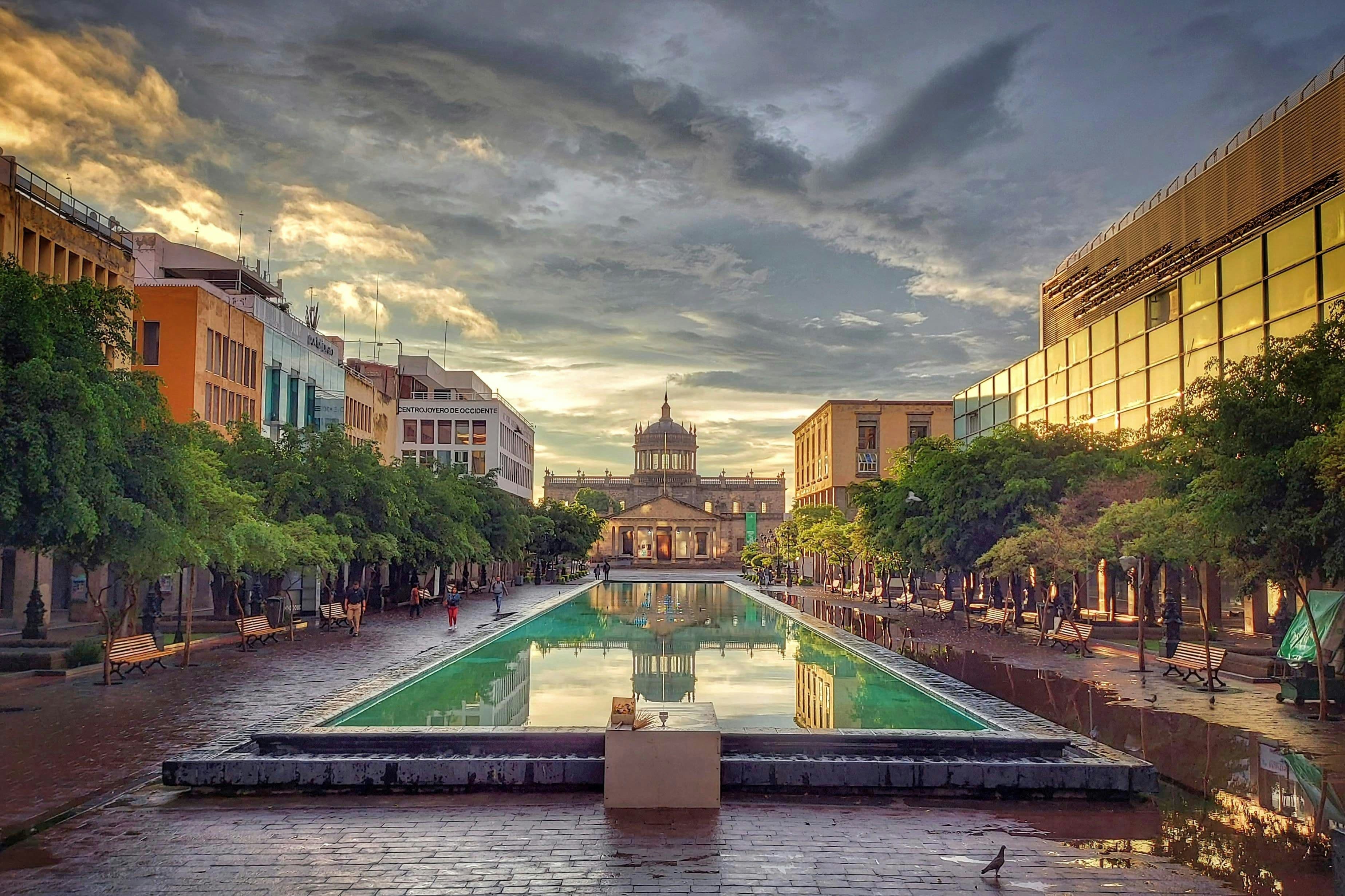
• Guadalajara Historic Center The downtown area, including the Cathedral, Plaza de Armas, Hospicio Cabañas (UNESCO site), and Mercado San Juan de Dios. (~20 km from the airport, 30-45 min drive).
• Zapopan A booming suburb and site of the Basilica of Zapopan (important pilgrimage church) and modern attractions like Plaza Andares (upscale shopping/dining). (~25 km from GDL airport, ~40 min drive).
• Tlaquepaque Technically part of the metro area, this artsy colonial borough is famous for its galleries, pottery shops, and mariachi-filled El Parián square. (~18 km from airport, ~30 min).
• Tequila, Jalisco The town of Tequila and surrounding valley a must-visit for distillery tours and agave landscape vistas. (~65 km northwest, ~1 hr via toll road).
• Lake Chapala & Ajijic The north shore of Lake Chapala, including the town of Chapala and the village of Ajijic, known for expat communities and scenic sunsets. (~50–55 km south, ~1 hr).
• Puerto Vallarta, Jalisco A bit farther afield, but reachable by car, PV is Jalisco’s famed beach destination on the Pacific. (~320 km, 5 to 6 hr drive usually done as a weekend trip or with an overnight stay).
Our Most Popular Vehicles at Guadalajara Airport
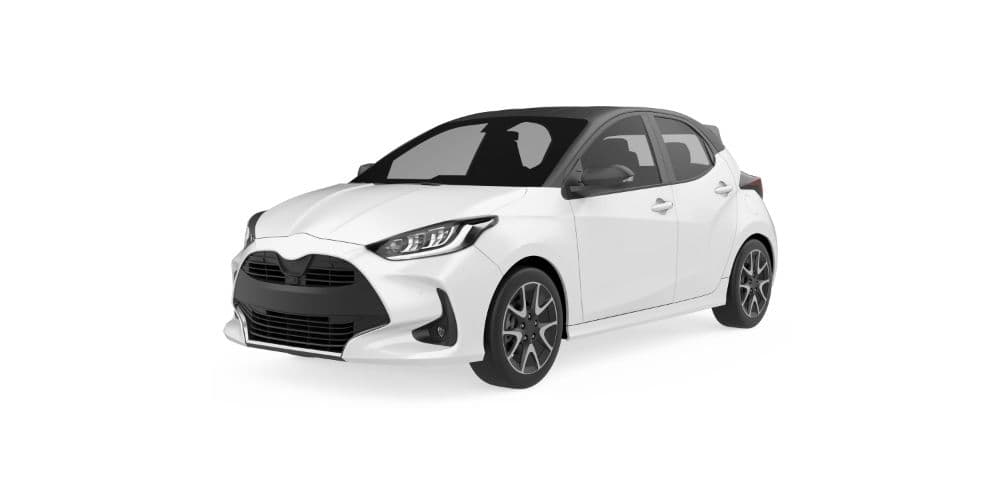
• Economy Car Rental Great for zipping around the city on a budget. Easy to park in tight spots, and fuel-efficient for runs around town or short trips.
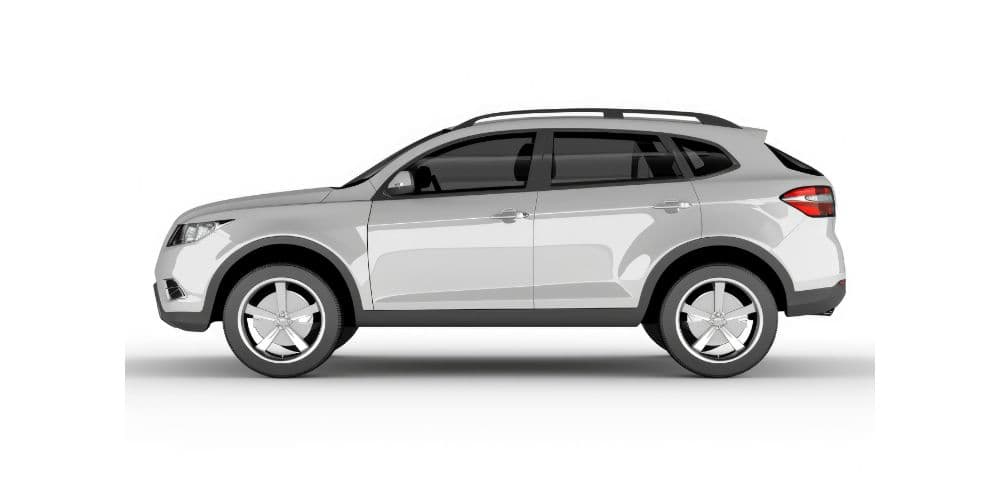
• Standard SUV Rental A popular pick for families visiting Guadalajara. An SUV handles city streets and mountain roads alike, giving extra space and comfort for day trips to Tequila or up to the Sierra.
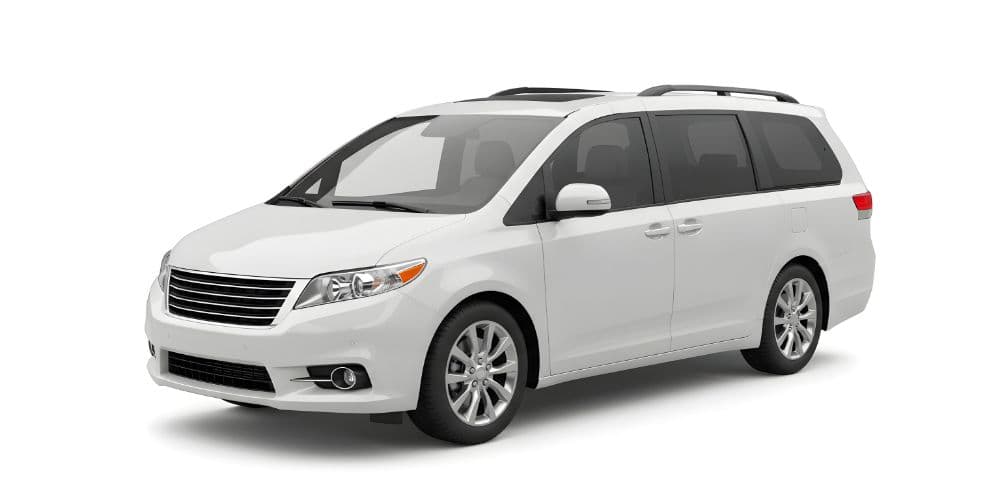
• Minivan Rental When your travel party is large or you have kids with gear, a 7-seat minivan is invaluable. Plenty of room for everyone and their luggage perfect for airport pickups and excursions to Chapala as a group.
• 12 Passenger Van Rental Ideal for big groups such as wedding parties, sports teams, or tour groups exploring Jalisco. Keep all 10-12 people together in one van it’s often cheaper than renting multiple cars and saves coordination headaches.
Our Most Popular Vehicles

Frequently Asked Questions
Your valid U.S. (or Canadian/European/etc.) driver’s license is all you need to rent a car in Guadalajara an International Driving Permit (IDP) is not required in Mexico for visitors. Rental agencies accept a license printed in Roman alphabet, which covers licenses from the US, Canada, UK, EU, and many other countries. An IDP is basically just a translation of your license you might obtain one for peace of mind if your license isn’t in English/Spanish (or if you plan to drive outside Mexico too), but for most travelers it’s optional. The key is that the name on your license must match your passport and credit card, and the license should be valid (not expired) for the duration of the rental. So pack your home country license (and carry it when driving), and you’ll be good to go. The rental counter will not ask for an IDP if your license is in English or Spanish.
Yes, you can! The minimum age to rent at most companies in Mexico is 21. Since you’re 21, you qualify, but be aware of the Young Driver surcharge. Renters under 25 usually incur an extra fee of around $10 USD per day (varies by company). It’s automatically added in your quote when you input your age with us. If you were under 21, very few mainstream companies would rent to you though some local agencies rent to 18-20 year-olds with a higher fee and possibly a limited vehicle selection. At age 21, you’ll have access to economy through standard car categories pretty much everywhere. Some higher-end vehicle categories (luxury cars, large vans) may require drivers to be 25+. One tip: if you have someone 25+ in your group, compare costs of having them as the renter sometimes it can save the fee (but then they’d have to do all the driving). Additional drivers under 25 would also typically pay a fee. In summary: at 21, you absolutely can rent at GDL, just budget for the under-25 fee in your rental cost.
Guadalajara Miguel Hidalgo y Costilla Intl Airport (GDL) is fairly user-friendly for rental car pickups. After you clear customs and collect your baggage, you’ll find the car rental counters in the Arrivals area of the main Terminal (Terminal 1). Major companies have desks right by the exit of baggage claim look for signs for “Renta de Autos”. Once you fill out paperwork at the counter, many of the rental lots are actually a short walk just outside the terminal GDL has a dedicated rental car area on the airport grounds. The staff will direct you. A few companies are located just off-site (a few hundred meters away), and for those, you’ll take a quick shuttle. For example, Enterprise/National might shuttle you to their office about 500m from the terminal. The shuttle pickup point is usually right outside the arrivals hall (they often have you call from a courtesy phone or there’s a representative waiting). But rest assured, the process is quick the airport is not huge. Many travelers report being in their rental car and on the road within 20-30 minutes of landing (assuming no huge lines at the counter). When returning, you’ll generally bring the car back to the same area on-site if it was on-site, or the off-site office will shuttle you back to your departure terminal. All of this will be explained in your rental agreement. If in doubt, ask the counter staff for the return procedure and exact location.
If your plans are to stay within Guadalajara city proper (mainly the central neighborhoods) and you don’t have kids or mobility issues, you could manage without a car. The city has Uber, which is inexpensive for getting around the urban area, and there’s a decent light-rail train (Tren Ligero) plus buses for public transit. In fact, parking in the city center can be a bit of a challenge, so some travelers without day trips planned opt to go car-free in the city. However, there are a couple of scenarios where having a car is still beneficial in the city: 1) If you’re traveling with young children or seniors having your own vehicle is way more convenient (you can use your own car seats, stop when you need to, etc.). 2) If your itinerary includes going out at night to multiple spots (e.g., you want to try restaurants in Providencia, then a bar in Chapultepec, etc.), having a car saves you from trying to find Ubers late at night (they’re available, but you might face surge pricing or a wait). Also, some parts of the metro area like the zoo or suburban shopping centers are easier reached by car. One strategy some visitors use: rent a car but keep it at the hotel when you know you’ll be just walking/Ubering around busy areas, and use it for specific excursions. Guadalajara’s traffic is not as crazy as Mexico City’s, so driving around is relatively stress-free, especially midday or on weekends. In short: you can explore Guadalajara without a car, but having one gives you comfort (AC in the heat, a secure place for belongings) and flexibility, even for in-city exploration. If you do skip the car, you can always rent one for a day or two later if you decide to venture out our downtown rental locations have you covered too.
Yes, many rental companies allow one-way rentals within Mexico. You could, for example, rent a car at GDL and drop it in Puerto Vallarta, Mexico City, Cancún or elsewhere. When booking on our site, just choose a different drop-off location and we’ll show you options. Keep in mind, almost all one-way rentals will include a drop-off fee that varies by distance. For instance, dropping off at Puerto Vallarta or Mexico City might incur a fee around $100–$200 USD. Dropping in Cancún (much farther) could be higher. We factor this fee into the price we display, so it’s transparent. Is it worth it? For some itineraries, absolutely. Example: you want to do a road trip through the Bajío region and end up in Mexico City a one-way saves you the time of backtracking to Guadalajara. Just budget for the fee. One tip: stick to larger companies for one-ways, as they have more locations to accept returns (and sometimes lower fees due to frequent transfers). Another tip: if you’re under 25, that young driver fee still applies on one-ways too. Logistically, the drop-off in another city is simple you return the car to that city’s airport or downtown branch as instructed. Make sure to note the closing time of the drop location (24-hour airports are easiest for flexibility). In summary, one-ways from Guadalajara are doable and common just plan for the fee, and enjoy the freedom of a multi-city road adventure!
Major rental car companies in Mexico generally require a credit card in the primary driver’s name for the security deposit. A debit card might be accepted by some suppliers, but often with additional requirements (proof of round-trip flight, two forms of ID, etc.) and sometimes a higher deposit. Renting with only cash is typically not possible at the airport locations even if you pay the rental cost in cash, the agency will still want a card for the deposit hold. If you absolutely have no credit card, a few local agencies may rent with a debit card plus a sizable cash deposit, but this is not the norm and usually not available at airport counters. Avis and Budget in Mexico have been known to accept debit cards for the deposit if you purchase their full insurance, but policies vary. Our advice: assume you’ll need a credit card. It will make your experience smoother. The card needs enough available credit for that deposit hold (which, as mentioned, can be a couple thousand dollars if you decline insurance). If you plan to use a debit card, be sure to check the rental company’s terms beforehand or contact us we can help identify which partner might accommodate it. And if you only have cash… it’s worth getting a prepaid travel credit card or similar before your trip. Rental companies just won’t hand over a car without some form of financial guarantee.
Yes, if you’re driving from Guadalajara to Puerto Vallarta (or to cities like Aguascalientes, León, Mexico City, etc.), you will encounter toll roads. For Puerto Vallarta: you’ll pay several tolls on the route via Tepic/Compostela expect around 4-5 toll booths. The total one-way cost to PV in tolls is roughly MX$600-700 (about $30-35 USD). The toll road segments are faster and safer than the old winding free roads, so it’s money well spent. Other routes: going north to Tepatitlán/Aguascalientes has some toll sections; heading to León/Guanajuato via Irapuato has tolls; driving to Mexico City you’ll also pay multiple tolls on the Arco Norte or Hwy 15D. Always keep pesos ready some booths give change in pesos only. If you’re curious about exact amounts, tolls are usually listed at traffik or SCT websites, or we can provide an estimate if you ask. But as a rule of thumb, think in the range of MX$100 for shorter hops and MX$300+ for long stretches. One more thing: if you’re planning a round trip, keep the toll receipt tickets in a few cases, showing previous toll receipts at the next plaza can get a slight discount (this is done on a couple of toll circuits). It’s not common around Jalisco, but a habit worth having. And don’t try to avoid tolls by taking “libres” unless you really want the scenic slow route; toll roads here have a strong safety record for instance, the new toll highway to Vallarta significantly improves safety by bypassing curvy segments. So, budget some cash for tolls as part of your road trip expense, and enjoy the smooth ride.
Driving in Western Mexico is generally safe, especially in daylight. The road to Puerto Vallarta, for example, is a common route for locals and tourists alike and it’s perfectly safe during the day if you’re a reasonably confident driver. The biggest hazards are natural: the section between Compostela and Las Varas towards PV is curvy and requires caution (don’t rush, and avoid overtaking on blind curves, as that part of the highway has memorials indicating it can be dangerous if you drive recklessly). By taking the new toll portions and driving attentively, you’ll be fine. As a rule, avoid driving long stretches at night. Visibility is lower, and in rural areas, you might encounter animals on the road or slow-moving vehicles without proper lights. If you’re driving to PV, try to leave Guadalajara in the morning so you’re descending towards the coast by afternoon. For other routes: driving to Tequila very safe by day, just moderate traffic. Driving to Mexico City safe by day; there are plenty of rest stops and it’s a busy toll road. Petty crime like car break-ins can happen at tourist stops, so use secure parking and don’t leave valuables visible (we’ve mentioned this, but it’s worth repeating). Also, consider local advice: if there were any temporary security issues (road closures due to protests or an incident), locals usually update quickly on Google Maps or Waze. But these are rare and typically resolved fast. The bottom line: Western Mexico’s roads are safe for tourists who use common sense. Keep your doors locked in city traffic (to prevent opportunistic window washers or such from surprise-opening again, rare but a simple precaution). And if you ever feel unsure, stick to main highways and daylight travel. Thousands of visitors drive these routes every month without incident, so you can too, with the right preparation and caution.