Mexico City Car & Van Rental
Why rent a car in Mexico City
TL;DR: In Mexico City, booking a car rental or van rental is a smart choice for families, tour groups, or business travelers. Having your own vehicle lets you explore at your own pace from urban landmarks to day trips beyond the city without relying on tour schedules or crowded public transit. Enjoy the freedom, comfort, and convenience of driving yourself while saving time and effort.
Today’s Top Mexico City Car Rental Deals
- Economy Carfrom $12/day (~MX$220). Example: Nissan March or similar. Perfect for solo travelers or couples, this ultra-compact ride is easy to park on crowded city streets and sip fuel in traffic.
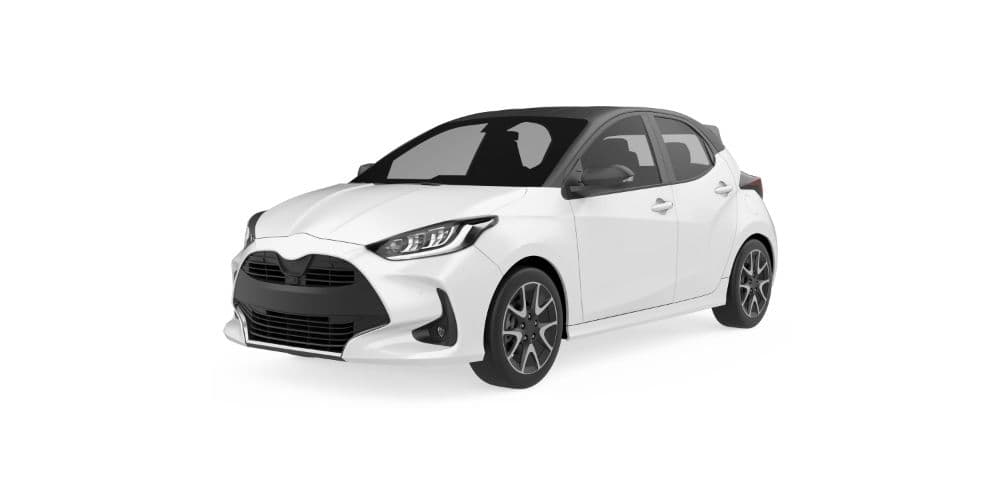
- Compact Carfrom $15/day (~MX$270). Example: Kia Rio or similar. A small 4-door with a bit more legroom and trunk space ideal for a few friends or a small family exploring the city’s neighborhoods.
- Mid-Size Sedanfrom $20/day (~MX$360). Comfortable for highway drives to Teotihuacán or Puebla, with seating for five and space for luggage. A balanced choice if you want more room without a large vehicle.
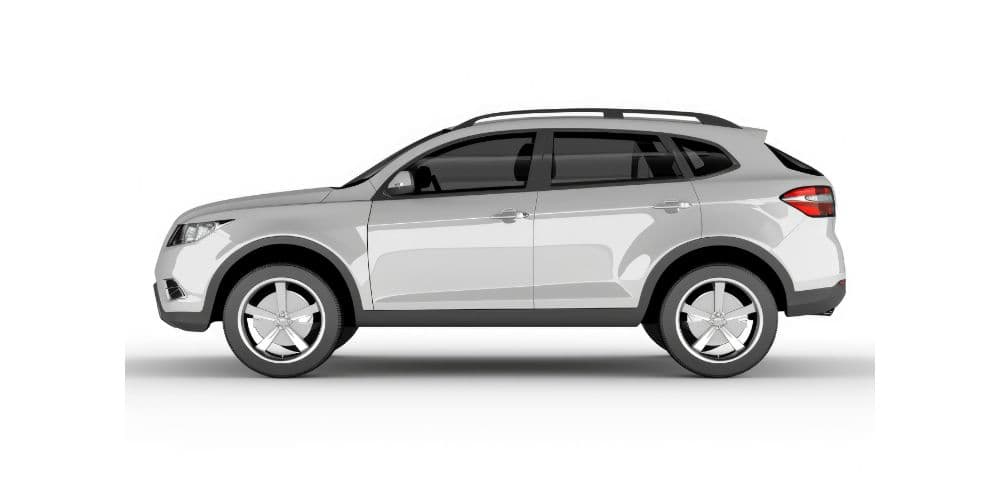
- SUVfrom $30/day (~MX$540). Example: Hyundai Tucson or similar (5-passenger). Higher ground clearance and a roomy interior make it great for family outings or trips into the mountains around Mexico City.
(Remember: “from” rates are recent examples. Actual prices fluctuate with demand and season. Rates shown are base price before taxes/fees. Search now to see current deals for your dates.)
Why Rent a Car in Mexico City?
Renting a car in Mexico City gives you control and convenience. Public transit and rideshares can’t always match the flexibility of having your own wheels, especially if you plan to venture beyond the city limits. Here are a few reasons a rental car or van is beneficial:
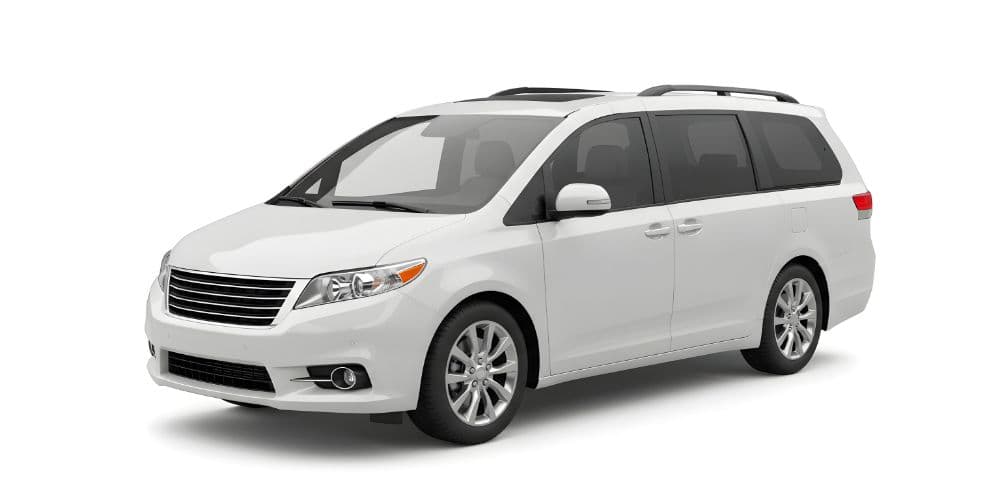
- Family & Group Travel: If you’re visiting with family or a group, a rental van or roomy SUV keeps everyone together. No need to split into multiple taxis or squeeze into the metro. You’ll have plenty of space for passengers and luggage (think strollers, suitcases, or sports gear). This makes airport pickups, day trips, and outings to places like Xochimilco or Chapultepec Park much simpler.
- Explore Beyond the City: Mexico City is surrounded by amazing destinations the ancient pyramids of Teotihuacán, the picturesque town of Taxco, the volcanoes of Popocatépetl & Iztaccíhuatl, and more. With a rental car, you can head out early, create your own itinerary, and discover off-the-beaten-path gems that tour buses might skip. It’s your schedule, not a tour company’s.
- Business Efficiency: Here on business? A rental car can be a lifesaver for reaching meetings across this sprawling metropolis. Rather than negotiating fares or waiting on drivers, you can confidently drive to industrial parks in Naucalpan or offices in Santa Fe. Plus, you can securely store presentation materials or equipment in the car between appointments.
- Avoiding Rideshare Limitations: Ride-hailing apps are useful, but they may have surge pricing during peak hours or limited availability late at night. With your own rental, you’re not at the mercy of surge fees or app availability. If you want to catch the sunrise at Tepeyac Hill or stay late at a Lucha Libre wrestling match, you can your car will be ready whenever you are.
- Comfort & Safety: Especially during hot summers or sudden rainstorms, having a private, air-conditioned vehicle is a huge comfort. You can keep water bottles, snacks, and personal items handy. Modern rental cars in Mexico come with safety features like ABS and airbags. Many also have Apple CarPlay/Android Auto, so you can navigate with your own maps a big plus in an unfamiliar city.
Simply put, a car or van rental in Mexico City unlocks the freedom to explore. You can conquer the city’s vastness and also escape it on a whim. Airport Van Rental makes it easy with transparent pricing (no hidden fees) and a wide selection so you can find the perfect compact car for city driving or a spacious van for your whole crew.
Driving in Mexico City: What To Know
- Traffic & Rush Hours: Be prepared traffic in CDMX is legendary. Weekday rush hours (approximately 7–10 AM and 5–8 PM) see major congestion on roads like Periférico, Insurgentes, and Reforma. If possible, plan your driving outside of peak times. Allow extra time to reach the airport or busier districts, especially on Friday afternoons. Patience is key, and don’t be surprised if locals creatively merge lanes driving here is a bit of an art!
- Toll Roads (Cuotas): Mexico’s highways often have tolls (“cuota” roads) which are faster and better maintained than free roads (“libre”). Around Mexico City, using toll highways (like the Arco Norte bypass or the elevated Segundo Piso expressway) can save you time. Have Mexican pesos on hand for toll booths. Some urban expressways are cashless for example, the elevated toll road requires an electronic tag (Televía/IAVE). Check if your rental car comes with a toll tag, or ask the agency how to pay for electronic tolls. If not, your license plate will be billed and the rental company will charge you later (plus a small fee).
- Fuel & Gas Stations: Fuel in Mexico is sold in liters, not gallons. Regular unleaded is called “Magna” (87 octane) and premium is “Red/Premium” (92 octane). Gas stations (like PEMEX, BP, Shell) are full-service an attendant will pump gas for you. It’s customary to tip a few pesos (5–10 MXN) for their service. Make sure they reset the pump to $0 and show you the amount. Credit cards are accepted at many stations, but having cash is wise in case systems are down.
- Parking: In tourist areas and business districts, parking can be challenging. Street parking in the Centro Histórico is scarce and often restricted always check for signs or painted curbs (yellow or red means no parking). Many neighborhoods use parking meters or attendants (look for the “Ecoparq” meters in zones like Condesa, Roma, Polanco). The easiest option is often a public parking garage or lot (“Estacionamiento Público”), which are widely available expect to pay anywhere from MX$20–50 per hour depending on area. Tip the parking lot attendant a few pesos, especially if they help guide you in or out. At popular attractions (e.g. Basilica of Guadalupe or Frida Kahlo Museum), arrive early for easier parking.
- Driving Etiquette & Safety: Local drivers are assertive but generally skilled. It’s common to use the horn frequently don’t take it personally. Always buckle up (it’s the law for all occupants). Speed limits are posted in kilometers per hour; in the city it’s usually 50 km/h on main roads (lower in residential areas) and 80–110 km/h on highways. Note that right turns on red are not allowed in Mexico City unless a sign specifically permits it. You’ll encounter many speed bumps (“topes”), sometimes marked, sometimes not they force cars to slow down, so keep an eye out, especially on smaller roads and near schools. Avoid using your phone while driving (it’s illegal and enforced). At night, stick to well-lit main avenues. It’s wise to avoid driving in unfamiliar, poorly lit neighborhoods late at night if your navigation app suggests a shortcut through side streets and you feel uneasy, stay on busier roads.
- “Hoy No Circula” Restrictions: Mexico City has an environmental program called Hoy No Circula (“Today No-Drive”) designed to reduce pollution. It restricts vehicles from being on the road on certain days based on the last digit of the license plate (and hologram sticker indicating emissions level). For example, cars with certain plate numbers cannot drive on Mondays, others on Tuesdays, etc., especially during peak hours. The good news: rental cars are typically exempt or have tourist permits if they are newer models (often marked with “0” or “00” hologram stickers, meaning low emissions). Still, double-check with your rental agency about the vehicle’s sticker category or tourist pass. If you drive a non-exempt car on a restricted day, you could face fines or the car could be impounded, so it’s important to be aware.
- Road Signs & Signals: Most road signs are in Spanish but use international symbols. “Alto” on a red octagon = Stop (treat it like a stop sign). Speed limit signs are in km/h. Green highway signs show destinations and distances in kilometers. At traffic lights, a flashing green may indicate the light is about to turn yellow. Also, flashing yellow lights at an intersection often act as a yield proceed with caution. Police checkpoints or random stops do occur they may ask for your driver’s license, registration, and insurance. It’s a legal requirement to carry identification and your rental paperwork. As a precaution, keep copies of your passport and rental agreement in the car. And while unlikely, if you get pulled over for a minor infraction, be courteous. Genuine officers should issue you a written ticket (payable at a bank, not directly to the officer). Avoid offering bribes; politely accept any ticket and inform the rental company if needed.
Road Trips from Mexico City
Mexico City is a fantastic launch point for road trips. With a rental car, you can venture beyond the capital to experience ancient ruins, colonial towns, and natural wonders. Here are four road trip ideas:
- Teotihuacán Pyramids (50 km NE) An easy 1-hour drive takes you to the famed Teotihuacán archaeological site, home of the massive Pyramid of the Sun and Pyramid of the Moon. Go early to beat the crowds and noon heat. You’ll find parking near the entrance for a small fee. An economy or compact car handles this short trip perfectly. Don’t forget a hat and sunscreen you’ll be climbing steep pyramid steps under the sun!
- Puebla & Cholula (130 km SE) Drive about 2 hours on a modern toll highway ( cuota ) to reach Puebla, a UNESCO-listed colonial city. Puebla is known for its stunning Talavera tile architecture and delicious cuisine (try mole poblano where it originated!). Next door is Cholula, famous for its Great Pyramid topped by a yellow church and views of nearby volcanoes. It’s doable as a day trip, but an overnight lets you fully enjoy the evening ambiance. A compact or mid-size car is sufficient roads are in good shape. Tip: Take a stroll in Puebla’s historic center at night to see buildings illuminated, then drive back the next morning.
- Cuernavaca (90 km S) Head 1.5 hours south on Highway 95D to the “City of Eternal Spring,” Cuernavaca. This relaxed city is popular for its mild climate, gardens, and colonial-era palace (once home to explorer Hernán Cortés). It’s a great quick escape from the hustle of CDMX you’ll notice the warmer weather and laid-back vibe immediately. Visit the Robert Brady Museum or nearby Tepoztlán for a hike to a clifftop Aztec pyramid. Any car can handle the trip; just be aware the highway has tolls and some winding sections through the mountains. Weekends can see heavier traffic returning to Mexico City on Sunday evening, so plan accordingly.
- Querétaro & San Miguel de Allende (200–270 km NW) For a longer adventure, drive 3–4 hours northwest into the heart of Mexico’s colonial Bajío region. First stop: Santiago de Querétaro (200 km, ~2.5 hours), a vibrant city with a beautifully preserved historic center and a famous aqueduct with 74 arches. From Querétaro, continue another 70 km (1 hour) to San Miguel de Allende, an artsy town beloved for its colorful architecture, cobblestone streets, and live music scene. Ideally, spend a night or two in San Miguel. Highlights include the pink Parroquia de San Miguel church and lots of galleries and cafes. This loop is roughly 270 km each way back to Mexico City best suited for a weekend trip. A comfortable sedan or SUV is recommended for the longer highway stretches. The roads are mostly toll highways and in good condition. Bonus: En route you can detour to Peña de Bernal (one of the world’s tallest monoliths) or the wine country of Querétaro if time allows.
Popular Mexico City Rental Destinations
With your Mexico City rental, you’re not limited to the city. Many travelers use their rental car to visit nearby cities and attractions. Popular drives include:
- Teotihuacán A must-see ancient city with huge pyramids, less than an hour’s drive north.
- Puebla City Colonial charm and culinary capital, ~2 hours east via toll road.
- Toluca High-altitude city west of Mexico City (1.5 hours), near the Nevado de Toluca volcano for hiking.
- Cuernavaca Lush gardens and historic estates, about 1.5 hours south a favorite weekend escape.
Popular Mexico City destinations
Our Most Popular Vehicles

Frequently Asked Questions
Driving in Mexico City is generally safe if you stay alert and stick to main roads. Traffic is heavy and drivers can be aggressive, so you’ll need to drive defensively. Petty crime like car break-ins can occur, so keep your windows up and doors locked in slow traffic and don’t leave valuables visible when parked. Also, avoid driving alone through unfamiliar outskirts late at night. If you use common sense like avoiding high-crime neighborhoods and follow the rules of the road, you should find driving in CDMX manageable.
For short visits, no, an International Driving Permit (IDP) is usually not required. Major rental companies in Mexico accept a valid driver’s license from your home country (for example, U.S. or European licenses) as long as it’s in a Roman alphabet and clearly valid. That said, an IDP can be a helpful supplemental document it translates your license into Spanish. While not mandatory, an IDP might smooth any interactions with local authorities if you’re pulled over. If your license is printed in a non-Latin script (e.g., Chinese, Arabic), definitely get an IDP. Always carry your passport (or a copy) along with your license when driving.
The typical minimum age is 25 to rent without restrictions. However, many rental agencies in Mexico will rent to younger drivers, usually 21-24 years old, if they pay a “young driver” surcharge. This fee can vary (around $10–$15 USD per day). Drivers under 21 will have a hard time renting, as most companies won’t rent to anyone under 21 in Mexico. Additionally, some vehicle types (luxury cars, full-size vans) might be restricted to renters 25 and up. Always check the specific age policies of your rental provider. If you’re under 25, budget for the extra fee and be prepared to show a credit card in your name.
Tolls on most Mexican highways are paid in cash (Mexican pesos) at toll booths. When driving out of Mexico City on routes like the México-Puebla or México-Querétaro highways, you’ll encounter these booths (called “casetas”). It’s a good idea to carry enough pesos; tolls can range from MX$50 to MX$300 (a few dollars to ~$15 USD) depending on distance. Some modern toll roads around the capital use an electronic tag system (e.g., the elevated “Segundo Piso” ring road in CDMX). If your rental car has a toll tag (ask when you pick up), you can zip through the express lanes tolls will be charged to the car and later to you, often with a small admin fee. If your car doesn’t have a tag, stick to lanes marked “Efectivo” (cash) or “Pago Manual” to pay. Keep the receipts they give you; they’re proof of payment and sometimes needed if you have an issue or for expense reports.
"Hoy No Circula” is a traffic and pollution control program in the Mexico City metro area. It translates to “Today [your car] Doesn’t Circulate.” The rule means that on a given weekday, vehicles with certain license plate endings are not allowed to drive within the city (and parts of surrounding State of Mexico) during most hours. For example, plates ending in 5 or 6 cannot drive on Mondays. The restriction schedule is a bit complex it also depends on the emission hologram sticker on the car (0, 00, 1 or 2) and there are additional rules for Saturdays and high-pollution days. The good news: rental cars are usually newer with “0” hologram verification, which means they are exempt 7 days a week or the rental company obtains a Tourist Pass for out-of-state plates. If you’re renting, ask the agency to be sure, but typically you won’t have to worry about this rule as a tourist. If you do drive a non-exempt car on a restricted day/time, you risk fines and having the car impounded, so it’s important to verify your rental’s status.
It depends on the area and time. In busy zones like Centro Histórico, Zona Rosa, or Condesa, street parking fills up fast. Many streets are monitored by parking attendants or meters (you may see signs for the “EcoParq” system in some neighborhoods). You might have to use a public parking garage, which are common in commercial areas and shopping centers. Look for blue “E” signs (Estacionamiento). Rates are relatively reasonable compared to U.S. cities maybe MX$20–30 per hour in central areas. In residential neighborhoods, parking is often curbside and first-come, first-serve. One caution: never park where the curb is painted yellow or red, or where a sign says “No Estacione” you will be towed or immobilized with a tire clamp (“araña”). Also, some streets switch sides for legal parking on certain days watch for signs or ask a local if unsure. If staying at a hotel, check if they offer parking (many downtown hotels have valet or lots for guests). When in doubt, a secure garage is the safest bet, especially overnight.
Yes. Mexico has mandatory liability insurance laws. At minimum, you must have Third Party Liability coverage this covers damage or injury you may cause to others. Most Mexican rental rates include the basic required liability insurance (usually about ~USD $5 million pesos coverage, which is roughly $250,000 USD). However, this is just basic coverage. The rental agent will likely offer additional insurance options: CDW/LDW (Collision/Loss Damage Waiver) to cover damage or theft of the rental car, personal accident insurance, etc. While CDW is optional, it’s highly recommended unless your credit card covers rental car damage in Mexico (many U.S. credit cards do NOT cover rentals in Mexico, so double-check yours in advance). You can also buy independent rental car insurance beforehand if you want to decline coverage at the counter. But you cannot decline the mandatory liability if it’s not included in the rate, you’ll have to purchase it. The bottom line: make sure you’re insured, either through the rental company or other means, because driving without proper coverage in Mexico can land you in legal trouble if an accident occurs.