
Mexico City Airport (MEX) Van & Car Rental | Airport Van Rental
Why rent a car at Mexico City International Airport
TL;DR: Whether you’re a family touching down in Mexico City, a group of friends on an adventure, or a business traveler with meetings across town, a car rental or van rental at MEX gives you freedom and value. Skip the crowded tours and tight schedules with a rental you can explore everything from downtown museums to Teotihuacan’s pyramids on your timetable. From compact cars to 12-seater vans, having your own wheels means comfortable, air-conditioned travel (a big plus in this sprawling city) and more sightseeing in less time. It’s the hassle-free way to experience Mexico City and beyond.
Today’s Top MEX Car Rental Deals:
(Real example rates recently seen prices fluctuate with season and availability.)
- Economy Carfrom $7/day (approx. MX$130). Example: Nissan March or similar. A fuel-efficient, easy-to-park car perfect for zipping through Mexico City’s busy streets and fitting into tight parking spots in Condesa or Polanco. Ideal for solo travelers or couples on a budget.
- Midsize SUVfrom $20/day (approx. MX$360). Example: Nissan X-Trail or similar. Comfortable seating for five with ample cargo space. Great for families visiting Chapultepec Park or small groups taking a road trip to the Teotihuacan pyramids the higher ride offers a commanding view and confidence on both city avenues and mountain highways.
- Minivanfrom $29/day (approx. MX$520). Example: Chrysler Voyager or Toyota Sienna. Need to move a bigger crew or lots of luggage? A minivan seats 7 and is perfect for family vacations or group outings think a drive to Six Flags México or a day trip to Puebla with friends. Split the cost with your group and it can be one of the cheapest ways to travel per person.
- 12-Passenger Vanfrom $49/day (approx. MX$880). Example: Ford Transit or similar. Large travel group or sports team? Keep everyone together in a 12-seater van. It’s ideal for church groups, bachelor/bachelorette parties, or an extended family reunion trip. You’ll have plenty of room for passengers and luggage. At ~$50/day, that’s under $5/person for a group of 12 far more economical than multiple taxis or rideshares.
- Luxury SUVfrom $60/day (approx. MX$1,080). Example: Chevrolet Suburban or similar. Experience Mexico City in a roomy, upscale SUV that seats 7–8. Perfect for executives or families who want extra comfort. Cruise the city’s avenues in style or head up the mountains to Valle de Bravo luxury SUVs combine premium features with rugged capability for any itinerary.
Pricing Note: “From” rates are base daily prices for recent sample bookings, excluding taxes and fees. In Mexico, rentals are subject to 16% IVA (VAT) plus airport surcharges (often ~10–20%), so expect the final paid rate to be higher. We always show you the total with mandatory fees before you pay, so no surprises. Also note, Mexico requires basic liability insurance on rentals some quotes include this, or it can be added at pickup (we’ll highlight options). Prices vary by season and demand: peak holiday periods may be higher, while early bookings or off-peak dates can snag ultra-low deals. All the above rates include unlimited mileage, so you can drive all you want without worry. No hidden fees what you see is what you pay, with free cancellation on most rentals up to 48 hours before pickup.
Why Rent a Car at Mexico City Airport?
Landing at MEX means you’re in one of the world’s largest cities having a car can transform how you experience it. Here’s why renting a car at Mexico City International Airport is a smart move:
- Cover More Ground, Faster: Mexico City is massive, and while it has an extensive transit system, many attractions are spread out. A car turns a multi-hour, multi-transfer journey into a quick hop. For example, you could have breakfast in Coyoacán, then drive to the Basilica of Guadalupe, and later catch sunset in the Xochimilco canals all in one day. By public transport or rideshares, that would be tough (or costly), but with a car it’s doable. In a metropolis where time is money (or precious vacation hours), a rental car lets you see more in less time. No waiting for buses or figuring out complex metro lines just hop in and go.
- Freedom for Day Trips: With your own car, the wonders beyond the city are within easy reach. Want to explore the ancient pyramids of Teotihuacán at dawn before the tour buses arrive, spend an afternoon in the charming town of Cuernavaca, or drive up to the cool forests of Desierto de los Leones for a hike? You set the schedule. No need to book tours or adhere to anyone else’s timetable. If you see a roadside stand selling tacos or crafts, you can pull over on a whim. A car gives you the freedom to turn your trip into a series of spontaneous adventures, beyond the typical tourist path.
- Comfort & Convenience for Families/Groups: If you’re traveling with family (especially young kids) or a big group, a rental car is a game-changer. You can easily carry strollers, luggage, or sports equipment all secured in your own vehicle. No shuffling kids and gear on crowded buses or into multiple taxis. Plus, you control the AC (a lifesaver in the hot season) and can play your own music or DVDs to keep everyone entertained. Compared to squeezing into unpredictable rideshares, having a minivan or passenger van ready means less stress and more quality time together. It’s door-to-door convenience from the airport to your hotel and everywhere in between.
- Cost-Effective for Explorers: Mexico City’s rideshare and taxi costs can add up, especially if your itinerary involves bouncing between multiple neighborhoods or taking longer trips out of town. Renting a car can actually save money for travelers planning a lot of movement. For example, a round-trip Uber from MEX Airport to the Teotihuacán pyramids could cost nearly as much as a full-day car rental and that rental lets you continue on to other sites. Similarly, if you’re splitting costs with friends, a van rental at ~$50/day might beat the combined cost of 2–3 separate Ubers shuttling a group around. By having wheels, you also avoid surge pricing at peak times and can choose affordable parking or free street parking where available.
- Full Flexibility (No “Hoy No Circula” Hassle for Tourists): Mexico City has a weekday driving restriction program called “Hoy No Circula” that limits local vehicles based on plate numbers to reduce pollution. It sounds daunting, but don’t worry most rental cars with tourist permits aren’t affected during short visits. Essentially, you can drive any day with a rental as a visitor. That means you have a green light to use your car every day of your trip, unlike locals who have to garage their cars once a week. Renting at the airport often comes with necessary permits, giving you unrestricted access to explore the city and surrounding region whenever you please.
Driving in Mexico City: What to Know
Navigating Mexico City by car is an adventure in itself. The city’s streets range from wide modern boulevards to narrow cobblestone lanes, and local driving customs can surprise newcomers. Here are essential tips and local insights for driving in CDMX:
- Traffic & Restrictions: Be prepared for heavy traffic, especially during weekday rush hours (approximately 7–9 AM inbound and 6–8 PM outbound). Main arteries like Paseo de la Reforma, Periférico, and Avenida Insurgentes can become congested parking lots at peak times. Plan extra time for drives across town, and use real-time navigation apps (Google Maps, Waze) which might route you through side streets to save time. Also, note the “Hoy No Circula” program certain cars are banned from driving on specific weekdays based on the last digit of their license plate to combat smog. Tourist rental cars can obtain an exemption (a Pase Turístico) allowing free circulation every day. If your rental has local plates, ask the agency many rentals are already exempt or will guide you so you won’t inadvertently break the rule.
- Toll Roads (Cuotas): The fastest routes to many destinations are toll highways (“cuota” roads). For example, the Autopista to Puebla or Querétaro can significantly cut travel time versus free roads. These toll roads are well-maintained and safer than the free alternatives, but they aren’t free each toll booth (caseta) might charge anywhere from MX$50 to MX$200 (roughly $3–$12 USD) depending on distance. Keep cash in pesos handy for tolls, as not all booths take cards or USD. Within the city, there is an elevated toll expressway (Segundo Piso on Periférico) and some express lanes that require an electronic tag (e.g. “Telepeaje”). Unless your rental car comes with a toll tag, avoid lanes marked “Solo tag” or “TeleVía” stick to cash lanes. The rental company can tell you if your vehicle is equipped for electronic tolling.
- Signs & Signals: All road signs are in Spanish, so it helps to know basics: Alto = Stop, No Estacionarse = No Parking, Retorno = U-turn/return. Speed limits are posted in kilometers per hour (remember 1 km ≈ 0.62 miles). For instance, a sign for 80 km/h means ~50 mph. Mexico generally does not allow right turn on red unless a sign or green arrow specifically permits it when in doubt, wait for green. At many intersections, you’ll notice a blinking green light before it turns yellow; a flashing green is basically your “advance warning” that the light’s about to change. Drive defensively: local drivers can be aggressive with lane changes and rarely use turn signals (it’s a local quirk). Keep an eye out for one-way street signs (a white arrow on blue background) in downtown areas it’s easy to turn the wrong way on unfamiliar one-way streets, so double-check your navigation.
- Parking Tips: Parking in Mexico City ranges from modern multi-level garages to informal curbside arrangements. In popular areas like Centro Histórico, Roma, or Zona Rosa, look for public parking lots or garages (Estacionamiento Público) rates might be ~MX$20–$40 per hour. Many malls, museums, and hotels have their own parking. On streets, you’ll often find metered zones (pay at a kiosk or via app) and time-restricted areas; always read the signs. In some neighborhoods, you might encounter the famous “viene-viene” attendants usually men in vests who unofficially help you find a spot and watch your car for a tip. They’re part of the local fabric; a polite ~MX$10 tip is customary for their assistance. As a rule, don’t leave valuables visible inside the car petty car break-ins can happen anywhere. Use your trunk or take items with you. And remember, never park where you see a red-painted curb or a sign with an “E” crossed out you will be towed or fined.
- Fuel & Insurance: Mexico has switched to a competitive gasoline market, but you’ll still see Pemex stations everywhere (the former state monopoly). Fuel is sold by the liter, not gallon (1 US gallon ≈ 3.78 liters). You do not pump your own gas every station has attendants who fill the tank for you. It’s customary to tip them ~5 to 10 pesos for their service. Say “Lleno, por favor” for a fill-up, or specify an amount (e.g. “500 pesos de Magna”). Magna is regular unleaded, Premium is high-octane diesel (Diésel) is available for diesel vehicles. Make sure the pump starts at $0.00 and check your change; most attendants are honest, but staying observant helps avoid any mix-ups. As for insurance, by law liability insurance is mandatory in Mexico. Your rental likely includes a basic liability coverage in the price or as an extra; do NOT skip it, because your personal US auto policy won’t cover incidents in Mexico. We recommend at least the basic coverage it’s for your protection. If you have credit card rental insurance, it might cover collision damage, but it’s secondary to the rental company’s coverage requirements, and you’ll still need that mandatory liability. Always carry your rental agreement, insurance papers, and passport copy when driving if stopped by police or at checkpoints, they may ask for these documents.
Road Trips from Mexico City
One of the best parts of renting a car at MEX is the ability to embark on fantastic road trips across Central Mexico. Here are four recommended drives, with distances, travel times, and highlights plus what wheels might suit best:
- Teotihuacán Pyramids 50 km northeast (31 miles), ~1 hour drive. Why go: To stand in awe of the ancient Pyramids of the Sun and Moon. This massive archaeological site opens early; with a car you can arrive at sunrise to beat the tour buses. Highlights: Climb the Pyramid of the Sun for a panoramic view, wander down the Avenue of the Dead, and explore the Temple of Quetzalcoatl. Nearby, the town of San Martín de las Pirámides has obsidian handicraft shops and tasty blue-corn quesadillas. Vehicle: Any car class works even an economy car is fine for the well-paved route. Just be sure to have a hat and sunscreen in the car (it gets hot out there!). If you’re a group of 5–7, a minivan keeps everyone together for the early morning trek.
- Puebla130 km southeast (81 miles), ~2 hours via toll highway. Why go: For colonial architecture, rich history, and mouthwatering cuisine. Puebla City, a UNESCO World Heritage site, is famous for its ornate talavera-tiled buildings and as the birthplace of molé poblano. Highlights: Visit the Puebla Cathedral and the rosary-covered Santo Domingo Church, stroll the colorful alley of Los Sapos for antiques, and try authentic molé and chiles en nogada at a local restaurant. Nearby, the Great Pyramid of Cholula (with its church on top) is an extra 20 minute’s drive but worth it. Vehicle: A compact or mid-size car is perfect. The toll road is in great condition. An SUV isn’t necessary, though if you have a bigger family or lots of shopping to bring back (Puebla’s ceramics are beautiful), a mid-size SUV gives you extra space.
- Cuernavaca & Tepoztlán85 km south (53 miles) to Cuernavaca, ~1.5 hours; Tepoztlán is 20 minutes off that route. Why go: To enjoy a dose of greenery and spirituality outside the urban hustle. Cuernavaca is “The City of Eternal Spring,” known for its pleasant climate and lush gardens, while nearby Tepoztlán is a mystical pueblo mágico nestled under dramatic cliffs. Highlights: In Cuernavaca, tour the Cortés Palace and stroll the Robert Brady Museum (a quirky art-filled house). Then drive on to Tepoztlán to hike up to the Tepozteco Pyramid a steep 1-hour climb with an amazing valley view and reward yourself with itacates (stuffed corn patties) in the market. On weekends, Tepoztlán’s craft market is full of incense, crystals, and local art a bohemian’s delight. Vehicle: The winding mountain road to Tepoztlán is doable in any car, but if you’re traveling with 4+ people or on a rainy day, an SUV can offer more comfort and stability. Either way, drive back to the city before dark if you’re not used to curvy roads.
- Querétaro & San Miguel de AllendeQuerétaro: 210 km northwest (130 miles), ~2.5 hours; San Miguel: another 70 km further, ~1.5 hours more. Why go: For a longer getaway into Mexico’s colonial heartland. Santiago de Querétaro boasts a beautifully preserved historic center and is a convenient stop on the way to San Miguel de Allende, an artsy colonial town beloved by travelers worldwide. Highlights: In Querétaro, walk under the iconic Los Arcos aqueduct and dine in the elegant plazas. Continue to San Miguel de Allende to admire its pink Gothic Parroquia church and cobblestone streets lined with galleries and cafes. It’s a perfect overnight trip destination (or long day trip if you start very early). Vehicle: A comfortable sedan or SUV is recommended, given the distance. If you’re traveling with a bigger group or lots of luggage (San Miguel’s shops are tempting!), consider a larger SUV or 12-passenger van. The roads are mostly highways and in good shape just have cash ready for a few tolls en route. This road trip shows you a completely different side of Mexico, from modern Querétaro to the time-capsule charm of San Miguel.
Popular MEX Car & Van Rental Destinations
When you have a rental car, you can easily reach many interesting areas in and around Mexico City. Here are some popular destinations (neighborhoods and nearby cities) travelers often drive to from MEX:
- Centro Histórico, CDMX The historic downtown of Mexico City (Zócalo area) with its Cathedral, National Palace, and museums. ~8 km west of MEX (about a 20–30 minute drive, traffic permitting).
- Polanco & Chapultepec Upscale district known for shopping on Avenida Presidente Masaryk, the famous Chapultepec Park and Castle, and several museums (Anthropology, Modern Art). ~18 km west of the airport (~40 min drive).
- Coyoacán Charming colonial-style neighborhood in the south of the city, with leafy plazas, the Frida Kahlo Museum (Casa Azul), and artsy cafes. ~22 km from MEX (~45–60 min drive).
- Teotihuacán, State of Mexico The monumental pyramid site outside the city (mentioned in road trips above). ~50 km northeast (~1 hour drive). A must-see day trip for history enthusiasts.
- Puebla City, Puebla A major colonial city and culinary capital (famous for molé poblano), southeast of CDMX (130 km, ~2 hours drive via 150D toll road). Many travelers do Puebla as an overnight trip with a rental.
- Toluca & Valle de Bravo, State of Mexico Toluca (66 km west, ~1.5 hour drive) is a high-altitude city known for its botanical garden and volcano Nevado de Toluca. Further west, Valle de Bravo (150 km from CDMX, ~3 hours) is a scenic lake town popular for weekend getaways a bit of a trek, but a great drive if you have time.
Our Most Popular Vehicles at Mexico City Airport
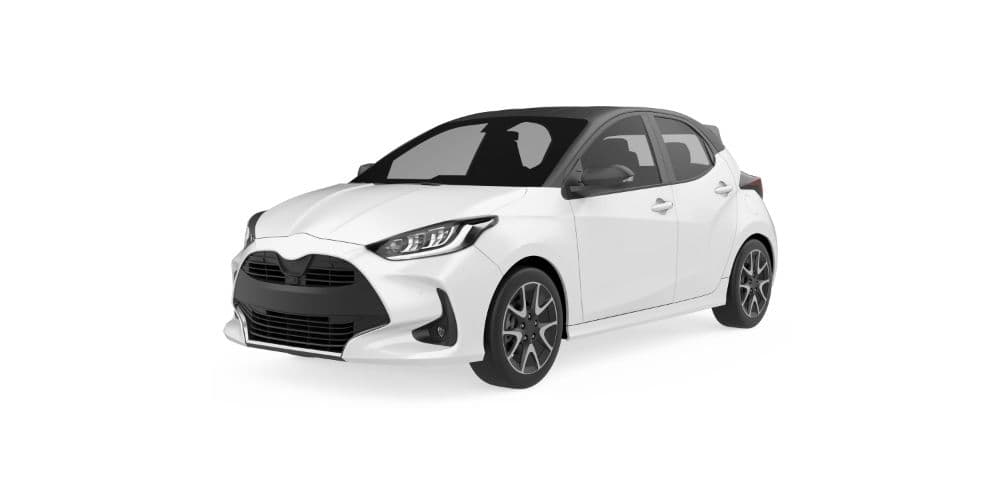
- Economy Car Rental Perfect for couples, solo travelers, and anyone packing light. These small sedans/hatchbacks sip fuel and are easy to maneuver in city traffic.
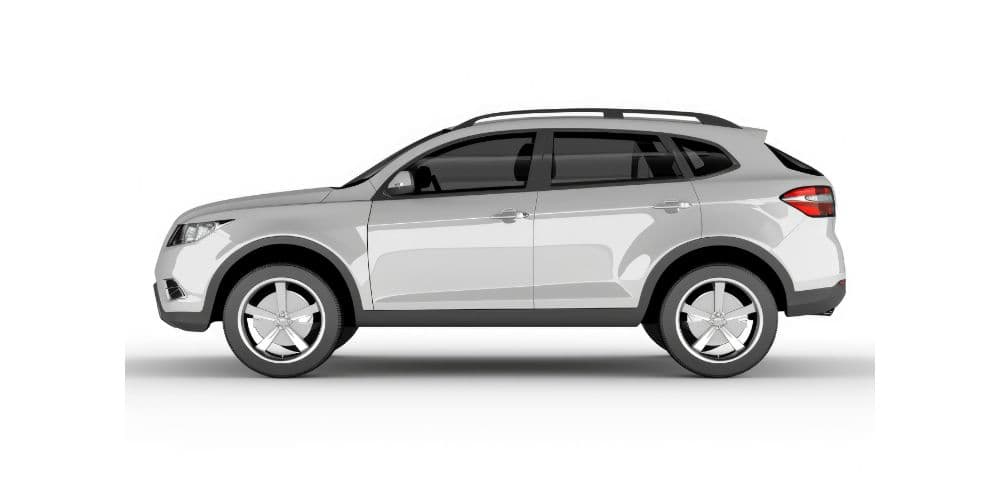
- Standard SUV Rental Ideal for families or groups of 5, or if you plan to drive on mountain roads. A mid-size SUV offers a higher driving position, more luggage room, and often AWD options.
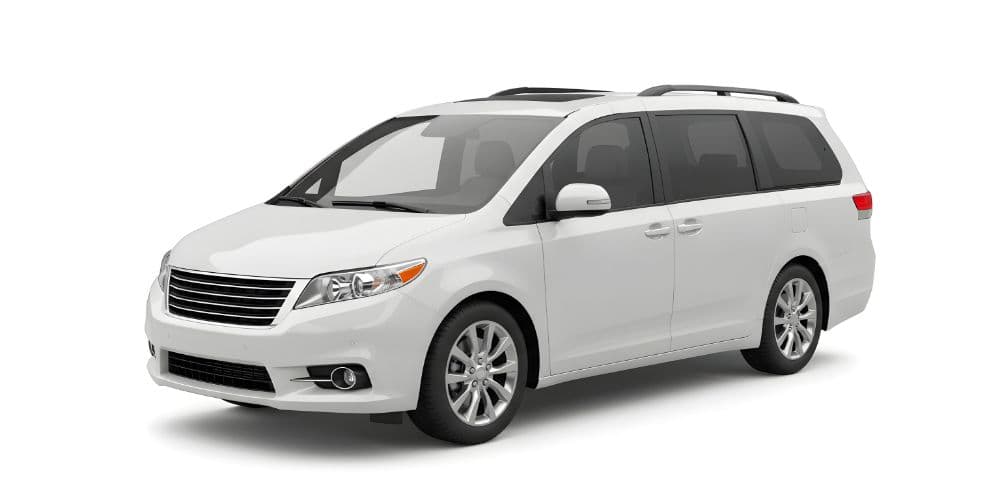
- Minivan Rental 7-8 passenger minivans (like Toyota Sienna or Chrysler Pacifica) are a top choice for larger families or groups, providing comfort and ample cargo space for everyone’s bags.
- 12 Passenger Van Rental The go-to for big groups traveling together. Rent a Ford Transit, Mercedes Sprinter or similar to keep up to a dozen people in one vehicle great for tour groups, school trips, or big family reunions.
Our Most Popular Vehicles

Frequently Asked Questions
No, an International Driving Permit (IDP) is not required if you have a valid license from the U.S., Canada, or most countries. Rental companies in Mexico will accept a driver’s license in English or Spanish (and even other languages, as long as it uses Roman letters). For example, an American driver’s license is perfectly fine at the counter. That said, if your license is in a non-Roman alphabet (say, Japanese or Arabic), it’s wise to carry an IDP for translation. Always bring your passport as an additional ID when renting. But in general, you do not need an international license just to rent or drive in Mexico your home country license will suffice.
The typical minimum age is 21 to rent a car in Mexico. Drivers aged 18-20 might find a few local agencies willing to rent to them, but most major companies set the bar at 21. Also, if you’re under 25, be prepared for a “young driver fee.” It’s usually an extra ~$10 USD per day (plus tax) for drivers 21-24. This fee and age policy can vary by company for example, a company might rent to 18-year-olds but charge a higher fee (Mexico’s legal minimum rental age is 18). When booking through Airport Van Rental, we’ll ask for your age and factor in any young driver surcharge in your quote so you know up front. If you’re 25 or older, congrats you qualify for standard rates with no extra fees in almost all cases.
Yes. Mexico requires all drivers to have liability insurance for injuries or damage to others. Rental cars must include at least the minimum liability coverage by law either built into the rate or as a mandatory fee at the counter. This is not optional. Our booking platform usually shows this basic coverage (often labeled “PLI” or “Third-Party Liability”) included. Beyond that, you’ll be offered CDW/LDW (Collision Damage Waiver) for the car itself and other protections. While CDW is technically optional, keep in mind if you decline it, the rental company will hold a very large deposit (often $2,000–$2,500 USD) on your card. Many travelers opt for at least CDW for peace of mind or rely on a credit card that covers collision but even then, you still need to accept or have liability coverage. In summary: liability insurance is mandatory (don’t drive off without verifying you have it), and additional coverages are up to you. Check your personal auto or credit card coverage before the trip to avoid buying redundant insurance.
Mexico City International Airport has rental car desks in both Terminal 1 and Terminal 2. Major brands like Hertz, Avis, Budget, etc., have kiosks in the Arrivals halls (after baggage claim) just follow the signs for “Car Rental” (or “Renta de Autos”). The process typically works like this: you check in at the counter, then an agent will either escort you or shuttle you to the nearby lot to get your vehicle. At Terminal 1, many rental parking lots are just across the access road (a short walk or quick van ride). At Terminal 2, some companies have cars on-site in the parking structure, while others might shuttle you to a lot a few minutes away. Tip: Use the courtesy phones at the counter or in the arrivals area if you don’t immediately see your company’s desk some smaller operators request you call to send a shuttle. Overall, MEX is a huge airport, but the rental pickup is straightforward plan on about 15-20 minutes from counter paperwork to driving out, on average. And when returning, follow the “Car Rental Return” signs (likely routing you to the same area you picked up).
It depends on your plans. If you’re mostly sticking to one area (say, the Centro and a couple day tours) and are nervous about driving in city traffic, you can rely on Uber/taxis and public transit. Rideshares are plentiful in Mexico City and inexpensive for short hops. However, if you want to explore multiple neighborhoods and especially if you plan any out-of-town trips (Teotihuacán, Puebla, etc.), renting a car becomes very worthwhile. Having a car means no waiting for rides, no surge pricing, and you can carry luggage, shopping bags, or stroller gear easily. For example, doing a self-drive day trip to Puebla and Cholula is far easier by car than juggling buses or paying a steep private driver fee. Also, for traveling at odd hours (early flights, late-night dinners in distant areas), a car gives peace of mind and safety you’re in control of your transport. Keep in mind the traffic, though: schedule around rush hour when you can. Some travelers actually do a hybrid approach use Uber within the congested core of the city, but rent a car for the specific days they’re doing outskirts and day trips. That’s a valid strategy if you’re comfortable with it. In summary: for maximizing sightseeing beyond the city center and for families/groups, a rental car usually wins out; if your itinerary is very tight within the core, you could manage with Uber and the metro. It really comes down to flexibility vs. simplicity.
Yes several major highways out of Mexico City are toll roads (“carreteras de cuota”). If you’re driving to destinations like Querétaro, Acapulco, Puebla, or Toluca, you’ll likely use a toll road at least part of the way. Around the city, the second level of the Periférico ring road and the Viaducto Elevado to Puebla are also toll routes. You typically pay tolls in cash (Mexican pesos) at booths along the highway. Some toll booths closer to the capital even take credit cards, but don’t count on it cash is king, so have some 50s and 100s peso notes handy. The toll amount is displayed before you enter the lane; it can range from small (~MX$30) to hefty (MX$300+) if it’s a long stretch. If your rental car has an electronic tag (ask the agency), you can zip through the express lanes and the toll will be billed to you later (often with a small service fee). Otherwise, stick to lanes marked “Manual/Cash”. One thing to note: the Toluca cuota and Puebla cuota have service plazas with gas and restrooms safe spots to take a break. And if you prefer to avoid tolls, you can take “libre” roads, but they’ll be slower and sometimes less safe (more traffic or speed bumps). We generally recommend using toll roads for efficiency and safety the cost is worth the time saved, especially on long drives.
Hoy No Circula is the big one. As mentioned earlier, it’s an environmental program that restricts vehicles from driving one weekday based on the last digit of their license plate (and additional rules on some Saturdays). If you were a resident, this would definitely apply to you. As a tourist in a rental car, here’s what you need to know: If the rental car has local Mexico City or State of Mexico plates, it technically falls under Hoy No Circula rules unless it’s registered as a tourist or has an exemption. Many rental companies obtain a temporary Pase Turístico (tourist pass) for out-of-state plates, which allows you to drive any day. It’s worth asking your rental agent about this. Generally, if you’re renting for a short period, enforcement is lenient on obvious tourist vehicles, but it’s wise to clarify. The good news: hybrid or electric rental cars (if you happen to rent one) are exempt from Hoy No Circula altogether. Also, these restrictions only apply in the Mexico City metro area once you’re outside the zones (for instance, driving to other states), you’re not affected. Bottom line: Don’t be too worried just inquire at pickup if the car is exempt. If not and you happen to be driving on a restricted day, police might stop you showing your rental agreement and tourist status can sometimes get a pass, but it’s better to avoid the scenario. Plan around it or swap cars if needed (some agencies might give you a plate that’s clear for your needed days).
It varies by company and what insurance you take. If you accept full insurance coverage, the deposit (hold on your credit card) might be relatively low, around $200–$500 USD (or equivalent in MXN). This is basically to cover fuel or minor incidentals. However, if you decline the rental company’s CDW insurance, be prepared for a much larger hold. It’s not uncommon to see holds of $2,000–$2,500 USD (around MX$40,000–50,000) in that case. This is because without their CDW, they want to ensure they can charge for the full value of the car in worst-case scenario. These funds aren’t actually charged to your card, but they will reduce your available credit until the car is returned safely. Every company’s policy is a bit different: some might pre-authorize a set amount regardless of insurance status, while others tier it. We at Airport Van Rental display the expected deposit rules on our checkout info. It’s always a good idea to use a major credit card (not a debit card, if possible) for the rental hold banks process refunds to credit faster, whereas debit card holds can take longer to release. And make sure you have enough credit limit to absorb the hold. When you return the car in good shape, the hold is released (it can take a few business days to see it). So in short: expect a few hundred dollars hold with full insurance, or a couple thousand without it pays to plan accordingly.