
San Diego Comic-Con 2026 Travel & Transportation Guide
TL;DR: Heading to Comic-Con 2026 in San Diego (July 23–26)? San Diego International Airport (SAN) is just 3 miles from downtown, making arrivals easy. For groups (cosplay teams, family or friends), renting a passenger van or SUV can keep everyone together en route. Comic-Con offers free shuttle buses from many hotels, and the MTS Trolley runs expanded service during the convention. This guide covers how to arrive at SAN, choose the best rental vehicles, navigate hotel zones (Gaslamp vs. Mission Valley), use rideshares/public transit, find parking, and get to the San Diego Convention Center smoothly. With 130,000+ attendees expected, a bit of transportation planning will ensure your Comic-Con 2026 adventure is hassle-free.
Event Overview: Comic-Con 2026 takes place July 23–26, 2026 (Preview Night on July 22) at the San Diego Convention Center. This massive pop culture event will completely take over downtown San Diego, especially the Gaslamp Quarter adjacent to the convention center. Expect heavy crowds and traffic downtown as over 130,000 attendees fill the convention and nearby streets. Whether you’re a cosplayer hauling elaborate costumes or a first timer with a simple carry-on, it’s crucial to plan how you’ll get around. Below, we’ll break down arriving via air, renting vans vs. relying on transit, where to stay and park, and local tips so you can focus on the fun (and maybe snag that exclusive merch) instead of worrying about transportation.
Airport Arrival: Flying into SAN
San Diego International Airport (SAN) is the primary airport serving Comic-Con travelers and it’s incredibly convenient. The airport sits about 3 miles from the Convention Center, roughly a 10–15 minute drive by car or shuttle. That proximity means you can land and be downtown in no time. Here’s what to expect at SAN and how to go from runway to convention-ready:
- Airport logistics: SAN has one consolidated Rental Car Center reachable by a quick, free shuttle from the terminals. If you plan to rent a vehicle, you’ll hop on the shuttle (look for signs for “Rental Car Shuttle” outside baggage claim) for a short ride to pick up your car or van. Major agencies like Alamo, Avis, Budget, Enterprise, etc., are all located in this center, so pickup is straightforward. Give yourself a bit of extra time if arriving at peak periods SAN is undergoing terminal improvements, and while it’s usually efficient, a few extra minutes buffer is wise.
- Rideshare & taxi: Prefer not to drive immediately? Rideshare services (Uber, Lyft) and taxis are readily available at SAN. After you grab your bags, follow signs to the Transportation Plaza, where there are designated pickup zones for Uber/Lyft. A ride to downtown/Gaslamp Quarter typically costs around $15–$20 in normal conditions, but surge pricing during Comic-Con influx times can spike fares. It’s only a ~10-minute ride to most downtown hotels. Taxis have a flat-rate distance-based fare; the short 3-mile trip shouldn’t break the bank. Always double-check you’re getting into the correct vehicle (match the license plate to your app) at the airport for safety.
- Public transit: Budget travelers or those arriving during the day can consider Metropolitan Transit System (MTS) options. The City Bus Route 992 (a.k.a. “Airport Flyer”) picks up at Terminals 1 and 2 every 15 minutes and goes to downtown San Diego for just $2.25. It drops at Santa Fe Depot and downtown stops, where you can transfer to the Trolley or walk to many hotels. The ride is about 15–20 minutes. Do note, however, that during Comic-Con you’ll likely have luggage or costumes, and buses may be crowded with fellow con-goers. Still, it’s an ultra-cheap way to get to the city center.
- Alternate airports: SAN is by far the closest and most convenient. Some attendees, especially international travelers or those adding a SoCal trip, might consider LAX or John Wayne (SNA) and then drive down ~2 hours to San Diego. Unless you have significant cost savings or other travel in LA, flying directly into SAN is worth it you’ll avoid a 120-mile drive. (Another alternative is Tijuana’s CBX Cross-Border terminal if you find a deal into TIJ, but that’s an unusual route and involves crossing the border; not typical for Comic-Con visitors.)
Tip: If you land on Preview Night (Wed) or early Thursday, expect the airport to be busy with Comic-Con crowds. Arriving a day earlier (Tuesday or early Wednesday) can mean a calmer experience at the baggage claim, rental counters, and on the roads. Whenever you arrive, once you’re downtown, you’ll instantly know Comic-Con is happening expect to see costumes in the baggage area and giant superhero wraps on buildings as you head to your hotel!
Best Rental Vehicle Types for Comic-Con
One big question is whether to rent a vehicle for Comic-Con and if so, what type. San Diego is a fairly car-friendly city, but during Comic-Con the downtown streets can jam up and parking is at a premium. That said, renting a vehicle especially a larger one can be a game-changer for certain groups:
- Why rent at all? If you’re traveling as a group (say a squad of friends or a cosplay group with props), having your own vehicle keeps everyone together on your schedule. You won’t be tied to shuttle timetables or surge-priced Ubers. It’s also useful if you plan to explore beyond the convention (beaches or sightseeing) or if you have lots of gear (big costumes, booth materials, etc.). A rental can actually save money compared to multiple rideshares, and it gives you flexibility to store items in the vehicle or make supply runs. However, if you’re solo or staying right next to the convention center, you might skip a car to avoid parking hassles we’ll cover those considerations in FAQs.
- No special license needed: The good news is, even the largest rental vans do not require a special driver’s license a standard license is fine, and no commercial CDL is needed for 12- or 15-passenger vans. Age requirements do apply: most agencies require renters to be 25 or older for big passenger vans (and often charge fees for younger drivers of any car). So if your group’s designated driver is under 25, check policies carefully you may need someone 25+ to be the primary renter.
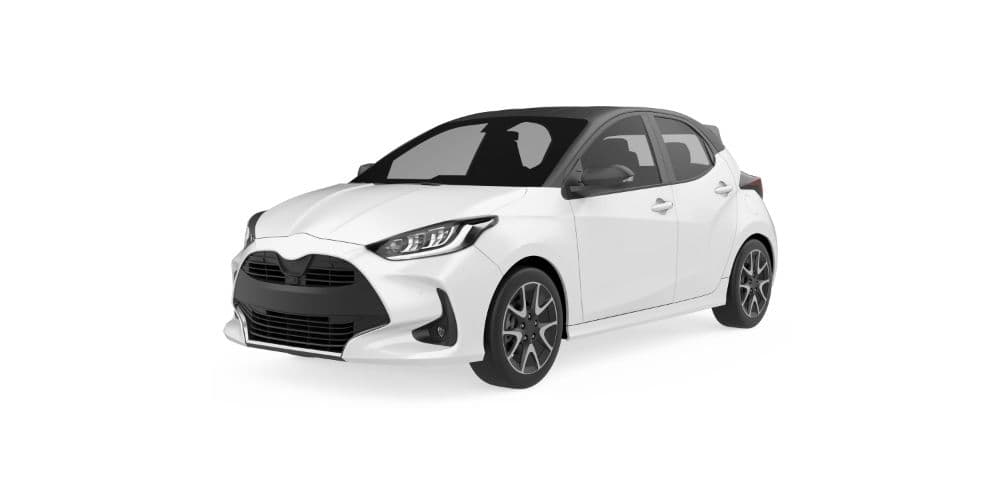
- Choosing the vehicle: For Comic-Con, bigger is often better when it comes to transport. Popular options include minivans, 12-passenger or 15-passenger vans, and SUVs. Each has its pros and cons (covered in detail in the “Ideal Vehicle Classes” section below). In short: if you have a large group (8–15 people), a single passenger van is fantastic for keeping everyone together. If you’re a smaller group (5–7 people) with moderate luggage, a minivan offers ample space and easier city driving. If you want something a bit more stylish or with 4WD for potential trips outside downtown, a full-size SUV (seating 7–8) could fit the bill. Economy cars and standard sedans will be available too, but may feel cramped with cosplay costumes or posters Comic-Con often means lots of stuff.
- Booking early: Comic-Con is a peak travel period in San Diego. Rental fleets, especially of passenger vans, minivans, and larger SUVs, will book up fast around late June and early July. It’s wise to reserve your vehicle well in advance (ideally a few months out if possible). Not only will this guarantee you have the ride you want, but prices are usually better when booked early. If you wait until the last minute, you might find only compact cars left or nothing at all especially for specialty vehicles like 12- or 15-passenger vans.
- Driving in San Diego: Outside of the immediate Comic-Con area, driving in San Diego is relatively easy. Highways like I-5 and I-8 connect the city, and traffic is lighter than LA’s notorious jams (though expect some rush hour slowdowns). Downtown streets around the Gaslamp are a grid and generally manageable, but during the convention some roads close (more on that in “Getting to the Convention Center”). If you’re not used to driving a large van, take it slow and wide on turns but rest assured, many attendees safely rent big vans each year. They’re modern vehicles (e.g. Ford Transit, Chevy Express) with decent handling. Just mind your clearance in parking garages (most 12/15-pass vans won’t fit in low clearance garages stick to open lots).
Quick Rental Tip: Compare prices for pickup at SAN Airport vs. downtown. The airport rental center is super convenient when you fly in, but sometimes there are extra airport fees. Occasionally, you might save by picking up a car in the city (some agencies have downtown locations) if you don’t need a car immediately. However, with a group, grabbing the van at the airport means you can all ride to the hotel together. Use a comparison tool to check both if you’re budget-conscious.
Hotel Zones and Where to Stay
San Diego Comic-Con essentially conquers the entire city center, so choosing your home base is key. There are two main hotel zones that most attendees use, plus a few other options:
- Downtown & Gaslamp Quarter (Walkable Zone): These are the primo locations hotels like the Marriott Marquis, Hilton Bayfront, Hard Rock, Hilton Gaslamp, Omni, etc., which are within a few blocks of the Convention Center (or even directly adjacent). Staying in the Gaslamp Quarter means you can walk to the convention in minutes, and you’re in the thick of the action (restaurants, parties, off-site events). The obvious downside is cost and availability: downtown hotels are expensive and often sell out instantly in the Comic-Con General Hotel Sale lottery. If you scored a downtown hotel, congrats! You won’t need to worry much about daily commuting just remember these hotels charge hefty nightly parking fees (often $50+ for valet) if you have a car, and traffic in/out will be congested. Many downtown hotels are actually so close that Comic-Con labels them “Walking Hotels” with no shuttle needed.
- Mission Valley & Hotel Circle (Shuttle Zone): Mission Valley is a area about 6 miles north of downtown where many mid-range hotels cluster along I-8 (Hotel Circle and surrounding areas). These hotels are typically cheaper and almost all are on the official Comic-Con Shuttle route. The Early Bird Hotel Sale each year features Mission Valley and airport-area hotels specifically because they’re plentiful and cost-effective. If you stay here, you won’t be walking to the con, but you can rely on the free shuttles running 5:00 AM to 1:00 AM most days. Shuttle ride times from Mission Valley to the Convention Center are around 15–20 minutes (longer at peak times when buses fill up). An upside: many Mission Valley hotels offer free parking or lower parking rates, and the area has easier freeway access if you’re driving.
- Airport/Harbor Island & Shelter Island: A few hotels near San Diego Airport (and on Harbor Island, Shelter Island by the bay) are also used by attendees. These are also included on the Comic-Con shuttle routes. You get a nice waterfront vibe and are only ~3–4 miles from the convention. If you’re renting a vehicle, these locations make it simple to drive along Harbor Drive to downtown (except when Harbor Drive is closed during the con see transit section). The trade-off is you’re not in the downtown buzz 24/7. But some people prefer the quieter nights after the con chaos.
- Greater San Diego (for late planners): If official hotels sell out, some attendees stay farther out areas like Mission Bay, Old Town, North County, or even Tijuana. If you find yourself in a hotel 10+ miles away, you will almost certainly need a car (or to use the Trolley/Coaster trains). For example, some might stay in La Jolla or Hotel Circle North and drive in. Others might grab an Airbnb in neighborhoods like North Park or Chula Vista. Plan extra time if so freeways into downtown (I-5, I-805, I-15) can get clogged, and you’ll need to park (see next section). If you’re near an MTS Trolley line (for instance, some stay at hotels near Fashion Valley or Old Town and take the Green Line trolley in), that’s a viable strategy to avoid parking altogether.
Comic-Con Hotel Tip: If you booked through the official Comic-Con hotel block, confirm whether your hotel offers shuttle service. All “Comic-Con Hotel Sale” properties in Mission Valley and along the harbor include the free shuttle in their description. Downtown hotels don’t have shuttles (since you can walk). Shuttles are free for badge holders just flash your Comic-Con badge when boarding. They run very frequently (every 15–30 min depending on time of day) and go to multiple stops. It’s one of the easiest ways to commute from hotel to con, though be prepared for crowds during peak morning rush (7–9 AM) from the hotels.
Rideshare, Shuttles & Public Transit
Once you’re in San Diego, you have a few ways to get around without your own car. During Comic-Con, official shuttles, the trolley, rideshares, and even pedicabs all come into play:
- Comic-Con Shuttle Buses: Comic-Con International provides FREE shuttle buses for all attendees, running on multiple routes covering Downtown, Mission Valley, and the airport-area hotels. This shuttle service starts Wednesday of Preview Night (running 3:00 PM midnight) and then runs daily Thu-Sat 5:00 AM 1:00 AM, and Sun 5:00 AM 7:00 PM. Shuttles pick up at designated hotels or nearby corners (your hotel front desk will have the schedule, or you can check the Comic-Con website’s shuttle info). These buses are a lifesaver they loop continuously, so you can hop on and get to the Convention Center without worrying about parking. Do note that from 1:00 AM to 5:00 AM there is no shuttle service (Comic-Con does enforce a shutdown of a few overnight hours). So if you’re out super late (post-midnight events), you might need a rideshare for that “graveyard” period. Overall, the shuttles are highly efficient and have their own drop-off points near the Convention Center (usually on the outskirts of the road closure zone). Expect them to be packed at peak times (especially leaving the convention at closing each night). But if you’re patient, they’re free and frequent a huge perk of staying in an official partner hotel.
- MTS Trolley (Light Rail): San Diego’s red trolleys are another fantastic way to get around during Comic-Con. Two trolley stops are right in front of the Convention Center one at Harbor Drive/First Avenue (Convention Center Station) and one near Gaslamp Quarter on Fifth Ave. The Green Line and UC San Diego Blue Line both service these stops. For instance, if you’re in Mission Valley, you can take the Green Line from Fashion Valley or Old Town straight to the Convention Center. During Comic-Con, MTS usually adds extra trolley service and late-night hours to accommodate attendees. A trolley day pass is inexpensive (and often Comic-Con attendees can buy special commemorative passes). The trolley is great for those parking at outlying stations or staying along its route. It’s clean, safe, and you’ll likely be riding with fellow geeks sometimes even stormtroopers in full armor hitch a ride. One caveat: if you have a huge costume or prop weapons, be mindful of space and courtesy on board. But otherwise, the trolley can whisk you around while avoiding traffic entirely.
- Rideshare (Uber/Lyft) & Taxis: Uber and Lyft are ubiquitous in San Diego, and they will be heavily used during Comic-Con. They’re great for late-night hops or if you want to go off-site (say, to a distant restaurant or party). Surge pricing is a reality though when a big Hall H panel ends or around 10–11 PM when many people leave downtown, prices can spike. If you’re using rideshare to get dropped at the Convention Center, be aware that Harbor Drive in front of the center is closed to traffic during the con. Rideshare drivers will have to drop you a couple blocks away (often near Broadway & Front St or behind the convention center near Petco Park). Similarly, for pickup, you’ll have to walk out of the secured area. The city sometimes designates specific Rideshare Zones watch for signs or in-app instructions. Traditional taxis queue near major hotels and at the airport; they don’t surge price, but meter rates can be high in traffic. One tip: if you’re splitting fare with a group, a rideshare XL (for 5-6 people) might be cost-effective and easier than coordinating multiple cars or walking late at night. Always plan a meeting spot with your driver that’s outside the road closures; for example, “pick us up at Marina Blvd and Kettner” or another nearby corner that’s reachable.
- Walking & Micro-Transport: If you’re downtown, walking is by far the simplest way to get around. The Gaslamp Quarter and Convention Center area is very walkable in fact, walking often beats sitting in a cab in traffic. Bring comfy shoes because you’ll likely walk a few miles each day between the convention, hotels, and nearby events. You’ll also notice pedicabs (bicycle rickshaws) cruising around these can be a fun if pricey way to go a few blocks, especially later in the evening when feet are tired. Always negotiate a fare before hopping on a pedicab (some charge per person or per block it can add up). San Diego also has dockless electric scooters/bikes (like Lime or Bird). During Comic-Con, scooters might be limited in the most crowded areas for safety, but you could still find them in the outskirts. If you use one, ride cautiously sidewalks will be full of pedestrians, and some areas might prohibit scooters (plus helmets are required by law for under 18 and recommended for all).
- Trains (Amtrak/Coaster): If you’re coming from further out (Orange County, LA, etc.), note that Amtrak’s Pacific Surfliner and the regional Coaster train run to Santa Fe Depot in downtown San Diego. From there it’s a 1-mile walk or a short trolley ride to the Convention Center. Some attendees from LA/OC actually take the train to avoid parking it’s a scenic ride and you can relax. The last Coaster north on weekdays usually leaves around 7 PM, so it’s not useful for a same-day round-trip (and none on Sunday). But for those staying with friends up the coast or doing a day trip, it’s an option to keep in mind.
Harbor Drive Closure: A critical piece of Comic-Con transit logistics: **Harbor Drive (the road in front of the Convention Center) is closed to **all non-authorized vehicles during the convention. Only those with a Comic-Con parking permit for the convention center garage or official shuttles/emergency vehicles are allowed through. This means if you’re driving or taking a rideshare, you cannot drive up to the front door of the con. The road closure usually spans Harbor Dr. between First Ave and Park Blvd. Pedestrians (with badges) can still use the sidewalks and cross the street, but cars are diverted away. Plan your drop-off route to approach from the north or east side: e.g., have Uber drop you near 1st & Market St. or by Petco Park, then walk a few minutes. The closure is for safety (to prevent traffic/pedestrian mishaps) and creates a better pedestrian experience out front. Give yourself a little extra walking time to reach your entrance and wear that badge visibly, as only badge-holders can access certain perimeter areas.
Where to Park for Comic-Con
Driving to Comic-Con each day is doable if you plan ahead but be prepared for a parking adventure. Downtown San Diego will have thousands of attendees competing for parking spots. Here’s the lowdown on parking options:
- Convention Center Garage (Ace Parking): Directly under the Convention Center is a 1,950-space underground garage. It’s the closest parking you can get elevators bring you right up to the Convention Center entrance. However, you can’t just roll up on the day and expect a spot here. These spaces are sold in advance via Ace Parking’s online permit system, which operates via a lottery and sale each spring. If you were lucky enough to secure a parking permit for this garage, you’ll have a designated day(s) to park. You must display the permit and arrive early enough to claim your spot (they don’t allow in-and-out privileges, so once you leave, you can’t re-enter that day). The Convention Center garage has security and is closed overnight no overnight parking or RVs allowed. Rates vary by day/event, often ~$20-30 per day (paid in advance through the permit). Only those with a valid permit (and badge) will be allowed to drive into Harbor Drive’s restricted zone to enter the garage.
- Hilton Bayfront Garage: Just east of the Convention Center is the Hilton San Diego Bayfront hotel, which has its own 2,000-space parking structure. This is another prime location and is usually part of Ace Parking’s pre-sale as well. If you have a permit, great it’s a short walk over the pedestrian bridge to the con. Without a permit, this garage will be extremely hard to access (and likely full or reserved for hotel guests).
- Other Downtown Garages/Lots: If you didn’t get an Ace permit, don’t panic downtown has numerous public parking lots and high-rise garages. Many are operated by Ace or ABM, and a lot of them do offer pre-booking as Comic-Con approaches (Ace has a reservation site). Popular ones include the Padres Parkade (at Petco Park), Convention Center Parkade (a garage a few blocks away), and lots around 8th Ave/Market St. Prices will be inflated for Comic-Con. Expect to pay anywhere from $20 up to $50 per day depending on proximity (closer = more $). Pro tip: Arrive very early in the morning (before 7 AM if you can) to snag spots when garages open, especially on Friday/Saturday. They will fill up by mid-morning. Once full, signs go up and you’ll be turned away. Consider using apps like Parkopedia or ACE’s website to find and reserve a spot in advance if available.
- Metered Street Parking: The streets in downtown have metered spots, but during Comic-Con this is mostly a no-go. Many curb spaces near the Convention Center are barricaded or converted to loading zones. Any street parking that is available will have time limits (and the City often enforces special event rates or restrictions). If you miraculously find a street meter a few blocks out, note the hours most meters operate 8 AM to 6 PM; after that it might be free in some areas, but check for “No Parking” hours or tow-away times. Also, with the sheer influx of people, leaving your car on the street all day is risky (citations or theft). It’s safer to stick to a lot or garage if driving.
- Outside Downtown & Trolley In: A savvy strategy some use is to park outside downtown and ride the trolley the last leg. For example, you could park at an MTS park-and-ride lot like Old Town Transit Center or Mission Valley (Fashion Valley Mall) parking there is generally free and then take a 10–15 minute trolley ride to the Convention Center. This way you avoid downtown traffic and fees. Just be sure to return before the trolley stops service (late-night it runs thinner; Green Line typically runs until around midnight on Comic-Con schedule). The trolley parking lots can also fill up with other commuters, so earlier is better.
- Hotel Parking: If you have a rental car and are staying at a hotel, factor in hotel parking charges. Downtown hotels charge nightly fees (which can be $40-55/night, sometimes higher for valet). Mission Valley hotels often have free parking or a much lower fee, which is one reason people choose them. You might opt to leave your car at the hotel and use shuttles/transit to the con to avoid double-paying for both hotel and Convention Center parking.
Parking permits & lottery: If you’re reading this early enough, know that Ace Parking runs a Comic-Con Parking Lottery each year (usually in May) to allocate those coveted spots. If you entered and got a code, you could buy permits for specific lots (Convention Center, Bayfront, etc.) in advance. After the lottery folks purchase, any remaining permits go on general sale (often in June). These permits sell out within minutes for the best locations. So in future years, if you plan to drive, definitely participate in the lottery. Permits allow you to arrive super early (many lots open 5 AM for permit holders) and come and go (though most are no re-entry). Having a guaranteed spot is a huge stress reliever. Without it, you’ll need a backup plan as described above.
Finally, expect traffic congestion around downtown. Each morning, the influx of cars will cause slowdowns on I-5 at the downtown exits and on streets leading into the Gaslamp. Likewise in the evening, everyone leaving at once (especially Sunday after closing) creates jams. Patience is key or better yet, use transit or wait out the peak by grabbing dinner before heading out. Remember, illegally parked cars will be ticketed or towed the city does not mess around with red zones or blocking driveways. So park smart to avoid a very un-fun trip to the tow lot.
How to Get to the San Diego Convention Center
The Convention Center’s address is 111 W. Harbor Drive, San Diego, CA 92101, right along the waterfront. Depending on where you’re coming from each day, here’s how to navigate to the heart of Comic-Con:
- From the Airport (SAN): The Convention Center/downtown is south of the airport. The simplest driving route is to take Harbor Drive east/south from the airport toward downtown it’s a straight shot along the bay (normally ~10 minutes, though during Comic-Con it may be slower). If Harbor Dr. is closed near the convention, you’d divert to Pacific Highway or Ash St. and loop around. Shuttles from airport hotels will typically drop off at the Convention Center or nearby hotels on Harbor Dr. If using the bus, Route 992’s last stop at Broadway & Kettner is about 0.7 miles from the Convention Center you can transfer to the Trolley for 2 stops or walk ~15 minutes. Rideshares will usually take Harbor Dr. as well, then do drop-offs outside the closure (like near W. G St or Front St).
- From North (Los Angeles/Orange County): You’ll likely approach via Interstate 5 South. As you near downtown San Diego, take the exit for Front St/Downtown or W. Hawthorn St. and follow signs to downtown. Front Street will lead you toward the Gaslamp; Harbor Dr. can be accessed via W. Grape or W. Broadway. Expect delays from about La Jolla onwards if coming at peak times. Another route is to take State Route 163 South, which ends right in downtown (it merges into 10th Ave). From 163, you can turn right on Market St. or continue to Harbor Dr. By car, once in downtown, aim for your specific parking destination or drop-off point (since you can’t drive up to the center itself). Park Boulevard on the eastern side of the center (by Petco Park) remains open and is a good access point for nearby lots or hotel drop-offs.
- From East (Mission Valley/Hotel Circle): Take I-8 West to 163 South, which brings you downtown as above. Or take I-8 West to I-5 South. Both converge into downtown area. If you’re taking the Green Line Trolley, just ride it west/south all the way to the Convention Center Station no driving needed.
- From South (Chula Vista/Mexico): Take I-5 North into downtown San Diego. Exit around J St./National Ave or 6th Ave and follow signs for downtown. Alternatively, from parts of Chula Vista you can take SR 75 (Silver Strand) up through Coronado and over the Coronado Bridge into downtown a scenic route, but note the bridge ends near downtown and you’ll have to navigate to Harbor area (and the bridge can have traffic backups too). If coming from Tijuana, besides driving, note the Blue Line Trolley goes from the San Ysidro border up to downtown San Diego directly.
- Convention Center Entry: There are multiple entrances to the building for badge holders, usually Hall A (north end), Hall D (middle), Hall H (west end) depending on events and lines. If you’re walking from the Gaslamp/downtown hotels, you’ll likely come down Fifth Ave or First Ave to Harbor Drive and enter from the front. If you shuttle or park in lots by Petco Park (east), you may enter near Hall H side. Just follow the crowd or signage. Give yourself plenty of time if you have morning panels a wave of thousands of people moves toward the center around 7–9 AM each day.
- Navigation note: The Convention Center is surrounded by Harbor Drive on the front, the bay/Embarcadero behind, and Park Blvd at one end. It’s impossible to miss once you’re in the vicinity the building’s iconic sail-like roof and massive structure stand out. Many roads immediately around it will be controlled or closed. Use navigation apps but be prepared for reroutes due to Comic-Con street closures (which your GPS may not have up-to-date). The city often posts digital signs guiding Comic-Con traffic to specific exits and routes heed those for the smoothest path.
In summary, getting to the Convention Center is easiest if you’re not driving yourself. But if you do, go early, follow official routes, and don’t fight the road closures. Once you’re there, soak in the atmosphere even approaching the venue, you’ll see costumed heroes and giant banners welcoming you to Comic-Con!
Group Travel Tips for Comic-Con
Coming to Comic-Con with a group (whether friends, a fan club, or a big family) can be an absolute blast and a minor logistic nightmare if you’re not organized. Here are some quick tips to ensure your group trip goes smoothly:
- Keep the crew together: Whenever possible, travel in one vehicle or one unit. Piling into a single van or SUV means you all arrive at the same time and nobody gets lost. It’s also cheaper splitting one rental van’s cost and gas among 6–12 people is far more economical than multiple cars or constant rideshares. Plus, the bonding time in the van (or on the shuttle) can be part of the fun! If you do end up in multiple cars, use walkie-talkie apps or hands-free phone calls to communicate en route (but let the passenger handle this drivers should focus on the road).
- Coordinate your schedule: Comic-Con days can get crazy with panels, off-sites, and merch runs. Plan meet-up times/places in case your group splits up. For example, decide on a specific spot in the Convention Center lobby or a landmark (“meet at the giant off-site inflatable dragon at 6 PM”). When it comes to transportation, agree on a morning departure time from your hotel so no one sleeps in and delays the whole van. In the evenings, if some want to leave early and others stay late, make sure everyone knows how they’re getting back. It might help to designate a group leader who keeps track of the van keys and where it’s parked.
- Parking & drop-offs for groups: If you have a large passenger van, identify in advance where it will go each day. Huge vans might be directed to specific oversized parking areas. As mentioned, Harbor Dr. closure means if someone is dropping your group off, pick a smart location (like by the Hilton Bayfront or near 4th Ave) so you can all hop out safely without blocking traffic. If your group is using the free hotel shuttles, plan to go early a shuttle can only hold so many, and you may have to split into two shuttles if it’s full. It’s better to be on the same bus, so catch an early one when they’re emptier.
- Use tech to stay in touch: Cell service can get spotty at the con due to high usage, but generally texts will go through. Set up a group text or use a messaging app to coordinate meetups or changes (“Hall H line is moving, come back to the van now!” etc.). If you’re from out of country, sort out SIM cards or roaming so you aren’t cut off. Portable chargers are your friend with so much phone use (photos, coordination), batteries die fast, and you don’t want a key group member unreachable due to a dead phone.
- Split responsibilities: For road trips, split driving duties if long distances. For daily con runs, maybe rotate who goes to retrieve the van from the parking lot, or who stands in line for parking payment. If someone is going on a Starbucks run in the morning, have them pick up for the group. Little things like that keep everyone happy and on time. Also, if you have multiple hotel rooms, consider all carpooling in one vehicle rather than each room doing their own thing it saves on parking costs and is more efficient.
- Enjoy the ride: The journey is part of the Comic-Con experience! Play some geeky tunes in the car, debate your favorite Marvel movies while stuck in traffic, and take group selfies on the trolley. If you’re in a big 15-passenger van, expect some laughs (and maybe some funny looks) embrace it. And when it’s time to leave the con each day, doing so together means you can all decompress and share stories of your day’s adventures during the ride back to the hotel.
In essence, communication and timing are the golden rules for group travel. Make sure everyone knows the plan (but have a backup plan if things go awry). By keeping everyone on the same page, your group will save time and money and maybe even snag those elusive panel seats together. Teamwork makes the dream work, even in Comic-Con traffic!
Ideal Vehicle Classes for Groups (Van vs. SUV vs. Minivan)
If you decide to rent a vehicle for Comic-Con, choosing the right type can make a big difference in comfort and convenience. Here’s a quick guide on ideal vehicle classes for group travel, and how each fares in the Comic-Con context:
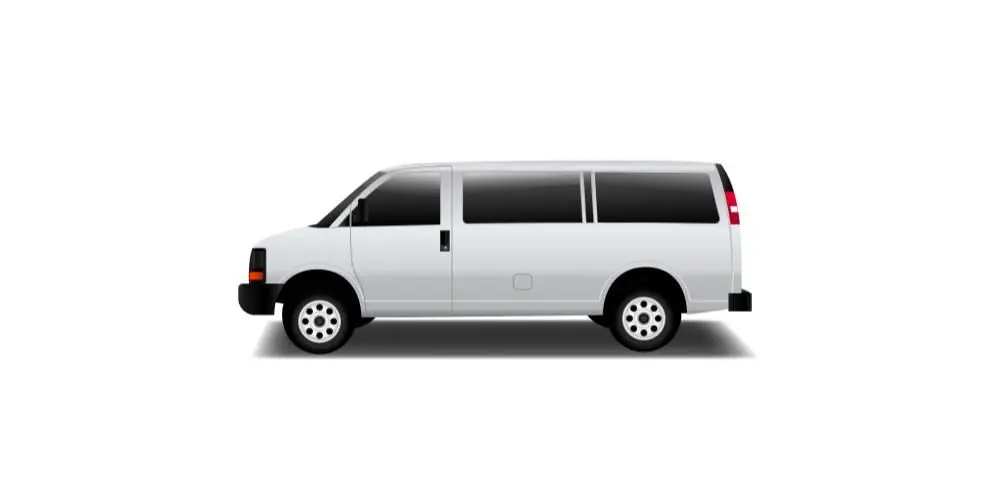
- 15-Passenger or 12-Passenger Van: These full-size vans (Ford Transit, Chevy Express, etc.) are the go-to option for large groups. They can seat 12 to 15 people in one vehicle, which is fantastic for keeping your whole party together. The obvious perk is everyone arrives at once you’re not coordinating multiple cars. Logistically, one driver, one gas tank, one parking space. Costs, when split, can be very reasonable; renting one big van can be cheaper than renting 3 or 4 separate cars (and certainly cheaper than umpteen Uber trips). At Comic-Con, where hotel and parking logistics are tough, minimizing vehicles is a win. Space: 15-passenger vans have four rows of seating; even with a full load of people, there’s usually some cargo room in the back for luggage or costume tubs (a 12-passenger van has one less row, trading 3 seats for more cargo space). If you have fewer than 15 people, you gain even more room for props and bags by folding or removing a bench. Driving: These are big rigs about 22 feet long. If you’re comfortable driving a U-Haul or large SUV, you’ll manage, just be cautious with turning radius and braking distance. One thing to note: most rental agencies require drivers to be 25+ to rent these due to insurance. And fuel economy is not great (~12–15 MPG), but splitting gas many ways softens the blow. In short, if your group is in the double-digits, a passenger van is likely your best bet for Comic-Con group mobility.
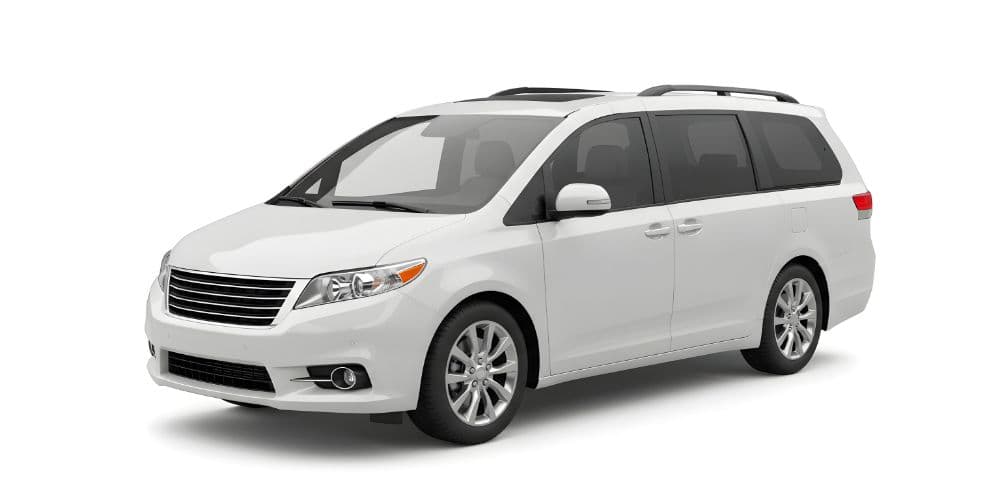
- Minivan (7–8 Passenger): For a moderate-sized group say five to seven people a minivan is the unsung hero of convenience. Modern minivans (Chrysler Pacifica, Toyota Sienna, Honda Odyssey, etc.) seat 7 or 8 with three rows. They have sliding doors (easy for hopping in/out curbside or loading costume crates) and a low step-in height (great if anyone in your group has mobility issues or you just have heavy gear to lift). Minivans handle like cars, so navigating downtown and parking in garages is much easier than with a giant van. The back row folds down if you need extra cargo space for merch hauls or luggage. Why choose a minivan? If your group isn’t huge but you still want one vehicle, minivans hit a sweet spot: more capacity and storage than a standard SUV, but not overkill. They often have built-in entertainment systems maybe pop in a Star Wars DVD for the drive. Fuel economy is decent (high teens to low 20s MPG), and rental rates are usually lower than big vans or SUVs. Pro tip: some minivans are hybrids (like the Pacifica Hybrid) if available, you could save on gas. At Comic-Con, a minivan can be ideal for a family, a cosplay team of 6, or a vendor crew with merch boxes. It’s no wonder they’re labeled **“family-friendly” vehicles they’re designed for comfort and cargo on road trips. One caution: with 7-8 people plus luggage, you might be packed to the gills. So if you have lots of suitcases, consider a rooftop cargo box or take a 12-passenger van instead.
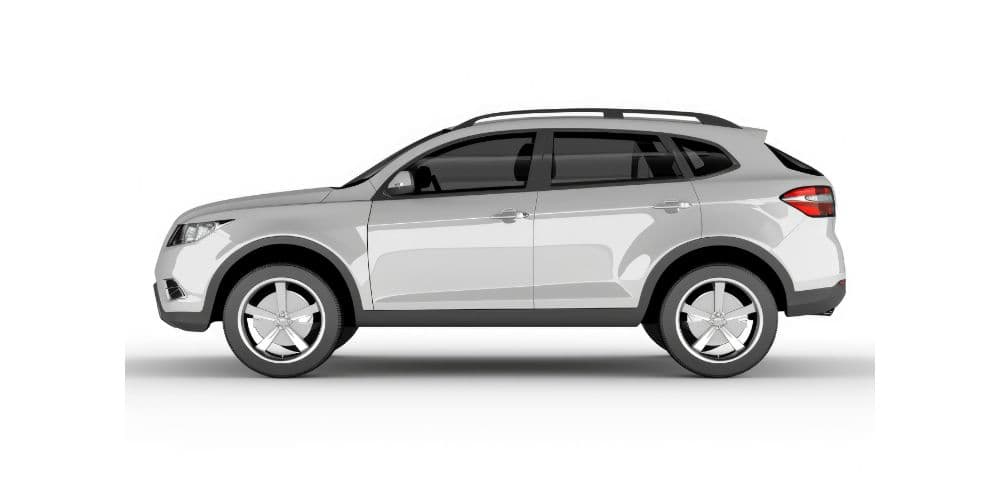
- Large SUV (Full-Size SUV, 7–8 Passenger): If you prefer something a bit more rugged or upscale, a full-size SUV like a Chevy Tahoe, Ford Expedition, or Toyota Highlander can carry about 7 passengers (sometimes 8) across three rows. These SUVs often have all-wheel drive, which isn’t particularly needed for downtown San Diego, but if you plan any beach trips, mountain hikes, or driving in potential rain (rare in July), it’s nice to have. The appeal of an SUV over a minivan is style and sometimes towing capacity (not likely needed for Comic-Con, but who knows someone might be towing a trailer of booth materials). Space: Full-size SUVs have good cargo room, though with all seats up it can be limited you might fit a few suitcases behind the third row, but not as much as a van. If your group is 5–6 people, you can fold part of the third row for more cargo. Driving: SUVs are easier to drive than vans for most; they fit in normal parking spots and have all the modern driver aids (backup cameras, etc.). Gas mileage is on the lower side (~15–20 MPG). They also come in handy if you decide to do touristy excursions like drive to Legoland or Disneyland after the con very comfortable on the highway. For Comic-Con, an SUV works best if your group is medium-sized and maybe wants a bit of luxury (plush seating, maybe a higher-end model). It’s also a good option if you simply hate the look of a minivan (though trust us, practicality at Comic-Con trumps looks!). Just remember, if you have 7 people plus giant cosplay props, an SUV could get tight a van might still win in pure volume.
- Standard Cars (5-Passenger) for backup: If your group is small (3–4 people) or split across different schedules, you might consider just a regular sedan or compact SUV. These will certainly do the job of getting you around, but you’ll miss out on the group-together advantages. One thing some groups do is rent two smaller cars instead of one big one this can give flexibility if, for example, half the group wants to do off-site events elsewhere. However, you then double your parking costs and require two willing drivers. Generally, one larger vehicle is simpler for a Comic-Con trip unless you have very divergent itineraries.
In summary, match the vehicle to your group’s size and needs. If you’ve got a big crew and want simplicity, go big with a 12 or 15-passenger van everyone rides together and you save money per person. If your group is moderate and you value ease of driving, a minivan is a top choice Comic-Con families and teams use them extensively. And for those who want an all-around vehicle with a bit of power or flash, a large SUV will carry the crew in comfort. There’s no wrong answer, but there is an optimal one for you. Reserve early, and you’ll have your pick of wheels for the convention.
No matter what you rent, vehicle demand is high around Comic-Con. Lock in your reservation early and consider “Pay Later” options so you aren’t charged upfront (in case plans change). And do a quick vehicle inspection when you pick up make sure that sliding van door or rear AC is working, because a long day in San Diego heat with a faulty van AC is the stuff of nightmares (July avg highs are mid-70s°F, but in a packed van even that can feel toasty). With the right ride, you’ll cruise through Comic-Con with maximum freedom and minimum stress.
Local Attractions & downtime in San Diego
Comic-Con will keep you busy, but if you have free time or just need a break, San Diego offers a smorgasbord of attractions many within a short distance of the Convention Center. Here are a few highlights:
- Gaslamp Quarter Dining & Nightlife: The Convention Center sits adjacent to the historic Gaslamp Quarter, which is San Diego’s dining and entertainment hub. In the Gaslamp’s 16-block radius, you’ll find 100+ restaurants, bars, and nightclubs, ranging from casual taco shops to high-end steakhouses. Every night during Comic-Con, the Gaslamp is buzzing with themed parties, meetups, and people in cosplay grabbing dinner. Stroll along Fifth Avenue to take in the atmosphere street performers, pop-up events, and plenty of fellow fans unwinding. Notable spots: Dick’s Last Resort (raucous fun), Gaslamp Tavern (sports bar), Trailer Park After Dark (trailer-themed bar), and heaps of pubs and clubs. It’s truly “party central” for con-goers. If nightlife isn’t your scene, the Gaslamp is still worth visiting by day for its shops and architecture (many buildings circa 1880s). But by night, it transforms think block parties and live music spilling into the streets. One tip: make dinner reservations if you can; every place fills up with Comic-Con crowds. Or hit up the many food trucks that appear around downtown for a quick bite.
- Seaport Village & Embarcadero: Just a 10-minute walk west from the Convention Center along the bayfront is Seaport Village, a cute waterfront shopping and dining complex. It’s a nice spot to relax by the water, grab an ice cream or coffee, and watch boats in the harbor. The Embarcadero (waterfront promenade) extends past Seaport to the USS Midway Museum (a decommissioned aircraft carrier you can tour) and beyond. Sometimes studios set up off-site experiences in this area during Comic-Con, but even if not, it’s a peaceful escape from the crowds. You’ll also find grassy parks if you want to sit under a tree and decompress. Given Comic-Con’s intensity, a breezy stroll by the bay can be a godsend to clear your head between panels.
- Beaches: San Diego is famed for its beaches and they’re a great way to extend your trip before or after the convention (or even during, if you play hooky for a morning!). The closest beach to downtown is Coronado Beach, just across the bay about 6 miles from downtown over the Coronado Bridge. It’s consistently ranked one of America’s best beaches, with sparkling sand and the iconic Hotel del Coronado. You can actually take a ferry from behind the Convention Center to Coronado and then a short shuttle to the beach if you don’t want to drive (ferry drops at Coronado Ferry Landing). Another popular spot is Mission Beach & Pacific Beach, about 7–10 miles north (reachable by car in ~20 minutes). Pacific Beach (PB) has a youthful vibe with boardwalk shops and Belmont Park amusement park (with a historic rollercoaster), and is about 7–8 miles from downtown. La Jolla Cove (20 min drive) offers picturesque cliffs, sea caves, and snorkeling with La Jolla’s famous sea lions great for nature lovers. If you have a car and time, a trip to watch the sunset at Sunset Cliffs (Ocean Beach area) or Mount Soledad is unforgettable. Just remember sunblock that California sun is real, even if you’ve been indoors all week!
- Balboa Park & San Diego Zoo: Only a couple miles north of the Convention Center (10 minutes by car or rideshare) is Balboa Park, a 1,200-acre urban park filled with gardens and 17 museums. It’s also home to the San Diego Zoo, one of the world’s best zoos. If you’re staying in town a few extra days, Balboa Park is a must-see for its Spanish Colonial architecture and attractions (check out the Fleet Science Center or the Comic-Con Museum that opened recently!). During Comic-Con itself you might not have a full day to spare, but some museum events or the Japanese Friendship Garden could be a calming side excursion. The Zoo can take a full day, so perhaps save that for a post-con Monday.
- Dining Highlights: San Diego’s food scene is eclectic. Being so close to the border, you have to try some authentic Mexican food whether that’s fish tacos (try Oscars or Tin Fish by the convention), California burritos (stuffed with french fries!), or late-night carne asada fries. The Gaslamp Quarter has everything from ramen joints to Italian, but also consider nearby Little Italy (a short Uber ride away) for excellent pasta, pizza, and gelato. Craft beer lovers will be in heaven San Diego is a craft beer capital. Tasting rooms like Stone Brewing or Ballast Point in Little Italy are great stops if you want to sample local brews. Just remember, if you’re driving or have an early panel, don’t overdo it!
- Nightlife & Geekery: Aside from the official Comic-Con events, the city comes alive at night with themed parties. Many are industry events, but some are open to the public or easy to get into (check sites like SDCC Blog for nightly event lists). Even if you don’t go to an organized party, walking the Gaslamp at night you’ll encounter pop-up experiences and maybe a celebrity or two. For a laid-back vibe, the Roof bars like Altitude at Marriott Gaslamp offer panoramic views (you can literally see the convention crowds from above). And if you want a classic San Diego experience, head to the Shoreline Bar & Grill or any seaside bar and enjoy a drink with ocean breeze.
San Diego is a beautiful city, and Comic-Con attendees often extend their trip to enjoy it. Whether it’s catching a Padres baseball game at Petco Park (right next to the con), riding the historic carousel at Seaport Village, or simply enjoying the warm summer evenings dining outdoors, make some time to appreciate America’s Finest City. It provides a perfect backdrop to the excitement of Comic-Con a mix of energetic downtown and chill coastal vibes.
Our Most Popular Vehicles
Frequently Asked Questions
San Diego International Airport (SAN) is by far the best and closest airport for Comic-Con. It’s only about 3 miles from the Convention Center, roughly a 10-minute drive. Flying into SAN drops you right into downtown San Diego, so you can start your Comic-Con adventure immediately without a long transfer. Other airports like LAX or John Wayne (Orange County) are 90+ miles away only consider those if you’re doing a wider SoCal trip or if flights into SAN are completely sold out. In short, book your flights to SAN if at all possible (and do it early Comic-Con dates are peak travel season, so flights can fill up months in advance).
You can absolutely get by without a car if you’re staying in or near downtown. The free Comic-Con shuttles connect most hotels to the Convention Center, and the MTS Trolley provides quick service around downtown and from areas like Mission Valley. Many attendees actually prefer not having a car it spares you the parking hunt and allows you to fully immerse (and maybe have a drink at a Gaslamp party without worrying about driving). If your hotel is within walking distance or on a shuttle route, you’re golden. That said, a rental car (or van) can be convenient if you’re staying far out, have off-site plans (like going to the beach or zoo), or a group with lots of gear. It gives flexibility to explore beyond the con. But if your Comic-Con plans are centered on the Convention Center and Gaslamp, you can save money by relying on shuttles, trolleys, and the occasional Uber. Many veterans will tell you: it’s often less stressful to be car-free during Comic-Con so you don’t have to battle traffic and parking.
In a word, intense. Downtown streets, especially Harbor Drive, Front St, First Ave, and the roads immediately around the Convention Center, see heavy congestion at peak times. Each morning, thousands of cars, shuttles, and rideshares are all trying to drop off attendees around 7–10 AM expect slow crawls and some impatience on the roads. The city closes Harbor Drive in front of the venue, which actually helps by keeping pedestrians safe, but it also funnels vehicles into fewer routes. Midday traffic isn’t as bad, but early evening (around 5–7 PM) when the Exhibit Hall closes and people head to hotels can again be bumper-to-bumper. Also, if there’s a Padres baseball game at Petco Park during Comic-Con, that can add to traffic in the mix. Plan for delays what’s a 5-minute drive without Comic-Con could be 20 minutes during it. Locals know to be patient this week. If you’re driving, consider avoiding the absolute peak periods: perhaps arrive super early (before 7 AM) and leave either before 5 PM or much later at night to miss the worst jams. The good news is many attendees ditch their cars and use shuttles or walk, which helps a bit. And San Diego’s grid isn’t as formidable as, say, LA’s. But yeah, budget extra time any time you’re on the road.
Parking is challenging and often requires advance planning. All the closest lots (Convention Center garage, Hilton Bayfront, etc.) are permit-only via a lottery if you don’t have a pre-sold permit, assume those are off-limits. Other public garages in downtown fill up very early each day. By mid-morning, “Lot Full” signs are common. You might find space further out (uptown or East Village areas) but you’ll pay a premium downtown parking operators know it’s a special event and typically charge higher flat rates (expect ~$30 or more for the day). Street parking is extremely scarce; many street spots are temporary no-parking zones for the event or get taken by 6 AM. Best strategy: reserve a parking spot in advance if possible (Ace Parking’s website sometimes offers pre-booking for certain garages) or use transit. If you must drive in without a reserved spot, get there at the crack of dawn (before 7 AM) to have any shot at prime parking, or target a lot a bit farther out and be prepared to walk 15+ minutes. Also consider park-and-ride: parking at a trolley station like Old Town or Qualcomm Stadium (when available) and taking the trolley in. In summary, parking is doable if you’re determined, but it requires either an early bird mentality or spending extra cash to secure a spot. Many seasoned Con-goers simply find it not worth the hassle to drive in each day unless they truly need a car.
As early as humanly possible. Comic-Con is not the kind of event where you can snag last-minute deals easily demand far outstrips supply. Hotel rooms in the Comic-Con block are typically lottery-based and sell out within minutes months in advance. If you didn’t get a downtown hotel in the lottery, look for rooms in Mission Valley or further out ASAP, because those will go too. Flights into SAN for Comic-Con weekend also book up early and prices rise aim to buy your airfare 4-6 months out if you can. Rental cars and vans: definitely reserve early (3-4 months ahead for specialty vehicles like 12-passenger vans). We’ve mentioned it before, but larger vehicles can be in limited supply during big events. The earlier you book, the better the rate and the more choices you have. Even if you just think you might need a car, reserve it most rentals allow free cancellation up to 48 hours prior, so it’s better to have it secured. By early July, rental fleets might be fully booked or only luxury cars left. Bottom line: once you’ve got your Comic-Con badge confirmed, start locking in travel components. It’s one less thing to worry about as the excitement builds, and you’ll likely save money too.
Comic-Con has specific costume and prop policies mainly, props that resemble real weapons must be peace-bonded (checked and tagged as safe), and no functional weapons or dangerous materials are allowed. For transportation, this means if you’re carrying a big prop (like a replica sword or gun), it’s wise to keep it in a case or clearly fake while in public so as not to alarm anyone on transit or in the street. Once at the convention, you’ll go through a prop check if needed. Regarding vehicles, Harbor Drive’s closure and security perimeters mean you can’t do things like drive a promotional vehicle right up to the con without permission. If you were thinking of cosplay that involves a vehicle (say, a decked-out “Mystery Machine” van or Batmobile replica), know that it won’t be allowed inside any restricted zones without prior approval. Comic-Con does not allow any personal vehicles on the convention grounds or front drive. Also, hoverboards or personal mobility devices are typically not allowed in crowded indoor spaces (and can be considered a safety hazard on the con floor). If you require mobility assistance (wheelchairs, etc.), Comic-Con has services for that check their official Transportation Desk/Disabled Services. In short, plan to park your special vehicles elsewhere and walk in. Follow the official rules for cosplay props (listed on the Comic-Con site) so you don’t have any confiscations. Most importantly, wear comfy shoes not really a policy, but a personal recommendation after seeing many a Spider-Man grimace by Day 3 due to insufficient arch support!
Plan ahead and build in extra time. That is the golden rule. Familiarize yourself with shuttle schedules, trolley routes, and road closures before you arrive. If you have a panel that’s super important to you, leave earlier than you think you need to even if that means arriving before the convention doors open. Use tools: the Comic-Con official app often has maps of shuttle stops and up-to-date info. For driving, apps like Waze can sometimes help navigate around traffic, but during Comic-Con the best navigation might be your knowledge of alternate surface streets (Waze can’t bypass a city blockade!). Also, have a backup plan: if a shuttle is full, maybe you hop on the trolley; if the garage you aimed for is full, know the location of a second-choice lot. Take advantage of Comic-Con’s resources: the Transportation Desk on site can answer questions, and there are usually plenty of signage and volunteers to guide you. Lastly, pack patience and good vibes everyone is trying to get somewhere. A smile or friendly chat with fellow attendees while waiting for a shuttle can turn it from a frustration into a fun memory. And hey, you never know the person next to you on that shuttle bus could share a fandom with you and become a new friend. Comic-Con is as much about the journey as the destination, so stay flexible, stay informed, and you’ll do great!