Daytona 500 2026: Airports, Hotels & Car Rentals
TLDR:The Daytona 500 2026 takes place in Daytona Beach, Florida. Fly into Daytona Beach (DAB) for the closest airport, or use Orlando (MCO) or Jacksonville (JAX) for more flights. Renting a car is the easiest way to reach Daytona International Speedway and explore the area. Book lodging and parking early, arrive hours before the green flag, and plan for heavy post-race traffic.
Getting to Daytona 500: Travel & Airport Information
Daytona International Speedway is in Daytona Beach, Florida, and it’s well-served by several airports within a few hours’ drive. The closest is Daytona Beach International Airport (DAB) practically next door to the Speedway (about a 10-minute drive, ~4 miles away). DAB is small but during Speedweeks it’s very convenient for quick access. Major airlines like American and Delta fly into DAB, and you can pick up a rental car right at the airport.
Most travelers, however, find more flight options into larger airports nearby and then drive to Daytona:
- Orlando International Airport (MCO): About 60 miles southwest of Daytona Beach. Driving from MCO takes roughly 1 hour 15 minutes via I-4 East, which directly connects Orlando to Daytona Beach. Orlando’s airport is a major hub with many flight choices, and renting a car here is easy with dozens of car rental companies on-site.
- Jacksonville International Airport (JAX): Around 105 miles to the north roughly a 1.5 to 2-hour drive down I-95. JAX is another viable option especially if you find a better flight deal there. The drive is straightforward and mostly highway.
- Orlando Sanford International Airport (SFB): Approximately 50 miles (about a 1-hour drive) from Daytona via I-4. Sanford is a smaller airport used by some budget airlines. If you fly into SFB, you can also rent a car there and hop on Hwy 417/I-4 to Daytona. It’s a good alternative to MCO if you find cheaper flights.
- Tampa International Airport (TPA): ~140 miles away (2.5 hours drive) to the west. Tampa might be an option if you plan to combine the race with a Gulf Coast visit, but it’s a bit far for a direct Daytona trip.
- South Florida Airports: Miami (MIA) and Fort Lauderdale (FLL) are 3.5-4+ hours away, so they’re generally not “close” to Daytona. Use those only if you’re making a bigger Florida trip otherwise, stick to DAB, MCO, or JAX for proximity.
Driving In: If you live in the Southeast U.S., driving to Daytona is an adventure of its own. Daytona Beach sits along Interstate 95, which runs north-south along the East Coast, and is near the eastern end of I-4, which comes in from Orlando. A lot of NASCAR fans make the pilgrimage by car or RV, converging via I-95, I-4, and US Highway 92 (International Speedway Blvd) which passes right by the track. Expect heavy traffic on race weekend we’ll cover tips to manage that in the race-day section. But the benefit of driving is you’ll have your own wheels to get around town and perhaps enjoy a classic American road trip on the way.
Book Travel Early: The Daytona 500 isn’t just a one-day race; it’s the culmination of Speedweeks, a series of events leading up to the 500. This means the whole area gets busy in early to mid-February. Flights into all nearby airports can fill up fast (and get expensive) for that weekend, and roads get crowded too. Plan and book your flights and car rentals well in advance for the best selection. If flying in, schedule an early flight if possible on arrival day to allow buffer time for the drive to Daytona, especially if weather or delays occur.
Car and Van Rentals: How to Get Around
Once you’ve arrived in Florida, having a rental car is by far the easiest way to get to Daytona International Speedway and explore the area. Florida’s public transportation is limited in this region, and especially if you’re staying outside Daytona Beach (e.g., in Orlando), a rental car is essential local transit options are virtually nil and rideshare fares can be very high around race day. The good news is all the major airports have plenty of rental car companies offering everything from compact cars to 15-passenger vans.
Choosing the Right Vehicle: Consider the size of your travel party and how much gear you have:
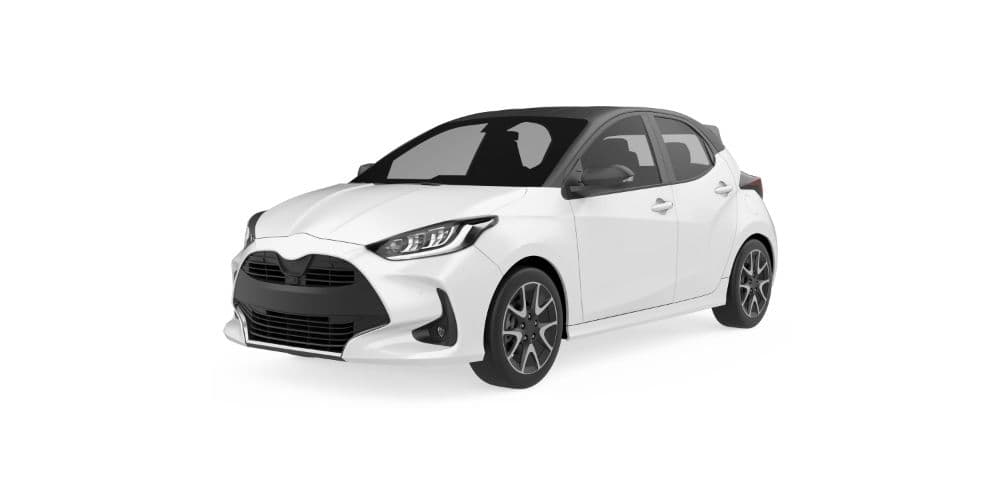
- Solo Travelers or Couples: A standard sedan or economy car will do the job. It’s the most budget-friendly for fuel and rate. If you’re a racing fan on a romantic getaway or just packing light, a compact car works. Bonus Florida’s weather in February can be mild and sunny, so you might even splurge on a convertible for the classic Florida feel as you cruise A1A along the beach.
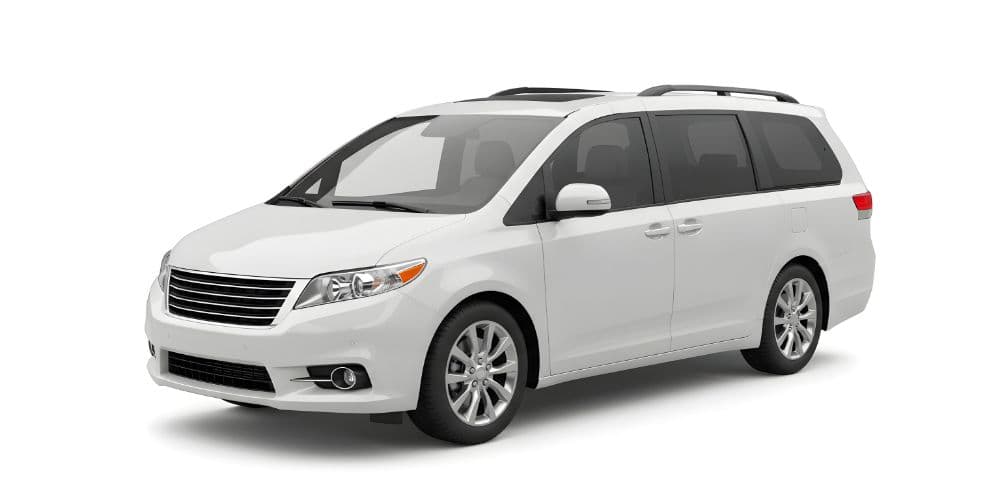
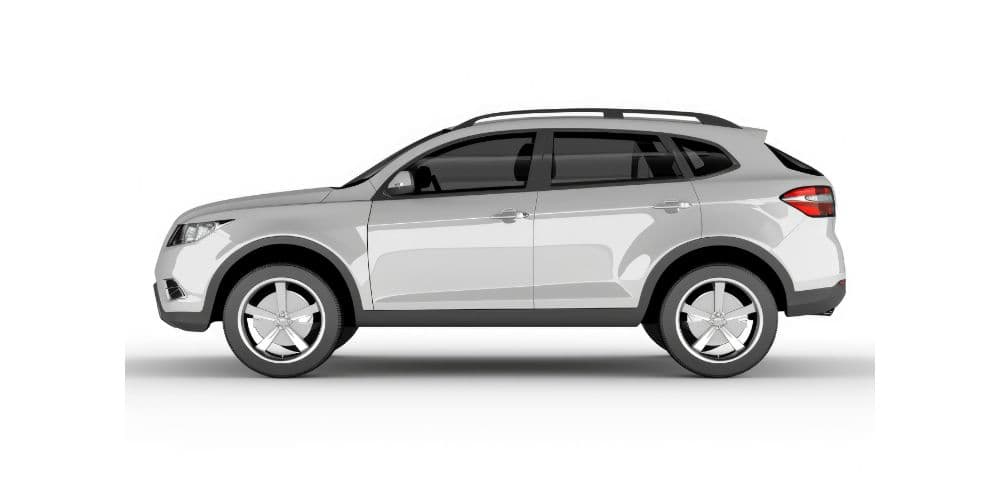
- Families (3-5 people): Opt for a midsize or full-size car, SUV, or a minivan. An SUV or minivan gives you extra space for luggage, coolers, strollers, and racing souvenirs. For example, a minivan can be perfect for a family plenty of seating and storage, plus sliding doors for easy access. Many families drive in or rent minivans/SUVs at the airport so they can also do day trips to theme parks or beaches with the same vehicle.
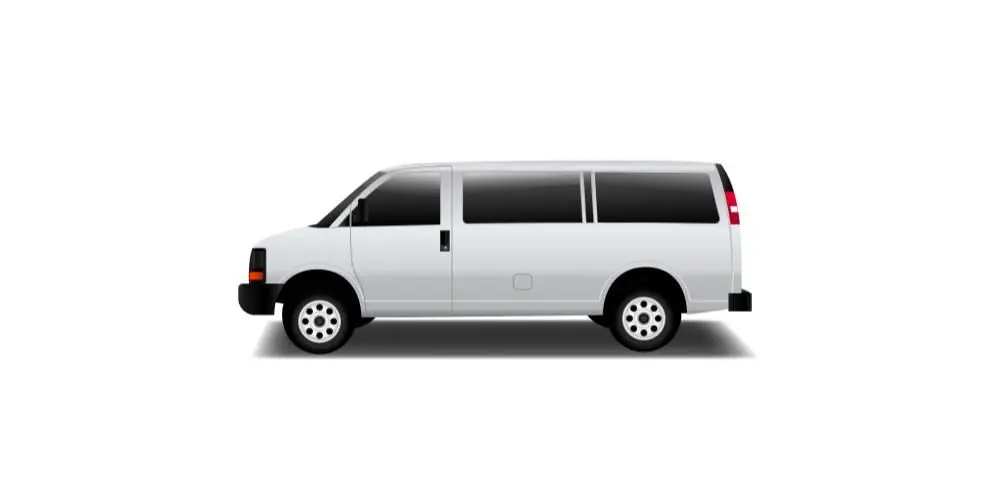
- Large Groups (6+ people): Look into 12- or 15-passenger vans or renting multiple vehicles. A passenger van is fantastic for keeping a big group together you’ll only need one parking space and you can split the cost, making it efficient. These larger vans are often available at major airports like MCO and are popular for groups of friends, corporate outings, or big families traveling to Daytona. If a passenger van isn’t available or you prefer more flexibility, consider two SUVs so you have convoy options.
No matter what you choose, reserve your vehicle early. The Daytona 500 brings a surge in demand for rental cars inventories can run low, especially for specialty vehicles like 12-15 passenger vans or luxury SUVs. Booking a month or more ahead is wise. Also, consider picking a rental pick-up time that aligns with your flight arrival (most airport rental desks are open late, but double-check hours if you have a very late arrival).
Driving Around Daytona: Getting around Daytona Beach and the surrounding areas is relatively easy by car. The city streets are laid out in a grid, and the Speedway is just off International Speedway Blvd (U.S. 92), which is a main east-west artery. Traffic is light on normal days, but expect heavy traffic on race day and the days leading up to it plan for delays and follow any posted signs or police directions when you approach the Speedway. Having a car also lets you explore more (like driving on the beach yes, you can literally drive on certain stretches of Daytona Beach’s hard-packed sand!). Just be prepared for stop-and-go near the track when crowds are at their peak.
Parking your Rental: We’ll go in-depth on Speedway parking in a later section, but note that hotels in the area generally offer free parking for guests (sometimes one car per room). If you drive a rental to your hotel, that’s usually straightforward. On race day, you’ll use large event parking lots. Consider keeping a small cooler, snacks, and sunscreen in your car Florida sun can be strong even in February, and you might want to tailgate or relax by your vehicle before or after the race.
Where to Stay in and around Daytona Beach
Finding accommodations for the Daytona 500 weekend can be challenging because tens of thousands of fans pour into town. You’ll want to book early (as early as possible once you know you’re going) to secure a spot that fits your needs and budget. Here are your main options and tips:
- Hotels Near Daytona International Speedway: Staying as close as possible to the track is a dream for die-hard fans. There are a few hotels within a mile of the Speedway (around the airport area and Daytona Speedway Blvd). The advantage is obvious you can potentially walk to the track or have a very short drive, and you avoid much of the race-day traffic. These hotels, like Holiday Inn Express or La Quinta by Wyndham, fill up extremely fast and often charge premium rates during race week. If convenience is your top priority and price is secondary, this is the way to go. Just reserve many months ahead.
- Beachfront Hotels in Daytona Beach: Daytona is famous for its beach and boardwalk, and many attendees make a vacation out of the trip. The main beachfront tourist district (around Daytona Beach Boardwalk, Main Street Pier, and Atlantic Ave) is about 5-6 miles from the Speedway (roughly a 15-minute drive). Here you’ll find large resorts like the Hilton Oceanfront, Daytona Beach Shores Resort, Hard Rock Hotel, and more. Pros: you get the full beach experience ocean views, walking distance to restaurants/bars, and non-race entertainment. Cons: you’ll need to drive or shuttle to the Speedway and contend with traffic, but the drive is not too bad if you depart early. If you’re traveling with family or someone who isn’t at the track all day, a beach hotel might keep everyone happy. Many beach hotels also have pools, kids’ activities, etc., making them great for families.
- Budget-Friendly Stays: If you’re price-conscious, look for hotels a bit further out or less fancy options. There are motel chains and budget hotels along I-95 and US-1, or in nearby towns. For example, areas like Daytona Beach Shores (south end of Daytona), Port Orange, or Ormond Beach (just north) might have slightly lower rates and are within 15-20 minutes of the Speedway. You might not be on the beach itself (or if you are, the property will be more modest), but you can save money. These areas are also quieter and may suit families looking for a calm base. Tip: Even in budget hotels, check if they have minimum-night stays on race weekend some require 3-4 nights booking due to high demand.
- Vacation Rentals: Another popular option is renting a condo or house. Platforms like Airbnb and Vrbo have plenty of listings around Daytona. A condo on the beach or a house in a nearby neighborhood can be fantastic for groups or families who want kitchens and multiple bedrooms. Prices can be high for that weekend, but if you split a house among a large group it may be quite reasonable per person. Look in areas such as Daytona Beach Shores, Ormond Beach, or even New Smyrna Beach for rentals if you want a bit of distance from the Speedway crowds. Again, book early and read reviews to ensure the rental is legit and conveniently located.
- Camping and RVs: For the truly NASCAR-spirited experience, consider camping. Daytona International Speedway offers on-site campgrounds and RV parking including the famous infield camping where you’re literally inside the track oval for the weekend. This is an amazing atmosphere (think constant barbecue, parties, and being immersed in racing 24/7). However, it requires planning: you’d need to secure a campsite pass well in advance (they often sell out) and either bring an RV or tent. Some companies even rent RVs delivered to the Speedway campground for you, so you don’t have to drive one yourself. If you love camping or want to be as close to the action as possible, this is a memorable option. There are also a few campgrounds in the Daytona area off-site if the Speedway infield or lot camping is full. Keep in mind camping is best for those who don’t mind roughing it a bit you’ll be using shared facilities and hearing the buzz of excitement (and generators) throughout the night.
Overall tip: During Daytona 500 weekend, hotels may require a minimum stay (e.g., 2 or 3 nights). If you only plan to come for the day of the race, it might actually be tricky many fans stay at least the night before. Plan your stay accordingly, and if you’re on a tight budget, consider staying farther from Daytona and driving in on race day (for example, some fans stay in Orlando or Jacksonville and drive in super early on Sunday doable, but you’ll be in for a very long day).
Things to Do Beyond the Race
While the Daytona 500 is the main attraction, you’ll find plenty of activities and attractions in the Daytona Beach area to round out your trip. Whether you have a few extra days or just want to explore after the checkered flag drops, here are some highlights:
- Hit the Beach & Boardwalk: Daytona Beach isn’t called the “World’s Most Famous Beach” for nothing. The coastline stretches for 23 miles and even in February the weather can be pleasant for a walk on the sand or even a quick dip (water might be chilly, though). A unique Daytona tradition is driving on the beach in designated areas you can actually take your car onto the sand (at slow speeds) for a cruise or to park and enjoy the ocean views. The Daytona Beach Boardwalk and Pier area offers rides, arcade games, and eateries. It’s a bit tourist-kitschy but iconic. Grab a famous Joe’s Crab Shack meal on the pier or enjoy the street performers in the evening. If you’re traveling with kids, they’ll love the old-fashioned arcade and Ferris wheel.
- Daytona International Speedway Tours & Motorsports Hall of Fame: If one day at the track isn’t enough, consider taking a Speedway tour on a non-race day. Daytona offers track tours where you can see the garages, pit road, and even take a lap around the track on a tour tram (subject to availability around events). Adjacent to the Speedway is the Motorsports Hall of Fame of America a museum featuring historic race cars and memorabilia. This could be a great add-on either before or after the 500 (just check if it’s open race weekend it may have special hours). It’s a must-see for racing history buffs.
- Ponce de Leon Inlet Lighthouse & Marine Science Center: About 20 minutes south of Daytona Beach is Ponce Inlet, home to Florida’s tallest lighthouse. You can climb Ponce Inlet Lighthouse (203 steps) for a breathtaking view of the Atlantic Ocean and Daytona coastline. The lighthouse is a beautiful historic site and makes for great photos. Nearby is the Marine Science Center, an interactive facility where you can see rehabilitated sea turtles and stingrays perfect for families looking for an educational outing. Ponce Inlet also has some great seafood restaurants overlooking the water (a nice, relaxing contrast to the loud race crowds).
- Outdoor Fun and Day Trips: Daytona offers more than just motorsports. If you’re into water sports, you can try renting jet skis or going on a dolphin and manatee boat tour in the Halifax River or Intracoastal Waterway. Fishing charters are available too. For golfers, the area has several golf courses. And if you want to make this trip even more epic, remember that Orlando’s theme parks (Disney World, Universal Studios) are only about an hour away if you have a few extra weekdays after the race, you could easily drive your rental car to Orlando for some roller coaster therapy. The Kennedy Space Center (NASA) is about 1.5 hours to the south another fantastic day trip if you love space and science. Daytona Beach truly can be a “base camp” to explore central Florida attractions.
- Nightlife and Dining: Race week is party time in Daytona. Main Street in Daytona Beach turns into a buzzing strip of bars and live music during Speedweeks and Bike Week. Even if you’re not a big partier, it’s worth strolling Main Street to see all the revelry. Check out the Daytona Beach Bandshell (an outdoor amphitheater by the ocean) if there are concerts or events happening. For a more laid-back scene, One Daytona (a modern shopping/dining complex right across from the Speedway) has restaurants, a movie theater, and shops a great place to hang out in the evenings without straying far from the track. Of course, don’t miss trying some local seafood and classic American diner food while you’re in town!
Race Day Logistics & Tips
Race day at the Daytona 500 is exhilarating and a bit overwhelming if you’re not prepared. With well over 100,000 attendees converging, you’ll want to have a game plan for transportation, parking, and timing. Here are key tips for Daytona 500 Sunday (Feb 15, 2026):
- Arrive Early, Really Early: Plan to get to the Speedway hours before the green flag. The Daytona 500 typically starts around 2:30 PM Eastern Time, but traffic backups begin early in the morning (even around sunrise) as fans arrive. Many veteran attendees aim to be parked by 8:00-9:00 AM. Why so early? Not only to avoid traffic, but there’s plenty happening at the track in the morning from security checks, to fan zone events, concerts, driver introductions, flyovers, etc. Plus, if you arrive early you can do a bit of tailgating. The lots open very early (some even the night before for overnight parking). Bottom line: leave as early as you can manage, especially if you’re driving in from outside Daytona Beach on race morning.
- Parking Options:Parking at Daytona International Speedway ranges from free remote lots to paid closer lots. If you’ve purchased a parking pass with your tickets (for an infield or premium lot), follow the instructions on the pass for your assigned route. Otherwise, you’ll likely use general parking. Daytona often provides free parking in designated lots, such as the large Lot 7 (or 8) a few miles from the track, and the Volusia Mall parking areas. The free lots are great money-savers, but be prepared for a hike or shuttle ride some free lots might be a 20-30 minute walk to the Speedway gates, and shuttle buses may be offered from the farthest lots. If you have mobility issues or lots of stuff, paid parking closer in might be worth it. Local businesses and homeowners near the track also sell parking on their lawns or lots typical rates range from about $40 up to $100 for the day, depending on proximity (the closer to the track, the higher the price). Bringing cash is smart for these, though more are accepting cards/digital payments nowadays. Tip: If you do park in a distant free lot, note the shuttle operating times and pickup location so you aren’t stranded after the race. And no matter where you park, remember your lot name/number take a photo of the lot sign or pin it on your phone’s map.
- Traffic & Exiting: Expect heavy traffic after the race. It’s just a reality when tens of thousands of cars all try to leave at once. Patience is key. Law enforcement will direct vehicles and sometimes divert routes to speed up the flow it might take you a different way than you came in. It’s often wise to hang out at your car for a while post-race (have some water and snacks ready) rather than immediately jumping into the gridlock. Some fans fire up a grill and wait out the traffic with a little post-race tailgate. If you absolutely need to catch a flight or be on the road ASAP, consider leaving a bit before the race ends (though you risk missing a dramatic finish!). Otherwise, just expect a slow departure and keep the radio on for post-race coverage while you inch along. Pro tip: Use a navigation app with real-time traffic updates it might redirect you to a quicker route back to your hotel once you’re a few miles from the Speedway.
- What to Bring (and Not Bring): Make sure you check the Speedway’s bag policy and prohibited items list (usually, soft-sided coolers under a certain size are allowed, and you can bring in snacks and unopened water). Sunscreen, hats, ear protection (earplugs or noise-cancelling earmuffs, especially for kids), and sunglasses are highly recommended even in February, the Florida sun can burn and the racecars are LOUD. Wear comfortable shoes since you’ll walk a lot from parking to your seats. If you rented a car, you can leave a change of clothes or extra supplies in the car just in case. Hint: Pack some rain ponchos too Florida’s weather is mostly nice in winter but an odd shower can pop up. The race will be delayed if it rains hard, so ponchos help if you’re in open seating.
- Vehicle Security and Etiquette: If you’re driving a rental car, remove or hide any valuables when you park at the Speedway. While event parking areas are generally safe due to the sheer number of people around, it’s wise to not leave tempting items in plain view. Lock your car and note the nearest landmark (some lots are just fields, so it can be confusing later). As for tailgating, Daytona has a fun fan culture you’ll see folks grilling and hanging out by their vehicles in parking lots. Feel free to join the vibe (some lots permit small grills, etc., but mind any fire restrictions). Always be courteous don’t block other cars in, and when exiting, take turns merging (the “zipper merge” will get everyone out faster).
- Using Rideshare or Shuttles: If you decide not to drive yourself on race day (for example, if you’re staying at a hotel very close by or you plan to rideshare from a beach hotel), just know that Uber/Lyft will have very limited access near the track on race day. Roads close and police direct traffic, so getting picked up or dropped off close to the Speedway is tough. If you must rideshare, you might be dropped a fair distance from the entrance and have to walk. Also, surge pricing will likely be in effect after the race rides can get very expensive. Some hotels or tour operators offer shuttle bus service to the Speedway this can be convenient (they handle the parking and driving for you), but you’ll be on their schedule. If you take a shuttle, find out when and where it leaves after the race, because you might have to hustle back to the bus area quickly. Overall, having your own car (or a friend’s) gives the most freedom on race day, which is why so many fans choose to drive.
Our Most Popular Vehicles