
The Masters 2026 Travel Guide: Augusta, GA for Groups & Families
TL;DR:The Masters 2026 runs April 6-12 in Augusta, Georgia. Fly into AGS for the closest airport or ATL for more flights, then drive in with an SUV or van for groups. Book lodging early (hotels and home rentals sell out). Plan early arrivals for parking and gates, and use free time to explore downtown Augusta, the Riverwalk, and nearby Aiken.
Getting to Augusta: Airports & Rental Cars
For group travelers, flying into a nearby airport and renting a suitable vehicle is the most convenient way to reach Augusta. The closest airport is Augusta Regional Airport (AGS), just ~9 miles from Augusta National (about a 15-20 minute drive). AGS has daily flights via major hubs (Delta from ATL, American from CLT), so you can often connect through Atlanta or Charlotte directly into Augusta. During Masters Week, AGS sees expanded service, but flights can book up early.
Many international and cross-country travelers opt to fly into Atlanta’s Hartsfield-Jackson (ATL) one of the world’s busiest airports with countless flight options. From ATL, it’s roughly 150 miles to Augusta, a drive of about 2 to 2.5 hours east on I-20. Charlotte Douglas (CLT) in North Carolina is another major airport about 160 miles (~2.5 hours) away. Columbia Metropolitan Airport (CAE) in South Carolina is smaller but only ~1 hour’s drive (75 miles) from Augusta a convenient alternative if ATL or CLT flights are full. Other regional airports like Greenville-Spartanburg (GSP) (2.5-3 hrs away) are also options in a pinch.
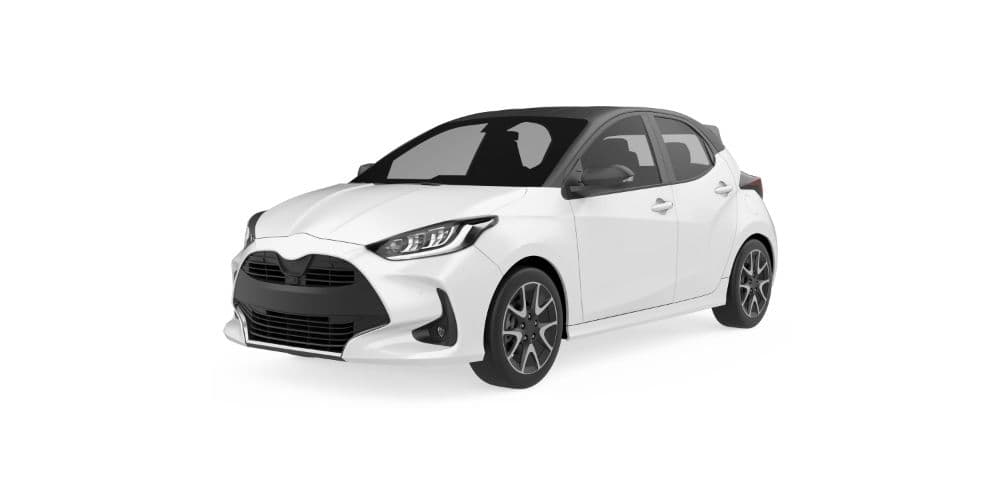
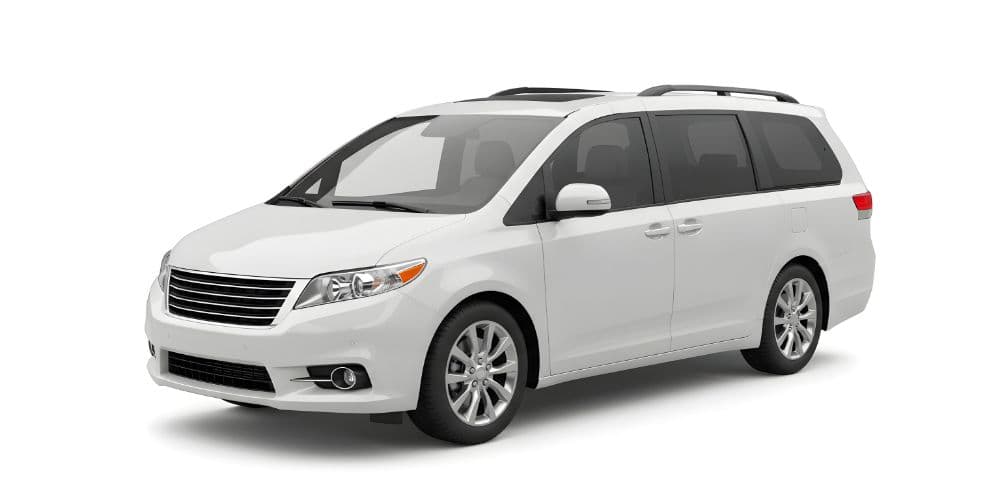
Rental Cars: With a group or family, renting a vehicle is highly recommended for Augusta. Driving is the easiest way to get around Augusta sits along Interstate-20 and is very car-accessible. Having your own wheels lets you explore at your own pace and comfortably shuttle your group between lodging, the golf course, restaurants, and attractions. SUVs or minivans are ideal for groups; if you have 4-6 people plus luggage, consider a 7-8 passenger SUV, whereas larger groups (7-15 people) might rent a passenger van for extra space. Be sure to reserve vehicles well in advance demand for rentals spikes during Masters Week.
Driving from ATL/CLT: If you fly into ATL, pick up a rental car at the airport and take I-20 East straight to Augusta. Plan for ~2-2.5 hours driving (about 145-150 miles) and note that traffic can intensify as you approach Augusta, especially during tournament week. From CLT, it’s roughly 2.5 hours as well (via I-77 South then I-20). Columbia, SC is an easy one-hour drive along I-20. Augusta is also within a half-day drive of other Southern cities like Savannah, GA (128 miles) or Charleston, SC (169 miles).
Group Transportation Tips: If your group is splitting up or arriving on different flights, designate a meet-up point or consider coordinating arrival times to share vehicles. Rideshare services (Uber/Lyft) are available from ATL to Augusta but can cost $180-$250+ one-way for a large vehicle often more expensive than a day’s van rental. Private shuttles and car services exist (even luxury sprinter vans for Masters patrons), but having your own rental car usually gives the best flexibility for families. Parking at Augusta National is free for Masters patrons, with large lots near the course. However, arrive early in the morning lots fill up quickly on tournament days and traffic control will direct latecomers to overflow areas. It’s wise to plan an early start (dawn or earlier) for any Masters round to beat the rush and secure convenient parking.
Where to Stay: Group-Friendly Lodging in Masters Week
Finding the right accommodations for your group is crucial and Masters Week lodging sells out fast. Augusta’s population swells during the tournament, so book as early as possible (many attendees secure rooms/houses months in advance). The good news is Augusta offers a range of options, from full-service hotels to spacious rental homes, to suit families, friend groups, or corporate outings.
Hotels in Augusta: The city’s hotels cluster in a few key areas. If you want to be close to Augusta National, the Washington Road corridor near I-20 is popular it’s the main road by the course, lined with hotels (chains like Hilton, Marriott, Holiday Inn, etc.) and restaurants. Staying here means you’re just minutes from Magnolia Lane, though expect heavy traffic on Washington Rd at peak times. Another option is Downtown Augusta (about 5 miles from the course), where you’ll find upscale hotels and a walkable dining scene along the Savannah River. For example, the Augusta Marriott at the Convention Center offers a riverfront downtown location with multiple dining options on-site. It’s great for groups who want easy access to nightlife after the golf. In the historic Summerville district (“The Hill”), The Partridge Inn (Curio Collection by Hilton) is a noteworthy choice a beautifully restored historic hotel featuring elegant rooms, a rooftop bar, and fine Southern dining. It’s about 3 miles from Augusta National and gives a boutique, “old Augusta” experience with a touch of luxury.
Major hotel chains do charge premium prices during Masters Week even modest hotels can run $300-$500+ per night. Many budget motels in the area may not meet family expectations (and still charge high rates due to demand). If you’re considering lower-cost hotels, look for well-reviewed ones; an example sometimes noted by veteran patrons is the West Bank Inn (basic but known to be clean and very close to the course). Extended-stay hotels (Residence Inn, Home2 Suites, etc.) are great for groups because they offer multi-bed suites, kitchenettes, and more space. The Hilton Home2 Suites in Augusta is one such option, appreciated for its spacious accommodations and convenient location near restaurants and shopping, only a short drive from the course.
Rental Homes for Groups: One of the most popular group lodging options is to rent a private home in the Augusta area. In fact, renting out homes to Masters visitors is an Augusta tradition many local homeowners vacate and rent their houses for the week. The Masters Housing Bureau, run in partnership with Augusta National, is the official clearinghouse for these rentals. Through that program (and others), you can find everything from 2-bedroom condos to 8-bedroom estates for your group. A rental home gives you privacy, multiple bedrooms for everyone, living space to socialize, and often amenities like a full kitchen, BBQ grill, or even a pool. High-end rentals can come with optional perks such as housekeeping, private chefs, or drivers essentially turning a large house into your personal luxury villa for the week. For example, some executive homes in gated communities or along golf courses are available, if budget permits. Renting a house is generally most cost-effective for larger groups or longer stays: a one-bedroom apartment might cost $400+/night during Masters, but a four-bedroom house split among 4-8 people can be a better value per person (and far more comfortable). If you go this route, try to book well in advance (many prime homes are booked up to a year ahead). The Masters Housing Bureau and local rental agencies can assist with vetted properties. Platforms like Airbnb and VRBO also list Masters rentals, but be prepared for premium pricing and minimum-night stays.
Nearby Communities: If Augusta accommodations are fully booked or too pricey, consider staying in neighboring towns within an hour’s drive. Aiken, SC, a charming small city ~30-35 minutes away, offers a few hotels and B&Bs (often slightly cheaper than Augusta’s, though limited in number). Aiken’s downtown has great local restaurants and shops, making it a pleasant home base if you don’t mind the daily drive. Evans, GA and Grovetown, GA are suburbs 15-20 minutes west of Augusta that have a growing number of newer hotels and tend to be a bit quieter (and sometimes more affordable) than in-town options. For a bigger city experience, Columbia, SC (1 hour drive) is an option it has a large selection of hotels where, even close to the tournament dates, you might find quality rooms in the $200-$400 range, which is a relative bargain. Columbia also features a fun college-town atmosphere and ample dining (and you’d be driving opposite the main traffic flow when heading to Augusta in the mornings).
As a “light luxury” alternative, some attendees choose to stay at resorts a bit further out to combine their Masters trip with a relaxing vacation. One notable example is The Ritz-Carlton Reynolds, Lake Oconee a five-star golf and spa resort about 80 miles from Augusta (roughly a 1.5-hour drive). A resort like this offers a peaceful retreat (lake activities, spa, multiple golf courses on site) to come back to after a day at Augusta National. It’s an attractive option if you have a longer trip or part of your group prefers upscale amenities over being in the city bustle. Just factor in the commute time if you plan to attend the tournament on multiple days.
Lodging Tips: Wherever you decide to stay, remember to secure reservations early. Masters Week is one of Augusta’s busiest times of year, and hotels often require multi-night minimums. Many group travelers lock in accommodations as soon as they know they have tickets. Also consider location relative to your plans: staying near downtown is great for evening dining and entertainment, while staying near Washington Road/I-20 is all about quick access to the course. If you rent a house in a residential area, ask about distance and driving time to the course (and whether the neighborhood experiences heavy traffic locals can sometimes provide back-road shortcuts). Lastly, for families, check if your hotel or rental offers any extras like free breakfast, shuttle service to the course, or a pool for the kids to enjoy those little perks can add comfort to your stay.
Things to Do Around Augusta (Outside Tournament Hours)
While The Masters will be the centerpiece of your trip, Augusta and the surrounding “River Region” offer plenty of off-course activities to enrich your visit. Whether you have a free afternoon between rounds or you’re looking for family-friendly outings after the tournament day ends, here are some highlights:
- Augusta Riverwalk: A must-visit for first-timers, the Augusta Riverwalk is a scenic two-level path along the Savannah River downtown. It’s perfect for a morning jog or an evening stroll with your group. Enjoy river views, public art, and maybe catch the Augusta Saturday Market if you’re there on the weekend. The Riverwalk area has playgrounds for kids and benches to relax. Local tip: a sunset walk here is a lovely way to unwind after a day at the course.
- Historic Downtown & Dining:Augusta’s downtown streets (Broad Street and beyond) are lined with boutique shops, galleries, and restaurants. It’s worth exploring in the evenings for dinner or nightlife. Southern cuisine is a highlight try a local favorite like Frog Hollow Tavern for farm-to-table Southern dishes or Luigi’s (an old-school spot that Masters golfers themselves have been known to visit). For something casual, many pubs and breweries downtown will have TVs showing tournament replays and a lively atmosphere. Craft beer fans can check out Savannah River Brewing Co. or Riverwatch Brewery. And don’t forget to stop by Augusta & Co., the city’s official experience store, which sells local artisan goods and Augusta-themed souvenirs a great place to pick up a Masters memento outside the course.
- Augusta Museum of History: This museum downtown is a hit for families and history buffs alike. It showcases Augusta’s rich heritage, including exhibits on the city’s most famous son, soul icon James Brown, and a collection of Masters and golf memorabilia highlighting legendary players. Kids particularly enjoy the Transportation Corridor exhibit, with a 1914 trolley car and a steam locomotive you can walk through. A museum visit is a nice midday activity (and a good way to escape any heat or rain).
- Outdoor Activities: If you need a break from the crowds, Augusta’s natural areas won’t disappoint. Phinizy Swamp Nature Park is a hidden gem just minutes from downtown it’s a free wetlands park with boardwalk trails through cypress swamps and chances to spot wildlife like turtles, herons, and maybe an alligator (from a safe distance!). It’s peaceful and flat, suitable for all ages (strollers included). Another unique outing is a Petersburg Boat Tour on the Augusta Canal. These guided boat rides float down the historic canal (dating to 1845) and part of the Savannah River, offering a relaxing way to learn about Augusta’s industrial history and see the city from the water. Tours depart from the Canal Discovery Center consider an evening tour if offered, to enjoy cooler temps and nice lighting. For a more active adventure, you can even rent kayaks or bikes to explore the canal trails. Golf enthusiasts in your group (with some free time) might enjoy playing a round at a local course Forest Hills Golf Club and Bartram Trail Golf Club are well-regarded public courses where you can tee off to channel some Masters magic.
- Family Fun: Traveling with kids? Augusta has you covered beyond the golf. Dave & Buster’s is in Augusta and during Masters Week it’s a popular spot for families it’s basically an arcade and sports bar/restaurant in one. Kids can play modern and classic arcade games to win prizes while parents relax with food and drinks (and there are plenty of TVs, often tuned to sports). Another interactive activity is the Augusta Candle Company downtown, where older kids and adults can create custom scented candles a neat, hands-on experience and you get a personal souvenir to take home. If the young ones need to burn off energy, look up local trampoline parks or playgrounds (there’s an urban playground at Savannah Rapids Park and indoor trampoline gyms like Urban Air). And of course, ice cream stops are always a hit: try the Pink Dipper in North Augusta for a classic ice cream parlor experience with delicious peach ice cream a true Georgia treat.
- Masters Week Events: The tournament isn’t the only show in town. Masters Week brings various events and festivities to the Augusta area. In past years, there have been outdoor concerts, charity golf events, and a lively nightlife scene with pop-up parties. Check local event listings or the Masters Week Events page on VisitAugusta for 2026-specific happenings. Whether it’s live music at the Jessye Norman Amphitheater on the Riverwalk or a special exhibition at a gallery, you might find something fun to do in the evenings. Also, keep an eye out for Masters merchandise pop-ups around town sometimes local shops or malls host Masters-themed sales or memorabilia displays (since official merchandise is only sold at the course).
In short, while golf is king during Masters, Augusta offers a well-rounded trip experience. Be sure to strike a balance between early mornings at Augusta National and relaxing downtime your group will appreciate both the excitement and a chance to recharge. A little planning (like dinner reservations for popular restaurants, or pre-booking a boat tour spot) can go a long way during this busy week.
Sample Itinerary for a Masters Trip
To help visualize your adventure, here’s a sample 4-day itinerary blending tournament time with local exploration. Adjust to your schedule and interests, but this gives a starting point for a group or family Masters trip:
Day 1 Travel & Arrival in Augusta: Fly into your chosen airport (e.g. ATL or CLT for international arrivals) and pick up the rental SUV/van. Aim to arrive in Augusta by late afternoon. After checking into your hotel or rental house, stretch your legs with a casual evening stroll downtown or along the Augusta Riverwalk to take in the river views. Grab dinner at a classic Augusta restaurant for instance, enjoy upscale Southern fare at Frog Hollow Tavern or a hearty Italian meal at Luigi’s (a long-running spot frequented by Masters patrons). Turn in early if you can; tomorrow’s an early start!
Day 2 Masters Practice Round & Local Flavor: Wake up early and head to Augusta National for a practice round (if you have Tuesday or Wednesday practice round tickets). Arrive when gates open in the morning to make the most of it plus easier parking and lighter crowds. Practice days are more relaxed: explore the course, snap photos (allowed on practice days), and watch players up close as they try different shots. Be sure to hit the merchandise shop early to snag souvenirs before popular items sell out. By early afternoon, consider leaving the course to see more of Augusta. Grab a late lunch downtown (perhaps some famous Southern barbecue or a quick bite at a local café). Later, take your group to the Augusta Museum of History for an hour or two of air-conditioned, educational fun everyone can learn about Augusta’s past and see the exhibit on Masters legends to deepen your appreciation of the tournament. Come evening, treat the family to Dave & Buster’s for dinner and games if you have kids (it will keep the Masters excitement going in a different way). Or, for the adults, this might be a nice night to experience Augusta’s nightlife: you could check out a rooftop bar or catch some live music at a spot like Sole Augusta or Stillwater Taproom downtown.
Day 3 Tournament Day & Relaxation: It’s Masters time! Plan for an early departure to Augusta National if you want a good parking spot and a prime viewing location, leaving around dawn is not too extreme. (Traffic gets heavy as the morning goes on, so earlier is better.) Enjoy a full day immersed in the tournament action. Follow your favorite groups, picnic on the legendary pimento cheese and egg salad sandwiches for lunch, and soak up the atmosphere that makes the Masters so special. By late afternoon, after the last putt drops and you exit the course, the group will likely be happily tired. This is a good evening to unwind together. You might go back to your hotel to freshen up, then have a low-key dinner at your rental home (if you have one, firing up the grill is a great idea) or head to a family-friendly restaurant. If everyone still has energy, you could take a quick trip across the river to North Augusta, SC the town just over the bridge for dinner at one of the riverfront restaurants there, or simply to get a different view of the Augusta skyline. North Augusta’s SRP Park area has a nice riverfront walk and eateries, and it’s only 10 minutes from downtown. Alternatively, if you didn’t do so on Day 2, this could be a good night to enjoy the Riverwalk as a group (perhaps with some ice cream in hand).
Day 4 Farewell Augusta (Departure Day): If time allows before leaving, squeeze in one last local adventure. Nature lovers could spend the morning at Phinizy Swamp Nature Park walking the trails and spotting wildlife in the fresh air. Or take a guided Augusta Canal boat tour if you haven’t yet morning tours are often peaceful and informative. History buffs might drive to see Fort Gordon’s museum (if open to public) or the boyhood home of Woodrow Wilson (a historic house museum in downtown). Depending on your departure, you could also drive 30 minutes to Aiken, SC for brunch Aiken’s charming downtown has cafes and shops and can be a delightful detour on your way back east toward Columbia/Charlotte. Finally, begin your journey home: if flying out of ATL or CLT, allocate plenty of driving time (account for traffic, especially if it’s Sunday evening after the tournament). For domestic flights, arrive at the airport at least 2 hours early (3 hours for international) to smoothly wrap up your trip.
Itinerary Tip: Adjust the above based on which Masters tickets you have. For example, if you have a Thursday or Friday tournament round, swap that into Day 2 or 3 and do the sightseeing on a practice-round day. If you’re lucky enough to attend the Par 3 Contest on Wednesday, definitely go it’s a fun, family-friendly event where you’ll see players’ kids caddying and even the occasional hole-in-one, all in a relaxed atmosphere. Plan a lighter activity for Wednesday morning, then head to Augusta National by midday for the Par 3 contest in the afternoon. The key is to balance golf and leisure so the trip feels enjoyable, not rushed. And remember, Masters Week can be tiring (with long walks and lots of sun), so build in some downtime for your group to recharge at the hotel or by the pool.
Travel Tips for Domestic & International Visitors
Domestic Travelers: If you are coming from within the U.S., Masters Week 2026 falls in early April, so check the ID you plan to use at the airport before you leave. TSA says passengers 18 and older need a REAL ID-compliant state-issued license or another acceptable form of identification, such as a passport, to fly within the United States. April in Georgia brings mild spring weather, so pack layers: a light jacket for early mornings and evenings, and breathable clothes for warm afternoons. Rain is possible, so a compact poncho can be wise; umbrellas are not allowed at Augusta National during the tournament. Comfortable walking shoes are a must because you will be on your feet a lot at the course.
International Travelers: Visiting the U.S. for the Masters requires a bit of paperwork planning. Many travelers can come to the U.S. visa-free under the Visa Waiver Program (VWP), which covers citizens of about 40 countries including the UK, most of the EU, Australia, New Zealand, Japan, South Korea, and others. If you’re eligible, you must apply online for ESTA (Electronic System for Travel Authorization) before your trip. An approved ESTA allows you to visit the U.S. for up to 90 days for tourism. Be sure to submit your ESTA application on the official website and do it at least a few weeks before travel (last-minute applications can sometimes face delays). If your country is not in the VWP, you will need to obtain a B-2 tourist visa from a U.S. Embassy/Consulate in advance. Start the visa process several months early, as appointment wait times can vary. Also note, if you hold dual citizenship or have recently traveled to certain countries (e.g. Iran, North Korea, etc.), you may not qualify for ESTA and should check the latest U.S. rules.
All international visitors should ensure their passports are valid for the duration of the trip. The U.S. technically requires passport validity only for the length of stay for many nationalities, but a good rule is at least 6 months validity remaining on your passport to avoid any issues. It’s also smart to have travel medical insurance covering your time in the U.S., since healthcare here is expensive for visitors.
When flying into the U.S. from abroad, you’ll go through Customs and Immigration at your first point of entry (for example, if you connect through Atlanta from an international flight, you’ll clear U.S. customs in Atlanta before flying on to Augusta). Allow a minimum 2-hour layover for connecting in an entry city, as passport control lines can take time. Once in Augusta, you’ll find the city very welcoming to international guests the Masters is a global event, so you won’t be the only foreign visitors in town.
A few extra tips for international travelers:
- Driving: In the U.S., we drive on the right-hand side of the road. If you’re renting a car, an International Driving Permit isn’t required as long as your home license is in English (or has an English translation). GPS or smartphone map apps will be your friend; just be aware that mobile data coverage is good in Augusta and on interstates.
- Currency: The U.S. dollar is the currency. Credit cards are widely accepted everywhere (hotels, restaurants, Masters merchandise shops, etc.), so you don’t need to carry large amounts of cash. It’s handy to have some small bills for tips (it’s customary to tip service staff like hotel housekeepers, valets, or restaurant servers ~15-20%). ATMs are available if you need cash (your bank may charge a fee).
- Food and Culture: Augusta offers a mix of Southern hospitality and chain conveniences. Don’t hesitate to chat with locals people are generally friendly and proud of their city. Trying local Southern food (like fried chicken, barbecue, or pimento cheese spread) can be a cultural experience in itself. If you have dietary restrictions, larger restaurants will accommodate, but options like vegetarian or gluten-free might be somewhat limited at smaller traditional eateries (plan accordingly). One fun aspect: during Masters Week, many local families set up lemonade stands or sell food near the course, a bit of hometown charm you might enjoy.
- Connectivity: Consider getting a prepaid SIM card or an international roaming plan so you have cell service for coordination and emergencies. Though note, Augusta National prohibits cell phones once you’re on the grounds of the tournament you’ll need to communicate with your group the old-fashioned way or plan meeting points ahead of time.
By covering these bases, both domestic and international travelers can focus on enjoying the Masters and the trip. A little preparation goes a long way to ensure your group travel is seamless.
By following this guide, you’ll be well on your way to an incredible Masters 2026 trip. From the moment your group touches down in Georgia to the final putt on Sunday, you’ll have logistics handled and a bucket-list adventure in motion. Augusta’s Southern hospitality, combined with the legendary excitement of the Masters, makes for an unforgettable journey. Start planning now, and get ready to create lifelong memories with your family or friends at “a tradition unlike any other”! Safe travels and enjoy the Masters!
Our Most Popular Vehicles


Frequently Asked Questions
The 2026 Masters Tournament will be held April 6-12, 2026 at Augusta National Golf Club in Augusta, Georgia. Practice rounds are Monday through Wednesday (April 6-8), and the official tournament rounds are Thursday through Sunday, April 9-12, 2026. Augusta National is the only course that hosts the Masters, and it’s located in the northwest part of Augusta.
Augusta Regional Airport (AGS) is the closest, located about 9 miles from Augusta National. It’s a small airport but during Masters Week it has nonstop flights from Atlanta, Charlotte, and a few other hubs. Many travelers, however, fly into Atlanta (ATL) which is a much larger international airport ~150 miles away, then drive ~2 to 2.5 hours to Augusta. Charlotte Douglas (CLT) is another option, roughly 160 miles (2.5 hours) away by car. Columbia, SC (CAE) is the nearest major airport in terms of drive time only about 1 hour’s drive (75 miles) from Augusta and it has flights from several U.S. cities. If you’re coming from overseas, you’ll likely connect through ATL or CLT (or another U.S. gateway) to reach Augusta.
For most groups, renting a car (or a passenger van) is the best option. Augusta is a very car-oriented city and having your own vehicle gives you flexibility to go to the course, restaurants, and attractions on your own schedule. There are some shuttle services during Masters Week (for example, private companies sometimes run bus or van shuttles from Atlanta airport to Augusta), but they can be costly and operate on fixed times. Rideshare (Uber/Lyft) is available locally in Augusta, but surge pricing can kick in with the huge demand. If your group flies into ATL, you could hire a shuttle or car service to Augusta, but it’s often cheaper to rent a vehicle and drive yourself. Rental cars also allow you to take day trips (say, to explore nearby towns) if desired. And importantly, Augusta National provides free parking for patrons on tournament days, which makes driving yourself pretty convenient (just arrive early to get a spot). In short, unless you have a small group that can easily use rideshares, a rented SUV or van is highly recommended for a smooth experience.
Traffic is busy but well-managed. Augusta National is just off Washington Road and Stanley Drive, and during Masters Week the authorities set up efficient traffic control. You’ll encounter heavy congestion on Washington Road especially right before gate opening (around 7-8 AM) and after the rounds end in late afternoon. If you arrive very early (before 7 AM), you’ll sail in with minimal delays; arriving mid-morning could mean getting stuck in a slow crawl as thousands of cars converge. The good news is there’s ample free parking in huge lots next to the course for Masters patrons. These grass lots open early and attendants direct cars to park in orderly rows. They do fill up each day often by mid-morning on tournament days. Once the main lots fill, latecomers are routed to overflow lots which might involve a longer walk. So our insider tip is: go early, park for free on site, and then you can always nap or relax in your car or walk around Augusta National’s perimeter until gates open. After play ends, expect a wait as everyone leaves at once; local police will often direct outgoing traffic to keep it moving. It can take 30-60 minutes to clear out depending on the day’s crowd. Alternatively, some groups choose to hang out near their car or grab dinner nearby to let traffic die down. Overall, anticipate traffic but know that Augusta handles Masters Week pretty efficiently.
It depends on your group’s preferences and budget. Hotels offer convenience and services Augusta has nice options like the Marriott Downtown (great location by the river), The Partridge Inn (historic charm), and reliable chains (Hilton, Hyatt, etc.) in key areas. Many hotels have suites or adjoining rooms suitable for families. However, hotels during Masters are expensive and often require booking far in advance. On the other hand, rental houses are very popular for groups. With a rental home, you get multiple bedrooms, private common areas, and sometimes luxury amenities (pools, big BBQ patios, game rooms, etc.). Groups can spread out and also enjoy being all under one roof. The Masters Housing Bureau connects visitors with local homes for rent, ranging from modest 2-bedroom homes to huge estates. If your group is large or staying 4+ nights, a rental can be cost-effective you can split the cost, cook some meals together, and truly relax like you’re at home. Many corporate groups or multiple families traveling together prefer rentals for this reason. Just remember that rentals also need to be booked early (many top houses are snapped up by repeat renters year after year). In summary: for smaller groups or shorter stays, a hotel (especially one with free breakfast or a central location) might be easiest. For larger groups or a “home base” feel, a private rental is fantastic. Some groups even do a bit of both e.g., split into two adjacent Airbnbs, or some in the group at a hotel and others at a rental depending on availability.
As early as possible. The Masters is a unique event in that regular tickets are very limited (most people attend on badges from the lottery, sponsors, etc.), and the demand for everything lodging, tickets, dinner reservations, rental cars is extremely high. Ideally, start planning a year out. Many hotels open reservations for Masters week as soon as the previous Masters ends (some require non-refundable deposits). Rental homes can be listed even earlier. If you already know you’re going (for example, you won the ticket lottery or are set on going regardless), lock in accommodations and car rental 6-12 months ahead. This ensures you have a place to stay in a convenient location. Flights can be shopped a bit later, but booking those a few months in advance is wise too, especially for international flights or if you need specific dates. If you’re late to planning, don’t despair you may find last-minute options, especially if you look at nearby cities (like Columbia or even Atlanta for lodging and drive in). But overall, earlier is better it gives you peace of mind and often better prices. And of course, if you’re trying for tournament badges through the lottery or secondary market, that’s a whole other aspect those you’d want sorted out before you finalize travel details.
Aside from the golf, there’s plenty to enjoy: • In Augusta: You can visit the Augusta Riverwalk for river views and maybe catch the Saturday Market. Check out the Augusta Museum of History (see James Brown’s tour bus and Masters memorabilia). Stroll downtown Broad Street for shops, cafes, and perhaps the James Brown statue (a tribute to the Godfather of Soul). If you like art, the Morris Museum of Art showcases Southern art and is right downtown. Augusta Canal National Heritage Area offers boat tours and trails a unique way to see the city’s historic waterways. And foodies should try some local eats from Southern BBQ joints to the famous pimento cheese sandwich (either at the course or some local cafes offer their take). • With kids: Consider Phinizy Swamp Nature Park for an easy hike and wildlife spotting. There’s also Pendleton King Park (a large park with playgrounds and gardens) and indoor fun like urban adventure parks (trampoline or rock climbing gyms) if they need a break from golf. A matinee movie or bowling at Augusta Mall can also be simple downtime. • Nearby day trips: Aiken, SC (30 min away) is a lovely small town known for horses and has a walkable downtown with ice cream shops and bakeries great for an afternoon stroll. Columbia, SC (1 hour) has the fantastic Riverbanks Zoo & Garden and a hands-on children’s museum (EdVenture), plus a vibrant dining scene. If you have a full free day and are up for a drive, Savannah, GA and Charleston, SC are both about 2.5 hours from Augusta and offer rich history and scenery though that might be better as an add-on before/after Masters rather than during. • Golf around Augusta: If members of your group are golfers, you might book a tee time at Forest Hills Golf Club (a historic public course in Augusta) or The River Golf Club (across the river in North Augusta) to experience some golf yourselves. These courses sometimes run specials during Masters Week (but they’ll be busy, so reserve in advance). In short, you can fill any downtime with a mix of relaxation (parks, riverfront) and exploration (museums, local cuisine). Masters Week also often has nightly concerts or events check local listings when you’re in town.
There’s no special “Masters visa” you’ll just enter on a standard U.S. tourist entry. If you are from a Visa Waiver Program country, you do not need a visa but you must obtain an ESTA approval online before travel. This applies to citizens of countries like the UK, Ireland, Australia, New Zealand, Japan, South Korea, most of Western Europe, and more. The ESTA process is usually quick (done on the official DHS website for a small fee) once approved, it’s valid for multiple trips up to two years or until your passport expires. Print out or have a digital copy of your ESTA confirmation when you travel (airlines will often ask before boarding to the U.S.). If you are not from an ESTA-eligible country, you will need to apply for a B-2 tourist visa at a U.S. embassy. That process can take a month or more (with appointments and processing), so plan accordingly. Also, ensure each traveler has a valid machine-readable passport. If your country requires a visa, that applies to everyone in your group including children. One more note: Canada and Bermuda citizens have their own rules (they generally don’t need visas for short visits), but they should carry passports. Always check the latest entry requirements on the official U.S. State Department or travel.gov site before your trip, as policies can change. Once you’re in the U.S., traveling to Augusta is just like a domestic trip (Georgia has no additional entry requirements). Enjoy the tournament!
Yes, kids can attend the Masters, and many families do go but there are some considerations. Augusta National does not have an age restriction; children of all ages are allowed entry as long as they have a ticket/badge (every person, even infants, must have their own badge to get in). There’s no discounted child ticket, so that can be a limiting factor. Once inside, the environment is generally polite and calm (patrons are famously referred to as “patrons,” and decorum is emphasized). Parents are expected to keep kids from disrupting play running, shouting, or wandering into player areas are a no-no. Strollers are not expressly banned, but navigating the hilly terrain with one and finding a place to park it might be challenging (and on tournament days, chairs without arms are the only seating you can bring). For slightly older kids who can walk the course and enjoy watching golf, the Masters can be a magical experience especially if they get autographs during practice rounds or catch a glimpse of their favorite players. Amenities: baby changing facilities are available, and you can always step away to the concession areas for a snack break (the food is very affordable on purpose a pleasant surprise). Keep in mind the no cell phone rule it applies to everyone, so teens used to having phones will need to disconnect while at the course. Many families designate a meeting spot (like the big oak tree by the clubhouse or a specific concession stand) in case anyone gets separated, since you can’t call or text inside. Finally, consider the day and length of stay: a full day (dawn to dusk) at the course might be too much for a young child. You might do a half-day and then explore off-site activities (as mentioned above) to keep them engaged. Overall, children are welcome at the Masters, and it can be a wonderful family outing if planned right. Just prepare them for a lot of walking, the need for quiet during shots, and perhaps get them a souvenir (like a Masters hat or ice cream sandwich) to remember the experience.