
Milano Cortina 2026 Winter Olympics Travel Guide & Tips
TL;DR: The Milano Cortina 2026 Winter Olympics is split between urban Milan and alpine Cortina d’Ampezzo. International visitors can fly into Milan’s Malpensa or Linate airports, or Venice’s Marco Polo for Cortina. The drive between Milan and Cortina is ~4-5 hours. Renting a car provides flexibility (ensure winter tires or chains), while trains and Olympic shuttles offer alternatives. Book lodging early and plan how to shuttle between venues.
The Milano Cortina 2026 Winter Olympics will be a unique two-city event, with competitions split between the vibrant city of Milan and the mountain resort of Cortina d’Ampezzo. This travel guide covers everything you need to plan your Olympic trip from venue locations and airport arrivals to getting around, renting the right vehicle, and where to stay. With international travelers in mind, we’ve included practical tips on winter driving, group travel, and common logistical questions.
Olympic Venues: Milan vs. Cortina d’Ampezzo
Milano Cortina 2026 features two main clusters of venues one in Milan and one in Cortina each offering a distinct Olympic experience:
Milan Olympic Venues
Milan, Italy’s fashion and business capital, will host many indoor ice events during the Winter Games. Key venues in Milan include:
- San Siro Stadium (Giuseppe Meazza) hosting the spectacular Opening Ceremony in the city, transforming this famous football stadium into an Olympic stage.
- Mediolanum Forum (Assago) venue for figure skating and short-track speed skating, located just outside downtown Milan with easy Metro access.
- Santa Giulia Arena (a new arena in Milan’s Santa Giulia district) one of the sites for ice hockey games, alongside the existing Agorà Ice Arena in western Milan.
- Other arenas in the city will see ice hockey, curling, and skating events, turning the metropolis into a winter sports hub.
Milan’s venues are mostly within or near the city, which means spectators can enjoy the Olympics along with Milan’s urban attractions. Expect heavy traffic and road restrictions around venues using public transport or shuttles in the city is wise when possible.
Cortina d’Ampezzo Olympic Venues
Cortina d’Ampezzo, nicknamed the “Queen of the Dolomites,” is a picturesque alpine town that will host many snow and sliding events:
- Olympic Slopes in Cortina legendary ski runs in the Dolomite Mountains will host alpine skiing (men’s and women’s events on different slopes like Tofana and Lagazuoi) as well as snowboarding and freestyle skiing in nearby areas.
- Eugenio Monti Bobsleigh Track the historic bobsleigh/luge track (modernized for 2026) will see bobsleigh, luge, and skeleton competitions.
- Stadio Olimpico del Ghiaccio an ice rink in Cortina’s town center, set for curling matches.
Additionally, some Nordic and biathlon events will take place in other northern Italian locations (like Val di Fiemme for ski jumping and cross-country, and Anterselva for biathlon), but Milan and Cortina are the primary bases for spectators. Plan your itinerary accordingly if you want to catch hockey in Milan one day and skiing in Cortina the next, you’ll need to account for significant travel time (and likely an overnight change of location).
Getting There: Airports and Arrival Tips
- Milan Malpensa Airport (MXP): The largest international airport in the region, Malpensa is about 45-50 km northwest of Milan’s city center. It handles most long-haul flights from North America, Asia, etc. From MXP, you can reach Milan by train (Malpensa Express, ~50 minutes to central stations) or by highway (45-60 minutes by car/shuttle, depending on traffic). If you plan to start your trip in Milan for Olympic ice events, MXP is a convenient choice.
- Milan Linate Airport (LIN): Closer to Milan’s center (only ~8 km east of downtown), Linate is a smaller city airport primarily serving European and domestic flights. It’s extremely convenient for quick access to Milan hotels (15-20 minutes by taxi or a short bus ride into the city). If you’re connecting through a European hub or coming from within Europe, Linate gets you into the city fastest. However, Linate has fewer international flight options than Malpensa.
- Venice Marco Polo Airport (VCE): Venice’s main airport is the gateway for many heading to Cortina d’Ampezzo. VCE is approximately 160 km (about a 2-hour drive) south of Cortina. For travelers whose primary focus is alpine events or if you plan to base yourself in Cortina, flying into Venice can significantly cut down on overland travel time. Venice Airport has direct flights from many European cities and some long-haul routes. From VCE, you can rent a car and drive to Cortina or take a coach shuttle (there are likely to be special Olympic bus services from Venice up to Cortina).
Pro Tip: If you cannot find suitable flights into these airports, another option for Milan is Bergamo Orio al Serio (BGY) a secondary airport 45 km from Milan (often used by low-cost carriers). It’s farther than Linate but could be useful for budget flights. For Cortina, some travelers might consider flying into Verona (VRN) or even Innsbruck, Austria, and then driving, but these are less direct. Generally, MXP, LIN, and VCE will be the most convenient airports for the Olympics.
Arrival Advice for International Visitors: Aim to book flights well in advance (many months out) for the Olympic period, as demand will be extremely high. Also, if you plan to rent a car upon arrival, reserve your vehicle early to ensure availability (especially for any larger vans or SUVs, which can be in limited supply). Make sure your driver’s license will be accepted in Italy non-EU visitors (e.g., from the USA, Canada, etc.) should carry an International Driving Permit (IDP) along with their home license. Italian law technically requires an IDP for those with licenses in languages other than Italian, and rental agencies or police could ask to see it. It’s inexpensive to obtain at home and gives you peace of mind for driving in Italy.
When you land, give yourself time to adjust. If you arrive in Milan after a long flight, you might stay a day or two there to get acclimated before heading to high-altitude Cortina for ski events. Likewise, consider the logistics of your itinerary: you may want to fly into one airport (say Milan MXP) and depart from another (Venice VCE) if your trip starts in one city and ends in the other. Many car rental companies allow one-way rentals between major cities/airports, so you could pick up a car in Milan and drop it off in Venice or vice versa just check for any one-way fee.
Traveling Between Milan and Cortina d’Ampezzo
One of the biggest challenges of Milano Cortina 2026 for spectators is the distance between the two main host cities. Milan and Cortina are roughly 400 km apart, which means about 4 to 5 hours of driving time in good conditions. It’s important to plan how you’ll navigate this intercity journey if you intend to attend events in both places.
Driving Route: The drive from Milan to Cortina typically follows major autostrade (highways) for much of the way. For example, you might take the A4 East from Milan toward Bergamo and Verona, then head north on A27 (from the Venice area) up into the Dolomites toward Cortina. The highways are fast, but keep in mind tolls Italy’s highways have toll booths, so have some euros or a credit card ready (or ask your rental car company about a toll pass device). As you approach Cortina, you’ll be on mountain roads which are narrower and winding. In winter, these can be slow-going if there’s snow or ice, so budget extra time beyond what the GPS estimates. Weather conditions can significantly affect drive times a snowstorm in the Alps could easily turn a 4-hour drive into 6+ hours. Driving yourself offers flexibility (you can depart on your own schedule and even stop for scenery or rest), but be prepared for winter driving (see the Rental Car Tips section below for more on this).
Train and Bus Options: If you prefer not to drive, Italy’s public transport can connect you between Milan and Cortina, though it won’t be a direct single ride. There is no direct train all the way to Cortina, because Cortina d’Ampezzo doesn’t have a train station. A typical route would involve taking a high-speed or regional train from Milan to a city like Venice or Verona, then transferring to a regional train or bus towards the Dolomites. For instance, you could train from Milan to Venice (around 2.5 hours), then catch a bus from Venice to Cortina (~3 hours). There are coach services (like Cortina Express or FlixBus) that run routes from Milan or Venice up to Cortina, especially in ski season. During the Olympics, expect special shuttle buses or Olympic coach services to be organized, possibly running directly from Milan or its airports to Cortina on a schedule. If you opt for these, purchase tickets or reserve spots early, since many other spectators will have the same idea.
Internal Flights: There are currently no commercial flights between Milan and Cortina (Cortina has no airport). The closest airport to Cortina is actually a small airport in Bolzano or a regional one in Treviso, but those won’t be major transit options for most. It’s conceivable that some charter flights or helicopter transfers might be offered for VIPs or tour packages, but for the average traveler, flying between the two cities isn’t practical. Plan on ground transportation.
Plan Your Schedule: Given the travel time, it’s not realistic to commute daily between Milan and Cortina for events. If you have tickets in both clusters, consider scheduling all your Milan-based events in one block and Cortina events in another. For example, attend the figure skating finals in Milan, then on a rest day travel to Cortina for the alpine skiing events. It’s wise to allocate a full day for transit between Milan and Cortina if possible, so you’re not rushing and you have a buffer if weather or traffic delays occur. The scenery en route is beautiful, so if you’re driving, you might even turn the trip into part of the adventure (stop at a roadside trattoria or take a short break at a viewpoint in the mountains).
Finally, stay updated with official Olympic transport news. The organizers will likely publish spectator transportation guides outlining any dedicated trains or buses, park-and-ride lots, road closures, and the timing to move between venues. Use those resources to make an efficient game plan.
Renting a Car and Winter Driving in Italy
Having a rental car for the Winter Olympics can be a game-changer in terms of flexibility. It allows you to move on your own schedule whether that’s catching an early ski event in a mountain valley or staying late in Milan for an Olympic festival without worrying about the last train. Here are key considerations for renting and driving during Milano Cortina 2026:
Why Consider a Rental Car?
- Flexibility: You’re not tied to train or bus timetables. If you want to take a detour to Lake Como on the way to an event, or you have a gap day to explore a nearby town, a car lets you do it. This is especially useful if you plan side trips or have events in some of the outlying clusters (like Livigno/Bormio or Val di Fiemme) where public transport might be more limited.
- Direct Access: Olympic shuttles and public transit will get you to venues, but they might involve transfers and crowds. With a car, you can often drive closer to venues (up to designated parking areas) on your own time. Keep in mind, there may be traffic restrictions near some venues for example, temporary road closures or “park-and-ride” systems where you park in a distant lot and take a shuttle. Check the venue transport plans; even if you have a car, you might still need to use official shuttles for the last leg.
- Comfort for Groups: If you’re traveling as a family or a group of friends, having your own vehicle can be more comfortable and even cost-effective. Splitting the cost of a minivan or passenger van rental between 5-7 people could be cheaper per person than each buying multiple train tickets. Plus, you can keep everyone’s gear and luggage together. No need to haul skis or bags on a crowded train just load up the van.
- Scenic Drives: Northern Italy is gorgeous in winter. Driving between Olympic sites can double as a sightseeing opportunity from the plains around Milan to the dramatic Dolomite mountains near Cortina. Some famous alpine routes and passes are in the area (though note: some high mountain passes might be closed in winter). If you love road trips, this could be a memorable part of your journey.
That said, driving isn’t for everyone. If you’re not comfortable driving in foreign countries or in snow, or if you’d rather relax and let someone else navigate, you might rely on trains/buses instead. It really depends on your confidence and itinerary complexity.
Winter Driving Considerations
Winter Weather & Equipment: Early February in the Italian Alps means cold and likely snow. Italy has laws requiring winter tires or snow chains in many northern regions during winter (generally from November 15 to April 15 in alpine provinces). If you rent a car in Milan or Venice during this period, the rental company will typically provide the necessary winter equipment this might be winter tires on the car, or a set of snow chains in the trunk (sometimes both). There could be a small surcharge (often called a “winterization fee”) for this, but it’s mandatory gear. Do not attempt to drive to Cortina in winter without proper tires or chains not only is it unsafe, but you could be fined by police if you don’t meet local requirements. Always confirm with the rental agency that your vehicle is winter-equipped.
If you’ve never used snow chains, practice installing them in a safe area before you potentially need to use them on a snowy mountain road. Often, if your car has good winter tires and it’s not actively snowing heavily, you might not need the chains, but you must have them available in the vehicle. On steep or snowy sections, authorities sometimes set up checkpoints requiring chains during storms.
Mountain Driving: The route to Cortina involves curvy mountain roads as you ascend into the Dolomites. Drive cautiously speed limits may be lower, and you’ll want to go slower than usual if roads are slick. Use lower gears when going downhill to avoid overheating your brakes. Keep an eye out for digital signboards or radio updates about pass conditions. Also note that daylight is limited in winter (it gets dark by around 5 pm in February), and temperatures drop sharply at night in the mountains, potentially re-freezing wet roads. Plan to drive in the daytime if possible for better visibility, especially if unfamiliar with winding roads.
Traffic and ZTL Zones: In Milan, like many Italian cities, there are ZTLs (Zona a Traffico Limitato) restricted traffic zones in the city center where only authorized vehicles can enter during certain hours (to reduce congestion and pollution). As an Olympic visitor, you will likely not have a permit for these zones, so avoid driving into Milan’s historic center. There are cameras that automatically ticket unauthorized cars that enter ZTL areas. If your hotel is in a restricted zone, talk to them about getting a temporary access or where to park outside the zone. A good strategy is to park at your hotel or a designated parking lot and use public transit within Milan city to reach Olympic venues (Milan’s metro and tram network is excellent). For Cortina, the town is small and there aren’t ZTL cameras like big cities, but streets will be crowded and parking limited. Your hotel in Cortina might have parking use it and walk or shuttle to events in town.
Tolls and Fuel: As mentioned, be prepared for tolls on the highways (Autostrada). They usually give you a ticket when you enter the highway system and you pay when exiting (cash or card). Fuel (gasoline or diesel) in Italy is sold by the liter and can be pricey compared to the US consider fuel cost in your budget. Rental cars in Europe are often diesel or efficient small engines, which helps. Also note that many rentals in Italy are manual transmission; if you need an automatic, reserve early, as automatics are fewer in supply.
Parking: Plan where you’ll park, especially in Cortina. During the Olympics, some usual parking areas might be reserved or full. Look for official spectator parking areas on the outskirts with shuttles. In Milan, parking near venues like San Siro or Mediolanum Forum could be challenging on event days using the Metro or a rideshare to get to the venue might save a headache. If you do drive, arrive early to find parking and expect a long egress time after events as everyone leaves at once.
In summary, driving in winter Italy requires preparation: a suitable vehicle, the right equipment, and a cautious mindset. If you have that, a rental car can greatly enhance your Olympic experience.
Best Vehicle Options for Olympic Travelers
Choosing the right type of rental vehicle will make your journey safer and more comfortable. Here are suggestions based on traveler type and group size:
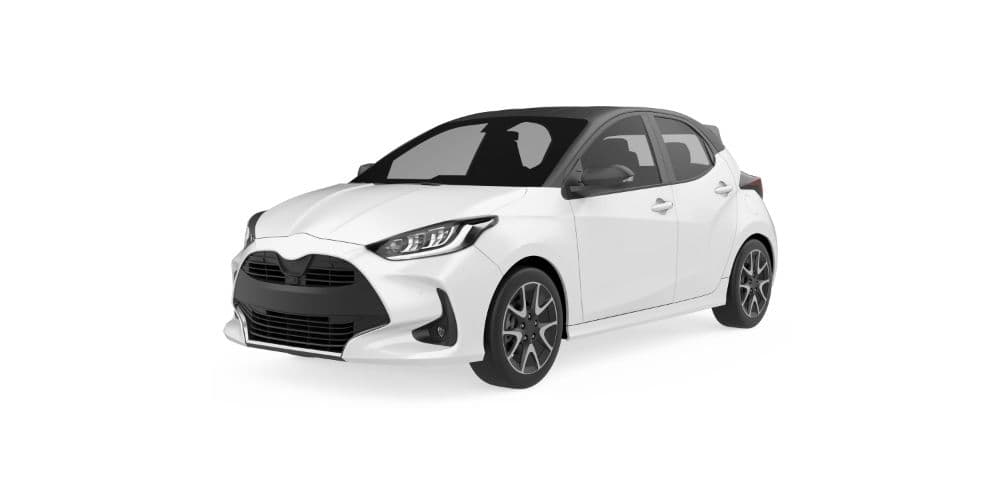
- Solo Travelers or Couples: If you’re traveling alone or as a pair with light luggage, an economy or compact car (think a Fiat 500, VW Golf, or similar) will usually suffice. These smaller cars are easier to navigate through city streets and park in tight spots. They’re also fuel-efficient, which is nice for long drives. However, if you plan to drive to Cortina and back, consider whether you’ll need a little more power or clearance a compact can handle the highway and basic snow if equipped with winter tires, but it’s not as sturdy in rough conditions as a larger vehicle. If your budget allows, you might opt for a compact SUV for added stability. Either way, for 1-2 people, there’s no need to rent something huge. Just ensure your car has a good heating system and winter tires.
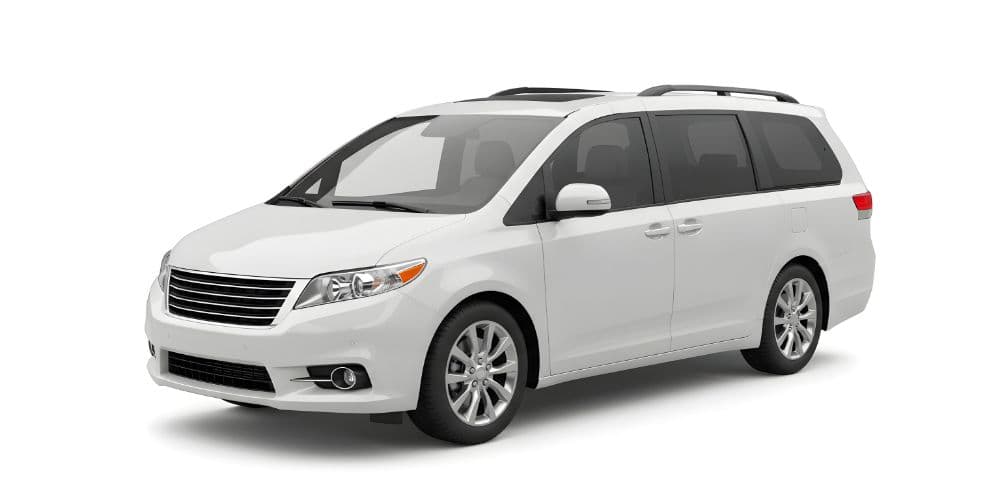
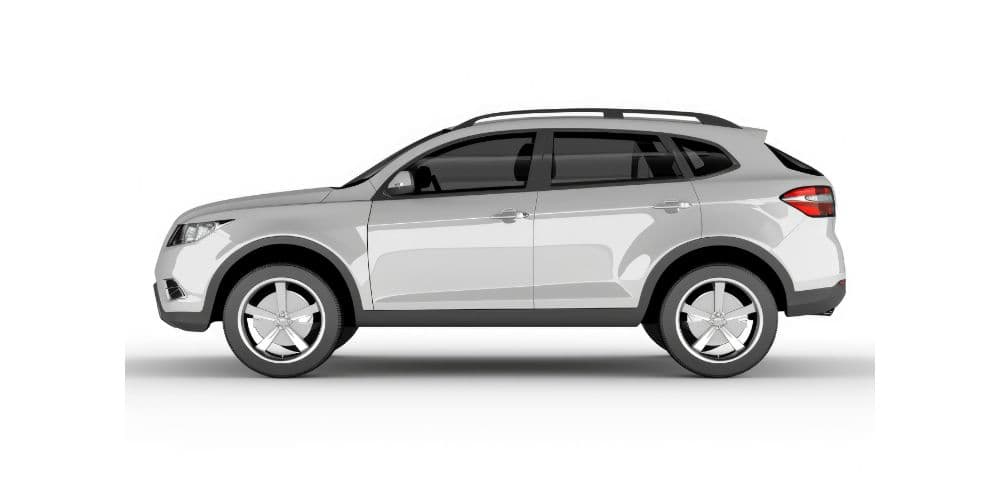
- Families (3-5 people): For a family or small group, a midsize sedan or standard SUV is a common choice. A vehicle like a Volkswagen Passat station wagon or a Nissan Qashqai SUV provides more legroom and cargo space for luggage and any winter sports gear (jackets, maybe skis or snowboards if you’re bringing those). An SUV can be beneficial in winter thanks to higher ground clearance and sometimes all-wheel-drive helpful for snowy mountain roads. A minivan (MPV) could also work for a family, especially if you have lots of luggage. European models like a Renault Scenic or Ford S-Max can seat 5-7 and have flexible cargo space. These are great if you want extra space for comfort.
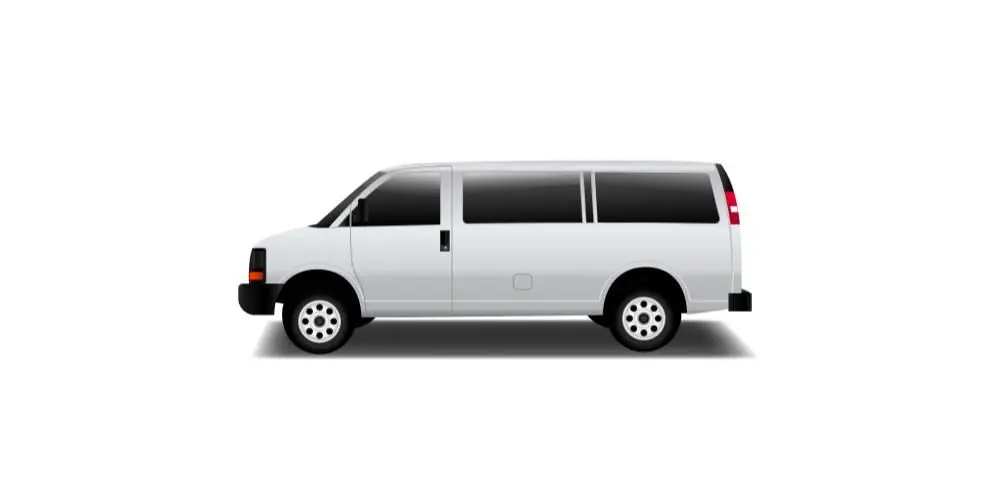
- Groups of Friends or Teams (6+ people): If you have a larger group, consider renting a passenger van. Common options in Italy include 7, 9, or 9+2 seater vans (for example, a Mercedes Vito, Ford Transit Custom, or Opel Vivaro). A 9-passenger van can typically hold everyone and their bags in one vehicle, which is both convenient and often more cost-effective than splitting into two rental cars. It also keeps your group together no coordinating multiple cars on the road. Make sure whoever will drive is comfortable with a larger vehicle; mountain roads and tight village streets can be tricky in a long van, but locals drive minibuses up there all the time, so it’s doable if you go slow. For really big groups, 12- or 15-passenger vans exist in some fleets, but in Europe they might be harder to find you might instead rent two smaller vans if needed. Pro tip: Book vans well ahead of time. These sell out fast for big events, and automatic transmission vans are even rarer (most will be manual).
- Winter-Ready Features: Whatever category you choose, try to get a vehicle with all-wheel drive (AWD) or 4x4 if available, especially if you’re nervous about winter driving. It’s not absolutely required front-wheel drive with good snow tires can do the job but AWD adds traction on slippery roads. Also, ensure there’s climate control (almost all rentals will have heating, but just be sure it works well) and consider renting a GPS or using your phone’s navigation (maps can be downloaded offline in case of patchy signal in mountains). If driving at night, use your low-beam headlights in towns (it’s Italian law to have lights on outside populated areas even in daytime, actually).
In summary, match the vehicle to your group’s size and the terrain. A small car is fine for city hopping, but for snowy hills with several people and luggage, you’ll appreciate the space and stability of a larger vehicle or SUV/van. And always double-check the rental is equipped for winter that matters more than the model itself.
Where to Stay: Accommodation in Milan and Cortina
Finding the right place to stay during the Olympics is crucial not just for comfort, but also for logistics, since where you stay can dictate how you get around to events.
Staying in Milan
Milan is a large city with numerous hotels, apartments, and hostels, but during the Olympic period availability will tighten and prices will soar. If you have events in Milan (like figure skating, ice hockey, etc.), it makes sense to base yourself in the city for that portion of your trip.
Best Areas in Milan for Olympic Visitors:
- City Center (Duomo / Centro Storico): Puts you near tourist landmarks (Duomo, La Scala, etc.) and central transport hubs. From here, you can reach Olympic venues via Metro or taxi. Hotels here are usually upscale and will be expensive during the Games, but the convenience is unmatched.
- Zona San Siro: Near the San Siro stadium (Opening Ceremony venue). There are some hotels and rentals in the San Siro district or nearby neighborhoods. Staying here might be ideal if you’re attending the Opening Ceremony or events at that stadium, as you can walk or have a short ride. The area is more residential otherwise.
- Navigli / Porta Genova: A trendy canal-side neighborhood with lots of restaurants and nightlife. About 20-30 minutes to the city center by tram or Metro. It has a mix of hotels and Airbnb apartments. This could be a fun area to experience Milan’s atmosphere in the evenings after events.
- Central Station / Porta Garibaldi area: Around Milano Centrale or Porta Garibaldi stations, there are many mid-range hotels. It’s a practical choice if you’re arriving by train or plan to take trains for day trips. Plus, direct transport links to airports (Malpensa Express, airport buses) operate from Centrale. The Olympic venues can be reached via Metro from here as well.
Booking Tips: Aim to book your Milan accommodation as early as possible as soon as you know you’re going. Rooms will fill up fast. Be prepared for minimum stay requirements (some hotels might insist on 3-night minimum because of high demand). Prices might be several times the normal rate. If hotels in Milan are sold out or out of budget, consider nearby cities that are within an hour’s train ride for example, Bergamo, Como, or Varese. These cities have train connections into Milan and might have more availability or better rates, though you’ll commute in for events. Staying outside the city only makes sense if you don’t have very early event sessions, as you’ll need time to travel in.
Staying in Cortina d’Ampezzo
Cortina is much smaller than Milan, known for its ski resorts and chalet-style lodgings. During a normal ski season, Cortina’s hotels can already book up with the Olympics, it will be extremely tight. If you plan to watch events in Cortina (alpine skiing, bobsled, etc.), you should try to stay in or near Cortina for those days to avoid very long daily commutes from elsewhere.
Accommodation Types in Cortina:
- Hotels & Resorts: Cortina has a range of hotels from luxury five-stars to family-run 3-star properties. Many are alpine lodges or boutique hotels with a cozy mountain feel. These will be in high demand; expect premium pricing and book a year or more in advance if possible.
- Apartments & Chalets: There are rental apartments and chalets available, which could be great for groups or longer stays. An apartment with a kitchen might be handy if restaurant reservations are hard to come by during the crowded Olympic period. Websites for vacation rentals or local agencies can help find these.
- Surrounding Towns: If Cortina proper is full or too costly, look at towns within reasonable driving distance. For example, Dobbiaco (Toblach) and Villabassa (in Alto Adige) or Belluno (to the south, about an hour away) could serve as bases. There’s also Bolzano or Brunico (Bruneck) further away (1.5-2 hours), which is far for daily commute but could be an option if you don’t mind a scenic drive to events. Olympic organizers might have shuttle buses from some of these towns if lodging shortages occur in Cortina. Check the official spectator guides for any recommendations on overflow accommodation locations.
Booking Tips: Cortina’s capacity is limited, so reserve early as soon as Olympic event tickets are confirmed (if not earlier). Also, note that roads in and out of Cortina will be busy at peak times; if you stay in a nearby village, you’ll need to hit the road very early to beat traffic for a morning ski event. Alternatively, if you can’t find anything close by, you might consider staying in Venice or Verona and taking a very early train+bus on the day of your event not ideal, but as a last resort it’s possible for a one-off event day.
Split Stays and Transportation
Because of the distance, many visitors will do a split stay: several nights in Milan and several nights in Cortina. Plan the split according to your event schedule. For instance, you might stay in Milan the first week, then move to Cortina for the second week. If you’re renting a car, you can drive when transitioning cities (and enjoy some sights along the way). If relying on public transport, check the train/bus times and perhaps break the journey with a stopover in a city like Verona or Bolzano if needed.
Also consider special tour packages: Some travel operators might offer Olympics packages that include accommodation in both cities and transport in between. These can simplify planning (though at a premium price).
Wherever you stay, make your reservations well ahead and confirm them as the Games approach. And be prepared for a very international crowd the atmosphere in both Milan and Cortina during the Olympics will be electric, with fans from all over the world filling hotels, restaurants, and bars.
all image rights to The Olympics.
Our Most Popular Vehicles
Frequently Asked Questions
It depends on your itinerary. If you are attending events in Milan, the best choices are Milan Malpensa (MXP) for most international flights, or Milan Linate (LIN) if coming from within Europe. Both serve the Milan area (Malpensa is larger and about an hour from the city; Linate is very close to downtown). If you’re focusing on events in Cortina d’Ampezzo (the mountain venues), consider flying into Venice Marco Polo (VCE), which is about a 2-hour drive from Cortina. Some travelers may also use Bergamo (BGY) for Milan or even Verona (VRN), but MXP, LIN, and VCE are the primary gateways. You could even plan an “open-jaw” trip (fly into Milan, fly out of Venice or vice versa) if that fits your schedule.
Milan and Cortina are roughly 400 km (250 miles) apart. Driving between them takes about 4 to 5 hours under normal winter conditions. The best way really depends on your comfort and schedule. Driving (in a rental car) offers the most flexibility you can depart when you want and perhaps stop along the way but you’ll need to be prepared for winter mountain driving and toll highways. If you prefer not to drive, you can use public transportation: for example, take a train from Milan to Venice (or another city like Verona), then a bus up to Cortina. There are likely to be special Olympic shuttle buses directly linking Milan and Cortina or at least from Milan to the ski venue areas; keep an eye on official announcements for those services. Expect around 6+ hours of travel if using trains/buses due to transfers. Because of the distance, it’s not feasible to go back and forth in one day plan to relocate and stay overnight. Many visitors will split their trip (few days in Milan, then a few in Cortina) rather than commute repeatedly.
You can certainly enjoy the Olympics without a car, but a rental car can be very helpful depending on your plans. If you are staying only in Milan for events, you don’t need a car Milan has excellent public transit (metro, trams, buses) and even special event shuttles will likely run to venues. Similarly, in Cortina, there will be shuttle buses to mountain venues, and the town is small enough to walk around. However, if you plan to attend events in both Milan and Cortina or in outlying venues, a car gives you flexibility to travel on your own schedule. It’s also useful if you are traveling as a group or with family, making it easier (and sometimes cheaper per person) to get around together. Keep in mind driving in winter conditions can be challenging if you’re not comfortable with snowy roads or Italy’s driving style, you might stick to trains and buses. Also, parking and traffic near venues could be difficult, so even with a car you might park and then use an Olympic shuttle to the event site. In summary: public transport + official shuttles will cover most needs (and you avoid parking hassles), but a car is useful for exploring and intercity travel if you’re up for driving.
In February, northern Italy will be cold. Road conditions in Milan will typically be clear (Milan might get occasional snow, but it’s a big city that salts and plows roads). On the highways between cities, roads are maintained but can have snow if a storm passes through. In the Alps near Cortina, expect snow-packed or icy roads, especially in early morning or at higher elevations. Italy has laws mandating winter tires or snow chains in many regions during winter (usually Nov 15-Apr 15). If you rent a car in this season, it should come equipped with winter tires or at least have chains in the trunk double-check this at pickup. You may be required to use chains on certain mountain passes if there’s heavy snowfall (signs on the road will indicate this). Always drive cautiously even with good tires, black ice or fresh snow can be risky. Allow extra time, increase your following distance, and use lower gears when descending hills. If you encounter a severe storm, consider delaying travel rather than risking dangerous driving. Overall, main roads to Cortina will be kept open and plowed, but you must be prepared for winter conditions. Tip: Practice putting on snow chains and know your vehicle’s winter features (like anti-lock brakes, etc.). And yes it’s required by law to carry chains/use winter tires in those areas, so don’t neglect this rule.
For a solo traveler or couple, a small economy car or compact is usually sufficient for city and highway driving (easier to park in cities like Milan). If you’re heading to Cortina and worried about snow, you might upgrade to a compact SUV for added traction and ground clearance. For a family of 4-5 with luggage, a mid-size sedan, station wagon, or standard SUV provides more comfort and cargo space for example, something like a VW station wagon or a Toyota RAV4-size SUV. This size can handle the autostrade and mountain roads well. If you’re a larger group or traveling with lots of gear, consider a minivan or passenger van. A 7-seater minivan (like a Renault Espace or similar) can fit most families plus luggage. For groups of 6-9 people, a 9-passenger van (like a Mercedes Vito or Ford Transit van) is ideal to keep everyone together. Just be aware a large van is bigger to drive; choose one only if you have a confident driver used to a van’s size. In all cases, ensure the vehicle has the necessary winter equipment (tires/chains) and if you need an automatic transmission, reserve early because automatics are less common in Italy’s rental fleets. It really comes down to your group size and comfort but generally: small car for 1-2 people, SUV/wagon for a family, and van for a big group or team.
Ideally, stay near the events you’re attending. If you have tickets in Milan, get a hotel in Milan for those days so you’re within the city (close to venues and transport links). When you have events in Cortina d’Ampezzo, plan to stay in Cortina or nearby in the Dolomites so you’re not doing a marathon commute from a distant city. Many spectators will do a split stay: part of the time in Milan, part in Cortina. In Milan, areas with good metro access (like near the city center or along major lines) are convenient you can reach venues like San Siro Stadium or Mediolanum Forum by public transit. In Cortina, lodging is limited, so grab whatever you can find early whether a hotel in town or a B&B in a surrounding village. If Cortina is fully booked or too pricey, look at towns like Dobbiaco, Belluno, or even Bolzano as alternate bases with the understanding you’ll drive or shuttle in for events. The key is to avoid having to travel up from Milan to Cortina (or vice versa) on the same day as an event that would be exhausting and risky if delays happen. So, plan your stays according to your event schedule. And wherever you decide, book as far in advance as possible accommodations are expected to sell out quickly for 2026.