
New York Fashion Week 2026 Transportation Guide: How to Get Around NYC with a Group
NYFW 2026 Overview: Key Dates & Venue Areas
New York Fashion Week for the Fall/Winter 2026 season is scheduled for February 11–16, 2026 (Wednesday through Monday). During this week, fashion industry insiders, models, celebrities, and influencers flood New York City for runway shows, presentations, and parties. While events are spread across the city, several neighborhoods tend to host a high concentration of NYFW venues:
- SoHo and Tribeca: Downtown areas like SoHo and Tribeca are frequent Fashion Week hotspots. Spring Studios in Tribeca is a prominent venue that often serves as an official hub, with multiple runways and events in one location. In recent years, West SoHo’s Skylight Clarkson Square and various loft studios in SoHo have also hosted shows, thanks to their large industrial spaces that designers can transform. Expect traffic around these venues to be heavy, and occasional street closures for loading and red-carpet arrivals. (In fact, during NYFW 2023, several streets around Spring Studios were temporarily closed to regular traffic because of Fashion Week events.)
- Midtown Manhattan: Midtown is another focal point, especially around Bryant Park (historic home of NYFW in the early 2000s) and Lincoln Center (which hosted NYFW up to 2015). Today, you’ll still find shows in Midtown hotels, event spaces, and rooftops. The area’s central location and numerous luxury hotels make it convenient for designers and press. However, Midtown’s streets are always busy add Fashion Week limos, vans, and press vehicles, and it can become gridlock. Plan for extra travel time if you have to cross through Midtown during show times.
- West Chelsea and Hudson Yards: A newer Fashion Week enclave is West Chelsea, notably the Starrett-Lehigh Building and nearby galleries. Hudson Yards, with the high-tech Shed cultural center, has also hosted cutting-edge fashion shows. These west side locations are a bit further from the traditional downtown fashion scene but have ample space and modern facilities. If your events are here, you might need to shuttle between Chelsea and downtown/SoHo for other shows. Keep the West Side Highway or 11th Avenue in mind as north-south routes (though they can also back up during rush hour).
Aside from these hubs, venues can pop up anywhere from Brooklyn warehouses to uptown museums but SoHo, Tribeca, Midtown, and West Chelsea remain common anchor neighborhoods for NYFW. Knowing this helps you anticipate where you’ll be traveling each day and plan your transportation accordingly.
Best Airports for NYFW: JFK, LaGuardia or Newark?
Flying into New York City for Fashion Week means choosing between three major airports: John F. Kennedy International (JFK) and LaGuardia (LGA) in New York, or Newark Liberty International (EWR) in New Jersey. All offer access to Manhattan, but each has its pros and cons for group arrivals:
- JFK Airport (Queens, NY): JFK is NYC’s largest international airport, about 15 miles from Midtown Manhattan. It handles many overseas flights ideal if you’re coming from Europe or Asia. You’ll find the widest flight options here. However, JFK is further out in Queens; driving into Manhattan from JFK can take anywhere from 45 minutes to 1.5+ hours depending on traffic. (Off-peak it might be 45–60 minutes, but rush hour or an accident on the Van Wyck Expressway could easily push it over an hour.) Public transport from JFK is available: the AirTrain + Long Island Rail Road (LIRR) or subway can get you to Penn Station or Midtown in about 45–60 minutes total. Still, if you’re a group with luggage, wardrobe racks, or equipment, cramming into a busy subway may not be practical. A private van or SUV pickup from JFK offers door-to-door comfort, but be prepared for traffic, especially if arriving during weekday mornings or evenings. Heavy traffic can significantly add to travel time from JFK, so budget extra time if you have a show to catch soon after landing.
- LaGuardia Airport (Queens, NY): LGA is the closest airport to Manhattan, roughly 8 miles from Midtown. It’s primarily domestic flights useful if your team is coming from other U.S. cities. The big perk: it’s the shortest drive into the city; in light traffic you can reach Midtown or the west side in 20–30 minutes by car. But note the phrase “in light traffic” LaGuardia is infamously choked by traffic at peak hours, especially with ongoing construction and its location next to busy highways. Google Maps might show 20 minutes, but real-world trips can be 40+ minutes if it’s rush hour or bad weather. Public transit from LGA currently relies on buses (like the Q70 SBS “LaGuardia Link” to the subway); there’s no direct train. That means most groups either take taxis/rideshares or arrange a private shuttle/van. For a team with lots of baggage, a 12-passenger van rental pickup at LGA could be ideal everyone and everything fits, and you can head straight to your hotel or fittings. Just be aware that traffic congestion and limited transit options can make LGA transfers challenging, so don’t cut your timing too tight.
- Newark Airport (Newark, NJ): EWR is across the Hudson River in New Jersey, about 16 miles from Midtown Manhattan. It’s an international airport like JFK (and sometimes less delay-prone). If your group finds a great flight into Newark or plans to stay in New Jersey, this can be a convenient choice. Travel-wise, Newark offers a couple of advantages: you can hop on a NJ Transit train from EWR straight into Penn Station in ~30 minutes, which many locals say is the fastest way into Manhattan. By road, you’ll take the New Jersey Turnpike and either the Lincoln or Holland Tunnel into NYC. In moderate traffic, driving 30–45 minutes can get you to Manhattan, but severe traffic can push that closer to an hour. Typical drive times from Midtown to EWR range ~30–60 minutes depending on traffic. Also factor in tunnel tolls (around $17 for the Lincoln/Holland Tunnel going into NYC). With a rental van from our New Jersey location, you could coordinate landing at EWR and grabbing a passenger van on the Jersey side avoiding some New York City traffic altogether. One tip: if you land during rush hour, consider waiting it out a bit or taking the train to the city and picking up a vehicle later. Newark’s public transit links are excellent, so it’s the one airport where a train ride with your group might beat sitting on the I-95 in a van.
Airport Bottom Line: For international groups, JFK is usually the go-to (with Newark as a solid backup). For domestic flights, LGA’s proximity is great if your timing is flexible, but Newark can be just as efficient. If your team is split among different airports (it happens), you might even dispatch separate pickups or have part of the group meet the others in Manhattan. Whichever airport you choose, plan ahead for ground transport. Reserving a passenger van or minivan in advance means you can load up and head out without scrambling for multiple cabs. And always build in a time cushion fashion shows run on tight schedules, but NYC traffic runs on its own clock!
(Pro Tip: Aim to arrive in NYC a day before your first event if possible. This gives you a buffer for any flight delays or traffic jams. It also lets you do a vehicle pick-up at an off-peak hour. For example, landing late at night might avoid the daytime gridlock and make that drive from JFK or Newark much quicker.)
Public Transportation vs. Private Van: Getting Around NYC During NYFW
Once you’re on the ground in Manhattan, how will you get around during NYFW 2026? New York City has an extensive public transportation network and plenty of yellow cabs, but Fashion Week presents some unique challenges especially for groups. Here’s a look at your options:
- Subways and Buses: NYC’s MTA subway runs 24/7 and is often the fastest way to jump around town regardless of traffic. If you’re flying solo or in a duo with light bags, hopping on the train can be efficient (and many fashion insiders do use the subway to dash between shows). During Fashion Week, trains will be running on normal schedules you might notice some fellow fashionistas in extravagant outfits on the E train downtown, but otherwise it’s business as usual underground. However, for groups with multiple people, navigating together can be tricky. You might get separated in crowded stations, and not everyone may be comfortable with lugging garment bags or equipment through turnstiles and stairways. Buses are another option (and might be useful if you need crosstown travel in Manhattan), but they will be affected by street traffic and can be slow at peak times. Bottom line: Public transit is great for individuals or very small teams on a budget. For larger groups, the cost advantage diminishes and the logistical hassle increases. Think of the subway as a backup plan if traffic is utterly gridlocked or if only a couple of team members need to zip to a far location on their own.
- Taxis and Rideshares: Hailing a cab or ordering an Uber/Lyft in NYC is straightforward and during Fashion Week you’ll see black SUVs everywhere shuttling VIPs. For a group of 2-4, a rideshare can be convenient (just know surge pricing may apply during peak show let-out times). For a group of 5+, you’d have to split into multiple cars, which can be problematic if you’re on a tight schedule (“Where’s the other Uber with the rest of the models?!”). Also, finding a large vehicle on Uber (like UberXL) in Manhattan is possible but not guaranteed at busy moments. If you do go this route, schedule rides in advance when you can. But be aware that traffic jams around venues could mean your car takes 15 minutes just to move one block. Many seasoned NYFW attendees will walk a half-mile instead of sitting in a car in standstill traffic.
- Private Chauffeured Vehicles: Some production teams hire a private driver or car service for the week essentially having a van or car and driver on standby to drop off and pick up as needed. This is a luxurious solution (and comes with a luxury price tag), but it ensures you have a ride when you need it and someone else worrying about parking. Companies in NYC offer sprinter vans or SUVs with drivers by the day or hour. If it fits the budget, it’s worth considering for stress-free shuttling, especially if you have back-to-back shows all over town. Just make sure the driver is experienced with Manhattan’s traffic patterns. They’ll need to know, for instance, when to avoid certain avenues or how to navigate event street closures.
- Rental Vans or SUVs (DIY driving): Renting your own vehicle and driving yourselves is often the best choice for groups that want flexibility and privacy. With a 12-passenger or 15-passenger van, everyone can ride together, which is great for team morale, last-minute strategy meetings en route, or even doing hair and makeup touch-ups in the back seat. You won’t be tied to someone else’s schedule if a show runs late or an after-party pops up in Brooklyn, you can adjust on the fly. It can also be cost-effective: one van rental split among 8–12 people can be cheaper than multiple Ubers all day, and you avoid surge pricing surprises. That said, driving in Manhattan is not for the faint of heart if you’re not used to it. You’ll contend with aggressive cabbies, unpredictable pedestrians, and scant parking (more on that below). A confident driver (perhaps someone in your group familiar with NYC streets) will be a huge asset. Also consider New York’s regulations: a van with passenger plates can go anywhere a normal car can, but commercial vehicle rules (like certain **“Loading Only” zones) do apply if you’re stopped for loading. Overall, having a rental van is like having a mobile base of operations just be prepared for the driving conditions.
In summary, private group transportation (whether self-driven or hired) tends to be the favorite for production teams, glam squads, and groups of influencers during NYFW. Public transit is fine for solo adventures or very tight budgets, but it won’t give you the on-demand control a dedicated vehicle will. Since Fashion Week schedules can change at a moment’s notice (a show delay, a last-minute model casting across town, etc.), having your own wheels means you can react quickly.
(One more note: walking! Don’t underestimate walking in Manhattan if distances are reasonable. Often venues in SoHo/TriBeCa are just a few blocks apart. Walking 10-15 minutes can sometimes beat a car stuck in crosstown traffic, and it’s free. Plus, you never know which magazine editor or celebrity you might bump into on the sidewalk during Fashion Week.)
Navigating Manhattan During Fashion Week (Traffic, Parking & Loading Zones)
Getting around NYC is one thing getting around NYC during Fashion Week is another level of challenge. Here are some on-the-ground logistics tips to keep your group moving efficiently:
- Anticipate Heavy Traffic: New York traffic is always busy, but Fashion Week adds extra vehicles (from VIP limos to courier vans delivering last-minute garments). Certain areas can become bottlenecks. For example, the blocks around Spring Studios in SoHo will see jams of idling black SUVs and media trucks. Uptown near major hotels hosting after-parties, you might encounter lines of vehicles at the valet. And if it coincides with other events (concerts, UN meetings, etc.), expect “gridlock alert” conditions. The city sometimes designates official Gridlock Alert days when traffic is expected to be nightmare-level; while February usually isn’t as bad as September, keep an ear out. Plan for at least 2x your normal travel time to go between Midtown and Downtown during peak show hours (morning and late afternoon). If you absolutely must be somewhere fast, the subway or simply hoofing it could save the day. In your rented van or car, use real-time navigation apps (Waze, Google Maps) which might re-route you away from accidents or demonstration marches. But also trust local instincts: sometimes those apps will send you down a path that “looks” faster but a seasoned NYC driver knows it’s a trick. A common hack: use the avenues on the far west or far east sides for moving downtown/upown (like 11th/12th Ave or FDR Drive, if accessible) and avoid crossing through Midtown whenever possible if you need to traverse the island.
- Parking in the City: Let’s not sugarcoat it parking in Manhattan is scarce and expensive, especially for larger vehicles. Street parking near NYFW venues is mostly a fantasy; even if you find an open spot, read the signs carefully. Many curbs will be marked “No Standing” or reserved for commercial vehicles, press, or have temporary event restrictions. (During past fashion weeks, whole blocks have been coned off for production use.) If you do find a legal meter or spot, note time limits and whether you need to pay at a Munimeter or via app. For most groups, using a parking garage is the safer bet. Garages in Midtown and Lower Manhattan typically charge $40–$60 for a few hours for a regular car. For oversize vehicles (passenger vans, large SUVs), fees are higher often an added surcharge or a special truck rate. Some garages simply cannot accommodate 12 or 15-passenger vans due to height or length. (It’s not unusual to see max height clearances of 6’6” or so; a Ford Transit high-roof van is about 9’ tall!). A few facilities do take oversize vans usually open-air lots or specialty truck garages but they might charge $100+ per day for a 15-passenger van. If your itinerary has you at one venue for several hours (like a base of operations), it could be worth parking there and walking to nearby events. Otherwise, consider a strategy where your van is primarily used for drop-offs and pickups rather than long parking. One person can be the designated “driver” who circles or waits in a legal loading area while others attend the event, then swoops in for pickup.
- Loading Zones and Drop-Offs: New York City has specific curb zones marked for loading/unloading. These “Loading Only” zones are meant for quick pick-ups or drop-offs of goods and passengers, not for long-term parking. During Fashion Week, these will be your best friend and a source of stress. Many venues will have a loading zone out front or nearby you can stop your van there to unload models, outfits, camera gear, etc. But you often need to stay with the vehicle and move it as soon as you’re done unloading. NYPD traffic agents won’t cut much slack if you leave a vehicle unattended in a no-standing zone, even for a few minutes. Use your hazard lights, coordinate the team to unload swiftly, and then relocate the van. If you have a team member who can stay with the van and drive around the block, that’s ideal. Also, be mindful of bus lanes (marked by solid red lanes on many avenues) do not idle or park in them, or you’ll risk a hefty camera-issued ticket. It’s wise to familiarize yourself with a few potential drop-off spots: perhaps a quieter side street around the corner from the venue where you can legally stand for a couple minutes. Never block intersections or fire hydrants aside from legality, it’s not a good look and can cause confrontations with other drivers. In short, use loading zones for what they’re meant for (expeditious loading/unloading) and don’t push your luck beyond that. The last thing you need is your van (with all your wardrobe inside) getting towed during NYFW.
- Local Driving Etiquette (or Lack Thereof): Driving in Manhattan requires a mix of assertiveness and caution. Expect frequent horn honking (don’t take it personally), and know that taxis may cut you off. Keep an eye out for pedestrians and cyclists who appear from nowhere, especially when turning. Speed limits in the city are generally 25 mph, and there are many speed cameras but honestly, in Fashion Week traffic you’ll be lucky to go even 25 mph at times. If you’re not used to driving a large van, take a few slow laps around a less busy block to get a feel for the size, and remember your van might not fit where a sedan can. Avoid making sudden lane changes; slow and steady is better. Many one-way streets can actually simplify navigation (no opposing traffic), but watch for delivery trucks double-parked in your lane. Patience and a good playlist for the inevitable jams will help!
- Fuel and Tolls: Don’t forget to budget time for a fuel stop if your rental needs to be returned full. Gas stations in Manhattan are rare (and pricey). There’s one on 10th Ave in Chelsea, a couple downtown, and a few uptown plan your route to swing by one if needed, or consider gassing up in Queens/NJ where you’ll get slightly better prices. As for tolls, if you’re driving between NYC and New Jersey (say you are staying in Jersey City or you picked up your van at Newark), remember the Hudson River crossings (Lincoln Tunnel, Holland Tunnel, George Washington Bridge) charge tolls entering NYC. These tolls are cashless; your rental may come with an EZ-Pass or toll by plate system (ask your rental provider about their toll policy). Within NYC, driving to some outer boroughs might incur tolls (bridges to Staten Island, for example, or certain parkways). It’s not a huge deal, but good to be aware to avoid surprise charges later.
In a nutshell, navigating Manhattan during NYFW takes planning and a bit of street savvy. If you’re proactive about parking and drop-offs, and you build in extra travel time, you can successfully ferry your group all around town. Many production teams do it every season! Just stay flexible if an unexpected road closure pops up or the streets are gridlocked, be ready to adapt (reroute, take the subway for a segment, etc.). And always have a contact plan: phones charged, everyone in the group aware of Plan B for meet-ups if a vehicle can’t get to the front of a venue, for example.
Best Group Vehicle Options (12–15 Passenger Vans, Minivans, SUVs)
What type of ride is right for your crew? The vehicle you choose can make a big difference in comfort and convenience. Here are the top group-appropriate vehicle types to consider for Fashion Week, and why they work well:
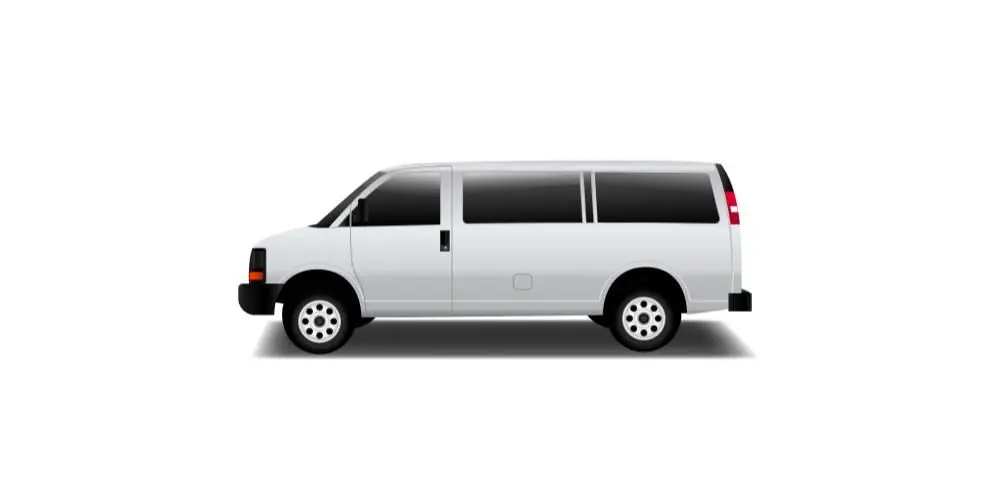
- 15-Passenger or 12-Passenger Van:The ultimate group mover. If you have a large team say a camera crew, models, makeup artists, and a stylist all together (up to 12-15 people) a full-size passenger van is your best bet. Popular models include the Ford Transit, Mercedes Sprinter, or Chevrolet Express passenger vans. These have four rows of seating, fitting the driver + ~14 passengers in a 15-seater (or 11 passengers in a 12-seater) comfortably. The beauty of a big van is everyone and everything goes in one vehicle. You’re not splitting up into multiple cars, so coordination is much easier. It’s also cost-efficient when you break down the cost per person. All the luggage, garment racks, and styling tools can be loaded in the back or even in empty seats. Do note: driving a 15-passenger van in NYC requires some skill they are longer and taller than a regular SUV, so you make wide turns and be cautious about low clearances. But many have backup cameras and other modern features to help. Parking is the main headache with big vans (as discussed, not all garages take them), so you might treat it as a drop-off shuttle more than a car you park on the street. If your group is slightly smaller, a 12-passenger van offers nearly all the same benefits with a bit less bulk (one fewer row makes it easier to maneuver and often skates under some garage height limits). Tip: These large vans are in high demand during event weeks it’s wise to reserve early. Also, most rental agencies require drivers to be at least 25 for these vehicles. Ensure your designated driver is of age and added as an additional driver if needed when you book.
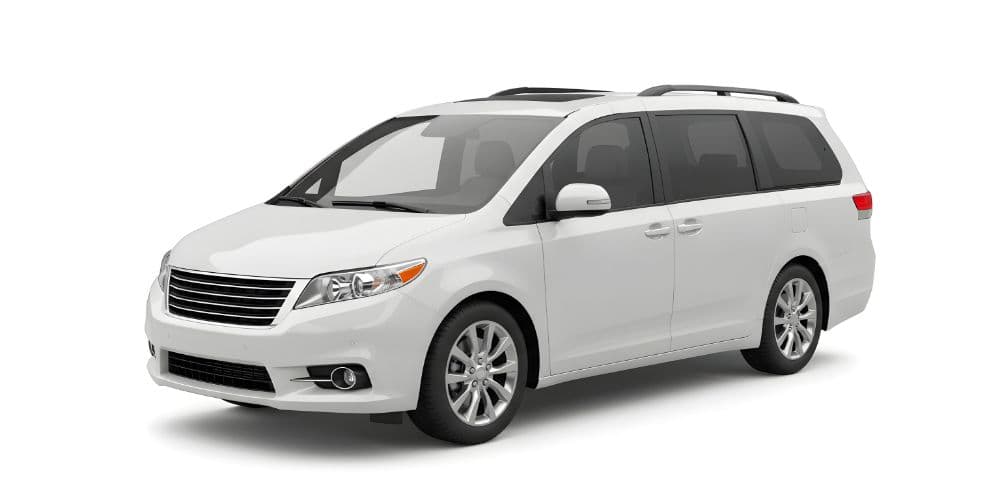
- Minivan (7–8 Passenger): If your group is mid-sized for example, a designer and five models, or a blogger plus her photographer and three friends a minivan might hit the sweet spot. Modern minivans like the Toyota Sienna, Honda Odyssey, or Chrysler Pacifica seat 7 or 8 passengers. They are much easier to drive and park in the city compared to a 15-passenger bus, since they’re essentially like a large car. Minivans have sliding doors, which are fantastic for tight curbside drop-offs (no worrying about a door swinging out into traffic or a bike lane). The interior space is very flexible: you can fold down or remove some seats to create a big cargo area for fashion racks, photography equipment, or stacks of lookbooks. For a small production team, a minivan can often carry all your gear plus the team members. Fuel economy is another plus better than full-size vans, which will guzzle more gas in stop-and-go traffic. And when it comes to parking, minivans usually fit in standard garages (just confirm height if it’s one of those garages with a low entrance). They also blend in more you won’t scream “tourist van” or draw as much attention, which can sometimes be nice when you’re unloading expensive gear. The only downside is capacity: with 7 or 8 seats, you might still need two vehicles if your group is bigger, but for many situations a single minivan suffices. If you anticipate shuttling between venues in short hops, a nimble minivan is really ideal.
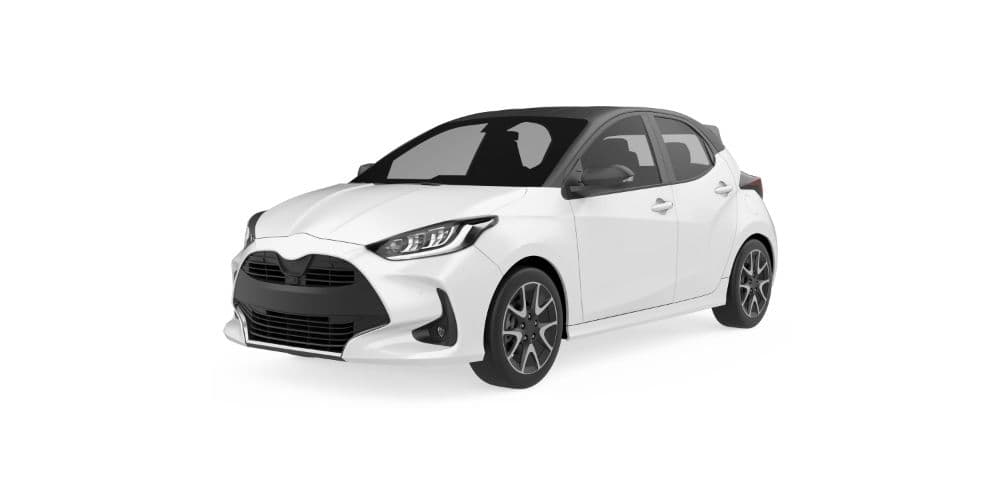
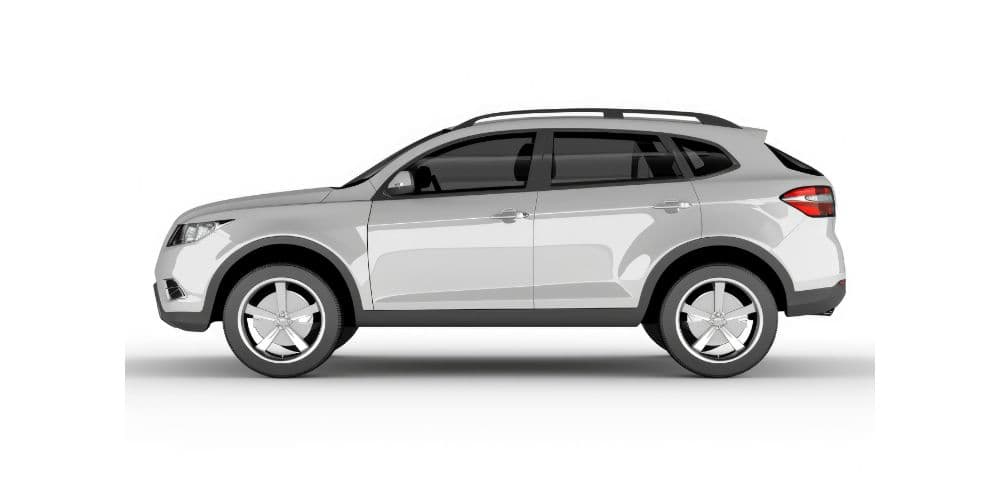
- Standard or Full-Size SUV: A full-size SUV (like a Chevy Tahoe, Ford Expedition, Cadillac Escalade, etc.) offers a combination of roominess and style. These typically seat 7 or 8 with three rows, but keep in mind the third row space for luggage is limited you might fit a few suitcases or garment bags, but not a ton of equipment unless you fold seats down. So an SUV is great if you have, say, 5 people and moderate luggage, or if you want a more upscale image when arriving at venues. Why choose an SUV for Fashion Week? They can be a bit more prestigious (if you’re transporting VIPs or clients, this might matter), and they handle New York’s roads comfortably. Ground clearance is higher, which is useful for hopping curbs… (just kidding, don’t hop curbs!). But seriously, SUVs can deal with winter weather better February in NYC can mean snow or slush, and an all-wheel-drive SUV handles that with ease. Drivers also might prefer an SUV if they’re not used to vans; an SUV drives more like a regular car, just bigger, and often comes with a lot of driver aids. Another perk: valet parking at hotels or event sites will readily take an SUV, whereas they might balk at a huge van. If your group is on the smaller side (4-6 people) and you want something that’s both functional and fits in anywhere, two SUVs could even be a strategy (split the group into two vehicles) though that means you need two drivers and you’ll pay two rental fees. Many of our customers opt for a Standard SUV (5-passenger) if it’s just a few of them with a modest amount of luggage, or a Full-Size SUV (7-8 passenger) for slightly larger parties. Just pack smart: for 8 people with bags, a single SUV will be tight.
- Mix and Match for Large Teams: What if you’re coordinating a really large operation like 20 models or a double-digit film crew? In that case, you might need multiple vehicles regardless. Some common strategies: two 15-passenger vans traveling in convoy (one van carries the models, another carries wardrobe and crew), or a passenger van + cargo van combo (one for people, one just for clothing racks, lighting equipment, etc.). If you have different sub-groups (e.g., half the team staying in Brooklyn, half in Manhattan), you could assign each a minivan. The goal is to minimize the number of total vehicles while keeping things manageable. Five separate cars will be a nightmare to coordinate in city traffic far better to consolidate into one or two larger vehicles if you can. In some cases, extremely large groups look into mini-buses or shuttles, but those often require professional drivers and special permits, which gets outside the scope of a DIY rental. For most Fashion Week groups, a couple of passenger vans or SUVs will do the trick.
Reminder: Whichever vehicle type you choose reserve well in advance. New York Fashion Week might not draw crowds as huge as a music festival, but it does create a spike in demand for larger rentals (think of all the brands and agencies booking transport). Vans, especially 12-15 seaters, can be in limited supply in the NYC area. By booking early, you also have your pick of pickup locations (airport or city) and can secure any add-ons you need (like extra insurance, toll passes, or GPS if needed). And if your group size changes last-minute (it happens maybe an extra assistant join, or someone drops out), check if you can adjust your vehicle size. It’s easier to size down than size up a day before, since bigger vans might be sold out.
Finally, consider the comfort factor: Fashion Weekdays are long and hectic. Having a roomy vehicle where your team can relax between shows, charge phones, even munch on snacks, is a godsend. We’ve seen glam squads doing makeup on the go in sprinter vans, and designers mentally rehearsing their post-show speeches while stuck in traffic the vehicle becomes a mobile HQ. So choose one that gives you the space, reliability, and features you need to make NYFW 2026 a success for your crew.
Rental Pickup: New York City vs. New Jersey Locations
If you’re renting vehicles for NYFW, you have options on where to pick up. We operate in both New York City and New Jersey, which can be very handy depending on your travel plans:
- New York City Rental Locations: We serve multiple convenient NYC pickup points including near the major airports (JFK and LaGuardia) as well as some Manhattan locations. If you’re flying into JFK or LGA and want to grab your van right at the airport, that’s usually simplest. Land, collect luggage, and you can be loading into your rental van within minutes. This is great for getting your team straight into the city without delay. Alternatively, if you’re spending a couple of days in the city first (perhaps previewing venues or doing pre-show prep) and only need a vehicle for certain days, you could pick up at a Manhattan location when you’re ready to start driving. For example, you might enjoy NYC car-free for the first day (if your hotel is walking distance to some events), then pick up your van in Midtown on the morning you need to venture to Brooklyn or New Jersey. We have partners and branches across the city, so search for “New York City Car & Van Rentals” on our site to see the options. Whether you need a 15-passenger van in Queens or a luxury SUV in Manhattan, our NYC network has you covered.
- New Jersey Rental Locations: For those flying into Newark EWR, or if you find better vehicle availability/prices in NJ, we also have New Jersey pickup spots. Our New Jersey location is ideal if you want to avoid driving a big van through Manhattan right after picking it up. Some groups choose to stay in NJ (cheaper hotels or a team house in Jersey City, perhaps) and commute into Manhattan for events in that case, renting in NJ could be more convenient for parking and overnight storage. Newark Airport has rental facilities where you can get everything from compact cars to 12-passenger vans. If your group is landing at EWR, you can grab the van there and be on the New Jersey Turnpike south in minutes, or head over one of the bridges/tunnels into NYC. Also, sometimes one-way rentals are easier between NJ and NYC if you only need the vehicle on one side of the trip. (For instance, pick up a van at our New Jersey location when you arrive, load up, drive into the city for the week, and later drop the van at a New York location before flying out of JFK we can often accommodate that with minimal or no one-way fee, since the NYC/NJ area is one region.) Be sure to coordinate with us for any special arrangements.
No matter where you rent, make a reservation as early as possible. NYFW overlaps with other events and general business travel, so larger vehicles can get snapped up. Our NYC and NJ fleets include plenty of 12-passenger vans, minivans, and SUVs suitable for Fashion Week groups, but availability can tighten as February approaches.
Also, consider logistics like parking at your hotel or apartment. If your accommodation in Manhattan doesn’t offer parking, you might prefer to keep the van in a New Jersey park-and-ride or a cheaper outer borough garage overnight, and use it mainly for daily commuting. Conversely, if your hotel has a garage (even pricey), it might be worth it for the convenience of having the van accessible whenever you need it. Some groups even coordinate with their hotel to use the loading dock for brief periods (e.g., to load clothing racks in the morning) always ask politely and have credentials if you’re doing that, as hotels during NYFW are used to dealing with fashion folk.
In summary, choose the pickup location that best fits your flight plans and itinerary. New York City pickups are best if you’re centered in the city and need instant access, while New Jersey pickups can save time and stress if you’re coming via Newark or want to skirt around Manhattan’s busiest zones initially. Either way, our team will ensure you get the right vehicle in the right place, so your Fashion Week transportation is seamless.
(Quick note on returns: Give yourself a little extra time when returning the vehicle post-Fashion Week. February 2026 NYFW ends on Feb 16 (Monday). If everyone is flying out that day or the next, there could be a rush at airports. Plan your drive to the drop-off location with traffic in mind you might hit Presidents’ Day travel week as well. And don’t forget to gather all those designer garment bags and swag out of the trunk before handing back the keys!)
By planning your group’s transportation with care, you’ll set yourselves up for a much more enjoyable and efficient New York Fashion Week 2026. The city may be hectic and the schedules packed, but with the right vehicle and a smart game plan, you can hit every show, meeting, and after-party on your list. Here’s to a stylish and smoothly coordinated NYFW! Safe travels and enjoy the fashion festivities.
Our Most Popular Vehicles
Frequently Asked Questions
NYFW for the Fall/Winter 2026 collections will run February 11–16, 2026 (Wednesday through Monday). These dates are set by the Council of Fashion Designers of America. Shows and events will be happening throughout that period, primarily in Manhattan. If you’re planning travel, aim to arrive by Feb 10 or early on the 11th, and note that some invite-only events or fittings might occur just before or after the official dates.
It depends on your starting point and priorities. JFK (in Queens) handles the most international flights and has many direct connections great for overseas travelers, but it’s about 15–18 miles from Manhattan and can take 1+ hour driving. LaGuardia is the closest (around 8 miles from Midtown) and a quick 20-30 minute drive with no traffic, but it’s domestic-only and can be very congested during rush hour. Newark (in NJ) is an excellent option especially if you find a good flight; it’s roughly 16 miles out and offers a convenient 30-minute train into Penn Station driving from EWR to Manhattan typically ranges from 30 to 60 minutes depending on traffic. For most international visitors, JFK is the default choice. For domestic, LGA might be slightly more convenient if your timing is off-peak. Newark is equally viable for both domestic and international and sometimes less hectic. Also consider where you’re staying if your hotel or rental is on Manhattan’s west side or in New Jersey, Newark could be closest. In all cases, consider the time of day: a 7 AM arrival will face heavy inbound traffic on weekdays, while a late-night flight might be a breeze ride into the city.
Many Fashion Week venues are clustered in downtown Manhattan (SoHo/Tribeca) or Midtown, so you’ll likely be moving around those areas frequently. Options to get around include walking (for short distances), subways (fast and immune to traffic, great for solo travelers or pairs without much to carry), rideshares/taxis (convenient but can get stuck in Fashion Week traffic and costs add up for multiple trips), and group transportation like rental vans or hired cars. If you’re with a group, a rental van/SUV is often the best way to get around Fashion Week it lets everyone stay together and you can transport clothing racks, equipment, and go-sees in one go. Plan your day to account for traffic give yourself extra time between shows. Also, keep an eye on event schedules; sometimes organizers provide shuttles for big shows or have recommended routes. And remember, Manhattan’s street grid can be your friend: often it’s faster to walk 5-6 blocks than to drive them during peak congestion. So if you see gridlock, don’t be afraid to tell your driver “we’ll hop out here and walk the last block.” Comfortable shoes (or stylish sneakers) are a Fashion Week staple for a reason!
Renting a van (or a couple of large vehicles) for your group can simplify Fashion Week logistics immensely. With a 12 or 15-passenger van, you have one meeting point, one departure time, and one vehicle to keep track of, rather than coordinating 3–4 separate taxis or Ubers and hoping they all arrive on time. It ensures the whole team arrives together at each venue no one left behind in traffic or trying to catch a second cab. Cost-wise, a van rental split among a group can be more economical than numerous rideshare trips, especially when surge pricing hits or if you’re making many hops in a day. You also have a dedicated space for your stuff: you can leave garment bags, makeup cases, or equipment in the van (out of sight, of course, and with someone keeping an eye on it) rather than lugging everything into each event. During down time, the van is a private spot to recharge (literally recharge phones, and figuratively recharge yourselves). Essentially, a van rental gives you control and consistency you dictate the schedule and route. In contrast, waiting for rideshares or finding taxis repeatedly can introduce delays and uncertainty. Finally, in the unpredictable swirl of NYFW, having your own vehicle and possibly a familiar driver (even if it’s one of your team) offers peace of mind it’s one less variable to worry about when you’re juggling show invites, schedules, and a dozen other details.
In a word, yes parking in Manhattan is challenging even on a normal day, and Fashion Week can make it tougher in key areas. Many curbside spaces near major venues will be off-limits (posted with No Parking/No Standing signs for event permits or TV trucks). The spots that are open might be full by early morning. Nearby parking garages often fill up fast and may jack up prices knowing there’s high demand. If you arrive at a venue with a vehicle, expect that you may not find immediate parking right there. A smart move is to scope out a garage a few blocks away in advance and reserve a spot if the garage app allows. There are apps like SpotHero that sometimes let you book a space. Street parking, if you miraculously find it, will likely be metered or have a 2-hour limit, so it’s not suitable for an all-day stop. One strategy some teams use: have the driver drop everyone and then park farther away in a less busy area (even in another neighborhood) and rejoin later essentially using the van only for pickups/drop-offs and storing it elsewhere in the interim. Just ensure the driver can get back in time through traffic when needed. Also consider timing: late evening events might end after many garages close (some shut around midnight), so look for 24-hour facilities if you’ll need to retrieve your car very late. All told, parking is doable with planning, but it’s an added hassle. If you can avoid parking by utilizing your vehicle mostly as a shuttle, do that. When parking is unavoidable, give yourself plenty of lead time to secure a spot and factor the cost into your budget (it can be $50-$100 or more for just a day’s parking for larger vehicles). And absolutely heed the NYC parking rules a Fashion Week parking ticket can run $115 or higher for violations like parking in a “No Standing” zone. That’s a souvenir you don’t want!
As early as possible. New York Fashion Week might not draw millions of tourists like a sporting event, but it does involve thousands of industry people converging on the city, many of whom need transportation. Large passenger vans and specialty vehicles can be in limited supply. It’s wise to reserve your rental van or SUV at least a few weeks (if not months) in advance of February 2026. Not only will this ensure you actually get the type of vehicle you need, but you’ll likely get a better rate too. Last-minute rentals in NYC can be pricier. Early booking also gives you more choices of pickup location and flexibility to tweak the reservation. For example, if you book a 15-passenger van now and later realize you only need a 7-passenger SUV, it’s easier to downgrade (and cheaper) than trying to find a bigger van later on. Don’t forget to arrange any extras you might need: GPS navigation, an additional driver on the contract (if multiple people in your group might take the wheel), or child seats if applicable for any children traveling. If you’re hiring a dedicated driver or car service instead, also book those well ahead the reputable ones get fully booked during Fashion Week with corporate clients and VIPs. Basically, once your NYFW credentials, travel, and accommodation are set, make transportation the next priority. The peace of mind knowing a van will be waiting for you when you land at JFK, or that you have wheels secured for that important showroom visit in New Jersey, is priceless amidst Fashion Week chaos.