
SXSW 2026 Transportation Guide: How to Get Around Austin During the Festival
TL;DR: Heading to SXSW 2026 in Austin (March 12–18)? This guide explains how the festival takes over downtown, which airports to use (AUS first, SAT if needed), and the best ways to move between the airport, hotels and venues. Compare festival shuttles, walking, CapMetro, rideshares and passenger‑van rentals from Airport Van Rental so your band, crew or startup team can navigate SXSW without getting crushed by traffic and parking.
SXSW 2026 Overview: Dates, Location & What to Expect
South by Southwest (SXSW) 2026 takes place March 12–18, 2026 in Austin, Texas. For seven days, Austin transforms into a vibrant playground of music concerts, film premieres, tech showcases, and networking events spread across downtown venues. The festival draws thousands of visitors from around the world from indie bands and filmmakers to startup founders and fans all converging on the city’s clubs, theaters, and conference centers.
SXSW’s footprint spans much of downtown Austin and adjacent districts, with the Austin Convention Center and nearby hotels hosting major conference events, and music showcases popping up at bars on Sixth Street, Rainey Street, and beyond. Expect a bustling city atmosphere: sidewalks packed with badge-wearing attendees, pop-up events in parking lots, and plenty of foot traffic at all hours. This surge of activity means getting around requires planning you’ll be navigating crowded streets and heavier-than-usual traffic. In the sections below, we’ll cover how to arrive in Austin and move around efficiently during SXSW week, so you can focus on enjoying the festival rather than worrying about transportation.
(Pro tip: SXSW 2026 is a bit shorter than past years 7 days instead of the usual 9 but it will be as dense as ever with events. Plan your travel time carefully to catch all your must-see sessions.)
Best Airports to Fly Into for SXSW
Flying into the right airport will make your SXSW trip much smoother. Austin-Bergstrom International Airport (AUS) is by far the best and most convenient airport for SXSW. It’s located just about 7–10 miles southeast of downtown Austin, roughly a 15-20 minute drive in normal traffic. AUS is a modern, efficient airport with plenty of daily flights including non-stop routes from over 50 cities around the U.S. and abroad. All major domestic carriers and many international airlines serve AUS, so you shouldn’t have trouble finding a flight. Importantly, landing at AUS means you’re in Austin as soon as you step off the plane, with only a short trip needed to reach downtown hotels and venues.
San Antonio International Airport (SAT) is a secondary option that some SXSW travelers consider. SAT is about 80 miles south of Austin (approximately a 1 hour 20 minute drive via I-35 in light traffic). You might look at flying into San Antonio if, for example, flights to Austin are extremely expensive or sold out. In some cases, international attendees might find a better deal flying to SAT and then driving to Austin. However, keep in mind the trade-offs: you’ll need to rent a car or take a shuttle for the 1.5-hour trip from San Antonio to Austin, which adds time and cost. There’s no direct rail connection, so driving is the main way to connect between SAT and Austin. Unless you have a compelling reason (such as a huge cost savings or a stopover in San Antonio), AUS should be your top choice for SXSW flights. It’s the closest by far and will drop you right into the action.
Other airports in the region (like Houston’s IAH or DFW in Dallas) are much farther (3+ hours away) and generally not practical just for attending SXSW, unless you’re planning a larger Texas trip. For 99% of attendees, flying directly into Austin is the way to go. Just be sure to book flights early SXSW dates are peak travel time in Austin, so flights into AUS can fill up months in advance. The same goes for rental cars and vans at the airport: reserve ahead if you know you’ll need one during festival week.
Getting from the Airport to Downtown Austin
Once you’ve landed at Austin-Bergstrom (AUS), how do you get downtown to your hotel or the SXSW venues? You’ve got several solid options:
- Rental Car or Van: If you plan to do some driving (or you’re traveling with a group), picking up a rental car or better yet, a passenger van or SUV for larger groups right at the airport can be convenient. AUS’s rental car center is on-site, accessible via a short walk from the terminal. All the major agencies operate there, so if you reserved a vehicle, you can grab it and be on your way quickly. The drive from AUS to downtown is straightforward: roughly 8 miles via TX-71 West to I-35 North, which feeds into downtown. Outside of rush hour, it’s a quick 15-minute drive. Just beware that during SXSW, traffic may slow you down, especially if you arrive in the late afternoon or evening when festival events are in full swing. If you’re renting a 15-passenger van or minivan, ensure your hotel has parking (many downtown hotels do, but it can be valet-only at a high fee see the parking section below).
- Rideshare or Taxi: Prefer not to drive? Uber and Lyft are readily available at AUS, as are traditional taxis. Follow the signs to the rideshare pickup area or taxi stand, located on the lower level outside baggage claim. Rideshares and cabs are a convenient door-to-door solution if you’re carrying luggage or arriving late at night. A typical fare from the airport to downtown ranges $20–$30 in normal conditions but expect higher prices during SXSW due to surge pricing and high demand. Also, be prepared for possible waits when thousands of attendees are arriving around the same time the rideshare queue at the airport could get busy. Nonetheless, this is a hassle-free option for solo travelers or couples. You’ll be dropped off right at your hotel entrance. Tip: If you land during peak traffic, your driver may take back roads or route via Riverside Dr. or Highway 71 to avoid freeway congestion.
- Public Transit (CapMetro Bus): Austin’s public transit authority, CapMetro, runs an easy and extremely affordable bus route from AUS into downtown. Route 20 (also called the Airport Flyer) picks up at the lower level outside baggage claim look for the stop marked by a neon guitar sign. For just $1.25 each way, Route 20 will take you to downtown Austin (it makes several stops downtown, including ones near 6th Street and the Capitol). The ride takes about 30 minutes. Buses typically run every 15 minutes during the day (slightly less frequent late at night). If you’re traveling light (just a carry-on backpack, for example) or on a tight budget, the CapMetro bus is a fantastic option. It’s safe and used by many locals. Just keep in mind you’ll need to walk or rideshare from the downtown bus stop to your specific hotel if it’s not right near one. Also, during SXSW, the bus can get crowded but on the flip side, you might meet fellow attendees on board! Check CapMetro’s site or app for the latest schedule; they sometimes add extra service during big events.
- Shuttles and Other Options: Several airport shuttle services and private car services operate in Austin as well. Companies like Carter Transportation (which partners with SXSW EDU) may offer shared ride shuttles into the city. These can be good if you booked in advance or are in a larger group but don’t want to drive yourselves. Prices vary, but shuttles often charge per person at a certain group size, a private van rental might be more economical. Additionally, some hotels arrange airport shuttles for guests during SXSW it’s worth asking your hotel if they have any transport arrangements. Lastly, you might see pedicabs or bike taxis around downtown but you won’t use those from the airport (too far!). Save those for short hops once you’re in the city center.
In summary, plan your airport transfer in advance so you’re not scrambling on arrival. If convenience and flexibility are key (or you have a crew with gear), renting a vehicle at AUS is great you can drive on your own schedule. If you want to avoid driving altogether, rideshares/taxis or an airport shuttle will get you downtown with minimal effort (just potentially at a higher cost). And if you’re budget-conscious or traveling solo, don’t overlook the CapMetro airport bus it’s cheap and reliable. However you go, welcome to Austin!
Getting Around Austin During SXSW Week
Once you’re settled in Austin, the real challenge begins: navigating the city amid SXSW. During festival week, downtown Austin’s streets can be a maze of blocked-off lanes, diverted traffic, and throngs of pedestrians. The City of Austin often closes various downtown streets for “Spring Festival Season,” which includes SXSW. Red River Street, portions of 6th Street, and others may be pedestrian-only at times to accommodate venues and pop-up events. On top of that, normal rush-hour traffic in Austin (which tends to clog I-35, MoPac/Loop 1, and major arteries) will be exacerbated by festival traffic. In short: driving yourself around downtown is not for the faint of heart during SXSW.
Here are the best strategies to get around Austin efficiently during SXSW:
- SXSW Festival Shuttles: If you have an official SXSW badge, take advantage of the free SXSW shuttles. Each year, SXSW operates a circulating shuttle service that stops at or near many official venues and hotels. In 2026, details will be announced closer to the event, but typically the shuttle runs daily throughout the conference, starting early morning and going until late night, making a loop around downtown and the Austin Convention Center, as well as reaching some venues slightly further out. This is one of the easiest ways to hop between events without worrying about parking. Just show your badge to board. Keep an eye out for the shuttle route map and schedule on the SXSW website or app when it’s released plan to use these shuttles especially for getting to morning panels or bouncing between the Convention Center and downtown hotels. They’re free, frequent, and designed for attendees, so they’ll often get priority access through road closures (and you can network with fellow attendees on board).
- Walking and Biking: Downtown Austin is fairly compact, and walking can often be the fastest way to go a few blocks, given how snarled traffic gets. For example, if you’re going from the Convention Center to a venue on 6th Street, walking 10 minutes might beat a 10-minute car ride stuck in jams. Make sure to bring comfortable shoes you’ll likely log several miles on foot over the week. Austin is generally pedestrian-friendly downtown, though always cross at signals and watch for vehicles (and scooters). In addition, consider renting a bike or scooter for medium-range trips. CapMetro Bikeshare (formerly B-cycle, now integrated with CapMetro) has bike stations all over downtown you can grab a bike for a short ride and dock it at another station near your destination. It’s a quick, healthy way to zigzag through downtown without getting stuck in traffic. There are also e-scooter rentals (from companies like Lime or Bird) usually available in Austin these can be fun and efficient for solo travel, but use caution weaving through crowds, and park them responsibly. Bonus: Austin in March often has mild, pleasant weather (60s–70s °F), perfect for walking or biking, though be prepared for the occasional spring rain shower.
- CapMetro Buses and MetroRail: Austin’s public transit network can be a useful tool during SXSW, especially if you’re venturing outside the immediate downtown core or want a late-night ride. CapMetro runs numerous bus routes throughout the city, including high-frequency routes on major corridors. Key ones to know: Route 801 and 803 are MetroRapid lines (frequent buses that run north-south through downtown along Guadalupe/Lavaca and Congress Ave. corridors), which can connect you to areas like South Congress, the University of Texas campus, and North Austin quickly. The MetroRail Red Line is a commuter train that runs from downtown’s Downtown Station (near the Convention Center) up to North Austin (Domain area) with stops in between. During SXSW, CapMetro often extends rail service hours to accommodate events (in 2025 they ran late-night trains on weekends). Fares are inexpensive (around $2.50 for a single ride on MetroRail, $1.25 for local bus). Download the CapMetro app (now integrated with the Umo app) to buy tickets on your phone and see real-time transit schedules. While buses might get delayed in traffic, the dedicated bus lanes downtown help, and the MetroRail can bypass road congestion entirely. Public transit is great for solo travelers or small groups looking to save money and avoid parking plus you’ll get a little local flavor riding alongside Austin commuters. Just plan your trip (CapMetro’s Trip Planner or Google Maps transit feature can help) and check schedules, as late-night frequency might be limited on some routes.
- Rideshares and Taxis: Outside of getting to and from the airport, you’ll likely use Uber, Lyft, or local taxis at some point during SXSW especially late at night after concerts or when you’re in a hurry across town. Rideshare cars are everywhere in Austin, but during SXSW demand skyrockets. Be prepared for “surge” pricing, where that $10 trip at noon could cost $30 at midnight on a SXSW weekend. If you’re splitting with friends, it can still be reasonable, but keep an eye on the app sometimes waiting 15 minutes for surge to drop is worth it. Also, factor in that a “5-minute drive” on the map might take 20 minutes in SXSW traffic. Drivers often know alternate routes (like using Cesar Chavez or MLK instead of 5th/6th, or cutting through East Austin to avoid I-35), but ultimately they can’t avoid the bottlenecks entirely. If you call a rideshare from a busy venue closing time, consider walking a block or two away from the immediate crowd to make pickup easier. Taxis (like zTrip or ATX Co-op Taxi) also operate in Austin and have designated pickup spots around downtown. You can hail one or call, though during SXSW they can be as scarce as free swag. One advantage: taxis have set rates and no surge pricing. Whichever you use, pack your patience what might normally be a 10-minute drive could be longer. Chat with your driver; they often have great SXSW tips or interesting stories, and it makes the slow ride more enjoyable.
- Pedicabs & Electric Cabs: For short hops within the core entertainment districts, don’t be surprised if a pedicab (bicycle rickshaw) or electric golf-cart cab offers you a ride. These are all over downtown during festival season. Pedicabs operate mostly for tips (negotiate or ask the “suggested” rate per block). They’re actually a fun, open-air way to get from, say, the Convention Center to a bar on Rainey Street without sitting in a car. Just hold on to your badge and bags as you ride! There are also a few electric cab services (small electric shuttles) buzzing around, often in the evenings. They typically have set service areas (e.g. downtown only). If you’re exhausted after a long day of panels, hopping in a pedicab for a few blocks can save your feet and might be a SXSW memory in itself.
Important: If you do decide to drive your own car or a rental vehicle around Austin during SXSW, plan extra time for every trip. Austin’s normal rush hours (weekday mornings ~7–9 AM and evenings ~4:30–7 PM) will be even more congested during SXSW. And even outside those times, downtown streets could back up unpredictably due to festival events. Also note that navigation apps won’t always know about the sudden street closures for SXSW, so keep your eyes open for “Road Closed” signs and police directing traffic. It can be frustrating, but thousands of others are in the same boat. If you give yourself plenty of buffer time to get to your next event, you’ll manage fine. And who knows being stuck in traffic could lead to chatting with other attendees or discovering a cool mural or food truck along the road. That’s the spirit of Austin!
Where to Park in Austin During SXSW
Parking in downtown Austin is a notoriously tricky affair even on normal days and during SXSW, it’s at a premium. With road closures and many out-of-town visitors, finding an open parking spot near festival venues can be challenging and expensive. Here’s what you need to know about parking if you bring a car:
- Downtown Parking Garages & Lots: Austin has numerous public and private parking garages in the downtown area but they will fill up fast each day of SXSW. Your best bet is to arrive early in the morning to snag a spot before the day’s events kick off. Two key facilities are the Austin Convention Center parking garages. There are two garages operated by the Convention Center:
- Convention Center Garage at 2nd St & Brazos St: A multi-level garage a block from the Convention Center (entrance on Brazos).
- Convention Center Garage at 5th St & Red River St: A garage a couple blocks north of the Convention Center, convenient to many 6th Street venues.
These garages typically charge a daily flat rate during SXSW (expect rates in the $20+ range for the day). They will reach capacity on peak days, so again, arrive in the morning if you hope to park there.
Aside from those, look for City of Austin garages (for example, the Riverbend Garage on 6th & Red River, or the One Texas Center garage if near South Congress) and commercial lots (like those near hotels or office buildings). The city’s Parking Enterprise Division provides an online map of downtown parking lots/garages a handy resource to identify options in advance. Some lots allow you to reserve a space online ahead of time for special events (check apps like SpotHero or the city website). Be prepared to pay event rates: $20, $30, even $40 for a day is not uncommon near popular venues.
- Street Parking: Street parking downtown is extremely limited during SXSW. Many curbside spots are taken over by food trucks, staging areas, or have “No Parking Special Event” restrictions. Where street parking is allowed, normal city meter enforcement times apply (typically metered until 6 PM on weekdays, free overnight and on Sundays, but always check the sign). If you find a legal street spot, you can pay via the ParkATX mobile app on your phone a lot easier than refilling a meter. Keep in mind that time limits may still apply (e.g., 2-hour parking) even if you pay, so this is not a great solution for all-day parking. Also, neighborhoods just outside downtown (e.g., Rainey Street area, East Austin) often have residential permit parking do not park in those zones or you risk being towed. In summary, count street parking as a rare stroke of luck if you find it, not a dependable strategy.
- Hotel Parking: If you’re staying at a downtown hotel, you’ll likely have parking available but usually for a steep fee. Many hotels only offer valet parking for $40–$50 per night during events. Budget and mid-range hotels might have self-parking lots, but those can still run $20+ nightly. The upside is convenience: you can leave your car there and not worry about moving it each day. If you have a rental van and your hotel has a space for it, it might be worth the expense to avoid daily parking hunts. Alternately, some attendees with hotels outside the core choose to leave their car at the hotel and use other transportation (shuttles, rideshares) to get in and out of downtown a viable option if your lodging isn’t within walking distance.
- Shopping Centers & Unofficial Parking: You might think of parking at say, a shopping mall or grocery store lot and then heading to SXSW. Be very careful with this. Many businesses post signs during SXSW explicitly banning event parking, and they will tow. For example, do not try to slyly park at the Whole Foods or Target lots downtown for SXSW you’ll likely return to find your car gone. It’s not worth it. The towing fees in Austin are steep.
- Parking Tips & Safety: Wherever you park, hide any valuables (or better, don’t leave them in the car at all). Lock your vehicle, and take a photo of the parking spot or note the garage level. Parking areas downtown will be busy; give yourself time to exit too after a big showcase ends at midnight, a garage may have a long line of cars trying to leave. Sometimes waiting it out at a late-night café and departing an hour later can save you stress.
Finally, note that official SXSW venues do not offer public parking on-site for attendees. For example, if you’re going to the Convention Center for a panel, you can’t park in the Convention Center’s own lots without a special permit those are reserved for staff and event operations. That’s why knowing the city garages and alternatives is important. The bottom line is: parking exists, but it’s limited and often costly. If you can avoid driving into the thick of downtown, do so. But if you must have a car (say you’re driving gear to a showcase), aim for early arrival, use city resources to find a lot, and be prepared to pay for convenience.
(Insider tip: Some locals monetize SXSW by offering their driveways or yards for parking for a fee. You might see makeshift signs like “Event Parking $20” on the outskirts of downtown. These can be legitimate, but park at your own risk and be sure it’s an authorized lot, not someone unwittingly selling street parking!)
Best Vehicle Types for Group Travel to SXSW
If you’re coming to SXSW as a group whether it’s a film crew, a band with instruments, a startup team, or just a big group of friends renting the right type of vehicle can make your trip a lot easier. Rather than splitting up into multiple cars or rideshares, consider renting a larger vehicle so everyone (and everything) can travel together. Here are the top vehicle types to think about for SXSW group transportation:
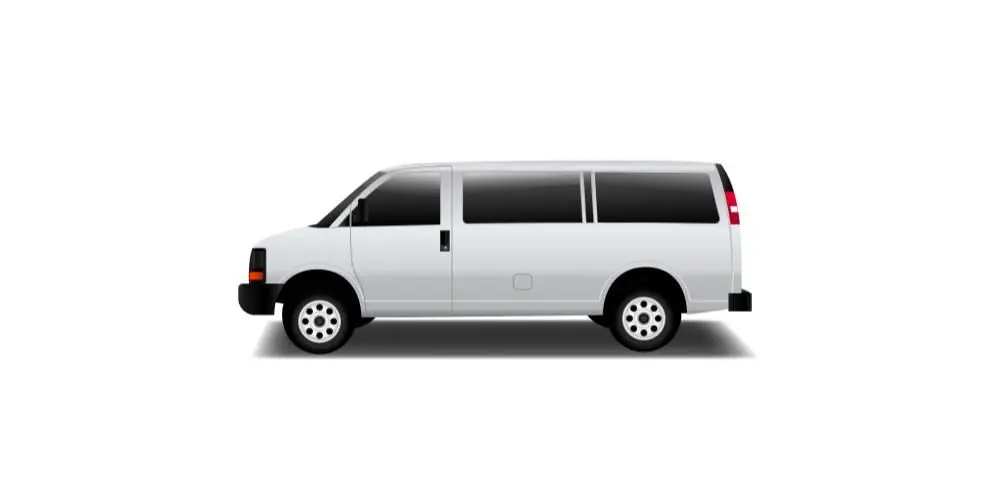
- 15-Passenger or 12-Passenger Van: This is the go-to option for many bands, production crews, or larger teams. A 15-passenger van (like a Ford Transit or Chevy Express) can seat your whole crew in one vehicle. With four rows of seating, you can fit up to 15 people (driver plus 14 passengers) or fewer people plus a lot of equipment. The big advantage is keeping the group together: you only need one driver and one parking space, and everyone arrives at the venue at the same time. It simplifies logistics immensely, which during SXSW is a godsend. No worrying if the second car got stuck at a red light or if half your group got dropped at the wrong entrance. Also, when you crunch the numbers, renting one large van can be more cost-effective than renting multiple smaller cars, especially once you factor in multiple tanks of gas and parking fees for several vehicles. If you’ve never driven a 15-passenger van, be mindful that it’s longer and taller than a typical SUV take turns carefully and allow extra braking distance. But for highway runs and group outings, it’s very comfortable. If your group is slightly smaller, a 12-passenger van is a similar vehicle just a bit shorter (one less row of seats) easier to maneuver and still plenty of room. Tip: These vans book up fast around SXSW, so reserve early. And check age requirements most rental agencies require drivers to be at least 25 for the big vans.
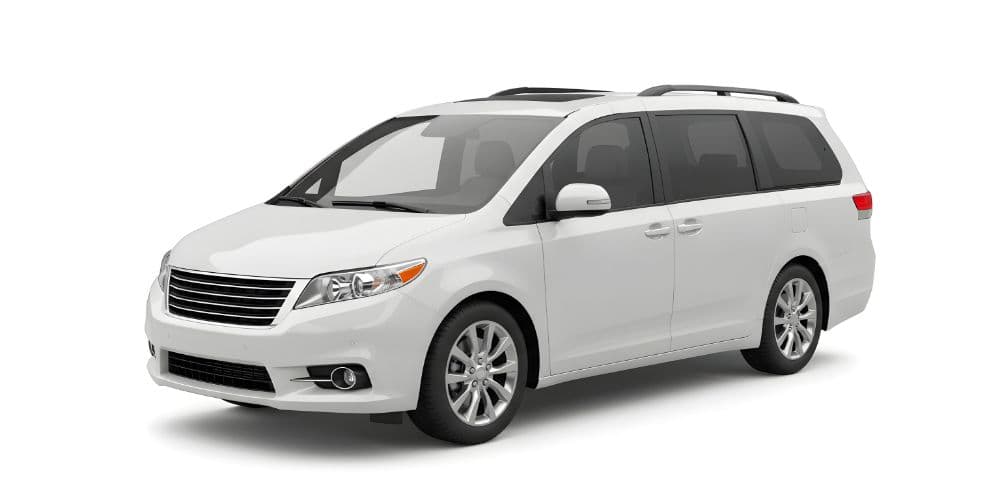
- Minivan (7-8 Passenger): If your group is more modest in size say five to seven people a minivan could be your sweet spot. Modern minivans like the Chrysler Pacifica, Toyota Sienna, or Honda Odyssey seat 7 or 8 and have versatile folding seats for cargo. For a small film crew or a family/friend group, minivans offer a great balance: they are much easier to drive and park in the city than a full-size 15-passenger van but still give you a single vehicle for everyone. Minivans have sliding doors (easy in tight loading zones) and low step-in heights, which can be helpful if you’re hauling gear or if any group members have mobility concerns. You can fit a surprising amount of stuff in a minivan music instruments, camera equipment, swag bags especially with the third row folded down. Another plus: better fuel economy than the big vans, which is nice if you’re doing multiple airport runs or a day trip out to the Hill Country. Many SXSW attendees opt for minivans because they feel like driving a car, not a truck. Just remember, 7 seats fill up quickly when each person has luggage, so consider a cargo carrier or planning for trunk Tetris if everyone is arriving with big suitcases.
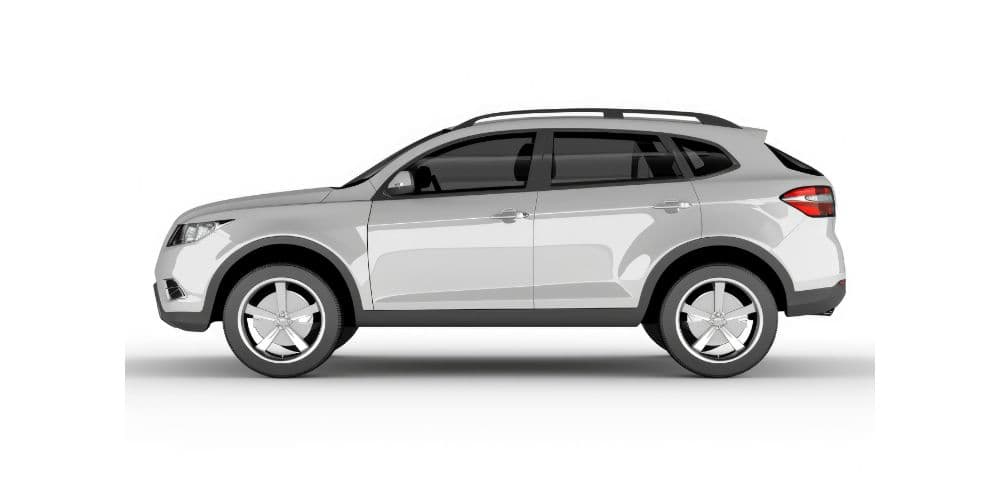
- SUV (Full-Size 7-8 Passenger): A full-size SUV (like a Chevy Tahoe, Ford Expedition, or similar) is a popular choice for groups who want a bit more style or capability. These seat 7 to 8 people across three rows. They often have all-wheel drive not that you’ll encounter off-roading in Austin, but if you plan any excursions outside the city or if there’s a rare March thunderstorm, it can be nice. Full-size SUVs typically have plenty of power and can handle highway drives easily, and they come with modern comforts (climate control for all rows, charging ports, etc.). They do have less interior space than a van with all seats up, cargo space might handle about 3–4 large suitcases. But you can fold down the third row if you need more luggage room. One advantage of SUVs in Austin: they won’t feel out of place on city streets and parking garages. You can valet an SUV at a hotel with no issue, whereas a 15-pass van might be trickier in some tight drop-off zones. Also, drivers who are not used to oversized vehicles might feel more comfortable in a full-size SUV since it drives more like a regular car (just bigger) and has features like backup cameras. If your group is around 5-6 people with gear, an SUV could be a perfect fit. And if you have fewer people, you might consider a standard SUV (5-passenger), but then you’re splitting up if you exceed five so for groups, the larger SUV or minivan is usually better.
- Mix and Match for Very Large Groups: What if you’re coordinating a big group, like 20+ people (think a couple of startup teams or a film cast and crew)? In that case, you might need multiple vehicles regardless. You could do two 15-passenger vans, or maybe a 15-passenger van plus a cargo van for equipment, etc. Sometimes event production teams will rent a box truck or cargo van for gear and a passenger van for the team. Another scenario: some team members rent their own cars for flexibility while the main group has a van. If you go the multiple vehicle route, try to keep it to as few vehicles as possible it’s easier to coordinate two vans than five sedans in downtown chaos. Also, consider hiring a professional driver or charter service if you have significant transportation needs (there are charter bus services in Austin for conference groups). But for most attendee groups, a couple of rentals will do the trick.
In all cases, reserve your vehicle well ahead of March. SXSW sees a run on rentals of all kinds. Vans, especially, can be in limited supply. Check Austin rental locations (both at the airport and in the city) for 7–15 passenger vehicles and book early. One upside: if you’re splitting the cost with group members or bandmates, a larger vehicle can actually be quite economical per person. And intangible benefits abound the conversations, camaraderie, and impromptu planning that happen when everyone’s in the same van are part of the SXSW experience! Plus, you only pay for one gas tank fill-up instead of many.
To sum up: match your vehicle to your group’s size and needs. A big van for big groups keeps things simple and costs down. A minivan is a great all-rounder for moderate groups with some gear. An SUV adds a bit of luxury and local-driving ease for medium groups. Choose wisely, and your crew will be zipping around Austin with maximum efficiency (and maybe blasting your favorite artist’s latest tracks en route to their showcase).
Sample Travel Plans for SXSW Visitors
To put all these tips together, let’s walk through a couple of sample travel scenarios for SXSW attendees flying into Austin:
Scenario 1: “Startup Team of 6” Group Rental Game Plan
Meet Alex and their startup team of 5 colleagues. They’re flying in from the Bay Area to pitch their project at SXSW Interactive. They land at AUS on Wednesday morning. Rather than splitting into multiple Ubers, Alex pre-booked a 7-passenger SUV rental at the airport. The team picks up a Chevy Tahoe at AUS, loads their luggage (and a box of demo equipment) in the back, and heads to their Airbnb in East Austin. They arrive together and on time for check-in. During SXSW, they use the SUV each morning to get to the Convention Center by 9 AM, parking in the 5th & Red River garage before it fills up. All six team members pile out with their badges and head to sessions. Midday, instead of moving the car, they walk or grab pedicabs to nearby meeting venues. In the evenings, the team often splits up to different networking events rather than try to retrieve the SUV, they use rideshares for those one-off trips (easier when they’re not all going to the same place). Later at night, once everyone reconvenes, they decide who’s the most awake and drive the SUV back to their Airbnb, avoiding multiple late-night surge-fare Ubers. On departure day, the whole crew checks out, packs the SUV one last time, and drives back to AUS to return the vehicle and catch their flights. This plan let them stick together when it mattered (airport runs, key morning panels) and gave them flexibility to split up as needed without having too many cars. They also saved money by sharing one rental and fuel costs across 6 people, compared to reimbursing a bunch of separate trips.
Scenario 2: “Indie Band on a Budget” No-Car Strategy
Meet Jordan and their three bandmates. They’re playing a showcase at SXSW Music. Funds are tight, so they decide not to rent a vehicle. They fly into AUS from LA with just instruments and duffels. Upon arrival, they each hop on the CapMetro Route 20 bus, which for a grand total of ~$5 takes the whole band downtown. They walk a couple blocks to their budget hotel on East 7th Street. Throughout the week, Jordan’s band largely walks to gigs and events most of the venues they’re playing or attending are within a mile radius. When they have their main showcase (with heavy amps and drums to haul), they arrange with the festival to use the SXSW shuttle to move equipment, and a friend with a van gives them a hand for that specific night. For a few farther-flung parties (like one down South Congress), they use Lyft, but they try to carpool with another artist to split the fare. They also make liberal use of bikes and scooters to explore Austin between shows, spending only a few dollars here and there on micro-mobility. In the end, they navigate SXSW without ever renting a car. This saves them money on rental and parking, though it does require flexibility like sometimes waiting 20 minutes for a shuttle or lugging gear a couple blocks. Still, they make their set times on schedule and even enjoy not having to stress about driving in downtown chaos. The key for them was staying in a central location (so most necessities were walkable) and leveraging the festival’s transport services and public transit.
Scenario 3: “Solo Film Fanatic” Multi-Modal Lone Traveler
Meet Priya, a solo traveler coming to SXSW for the Film Festival portion. Priya flies in from London (connecting in Dallas) and arrives in Austin in the evening. She opts for a taxi from AUS to her downtown hotel, since she’s jet-lagged and just wants a quick ride (it costs about $30 with tip). For the week, Priya does not have a car instead, she plans carefully. She schedules her film screenings mostly at venues like the Paramount Theatre and Alamo Drafthouse, which are walking distance from her hotel. For a couple of screenings out at Austin Studios (a bit farther east), she uses the SXSW shuttle from the Convention Center, which drops attendees right at the studio venue. One day, she wants to check out an exhibit at a museum a few miles away she takes a MetroRapid bus there, which is easy and lets her sightsee out the window. After a late-night premiere, Priya uses a rideshare back to the hotel for safety, noting the surge pricing but deciding it’s worth it for the convenience of door-to-door service. Because she isn’t dealing with a car, Priya avoids parking fees and the hassle of driving. Her biggest challenge is timing she pads in extra time to get from place to place, especially when relying on shuttles or buses. In the end, she enjoys a stress-free trip focused on films, not traffic. Her strategy shows that a solo attendee can absolutely do SXSW without a personal vehicle, by mixing walking, public transit, and the festival’s own transport options.
Your exact situation might not match the above, but take note of the patterns:
- Staying downtown or near shuttle routes makes a huge difference if you choose not to have a car.
- Groups can save time and money with a shared vehicle but must coordinate things like parking and designated drivers.
- Public transit and festival shuttles can fill in the gaps effectively, especially for those on a budget or flying solo.
- Hybrid approaches (drive sometimes, rideshare other times) often work best you don’t have to choose one single mode for the whole week.
Before you arrive, map out a rough plan: how will you get from the airport to lodging, and what’s your primary mode of getting to events each day? Having a plan (and maybe a backup plan) will reduce last-minute stress. And remember, SXSW is known for serendipity you might make a new friend in a rideshare pool or end up walking with a group to the next venue simply because you bumped into them on the street. Embrace the adventure of getting around Austin!
Hopefully, these tips and the information throughout this guide help you confidently plan your SXSW transportation. Austin during SXSW is a wild ride literally and figuratively but with the right game plan, you can get wherever you need to go and maybe even enjoy the journey.
Disclaimer: Transit schedules, rideshare availability, and event logistics can change at any time. Always double-check the official SXSW transportation page and local news for the latest updates and advisories before your trip. Plan ahead, stay flexible, and enjoy SXSW 2026!
Our Most Popular Vehicles
Frequently Asked Questions
Austin-Bergstrom International Airport (AUS) is the best and closest choice for SXSW. It’s located only ~7 miles from downtown, about a 15-minute drive to most SXSW venues. AUS has the most flight options and will put you right in Austin upon arrival. San Antonio International (SAT), about 80 miles away, can be used as an alternative if needed, but it requires a 1.5-hour drive to Austin. Unless you find a significantly cheaper flight into SAT (or another Texas city) and don’t mind the extra travel, flying directly into AUS is highly recommended. It’s the most convenient airport for SXSW. (Pro tip: book your AUS flights early they fill up fast for SXSW week.)
It depends on your plans, but many visitors do not need a car for SXSW, especially if you’re staying downtown. Most official SXSW venues are within walking, biking, or shuttle distance once you’re in the city center. In fact, driving and parking in downtown Austin during the festival can be a hassle due to traffic and limited parking. If you’re comfortable using rideshares, buses, and the SXSW shuttles, you can definitely get by without a personal vehicle. That said, if you’re lodging far outside the downtown area or you have off-site meetings, a car (or van) might be convenient. Rental cars/vans are useful if you plan to explore beyond central Austin or need to transport equipment. But if your SXSW itinerary keeps you around the Convention Center, 6th Street, Rainey Street, and nearby areas, you can save money by skipping the rental and using transit and your feet. Many attendees actually prefer not having to worry about driving you can network and relax a bit more when someone else is doing the driving!
In a word, tough. Austin’s traffic is already notorious during rush hour, and SXSW brings it to another level. You should expect significant congestion downtown and on highways at peak times. For example, I-35 through downtown and arteries around the Convention Center can become stop-and-go when everyone is heading to keynotes in the morning or big showcases at night. The City often closes some downtown streets entirely for SXSW, which funnels more cars onto the remaining roads. A normally quick 5-minute drive could easily take 30 minutes during the festival. Ride share drivers and locals will know some back routes, but overall, plan for delays and build in extra time. Particularly around 8-10 AM and 5-7 PM (and after bars close at 2 AM), assume the roads will be jammed. The good news is that Austinites and SXSW veterans know to expect this, so there’s a bit of an attitude of “we’re all in this together.” If you’re stuck in traffic, you might roll down your window and hear distant music from a venue, or chat with your fellow passengers. But yes, traffic will be heavy it’s wise to ditch the car and walk or take a shuttle for short trips whenever possible.
Parking is limited and often expensive during SXSW. Many downtown parking garages fill up early in the day, and surface lots raise their rates because of the high demand. Street parking is extremely scarce some areas are permit-only, and many metered spots are taken over by festival needs (stages, loading zones, etc.). If you do have a car, plan to arrive downtown early (before 9 AM) to snag a spot in an official garage. The Austin Convention Center has two public garages in the immediate area. There are also private lots around downtown, but you might be paying $20–$40 for the day (or more for event evenings). Hotels offer parking for guests, but often at steep nightly fees (sometimes $50+ for valet). General attendees cannot park at SXSW venues themselves for instance, there’s no public parking at the Convention Center for attendees. So you’ll be parking in the surrounding city. Bottom line: if you can avoid driving into downtown, do it. If you must drive, use the ParkATX app to pay for street parking if you find it, and consider parking a bit further away and using a scooter or rideshare to reach your final destination. And never park illegally or in tow-away zones Austin police will tow during SXSW. Always read signs carefully before leaving your car.
SXSW offers a few helpful transportation resources for attendees. The biggest is the SXSW Festival Shuttle, which is a free circulating shuttle for anyone with a SXSW badge. This shuttle has stops near many venues and runs on a continuous loop most of the day and evening. It’s very handy for hopping between sessions and showcases without paying for a rideshare. SXSW will post the shuttle route map and schedule on their official site and app usually shuttle stops include the Convention Center and clusters of venues/hotels. Besides the shuttle, SXSW’s website also has a “Getting Around” guide that highlights local transit like CapMetro buses and the MetroRail, plus info on bikes, scooters, and more. They often partner with rideshare companies or others for promo codes for instance, some years they’ve had Lyft pick-up zones or bike-share discounts, so keep an eye on attendee newsletters. Also, if you’re part of the SXSW Music Festival, note that moving equipment between official venues can sometimes be assisted by SXSW production (they have vans for major gear at certain showcases, but that’s more for artists on the official lineup). In short: yes, SXSW has you covered for intra-festival transport use that shuttle, check their transit tips, and don’t hesitate to ask volunteers or staff at Info desks for the best way to get somewhere. They’ll happily point you in the right direction.
Uber, Lyft, and other rideshare services are widely available in Austin, and they ramp up during SXSW. You’ll have no trouble finding the apps active and drivers on the road. The reliability is generally good drivers flock to Austin for the surge pricing opportunities during big events. However, “reliable” comes with a caveat: wait times and prices. At off-peak times, you might get a car in 3 minutes just like any other day. But when a huge show lets out or it’s the end of the night, you could face longer waits. The apps will sometimes put you in a queue if demand is very high. Also, as mentioned, be ready for surge pricing (or Prime Time, as some call it). It’s not uncommon to see 2x or 3x fares during SXSW peaks the apps will notify you before you accept a surged fare. If cost is a concern, you can try using pool/shared ride options (where you carpool with strangers) to save a bit, though those were paused in some cities in recent years check if they’re active in Austin. Another thing: cell networks can get overloaded in the most crowded areas, which might make it a little tough to request rides right at, say, the Convention Center when thousands of people are there. Stepping a block away from the crowd can help your phone get a signal to book a ride. Tip: Sometimes it’s easier to catch a rideshare from across the river (South Austin) or a less busy street and have them drive you in, rather than trying to meet smack in the middle of the chaos. In general, rideshares are a key part of SXSW transport use them when you need to, just factor in that you might pay a premium at peak times and plan for a bit of a wait when everyone is leaving an event at once. And yes, traditional taxis are an alternative; you can often find them queued at major hotels or the Convention Center, and they charge flat rates without surge.
The main downtown areas of SXSW activity (around the Convention Center, 6th Street, Rainey Street, etc.) are generally well-populated and relatively safe, even at night, due to the sheer number of people out and about. Austin has a lively nightlife scene and during SXSW there are crowds almost everywhere in fact, sometimes the sidewalks are so full you’ll be in a virtual “walking traffic jam.” The city also bolsters police presence and street lighting in high-traffic areas for the event. That said, basic city smarts apply. Stick to well-lit, busy streets when walking at night. If you’re going a longer distance or to a less busy area, consider taking a friend or a rideshare. The areas immediately around official venues will have staff and other attendees milling around, which adds to safety. But like any city, there are pockets that get quieter a few blocks away. East 6th Street (the bar strip) can actually be a bit rowdy and one should watch out for intoxicated revelers more than anything else. The Austin Police Department and event security do a good job patrolling the main drag. If you’re ever unsure, SXSW often has a shuttle or pedicab you can grab instead of a long solitary walk. Overall, many people do walk between nightlife venues and hotels at SXSW, and you’ll likely be walking alongside others. Use common sense: don’t flash valuables, be aware of your surroundings, and you should be fine. When in doubt (or if you’re solo and it’s late), spend the $10 on a quick rideshare for peace of mind.
A few local tips and tricks can help you get around smarter: • Use the Alleyways: Downtown Austin has alleyways that run parallel to the main streets. Sometimes, if you’re walking and 6th Street is a crush of people, ducking one block over to 5th Street or 7th Street, or cutting through an alley, can be a faster path. (Stay aware, but these are often used by locals to move around crowds.) • Traffic on I-35 vs. MoPac: Austin has two main north-south highways: I-35 on the east side of downtown, and MoPac (Loop 1) on the west. I-35 tends to be a parking lot at rush hour. MoPac can also jam up, but if you need to travel longer distances (to North Austin or the airport from downtown), locals sometimes prefer MoPac’s flow (plus it has a toll express lane that can help if you have a TxTag). Check a traffic app; sometimes surface streets like Lamar or Congress can beat the freeways. • CapMetro Day Pass: If you’re going to use buses or MetroRail more than a couple times, get a Day Pass via the CapMetro app for around $2.50 (bus only) or $7 (all system), you get unlimited rides for 24 hours, which is a bargain if you’re bouncing between sessions all day. • Download the SXSW GO App: Not exactly a transport tip, but the official app often has a section on transportation updates like if there are shuttle delays, or where the pick-up zones for rideshares are this year, etc. It’s a good way to stay informed. • Hydrate and Wear Comfy Shoes: Again, not a direct travel hack, but you’ll likely be walking more than you expect. Austin’s tap water is fine to drink, so carry a refillable bottle, and save money (and energy) by staying hydrated. Blisters are the enemy choose those sneakers over fancy shoes when you can. • Consider a Scooter for “Last Mile”: Sometimes a parking spot or drop-off might still be a mile from your destination. Austin’s electric scooters (and bike-shares) can bridge that gap quickly. Just remember to park them responsibly out of the main walkways to keep Austin happy.