Vancouver Car And Van Rental Deals | Compare And Save
Why rent a car in Vancouver
What: Vancouver car and van rental for city exploring and BC road trips. Why: Transit works downtown, but a car unlocks Whistler, Vancouver Island, Fraser Valley and Okanagan wine country. Price: Economy from ~CA$25–30/day off-peak; higher in summer and for SUVs, vans or last-minute bookings. Vehicles: Small cars for city and parking; SUVs with winter tires for Sea-to-Sky, ski trips and mountain highways. Best for: Travelers combining Vancouver city time with coastal, island and mountain road trips across British Columbia.
Nestled between the Pacific Ocean and the Coast Mountains, Vancouver is a spectacular city to explore by car. With a rental car in Vancouver, you can easily enjoy the urban attractions and also venture out to British Columbia’s stunning natural landscapes think day trips to Whistler or weekend getaways to Vancouver Island. Vancouver’s public transit is good in the city core, but many of the region’s best sights (North Shore mountains, Fraser Valley, etc.) are best reached by car. The city’s layout is car-friendly in many areas, though note that downtown Vancouver lacks highways (so traffic moves on city streets). Still, thousands of visitors rent cars here every year to maximize their trip. This section covers what to expect for Vancouver rental prices, essential driving tips, great road trips, and advice on choosing the right vehicle especially given Vancouver’s unique mix of mild coastal weather and nearby alpine adventures.
Vancouver Car Rental Prices
In Vancouver, rental prices are moderate and roughly in line with other Canadian big cities. You can often find economy car rentals from around $20–$30 per day, with averages about $27/day in normal times. However, prices do vary seasonally and by vehicle type:
- Budget Rentals: The lowest prices in Vancouver can be exceptionally cheap sometimes $15–$20 per day for a small car in the off-season. For instance, deals as low as $15/day have been found for economy cars. Typically, winter (except the holiday period) and early spring offer the cheapest rates. If you’re visiting in January, weekend rentals have averaged around $50 for the weekend total, with some finding one-day deals as low as $11!
- Average Cost: On average, expect to pay roughly $30–$50 per day for a standard rental in Vancouver. This might be an intermediate car or a small SUV. The city’s average daily rental price hovers around the high-$20s, but with demand, that often translates to $200–$350 for a week after taxes and fees.
- Summer and Peak Times: Vancouver’s peak tourist season is summer (June through August). During these months, car rental rates can increase significantly it’s not uncommon to see even economy cars for $50+ per day in July/August. An SUV or minivan in peak summer might run $80–$100/day. If there’s a major event (like a big conference or cruise ship surge), inventory can tighten, so always book early for summer.
- Larger Vehicles: SUV rentals in Vancouver typically start around $40/day in slower months, but average $60–$80/day in busier times. For example, a mid-size SUV like a Toyota RAV4 or Ford Escape might cost about $60/day in June. Premium SUVs (e.g., a BMW X3) have been available around $55–$70/day through certain agencies a surprisingly good rate for a luxury model, but again, those rates can spike with demand or last-minute booking. Minivans, often used by families, tend to be $70+ in summer.
- One-Week Discounts: Many rental companies offer slightly lower effective daily rates for weekly rentals. A one-week economy car rental might be around $300–$350 in a non-peak season, which could be a better deal than $50/day short-term rates. Always check weekly or weekend special rates if you need the car for several days.
Tip: Vancouver has a lot of rental locations including Vancouver International Airport (YVR) and downtown offices. Renting at YVR vs downtown: Airport rentals charge extra fees, so if you don’t need a car immediately on arrival, you might save money renting from a downtown location. However, downtown rentals sometimes have limited parking for return after hours, and operating hours can be shorter than the 24/7 airport counters. Plan according to your itinerary for example, some travelers taxi or take the SkyTrain from the airport into the city, enjoy a few car-free days in downtown Vancouver, then pick up a rental car downtown when they’re ready to drive to Whistler or elsewhere. This strategy can save money and the hassle of city parking for the days you don’t need a car.
Speaking of parking costs, consider factoring that in: downtown Vancouver parking can run $3–$4 per hour on street and $20–$30 per day in lots. Hotels often charge $30–$50 per night for parking. If your accommodation is outside the city center or offers free parking, that makes having a car more convenient.
Driving Tips for Vancouver
Driving in Vancouver is generally pleasant, thanks to well-maintained roads and the city’s orderly layout, but there are a few local pointers that will help you navigate safely and efficiently:
- Metric & Speed Limits: Like the rest of Canada, speeds are posted in km/h. Within Vancouver city, default speed limit is 50 km/h (31 mph) on streets, unless otherwise marked (some residential areas are 30 km/h near schools/parks). There are no highways through central Vancouver, so you’ll be driving on city roads with traffic lights. Major city arteries (like Granville St., Broadway, Georgia St.) are often 50 or 60 km/h limits. Once you get onto highways outside the city (Highway 1, etc.), limits range from 80 km/h up to 110 km/h in rural stretches. Pay attention to signs, and note that enforcement is active speeding excessively can net you hefty fines.
- Traffic Flow: Vancouver’s downtown is on a peninsula and has a grid system, but with the water and Stanley Park, some routes funnel through bridges. Key choke points are the bridges (Lions Gate, Burrard, Cambie, Granville) during rush hour. If you’re traveling from downtown to North/West Vancouver, the Lions Gate Bridge (Hwy 99 through Stanley Park) has only 3 lanes that switch directions watch the lane control signals. The Ironworkers Memorial Bridge (Second Narrows on Hwy 1) is another route to North Van with heavy traffic at peak times. Plan extra time if crossing these. Within downtown, “Georgia Street” and “Dunsmuir Street” are main east-west arteries (with Dunsmuir mostly one-way eastbound, Georgia westbound in parts), and they connect to Stanley Park and Lions Gate. Use Georgia to head west into Stanley Park or over the Lions Gate, and Dunsmuir/Pender to come east out of downtown.
- No Highways Downtown: It’s worth reiterating that unlike many North American cities, Vancouver has no freeways running through its downtown. This means when driving in the city, you’ll encounter traffic lights frequently and travel is slower. Give yourself time to traverse downtown for example, driving from Stanley Park to the Science World (about 3 miles) could take 20 minutes with lights. Outside the core, Highway 1 is the major freeway (Trans-Canada Highway) that bypasses the city to the east and north. If you’re going from, say, downtown Vancouver to the suburb of Burnaby or towards Coquitlam, you might hop on Highway 1 east via an entrance like McGill St.
- Parking: Vancouver is known for expensive parking and vigilant enforcement. Downtown street parking typically has a 2-hour limit and requires payment at a meter or pay station (or via app). Rates vary by zone but expect about $1-4 per half-hour in busy areas. After 10pm, street parking is often free until morning. Many streets have rush-hour restrictions (no parking or stopping in certain lanes during 7-9am or 3-6pm) heed those signs to avoid towing. Residential streets near popular areas might require local permits, so don’t assume you can park on any side street for free. The safest bet for longer parking is paid lots like EasyPark or Impark garages. Also note height clearances if you have an SUV or van with roof cargo some older garages are low-clearance. If you come across a rare free street parking spot in central areas, usually it’s limited to 1-2 hours. Outside downtown, parking is easier (e.g., in Kitsilano or around Main Street) but still check signage.
- Cyclists and Pedestrians: Vancouver is very bike-friendly. There are numerous protected bike lanes downtown (e.g., on Burrard St, Dunsmuir St, Hornby St). Be mindful when turning right always shoulder check for cyclists coming up the bike lane. At some intersections, there are separate bike traffic lights. Pedestrians in Vancouver often have right-of-way; by law, cars must yield at crosswalks (marked or unmarked at intersections). Many downtown intersections have all-way pedestrian crossings (scrambles) or delayed greens to allow pedestrians to start. Be prepared to stop at mid-block crosswalks, which are common in shopping areas (they often have flashing lights).
- Unique Traffic Lights: In British Columbia (and some other Canadian provinces), you might encounter a flashing green traffic light. This is different from the flashing green in the US; in BC a flashing green means the intersection is pedestrian-controlled the light stays green for cars until a pedestrian pushes a crosswalk button, then it will turn red. So a flashing green is basically “proceed, but be ready to stop if it turns red.” Always be cautious at those, as a pedestrian could trigger a change. Also, a flashing amber light on a pedestrian sign means a pedestrian is crossing; you must yield.
- Right Turn on Red & Other Rules: In Vancouver (and BC in general), you can turn right on a red light after coming to a complete stop, unless a sign says “No Right on Red”. A few intersections downtown disallow it (often to protect pedestrian-heavy areas). Left turn on red from a one-way into a one-way is also legal in BC (e.g., turning left from a one-way street onto another one-way, after stopping, if no sign prohibits it not a common scenario but good to know). Headlights: It’s recommended to drive with headlights on at all times (DRL laws mean many cars do automatically). And of course, seatbelts are mandatory, and cell phone use is prohibited while driving (hands-free only). Enforcement on distracted driving is strict, with fines over $300.
- Navigation and Areas: Downtown is fairly easy to navigate (a compass helps mountains are north, the main water (False Creek) is south). Outside downtown, Hwy 99 south takes you to the USA border (via Richmond and Delta) and north it becomes the Sea-to-Sky Highway to Whistler. Hwy 1 (Trans-Canada) east takes you through North Vancouver (across the Second Narrows Bridge) and out towards Burnaby, Surrey, and eventually the Fraser Valley and Rockies. Traffic on Highway 1 around Vancouver can be heavy during rush hour as well, especially where it narrows by the North Shore. If you’re going to or from Vancouver Airport (YVR) by car, note that it’s in Richmond and you’ll take either Granville St/Arthur Laing Bridge or the Knight St Bridge, etc., to get into the city allow 30-45 minutes from downtown, more at rush hour.
Driving in Vancouver rewards you with incredible views you might find yourself distracted by the sight of snow-capped mountains as you drive over the Granville Street Bridge, or the ocean sparkling along Beach Avenue. Just stay focused on the road, use common sense, and you’ll be fine. Vancouverites are generally polite drivers, though every city has some aggressive ones. If you drive courteously and stay aware of cyclists/pedestrians, you’ll blend right in.
Road Trip Ideas from Vancouver
Vancouver’s location is a dream for road-trippers. You have the ocean, mountains, forests, and even the U.S. border within a short drive. Here are some fantastic road trips you can take from Vancouver:
- Sea-to-Sky Highway to Whistler: This is arguably one of the most scenic drives in Canada. The Sea-to-Sky Highway (Highway 99) stretches from Vancouver to Whistler (about 120 km / 75 mi). In around 1.5 to 2 hours, you’ll go from sea level up into the Coast Mountains. Along the way, consider stopping at Stanley Park (if starting in downtown), then up the coast to viewpoints like Cypress Mountain lookout (a short detour), Horseshoe Bay (a cute village where ferries depart), the Sea to Sky Gondola in Squamish (for a ride up to panoramic views), and Shannon Falls (one of BC’s tallest waterfalls). Whistler itself is a year-round resort skiing in winter, mountain biking and hiking in summer. The drive offers ocean vistas, mountain peaks, and Howe Sound’s fjord-like beauty. Note: In winter, this road can have heavy snowfall, so an AWD vehicle and possibly chains or snow tires are required by law (Oct 1 Mar 31, winter tires are mandatory on this route).
- Fraser Valley & Harrison Hot Springs: Head east out of Vancouver on Highway 1 and you enter the fertile Fraser Valley. In about 1.5 hours (130 km), you can reach Harrison Hot Springs, a resort village on a lovely lake, known for its natural hot spring pools. On the way, you pass Langley and Abbotsford (stop for farm markets or winery tours the valley has some great berry farms and vineyards). You can also detour to Cultus Lake (popular in summer) or visit the Othello Tunnels (historic railway tunnels in a gorge near Hope, about 2 hours out of Vancouver). The Fraser Valley drive is more about relaxing scenery farms, rivers, and mountain backdrops. If you continue past Hope, you enter the Fraser Canyon on Highway 1, which is a dramatic drive with tunnels and river rapids all the way to Lytton.
- Victoria & Vancouver Island: This “road trip” involves a ferry. From Vancouver, you can drive 45–60 minutes south to Tsawwassen ferry terminal, then take a BC Ferry to Swartz Bay (Victoria) the ferry ride is 1.5 hours and very scenic through the Gulf Islands. Once in Victoria (BC’s capital city), you can enjoy this charming historic city and then drive up Vancouver Island. A popular route is from Victoria to Nanaimo (via Duncan and Chemainus, small towns with wineries and murals respectively) and back to Vancouver by a different ferry (from Nanaimo to West Vancouver). Or, drive from Victoria to the Pacific Rim side of the island: head to Tofino/Ucluelet (about 4.5 hours from Victoria, or 3 hours from Nanaimo) for wild Pacific beaches, surfing, and coastal rainforests though that’s best done with an overnight stay. Note: ferry fees for a car and driver are substantial (~$100+ each way), so factor that in. Reservations are recommended in summer.
- Okanagan Valley: If you have a few days, consider driving from Vancouver to the Okanagan Valley in interior BC. It’s about a 4-hour drive to Kelowna (390 km east) via Highway 5 (the Coquihalla Highway, a high-speed route through the mountains). The Okanagan is a sunny region famous for vineyards, orchards, and warm lakes. Visit wineries around Kelowna, Penticton, or Oliver, swim in Okanagan Lake or Skaha Lake, and enjoy the semi-arid landscapes. The drive from Vancouver climbs through mountain passes (where you might even see snow beside the road in spring) and then descends into the dry interior plateau. It’s a striking contrast to the coast. Summer is prime time (hot weather), but the fall wine harvest season is also lovely. Again, winter driving on these highways requires caution (snow tires mandatory and watch weather reports).
- Seattle, USA (3 hours): Vancouver is roughly 230 km (143 mi) from Seattle, Washington about 2.5 to 3 hours’ drive via I-5 (plus time for the border crossing). If your rental car contract allows, a trip to Seattle is quite doable. Along the way, you could stop at the Outlet malls in Tulalip or the charming waterfront town of La Conner or Bellingham, WA. Seattle offers attractions like the Space Needle, Pike Place Market, etc., making it a great overnight or weekend trip. Just remember you’ll need your passport and possibly a US visa/ESTA to cross the border. Border waits at the main Peace Arch crossing can be long on weekends try off-peak times or use the Pacific Highway truck crossing to save time. Also note any rules the rental company has about taking the car across the border (most big companies allow it, but you must inform them).
- Canadian Rockies (long haul): For those with a week or more, driving from Vancouver to the Rocky Mountains (Banff, Jasper) is an incredible journey. It’s about 8–9 hours to Banff (800 km) if you go straight via Highway 1, but much better broken into multiple days. A popular route is Vancouver -> Revelstoke (stay a night) -> Banff/Canmore (explore) -> Jasper (via Icefields Parkway) -> back via a different route (perhaps via Kamloops). This is a grand road trip covering glaciers, national parks, and mountain towns. While amazing, ensure you have enough time and check that your rental has unlimited mileage for such a trip.
Each of these trips offers something unique, and one of the joys of Vancouver is that you can be hitting the ski slopes in the morning (at Grouse or Whistler) and then relaxing on a beach or in a vineyard the next day. Before you go, always check road conditions especially in winter or shoulder seasons, mountain passes can have sudden weather changes (DriveBC is a useful website for road cams and conditions). Also, fill up the gas tank when you can; outside the Vancouver area, towns can be spread out (though most routes above are well-serviced).
Choosing Your Vancouver Rental Car
Your choice of vehicle in Vancouver should reflect what you plan to do. The city’s mild climate means you don’t necessarily need a big vehicle for city driving, but the surrounding mountains and potential for rain/winter weather might influence your decision:
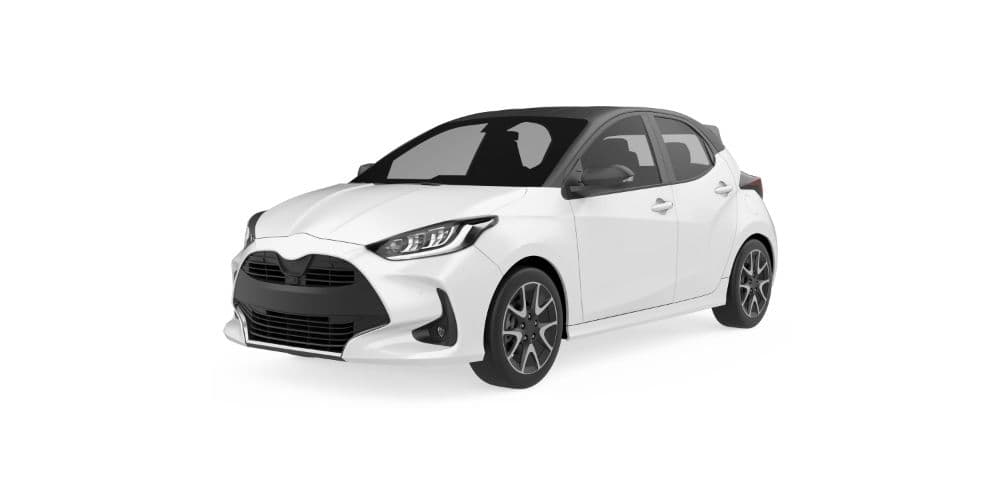
- Compact/Economy Cars: For mostly city exploration or a couple on a budget, an economy car will do the job. Economy car rentals in Vancouver are abundant and tend to be the cheapest option. Given Vancouver’s often tight downtown parking and busy streets, a small car is easy to maneuver and sip fuel a plus with gas prices here often higher than the North American average. Interestingly, despite the region’s love for outdoor adventures, common rental types offered include Economy, Intermediate, and Full-size cars, showing that many visitors still choose standard cars. If you’re not heading to snowy mountains, a compact will handle Vancouver’s rain and urban roads just fine.
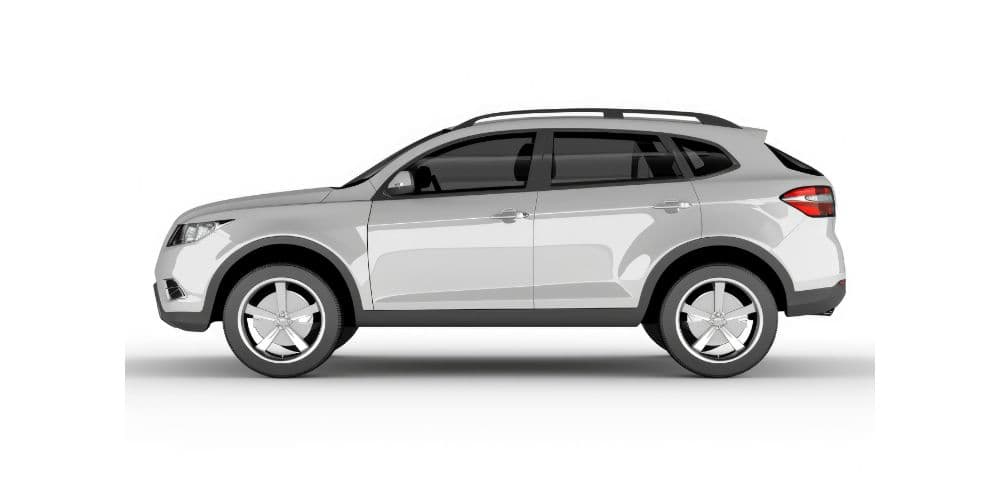
- SUVs: Because of the proximity to ski resorts and mountain parks, SUVs are a very popular rental choice in Vancouver. In fact, the most popular rental model recently was the Toyota RAV4 (a compact SUV). An SUV is recommended if you plan to drive to Whistler, Cypress, or into the interior during winter the extra traction (many SUVs are AWD) and ground clearance can be reassuring on slushy roads. Even in summer, an SUV or crossover is great if you have a lot of gear (bikes, camping equipment) or simply want more space. Keep in mind parking a larger vehicle in downtown might be slightly more challenging in small lots, but plenty of people drive SUVs in the city. If renting in winter, confirm with the agency that the SUV has M+S or winter tires, which are legally required for mountain highways. Most national agencies comply by equipping their fleets appropriately by season (sometimes for an extra fee in BC).
- Electric/Hybrid Cars: Vancouver is very progressive environmentally, and you’ll see many electric vehicles (EVs) on the road. If your rental provider offers an electric car (like a Nissan Leaf, Tesla Model 3, etc.) or a hybrid, it can be a neat choice for city driving. There are many charging stations around (over 1,400 in the metro area, with some even offering free charges). Driving an EV means quiet rides and no fuel cost, but you’ll need to plan charging if doing road trips e.g., Whistler has charging stations, but in more remote areas charging can be sparse. Hybrids (like a Toyota Prius) are easier, as they don’t need external charging and will save fuel in city traffic. Vancouver’s HOV lanes (on some highways) allow electric vehicles with a special decal to use them with a single occupant, which is a perk if you have it (though rental cars likely won’t have the decal). If eco-friendliness or fuel economy is a priority, definitely ask about hybrids or EVs.
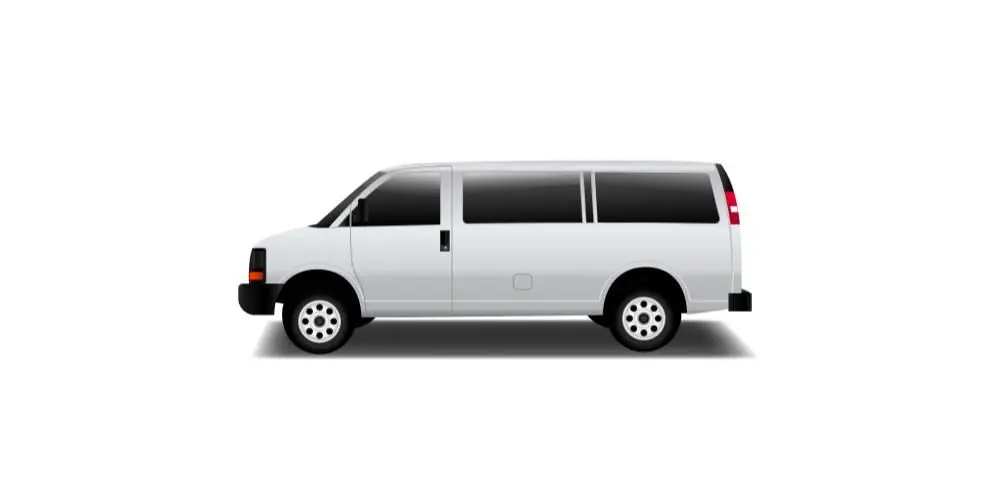
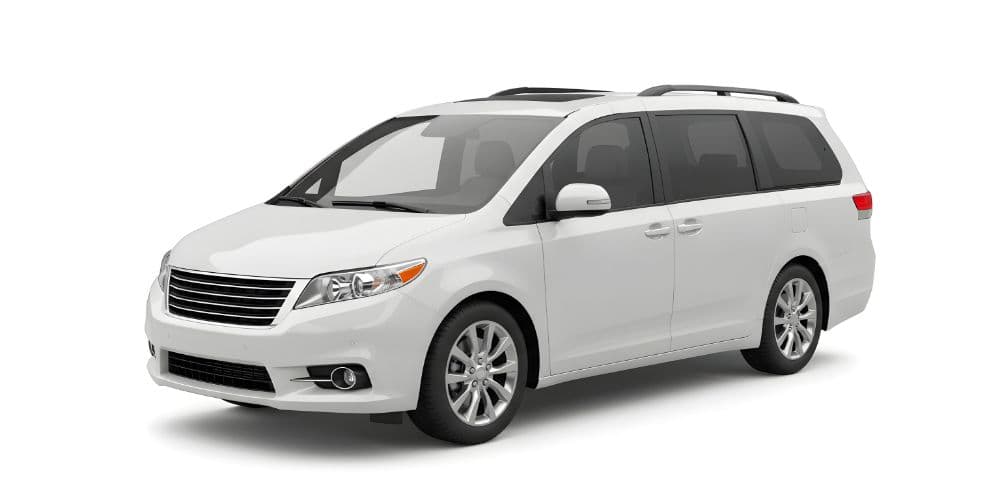
- Minivans & Passenger Vans: For families or groups, a minivan is an excellent choice in Vancouver, just as in Toronto. You’ll appreciate the space if driving up to the ski hills with equipment or taking a long road trip. Large passenger vans (12-15 seaters) can be rented if you have an especially big group, but note that parking those in the city requires finding suitable lots, as they may not fit in some parkades. Also, if you plan to take a vehicle on a ferry (like to Vancouver Island), vehicles over 7 feet high or very long can incur higher fees something to consider when picking up a large van or an RV.
- Luxury SUVs/Sedans: Vancouver has no shortage of high-end rental options if you want to ride in style you might see options for a Range Rover, Audi Q7, or luxury sedans. These can elevate a scenic drive (imagine cruising the Sea-to-Sky Highway in a luxury convertible in summer or a plush Mercedes SUV). If it’s a special trip or you simply enjoy premium vehicles, Vancouver is a great place to indulge. Just ensure you’re comfortable driving a larger car if you go that route; downtown traffic and parking are easier in a Camry than in a full-size Escalade. Also, premium fuel costs more premium cars require premium gasoline.
Fuel note: Gas in Vancouver (and Canada generally) is sold in litres. Keep in mind 1 US gallon is 3.78 litres. Gas prices might be around CAD$1.70/L, for example, which is roughly CAD$6.40/gal (about USD$4.70/gal, though this fluctuates). So fuel-efficient cars can save quite a bit on a long trip.
Finally, remember Vancouver’s geography: if you plan to drive into the mountains or far afield, ensure your vehicle is up to it. If sticking to city and moderate drives, save money with a smaller car. And always inspect your rental car Vancouver’s rain means you might want to double-check the wipers are in good shape! With the right set of wheels, your Vancouver and British Columbia driving experience will be safe, comfortable, and unforgettable.
Popular Vancouver destinations
Our Most Popular Vehicles