
Vancouver (YVR) Van & Car Rental | Airport Van Rental
Why rent a car at Vancouver Airport
TL;DR: Flying into Vancouver International Airport? Our car van rental options at YVR are the key to unlocking Vancouver and beautiful British Columbia. Whether you’re a family with lots of luggage, a group of skiers heading to Whistler, or a business traveler with meetings across town, having your own vehicle beats waiting on taxis or shuttles. Enjoy scenic drives from the Pacific coast to the mountains on your schedule. In short renting a car at YVR gives you freedom, comfort, and often big savings (especially per person for groups) over ride-shares for those longer BC adventures.
Today’s Top Vancouver Airport Car Rental Deals
Check out these sample rental deals at Vancouver Airport (prices in USD, with approx CAD in parentheses):
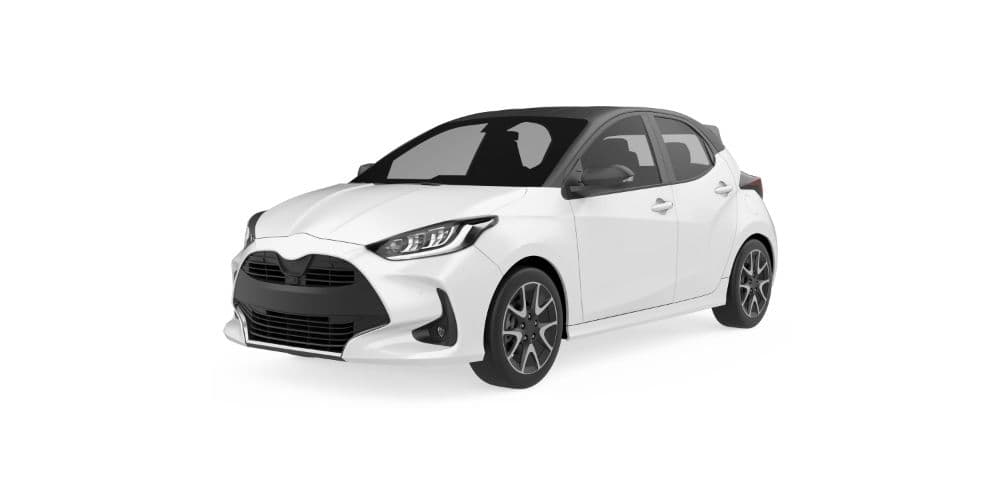
- Economy Car, from $28/day (≈ CA$38) e.g. Honda Civic or similar. A fuel-efficient compact that’s perfect for zipping around Vancouver’s city streets and fitting into tight parking spots in downtown or Stanley Park.
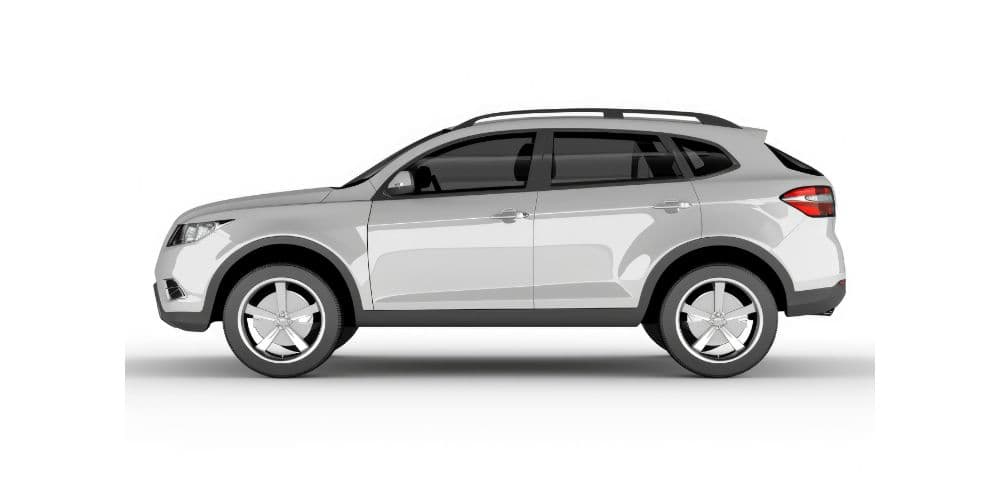
- Standard SUV, from $45/day (≈ CA$61) e.g. Toyota RAV4 or similar (5-passenger). Ideal for family road trips plenty of cargo space for skis or hiking gear. Tackle mountain highways to Whistler with confidence, and enjoy a higher ride for scenic views.
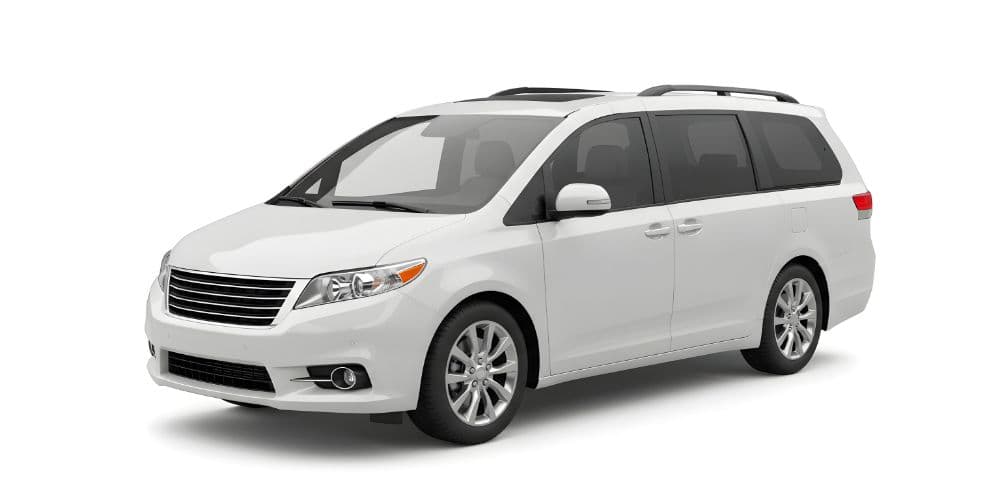
- Minivan, from $60/day (≈ CA$82) e.g. Chrysler Pacifica or Kia Sedona (7-passenger). Comfortably haul the whole crew great for larger families or groups of friends. From airport transfers with lots of luggage to long drives to the Okanagan, a minivan keeps everyone together (and costs far less than multiple cars or rideshares).
- Luxury SUV, from $80/day (≈ CA$109) e.g. Audi Q7 or similar. Ride in style through downtown Vancouver or up the Sea-to-Sky Highway. Leather seats, advanced safety features, and room for 5-7 passengers a popular pick for business travelers or anyone looking to splurge a bit on comfort.
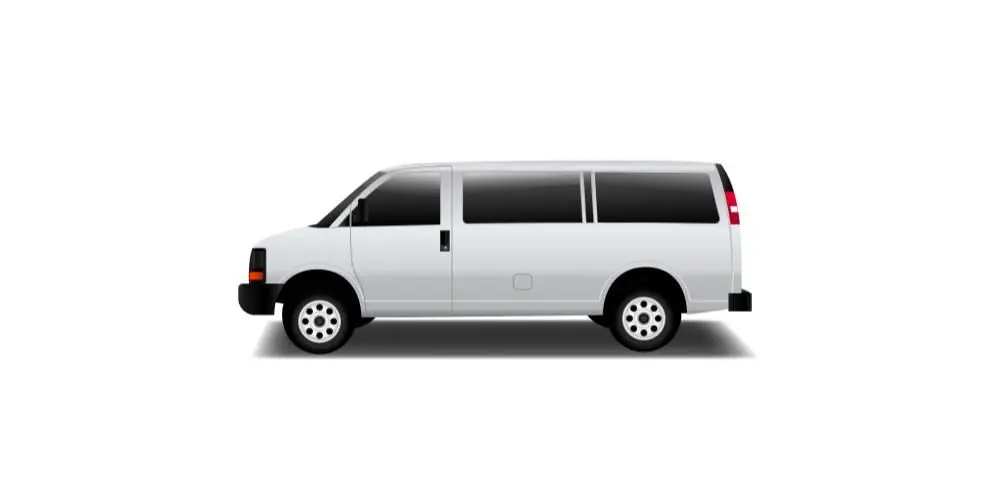
- 15-Passenger Van, from $95/day (≈ CA$130) e.g. Ford Transit 15-seater. When you have a big group (sports team, tour group, big family reunion), this is the most economical way to move everyone. Split the cost and it can be under $10 per person! Great for event transportation or group outings to places like Capilano Suspension Bridge or Burnaby Village.
Note: “From” rates are recent examples (before taxes/fees). British Columbia’s taxes (PST/GST) add about 12% to rentals, plus YVR’s airport fees. We always show you the total price with all mandatory fees before you book no hidden charges. Prices depend on supply and season: Summer (peak tourism) and winter ski season can see higher rates, especially for SUVs and vans, so book early. Off-peak months (like November or April) often have cheaper deals. All rentals come with unlimited kilometers, so feel free to drive as far as Calgary or down to Seattle with no mileage fees. And remember, free cancellation on most bookings means you can lock in a great rate now and change plans later if needed.
Why Rent a Car at Vancouver Airport?
Vancouver is a city of stunning contrasts ocean, mountains, and sprawling suburbs. Here’s why grabbing a rental car at YVR can elevate your trip:
- Explore Beyond Downtown: Vancouver’s public transit (SkyTrain, buses, SeaBus) is decent for the city core, but it won’t take you to those harder-to-reach gems. With a car, you can drive up to Grouse Mountain for a sunset view, catch the ferry to Vancouver Island, or venture into the Fraser Valley wine country at your own pace. Many of BC’s best spots (like Whistler, Harrison Hot Springs, or Capilano Suspension Bridge) are not easily accessible without a car or guided tour. A rental car lets you craft your own itinerary no tour bus schedules or rideshare coverage worries. From downtown Vancouver, you can be in a peaceful forest or on a quiet beach within 30 minutes by car.
- Family-Friendly Convenience: If you’re traveling with kids or a large group, a rental minivan or SUV is a lifesaver. YVR is about 12 km from downtown instead of squeezing everyone (and luggage) into an expensive taxi, you can have a roomy vehicle ready. Need to install child seats? With your own rental, you can do that securely (we offer car seats upon request). Want to visit the Vancouver Aquarium in the morning, then the kids insist on a last-minute trip to the Maplewood Farm petting zoo in North Vancouver? With a car, no problem you have the flexibility to adapt. Plus, you can carry snacks, strollers, and souvenirs easily. Anyone who’s tried to wrangle tired kids on public transit or waited in the rain for a ride-share will appreciate the comfort of door-to-door driving on a family schedule.
- Business & Efficiency: Coming for a conference or film production? Vancouver’s business and entertainment hubs are spread out downtown towers, studios in Burnaby, tech offices in Richmond, meetings in Surrey and traffic can be unpredictable. A rental car ensures you’re never late due to waiting on a ride. You can keep your laptop and gear securely in the trunk between meetings. And if your flight lands late, you’re not at the mercy of limited late-night transit. Especially for multiple meetings in a day, a car is a time-saver. Vancouver’s SkyTrain is great for single-destination commutes, but if you need to hit Granville Island for a lunch meeting then jet to UBC in the afternoon, then back to a hotel in North Van, a car will do that circuit much faster. Impress clients by picking them up in a clean, comfortable rental instead of asking them to find a cab. And remember, with Airport Van Rental you can often book now, pay later, so it’s hassle-free on corporate travel budgets.
- Outdoor Adventures Made Easy: Vancouver is the gateway to incredible outdoor destinations. Want to spend a day skiing or snowboarding? Whistler Blackcomb is about a 2-hour drive far easier with your own wheels than juggling bus schedules. Hiking in Lynn Canyon or doing a day trip to Squamish for rock climbing? A car is almost required, as those trailheads and crags are off the main transit lines. If you’re a group with bikes or skis, consider renting an SUV many come with roof racks or fold-flat seats for gear. And if you’re doing the classic BC road trip to the Rocky Mountains, you’ll absolutely want the freedom of a car to stop at emerald lakes and mountain viewpoints whenever inspiration strikes. Basically, if it involves nature (and around here it often does), a rental car opens up endless possibilities. You can catch a sunrise at a quiet mountain lake or chase hidden waterfalls all in one day things tours would never allow.
- Skip the Rideshare Hassles: Uber and Lyft only recently arrived in Vancouver and are still ramping up at peak times (like after a hockey game at Rogers Arena or on a rainy Friday night), demand often outstrips supply, leading to long waits and surge pricing. Taxis are available but can be pricey, especially for long distances (a cab from YVR to downtown Vancouver can run $30–$35 CAD; to Whistler, hundreds). If you plan even one or two day trips, a rental often costs less than multiple rideshares. Plus, with your own car, you’re not loading and unloading your luggage repeatedly or splitting your group. Drive wherever, whenever no need to call two Ubers because you have 6 people, or worry whether you’ll get a car big enough for all your ski bags. For trips outside the city (like to Squamish hiking trails or outlet malls in Tsawwassen), rideshares might not even be readily available. By renting, you eliminate that uncertainty and expense.
Finally, renting at Vancouver International Airport is super convenient. The rental desks are located right at the airport (just across from the terminal in the parking garage, a short walk). And with our platform, you can compare all the top rental brands in one go ensuring you get the best price and vehicle for your needs. No hidden fees, free cancellation on most bookings if your plans change, and no prepayment required for most reservations. It’s the smart way to start your Vancouver trip. Get your keys, hit the road, and start enjoying beautiful BC from the moment you land!
Driving in Vancouver: What To Know
Vancouver and British Columbia offer some of the most scenic drives in the world. Here are key tips for driving around Vancouver like a local (and beyond):
- City & Traffic: Vancouver’s downtown peninsula has a dense street grid with some unique traffic patterns. There are no true freeways through downtown major arteries like Granville St., Georgia St., and Burrard St. handle most traffic. During rush hour (7:00–9:30 AM and 3:30–6:30 PM weekdays), expect slowdowns coming into downtown in the morning and heading out to the suburbs in late afternoon. Bridges are the choke points the Lions Gate Bridge (to North Vancouver), Granville Bridge, and Cambie Street Bridge, for example. If you’re staying in downtown and not leaving the core, you might not need to drive much due to walkability, but if you’re traveling between neighborhoods (say, Kitsilano to North Van), a car cuts travel time significantly. Use a GPS app to navigate one-way streets and to choose the best bridge route it might send you on the Stanley Park Causeway vs. Ironworkers Memorial Bridge depending on traffic. Outside the core, Vancouver suburbs (Richmond, Surrey, Burnaby) are more spread out and built for cars. Highways like Highway 99, Highway 91, and the Trans-Canada Highway (HWY 1) will be your main connectors. Traffic on Hwy 1 through Burnaby/Coquitlam can be heavy at rush hour, so plan accordingly. One quirk: In Vancouver city, there are many cyclist lanes and pedestrian-friendly measures always shoulder-check and yield to people biking (the city has a strong bike culture). Overall, driving in Vancouver is less intense than, say, Los Angeles, but more congested than smaller Canadian cities. Patience during rain (which is frequent) goes a long way, as wet roads can slow everyone down.
- Road Signs & Rules: British Columbia rules are similar to U.S. driving rules. Drive on the right, pass on the left. Speed limits are in kilometers per hour. In the city, unless otherwise posted, it’s 50 km/h (about 30 mph). On many urban arteries it might be 60 km/h. Highways like HWY 99 or HWY 1 are usually 80–100 km/h (50–62 mph), though some newer sections of HWY 1 east of the city allow 110 km/h. Pay attention to school zone signs on school days 8am–5pm, 30 km/h is the limit in those zones. Right turn on red is allowed in BC (after stopping), except where a sign explicitly says no (or in the rare case you’re on the island of Montreal but that’s thousands of km away!). One notable local rule: at many Vancouver intersections, you’ll see a flashing green traffic light this means it’s a pedestrian-controlled light (it will turn red only if someone pushes the crosswalk button). If it’s flashing green, treat it as a green (just be ready to stop if it turns red). Seatbelts are mandatory for all, and using a handheld phone while driving is illegal (use hands-free/Bluetooth if you must call). Vancouver has a significant number of four-way stop intersections in residential areas remember the courtesy rule: whoever arrives first goes first; if two arrive, yield to the car on your right. Drivers here are generally polite, often waving “thank you” when you let them in. Emulate that and you’ll fit right in!
- Weather & Seasonal Driving: Vancouver’s climate is mild but variable. Rain is common, especially October through April. Wet roads can become slick with oil, so slow down when it’s raining (and it often is). Use your headlights in rain/fog for visibility. Vancouver rarely gets heavy snow in the city (maybe a few days a year), but when it does, things can get chaotic since many locals aren’t used to driving in snow. If it’s snowing and you’re not confident, consider delaying your drive or taking main routes which will be plowed first. The North Shore mountains (and roads to them) do get snow in winter for example, if you drive up to Cypress or Grouse Mountain to ski, ensure your car has all-wheel drive or that you’re experienced in winter conditions. From October 1 to March 31, BC law requires winter tires (at least M+S all-season tires) on certain routes outside Metro Vancouver notably if you drive the **Sea-to-Sky Highway to Whistler or any interior highways, you must have appropriate tires or carry chains. Rental cars will typically have M+S rated all-seasons which meet the legal requirement, but not true snow tires unless specifically equipped. If your winter plans include mountain trips, consider renting an SUV for better traction. In summer, wildfires can sometimes cause smoky skies or even highway closures in parts of BC check DriveBC.ca for road advisories if you plan a long trip (we also keep an eye out and can advise). One constant year-round: watch out for changing conditions. You could leave Vancouver in rain, drive 2 hours and be in bright sun or vice versa (especially true heading into the interior). Keep sunglasses handy (low sun over the ocean at dusk can be blinding) and also a light jacket or sweater in the car coastal weather can change quickly.
- Tolls: Good news Metro Vancouver currently has no toll bridges or roads. In the past, bridges like the Port Mann and Golden Ears had tolls, but those were removed a few years ago. So you can drive around Greater Vancouver without worrying about any road toll fees. The only time you might encounter tolls is if you venture far east (there are no tolls on the main highways in BC) or south into the US (some US highways have tolls, and the border crossing isn’t a toll but there’s a small fee for entering the U.S. by car at some crossings). If you take the BC Ferries (for example, to Victoria or Nanaimo), that’s a ferry fare, not a road toll you pay at the ferry terminal for the vehicle and passengers. So, essentially, no need for a transponder or toll pass in the Vancouver area just drive freely!
- Fuel & Gas Stations: Fuel in British Columbia is sold in liters and tends to be among the priciest in North America. In Vancouver as of 2025, regular unleaded is around $1.80–$1.90 CAD per liter, which is roughly equivalent to $5.40–$5.70 USD per gallon. It can fluctuate, and prices are often a bit cheaper in suburbs (Surrey, Langley) than in Vancouver city proper due to municipal taxes. If you’re heading on a long drive (say to the Rockies), note that some stretches have long gaps between gas stations always wise to fill up when your tank is half if you’re in rural areas. Along major routes like Highway 1 or 99, you’ll find gas stations and rest stops regularly. In the city, gas stations are around but can be tucked in corners of busy intersections. A tip: there’s a cluster of gas stations on Sea Island (near YVR) on Grant McConachie Way convenient if you need to fill up right before returning your car to the airport (though prices there might be a tad higher for the convenience). Gas stations in Canada are self-serve; you typically pay by credit card at the pump (if using a foreign card that asks for ZIP code, try using the three numbers of your postcode plus two zeros or just pay inside). Most stations offer three grades of fuel: Regular (87 octane), Mid-grade (89) and Premium (91+). Unless your rental contract or the fuel door says “premium only”, regular is fine for most cars. Diesel is available at some stations if you happen to rent a diesel vehicle. Don’t forget: if your rental is gasoline, do not fill with diesel (the pumps have green handles here and clearly marked “Diesel”). Lastly, full-service stations are rare in BC except some rural areas expect to pump your own gas and perhaps clean your windshield with the provided squeegees.
- Parking in Vancouver: Like any big city, parking requires some strategy. Downtown Vancouver has a mix of street parking (metered) and parkades. Street parking rates downtown run about $2 to $4 CAD per hour depending on the zone and time of day (cheaper in evenings). Many meters now use the PayByPhone app super handy if you want to top up remotely. Note that some downtown streets prohibit parking or stopping during rush hour periods (to allow extra lanes of traffic) heed those signs to avoid towing. Residential streets near popular spots (Kitsilano Beach, Commercial Drive, etc.) often have 2-hour free parking limits or require local permits for longer stays. If you’re visiting someone in a neighborhood, watch for those signs. For attractions: Stanley Park has large pay parking lots (~$3-4/hour or ~$15/day). Capilano Suspension Bridge and Grouse Mountain in North Van have parking for a fee, but it’s easier than bussing. Malls and shopping centers typically offer free parking (for customers) e.g., Metropolis at Metrotown in Burnaby has huge free lots. Around YVR Airport, if you need short-term parking, the parkade is right by the terminals (but is costly for overnight). There’s also an Cell Phone Waiting Area if you’re picking someone up free for 30 minutes, just wait until they call you from arrivals, then swing over to the terminal curb. One more thing: Vancouver is pretty eco-conscious, so you’ll see many electric vehicle charging stations. If you rent an EV or hybrid, many public garages have designated charging spots (some free, some paid). Overall, parking in Vancouver is manageable with a bit of planning certainly less chaotic than in older cities like San Francisco or London. And if you’re ever unsure, opt for a parkade; Indigo and EasyPark are common operators with garages all over the city, and you can just pull in and pay a reasonable evening flat rate for peace of mind.
- Bridge Tolls & US Border: As mentioned, no local tolls, but if you drive south about 40 minutes to the USA border (Peace Arch or Pacific Highway crossing), just know there’s a customs inspection but no toll. The U.S. charges a small fee (~$6 USD) for entry for non-US citizens (usually paid in cash or card at the border or pre-obtained as an I-94 permit). Coming back into Canada is free (just standard customs). Always carry your passport when crossing. Wait times can vary avoid peak weekends or holidays if possible, or use the Nexus lane if you have membership. If you plan on crossing to the US with your rental, let the rental company know at pickup (most allow it at no extra cost, but they’ll want to note it and ensure insurance coverage). The drive to Seattle is straightforward on I-5 once you cross. Keep an eye on border wait times (apps or signs on the highway) and choose your crossing accordingly (Pac Highway Truck Crossing is often slightly shorter wait than Peace Arch for passenger cars, but it varies).
Driving in Vancouver and beyond is truly rewarding from the urban streets of downtown with mountain backdrops to open highways along the sea. With these tips in mind, you’ll navigate like a local in no time. Enjoy the ride and don’t forget to occasionally look up from the road and soak in those stunning west coast views!
Road Trips from Vancouver Airport
Ready to turn your Vancouver rental into an adventure machine? Here are four fantastic road trips launching from YVR that showcase the best of the Pacific Northwest:
- Sea-to-Sky Highway to Whistler120 km (75 miles) one-way, about 2 hours drive (plus time to stop).
Route: From Vancouver Airport, head through downtown or via Highway 1 to merge onto Highway 99 North, the Sea-to-Sky Highway. You’ll drive north along Howe Sound, through Squamish, up into the Coast Mountains until you reach Whistler Village.
Highlights: This drive is world-famous for its scenery. Shortly after West Vancouver, you’ll be hugging cliffs with ocean vistas on your left. Stop at Whytecliff Park in Horseshoe Bay for a quick ocean viewpoint. Farther along, Shannon Falls (just south of Squamish) is a must-see a short walk from the parking lot leads to BC’s third-highest waterfall. In Squamish, the Stawamus Chief granite monolith towers above if you’re adventurous, there’s the Sea to Sky Gondola which takes you up to panoramic suspension bridges and lookouts. Continuing north, watch for Tantalus Range viewpoints snow-capped peaks perfect for photos. Arriving in Whistler, you’ll find a charming pedestrian village with shops and restaurants at the base of Whistler and Blackcomb Mountains. In winter, it’s a ski/snowboard haven; in summer, enjoy mountain biking, hiking or zip-lining. Lost Lake and Alta Lake are great for a summer swim or paddle.
Tips: The Sea-to-Sky is a mountain highway with curves drive cautiously and keep to speed limits, especially if it’s raining or snowing. From Oct 1 Mar 31, winter tires or M+S all-season tires are legally required on this route (our rentals meet this with M+S tires, but avoid this drive in heavy snow unless you have AWD and confidence). There are a few chain restaurants and gas in Squamish good place to fuel up and grab snacks (after Squamish, services are sparse until Whistler). In summer, traffic heading up Friday afternoons or back to Vancouver Sunday evenings can be slow due to weekend warriors travel outside those times if you can. A Standard SUV is a popular choice for this trip for comfort and higher vantage point, but any car can handle the road. Bring a camera every turn may tempt you to pull over for a photo! If you have extra time, consider staying a night in Whistler to fully enjoy the alpine vibes before driving back.
- Vancouver to Victoria (Vancouver Island)115 km (70 miles) by road + ferry, about 4 hours total one-way (including ferry).
Route: From YVR, drive 30 minutes south to the Tsawwassen Ferry Terminal (via Highway 99 and 17A). Take a BC Ferry (vehicle ferry) from Tsawwassen to Swartz Bay (ferry crossing ~1h 35m). Then drive south on Highway 17 for ~30 minutes into Victoria, the capital of BC.
Highlights: The journey itself is part of the fun. The BC Ferries ride through the Gulf Islands is gorgeous you’ll weave between forested isles with possible whale sightings (keep watch for orcas and dolphins). Arrive on Vancouver Island and explore Victoria, a charming city known for its British flair. Stroll the Inner Harbour and see the iconic Empress Hotel and BC Parliament Buildings (beautifully lit at night). Enjoy afternoon tea or visit Butchart Gardens (a 20-minute drive from Swartz Bay, either on your way in or out it’s a 55-acre floral wonderland, especially stunning in spring and around Christmas). Families will love the Royal BC Museum and Beacon Hill Park (where peacocks roam). If you stay overnight, consider a whale watching tour out of Victoria or a scenic drive up the coastline to Sooke for rainforest hikes.
Tips: Ferries: In peak summer, reservations for the ferry are highly recommended for your car otherwise you may wait for the next sailing if one is full. You pay ferry fare for the vehicle and passengers (e.g., a standard car + 2 adults is roughly $100–$120 CAD one-way). Arrive at the terminal ~30-60 minutes before your sailing (with a reservation, 30 min is fine; without, earlier the better). Once on the ferry, you can leave your car and go to the upper decks for food and views. Weather on the water can be chilly even in summer pack a light jacket if you want to stand outside. For the drive, note that speed limits on Vancouver Island highways are often 80 km/h, and watch for deer on rural roads. Also, Victoria has some one-way streets downtown; follow signage or GPS. A compact car is easy on the ferry (and cheaper, since fares are partly based on vehicle length), but any vehicle will do. This road trip is a great mix of land and sea it’s unique in that your car gets to go on a mini ocean cruise! If doing a day trip, start early (the first ferry out and an evening ferry back) to maximize time in Victoria. Better yet, stay overnight and return relaxed the next day.
- Okanagan Valley Kelowna & Wine Country400 km (250 miles) one-way, ~4.5 hours drive. (Recommend 2-3 days round-trip).
Route: Take Highway 1 East out of Vancouver, then Highway 5 (Coquihalla Highway) through the mountains to Merritt, and Highway 97C/97 into Kelowna in the Okanagan Valley. Alternatively, the slightly longer but very scenic route is Highway 3 East (Crowsnest Hwy) through Manning Park and Princeton, then north via 3A/97 to Kelowna.
Highlights: This trip takes you to BC’s sunny interior. Kelowna sits on the shores of Okanagan Lake and is the hub of Canada’s premier wine country. Tour some of the 40+ wineries in the area many offer tastings with lake views (Mission Hill and Summerhill Pyramid Winery are famous stops). The lake itself is gorgeous and lined with beaches in summer you can rent a boat or kayak, or just swim. The region is also known for orchards: stop at a fruit stand for juicy peaches, cherries, or apples depending on season. Kids (and kids at heart) will enjoy the Kelowna waterfront boardwalk and perhaps a visit to Penticton’s sandy beaches an hour south. If you’re into hiking, Knox Mountain Park offers a great view over Kelowna, and the Myra Canyon Trestles (part of a historic railway trail) near Kelowna let you walk or bike over high wooden trestle bridges with epic canyon views. On your way from Vancouver, Manning Park (if taking Hwy 3) has beautiful alpine meadows and lightning lakes if you want a nature break.
Tips: The Coquihalla (Hwy 5) is the faster route it’s a high-elevation freeway (speed limit 120 km/h in sections). It has steep grades but beautiful views (and toll-free now). In winter, that highway can get heavy snow only attempt with proper tires and experience, or take the slower Fraser Canyon (Hwy 1) which has lower elevation. Summer driving is easy, but be prepared for hot temperatures in the Okanagan (35°C/95°F days are common in July). Pack water for the drive. A mid-size car or SUV is nice for comfort, especially with family or if you plan to bring back cases of wine! Gas up when you can in mountain stretches Merritt is a key fuel stop. Also, keep an eye out for wildlife on the road, especially at dawn/dusk deer, bighorn sheep, or even bears sometimes. Plan your winery visits with a designated driver or spread over a couple days (there are tours if everyone wants to taste). The Okanagan is a 4-season destination summer for lake fun, fall for harvest and wine festivals, winter even offers skiing at Big White resort. Whenever you go, you’ll see a totally different side of BC than coastal Vancouver dry, rolling hills, blue lakes, and vineyards well worth the drive.
- Cross-Border to Seattle, WA (USA)230 km (143 miles) one-way, ~2.5 to 3 hours drive (plus border crossing time).
Route: From YVR, head south on Highway 99 to the Peace Arch Border Crossing into Washington State (USA). Continue south on Interstate 5 (I-5) straight into Seattle.
Highlights: Two vibrant cities in one trip! Once across the border, you’ll pass through the Puget Sound region. Consider a pit stop in Bellingham, WA (about 30 minutes from the border) it’s a charming college town with a historic Fairhaven district great for coffee or lunch. As you approach Seattle, the skyline comes into view with the iconic Space Needle. In Seattle, top attractions include Pike Place Market (see the famous fish toss and grab delicious fresh bites), the Space Needle and adjacent Chihuly Garden and Glass, and the waterfront Seattle Aquarium and Great Wheel. Sports fan? Catch a Mariners baseball or Seahawks football game if timing aligns. Seattle is also known for its coffee culture the original Starbucks is at Pike Place (if you don’t mind a line), or explore countless independent cafes. If you have more time, Seattle’s Museum of Pop Culture and the Boeing Factory Tour (in Everett, on your way down from Vancouver) are fantastic.
Tips: This is an international trip, so bring your passport (or required travel documents) for all in the car. The US border can have waits; typical is 5-30 minutes, but weekends or holidays can be 1 hour+. You can monitor border wait times online or via apps. There are two main crossings: Peace Arch (direct to I-5) and Pacific Highway Truck Crossing (99 turns into that) if one is very busy, try the other; our GPS might reroute you. Once in Washington, speed limits are in miles per hour (I-5 is usually 60 mph near cities, 70 mph in open stretches). Also note: you’re now under US road rules (very similar to Canada’s). Watch your speed as Washington police do patrol the I-5 corridor. If your rental car has Canadian plates, it’s fine just make sure the rental company was informed you’re going to the US (for insurance). There’s no toll to cross the border, but entering the US by car, non-US citizens might need to pay a small entry fee and get an I-94 permit at the booth ($6, usually). As for car choice, any will do but if you’re doing a quick day trip, a comfortable sedan is nice for the highway. Parking in downtown Seattle can be pricy ($4/hour or garages at $20-30/day), similar to Vancouver consider using a parking app or lot for the day and walking or using Seattle’s light rail within the city. Also remember to fill up on cheaper US gas before heading back (gas is typically much cheaper in WA than BC a nice perk for road trippers). When returning to Canada, you’ll go through Canadian customs at the border be ready to declare any purchases. This road trip is a fantastic way to add an international flavor to your Vancouver visit two countries in one vacation! Just ensure your visa/entry documents are in order, and enjoy the drive down the beautiful Pacific Northwest coast.
Popular Vancouver (YVR) Car & Van Rental Destinations
When you rent a car at Vancouver Airport, you can easily reach these popular nearby destinations:
- Downtown Vancouver (~14 km/9 miles north) The heart of the city, including Gastown, Stanley Park, and Granville Street entertainment district. About a 20–30 minute drive from YVR via Granville Street or Arthur Laing Bridge into the city.
- North Vancouver & Capilano (~25 km/15 miles north) Home to Capilano Suspension Bridge Park, Grouse Mountain, and Lynn Canyon. Roughly 30 minutes by car. A rental car is the quickest way to hop across Lions Gate Bridge to these North Shore attractions (tour buses go, but with a car you set the schedule).
- Whistler (~120 km/75 miles north) World-famous ski resort and mountain town. 2 to 2.5 hours’ drive along the scenic Sea-to-Sky Highway. Having a car is ideal for this trip; you can stop at viewpoints and travel on your own timetable.
- Seattle, Washington (USA) (~230 km/143 miles south) A major U.S. city destination from Vancouver. 3-hour drive (plus border time). Many travelers rent in Vancouver and drive to Seattle or vice versa. Just remember passports for the border!
- Victoria, Vancouver Island (~100 km/62 miles southwest plus a 1.5h ferry) BC’s capital city with historic charm. Driving + ferry from YVR ~4 hours. With a car, you can explore Victoria and surrounding Vancouver Island spots easily; without one, it’s harder to get beyond downtown Victoria.
Our Most Popular Vehicles
Frequently Asked Questions
Parking at Vancouver International Airport (YVR) and in Vancouver city can be on the pricier side. At YVR, the main parkade (adjacent to the terminals) costs about $4–$5 CAD per hour, capping around $30 per day. There are slightly cheaper economy lots a short shuttle ride away (roughly $20 per day). For short trips, you can use the cell phone waiting area (free for up to 30 min) or short-term parking ($. for a quick pickup). In downtown Vancouver, street parking runs ~$3 per hour and many areas use the PayByPhone app. Expect to pay about $20–$30 for 8 hours in city-owned parkades (evenings often a flat ~$7 rate). Hotel parking downtown is typically $30–$50 per night extra. In popular areas (Stanley Park, Gastown, Kitsilano Beach), be prepared to pay for parking and/or walk a few blocks in peak times. The upside: outside of central Vancouver, parking is usually easier and cheaper (malls and most attractions in the suburbs have free lots). If you’re renting a car but staying downtown, consider if your hotel offers parking packages or use one of the public garages nearby to save a few bucks. Tip: Vancouver doesn’t have tolls, but it does ticket/tow efficiently so always heed no-parking signs and time limits to avoid fines. Overall, budget for parking as part of your car rental convenience, and you’ll still likely find it worth it for the freedom a vehicle provides.
All rental car pickups at YVR are conveniently on-site. Once you land and collect your bags, follow the signs for “Car Rentals” in the arrivals area. The rental car companies are located in the parking garage directly opposite the terminal. From the International Arrivals, you’ll walk across a covered walkway to the garage; from Domestic Arrivals, similar just follow the “Car Rental” signs. The major agencies (Hertz, Avis, Budget, Enterprise, National/Alamo, Thrifty/Dollar) have desks on the ground floor of the garage. After you do the paperwork at the counter, you’ll walk to your car parked in that garage. It’s a very short walk from terminal to car (2-5 minutes). No shuttle bus needed! If you’ve booked with an off-airport rental company (some smaller local firms), they might have a shuttle but the ones we list on AirportVanRental will provide clear pickup instructions if so. When returning the car, you’ll drive back to the same airport rental garage (there are signs on Grant McConachie Way for “Rental Car Return”). One thing to note: YVR is in the city of Richmond and quite spread out, but the airport’s signage is excellent. As long as you follow the rental car signs, you can’t miss it. And of course, our confirmation emails always include these pickup details. In summary: pickup and drop-off at YVR are a breeze you’ll be in your rental and on the road in no time.
Rental prices at YVR fluctuate based on season and demand. On average, you might pay around $40–$60 USD per day for a standard car in off-peak seasons. In peak summer, economy cars could be ~$50/day, SUVs $80+/day, and minivans $90+/day due to high demand. We’ve seen deals in winter or shoulder seasons with small cars as low as $25/day. A recent example: in early May, a traveler found a compact for $32/day and a full-size SUV around $65/day through our site. Keep in mind these rates exclude the insurance extras and fuel, but include basic taxes/fees. Vancouver adds a ~10% airport concession fee for rentals at YVR (already factored into our quotes). To get the best price: book early (especially for summer and holidays) inventory sells out, and last-minute can skyrocket prices. Also consider if you really need an SUV or larger vehicle; if not, sedans are often cheaper. We show you multiple agencies sometimes the brand you haven’t heard of has a rate much lower for the same type of car, and all are vetted providers. If you’re staying for a week, check weekly rates a 5-day rental might sometimes cost the same as a 7-day rental if there’s a weekly promo. Our comparison tool will highlight those. Don’t forget by booking through Airport Van Rental, you often get perks like free cancellation and pay-at-pickup, which can be financially reassuring if your plans aren’t set in stone. In short, typical costs vary, but using our site to compare and booking ahead ensures you won’t overpay at Vancouver Airport.
In British Columbia (and most of Canada), the minimum age to rent is generally 21 years old. Renters 21-24 years of age will be subject to a “young driver fee” (usually around $25 CAD per day, depending on the company) and may face restrictions on vehicle types (often can’t rent luxury cars, specialty vehicles, or sometimes large vans). If you are 25 or older, no young driver surcharges apply and you have access to the full fleet, from economy cars to premium SUVs. It’s very uncommon for rental companies in BC to rent to drivers under 21 even if you have a license, they won’t rent to 18-20 year olds for leisure. (The exception is some corporate or military arrangements, but those are rare.) One thing to note: in neighboring Alberta or some U.S. states, a couple of companies allow 18+ with a hefty fee, but that does not apply in BC for regular rentals. Also, all drivers need a valid driver’s license (foreign licenses are okay if in English; if not, an International Driving Permit is recommended). When booking with AirportVanRental, inputting your age will filter deals that allow that age we make sure to show options for 21-24 year olds if available. Keep in mind the young driver fee will be included in your price quote we display. So, if you’re under 25 and planning to rent at YVR, budget for that surcharge and maybe opt for a slightly cheaper car class to offset it. And of course, drive safe a clean driving record is important since any incidents under 25 can carry additional scrutiny.
Yes, most rental car companies at YVR allow you to drive the vehicle into the United States, as long as you return it in Canada (or whatever the original drop-off location is). Driving from Vancouver to Seattle (or other parts of the US) is a common trip. There’s no extra charge for cross-border driving itself but you must inform the rental agency when picking up the car that you intend to go into the US. They will provide you with a proof of insurance card valid in the US and make a note on your contract. Taking a Canadian rental into the States without permission could violate the rental agreement, so definitely be upfront. Aside from that, ensure every driver/passenger has a passport or required document for the border. The car itself won’t be an issue at the border just tell the officer you’re in a rental. There’s no special insurance you need to buy for the US; the rental’s coverage and your personal/credit card insurance will generally extend, but verify if you have any doubts. One caveat: if you want to drop off the car in the US (one-way), that is usually not allowed from Canada or comes with a very hefty fee. For example, you can’t typically rent at YVR and leave it in Seattle or Los Angeles without prior arrangement and large costs. It’s usually more economical to return the car to Canada and take other transport if ending your trip in the US. Lastly, keep in mind distances if you’re driving farther than Seattle, unlimited kilometers mean you won’t pay extra, but do schedule oil changes or maintenance if doing an extended road trip (check with the rental company’s policy on very long trips). We often have travelers doing Vancouver→Seattle→Portland loops or even further totally doable with a rental car. Just follow the rules, drive safe, and enjoy the international road trip!
It depends on your situation. In Canada, basic third-party liability insurance is typically included in the rental by law, but damage to the rental car itself is not. At the counter (or online checkout), the rental company will offer you a Collision Damage Waiver (CDW) or Loss Damage Waiver. This usually costs ~$20–$30 CAD per day and covers the rental vehicle for collision or theft (with either zero or a small deductible). If you have a personal auto insurance policy from home (e.g., in Canada or the US) that includes collision coverage on rental cars, you may not need the CDW check with your insurer before the trip. Also, many major credit cards (Visa, MasterCard, Amex) provide collision damage coverage for rental cars if you use that card to pay and decline the rental company’s CDW. This can save you money, but remember that credit card coverage is usually secondary (in Canada it’s often primary though) and it typically covers damage/theft to the car, not liability or injuries. The rental desk will also offer Supplemental Liability Insurance (SLI) to increase your liability coverage (since the included liability might be, say, $1 million which is usually fine for most, but some opt for more). And they might offer Personal Accident Insurance (PAI) for medical/death benefits, and Personal Effects Coverage for belongings. These are usually optional if you have travel insurance or other coverage. In BC, your rental will have at least $200k in liability by default, often more some renters like to top it up with SLI to $1 or $2 million coverage for peace of mind. So, do you need to buy insurance? Not if you’re already covered. If you’re from the US, your auto policy likely covers Canada and your liability; your credit card likely covers collision in that case you can confidently decline the extras (that’s what many renters do). If you have no car insurance and a card that doesn’t cover, then buying the CDW at least is wise otherwise you’d be responsible for the full value of the car in an accident. We at AirportVanRental make it easy: during booking, we’ll ask if you want to add protection, and we explain it. But you can always decide at the counter. Our tip: know your coverages beforehand so you can say yes or no with confidence and not feel upsold. The rental agents are required to ask, but it’s your call. Travel safe!
No the Vancouver region currently has no toll roads or bridges. A few years back, Vancouver had tolls on the Port Mann Bridge and Golden Ears Bridge, but those were removed (as of 2017). So you can drive all around Metro Vancouver, over all bridges, without paying tolls. The Sea-to-Sky Highway (Highway 99) to Whistler is also toll-free it’s a provincial highway with no toll booths (just enjoy the views!). If you venture further afield in BC, the vast majority of highways are toll-free. One exception was the Coquihalla Highway (Hwy 5) in the past, but its toll was removed in 2008. So drive freely! The only “toll-like” charges you might encounter: BC Ferries fares (if you take a ferry to Victoria or elsewhere), which are essentially a fee for using the ferry but that’s not a road toll. Also, if you drive into the US, some American highways have tolls (not in Washington State on I-5, but if you went far east or to other states, possibly). One more consideration: Vancouver has talked about congestion charges in the future, but nothing implemented yet. As of now, no transponder or e-tag needed in Vancouver. Focus on fuel, parking, etc., but not tolls. If you read older guidebooks that mention toll bridges that info is outdated. Enjoy the toll-free roads, and maybe use those savings to grab a nice coffee or souvenir in the city!
By default, rental cars in Vancouver come equipped with all-season (M+S) tires, which satisfy the legal requirement on highways like the Sea-to-Sky in winter. These M+S (mud and snow) tires are rated for mild winter conditions and are what most locals in Vancouver use since the city itself gets limited snow. However, they are not the same as mountain/snowflake-rated winter tires, which provide better traction in heavy snow/ice. If you are visiting between October 1 and March 31 and plan to drive to snow-prone areas (Whistler, interior BC, etc.), it’s a great question to ask. Some rental companies do offer true winter tires on certain vehicles (often for an extra fee and on select car classes like SUVs). Availability can be limited, so if it’s critical for you, try to reserve a vehicle that includes winter tires or call ahead to confirm. That said, the Sea-to-Sky Highway is well maintained if there’s a major snowstorm, officials may even temporarily close it or require chains (rare). The law requires vehicles on that route to have M+S or snowflake tires so your rental’s M+S all-seasons will meet the law, but in snowy conditions you should drive cautiously or delay travel until roads are cleared. If you’re not used to winter driving and it’s actively snowing hard, consider taking a shuttle to Whistler for that day or ensure you rent a 4x4/AWD vehicle for extra stability. Chains are generally not provided with rentals. And note: in Vancouver Island or Interior BC, some areas can be snowier same rules apply (M+S at minimum). In summary: ask your rental provider if winter tires are available on your car. If they say no but you have all-seasons, just use good judgment with weather. We can also help identify which suppliers offer winter tire options. Many travelers successfully drive to Whistler in winter with standard rentals just avoid driving during the height of a blizzard and you’ll likely find the roads plowed and sanded. And hey, if you luck out with a sunny winter day, the drive up is spectacular! Drive safe and enjoy the snow.
Driving in Vancouver is moderately easy compared to many big cities. Roads are well-marked, drivers are generally polite, and the city isn’t as sprawling as say Los Angeles. Downtown can have congestion during rush hour and finding parking might take a little time, but it’s not chaotic. If you’re staying strictly in downtown Vancouver and plan only to sightsee in the central areas, you could get by with walking, biking, and public transit (SkyTrain and buses) Vancouver’s core is walkable and transit-accessible. However, a car gives you the freedom to explore beyond downtown: places like North Vancouver’s mountains, kitschy neighborhoods like Steveston in Richmond, or doing day trips to Squamish, Whistler, or Fraser Valley wineries. These are experiences that are difficult without a car. Also, if you have mobility issues or simply prefer convenience (e.g., door-to-door in rainy weather), a car is great even in the city. Parking costs downtown vs. daily rental cost is something to consider; sometimes travelers choose to rent a car only for the portion of their trip when they’ll venture outside the city. For example, you might not rent while exploring downtown for two days, then pick up a car for the next three days to do all your regional outings. That’s a strategy if you’re on the fence. We often see travelers do that via our downtown Vancouver pickup locations. If you’re asking “is it necessary?” for just downtown, not strictly necessary. But “is it worth it?” many say yes, because some of Vancouver’s best attractions (Capilano, Cypress lookout, Lighthouse Park, Deep Cove kayaking, etc.) shine when you have a car. Driving itself: as mentioned, just mind the rush hours and remember Vancouver has many one-way streets (use GPS). Also, shoulder-check for cyclists when turning or parking lots of bike lanes. The city has implemented lower speed limits (30 km/h) on some residential side streets recently to improve safety, so don’t be surprised by those signs. In summary: It’s easy enough to drive here, and a car greatly expands your reach. If your trip is short and confined to downtown, you can skip it. Otherwise, having a rental car will likely enhance your Vancouver experience and with our flexible booking, you can always pick the rental period that suits your itinerary.
Absolutely! Taking a rental car on BC Ferries to Vancouver Island (or other islands) is a common practice. The ferry from Tsawwassen (near Vancouver) to Swartz Bay (near Victoria) is equipped to carry vehicles, and rental cars are no exception. There is no restriction from rental companies on taking the car on a ferry, as long as you return the car to the agreed location (remember, taking it on a ferry is fine but dropping it off in a different city might incur a one-way fee if not planned). So if you want to explore Victoria or Tofino with your rental, go for it. Here’s how it works: You drive to the ferry terminal, buy a ticket for the car and occupants, line up in the vehicle queue, and drive on when instructed. It’s a smooth process. The ferry ride is about 95 minutes, during which you can’t stay in your car (you go upstairs to passenger decks). Just lock up and note your car deck number. When the ferry docks, you drive off and continue your journey. Be mindful of ferry schedules and consider making a reservation in peak season to avoid long waits. One thing to note: the rental’s insurance coverage typically remains the same while on the ferry. If you declined collision coverage, for instance, and something (very unlikely) were to happen on the ferry, it would be treated like any road incident but incidents on the ferry are rare to nonexistent as cars are parked. The ferry is very safe; just remember to engage your parking brake. Also, BC Ferries has some rules like turning off your car alarm (so it doesn’t go off during the voyage). Check your rental agreement if it mentions ferries most don’t prohibit it at all. In fact, many renters from YVR drive to Victoria or Nanaimo. Just make sure you bring the car back to the mainland unless you arranged a one-way on the island (which is possible with some companies if you coordinate, but usually involves a fee). So yes, feel free to include the ferry in your road trip it’s a quintessential BC experience. Drive, ferry, drive and you’ve added an ocean voyage to your car adventure!