Mobile World Congress 2026 Barcelona Travel Guide
TL;DRPlanning your trip to MWC 2026 in Barcelona? Fly into Barcelona-El Prat Airport (BCN), 15 km from the city. From BCN, reach the Fira Gran Via venue easily via metro L9 (direct ~25 min) or taxi (∼€25, ~15 min). Rental cars offer flexibility solo travelers opt for compact cars, while teams/exhibitors rent passenger vans or SUVs for extra space. Barcelona’s public transport is excellent (MWC even provides free transit passes), so use metro/buses to avoid traffic. If driving, allow extra time due to roadworks and event congestion, and note Fira has 7 parking lots (4,500 spaces) on-site. Book hotels early stay near Fira in L’Hospitalet for convenience, or in central districts (Eixample, Sants) for nightlife. Don’t miss Barcelona’s attractions in your downtime: Gaudí’s Sagrada Família, the Gothic Quarter, Montjuïc views, and of course, local tapas.
Arriving at Barcelona-El Prat Airport (BCN)
Barcelona’s main international gateway, Josep Tarradellas Barcelona–El Prat Airport (BCN), is located about 15 km southwest of the city center. It has two terminals Terminal 1 (T1) for most full-service and long-haul airlines, and Terminal 2 (T2) for many low-cost carriers. Upon arrival, follow signs to baggage claim and immigration (if coming from outside Schengen). Both terminals offer ATMs, currency exchange, SIM card vendors, and free Wi-Fi to get you connected. Official Barcelona taxis (black and yellow) queue outside each terminal there’s a flat minimum airport fare, so expect around €20–€30 to Fira Gran Via (metered) depending on traffic. The ride is about 15–20 minutes in normal conditions, since Fira Gran Via is closer than downtown. Rideshare apps like Uber, Cabify, and FreeNow do operate in Barcelona, but note: these essentially dispatch licensed taxis and have faced regulatory limits (Catalonia is phasing out app-based ride services by late 2026). During major events like MWC, additional vehicles may be authorized to meet demand, but generally hailing a taxi or arranging a car service is the most reliable on-demand option. If you prefer to drive yourself, all major rental car companies have desks at BCN it’s wise to reserve in advance for the best rates and to ensure your vehicle type is available (especially automatics or vans). International travelers should carry a valid driver’s license (and an International Driving Permit if required for non-EU licenses) and a credit card for the rental deposit.
Best Vehicle Rental Options (Car, Van, SUV)
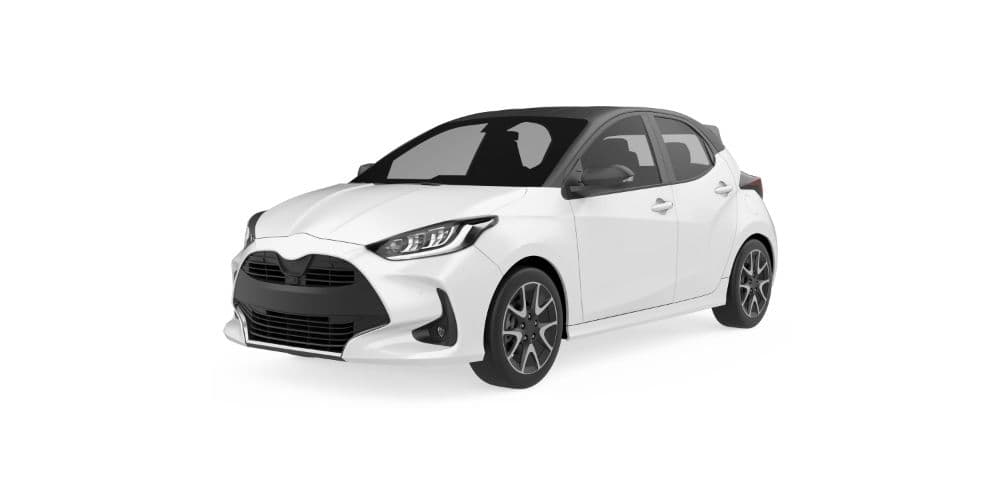
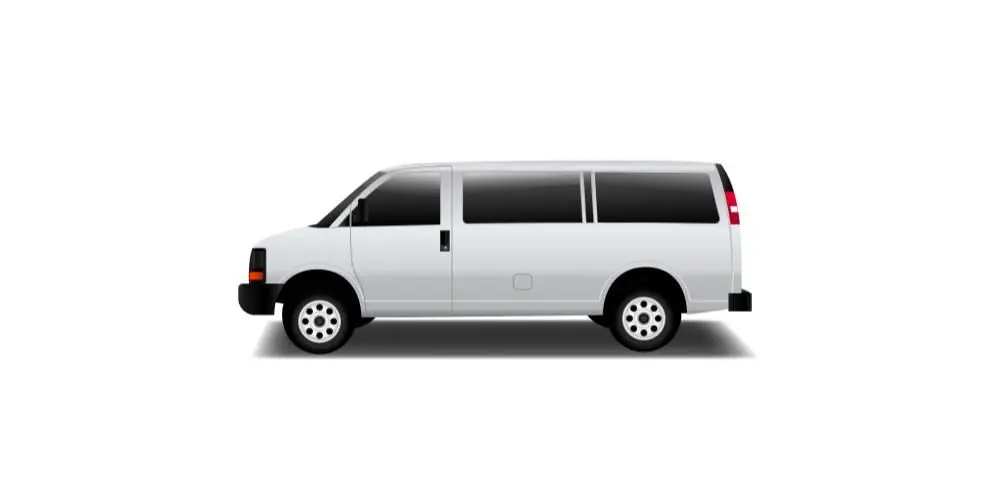
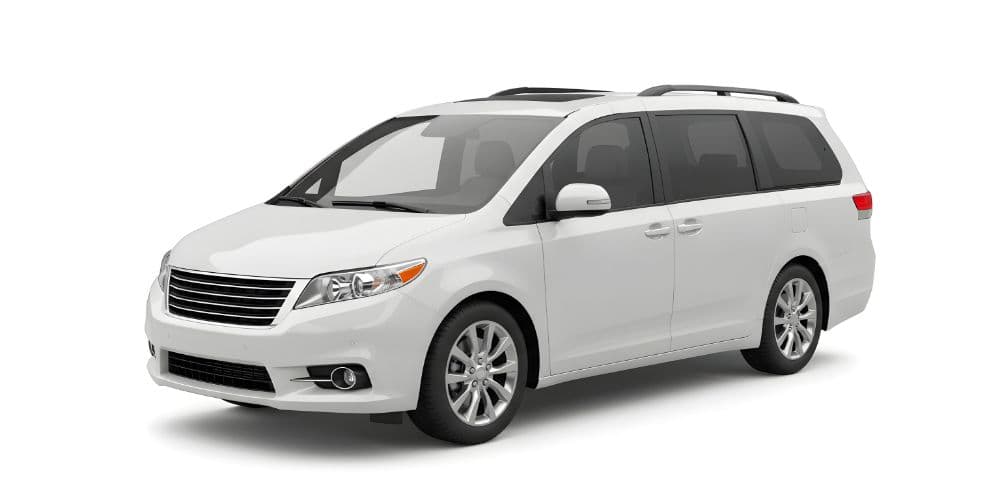
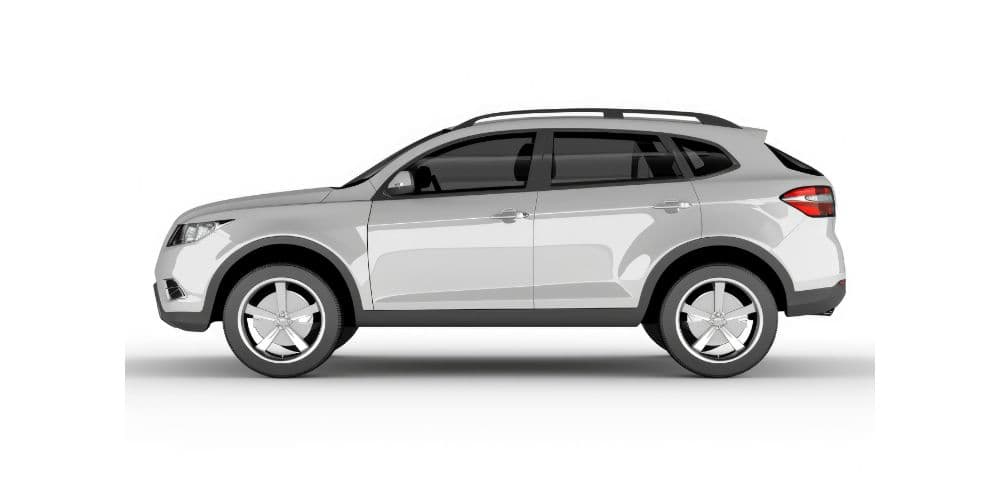
For MWC attendees considering a rental vehicle, choose a ride that fits your group size and plans. Solo tech professionals or pairs often go for an economy car rental ideal for zipping around Barcelona’s streets and easier parking. Economy models (e.g. a Ford Fiesta or similar) are budget-friendly and fuel-efficient, perfect if you plan to explore the city or make quick trips. If you’re attending as a startup team or corporate group, a passenger van offers convenience: models like a 7–9 seater or even a 12-passenger van rental keep everyone together and have ample room for luggage or exhibition materials. This is great for shuttling between the airport, hotels, and the venue in one go, rather than coordinating multiple cars. Exhibitors or vendors with bulky equipment might even consider a cargo van or larger SUV rental to handle gear. An SUV provides a balance of passenger comfort and cargo space useful if you plan client outings or visits to tech hubs around Catalonia. Many rentals come with built-in GPS; if not, consider adding it or using a local SIM for navigation.
Pro tip: Barcelona’s Low Emission Zone (ZBE) only affects older vehicles on weekdays, so modern rental cars will have the proper environmental sticker no worries there. Be sure to inspect your rental at pickup (take photos of any pre-existing scratches) and note fuel policy (most require return full). And remember, in Spain you’ll be driving on the right side of the road Barcelona’s drivers are generally orderly, but the city’s love of scooters and narrow one-way streets means staying alert.
When booking, compare prices for a variety of vehicle classes on one platform whether you need an economy car rental for solo travel, a roomy 12-passenger van for your team, or a comfortable standard SUV for VIP transport, having the right vehicle can make your MWC week much smoother. Keep in mind that demand will be high during event dates, so lock in your reservation early if possible. Many providers allow free cancellation on most cars, giving you flexibility if plans change.
Transportation from BCN Airport to Fira Gran Via
Once you land, there are multiple convenient ways to reach Fira Barcelona Gran Via, the MWC 2026 venue. Your choice may depend on time, budget, and whether you’re heading straight to the conference or via your hotel.
- Metro (L9 Sud) Barcelona’s L9 Sud metro line runs directly from the airport to the Fira Gran Via station (station name: “Fira”). From either T1 or T2 terminal, follow signs for Metro (look for the orange L9 Sud symbol). Trains run every ~7 minutes and the ride to Fira station takes about 20–30 minutes. It’s a one-seat ride no transfers needed dropping you right at the venue’s doorstep via an underground walkway. Note that the airport metro requires a special ticket (€5.70 single), but MWC attendees receive a free public transport pass for the event days. This pass covers unlimited rides in Zone 1 (metro, city buses, and local trains), including a trip from or to the airport. So essentially you can ride the L9 to the conference for free with your attendee pass a fantastic perk. The metro is clean and safe; just avoid rush-hour crunch with luggage if you can. If your hotel is in the city center rather than near Fira, you can still take L9 into town (it connects with other lines, e.g. transfer at Torrassa or Collblanc for lines to Sants or Eixample). Keep in mind the first/last train times (approx. 5:00 am to midnight).
- Aerobús & Trains If you’re heading to your hotel in central Barcelona first, the Aerobús express shuttle is a popular choice. It runs from both airport terminals to Plaça Espanya and Plaça Catalunya in the city, departing every 5–10 minutes. The journey takes ~35 minutes to Plaça Catalunya (with a couple stops on Gran Via) and a one-way ticket costs about €7.25. Tickets can be bought from machines or on board (card accepted). From Plaça Espanya, which is also a transport hub, you could catch a short taxi or the FGC suburban train one stop to “Europa|Fira” station (near the north entrance of Fira Gran Via). Additionally, Train R2 Nord runs twice per hour from Terminal 2’s airport train station to Barcelona Sants (main railway station) in ~20 minutes. If you land in T2 or can take the free shuttle from T1 to T2, this commuter train is cheap (€4 zone fare) and covered by regular transit passes. However, it doesn’t stop at Fira; you’d go to Sants then switch to metro or taxi. Given the free transit pass, these public options are cost-effective.
- Taxi or Rideshare After a long flight or if you’re in a hurry, hopping in a taxi is the quickest door-to-door solution. Taxis are abundant at BCN; dispatchers keep the lines moving and you’ll get an official metered cab. The typical fare to Fira Gran Via is roughly €25 (slightly more from T1 than T2) plus a small airport supplement confirm the approximate rate with the driver if you like (they should use the meter, which already includes the airport fee). The ride is relatively short (10–15 minutes off-peak) via C-31 highway and Gran Via. During MWC, expect traffic near the venue, so in peak hours the ride could stretch to 20–30 minutes. Uber and Cabify apps in Barcelona will usually assign you a licensed taxi anyway (the apps function like an e-hailing service for taxis due to local regulations). One advantage is app-based pricing estimates and credit card payment if you prefer that over hailing a street cab. Just note you might encounter longer wait times or “no cars available” on apps when demand is high, whereas the taxi rank will have a steady flow. Another local app Free Now also lets you summon official taxis. If you need a larger vehicle (say you have a group of 4+ with luggage), you can request a van taxi. All official taxis have a green light when free and you can also simply wave one down in the city.
- Rental Car Pickup If you plan to drive yourself throughout MWC, you can pick up a rental car directly at the airport. Car rental counters for companies like Avis, Hertz, Europcar, Sixt, etc., are located in the arrivals halls (T1) or just outside T2. After paperwork, you’ll be directed to the on-site parking garage to collect your vehicle. From BCN, it’s a straightforward drive to Fira Gran Via: merge onto C-31 or C-32B from the airport and follow signs for “Barcelona / Gran Via”. The venue is just off Gran Via in L’Hospitalet de Llobregat, on Av. Joan Carles I about 12 km from the airport. In normal traffic the drive is quick, but during MWC rush hours the roads around Fira can jam up (authorities even advise public transport as the fastest way during big events). If you’re driving in, consider arriving early to beat the rush, and use navigation (Google Maps, Waze) which will alert you to any detours from ongoing urban infrastructure works. Follow posted speed limits (120 km/h on highways, 50 km/h in city unless otherwise marked) and note that Barcelona has speed cameras and strict bus lane enforcement. Parking at the venue is available, which brings us to…
Driving, Parking, and Navigating Barcelona During MWC
While Barcelona boasts efficient public transit, you may still choose to drive especially if you’re staying outside the city center, have meetings across town, or simply value the flexibility. Here are key tips for getting around by car during the conference week:
- Venue Parking: Fira Gran Via has 7 parking lots around its perimeter, totaling about 4,500 spaces. These are surface and garage parking areas adjacent to the various halls (the venue is huge). During MWC, lots can fill up quickly each morning. If you’re an exhibitor with a large van or truck, note that lorries/trucks are directed to special overflow parking 3–5 km away, not onsite coordinate with the event logistics if that applies. For regular attendees, parking is generally paid (hourly or daily rates) you can pay at machines or via the B:SM PayParking app. It’s wise to arrive early (before 9am) for a better chance at a spot near your hall. The lots are well-organized with attendants; remember or note which parking area (A, B, C... etc.) you used and nearest entrance, as Fira Gran Via spans 8 halls.
- City Traffic & Zones: Be prepared for heavy traffic on MWC event days, especially at peak times (8–10am and 5–7pm) on key routes like Gran Via, Av. Diagonal, and Ronda Litoral. Barcelona is undergoing transport upgrades to improve sustainability, which in the short term means some roadworks and detours that can cause delays. Plan your schedule accordingly allow extra travel time if you have to be somewhere on schedule. If you’re driving into the city center from Fira or vice versa, consider using the peripheral ring roads (Ronda de Dalt or Ronda Litoral) to bypass congested inner city streets. Barcelona has a “Zona de Baixes Emissions” (ZBE) a low-emission zone on weekdays, but rental cars are usually exempt (they carry environmental stickers). Just avoid driving older personal vehicles without a sticker. Another note: bus/taxi lanes are common on major avenues do not drive or park in them (cameras will ticket offenders). Also, keep an eye out for hundreds of mopeds and motorcycles that weave through traffic; give them space when changing lanes.
- Parking in the City: Outside of the Fira venue, if you drive around Barcelona you’ll find street parking is a mix of paid zones. The city uses colored curb markings blue zones are paid public parking (ticket from meter, with time limits), green zones are preferential for residents (non-residents can park in green spots for a higher fee and typically only for short durations). Frankly, during MWC, central Barcelona parking is at a premium. It might be easier to use public parking garages. There are many underground garages in commercial areas look for the green “P” signs. Apps like Parclick or Parkimeter allow you to reserve a parking spot in advance near your destination (including near Fira Gran Via or your hotel). Rates can range from ~€3–4 per hour in center to €20–30 per day. If your hotel offers parking, that could be the most convenient (though some charge extra). Once parked, Barcelona is very walkable and well-served by metro, so you might park the car and use transit or taxis within the city to avoid the hassle.
- MWC Transport Pass: As mentioned, MWC provides all attendees with a free unlimited transport pass for the event duration. This is extremely handy even if you have a car you might choose to park-and-ride. For example, you could leave your car at your hotel or a park-and-ride lot and take the metro to Fira to skip the parking rush. The pass covers Zone 1 which includes all of Barcelona city and the airport. Using this pass contributes to the event’s push for sustainability and can often save you time when roads are clogged. Barcelona’s public transit network is extensive: besides metro, the FGC trains, trams, and buses can get you almost anywhere take advantage of them when convenient, and save your driving for when it truly benefits your schedule (like an after-hours client dinner off the beaten path or a day trip after the conference).
- Navigation & Tips: If you do drive, using a GPS navigation app is essential. It will help you avoid restricted turns (some streets are one-way labyrinths) and locate the correct Fira entrance gate or loading dock if you’re an exhibitor. Keep your phone mounted (Spain enforces hands-free only) and note that using a phone while driving can incur fines. Speed limits inside the city are often 50 km/h, with many 30 km/h zones in residential areas. There are also new superblocks (traffic-calmed grids) in parts of Eixample your nav will reroute accordingly. Pay attention to motorcycle parking areas (do not park cars there) and watch for pedestrians Barcelona drivers are generally respectful of crosswalks. Lastly, fuel: if you need to refill your rental, gas (“benzina” for petrol or “dièsel” for diesel) is available at stations throughout the city and on the way to the airport. Prices in early 2026 are around €1.6–€1.8 per liter for petrol. Renting an electric vehicle is an option if you prefer Barcelona has many public EV chargers and some hotels offer charging, though EV rentals might require more planning to charge. In summary, driving can be useful, but weigh it against excellent public transit and the fact that MWC is a massive event (100k+ visitors) fewer cars mean smoother trips for everyone.
Where to Stay: Top Hotels and Districts for MWC
Barcelona is a world-class city with a wide range of accommodations, but during MWC it fills up fast. It’s common for over 100,000 attendees from around the globe to descend on the city, so hopefully you’ve booked your hotel early (many savvy attendees reserve rooms several months in advance). Here are some of the best areas to stay and hotel options to consider:
- By the Venue (L’Hospitalet de Llobregat): For maximum convenience, you can stay right near Fira Gran Via in the newer business district of L’Hospitalet. This area (around Plaça Europa) has several hotels essentially walking distance to the venue you’ll avoid commuting altogether. Top picks here include Hotel Porta Fira (the iconic red high-rise designed by Toyo Ito, literally steps from Hall 1) a modern business hotel known for great amenities and city views. Another is the Renaissance Barcelona Fira Hotel, distinctive for its vertical garden and rooftop pool a luxury option perfect for unwinding after long conference days. There’s also Hotel Fira Congress and Hampton by Hilton Fira in this zone. Staying in L’Hospitalet is all about convenience: you’re 5 minutes from your bed to the expo floor. The trade-off is the area is a bit quieter at night (it’s a business district). However, the nearby Gran Via 2 mall and Plaça Europa have some restaurants and shops, and central Barcelona is a short taxi or metro ride away if you do want to go out late.
- City Center (Eixample, Passeig de Gràcia & Surroundings): Many attendees choose to experience Barcelona’s vibrant city life by staying in the city center, even if it means a daily commute to the venue. Neighborhoods like Eixample (especially around Passeig de Gràcia or Plaça Catalunya) put you in the heart of Barcelona’s dining, shopping, and architectural wonders. High-end choices here include the Majestic Hotel & Spa on Passeig de Gràcia ideal for luxury seekers, with 5-star service and a rooftop terrace overlooking Gaudí’s cityscape. Another stylish option is Hotel Claris, or more boutique choices like Alma Barcelona or Sixtytwo Hotel if you enjoy modern design. By staying in Eixample, you can easily enjoy tapas bars, Gaudí buildings (Casa Batlló and La Pedrera are right there), and a lively atmosphere after the conference. To reach Fira, you can take the metro (L1 or L3 to Plaça Espanya, then L8 or shuttle) or a 15-minute taxi. The commute from central areas to Fira Gran Via is around 20–30 min, which many find worth it for the city-center experience.
- Plaça d’Espanya / Montjuïc Area: A very strategic locale is near Plaça d’Espanya and Montjuïc, which is roughly halfway between the city center and Fira Gran Via. Plaça d’Espanya has direct transit links to the venue (one FGC stop or a short cab) and is also the site of Fira Montjuïc (the older conference halls). Staying here means you’re adjacent to the Magic Fountain, National Art Museum (MNAC), and the Arenas shopping center (a former bullring turned mall). Two recommended hotels here: Catalonia Barcelona Plaza, which literally faces Plaça d’Espanya and offers stunning views plus easy metro access to Fira Gran Via; and Ayre Hotel Gran Via, a modern 4-star right by the metro station more budget-friendly but very comfortable. This area is great for catching Montjuïc’s evening fountain show or a quick funicular ride up to Montjuïc castle when you have downtime. It’s also only 3-4 metro stops to the Gothic Quarter. Many official MWC shuttle buses in past editions also used Plaça d’Espanya as a hub.
- Other Districts: Some attendees opt for Poble-sec (trendy neighborhood at the foot of Montjuïc, known for its tapas bars on Carrer de Blai) or Sant Antoni, both of which have lots of eateries and are relatively close to Fira (10-15 min by cab). Sants neighborhood, near Barcelona Sants train station, is another practical choice it has a cluster of mid-range hotels (e.g. Barceló Sants, which is literally atop the train station, or AC Hotel Sants). Staying by Sants is convenient if you’re arriving by train or plan day trips, and it’s on metro Line 5 which can connect to Line 9 for the airport/venue with one transfer. If you prefer beachfront vibes and don’t mind a longer commute, areas like Barceloneta or Vila Olímpica have nice hotels by the sea (e.g. Hotel Arts, W Barcelona) but expect a 25–30 min taxi to Fira. Wherever you stay, ensure you book as early as possible; hotels near Fira and in key areas often sell out months ahead of MWC, and prices surge as availability shrinks. It’s not uncommon for room rates to double or triple during the event. If you’re late to book, consider apartments or business hotels in surrounding towns like Hospitalet, Cornellà or Castelldefels and take the train in.
Finally, a quick note on booking and safety: Only use reputable booking channels or the official MWC accommodation partner to avoid scams (hotel fraud is rare but can occur with fake “too good to be true” offers) the conference organizers have warnings about this on their site. Barcelona is generally very safe, but as a busy tourist city, use common sense with your belongings, especially in crowded areas and tourist spots (watch out for pickpockets in Las Ramblas/Gothic Quarter). Many hotels will have safes use them for passports and gadgets during the day. And if you’re observing any specific needs (MWC 2026 overlaps with Ramadan, for instance), the major hotels are accommodating with early breakfast or prayer spaces just communicate your requirements.
Things to Do in Barcelona During MWC
One of the perks of attending MWC in Barcelona is the chance to experience an incredible city after your long days of networking and deal-making. Barcelona is a cultural and culinary capital make sure to carve out some time to explore. Here are the top things to do and see when you’re not at the conference (consider tacking on a weekend before or after MWC, if possible!):
- Marvel at Gaudí’s Masterpieces: Barcelona is synonymous with Antoni Gaudí’s stunning architecture. Don’t miss the Sagrada Família, Gaudí’s famously unfinished basilica it’s an absolute must-see for its otherworldly design and soaring spires. Book a ticket online in advance to avoid long lines, as this is Barcelona’s #1 attraction. Another gem is Park Güell, a whimsical park on a hill with colorful mosaics, winding pathways, and panoramic views of the city. It’s a perfect spot to unwind and snap some photos of Gaudí’s mosaic lizard or the serpentine bench overlooking Barcelona. These sites can get busy in the afternoon, so consider going early morning or late afternoon after the conference (sunset at Park Güell is lovely).
- Explore the Gothic Quarter (Barri Gòtic): Step into Barcelona’s medieval heart by wandering the narrow stone streets of the Gothic Quarter. You’ll find the beautiful Barcelona Cathedral (no, not Sagrada the other cathedral!), ancient Roman walls, and picturesque plazas like Plaça Reial. By evening, the Gothic Quarter comes alive with tapas bars and music. It’s a great place to grab dinner or a drink just be mindful of your wallet/purse in the more crowded lanes. Nearby, Las Ramblas boulevard is touristy but iconic for a stroll (watch street performers, maybe duck into La Boqueria market for fresh juice or jamón). For a more local vibe, cross into El Born district, adjacent to Gothic Quarter, known for trendy boutiques and the stunning Santa Maria del Mar church. Getting lost in these historic streets is part of the charm.
- Montjuïc Hill: Very close to the Fira (especially the Montjuïc part of Fira) is Montjuïc, a broad hill overlooking the city and harbor. It’s worth taking the time to go up Montjuïc for its museums, gardens, and views. You can visit the MNAC (Museum of Catalan Art) in the grand palace at Plaça d’Espanya even if you’re not a museum person, the building and its terrace offer a fantastic vista. In the evenings (Thu–Sun) the Magic Fountain in front of MNAC has a free music & light water show fun if you’re nearby. Further up Montjuïc, you’ll find the Joan Miró Foundation (modern art museum), the Olympic Stadium from the 1992 Olympics (you can usually walk in for free), and Montjuïc Castle at the very top (reachable by cable car for another epic view, especially at sunset). Montjuïc is also home to some beautiful gardens if you need a peaceful morning jog, this is the place. Since it’s near Fira, you might go after the conference or if you have a half-day. Tip: The Montjuïc cable car from Paral·lel metro is a fun way up or down.
- Cuisine and Tapas Tour: Barcelona’s food scene is legendary. Make sure to indulge in some tapas and local Catalan cuisine. A popular activity is a guided tapas tour or simply a DIY tapas crawl in neighborhoods like Poble-sec or El Born. Try classics like pan con tomate (tomato-rubbed bread), patatas bravas, jamón ibérico, and seafood tapas like calamari or gambas al ajillo (garlic shrimp). Pair it with a glass of cava (Catalan sparkling wine) or a vermouth. For a memorable upscale dinner, Barcelona boasts multiple Michelin-starred restaurants (tickets might be impossible last-minute, but you could try spots like Tickets, Disfrutar, or affordable Michelin Bib places). Don’t forget to stop by La Boqueria Market off La Rambla during the day even if just for a quick bite at one of the stalls (fresh fruit smoothies there are refreshing). And yes, make time for churros con chocolate one evening Petritxol street in the Gothic Quarter has famous granjas (cafes) for this treat.
- Other Must-Visits: If you have additional time, there are plenty more options. Architecture fans should see Casa Batlló and Casa Milà (La Pedrera), Gaudí’s masterpieces on Passeig de Gràcia (both offer tours, including evening rooftop visits). Sports enthusiasts might tour the Spotify Camp Nou FC Barcelona’s home stadium (it’s under renovation in 2025/2026, but check if parts of the museum or shop are open). The Beach at Barceloneta take a stroll along the waterfront, especially if the weather is pleasant (early March can be brisk but sunny). Grab some tapas at a chiringuito (beach bar) or enjoy the Mediterranean breeze. If you fancy modern shopping or skyscrapers, head to Glòries or Poblenou area where you’ll see Torre Glòries (shimmering tower) and tech company offices quite relevant for tech professionals. And if you’re extending your trip, consider a day trip: Montserrat mountain monastery, the wineries of Penedès region (for Cava), or Girona’s medieval old town are all within an hour or so.
Barcelona is a city meant to be savored. Whether it’s your first time or you’re a returning visitor, there’s always something new to discover from street art in the Gothic alleys to sunrise over the sea. Use your free time to connect with fellow attendees informally too; often, networking continues at Barcelona’s tapas bars, jazz clubs, or hotel terraces overlooking the city. MWC week also spawns countless side events and parties keep an ear out for industry meetups at night.
Conclusion
Mobile World Congress 2026 in Barcelona isn’t just about the event itself it’s about the entire experience of being in one of Europe’s most dynamic cities. With smart planning, you can navigate arrival, transportation, and lodging like a pro and still have time to enjoy a bit of Catalan culture. Remember to secure your flights and accommodations early, take advantage of the attendee perks (hello, free metro pass!), and choose transportation that suits your schedule and team. Whether you’re cruising down Gran Via in a rental van loaded with colleagues, or catching a quiet moment at Park Güell after the expo, we hope this guide helps you make the most of your MWC trip. Safe travels, benvingut a Barcelona (welcome to Barcelona), and see you at Fira Gran Via for MWC 2026!
Our Most Popular Vehicles