
New Orleans Jazz Fest 2026 Travel & Rental Guide
TL;DR:Jazz Fest 2026 runs Apr 23–26 and Apr 30-May 3 at the Fair Grounds (10 min from the French Quarter), roughly 11am-7pm daily. Fly into MSY (closest); BTR/GPT are backups if flights are cheaper. From MSY: taxi is a flat $36 (1-2 riders), Uber/Lyft typically $35–$45+ (airport minimum applies), or RTA bus for $1.25. Don’t plan to park at the Fair Grounds use the official Jazz Fest Express shuttle, rideshare pickup zones, streetcar + walk, bus, bike, or walk if nearby. Book hotels early; best bases are French Quarter/CBD (easy shuttles), Marigny/Bywater (music/nightlife), or Mid-City (closest). Pack for heat/humidity: sunscreen, water, comfy shoes, and a poncho for pop-up rain.
Overview of New Orleans Jazz Fest 2026
The New Orleans Jazz & Heritage Festival (“Jazz Fest”) is a massive annual celebration of music, food, and culture in New Orleans. In 2026 it runs April 23-26 and April 30-May 3, spanning two long weekends at the Fair Grounds Race Course (1751 Gentilly Blvd., about 10 minutes from the French Quarter). Jazz Fest draws roughly 400,000 attendees each year, who come to enjoy live performances on multiple stages, authentic Louisiana cuisine, and art markets featuring local crafts. Festival hours are approximately 11 a.m. to 7 p.m. daily, with music virtually nonstop during that span. Despite its name, Jazz Fest showcases a wide variety of genres from jazz and blues to rock, R&B, gospel, Cajun, zydeco, funk, and international music reflecting the rich musical heritage of New Orleans. It’s a cultural feast in every sense: attendees can groove to big-name headliners and local legends, savor famous dishes like crawfish bread, po-boys, gumbo, and beignets, and experience second-line parades and Mardi Gras Indian performances, all in one event.
Beyond the music, food is a headline attraction at Jazz Fest. Dozens of vendors serve beloved Louisiana dishes on-site, giving festival-goers a chance to taste New Orleans’ diverse cuisine. Classic Jazz Fest bites include Crawfish Monica (creamy crawfish pasta), cochon de lait po-boy (pulled pork sandwich), crawfish bread, jambalaya, grilled oysters, and the refreshing Mango Freeze dessert. The aroma of fried seafood, spicy gumbo, and sweet pralines fills the fairgrounds, and lines form for the most popular eats. Crafters and artisans also set up shop, selling everything from local art and jewelry to African drums. In short, Jazz Fest 2026 offers an immersive taste of New Orleans’ heritage live music on 14 stages, amazing regional food, and a vibrant cultural scene all come together in this one-of-a-kind festival. Whether you’re a jazz aficionado or just a music lover looking for a great time, Jazz Fest is an experience not to miss.
Nearest Airports and Getting to New Orleans
For most travelers, the gateway to Jazz Fest is New Orleans’ Louis Armstrong International Airport (MSY). This is the closest major airport located about 11 miles west of downtown New Orleans and it handles both domestic and international flights. MSY has nonstop service from over 50 destinations (including 5 international cities), so getting there is easier than ever. For example, you can fly direct to New Orleans from major hubs like Atlanta, New York, Los Angeles, and international cities like London and Toronto. If you’re coming from overseas and there’s no direct flight, you’ll likely connect through a U.S. hub (such as Atlanta, Houston, or New York) to reach MSY. International travelers should note that MSY offers U.S. Customs/Immigration facilities, and the airport has expanded its global connections in recent years (with direct routes to Europe, Canada, Mexico, and Central America). Always book early for Jazz Fest travel flights can fill up fast once the lineup is announced, and prices tend to rise as the festival approaches.
While MSY is the most convenient airport for Jazz Fest, some budget-conscious domestic travelers consider alternate airports. Louis Armstrong Airport is by far the closest, but if airfare is high you could fly into regional airports like Baton Rouge (BTR) about a 1.5-hour drive from New Orleans or Gulfport-Biloxi, MS (GPT) about 1.5 hours away, then rent a car. These alternatives involve a road trip (and possibly one-way car rental fees), so they’re only worth it if you find a significant cost savings or plan to explore beyond New Orleans. For the vast majority of visitors, flying directly into New Orleans is the best bet for convenience.
Once you land at MSY, you have several options to get from the airport to downtown New Orleans (and the French Quarter area, where many hotels are):
- Taxi: A cab from the airport has a fixed rate of $36 one-way for 1-2 people (for 3 or more passengers, it's $15 per person). There’s a taxi queue outside baggage claim. The flat fare covers most city destinations and is often the quickest door-to-door option (about 20-30 minutes to downtown, depending on traffic). Taxis accept credit cards and include up to two passengers; if you’re a larger group, it’s $15 each beyond the first two.
- Ride-share: Services like Uber and Lyft operate from MSY. There’s a designated rideshare pickup area at ground level, just outside baggage claim. Fares are comparable to taxis (typically around $35-$45 to get downtown depending on time of day and surge pricing). Note that the city imposes a $36 minimum fare for app-based rides from the airport to anywhere in Orleans Parish, so you’ll pay at least that amount. If you’re traveling with kids, consider a local service like KreweCar, which lets you pre-book rides with car seats for families. Uber/Lyft are convenient, but at peak arrival times (when multiple flights land) you might face a short wait for a driver.
- Airport Shuttle: Airport Shuttle New Orleans used to offer shared vans from MSY to hotels for individuals, but as of 2023 they no longer take single-rider bookings (the shuttle can now be chartered only for groups or events). If this policy remains in 2026, solo travelers won’t be able to just walk up and buy a shuttle ticket. (Previously it cost about $30 one-way per person for a shared ride to downtown hotels.) If you are traveling with a large group, you can arrange a private shuttle bus in advance. Otherwise, stick to taxi, rideshare, or public transit. Always double-check the latest shuttle info on the official airport site, as services could change by 2026.
- Public Transit: The most budget-friendly option is the RTA airport express bus (Route 202). For just $1.25 fare, the 202 Airport Express bus runs from the airport to downtown New Orleans. It makes limited stops along Poydras Street (the downtown CBD corridor), from near the Superdome to the Convention Center. The bus ride takes about 45 minutes to an hour, depending on traffic. Look for the E2 or 202 bus stop at the airport’s transportation center it’s clearly marked. This is a good choice if you’re traveling light and your hotel is near one of the downtown stops (or you can catch a taxi/rideshare for the last short hop). Keep an eye on the RTA schedule, as frequency might be around every 30 minutes. Riding public transit is safe and cheap, but not ideal if you have a lot of luggage or arrive very late at night (service typically runs roughly 6 AM to 7 PM for the airport line, so check timings in advance).
- Private Car Service: For those who want a bit more comfort, you can pre-book a private car or limo service from the airport. Numerous companies (and even apps like SuperShuttle Black or Sixt Ride) offer sedans, SUVs, or luxury cars for airport transfers. The cost will be higher often $75 and up depending on vehicle but it can be worthwhile for groups or if you have a lot of luggage. Drivers will meet you at baggage claim and take you directly to your accommodation.
Tip: If you arrive in New Orleans without ground transportation sorted, don’t worry the airport has free Wi-Fi, and signage will direct you to taxis, shuttles, and rideshare pickup zones. The airport’s rental car center is also on-site if you decide last-minute to hire a car (it’s connected by a free shuttle from the terminal). Speaking of which, let’s look at rental car options next.
Rental Car Options (Solo, Couples, Families, Groups)
Should you rent a car for Jazz Fest? The answer depends on your plans. If you’re mostly staying in New Orleans for the festival and sightseeing around the city, you might find you don’t need a car at all New Orleans is fairly compact and has cabs, streetcars, and festival shuttles (plus driving/parking in the city can be tricky). However, if you plan to explore beyond the city (plantation tours, swamps, or if your lodging is far out) or you simply prefer the freedom of your own vehicle, renting a car can make sense. Here are some considerations and options by traveler type:
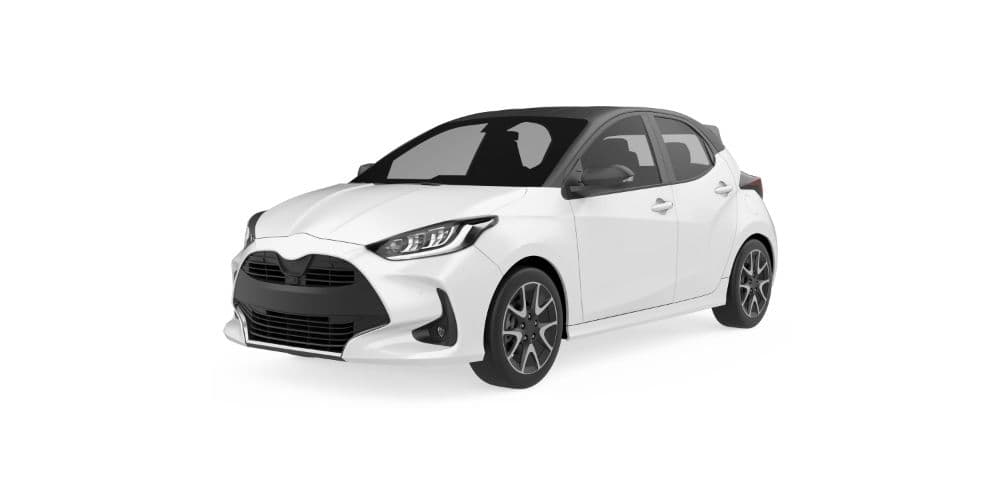
- Solo Travelers / Couples: Renting a car is optional. Many solo visitors rely on public transport or rideshares to avoid the hassle of driving in traffic and parking. If you do rent, a compact or economy car will suffice for getting around the city. Rates at MSY start around $30-$50 per day for a small car (depending on demand). With two people, splitting the cost of a car can be reasonable if you want to do day trips outside New Orleans. But if you’re mainly sticking to festival activities and the French Quarter, you can likely skip the car and save money by using Uber/Lyft or a streetcar pass.
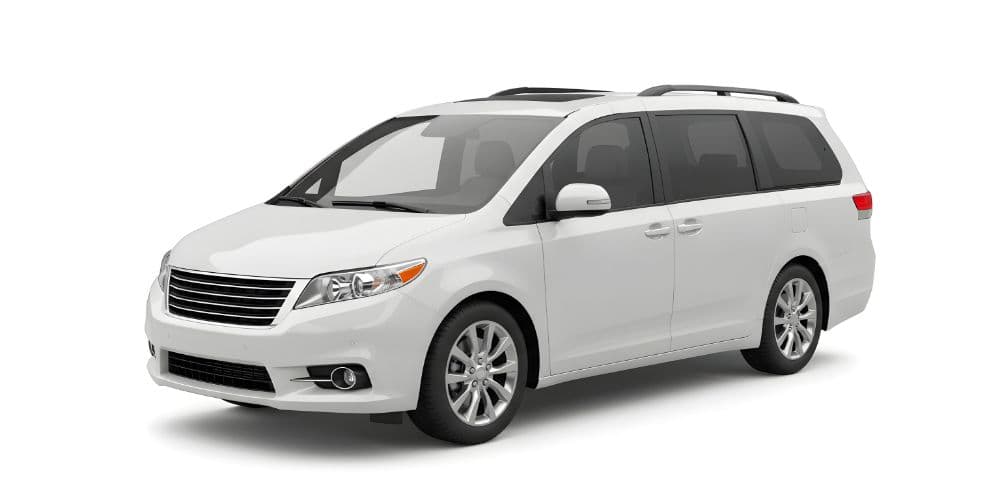
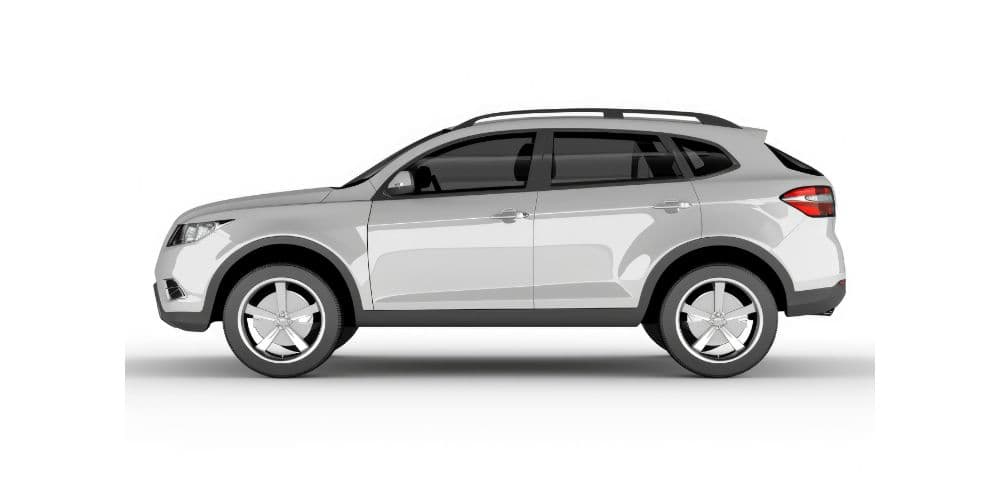
- Families: If you’re traveling with kids or a larger family group, a rental car can add convenience you’ll have flexibility with schedules, and a place to stash strollers or supplies. SUVs and minivans are popular choices for families. For example, a midsize SUV gives you room for 5 people plus luggage; a minivan can seat 7. Major rental companies offer vehicle classes like “Intermediate SUV” or “Minivan”, which are great for family travelers. Be sure to reserve in advance, as these larger vehicles can sell out during big events. Also remember to reserve car seats if needed (or bring your own), since not all rental agencies have them readily available. One upside of having a car with family: you can more easily visit kid-friendly attractions around New Orleans on your own timetable. Just factor in parking costs at hotels (many downtown hotels charge $30+ per night for parking).
- Groups (Friends or Tour Groups): For a group of 4-5 adults, you might rent a standard or full-size car. If you have a big group (6-8 people), consider renting a passenger van or two smaller cars. Some companies at MSY rent 12-passenger vans, but availability is limited and you may need to arrange it ahead of time. Splitting a large van could be cost-effective and keep everyone together. However, driving a big van in city traffic and finding parking for it near the festival can be challenging. An alternative is to rely on rideshares you can often call an UberXL or two regular Ubers for your group and avoid parking entirely. In general, groups who plan to party in the Quarter or attend night shows might prefer not to have a designated driver; using taxis or shuttles is safer and simpler. On the other hand, a rental van is useful if your group has plans to travel outside the city after Jazz Fest (for example, a road trip to other Gulf Coast spots).
If you decide to rent, booking at the airport (MSY) is easiest. MSY has a consolidated Rental Car Center hosting all the major companies: Ace, Alamo, Avis, Budget, Dollar, Enterprise, Hertz, National, Payless, and Thrifty are on-site. After you land, a dedicated shuttle bus will take you from the terminal to the rental center in a few minutes. It’s wise to reserve your vehicle weeks or months in advance for Jazz Fest dates demand is high and prices will only climb as inventory dwindles. Compare rates among companies; sometimes smaller brands or off-airport locations (reachable by shuttle) can be cheaper. Expect to pay maybe $50-$100 per day for a standard car during festival season (prices vary). Make sure you have a valid driver’s license and a credit card (most agencies require credit cards; some allow debit but with additional ID or a hold on funds). Drivers under 25 should be aware of young-driver surcharges.
Rental Car Tips: Before committing to a car, consider how you’ll use it during Jazz Fest. Parking near the festival is extremely limited (more on that below), so having a car doesn’t mean you can drive right up to the gates. Often, festival-goers with cars will park at their hotel or a remote lot and then take a shuttle or rideshare to the Fair Grounds. If you’re staying in the French Quarter/downtown, you might leave the car parked for the whole weekend and use other transport, which begs the question do you need it at all, or could you rent for just a single day trip after the fest? Another angle: some travelers do one-way rentals (for example, drive in from another city and drop the car upon arriving in NOLA, then use public transport during the fest). This saves parking headaches and city driving, while still letting you road-trip. All the major agencies at MSY allow one-way rentals (often with a drop fee) if you coordinate in advance.
In summary, rent a car only if it adds value to your Jazz Fest experience. Many attendees happily get around without one. But if you’re a family needing flexibility, or you plan excursions beyond New Orleans, a rental car can be worth it. Just be prepared for traffic and parking challenges when Jazz Fest is in full swing.
Parking Info and Local Transportation
Once you’re in New Orleans, getting to the festival site each day is something to plan for especially if you have a car. The Jazz Fest takes place in a residential area (Mid-City, around the Fair Grounds), and the city has strict measures to manage traffic and parking during the event. Here’s what you need to know about parking and local transport:
- On-Site Parking: General attendees cannot park on-site at Jazz Fest. The only on-premises parking at the Fair Grounds is for VIP ticket holders (Big Chief, Grand Marshal, etc.) and a limited number of disability-access spaces. These must be pre-purchased or are first-come, first-served for ADA parking, and they sell out quickly. Apart from those, no public parking is available at the festival grounds, and oversized vehicles (RVs, buses) are not allowed to drop off there either. So you should not plan to drive up to the Fair Grounds expecting to find a spot.
- Neighborhood Street Parking: Beware of parking in the residential neighborhoods around the festival. During Jazz Fest, the streets nearby are restricted to residents only (you’ll see signs and police enforcing this). Towing is aggressively enforced for violators the city knows when Jazz Fest is on, and they will ticket/tow cars without resident permits. In past years, the impound lot has been extremely busy during the fest. Do not park on curbs, neutral grounds, or driveways near the Fair Grounds, or you risk getting towed. The only exception is if you have arranged parking on a private property (some enterprising locals sell yard parking).
- Paid Lots / Yard Parking: Although street parking is off-limits, a few options exist if you insist on driving close. Some local homeowners and businesses offer yard or lot parking just outside the restricted zone. They often put up signs or flags to lure drivers. Rates vary but expect to pay around $30-$50 cash per day for these informal spots. These are usually unpaved lots or someone’s lawn, and space is not guaranteed unless you arrive very early. If you go this route, arrive early in the morning (when gates open) to snag a spot, and be prepared to walk a few blocks to the gates. Keep in mind the safety of your vehicle don’t leave valuables in sight. While many have successfully parked in these yards, it’s at your own risk and you should ensure you’re not blocking any drives or violating any posted signs.
- Jazz Fest Express Shuttle: The official shuttle service is highly recommended for anyone not within walking distance. The Jazz Fest Express is run by Gray Line and is the only shuttle that drops off inside the festival gates (which is super convenient). It operates all festival days, running continuous buses from 10:30 AM until 7:30 PM (or until all riders are cleared out after the last shows). How it works: You board at one of several departure points around the city and ride a coach bus directly to a drop-off point right at the Fair Grounds. For 2026, the shuttle pickup locations include: French Quarter (at the riverfront Steamboat Natchez dock, 400 Toulouse St.), Downtown at the Sheraton Hotel (500 Canal St.), Uptown/CBD at the Hyatt Regency (601 Loyola Ave.), and City Park area at the Wisner Parking Lot (near 5700 Wisner Blvd.). Notably, the City Park/Wisner lot is great for those who choose to drive partway you can park at that lot (free or included in shuttle fee) and take the shuttle in. Shuttle tickets can be bought on the spot at the pickup locations each day. Round-trip fare was about $20 in recent years (check closer to 2026 for exact pricing). There’s also a one-way return option if you only need the shuttle back. The buses are air-conditioned and run frequently. Using the official shuttle lets you avoid all parking hassle and gets you inside the gates, saving a long walk. It’s a favorite method for many locals and visitors often the fastest and stress-free way to Jazz Fest.
- Rideshares (Uber/Lyft): If you plan to take a ride-share to Jazz Fest, be aware of a special rule: Uber/Lyft are not allowed to do pickups or drop-offs immediately next to the Fair Grounds. The city sets up a perimeter and designates specific pickup zones a few blocks away. This is to reduce congestion in the neighborhood. Your app will guide the driver to the correct zone when you request a ride. Expect, however, that when leaving the festival, you’ll have to walk a bit (maybe 2-3 blocks) to meet your Uber/Lyft. Also, due to the huge demand right when the festival ends (~7 pm), surge pricing can kick in you might pay a premium for rideshare at peak exit time. Tip: to avoid surge, consider leaving a little before the final song, or waiting out the rush by grabbing dinner nearby before heading home. Also note, taxi services have set pickup points too (there are taxi stands, e.g. at Stallings Playground on Gentilly Blvd and at a park on Esplanade Ave.), which might be easier than trying to find your Uber in the crowd.
- Public Transportation: The New Orleans Regional Transit Authority (RTA) provides bus and streetcar service that can get you reasonably close to Jazz Fest. The options include:
- City Bus:RTA Route 91 (Jackson-Esplanade) and Route 94 (Broad) are commonly used for Jazz Fest. The 91 bus runs along Esplanade Avenue toward City Park, and the 94 runs up Broad Street between them, they pass near the Fair Grounds. You might need to transfer depending on your starting point. Another route, the 52 or 53, may service the Gentilly area. It’s best to use the RTA trip planner to find the optimal route. Buses cost $1.25 (exact change or use the Le Pass mobile app). If you’re comfortable with city buses, this is a cheap way to go. Just remember that you’ll be on a normal city bus with other commuters and it may be crowded and slower on Jazz Fest days.
- Streetcar: The famous New Orleans streetcars don’t go all the way to the Fair Grounds, but the Canal Streetcar City Park branch (Route 48) gets you within about 0.5 miles of the festival entrance. You can take the Canal streetcar (marked “City Park/Museum” on the front) and ride to the end of the line at City Park (near the New Orleans Museum of Art). From there, it’s roughly a 10-minute walk down Esplanade Avenue to reach the Fair Grounds gate. This can be a pleasant option if you’re coming from downtown/French Quarter just hop on at Canal Street, pay $1.25 fare, and enjoy the ride. Keep in mind you’ll be walking a bit, and streetcars can get packed during big events, possibly with some delays. Still, many fest-goers use the streetcar plus a short walk.
- Note: Schedules for both buses and streetcars may be adjusted during Jazz Fest (extra service laid on or minor detours), so check RTA’s website or social media for updates as the date nears.
- Biking: One of the best ways to get to Jazz Fest from nearby neighborhoods is by bicycle. New Orleans is bike-friendly in that area there are bike lanes leading toward the Fair Grounds and free bike parking racks near the festival gates (at Gentilly Blvd & Sauvage St.). Locals often cycle to Jazz Fest to avoid traffic. If you’re staying in the French Quarter, Marigny, or Mid-City, biking is a fantastic option it’s only a 10-15 minute ride from the Quarter to the Fair Grounds up Esplanade Avenue. Jazz Fest even provides an attended bicycle parking area with security overlooking it, so you can lock up your bike relatively securely. Just bring your own lock (and maybe a poncho in case of rain). Blue Bikes, the city’s bike-share program, could be an option as well check the app for available docked bikes, but be aware that finding a dock near the fest might be tricky (and you can’t leave the bike outside of a dock without charges). If comfortable biking in light street traffic, this mode gives you an inexpensive, healthy, and door-to-door solution. Many veteran fest-goers swear by it, citing it as the fastest way to get home after the show (no waiting for shuttles or Ubers).
- Walking: If you happen to be staying very close (some people rent houses in Mid-City or by Bayou St. John), you can of course walk to the festival. Pedestrian entrances are at Gentilly Blvd, Sauvage St, and Fortin St. gates. Just be mindful walking back at night stick to lit main roads and ideally walk with a group. New Orleans neighborhoods can be uneven in safety; during Jazz Fest there are lots of people around, but it’s wise to remain aware of your surroundings.
In summary, plan ahead how you’ll get to and from Jazz Fest each day. The key takeaway: don’t expect to drive up and park. Most attendees use the shuttle, ride-shares, or transit, and many locals bike. By choosing one of those options, you’ll save yourself the headache of traffic jams and parking fines, and you’ll contribute to less congestion in the neighborhood. New Orleans officials strongly encourage festival-goers to use alternative transportation and have set up the infrastructure to make it smooth (shuttles, transit, etc.). Embrace it, and your daily journey to Jazz Fest will be part of the adventure rather than a frustration.
Where to Stay (Hotels, Airbnbs & Neighborhoods)
With hundreds of thousands pouring in for Jazz Fest, accommodations in New Orleans book up fast for late April. It’s wise to reserve your lodging as early as possible many repeat visitors book a year in advance, and hotels start filling up as soon as festival dates are announced. That said, you can still find options closer to the event, especially if you’re flexible on location or type of lodging. Here’s a breakdown of where to stay for Jazz Fest 2026 and what to consider:
- Downtown / French Quarter Hotels: Staying in the French Quarter or Central Business District (CBD) is a popular choice for Jazz Fest attendees. These areas have the highest concentration of hotels from large chains to boutique inns and they keep you close to New Orleans’ main attractions (restaurants, nightlife, historic sites). Importantly, many downtown/French Quarter hotels are also convenient for festival transportation: the Jazz Fest shuttles pick up at several downtown hotels (e.g. Sheraton on Canal St., near many others), and you can also easily catch a taxi or streetcar from downtown to the fest. By staying in the Quarter or CBD, you’ll have plenty to do in the evenings after the festival (live music on Frenchmen Street, Bourbon Street bars, etc.) and lots of dining options. The trade-off is that hotels here can be pricey during Jazz Fest and they may require minimum stays. Expect higher rates than usual Jazz Fest weekend prices often rival Mardi Gras. Still, if you value convenience and being in the heart of the action, downtown is ideal. Neighborhoods: The French Quarter is the historic core (younger, noisier scene), while the adjacent CBD/Warehouse District has more modern hotels and is slightly quieter at night. Both are fine for festival-goers.
- Faubourg Marigny & Bywater: Just downriver from the French Quarter, the Marigny (especially around Frenchmen Street) is a hip area known for live music clubs and guesthouses. There are a few small hotels and numerous Airbnbs. Staying here gives you a local feel, with lots of nightlife and only about 2-3 miles from the Fair Grounds. You could even bike to Jazz Fest from Marigny in about 15-20 minutes. Many travelers love Marigny for its artsy vibe. Bywater is a bit further down but also has rentals. If you stay in Marigny/Bywater, you can use rideshares or the shuttle (it’s a short ride to the downtown shuttle pickup). According to locals, French Quarter or Marigny locations are among the best for Jazz Fest home base you have shuttle, streetcar, or bus options from there, plus plenty to do nearby.
- Mid-City / Fairgrounds Area: If you want to be within walking distance of Jazz Fest, look for accommodations in the Mid-City, Faubourg St. John, or Bayou St. John neighborhoods. These surround the Fair Grounds Race Course area. There aren’t large hotels here; you’re looking at B&Bs, guesthouses, or vacation rentals. Some Jazz Fest veterans rent the same cottage near the Fair Grounds every year so they can walk to the gates in minutes. If you find a place in this area (say on Esplanade Ave, Moss St., Grand Route St. John, or around City Park), it can be golden you’ll avoid commuting altogether. The vibe in Mid-City is more residential; you’ll have some cafes and local restaurants but not the tourist scene. Keep in mind if you stay here, you might not have as many transit options for other sightseeing (though there are streetcars into downtown from City Park/Mid-City). Safety note: areas immediately around the Fair Grounds are generally safe during the day with all the festival crowds, but at night, the streets get quiet. If walking back after dark, it’s best to go in a group and stay on well-lit streets. Overall, for hardcore Jazz Fest fans, staying near the site is convenient just be ready to book these early, as they are limited and in high demand.
- Uptown/Garden District: Uptown is an option if you prefer a more residential, upscale area with tree-lined streets and beautiful architecture. The Garden District and St. Charles Avenue have some hotels and many B&Bs. You’ll be farther from Jazz Fest (roughly 4-5 miles), but you can take the St. Charles streetcar toward downtown then transfer, or just Uber to the Fair Grounds (~15-20 min drive). Uptown gives you a quieter home base with great restaurants and shops along Magazine Street. It’s nice for families or anyone who wants a break from the downtown crowds. Just factor in the daily commute to the fest it’s not walkable, so you’ll be using a car or transit each day.
- Metairie/Kenner (Suburbs): A few visitors end up staying in suburban areas like Metairie or by the airport (Kenner) where hotel rates might be cheaper or availability better late in the game. While you might score a cheaper room, you will then commute ~20-30 minutes each way. Traffic on I-10 heading into the city can be heavy at peak times. If you do this, you’d likely drive to the City Park shuttle lot (Wisner) and take the shuttle, or drive as close as you can and park, which brings back the parking dilemma. Generally, staying outside the city is not ideal unless you have no other choice or are combining Jazz Fest with other travel. If you have family in the suburbs or something, it’s doable, just plan extra time.
- Airbnb and Vacation Rentals: New Orleans has an abundance of short-term rentals. Airbnb/VRBO can be a great option for Jazz Fest, especially for groups who can share a house or if you want a kitchen and more space. Popular areas for rentals include Marigny/Bywater, Mid-City/Faubourg St. John, Uptown, and also parts of Tremé/Esplanade Ridge (which is between the Quarter and Mid-City). When choosing a rental, consider the proximity to a festival shuttle stop or transit line. For example, a rental in Tremé (just north of the French Quarter) could allow you to walk a few blocks to catch the Esplanade bus to the Fair Grounds. Safety and legality: Make sure any Airbnb is licensed New Orleans has been regulating short-term rentals, and some neighborhoods restrict them. Always read reviews to ensure the host and area are reliable. If a rental is a bit off the beaten path, ask the host about transportation options. During Jazz Fest, some hosts might even offer bike rentals or advice on getting around.
Booking Tips: As noted, reserve early. Look for special Jazz Fest hotel blocks the festival’s official site lists partner hotels with possibly special rates. Compare prices across booking websites and consider calling hotels directly (sometimes they have cancellations or can tweak stays). Many hotels will require a two or three-night minimum stay on festival weekends it’s standard for big events. If you only need one night, a smaller B&B or motel might be more flexible. Also, location vs. price trade-off: a cheaper motel out by the highway might save money, but you’ll spend time and cash on transport each day. Often, a slightly pricier room downtown pays off in convenience (no rental car needed, easier midday rests, etc.).
Lastly, Jazz Fest week is busy citywide, but it’s also not as overwhelming as Mardi Gras in terms of accommodations. With a bit of planning, you can find a spot that fits your budget and style. Whether you opt for a luxury hotel in the French Quarter or a cozy Airbnb near City Park, you’ll be in the atmosphere of Jazz Fest. Every morning, you’ll see fellow fest-goers donning their sun hats and folding chairs in your lobby or on your street, heading to the Fair Grounds and that’s part of the fun!
Top Things to Do in New Orleans During Jazz Fest
While Jazz Fest will likely be the centerpiece of your trip, remember that New Orleans has a wealth of attractions beyond the Fair Grounds. If you have downtime perhaps you’re attending only one weekend of Jazz Fest, or you have mornings and the Monday-Wednesday between fest weekends free take advantage of being in the Crescent City. Here are some top things to do in and around New Orleans during Jazz Fest:
- Explore the French Quarter: No visit to NOLA is complete without experiencing the historic French Quarter. By day, explore Jackson Square (street performers and artists, plus the iconic St. Louis Cathedral), grab beignets and café au lait at Café du Monde, and stroll the Mississippi riverfront at Woldenberg Park. By night, the Quarter comes alive with music and revelry. Bourbon Street is the famous party strip it’s worth walking down in the evening to take in the neon lights, live music pouring from bars, and general mayhem. For many, one wild night on Bourbon is enough! Other parts of the Quarter offer live jazz in more intimate venues: Preservation Hall (on St. Peter St.) has authentic acoustic jazz shows (no amplification, just pure jazz heritage get in line early for tickets). Also hit French Market for souvenirs and local goodies, and Royal Street for art galleries and street musicians. The Quarter is very walkable and always bustling. As a Jazz Fest attendee, you’ll find plenty of fellow music lovers jamming in clubs after the fest places like The Spotted Cat and Snug Harbor (actually on nearby Frenchmen St.) are great for late-night live music.
- Experience Frenchmen Street: Adjacent to the Quarter in the Faubourg Marigny, Frenchmen Street (around the 500-600 blocks of Frenchmen) is the go-to spot for live music at night. It’s often called “Bourbon Street for locals,” with a dozen music clubs featuring jazz, blues, funk, and more. During Jazz Fest, Frenchmen is hopping with both local musicians (many who played at the fest earlier) and visitors. Check out The Spotted Cat, d.b.a., Maison, Blue Nile, or Cafe Negril for great tunes often with no cover or a small cover charge. You’ll also find food vendors and a nightly art market along Frenchmen. It’s an easy walk from the French Quarter. If you love live music, you could spend every post-festival night on Frenchmen catching impromptu jam sessions.
- Garden District & Magazine Street: For a change of pace, head to the Garden District in Uptown. You can take the historic St. Charles streetcar from downtown (for $1.25) and ride under the oak trees to Washington Ave. Explore the elegant mansion-lined streets (pick up a self-guided walking tour map or app to spot famous houses and landmarks like author Anne Rice’s home or the “Buckner Mansion”). The Lafayette Cemetery No. 1 (if open) is a classic above-ground cemetery worth a look. After soaking in the architecture, shop and dine along Magazine Street, which runs parallel. Magazine is full of boutiques, antique shops, and cafes. This area is a great place to spend an afternoon away from the festival crowds, enjoying the quieter side of New Orleans. Don’t miss Commander’s Palace (if you can snag a reservation) for an upscale Creole meal, or District Donuts for a sweet treat. A walk in the Garden District is one of the top experiences in New Orleans, showcasing the city’s 19th-century charm.
- City Park & Museums: If you have a morning free, City Park (in Mid-City) is a beautiful urban park to explore and it’s very close to the Jazz Fest site. Within City Park you’ll find the New Orleans Museum of Art (NOMA) and the free Besthoff Sculpture Garden, which is highly recommended. Stroll among outdoor art installations under moss-draped oaks it’s peaceful and photogenic. City Park also has attractions like the historic Carousel Gardens Amusement Park, a mini-golf course, and boat rentals on Big Lake. Grab coffee and beignets at Morning Call (a local spot in the park) or lunch at Cafe du Monde City Park. This park is a lovely spot to relax and recharge between Jazz Fest weekends. If you’re into art, aside from NOMA, consider visiting The Presbytère and The Cabildo in the French Quarter (state museums covering Mardi Gras and Louisiana history) or the Ogden Museum of Southern Art (in the Warehouse District).
- National WWII Museum: Consistently rated one of the top museums in the country, the World War II Museum is in downtown New Orleans (Warehouse District). If you’re a history buff or just looking for an engaging indoor activity on a rainy day, this museum is world-class and quite extensive you could spend 3-4 hours easily. It features immersive exhibits about D-Day, the Pacific, and the American home front, along with multimedia experiences. It’s a powerful visit and a good daytime option (get there when it opens to avoid crowds).
- Swamp Tour or Plantation Tour: Many Jazz Fest travelers like to tack on a classic Louisiana bayou experience. If you have a free morning or an extra day, consider a swamp tour in Cajun country operators like Cajun Pride or Honey Island Swamp Tours will take you on a boat through the swamps to see alligators, turtles, and unique bayou scenery. These tours typically last ~2 hours, plus about 30-45 minutes transport each way (they often provide hotel pickup). Alternatively, a plantation tour along River Road (such as to Oak Alley or Whitney Plantation) offers a look at antebellum history and architecture; it’s a sobering but insightful excursion into the region’s past. These tours are half-day trips usually. Note: It might be tough to fit these on festival days (since the fest starts around 11 AM), but if you have time before or after Jazz Fest or on the weekdays in between, they’re worth considering.
- Live Music “After Dark” (Jazz Fest After Shows): Jazz Fest is famous for its nighttime shows around town. After the official fest ends at 7 PM, the music carries on at dozens of venues in the city a phenomenon often called “Jazz Fest after-hours” or the Jazz Fest Night Shows. Big name artists and local favorites alike will play late-night concerts at venues like Tipitina’s, House of Blues, The Fillmore, Saenger Theatre, Howlin’ Wolf, Preservation Hall, and many more. These shows often start around 9 or 10 PM and can go very late (some well past 2 AM!). If you have the stamina, catching an intimate club show is an incredible way to see artists up close. Keep an eye on listings from websites like OffBeat or JazzFest grids. Some shows sell out in advance (especially popular acts at Tipitina’s etc.), so snag tickets early if there’s someone you’re dying to see. Otherwise, you can often wander Frenchmen Street or venues in the Marigny/Bywater and find great music with minimal cover. The energy in the city at night during Jazz Fest is electric many consider this the “other half” of the Jazz Fest experience, as virtually every bar with a stage will have live music. Just remember, if you go hard at a night show, you might feel it the next morning in the sun at the Fair Grounds!
- Other Attractions: Depending on your interests, New Orleans has plenty more. Cemetery tours, ghost tours or a voodoo tour can be fun in the evenings. The Garden District we mentioned, plus you can actually tour St. Charles Avenue by streetcar end-to-end for $1.25 cheap sightseeing. French Quarter cocktail crawl sample classic drinks like the Sazerac, Hurricane, and Ramos Gin Fizz at historic bars (e.g. Carousel Bar, Lafitte’s Blacksmith Shop). Shopping along Royal Street (antiques) or Magazine Street (boutiques) if you want to bring home a piece of NOLA. And of course, eating beyond the festival food, try to get some classic meals: gumbo, jambalaya, red beans & rice, oysters, fried catfish, po-boys (Parkway Tavern’s po-boys are legendary, and it’s actually not far from the Fair Grounds), brewed coffee at a local café, snoballs (like a snow-cone, Hansen’s Sno-Bliz is famous). New Orleans is a foodie’s heaven, so plan a couple of restaurant outings if you can.
In summary, take advantage of being in New Orleans during Jazz Fest to experience the city’s rich culture. Many festival-goers spend their days at the Fair Grounds and their nights in the French Quarter or listening to more music in clubs it’s like a 24/7 music marathon. But even if you need a break from music, the city offers art, history, nature, and culinary delights in abundance. Whether it’s your first time or a returning trip, NOLA has something new in store for you, especially during the vibrant Jazz Fest season.
Travel Tips for First-Timers
Attending Jazz Fest (or visiting New Orleans) for the first time? Here are some key tips to ensure you have a smooth, safe, and enjoyable experience:
- Dress for the Weather: Late April and early May in New Orleans can range from warm to downright hot during the day. Expect midday highs in the upper 70s to mid-80s °F (25-30°C), with plentiful sun. It’s also fairly humid. Wear light, breathable clothing cotton shirts, sundresses, shorts anything to keep cool. Sunscreen is a must, as you’ll be outdoors for hours (bring a travel-size tube to reapply). A hat with a brim or a cap and sunglasses will help with the sun glare. Also, comfortable shoes are critical; the festival fairgrounds are a mix of grass, dirt, and some gravel paths. You’ll be doing a lot of walking and standing, so opt for sneakers or supportive sandals that you don’t mind getting dusty or muddy (leave the fancy footwear at home). By all means, do not wear new shoes blisters will ruin your fun. If rain is in the forecast (which is possible late spring showers pop up in New Orleans), consider packing a light rain poncho or umbrella. The festival is rain or shine, so a poncho and rain boots can be lifesavers if the grounds get muddy. On that note, it’s not a bad idea to toss a small foldable blanket or ground tarp in your bag you can sit on it and also use it for rain cover if needed.
- Stay Hydrated & Take Breaks: Jazz Fest days are long and can be draining under the sun. Stay hydrated by drinking plenty of water throughout the day. You’re allowed to bring a factory-sealed water bottle into the fest, and there are water fountains and filling stations for refills. Alternatively, buy beverages from vendors (lots of beer stands, but balance alcohol with water!). If you feel overheated, take a break in one of the tented stage areas (Blues Tent, Jazz Tent, Gospel Tent all provide shade and seating). The Grandstand at the track also offers some A/C and exhibits to explore while cooling off. Pace yourself it’s tempting to go stage-hopping non-stop, but sometimes chilling on your blanket in the shade for 30 minutes recharges you for the next big show. Also, don’t skip meals. It’s easy to get caught up and forget to eat but Jazz Fest has amazing food, so use that as fuel and an opportunity to rest in the food area shade for a bit.
- Festival Logistics: A few practical pointers: Plan your stage schedule, but be flexible. When the lineup and cubes (schedule grid) come out, pick your must-see artists. But note that stages are spread out over the Fair Grounds it can take 10+ minutes to walk between far stages, especially through crowds. If two of your favorite acts are back-to-back on opposite ends, you may have to leave one early or hustle. Accept that you might not see everything; sometimes you’ll stumble on great music at a smaller stage by chance. Arrive early for headliners: Big name acts on the main stages draw huge crowds. If you want a good spot near the front, get there well before the set (sometimes people camp at a stage from earlier in the day). Otherwise, there’s plenty of room further back you can still enjoy from afar with sound towers and screens. Bring a small bag: You can carry a backpack or small soft cooler (up to 12-pack size) with essentials. Items to include: water, sunscreen, portable phone charger, hand wipes or sanitizer, maybe a light jacket for evening if it gets breezy. Chairs and blankets: It’s common to bring a folding camp chair or small tarp/blanket to set up a spot on the ground (especially in front of stages like Acura or Gentilly). Chairs are allowed (single collapsible chairs), just be mindful of designated chair areas vs. standing areas. Many veteran fest-goers bring a flag or balloon on a pole to mark their “spot” in the crowd handy if your group splits up and reunites, but note that large flags or big beach umbrellas are not permitted (personal small umbrellas for sun/rain are okay).
- Safety and Security: Jazz Fest is generally a friendly, happy environment and the organizers take safety seriously. You’ll go through bag check and metal detectors at the entrance, and there’s plenty of police and security presence. Keep your personal items secure use a zippered bag or money belt for your phone, wallet, etc. In any large crowd, unfortunately pickpockets can be active, and there have been reports of phone thefts at festivals. So stay aware, especially in tightly packed crowds during headliners. Don’t flash large wads of cash and consider keeping cash in a front pocket. Speaking of cash, note that Jazz Fest has gone cashless for food, drinks, etc. as of recent years you’ll need a credit/debit card or mobile pay; if you only have cash, they have exchange booths to load a prepaid card. Around town in New Orleans, use common sense as you would in any city: stick to well-lit busy areas at night (especially in the Quarter/Marigny there will be lots of people around during Jazz Fest, so it’s lively, but still be cautious on quiet side streets). If you’re out late on Frenchmen or Bourbon, it’s usually fine, just don’t wander alone far from the crowds. Opt for a rideshare or taxi back to your lodging if it’s not walking distance. Scams to watch for: The classic “shoe shine” or “bet I know where you got your shoes” street hustles in the Quarter just politely decline and walk on. Also, only use licensed taxis or rideshares avoid unmarked “gypsy cabs.”
- Crowd Navigation: Jazz Fest sees big crowds, especially around the main Acura Stage and at popular food booths during peak meal times. Embrace the crowd but have a plan. If you’re with a group, agree on a meeting spot (like “meet by the flagpole at Congo Square stage” or a specific vendor) in case you get separated cellular service can be spotty when tens of thousands are in one place, so texts/calls might fail. Often it’s wise to pick a rendezvous time and place in advance. When moving through dense crowds, practice your “excuse me, coming through” with a smile people are generally chill and will let you through if you’re polite. After the final act each day, there’s a mass exodus. If you’re not in a rush, you can hang back and enjoy the afterglow, or slowly make your way to the exits to avoid the immediate crush. Conversely, if you need to be somewhere, maybe leave 15 minutes early to beat the crowd.
- Local Etiquette and Culture: New Orleans folks are pretty laid-back and welcoming. A few tips: if someone says “Where y’at?” it means “how are you doing?” a friendly greeting. It’s okay to dance and let loose at Jazz Fest in fact, it’s encouraged! You’ll see second-line parades winding through the crowd; feel free to join the dancing. When buying food or drinks, a simple “thank you, baby” or “thanks, darlin’” back to the vendor who called you baby (everyone is “baby” or “hon”) will make them smile that’s just the local warmth. If you’re driving, note that New Orleans drivers rarely use their horn (except maybe in traffic jams) and often will let you merge so driving is a bit more polite than say NYC. Lastly, respect the city: don’t litter (there are trash and recycling everywhere at Jazz Fest), and be mindful that for locals, Jazz Fest is a beloved tradition you’re a guest sharing in it.
- Enjoy Yourself: It’s called “Festival Season” for a reason there’s an incredible joyous energy in New Orleans during Jazz Fest. Say hi to your lawn-chair neighbors, make friends in the beer line, dance like no one’s watching, and try something new every day (be it a music genre, a food item, or an offbeat adventure in the city). Jazz Fest can be a bit overwhelming for first-timers because of its sheer size and all the options, but take a deep breath and soak it in. You’re part of a 50+ year tradition celebrating New Orleans culture. As they say in NOLA, “laissez les bon temps rouler” let the good times roll!
By following these tips dressing smartly, staying hydrated, moving around safely, and embracing the local way you’ll set yourself up for a fantastic Jazz Fest 2026 experience.
Our Most Popular Vehicles

Frequently Asked Questions
Jazz Fest 2026 takes place over two weekends: April 23-26 and April 30-May 3, 2026. The festival is held at the Fair Grounds Race Course (address 1751 Gentilly Blvd.) in New Orleans about a 10-minute drive from the French Quarter. Gates open around 11:00 AM each day and the festivities end by 7:00 PM each evening.
The lineup for 2026 is diverse and star-studded. Jazz Fest always features a mix of genres not just jazz. In fact, you’ll hear blues, R&B, rock, funk, gospel, Cajun, zydeco, country, rap, and more alongside jazz. Big name headliners and local Louisiana artists share the bill. (For example, the 2026 lineup includes acts like Eagles, Stevie Nicks, Rod Stewart, Jon Batiste, Earth Wind & Fire, Tyler Childers, Nas, Trombone Shorty, and many others.) In total there are about 14 stages/tents of music going on. So whether you’re a jazz purist or just love live music of any kind, Jazz Fest has something for you.
Yes, it’s a big event total attendance is usually around 400,000 people over the seven days. On any given day, you might see tens of thousands at the Fair Grounds. Popular days (when major headliners perform) can get especially crowded. There really aren’t “light” days at Jazz Fest, though Thursdays and the second Sunday might be a bit less packed than Saturdays. Expect large crowds at the main stages, lines at the most famous food booths during peak lunch/dinner times, and a festive mass of humanity moving around the grounds. The crowd is generally good-natured and there to have fun. If you’re not a fan of crowds, arrive early and you can claim a spot on the grounds before it fills up, and maybe stick to the smaller stages/tents for more space. Overall, the energy of the big crowd is part of the experience but yes, be ready for lots of fellow festival-goers!
It depends on where you’re staying, but popular ways include the Jazz Fest Express shuttle (if you’re near one of the pickup locations downtown or at City Park), ride-share or taxi (with designated drop-off zones a few blocks away), biking (if you’re close enough there’s free bike parking near the gates), or public transit (RTA bus or streetcar routes get you within walking distance). Driving yourself and parking is generally not recommended unless you have a specific plan, because the neighborhoods have restricted parking and on-site parking is VIP-only. Many locals and visitors take the shuttle from downtown hotels it’s convenient and drops you right at the gate. In summary: if you’re in the French Quarter/CBD, use the shuttle or a quick rideshare; if you’re staying farther out, maybe drive to the City Park shuttle lot or take a cab to near the fest. We detailed these options in the “Parking & Transportation” section above for more guidance.
If you’re mostly staying in the city just for Jazz Fest, you don’t necessarily need a car New Orleans is manageable with public transport and cabs, and having a car can be more of a hassle for the festival (parking is tough). Many attendees skip the rental. However, if your lodging is outside the city, or you plan to do sightseeing trips (like swamps or plantations far from town) on non-festival days, a rental car can be useful. You can always rent a car just for a single day trip, too. The airport has all major rental companies if you choose to rent on arrival. But remember, if you have a car in the city, you’ll likely be paying hotel parking fees and you cannot drive to the festival gates to park (you’d park elsewhere and shuttle in). For a solo traveler or couple on a short trip, I’d lean against renting unless you have specific plans that require it. For families or groups who want flexibility, it could be worth it. Just weigh the cost and inconvenience of parking. New Orleans also has ride-share services readily available if you need to get somewhere on the fly.
Absolutely, Jazz Fest is family-friendly. You’ll see plenty of children dancing to music or enjoying the scene (especially during daytime and in areas like the kids’ tent). In fact, there is a dedicated Kids Tent with youth-oriented performances and activities. Children 2 and under get in free, and there are usually special kids’ tickets for ages 2-10 that cost only $5 (these can be purchased at the gate on the day of attendance with the child present). All children 10 or older will need a regular ticket. The festival can be a lot for very young kids (noise, crowds, heat), but many families bring toddlers with ear protection, or pull young kids in wagons (collapsible wagons are allowed). Strollers are permitted. If you bring kids, plan for their comfort: earplugs or earmuffs for loud areas, sunscreen and hat, plenty of water/juice, and maybe earmark quieter spots to take breaks (the Grandstand has some indoor exhibits that can be a calm spot). There are also changing stations and a nursing mothers’ station on-site for convenience. New Orleans locals treat Jazz Fest as a family outing often, so don’t hesitate to bring the little ones if you’re up for it.
You can bring certain items to make your day comfortable, but there are also prohibited items. Allowed items include: small backpacks or bags (no larger than about 17” x 12” x 10”), small soft coolers (6-pack size) mainly to carry your water or snacks, sealed bottled water (up to 1 liter per person), folding lawn chairs (standard collapsible camp chairs), blankets or ground tarps (max 6’ x 8’), and small personal umbrellas (handheld or those little clamp-on umbrella for chairs). You can also bring baby strollers and small wagons for kids. What’s NOT allowed: Large hard-sided coolers, large rolling coolers, or anything bigger than a 12-pack essentially, no outside alcohol or big picnics; you’re only allowed to bring water. No outside beverages (besides water) or glass containers. No tents or canopies, no large beach umbrellas or shade structures. No pets. No weapons or illicit drugs (obviously). Also, no professional audio/video recording equipment small personal cameras or phones are fine, but you can’t bring big rigs to record concerts. One more important rule: No re-entry is allowed on a regular ticket. That means once you leave the fest for the day, you can’t come back in (unless you have a special VIP pass that permits re-entry). So plan to bring everything you need for the whole day with you. A full list of allowed/prohibited items is on the Jazz Fest website and posted at the gates security will search bags at entry, and they will confiscate banned items (or make you take it back to your car).
Yes, Jazz Fest is now a cashless event for all purchases on-site. This means that food booths, beverage stands, and merchandise vendors will only accept credit cards, debit cards, or mobile payments (Apple Pay, Google Pay, etc.). If you show up with only cash, you won’t be able to buy things directly. However, they have you covered: there are Cash Exchange tents inside where you can quickly load cash onto a prepaid card for use, at no fee. (For example, you hand them $50 cash, they give you a card with $50 balance that works like a debit card.) Try to take care of that early if needed, to avoid lines. But ideally, just bring a Visa/MasterCard or have tap-to-pay set up on your phone for convenience. Going cashless has made lines move faster. Still, it’s wise to carry a bit of cash (small bills) in case of any system glitches or for tipping musicians on the street after the fest, etc. But at the Fair Grounds, plan to pay by card.
Jazz Fest is a rain or shine event. The festival will go on through light rain. In the event of severe weather (lightning storms, extremely high winds, etc.), they can temporarily pause or evacuate for safety, but it’s fairly rare. Most of the time, if it rains, people throw on ponchos and continue dancing. The Fair Grounds infield can get muddy if there’s heavy rain some folks bring rain boots for such occasions. Keep an eye on the forecast; a passing afternoon thunderstorm is not unusual for spring. But unless there’s an official announcement, assume the show will proceed. (There have been a few famously muddy Jazz Fests which can be messy but also memorable!). It’s a good idea to have a small fold-up poncho or umbrella in your day bag just in case. And if it’s been raining earlier in the week, maybe avoid wearing your favorite shoes because the ground might be soft. The festival does not refund tickets for weather unless they outright cancel a whole day (which is extremely uncommon). So, prepare to embrace the elements. A little rain can actually cool things off and won’t stop the music some of the most fun performances happen with the crowd singing in the rain.
New Orleans is pretty relaxed, but a few pointers: Greeting people it’s common to say “hello” or nod to strangers, especially in a festival setting. You might hear “Where y’at?” which just means “How’s it going?” (proper response: “Alright” or similar). Second lines if you see a brass band parade coming through, feel free to join the second line (follow along and dance). Just don’t block the band. “Throw me somethin’, mister!” not applicable here; that’s for Mardi Gras (no bead-throwing at Jazz Fest). Eating if it’s super crowded and you snag a picnic table seat while eating, it’s polite to share the end of the table with a stranger who needs a perch fest goers often make new friends this way. Laissez les bon temps rouler you’ll hear this Cajun French phrase meaning “Let the good times roll,” which is basically a motto. Take it to heart and enjoy responsibly. Lastly, respect the city: things like open-container are allowed (you can walk with drinks in plastic cups), but public urination or extremely disorderly conduct will still get you in trouble. Be courteous to locals Jazz Fest brings a lot of traffic and noise to their neighborhoods, so a smile and thank-you goes a long way if you interact with residents or staff.
It’s not too late, but do start looking ASAP. Many prime hotels in the French Quarter/Downtown will be sold out or expensive by now. Cast a wider net: try checking availability in areas like Mid-City B&Bs, Marigny guest houses, or even business hotels in Metairie as a backup. You might also find last-minute deals or cancellations on booking sites as the date approaches. If you’re flexible, consider coming for the weekdays between the weekends too hotels might have better rates mid-week and you get to enjoy New Orleans in between. Another option: if you have friends in New Orleans, now’s the time to call in a favor for a couch! The festival’s official tourism partners have a booking portal (bookjazzfest.com) that can sometimes show which hotels still have rooms. And don’t forget Airbnbs you might still find a great apartment or house especially if you’re in a small group. Just make sure it’s legit and in a decent area. Even if you end up a bit further out, you can make it work (as we covered in transportation). It’s never “too late” people find places even last-minute but prices will only go up, so lock something in soon. Worst case, consider splitting with fellow travelers or doing a hotel in Baton Rouge or the Northshore and driving in (a bit of a commute, but for a day or two it could work). But I’d say scour those travel sites and you’ll dig something up in town.
Oh, where to start! Jazz Fest is famous for its food. Some of the iconic must-eats include: Crawfish Monica (a creamy crawfish pasta people line up for this), Cochon de Lait Po-boy (slow-roasted suckling pig po-boy with slaw, absolutely delicious), Crawfish Bread (French bread stuffed with a cheesy crawfish mixture) a Jazz Fest classic, Crawfish Boil (you might find crawfish in various forms), Jambalaya, Gumbo (particularly duck and andouille gumbo on a rainy day hits the spot), Alligator Sausage (often on a stick or in a po-boy), BBQ Shrimp (sometimes as shrimp and grits), Fried Oyster Po-boy or Soft-shell Crab Po-boy for seafood lovers, Mango Freeze (a frozen mango sorbet that is ultra refreshing in heat), Praline Beignets (sweet beignet dough filled with pecan praline), and more. Also try some regional dishes that you might not see elsewhere: Crawfish Sack and Oyster Patty (delicacies often sold together a crawfish filling in a thin dough sack and a creamy oyster sauce in a pastry), Crawfish Étouffée, Red Beans & Rice, and Boudin (Cajun sausage). Honestly, everything is good you can’t really go wrong. Many vendors have been staples for decades (you’ll notice the same names year after year). If you see a long line and you’re not sure what it is for it’s probably worth it. A good strategy is to go with friends and each get different items to share and sample. And yes, save room for dessert: aside from Mango Freeze, look for Bread Pudding, Bananas Foster crepes, or a simple Snoball (snow-cone) to cool off. Your taste buds will be as happy as your ears at Jazz Fest!