FIFA World Cup 2026 U.S. Transportation Guide
TL;DR: Heading to the FIFA World Cup 2026 in North America? This comprehensive transportation guide covers all 11 U.S. host cities and key match venues. We outline the tournament schedule (June 11–July 19, 2026), which airports to fly into for each stadium, and the best ways to get to games whether by rental car/van, public transit, or rideshare. You’ll find parking advice, game-day tips, and insight on when renting a van makes sense (perfect for groups or families). Plus, we’ve included example travel itineraries and FAQs to help domestic and international fans navigate World Cup 2026 transportation like pros.
Tournament Overview: Schedule & Host Cities
The 2026 FIFA World Cup runs from June 11 to July 19, 2026 across the United States, Canada, and Mexico. This is the first 48-team World Cup, with a new Round of 32 added to the knockout stages. A total of 104 matches will be played, with 78 games in the United States. Key dates include:
- Opening matches: The inaugural game kicks off on June 11, 2026 at Estadio Azteca in Mexico City. Each host nation will play its first match at home Canada opens in Toronto and the U.S. kicks off in Los Angeles on June 12, 2026.
- Group Stage: June 11–27, 2026 (72 matches).
- Round of 32: June 28–July 3, 2026.
- Round of 16: July 4–7, 2026.
- Quarterfinals: July 9–11, 2026.
- Semifinals: July 14 & 15, 2026 hosted in Dallas (AT&T Stadium) on July 14 and Atlanta (Mercedes-Benz Stadium) on July 15.
- Third-Place Match: July 18, 2026 (location TBA).
- World Cup Final: July 19, 2026 at MetLife Stadium in East Rutherford, New Jersey (NYC area).
The World Cup will be staged in 16 host cities across North America, 11 of which are in the U.S.. Below we focus on the U.S. host cities and their stadiums, which will collectively host most of the tournament including the semifinals and final.
Which U.S. Cities Are Hosting World Cup 2026 Matches?
Eleven U.S. metro areas will host World Cup games in 2026. Here are the host cities and stadiums, along with notable matches expected at each:
- New York/New Jersey (East Rutherford, NJ) MetLife Stadium: 82,500-seat venue hosting several matches, including the World Cup Final on July 19, 2026. Expect group matches and knockout rounds here.
- Dallas (Arlington, TX) AT&T Stadium: 94,000-seat indoor stadium slated for multiple games. Dallas will host 9 matches including a semifinal.
- Atlanta, GA Mercedes-Benz Stadium: State-of-the-art dome hosting 8 matches including a semifinal.
- Los Angeles, CA SoFi Stadium (Inglewood): Will host the U.S. team’s opening match on June 12 and other games. Massive modern stadium (70,000+ capacity) likely to host a semifinal or key knockout as well (to be confirmed).
- Miami, FL Hard Rock Stadium (Miami Gardens): Hosts group matches and potentially quarterfinals. Tropical locale with 65,000 seats.
- Boston (Foxborough, MA) Gillette Stadium: Around 70,000 capacity. Will host group stage games; a notable Northeast venue (approx. 30 miles from Boston).
- Philadelphia, PA Lincoln Financial Field: 67,000-seat stadium in South Philly hosting group and knockout matches. (Philadelphia is centrally located between NYC and DC, making it a popular stop for traveling fans.)
- Houston, TX NRG Stadium: 72,000-seat indoor stadium set for multiple games. Houston’s venue offers air-conditioned comfort a plus in July heat.
- Kansas City, MO Arrowhead Stadium (GEHA Field): Famed NFL stadium (approx. 76,000 capacity) hosting World Cup matches in America’s heartland. Expect passionate crowds here for group games.
- Seattle, WA Lumen Field: 69,000-seat downtown stadium known for loud crowds. Will host group stage action; its open-air design and passionate soccer fanbase should create a great atmosphere.
- San Francisco Bay Area (Santa Clara, CA) Levi’s Stadium: 71,000-seat stadium in Silicon Valley (45 miles from San Francisco) hosting multiple games. Levi’s Stadium will showcase Bay Area matches and is also the site of Super Bowl 2026 earlier that year.
Travel note: Several of these U.S. venues are slated for marquee games. For instance, New York (MetLife) gets the final, while Dallas and Atlanta host semifinals. Others like Los Angeles and Miami are strong candidates for quarterfinals or other knockout matches (the official match schedule allocates knockout games across the host cities). The group stage is distributed regionally, minimizing travel for teams (e.g. Seattle/SF/LA in the West, Atlanta/Miami/Houston in the South, etc.). Fans planning trips should look at the schedule once finalized to see which cities host their team’s games or key rounds.
Airports Closest to Each Stadium
Flying into the right airport will make your World Cup trip smoother. Here are the nearest major airports for each U.S. host city and roughly how far they are from the stadiums:
- Boston (Foxborough Gillette Stadium): Fly into Boston Logan International (BOS) about 27–30 miles (45–60 min drive) to Gillette Stadium. Alternative: Providence T.F. Green (PVD) in Rhode Island (~35 miles southwest of the stadium) can be convenient if flights are cheaper or lodging is south of Foxborough.
- New York/New Jersey (MetLife Stadium):Newark Liberty International (EWR) is the closest roughly 12–15 miles (20–30 min drive) to MetLife. LaGuardia (LGA) is ~15 miles away, and JFK International ~30 miles away. Newark and LaGuardia offer shorter trips to the stadium (since MetLife is in NJ, just west of NYC).
- Philadelphia (Lincoln Financial Field):Philadelphia International (PHL) is only ~7 miles from the stadium (15–20 min drive). It’s a quick trip via I-95 or Broad Street great for flying in and out on game day if needed.
- Atlanta (Mercedes-Benz Stadium):Hartsfield-Jackson Atlanta International (ATL) about 10–11 miles south of the stadium (20–30 min drive). ATL is connected to downtown by MARTA rail, which reaches the stadium area in roughly 20 minutes. This makes Atlanta one of the easiest host cities for airport-to-stadium transit.
- Miami (Hard Rock Stadium):Miami International (MIA) roughly 16–18 miles (25–30 min drive) to Hard Rock Stadium. Fort Lauderdale-Hollywood International (FLL) is also ~15 miles north of the stadium. Depending on your lodging (Miami Beach vs. Ft. Lauderdale), FLL can be a convenient alternate airport with often lighter traffic between FLL and the stadium.
- Dallas (Arlington AT&T Stadium):Dallas/Fort Worth International (DFW) about 15–20 miles (25 min drive) to AT&T Stadium. DFW is centrally located between Dallas and Fort Worth, just north of Arlington. Dallas Love Field (DAL) is another option (about 20 miles from the stadium) mostly for domestic flights.
- Houston (NRG Stadium):George Bush Intercontinental (IAH) about 25–30 miles north of NRG Stadium (30–45 min drive). Houston Hobby (HOU) is closer (12 miles, ~20 min) but smaller; HOU is convenient if you find a flight there, but IAH handles most international routes.
- Kansas City (Arrowhead Stadium):Kansas City International (MCI) roughly 28–30 miles north of Arrowhead. That’s about a 30–40 minute drive with moderate traffic. (Note: locals often call the airport “KCI”). Plan accordingly, as MCI is far outside downtown KC.
- Seattle (Lumen Field):Seattle-Tacoma International (SEA) about 12–13 miles south of Lumen Field (15–20 min drive). Sea-Tac also connects to downtown Seattle via Link light rail (a ~30–40 min ride), which stops a short walk from the stadium.
- San Francisco Bay Area (Santa Clara Levi’s Stadium):San Jose Mineta International (SJC) only 5–7 miles from Levi’s Stadium (10–15 min drive), making it the closest airport. San Francisco International (SFO) is ~32 miles north (40–60 min drive), and Oakland (OAK) ~33 miles (45–60 min). If you’re primarily attending games in Santa Clara, SJC is ideal. But SFO offers far more flights, so many fans may fly into SFO and drive down (or take Caltrain to the South Bay).
- Los Angeles (Inglewood SoFi Stadium):Los Angeles International (LAX) just 4–6 miles from SoFi Stadium (about 15 minutes by car in light traffic). LAX is by far the closest and most convenient airport for SoFi. (Long Beach Airport and Hollywood Burbank are other LA-area airports, but both are 20+ miles from Inglewood; use them only if you have plans in those areas or significantly cheaper flights.)
Pro Tips: Consider timing when planning airport transfers. A 15-mile drive can take an hour or more in heavy game-day traffic (or if tens of thousands of fans are leaving at once). It’s wise to arrive in your host city early (at least a day before your match) and head to the stadium area well ahead of kickoff to account for traffic or transit crowds.
How to Get to the Stadiums: Rental Cars/Vans vs. Public Transit vs. Rideshare
Once you’re on the ground, how should you travel to the stadium on game day? The best method varies by city, group size, and your schedule. Here’s a breakdown of the options, and how they stack up in different host cities:
- Rental Cars / Vans:Flexibility and control. Having your own vehicle (whether a sedan, SUV, or 12–15 passenger van for a group) gives you door-to-door convenience. You can drive on your own schedule, carry luggage or tailgate gear, and hop between multiple cities if you’re ground-tripping. In many host cities especially those with limited public transit a rental car or van is the easiest way to reach the stadium. For example, in Dallas/Arlington, public transit doesn’t directly serve AT&T Stadium, so driving or rideshare is the only practical way. Similarly, Miami’s Hard Rock Stadium sits in the suburbs with no rail link a car lets you avoid piecing together slow bus routes. Renting a passenger van can be cost-effective if you have a group of friends or family; splitting a van for the day often beats paying multiple ride-share fares or navigating transit with a large group. (More on van rentals in a dedicated section below.) Do keep in mind parking costs and traffic (see “Parking & Game-Day Tips” below), but overall a rental offers maximum flexibility crucial if you want to do sightseeing or need to travel between cities.
- Public Transit:Varies by city great in some, nonexistent in others. Several World Cup cities have robust transit that can take you close to the stadium, allowing you to skip traffic and parking fees. Notably, Atlanta’s MARTA rail runs from the airport and through downtown to a station right at Mercedes-Benz Stadium for just $2.50 fare a very convenient option. Seattle offers a Link light rail from the airport and city neighborhoods to near Lumen Field. Philadelphia operates the SEPTA Broad Street Line with a stop at NRG Station serving Lincoln Financial Field (express subways run on game days straight to the Sports Complex). And in Boston, the MBTA may run special event commuter trains to Gillette Stadium (as they do for NFL games) otherwise, a combination of commuter rail + shuttle can get you from downtown Boston to Foxborough on match days. On the flip side, some host cities have limited or no public transit to the stadium. As mentioned, Arlington (Dallas) infamously lacks fixed-route transit the nearest train station is 8 miles away, so no trains or city buses go to AT&T Stadium. In Kansas City, rail transit is minimal (KC’s streetcar covers downtown but doesn’t reach Arrowhead), so you’d rely on driving or rideshare. Los Angeles transit to SoFi Stadium is improving but still not direct LA Metro has a rail line (K Line) that gets within a few miles, supplemented by shuttle buses for events. In Miami, Metrorail doesn’t go to Miami Gardens; you’d need to take a bus or drive. Houston is a mix: METRO light rail’s Red Line goes to NRG Park (convenient if you’re staying along that line), but if you’re coming from elsewhere in the metro, a car might be faster. Bottom line: If you’re comfortable with public transportation and your city has a decent system, it can save money and avoid traffic. Just budget extra time for crowded trains and note any transfer or last-mile from station to stadium (some cities may offer dedicated shuttles from transit hubs on match days). Check each city’s transit authority site for World Cup service updates (e.g., extended hours, park-and-ride options).
- Rideshare (Uber/Lyft) and Taxis:On-demand but watch for surge pricing. Rideshares are a popular choice for many fans, especially if you don’t want to drive or figure out transit. All these stadiums have rideshare drop-off/pickup zones (though after the match, expect long waits and surge fares as thousands of people simultaneously request rides). For one or two people, an Uber from the hotel can be convenient you’ll be dropped near the entrance without parking hassle. This works best for closer distances (e.g., if you’re staying downtown in a city like Atlanta or Houston, a rideshare to the stadium might be relatively quick and affordable). If you’re farther out say staying by Newark Airport and ridesharing to MetLife Stadium it’s only ~12 miles, but high demand could push fares up. Also consider capacity: standard rideshare cars fit 4 (or UberXL for 5-6), so larger groups might need multiple vehicles (at which point renting a van often becomes cheaper and more fun). Pro tip: If using rideshare, arrive early (to avoid road closures and surge pricing that kicks in closer to game time) and plan a post-game meetup spot slightly away from the most congested pickup zones. Sometimes walking 10 minutes away from the stadium and then hailing a ride can save you time and money versus getting picked up in the gridlock right outside.
In summary, match your transportation mode to the city. If you’re city-hopping or value freedom, a rental car or van is ideal. If you’re in a transit-friendly city and going solo or as a pair, the train or bus might do the trick (no parking worries!). And if you’re in a big group but don’t want to drive, consider hiring a private shuttle or splitting rideshares but be ready for potential surcharges.
Parking & Game-Day Travel Tips
Driving to World Cup games means dealing with parking and traffic logistics that can be daunting if you’re unprepared. Here’s how to make your game-day journey as smooth as possible:
- Stadium Parking Passes: All World Cup stadiums will have designated parking lots, but parking passes will likely need to be purchased in advance (especially for high-demand matches). Check the official stadium site or FIFA announcements for parking details once available. Prices can range widely: for NFL games, parking at some of these venues costs $30–$60; for special events, it can soar higher (e.g. AT&T Stadium parking has fetched $100+ for big games). World Cup parking will likely be premium, so book early if you plan to drive.
- Arrive Early (and Expect Traffic): On game days, roads around the venues will be congested for hours before and after. It’s wise to arrive at least 2–3 hours before kickoff. Not only does this give you cushion for traffic jams, but you can enjoy pre-game festivities (many stadiums will have fan zones, music, food trucks, etc.). For instance, if you’re driving from Manhattan to MetLife for a 8:00pm match, consider leaving by 5:00pm or earlier the Lincoln Tunnel and NJ Turnpike will back up with thousands of fellow fans. Similarly, in Los Angeles, a 30-minute drive to Inglewood can turn into 90 minutes in rush hour. Early arrival also helps you snag good parking spots and avoid last-minute bottlenecks.
- Navigation & Road Closures: Use a reliable navigation app (Google Maps, Waze) on game day they often account for real-time closures and traffic control. Around the stadiums, certain exits or streets may be temporarily closed or redirected by police to manage flow. Follow the official signs and staff directions for “Event Parking” or “Stadium Access” they sometimes route you a specific way to distribute cars evenly. Having a GPS that reroutes around accidents or heavy congestion is invaluable (and consider downloading offline maps or the stadium area in case cell service is overloaded by crowds).
- Tailgating Policies: If part of your game-day plan is to tailgate (celebrate with food/drinks from your vehicle), check the rules at each venue. Some stadiums (Kansas City’s Arrowhead, for example) are famous for tailgating and allow it in the parking lots (with specific guidelines: charcoal grills only in certain areas, no open flames, etc.). Others like SoFi Stadium have more restrictive policies due to space. Tailgating can be a fun way to soak in the atmosphere but be sure you’re in the correct lot and obey any alcohol rules. And of course, never drink and drive if your group is partying, designate a sober driver or plan to remain parked long enough to sober up, or use another transport mode back.
- After the Match Stagger Your Departure: Post-match traffic can be intense. Imagine 70,000 people all leaving at once; it can take over an hour just to exit the parking lot in some cases. A savvy tip is to wait out the rush linger in your seat for the trophy ceremony or stay in the stadium area for a bit (some venues have restaurants or fan zones that remain open). Alternatively, hang out by your car if tailgating is allowed, a post-game snack or drink while the parking lot clears can save you from sitting in your idling car in a queue. In cities with nightlife nearby (like downtown Atlanta or Seattle), you might even consider parking a little away from the stadium and enjoying the local scene until traffic dies down.
- Local Restrictions: Urban stadiums may have residential permit zones or street parking bans on game days. For example, neighborhoods around Philadelphia’s stadium or Seattle’s Pioneer Square may require residential permits don’t risk a tow or ticket by parking on random streets on game day. Always use official lots or clearly legal public parking. If you opt for an off-site commercial lot (sometimes businesses or colleges open their lots on event day for a fee), be sure it’s a legit operation.
- Rideshare Pickup After Games: If you took an Uber/Lyft to the game, note the designated pickup zone for afterward it might be in a different area than drop-off due to traffic flow. Expect surge pricing immediately after a match; you can either bite the bullet, wait it out (see if prices drop after 30–60 minutes), or walk a bit farther from the venue to find a ride. Each stadium’s website often has a transportation page check if they mention specific rideshare procedures or recommended pickup locations to meet your driver.
By planning ahead for parking and following these tips, you can minimize headaches and focus on the fun part enjoying the match! A bit of patience and preparation goes a long way on days when tens of thousands are on the move at once.
When Renting a Van or Minivan Makes Sense for World Cup Travelers
For many groups of fans, renting a passenger van or minivan will be the ideal way to get around during the World Cup. Here’s when and why opting for a van is a smart move:
- Group Travel (Keep Everyone Together): If you’re traveling with a larger party say an extended family, a youth soccer team, or just a big group of friends a 12 or 15-passenger van is fantastic. You’ll all ride together instead of splitting into multiple cars or rideshares. The camaraderie (singing fan chants on the road, anyone?) adds to the experience, and it simplifies logistics. No need to coordinate 3 Ubers or worry if half the group is stuck on a late train with a van, you depart and arrive as a unit. This was a popular approach for groups attending recent tournaments, and likely will be for 2026 as well.
- Cost Savings for Groups: From a budget perspective, one van can be much cheaper than 3–4 separate cars. Splitting the rental cost and fuel among 6–10 people often beats buying individual transit tickets or rideshare rides for each leg of the trip. For example, imagine 8 friends in Los Angeles: one 12-passenger van rental could cost, say, $150 a day, which split 8 ways is under $20/person. Compare that to each person spending maybe $40+ on round-trip Ubers or multiple Metro day passes the van can come out ahead, especially over multiple days. Plus, unlimited mileage rentals (common in the U.S.) mean you can take road trips without worrying about extra fees.
- Airport Transfers with Luggage: International visitors or anyone flying with gear will appreciate a van’s cargo space. A minivan or passenger van can easily fit everyone’s suitcases, coolers, banners, and maybe that giant national flag you’re bringing to the match. In contrast, cramming luggage for 6 people into two small Ubers can be a Tetris puzzle. If you fly into JFK New York with a group and rent a van, you’ll have a smoother ride into the city and room to stretch out after a long flight. The same goes for families: car seats, strollers, etc., all fit in a spacious minivan (most rental agencies have those items available if needed).
- Multi-City Road Trips: The World Cup’s spread-out geography is an invitation to take a classic American road trip. If you plan to attend games in multiple cities (say, Houston and Dallas, or New York, Philadelphia, and Boston all in one journey), renting a van and driving between host cities can be an adventure in itself. The U.S. has an extensive interstate highway network, and a comfortable van gives you the freedom to set your own itinerary. No airport security lines or baggage fees you just load up the van and go. You can detour to tourist spots along the way (Grand Canyon side trip between West Coast games? Bourbon Street after an Atlanta match?). For example, a group of fans could rent a passenger van in Miami, drive up I-95 to catch games in Atlanta and Philly, then end in New York hitting beaches and BBQ joints en route. One-way rentals are possible (drop in a different city), and many World Cup travelers will find a road trip is both economical and memorable.
- Avoiding Transit Hassles: During major events, public transit and rideshares can be overtaxed. Having your own van ensures you’re not at the mercy of a packed train schedule or surge pricing. In cities like Los Angeles or Miami where transit is limited, a van spares international visitors from having to decipher bus routes in an unfamiliar city. And let’s face it after a late game, it’s nice to pile into your own vehicle and head back to your hotel without waiting. For those renting a van, Airport Van Rental offers locations and pickup at major airports (see links below for each city), so you can grab your van right after you land.
- Tailgating & Gear Storage: With a van, you have a mobile base. You can store snacks, drinks, and tailgate supplies in the vehicle. Some fans bring banners, musical instruments, or costumes a van lets you transport all that fan paraphernalia easily. Also, if you plan to tailgate, having a van or SUV is extremely convenient: you can set up behind the vehicle in the lot, use the rear for shade or seating, etc. And if the weather’s bad (summer storms or extreme heat), a van provides shelter and AC.
In short, renting a van makes sense whenever flexibility, group unity, and cost-sharing are priorities. The World Cup is as much about the journey as the destination and a van gives your group the freedom to make the most of both. If you’re considering this option, be sure to reserve early (large vans can sell out quickly during big events). Many rental companies have age restrictions (often 25+ to rent 12- or 15-passenger vans), so check the terms. With the right planning, a van or minivan can be your group’s MVP off the pitch.
Example Travel Itineraries for Popular Host City Trips
With matches sprinkled all over North America, some fans will target a single city, while others will city-hop to catch multiple games. Here are a few itinerary ideas to inspire your planning, whether you’re a die-hard following your team or a neutral fan chasing the best atmospheres:
- The Northeast Trio: New York → Philadelphia → Boston Fly into NYC (or Newark), enjoy the big-city buzz and catch a match at MetLife Stadium. After exploring NYC, take an Amtrak or drive (~1.5 hours) to Philadelphia for a game at Lincoln Financial Field and a cheesesteak or two. Then continue north (~5 hours drive or a 1-hour flight) to Boston to see a match at Gillette Stadium. In one trip, you’ve visited three iconic American cities and three World Cup venues. (Bonus: All three cities are relatively close, making this itinerary doable in a week. You can even add a tourist day trip NYC to Philly by train is easy, and Philly to Boston along the coast gives options to stop in New York again or Providence, RI.)
- Texas Two-Step: Houston & Dallas Start in Houston, the USA’s fourth-largest city, to catch group stage action at NRG Stadium (and enjoy NASA’s Space Center or some Tex-Mex food on off days). Then road trip to Dallas/Arlington (~240 miles, about 4 hours driving on I-45). In Dallas, attend a high-profile knockout match at AT&T Stadium (perhaps a semifinal) and soak up Texas hospitality. Both cities are warm in summer, but they’re well-equipped for visitors (just be ready to drive Texas is big!). If you have extra time, San Antonio or Austin aren’t host cities but are fantastic Texas stops en route for sightseeing.
- West Coast Circuit: Seattle → Bay Area → Los Angeles Fly into Seattle and experience a game at Lumen Field amid the Pacific Northwest scenery. Next, fly or drive down to the San Francisco Bay Area a short flight or ~13-hour scenic drive (for the adventurous) for matches at Levi’s Stadium. Finally, head to Los Angeles, another quick flight or ~6-hour drive down the Pacific Coast Highway from the Bay (if you turn it into a road trip, you can stop in Santa Cruz, Big Sur, and Santa Barbara along the way). In LA, catch a World Cup game at SoFi Stadium and maybe add a beach day or a Disneyland trip. This itinerary lets you sample three distinct West Coast cultures and climates while following the tournament.
- Southeast Sojourn: Miami & Atlanta Start in tropical Miami, enjoying the beaches and Latin flair while attending a match at Hard Rock Stadium. Then take a 2-hour flight (or a longer 10-hour drive up I-95) to Atlanta. In Atlanta, you could be seeing a semifinal at Mercedes-Benz Stadium and exploring the city’s famous attractions (like the Georgia Aquarium or civil rights history sites). These two cities offer a nice contrast Miami’s coastal vibe vs. Atlanta’s southern charm and are a manageable combo for a trip. (Pro tip: if you drive, consider a pit stop in Orlando for theme parks or in Savannah, GA for history, as a break on the journey.)
- Wildcard Multi-Country Trip: Because this World Cup spans Canada, the U.S., and Mexico, some fans might try to hit all three countries. For example, you could start in Mexico City for the opening match at Azteca, fly to Toronto for a group match (enjoy Niagara Falls nearby), then head down to the U.S. (New York or Boston) for more games. While ambitious, this would earn you serious bragging rights for seeing the World Cup in three different countries on one trip. Just plan for extra travel time and logistics like visas or entry requirements between countries (U.S. and Canada require proper documentation, and you’ll need a passport for all border crossings).
When crafting your itinerary, keep an eye on the official schedule once it’s finalized you’ll want to align cities with match dates that make sense. Also consider transport between cities: flying is fastest for long distances, but if you have a comfortable van or are up for a classic American road trip, the interstate highways beckon. Many fans are expected to follow their national teams across multiple venues, while others will choose one city and settle in. There’s no wrong approach just allow enough time between games in different cities (e.g., don’t book matches on back-to-back days that are 1,000 miles apart unless you’re okay with a very frenetic pace!). The tournament lasts over a month, so you could feasibly spend a week in one region, then move to another. However you design it, mix in some local sightseeing this World Cup is a chance to experience the USA’s diverse regions while enjoying world-class football.
Check Out Our Ultimate Road Trips Guide For The Ultimate Fan - Built for the Ultimate Fan
Turn your World Cup tickets into a once-in-a-lifetime adventure. Chase the tournament across the U.S. with our curated road trip itineraries built around real match dates, host cities, and the best drives in between.
Coast-to-Coast Tournament Road Trip (Follow the Entire World Cup)
Start on the West Coast and finish at the Final in New York/New Jersey, hitting multiple host cities and knockout rounds along the way. Perfect for fans who want the full World Cup 2026 experience in one epic journey. Read the full guide
West Coast Road Trip: Seattle → San Francisco Bay Area → Los Angeles
Blend bucket-list stadiums with Pacific Coast scenery. Catch group-stage action in three West Coast host cities while weaving in national parks, coastal drives, and iconic U.S. cities.
Read the full guide
Texas & Heartland Road Trip: Houston → Dallas → Kansas City
Follow the tournament deep into fútbol-mad Texas and the Midwest. Group matches and knockouts pair with BBQ, music, and classic Americana across Houston, Dallas, and Kansas City.
Read the full guide
Southeast Road Trip: Miami → Atlanta
Beach days, Latin nightlife, and Everglades exploration in Miami then up to Atlanta’s futuristic stadium and Southern hospitality for knockout-round drama. A short, high-impact route.
Read the full guide
Northeast Corridor Road Trip: Boston → NYC/NJ → Philadelphia
Three iconic cities, fast drives or quick Amtrak hops, and a dense cluster of group and knockout games. Experience Boston’s history, New York’s skyline, and Philly’s food scene between matches.
Read the full guide
Knockout Stage Chase: Quarterfinal → Semifinals → Final
The ultimate late-tournament sprint: a fully driveable route that follows a West Coast Quarterfinal, both Semifinals in Dallas and Atlanta, and ends at the World Cup Final in New York/New Jersey.
Read the full guide
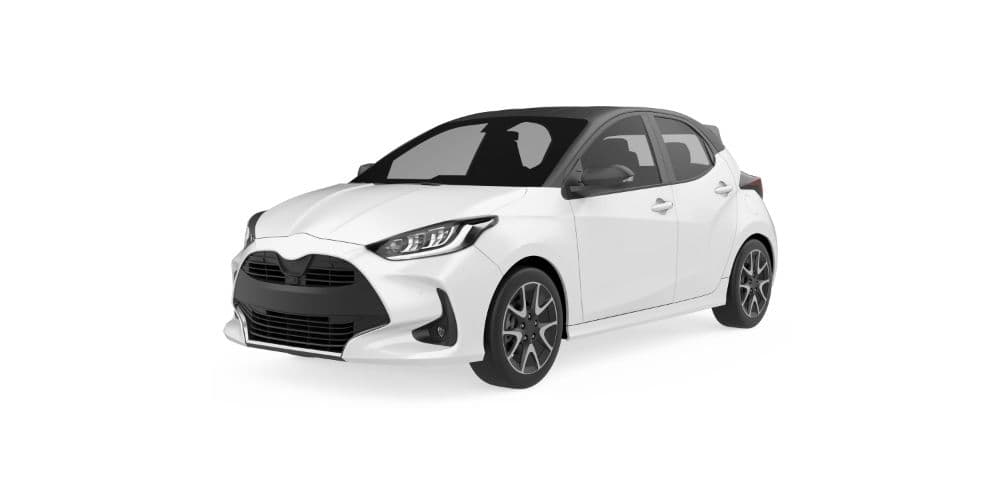
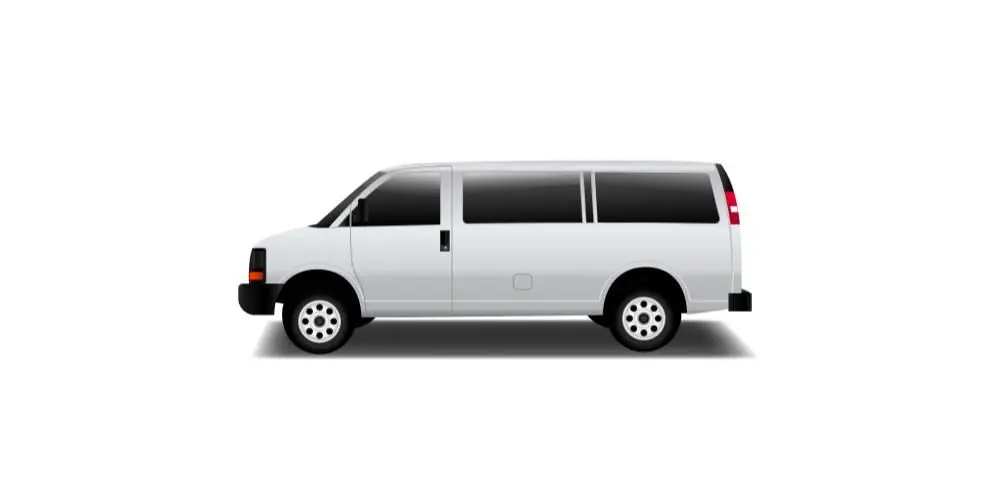
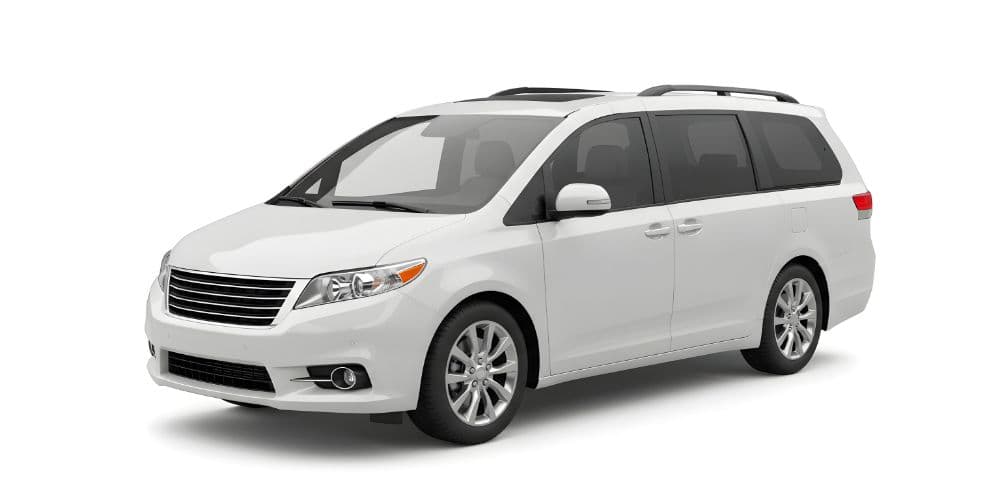
Our Most Popular Vehicles
Frequently Asked Questions
It depends on the city and your personal preference. In many U.S. host cities, renting a car (or van) is highly convenient because public transit may not directly serve the stadium. Cities like Arlington/Dallas have essentially no direct transit to the stadium, making a car or rideshare a must. On the other hand, cities such as Atlanta, Seattle, and Philadelphia offer good public transportation options that take you close to the stadium. Consider your itinerary: if you plan to explore beyond just the match (tourist sites, out-of-town trips) or are traveling with a group, a rental car/van gives you freedom. If you’re solo and staying in a well-connected downtown, you might get by with trains, buses, and the occasional Uber. Many fans find a hybrid approach works maybe transit to the stadium to avoid parking, but a rental car for other days to sightsee or drive to the next city. Research the specific transit setup for each city’s stadium and weigh it against the cost and flexibility of having your own vehicle.
As early as possible demand will be extremely high. Once the match schedule and ticket sales are announced (likely in 2025), fans will start booking travel en masse. Flights to host cities around match days will fill up quickly, and prices will spike. The same goes for rental cars and vans inventory can sell out months in advance for major events. It’s wise to reserve a vehicle as soon as you know your city dates (you can often book with free cancellation, especially through aggregators like AVR, which allows you flexibility if plans change). Hotels too will be scarce, so don’t wait. In short, treat it like a major holiday season: earlier is better to lock in reasonable rates and ensure availability. If you plan to use public transit, you obviously don’t need to “reserve” that, but do check if any special shuttle bus reservations or park-and-ride permits are needed (occasionally, cities require booking a spot on an express bus or a parking lot in advance for huge events).
Visitors with a valid license from their home country can generally legally drive in the U.S. Most major rental companies accept foreign driver’s licenses, as long as they are in English (or accompanied by an English translation/IDP). An International Driving Permit is basically a translated supplement of your license it’s recommended (especially if your license is not in English) but not required by law in most cases. If your license is in English (e.g., UK, Australia) or uses the Latin alphabet, you usually do not need an IDP for rental purposes, but having one won’t hurt. Always carry your passport alongside your license when driving as a tourist. Check the specific rental company’s policy a few might ask for an IDP from certain countries. Planning ahead, it’s relatively easy to get an IDP in your home country before you travel. In summary: yes, you can rent and drive with your foreign license, just ensure it’s valid and bring an IDP if available, especially if your license is in a non-Roman script (like Japanese, Arabic, etc.). And remember, in the U.S. we drive on the right-hand side!
If you prefer not to rent a car, you have a few choices: public transit, rideshare/taxi, or shuttle services. Many host city airports have some form of public transit link for example, Atlanta’s airport connects directly to MARTA rail, which can take you downtown and to the stadium area cheaply. Seattle’s Sea-Tac has a light rail to downtown (near Lumen Field). Newark Airport has an NJ Transit train into New York that you can connect toward MetLife Stadium on game days (via a transfer at Secaucus Junction onto special event trains). Some cities might organize dedicated shuttle buses from airports or central transit hubs to the stadiums for World Cup events details to be announced closer to 2026. Otherwise, rideshare or taxis are the straightforward (if sometimes pricey) door-to-door option. For example, from Miami International to Hard Rock Stadium is about 17 miles an Uber might cost $30–$50 depending on demand. From DFW Airport to AT&T Stadium (15 miles) similar range, but note that after games, surge pricing can inflate that cost. There may also be private shuttles or group vans you can book some tour companies or fan groups arrange transport from popular hotels to the games. If you’re not renting a car, factor in extra time and a bit of flexibility. You might combine transit and rideshare (e.g., take a train part way to avoid traffic, then a rideshare for the last few miles). Each city’s section in our guide above has specifics on airport distance and transit availability to help you plan.
Parking will be at a premium, but it is available if you plan ahead. All the U.S. host stadiums have large parking complexes (they regularly handle NFL crowds, after all). The key is to purchase an official parking pass in advance from the venue or authorized sellers. Closer to the tournament, FIFA or the local stadium authorities will release parking info likely selling passes by match or in packages. Expect that you cannot just show up last-minute and easily find parking; lots may be permit-only on the day of the game. Once you have a pass, arrive early (lots typically open several hours before kickoff). Parking could be a bit of a “hurry up and wait”: you’ll be directed into a spot, and after the game there will be traffic controls to manage the flow out. If you don’t secure an on-site pass, look for alternate options: some nearby businesses or private lots often open for event parking (e.g., near Hard Rock Stadium in Miami or near NRG Park in Houston, locals offer yards or small lots for a fee). Use those as a backup, but stick to reputable-looking operations in well-lit areas. Another strategy if you’re worried about parking: drive to a transit station on the outskirts and train in (e.g., park at a suburban MARTA station in Atlanta for free and take the train to the stadium). In summary, parking is manageable with preparation. It will cost money and time, but tens of thousands will do it each game. Read the official venue guidelines for parking release dates and consider joining email updates from the host city organizers so you don’t miss the window to buy a pass.
Major rental agencies (and brokers like Airport Van Rental) often run promotions around big events, but the flip side is demand is high so deep discounts might be rare. It’s worth checking if companies offer group deals for instance, a van rental that includes a free additional driver or unlimited mileage (most have unlimited miles by default in the US, but confirm). One strategy is to use membership or affiliate codes (AAA, airline frequent flyer partnerships, etc.) to shave off some cost. As for one-way rentals, many providers allow them (pick up in one city, drop in another), and this can be great for World Cup trips between host cities. Just be aware of any drop-off fees. Sometimes rental brokers include the drop fee in the quote so you see the total; it can vary from reasonable to hefty depending on the route. If you’re splitting it with a group, it can still be worth it for the convenience. Keep an eye on van availability 12- and 15-passenger vans are a specialized category and can sell out, so book early. Occasionally, rental companies will impose minimum-day requirements for large vans during peak periods. Also, ensure whoever is driving meets the age requirements (often 25+ for larger vans). In terms of official transport, FIFA itself sometimes partners to offer inter-city coach transportation for fans or supporter groups nothing announced yet, but it happened in some past tournaments. Check the FIFA World Cup 2026 official site periodically for any fan transport programs. In short, while there may not be “World Cup coupons” per se, savvy travelers can leverage group economics (splitting costs) and early booking to effectively get their own discounts. And if you’re renting through AVR or similar, look out for any special World Cup messaging they know lots of fans will be renting, and they might have dedicated support or packages to make things easier (such as including collision damage waiver or toll passes as perks). It never hurts to ask!